Hood design-Week 2
Aim:
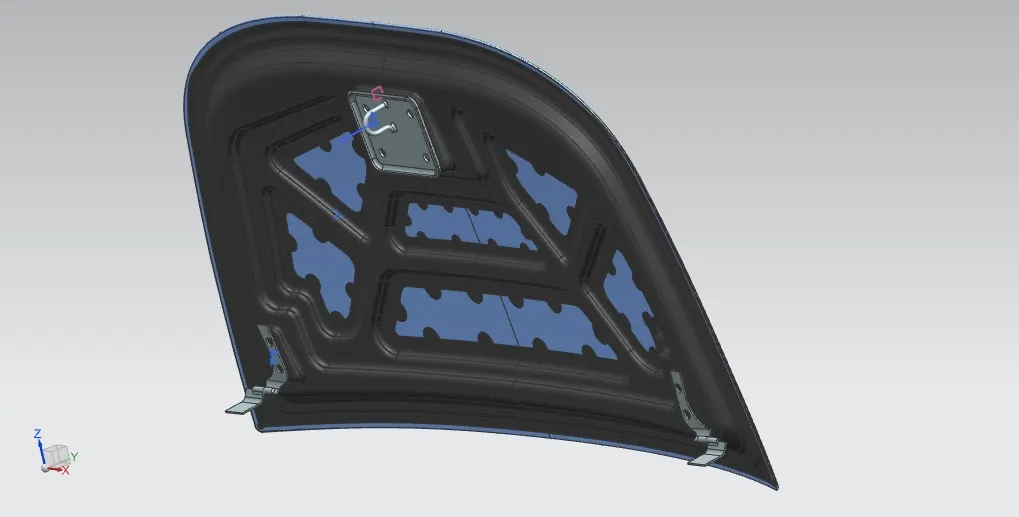
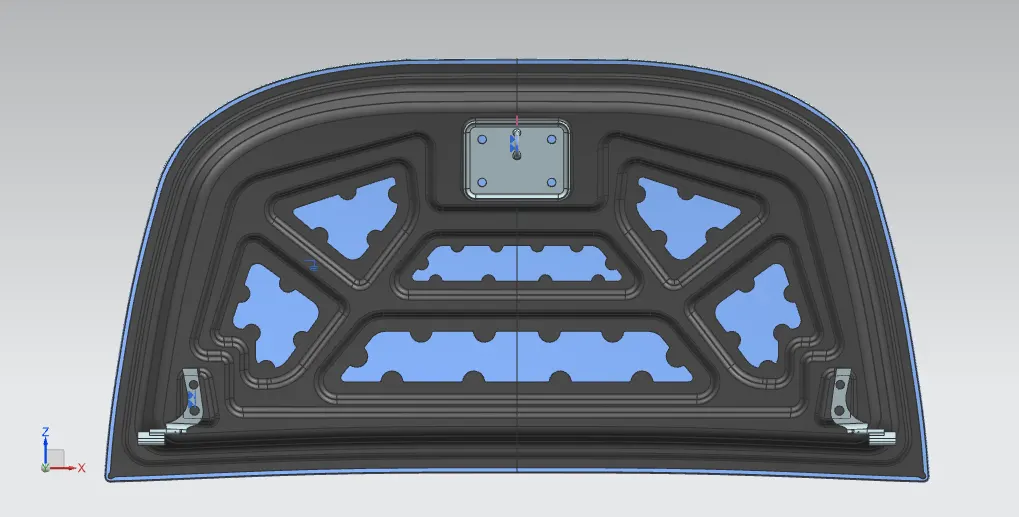
To design Hood Outer Panel, Inner Panel and the necessary reinforcements by following the Master Section mentioned with the Design parameters.
Hood:
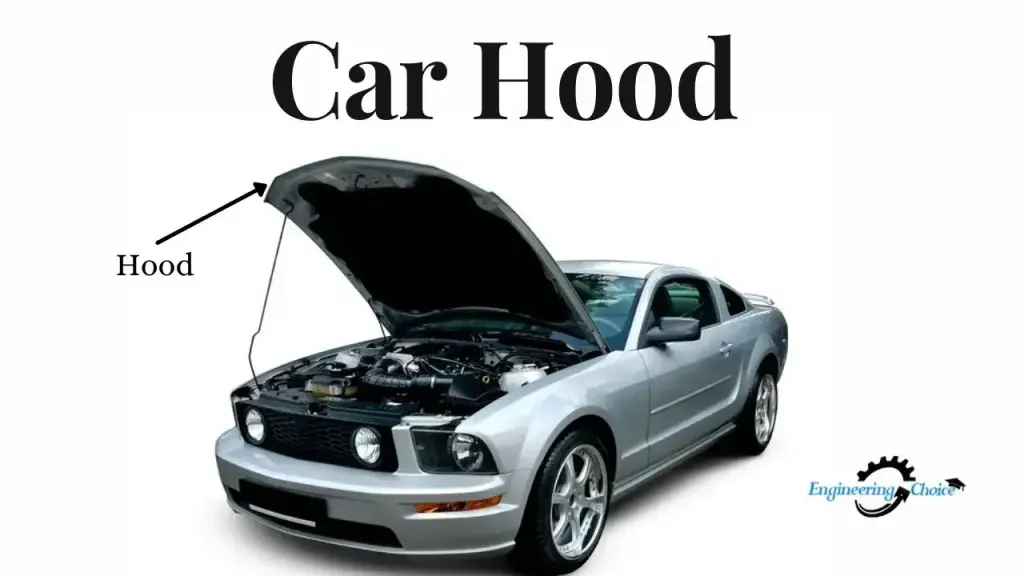
A car hood is the metal part that covers the engine of an automobile. The term car hood is a North American term, used primarily in America and Canada. Hood comes from the Old English word hod which means a hood, a soft covering for the head. Interestingly, hood is used by British English-speakers to refer to the waterproof cloth top covering the passenger compartment of a car or pram. And also, the car hood is used to reduce damage and protect the engine from external problems like climate changes, atmospheric dust, etc.
Outer panel:
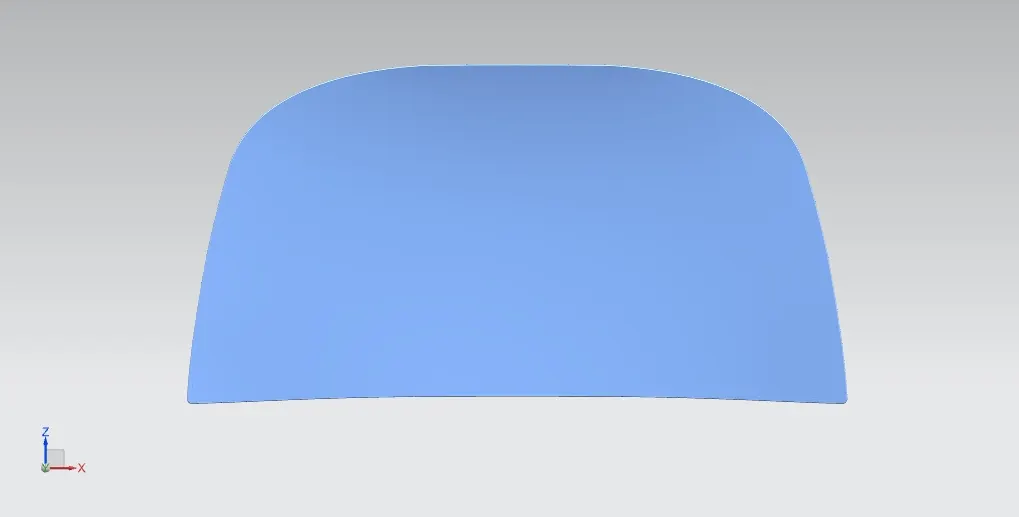
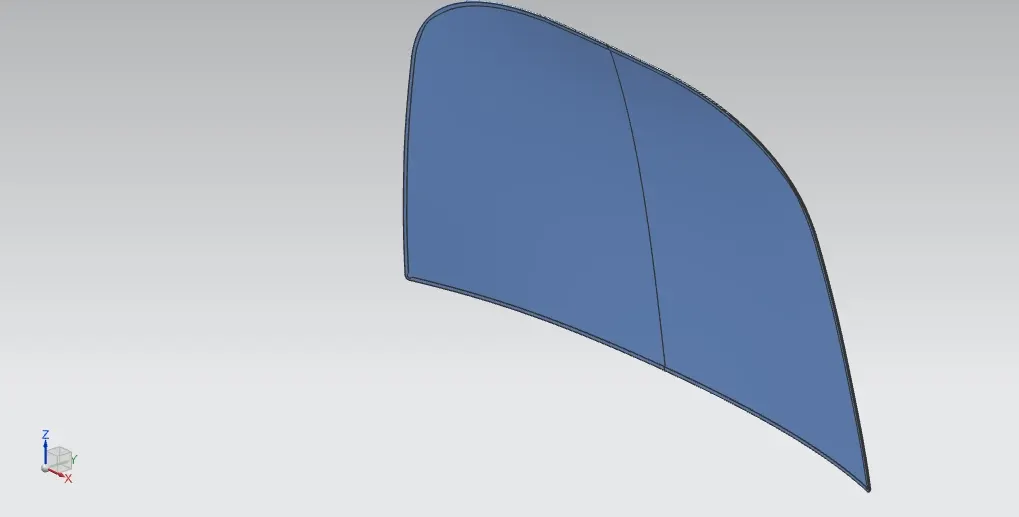
The hood's outer panel is one of the major parts of the hood. It used to cover the reinforcement and engine. Its most important features are its aesthetic look and damage protection.The outer panel is joined to the inner panel by using the hemming process.
Inner panel:
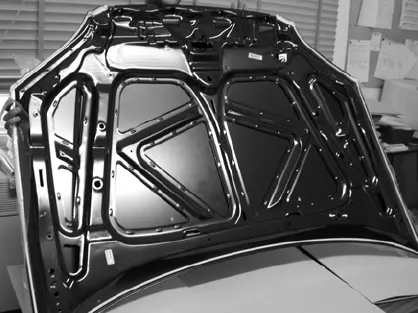
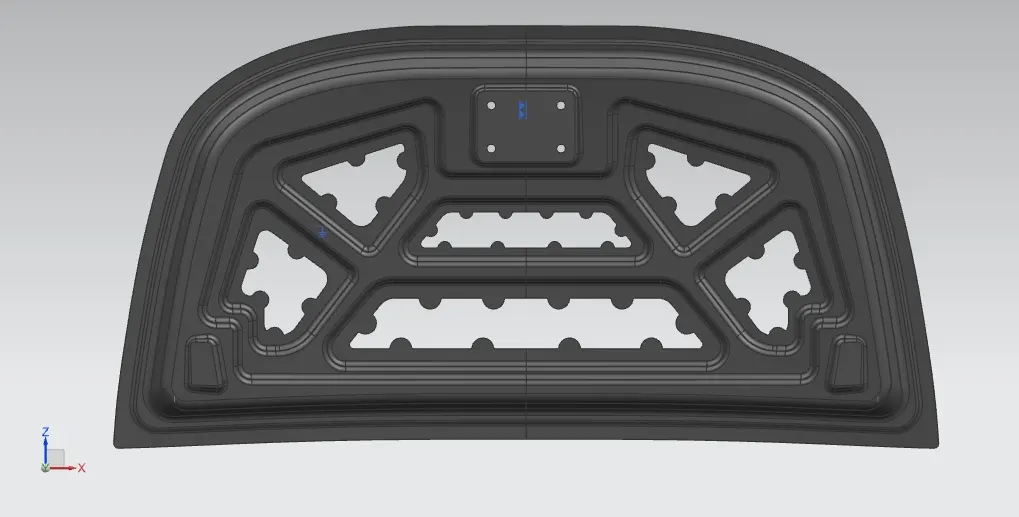
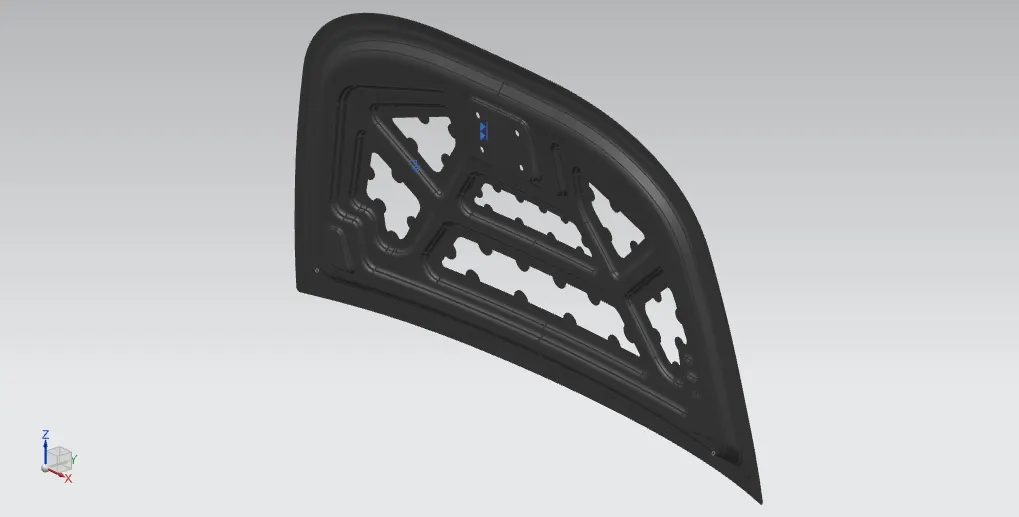
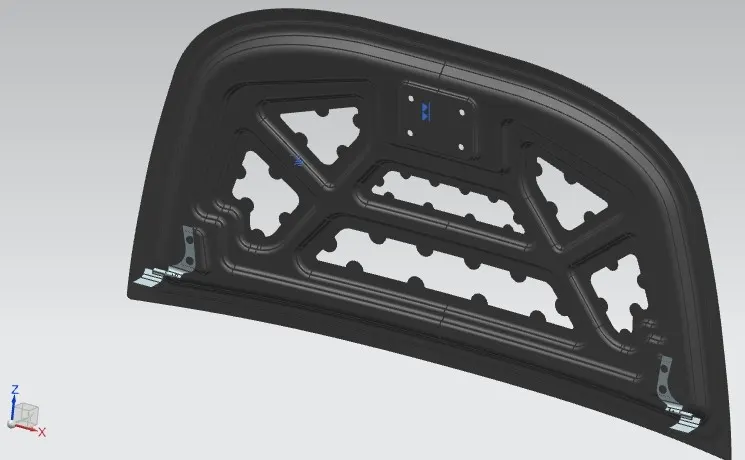
The hood panel of the vehicle has a form in which an outer panel and an inner panel are combined, and has a frame structure for rigidity reinforcement in order to ensure hood rigidity and durability.
The hood inner panel is the most important part of the hood panel. It contains reinforcement and embosses for damage reduction. It plays a major role in hood design. The inner panel is where the damage transfer occurs. When the car is crashed on the front side, the hood inner panel transfers the collision from the straight line to the side by using reinforcement.
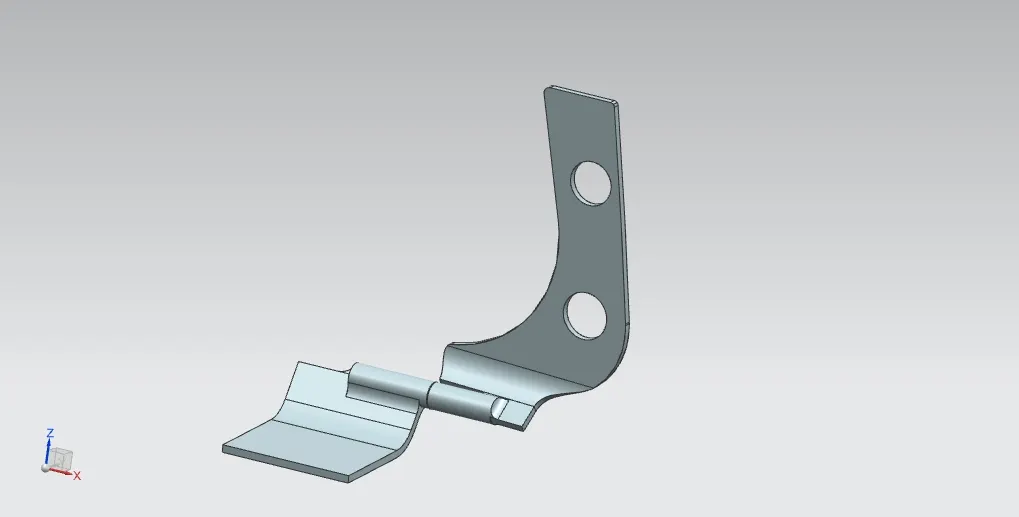
Hinge mounting:
The hood panel is mounted to the car body by hinges. Hinge mounting is a pivot and bracket system for the hood's opening and closing. It also secures different positions by keeping the hood attached to the car.
Striker mounting:
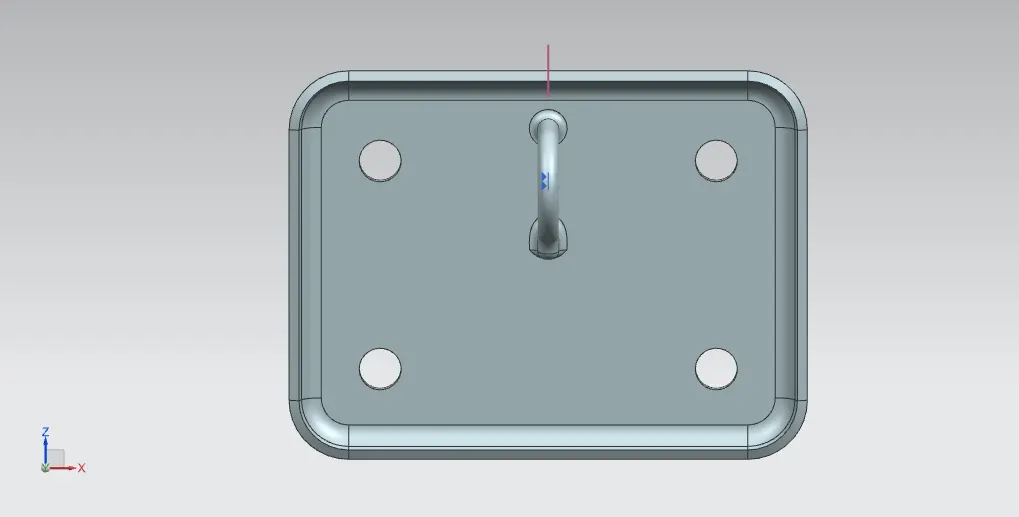
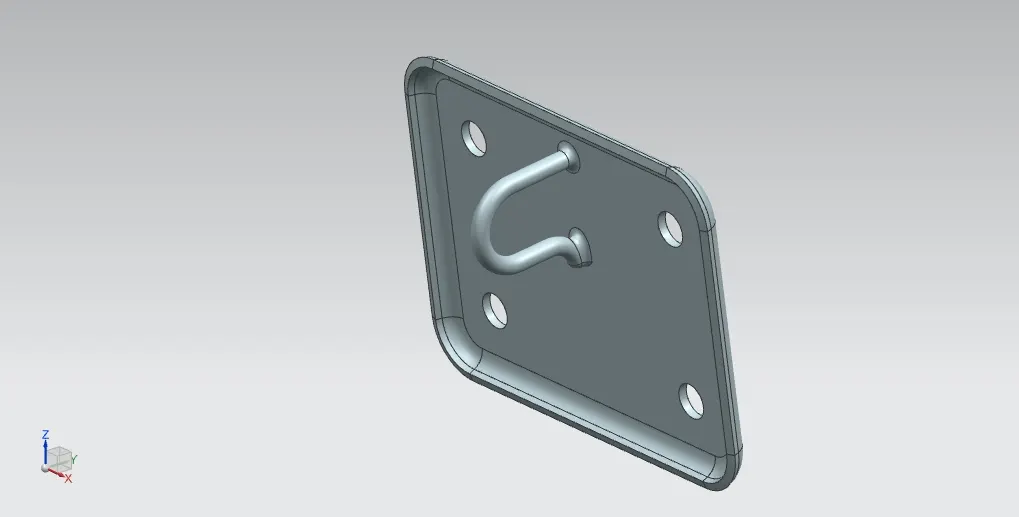
It functions essentially as the clasp that holds your hood closed. With the help of this latch, you can be confident that your car's hood is firmly fastened to the body and won't suddenly open.
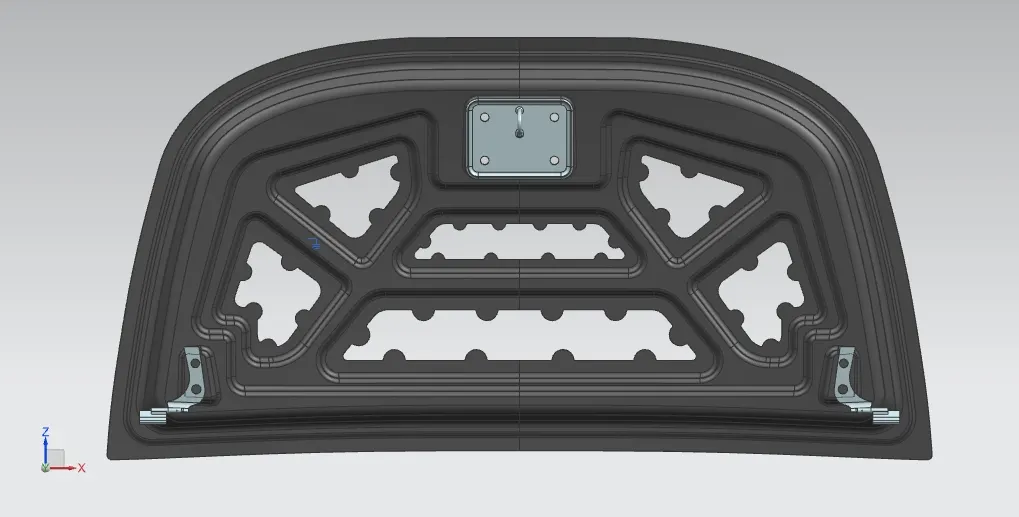
Latch Trajectory:
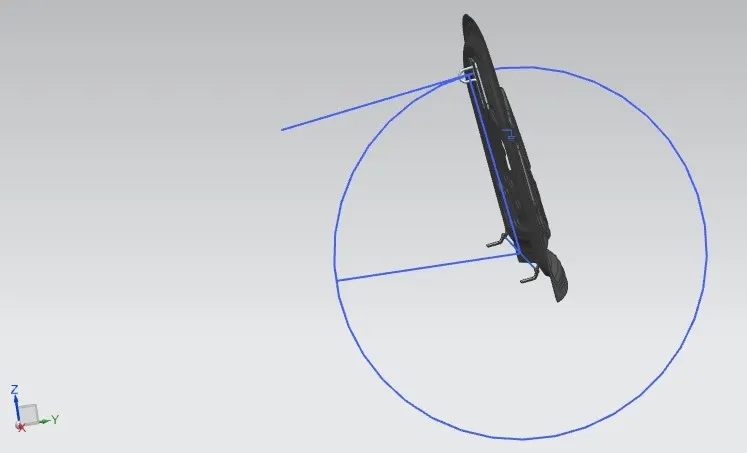
When the hood is opened or closed while rotating on the hinge axis, the striker will move along a path known as the latch trajectory. The hinge axis is placed at the center of the latch trajectory's circle, which is assumed to be a path of motion. A tangent to the circle is achieved by positioning the striker at a 90 degree angle.
Emboss:
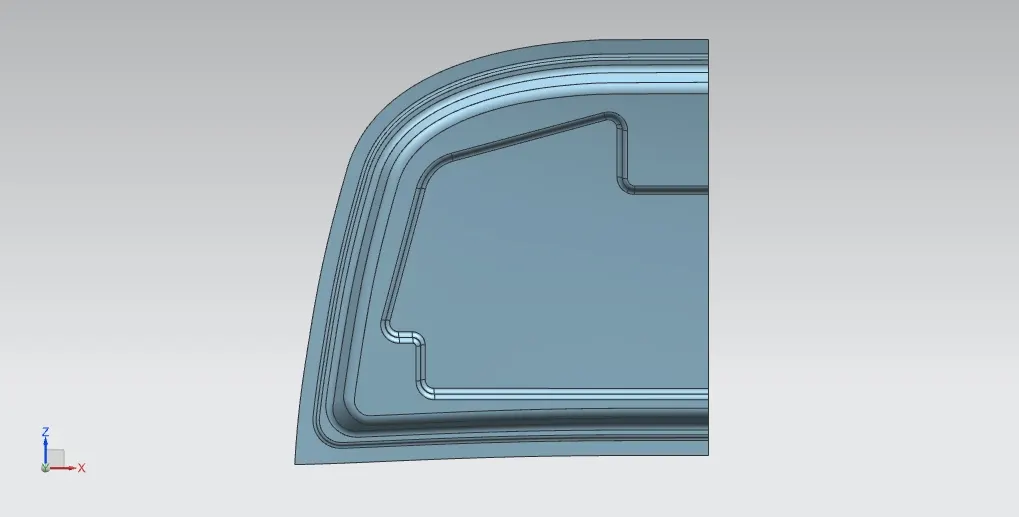
Embossing is a forming process in which high pressure is applied to a workpiece to change its surface. Depending on the shape, a distinction is made between hollow embossing and solid embossing.
Sheet metal embossing is a stamping technique used to create raised or sunken motifs or relief in sheet metal. This procedure can be carried out using matched male and female roller dies or by running a sheet or a strip of metal between rolls that have the appropriate pattern.
Hemming:
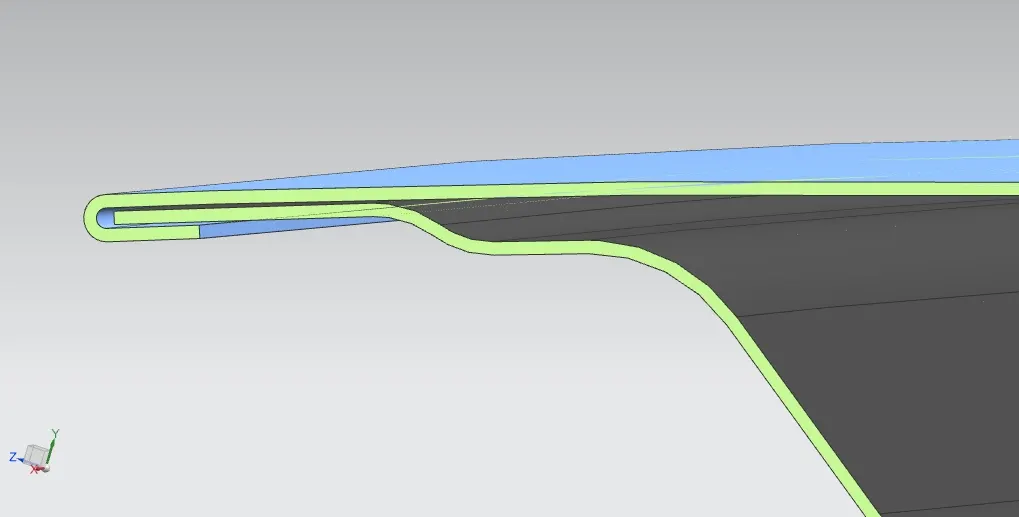
Sheet metals are linked by being bent 180 degrees during the hemming process, which is used to make sheet metal. Hemming is a method of forming automotive body panels and parts like decklids, trunklids, doors, hoods, and tailgates. A sheet is typically bent in three phases during this operation with the aid of an inner sheet.Hemming operations are used to reinforce component edges, join parts together, and enhance part appearance.
Hood Assembly: