Underbody Coating
UNDERBODY COATING:
Underbody Coating is a sprayable coating, which protects the under surface of the vehicle from corrosion.
Underbody coating provides long term protection from corrosion to car's underbody. It also protects parts like internal body panels, frame rails and other inner cavities that are not physically accessible but are prone to corrosion.
Protecting the underbelly of the car should be our top priority. Especially during monsoon when heavy precipitation causes the roads to become mini-rivers and our cars are left stranded there. This makes them prone to heavy corrosion in the underbody region.The main purpose of mundercoating is to check the rust especially in the body componenets like frame rails along with other exposed metal parts. Underbody coating can also reduce wear and tear.
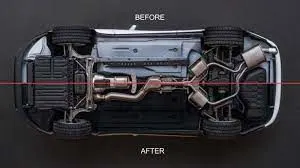
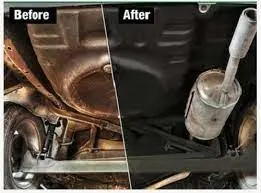
TYPES OF UNDERBODY COATING PROCESS: The various kind of underbody coating for an automobile are as follows:-
- Rubberized Underbody Coating: This is generally Thought of as the best underbody coating. It preserves the underbody well, protecting it from scratches. Applying this to the undercarriage is not much of a hassle. Overall, Rubberized Undercoating is generally the best option for protecting your vehicle's undercarriage, as it provides the simplest and best protective measures against rust and moisture.
- Wax Based Underbody Coating: This more or less ephemeral undercoating will wear away in a few months' time. On the upside, wax-based undercoating puts up a big fight against moisture. It is also most affordable option out there.
- Asphalt Based Automotive Coating: Best suited for lorries, trucks and large vehicles this provides a greater degree of protection compared to rubber-based coatings. However, asphalt-based coatings contain little amounts of rubber for sound-insulation purpoeses. the process of applying this coating is a bit time-consuming though.
- Polyurethane Underbody Coating: This coating closes up splits and fracturers on the underbody of the vehicle. It offers up good protection against corrosion and also bonds with the metal. Unlike in the case of asphalt-based coating, you can paint over the polyurethane coating. On the flipside, this type of car undercoating generally requires a little bit more surface prep work before applying -- sanding and applying an etching primer to bare metals before using are generally recommended.
UNDERBODY COATING PROCES:
- Pre-treatment: The first step in preparing BIW for subsequent coating is the pre-treatment process. Pre-treatment consists of cleaning the body surface to remove remaining oils from the stamping process and welding residues through three primary liquid dip processes of degreasing, conditioning and phosphating. The degreasing solution is composed of alkaline salts and surfactants and can include caustic soda, tri sodium phosphate, and sodium carbonate. The surfactants are types of detergents for emulsifying oils and lubricants on the BIW
- Electrodeposition (ED): The metal underbody and frames of automobiles are coated to prevent corrosion, whereas other areas like the roof are not rust proofed. When not coated to prevent corrosion, the structural metals (or other materials) are primed before applying additional coatings: The ED processes are modified as per the BIW material property. This ED coating provides rust and corrosion protection.
- Rust-proof materials (Sealer/PVC): The third step is underbody coating (UBC) and seam sealing using PVC and urethane. The sealant is applied around and inside the doors, hood, trunk, and front dash and onto the exterior and interior of metal joints and outer area of the back wheel well.
- Primer: The fourth coating step is the application of a primer surface or simply primer. It can be water-borne, solvent-borne or a powder. These primers are used to improve adhesion between the E-coat and topcoat, provide chipping protection, enhance paint appearance and also be environmentally compatible with emission regulations.
- Top-coat: The final step in the body coating process is to apply the topcoat, which consists of two layers-the basecoat and clear coat. The basecoat contains the primary colouring pigment and the clear coat provides a protective coating against environmental effects, corrosion, and UV light degradation promotes unmatched colour retention and provides a smooth unblemished even finish.
video showing underbody coating
ADVANTAGES OF UNDERBODYCOATING:
- Fights Rust.
- Absobs Noise.
- Reinforcement.
- Prolong Car's life.
DISADVANTAGES OF UNDERBODYCOATING:
- High Cost.
- Risk Of damage during Application.
- Not highly Effective on a Used Vehicle.