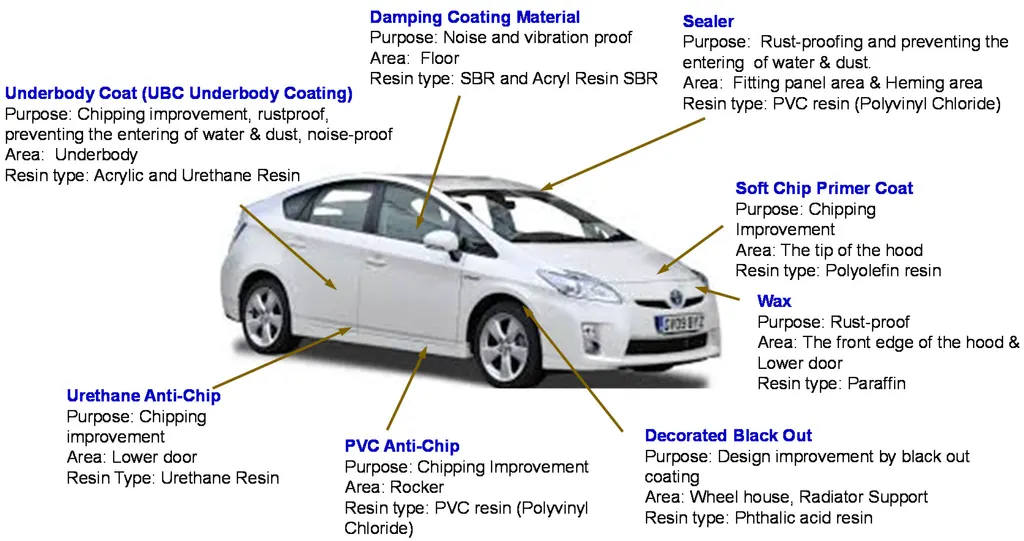
Underbody Coating
QUESTION: Write a one-pager about Under-Body Coating and its purpose, its types in detail, and its pros and cons.
ANSWER:
Underbody coating is a dense cladding applied uniformly to the undercarriage of the automobile. It is normally sprayed or painted . It is done just out of dealership and surface is clean. It is also applied atfer a couple of years and that is also fine to prevent the further damage to the under carriage.
PURPOSE:
Its purpose is to provide a barrier between the metal parts of the vehicle and the environment, preventing rust and corrosion. The underbody of a vehicle is particularly susceptible to corrosion due to its exposure to moisture, salt, and other harsh elements. It is also protects the parts like internal parts like internal body pannels, frames , rails and other inner cavities that are not physically accessible but are prone to corrosion. Underbody coating can also reduce wear and tear.
TYPES OF UNDERBODY COATING:
1. Rubbberized Underbody Coating
- Rubberized undercoatings are made of a mixture of rubber and asphalt.
- They are often applied with a spray gun and provide a rubber-like finish that is flexible and abrasion-resistant.
- This is generally thought of as the best underbody coating for your car.
- It preserves the underbody well, protecting it from scratchesagainst impact, abrasion, and chemical exposure.
- It is done by using asphalt-based materials that are thick and durable enough to protect.
- It also act as the good Sound Insulator.
2. Asphalt-based Undercoatings:
- Asphalt-based undercoatings are similar to rubberized coatings, but they are made of a thicker and more heavy-duty material.
- They provide excellent protection against impact and abrasions, making them ideal for use on off-road vehicles.
- It is also best suited for lorries, trucks and large vehicles this provides a greater degree of protection compared to rubber-based coatings.
- Asphalt-based coatings contain little amounts of rubber for sound-insulation purposes.
3. Wax-based Undercoatings:
- Wax-based undercoatings are formulated to provide a barrier against moisture and salt.
- They are easy to apply and typically last longer than rubberized and asphalt-based coatings.
- They not as durable and may not provide as much protection against impact and abrasions.
4. Oil-based Undercoatings:
- Oil-based undercoatings are formulated to provide a barrier against rust and corrosion.
- They are easy to apply and provide a longer-lasting protection than wax-based coatings.
- They are not as flexible and may not provide as much protection against impact and abrasions.
5. Ceramic Undercoatings:
- Ceramic undercoatings are a newer type of underbody coating that uses ceramic particles to provide a barrier against rust and corrosion.
- They are durable, flexible, and provide excellent protection against impact and abrasions.
6. Polyurethane Underbody Coating:
- Polyurethane coating closes up splits and fractures on the underbody of the vehicle.
- They offers up good protection against corrosion and also bonds with the metal.
- Unlike in the case of asphalt-based coating, you can paint over the polyurethane coating.
Underbody coating can be done in several ways, including:
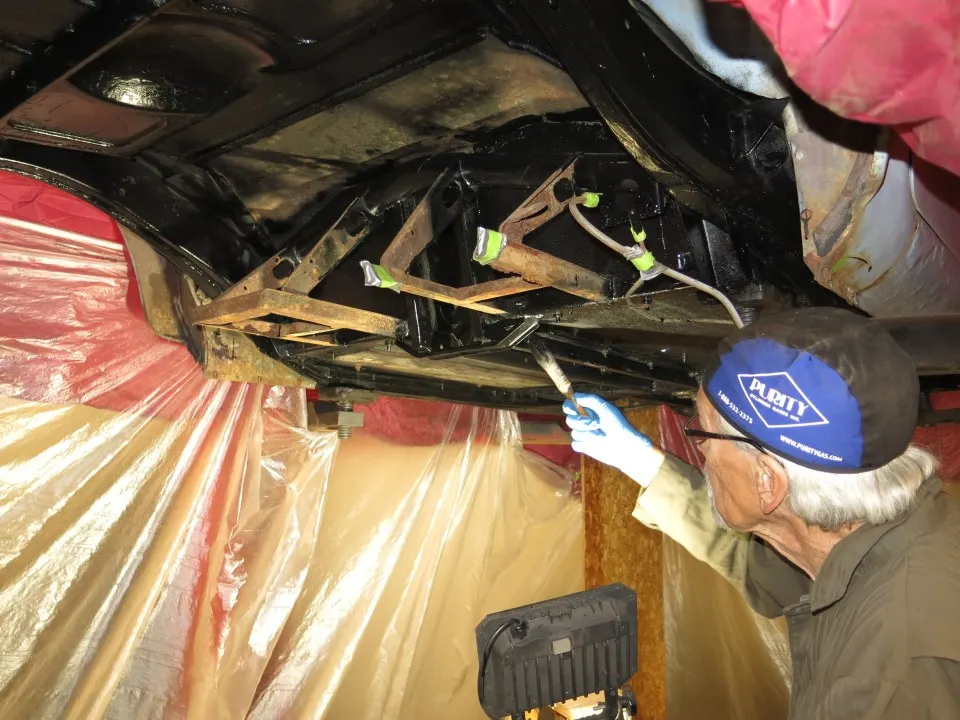
- Brushing: This method involves applying the coating to the underbody of the vehicle using a brush. This method is typically used for thicker, heavy-duty coatings, and is more time-consuming than other methods.
- Spraying: This method involves applying the coating to the underbody of the vehicle using a spray gun. This method is quick and efficient, and is often used for lighter, more flexible coatings.
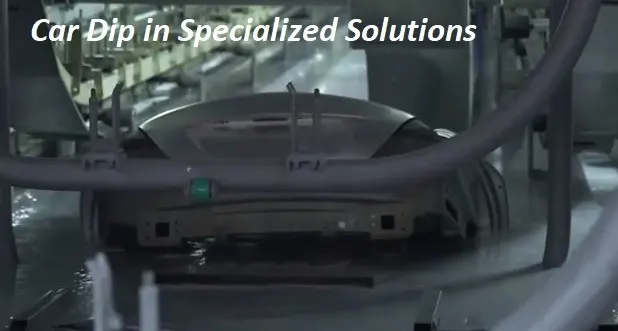
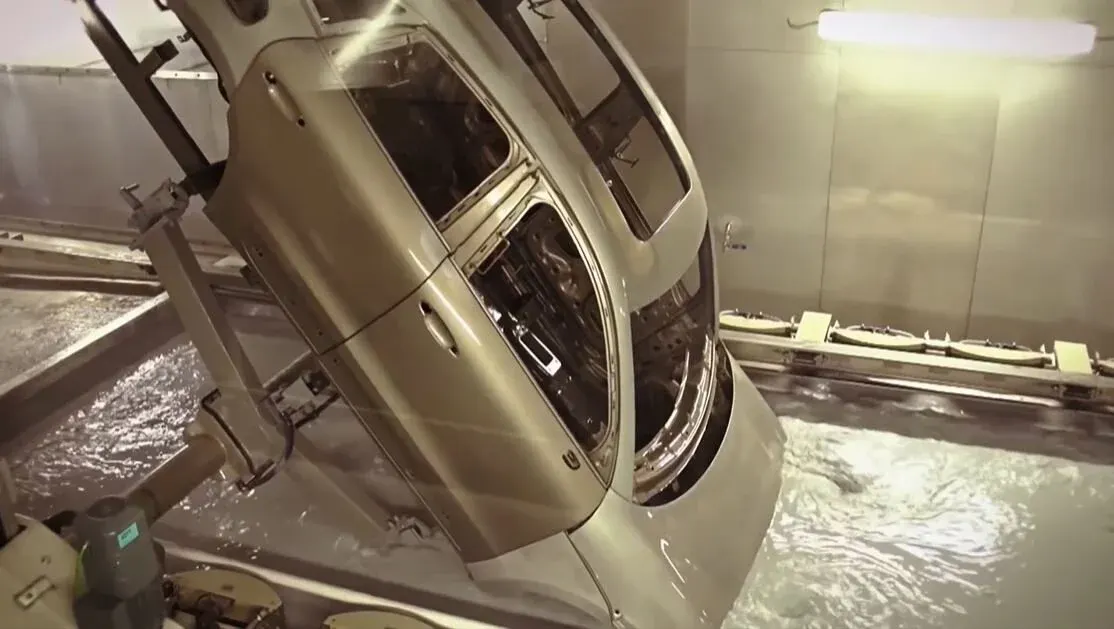
- Dipping: This method involves fully submerging the underbody of the vehicle into a vat of coating material. This method is typically used for thicker, heavy-duty coatings, and provides complete coverage of the underbody.
Underbody coating process typically involves the following steps:
- Cleaning: The underbody of the vehicle is thoroughly cleaned to remove any dirt, grime, or rust.
- Repairing: Any rust or corrosion that is found is repaired, and any damaged or missing parts are replaced.
- Priming: A primer is applied to the underbody to help the coating adhere and provide additional protection.
- Coating: The underbody coating is applied using the desired method, either brushing, spraying, or dipping.
- Curing: The underbody coating is allowed to cure, which typically takes several hours.
- Inspection: The underbody is inspected to ensure that the coating has been applied evenly and that there are no areas that need touch-ups.
ADVANTAGES AND DISADVANTAGES
Advantages:
- Protection against Rust and Corrosion: Underbody coatings provide a barrier between the metal parts of the vehicle and the environment, preventing rust and corrosion. This can extend the life of your vehicle and prevent costly repairs. Underbody coating can come in handy especially if you live near the sea, where there is too much humidity, and rusting is just one of those everyday things. You should also seriously consider undercoating if you reside in a place where it snows in winter.
- Improved Resale Value: A well-maintained vehicle with a protected underbody will generally have a higher resale value than a vehicle that has not been protected.
- Reduced Road Noise: Some underbody coatings are soundproof, helping to reduce road noise and make your driving experience more comfortable. Very thick undercoating can soften the noises that reach the cabin. Since the undercoating is often made up of rubber it absorbs some of the rackets. The occupants of the car could spare themselves of the road noises at least up to a certain extend.
- Easy to Apply: Underbody coatings are generally easy to apply and can be done quickly and efficiently by professionals.
- Reinforcement: If your car comes with stock underbody coating, using another coating on top of it will offer additional reinforcement, protecting the underbody from water, road debris, gravel and small pebbles. There would also be a lesser chance for the factory coat to flake away.
- Life of Automobile: Good undercoating not only defends the underbody from corrosion but also protects the engine and transmission as well. Less rusting coupled with slower wear and tear can surely add years to the lifespan of your vehicle. There would be fewer dents, dings and scratches on the undercarriage for you to fret about it.
Disadvantages:
- Cost: Underbody coatings can be expensive, especially if you choose a more advanced type of coating.
- Temporary Solution: Underbody coatings are not a permanent solution and will eventually wear off over time, especially if the vehicle is frequently driven on rough roads.
- May Mask Issues: Applying an underbody coating can mask underlying issues with your vehicle's underbody, such as rust or corrosion. Regular maintenance and inspection are still important to ensure that the underbody is in good condition.
- Difficult to Remove: If you need to remove an underbody coating, it can be a difficult and time-consuming process.
- Limited Protection: While underbody coatings provide protection against rust and corrosion, they may not provide adequate protection against impact and abrasions, especially in off-road driving conditions.
Here I attach the images gathered in google as the reference of the Underbody Coating.
Before & After coating
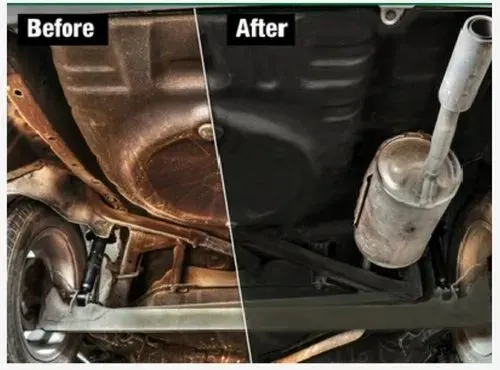
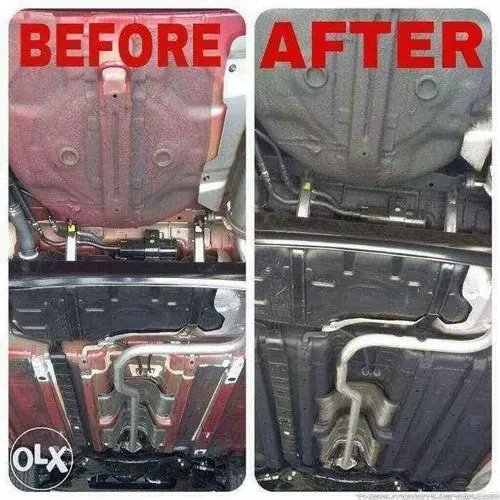
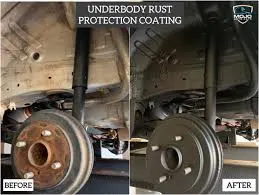
Spraying Coating
Brushing the Coating
Car dipping for Underbody Coating
Rubberized Spray Coating
Detailed Coatings of a Car