Underbody Coating
ONE- PAGER ABOUT UNDER BODY COATING AND ITS PURPOSE, ITS TYPES IN DETAIL, AND ITS PROS AND CONS
Underbody coating: underbody coating is a thick cladding (typically made of rubber) that is placed uniformly to the car's underside.
Purpose:
It is usually done to prevent the material of car from corrosion. Body components like frame rails along with other exposed metal parts can be prevented from rust by underbody coating, it also reduce wear and tear.
Types of undercoating:
- Rubberized Underbody Coating: This is considered as best possible underbody coating for the car. It protects the underbody from scratches and keep it properly, also is not difficult to apply to the undercarriage. Rubberized coating is ideal if we need to keep the road noise, rust and corrosion away. This can be applied at authorised service center.
Pros:
- Easy to apply.
- Safe to apply.
- The simplest way to undercoat car.
- Provides Satisfactory protection.
- Undercoat can be painted top neat finish.
2. Wax based underbody coating: It is coating which is resistant to dampness. It is also cost-effective alternative but it genrally fades away after a few monthes.
pros:
- It is most inexpensive undercoating option.
- Readily flows into seams to gaurantee any exposed and prone surface are protected.
Cons:
- Wear off quicker as compared to other type of coating.
- Unlike rubberized type, it does not really dry.
- Needs to strip and reapplied at least once a year as soon as sign of wear and tear starts to show.
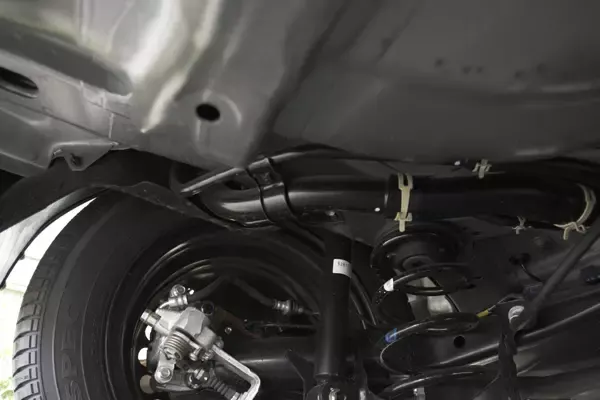
3. Asphalt Based Automotive undercoating: This undercoating is suitable for mainly heavy vehicles such as truckes, lorries etc. In comparision with the rubber based coating it provide more protection. The application of this coating takes some time. It also incorporate a small quantity of rubber for sound insulation.
pros:
- Formulated to protect against dirt,rust and corrosion. It normally has self life of upto two years.
- Provide extra durablity as it is the thickest coating available.
Cons:
- The only type of undercoating with limited warranty.
- For best used only for undercarriages of utility vehicles and trucks.
- It takes time to harden.
4.Polyurethane Underbody coating: This covering seals breakes and fractures in the vehicle's underbody. It provides strong corrosion resistance and also binds to the metal. This type of coating is suitable for any weather condition.
pros:
- Longer life span and is resistance to wear and tear.
- Easily and quickly applicable.
- Quick and simple to remove as it sands easily.
- Can be painted over.
Cons:
- Requires time-consuming etching with primer to bare metals.
- For better adherence, needs undercarriage preparation before application.
5.Water based undercoating: It is made up from an advance polymer that is non- oxic and envoirment freindly. It is genrally applied to protect the undercarry components from harsh weather conditions. This coating prevents the component from rust,salt and moisture. This type of product can be applied to any material such as metal, glass,rubber and plastic. But this undercoating last only for one year depending on where we drive the car.
pros:
- It takes very short time to dry.
- Can be done at home.
Cons:
- It can not repel ice and water like petroleum based coating.
- Requires frequent replacement.
6. Petroleum based undercoating: It's an heavy viscous oil-based product that provide effective barrier against the moisture and corrosion. The liquid dries and hardens to provide tough, durable and long-lasting protection against moisture and corrosion. This typically applied to the undercarriage of truck,automobile and other vehicle.
pros:
- repels ice and water due to its petroleum base.
- have greater deflective abilities for road salts and grimes.
Cons:
- It requires annual replacement.