Underbody Coating
Under-body coating
Under-body coating, also known as undercoating, is a protective layer applied to the underside of a vehicle to protect against rust and other forms of corrosion. It is typically applied to the frame, suspension components, and other areas of the vehicle that are prone to rust and wear.
There are several types of under-body coating available, including:
-
Rubberized undercoating: Rubberized Automotive Undercoatings are an economical coating for vehicle under-bodies. Rubberized coatings have many benefits. They provide better sound deadening than most other types of coatings. They dry to the touch so they can be painted but remain flexible to resist chipping. Some of the concerns with rubberized undercoatings is that the surface it is being applied to must be very clean and free of moisture. Any water or corrosion trapped behind the coating will continue its detrimental effects.
-
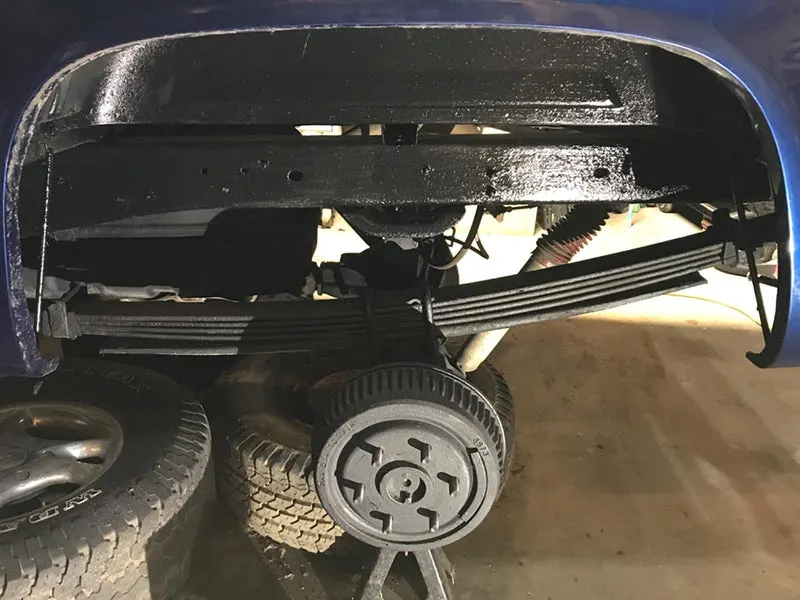
Wax-based undercoating: Wax Based Undercoatings are the ultimate coating when compared to Asphalt or Rubberized Undercoatings. First and foremost they provide protection for up to 15 years and beyond. They require less surface preparation because they are “Rust Encapsulating”, meaning they can be applied over areas with light rust and will stop further rusting. They provide outstanding adhesion to most surfaces and actually expel and seals out moisture. Wax based coatings also require a thinner film thickness which means you will use less product versus Asphalts. They maintain their flexibility over time and are self-healing when it comes to chips and scratches.
-
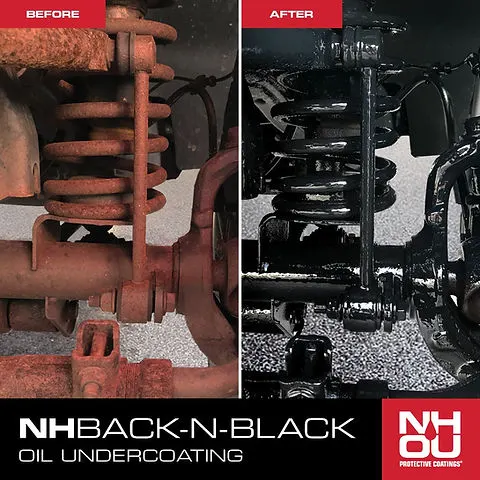
Oil-based undercoating: Oil Based Automotive Undercoatings are an effective short term way to protect vehicles against damage caused by salt, liquid de-icers and other corrosive conditions. These thin film oil rust preventative coating have the added advantage of creeping into tight seems and crevices eliminating moisture and corrosion as well as the lubrication rubbing surfaces. These products generally need to be reapplied annual depending on driving conditions.
- Asphalt based automotive undercoating: Asphalt Based Undercoating does provide some benefits over Waxed Based Undercoating. They both stick well to most any surfaces and do a great job sealing out moisture, road chemicals and oxygen. But mainly, Asphalt undercoating has the benefit of being less expensive. They protect anywhere up to 5 years and dry to a Firm to Hard coating.
Asphalt Based Undercoating does require a thicker film thickness meaning you will have to apply more product to the surface to be protected then if you use a Wax Based Undercoating. Additionally, Asphalt based products require more surface preparation because they can actually seal in rust and moisture allowing it to continue to grow. Finally, Asphalt based products continue to dry out over time causing cracks in the coating surface.
- Polyurethane underbody coating: This coating closes up splits and fractures on the underbody of the vehicle. It offers up good protection against corrosion and also bonds with the metal. Unlike in the case of asphalt-based coating, you can paint over the polyurethane coating.
The main benefits of under-body coating are:
-
Protects against rust and corrosion: The main purpose of under-body coating is to protect against rust and corrosion. By providing a barrier between the metal and the elements, it can help to extend the life of a vehicle.
-
Reduces road noise: Under-body coating can help to reduce road noise by absorbing sound waves and reducing vibrations. This can make for a more comfortable and peaceful driving experience.
-
Improves fuel efficiency: By reducing the weight of a vehicle, under-body coating can help to improve fuel efficiency. This can save drivers money on gas and help to reduce their carbon footprint.
- Increases Car life: Less corrosion combined with slower wear and tear can extend the life of your car by many years. On the undercarriage, there would be fewer dents, dings, and scratches to worry about.
However, there are also some drawbacks to under-body coating, including:
-
It is less helpful if corrosion is already present.
-
Maintenance: Under-body coating may need to be reapplied every few years to maintain its effectiveness.
-
Aesthetics: Some people may not like the appearance of under-body coating, as it can make a vehicle look dirty or unkempt.