Underbody Coating
UNDERBODY COATING
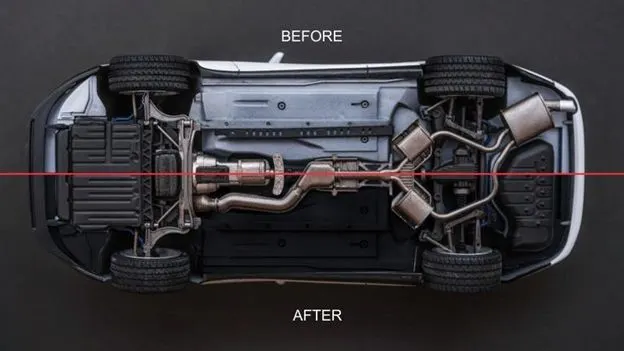
Underbody coating is usually a dense cladding (often based on rubber) applied uniformly to the undercarriage of the automobile.Underbody Coating is a sprayable coating, which protects the under surface of the vehicle from corrosion. undercoating not only defends the underbody from corrosion but also protects the engine and transmission as well.
TYPE OF UNDERBODY COATING
basically there are three type of underbdy coating:-
-
rubberized underbody coating
- polyurethane underbody coating
- wax or paraffin -based- coatnting
- asphalt-based-coatng
RUBBERIZED COATING :- This is generally thought of as the best underbody coating for your car. It preserves the underbody well, protecting it from scratches. Applying this to the undercarriage is not much of a hassle either.rubberized undercoating is also safe to use on wheel wells and quarter panels, and dries to a soft rubbery finish that prevents further rust, damage, or moisture seeps. The coating can be painted over and, if necessary for bodywork, can be easily removed with an undercoating removal spray.
POLYURETHANE COATING:-This coating closes up splits and fractures on the underbody of the vehicle. It offers up good protection against corrosion and also bonds with the metal. Unlike in the case of asphalt-based coating, you can paint over the polyurethane coating. This type of vehicle undercoating is a little bit quicker and easier to apply.
WAX or PARAFFIN-BASED COATING:- This – more or less – ephemeral undercoating will wear away in a few months’ time. On the upside, wax-based undercoating puts up a big fight against moisture. It is also the most affordable option out there.
ASPHALT-BASED COATING:- Best suited for trucks and large vehicles this provides a greater degree of protection compared to rubber-based coatings. However, asphalt-based coatings contain little amounts of rubber for sound-insulation purposes. The process of applying this coating is a bit time-consuming though.
process:-
- remove the rust at first completely then proceed
- Once you've removed the rust and prepped your undercarriage for coating, give it a quick rinse and let it dry.
- Most undercoating is generally applied with a spray gun. A disposable spray gun will work best.
- two coats will provide the optimum protection. Allow ample dry time between coats.
pros:-
- fight against rust
- absorbs noise
- prolong car's life
cons:-
- Undercoating is costly.
- Apllying underbody coating will not have any effect to the already corroded part.