Underbody Coating
INTRODUCTION:
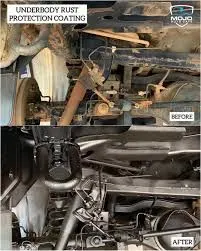
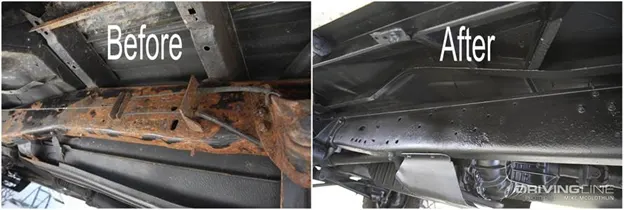
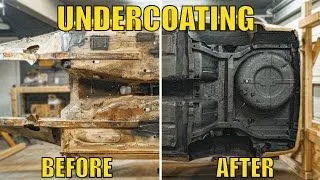
Underbody coating is a dense cladding that is applied uniformly to the car’s undercarriage. When the automobile is fresh off the lot and spotless, it is usually sprayed or painted on. In Indian road conditions, a car’s underbody is most prone to corrosion. Underbody coating provides long term protection from corrosion to car’s underbody.
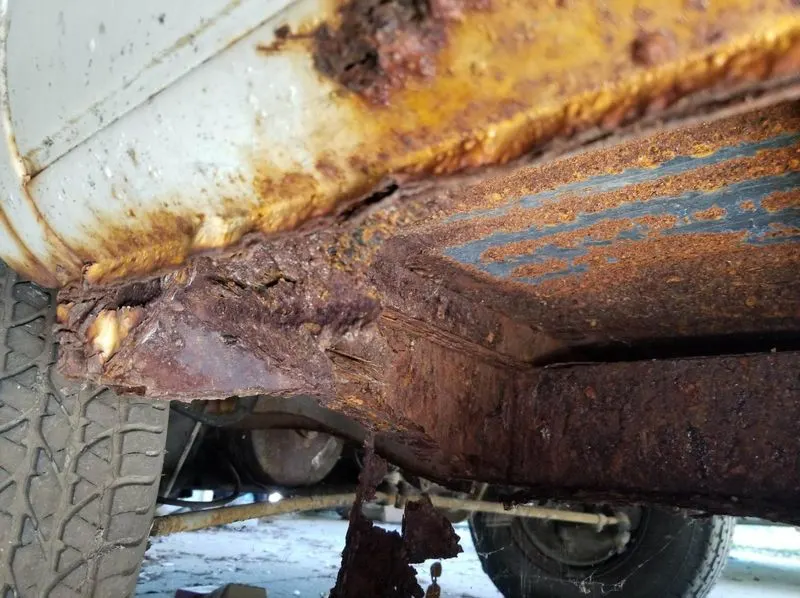
It usually protects the underbody parts like chasis, frame, rails from the external environment which are prone to corosion leading to wear and tear. Underbody coating plays a vital role in ensuring the integrity and safety of the undercarriage parts. Some of corrosion affected car's underbody pics are:
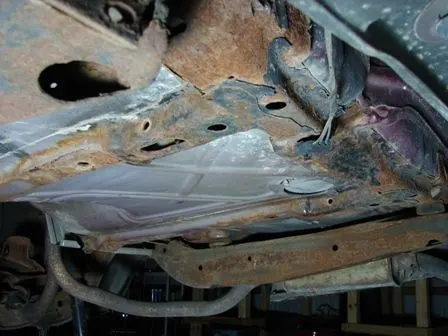
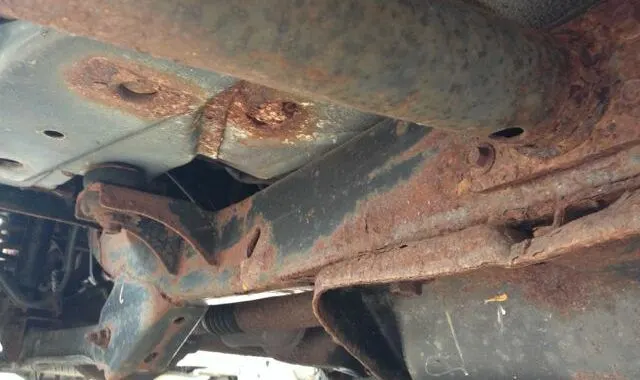
Purpose of Underbody Coating:
- protects against mud/water in roads which causes corrosion
- protects against stones or any sharp objects hitting the bottom belly of the car
- protects against scratching of underbody in humps due to lower bottom of the cars
- reduces NVH (Noise Vibrations Harshness) Levels
Types of Underbody Coating:
Water and parafin based undercoating:
Water-based undercoatings are the most popular for do-it-yourselfers. These undercoatings can be found in automotive parts stores in aerosol formats. Water-based undercoatings are thin set and have quick drying times. This type of coating can be done by automotive shops that offer undercoating services inexpensively. The downside to water-based undercoatings is the frequency in which they need to be repeated. Often the smallest abrasion that breaks through the undercoating can result in the need for a new coat. Repetitive undercoating can get expensive even if the product does not cost much. Paraffin-based undercoatings have a wax inclusion that makes them stronger than water-based undercoatings. Paraffin-based undercoatings can be purchased through an automotive store in spray and paint-on formats. This type of coating is also thin set and relatively fast drying. A vehicle owner can get this as an option when purchasing a new vehicle, or it can be professionally applied through an automotive service. Paraffin-based undercoating needs to be replaced at least once a year at the vehicle owner's expense.
Petroleum and Rubber based Undercoating :
Petroleum-based undercoatings are made from oil and have greater deflective abilities for road salts and grime. The petroleum base helps repel water and ice better than paraffin- or water-based undercoatings. Petroleum-based undercoatings are available through professional services and can be purchased when buying the vehicle. This type of undercoating also needs to be replaced once a year at the owner's expense. Rubber-based undercoating is the second strongest undercoating available for vehicles. This type of undercoating allows for more flexibility in the undercarriage, and holds up better to rough terrains. Rubber-based undercoatings are available in spray and paint-on applications. Due to the thickness of the application, it is advisable to let a professional apply rubber-based undercoating to ensure maximum coverage. Rubber-based undercoating also can be bought as an option when purchasing a vehicle.
Asphalt-based undercoating:
Asphalt-based undercoating is the strongest undercoating available. It is used on all-terrain and military vehicles. Asphalt-based undercoating will last longest and is the best option for vehicles that endure heavy road use. Asphalt-based undercoating is the thickest coating with the most damage-resistant properties. It can be bought through professional services and is the only type of undercoating with a limited warranty. Asphalt-based undercoating can be purchased when buying a new vehicle.
Pros of Underbody coating:
- It provides a layer of protection against corrosion.
- It will extend the life of your vehicle.
- It can be applied to damaged areas.
- It can be self-applied.
- There are multiple undercoating methods that can be used.
- The service might help with the cost of your insurance.
- It may help to reduce interior noise
Cons of Underbody coating:.
- It is less helpful if corrosion is already present.
- It works best on new cars.
- Most vehicles make it five years before corrosion begins to show.
- A third-party undercoating service might void your vehicle’s warranty.
- It adds weight to the vehicle.
- An undercoating is not impervious to damage..
- It must be reapplied every 3 to 5 years for the best results.