Underbody Coating
UNDERBODY COATING :-
It is a resistance process to corrosion for the parts which are under the car and not accessible. It is most prone to corrosion on Indian roads, it provides longterm protection to corrosion.
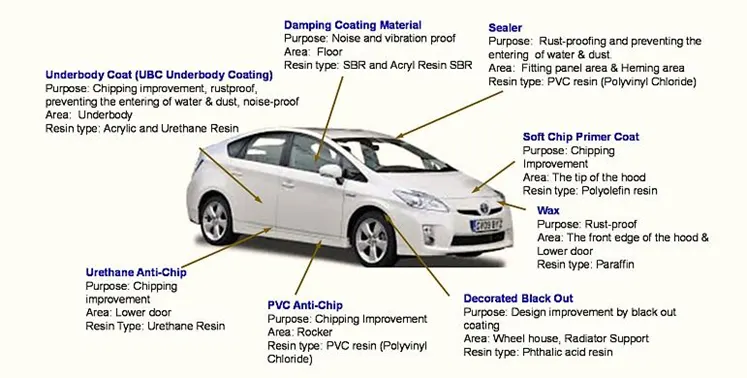
- Types :-
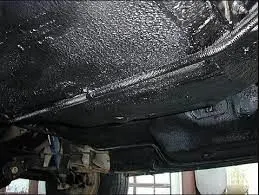
- Rubberized Underbody Coating
- Wax Based Underbody Coating
- Asphalt Based Automotive Undercoating
- Polyurethane Underbody Coating
1. Rubberized Underbody Coating :- It is most used and refered as best underbody coating.It covers all sharp edges. it protects from salt & Chemicals. it is a barrier against rust on car bodies. Overall, rubberized coating is generally the best option for protecting your vehicle's underbody, Because it provides the simplest and best protective measures against rust and moisture
2. Wax or Parafin Based Underbody Coating :- It is parafin based coating, wax is added by which it got stronger than water based undercoating. there is a issue i.e. it requires to change the coating once in a year.
3. ASPHALT-BASED UNDERCOATING :-This coating gives benefits than parafin-based Undercoating. They both get stick well to any surfaces and do a better part sealing.
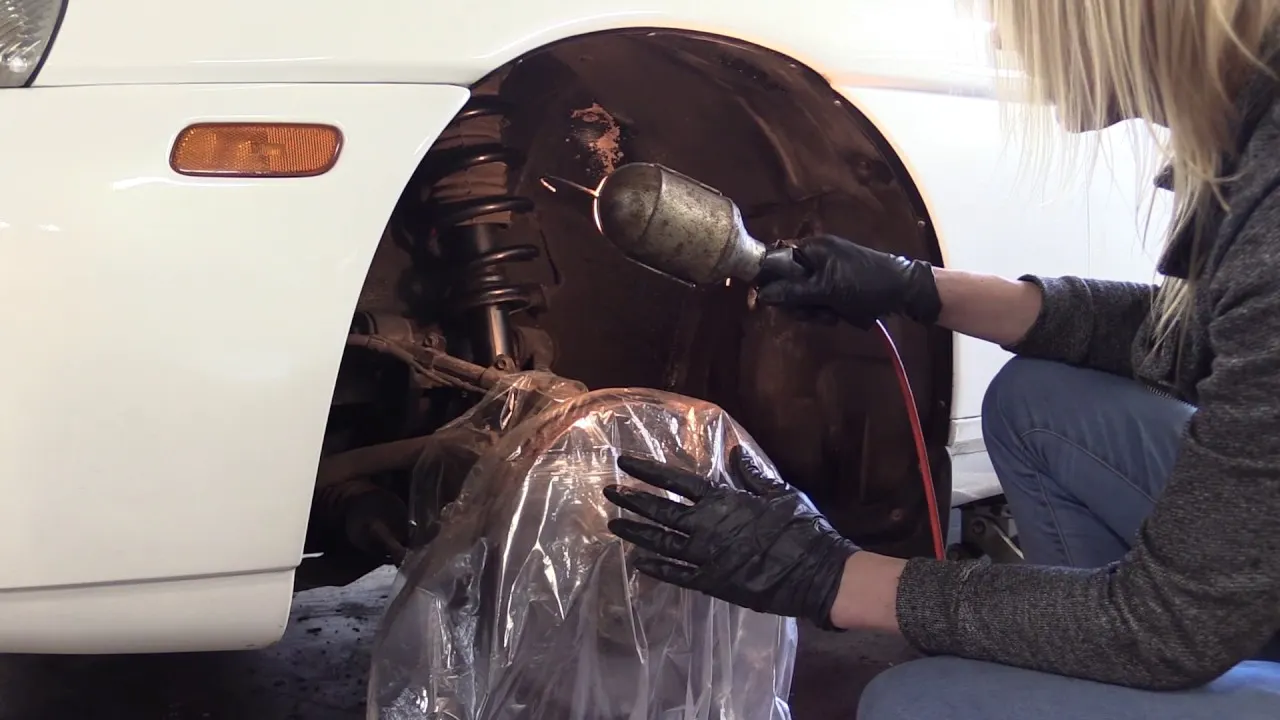
4. POLYURETHANE UNDERCOATING :- this method is used for sealing up cracks and seams, and compound works to displace salt and moisture while protecting the unoxidised metal from rust.
- Pre-treatment Process :-
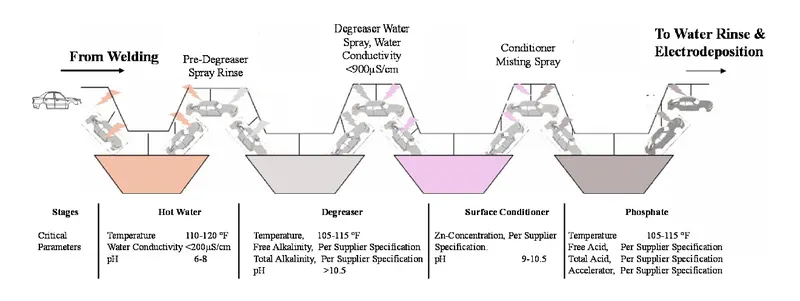
Preparing BIW for coating is the pre-treatment process. Pre-treatment consists of dusting cleaning the of bodies surface to remove rest oil from the stamping and welding slag by three primary liquid dip processes of conditioning, degreasing and phosphating. The degreasing formula is the compound of alkaline surfactants and salts . The surfactants are nothing but detergents for emulsifying oils and lubricants on the Body in White.
- Electrodeposition :-
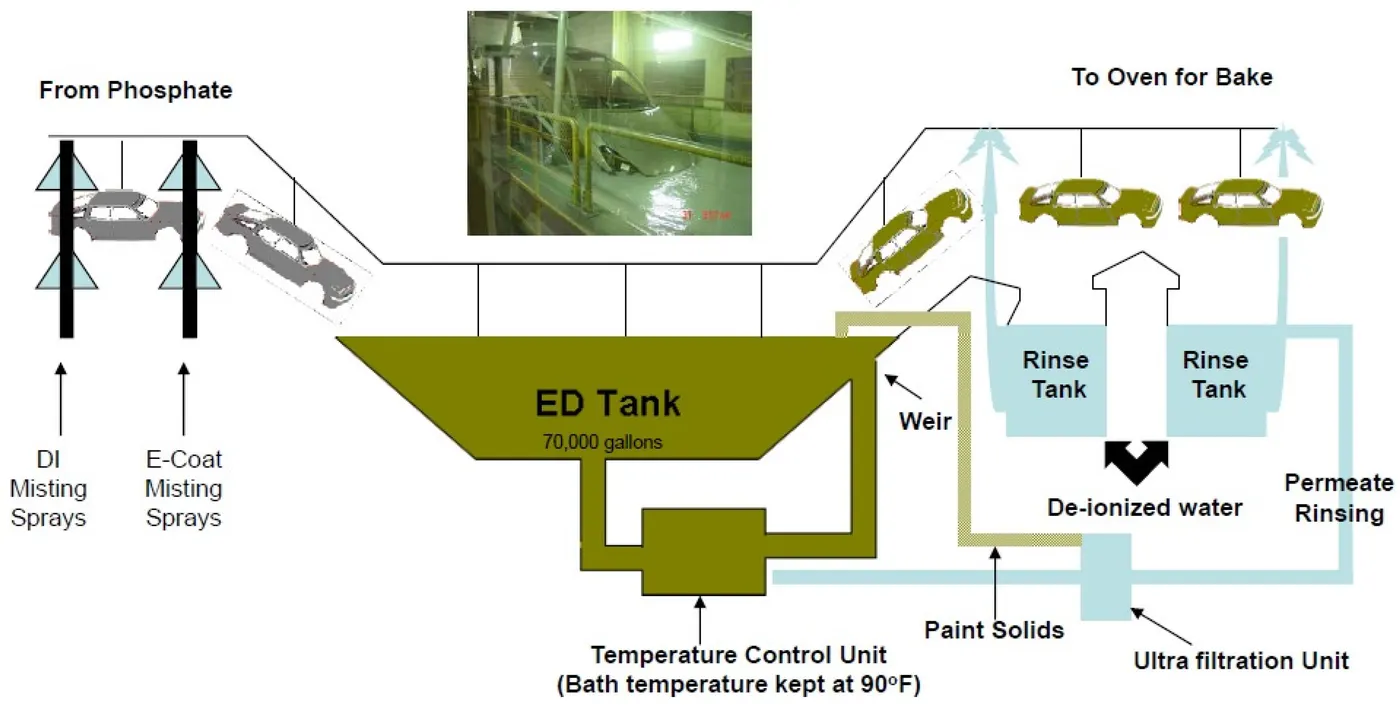
The Underbody and structural frames of car are coated to resist corrosion, while other areas i.e. bonut roof are not. When it has not coated to prevent corrosionn then the BiW metals are first applied primed before doing any coatings. The ED process can be changed as per the BIW material property.
- Sealer/PVC :-
The next step is underbody coating and seam sealing using urethane and pvc. The sealant is added all over the hood, doors, trunk, exterior & interior of BiW joints and outer area of the wheel.
- Primer :-
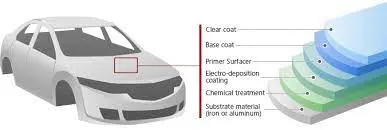
The another coating step is the simply applying a primer. It can be powder or water-borne. These primers are applied to inhance adhesion b/w topcoat and E-coat, it provides chipping protection and enhances paint appearance. it is also environmentally adaptable w.r.t. emission regulations.
- Top-coat:
The final step in the body coating process is to assign the topcoat, which has two layers—the basecoat and clearcoat. The basecoat contains the primary colour pigment and the clearcoat gives a covering coating against environmental effects, corrosion, and UV light deterioration boost unmatched colour holds and gives a smooth and perfect finish.
- Pros of Undercoating :- It provides an extra Layer of prevention against the corrosion.
- To safe the car parts against rust and corrosion
- Prolongs car parts life
- Prevent paint chipping
- Protects vital components
- Reduces noise Vibrations
- Cons of Undercoating :- A used vehicle might have stain on the bottom of the car or can have spots of deterioration, then Undercoating will not be helpful. Then before applying coating, it will be required to remove corrosion first.
- High Cost
- Damage risk