Underbody Coating
Underbody coating
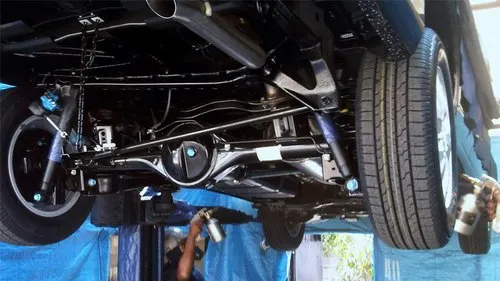
Underbody coating is usually a dense cladding applied uniformly to the undercarriage of the automobile. It is normally sprayed or painted on when the car is just out of the dealership and is clean. But even if you are getting the undercoating applied after a couple of years, it’s fine too. This is because it can prevent further damage to the undercarriage.In Indian road conditions, a cars underbody is most prone to corrosion. Underbody coating provides long term protection from corrosion to car’s underbody. It also protects parts like internal body panels, frame rails and other inner cavities that are not physically accessible but are prone to corrosion.
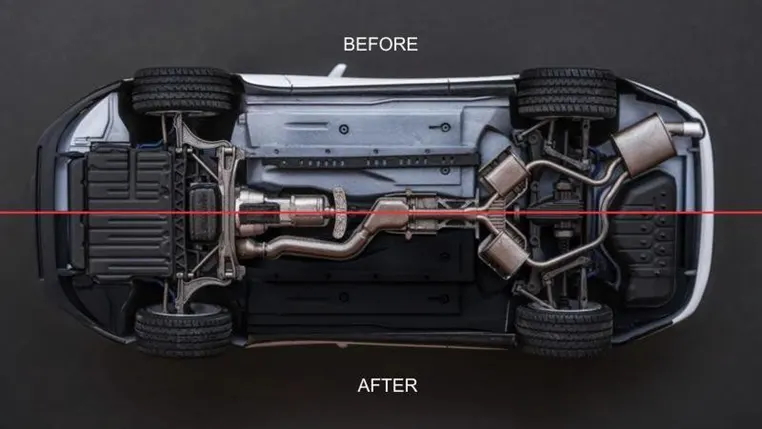
Electrocoating
Electrocoating is a process by which electrically charged particles are deposited out of a water suspension to coat a conductive part. During the electrocoat process, paint is applied to a part at a certain film thickness, which is regulated by the amount of voltage applied. The deposition is self-limiting and slows down as the applied coating electrically insulates the part. Electrocoat solids initially deposit in the areas closest to the counter electrode and, as these areas become insulated to current, solids are forced into more recessed bare metal areas to provide complete coverage. This phenomenon is known as throwpower and is a critical aspect of the electrocoat process.
Types of undercoating
Polyurethane undercoating
This is widely considered to be the best underbody coating for your car It protects the underbody from scratches and keeps it properly. It’s also not difficult to apply this to the undercarriage. This can be done at the authorized service center or by the local repair shop at a reasonable price. Rubberized coating is ideal if you want to keep the road noise to a minimum and rust and corrosion away.
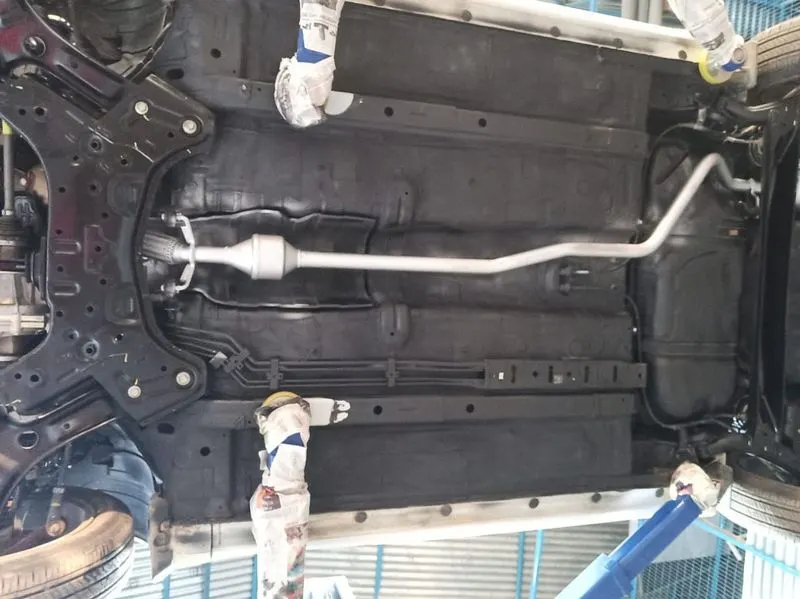
Wax based underbody coating
This transitory undercoating will, on the whole, fade away after a few months. On the plus side, wax-based undercoating is resistant to dampness. It is also the most cost-effective alternative.
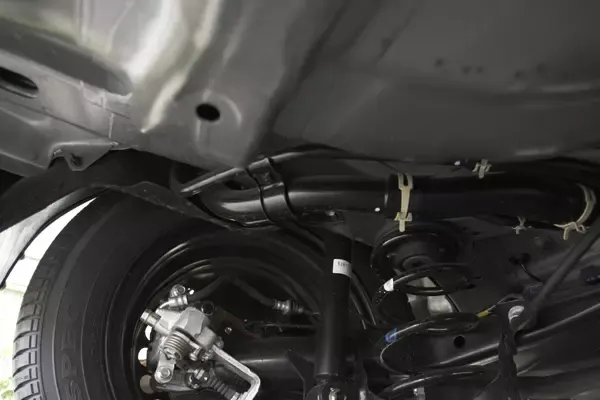
Asphalt based automotive undercoating
Suitable for lorries, trucks, and other heavy vehicles. In comparison to rubber-based coatings, this gives a higher level of protection. Asphalt-based coatings, on the other hand, incorporate a small quantity of rubber for sound insulation. The application of this coating, however, takes some time.
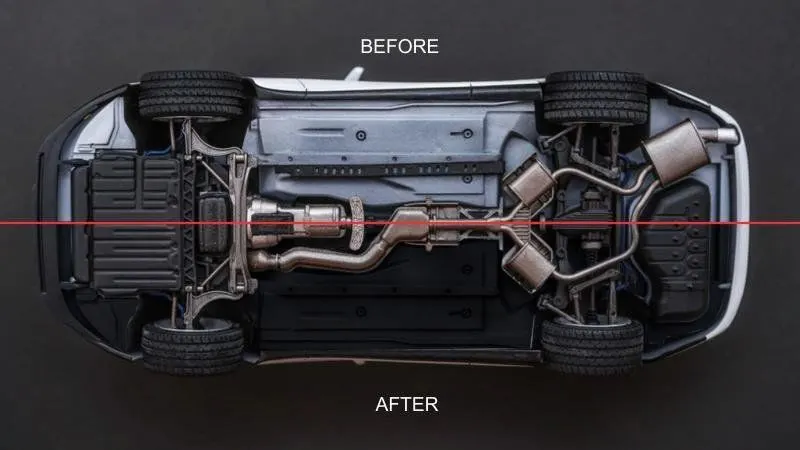
Polyurethane Underbody Coating
This covering seals breaks and fractures in the vehicle’s underbody. It provides strong corrosion resistance and also binds to the metal. Unlike an asphalt-based coating, the polyurethane coating may be painted over.
Advantages
- It provides a layer of protection against corrosion.
- It will extend the life of your vehicle.
- It can be applied to damaged areas.
- It can be self-applied.
- There are multiple undercoating methods that can be used.
- It may help to reduce interior noise.
Dis advantages
- It is less helpful if corrosion is already present.
- It works best on new cars.
- Most vehicles make it five years before corrosion begins to show.
- A third-party undercoating service might void your vehicle’s warranty.
- It adds weight to the vehicle.
- An undercoating is not impervious to damage.