Underbody Coating
UNDERBODY COATING
Underbody coating is often a homogeneous layer of thick cladding (commonly made of rubber) applied to an automobile's undercarriage. When the automobile is freshly cleaned and out of the dealership, it is often sprayed or painted on. However, it's okay even if you get the undercoating done a few years later. This is so that it won't cause the undercarriage any more harm.
Undercoating is mostly used to prevent corrosion, especially in exposed metal elements like frame rails and other body components. Additionally, underbody covering can lessen wear and strain.
The car's undercarriage ought to be our main focus for protection. Particularly during the monsoon, when the roads turn into little rivers due to the excessive precipitation, leaving our automobiles trapped. They are therefore more vulnerable to severe corrosion in the underbody area.
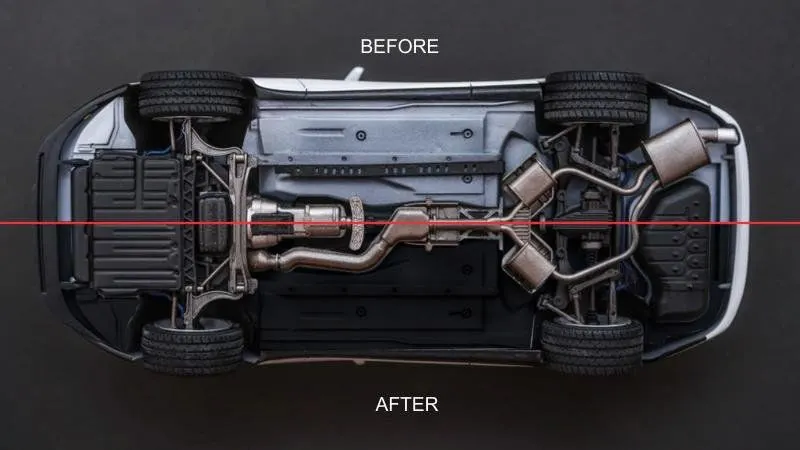
It protects the underbody substrates from:
- Environmental conditions
- Impacts
- Dampens sound and vibration
- Insulates against cold and heat
- Protects against Corrosion
- Seals off seams
- Hides welds, repairs & bodywork with spray
Types of Undercoating
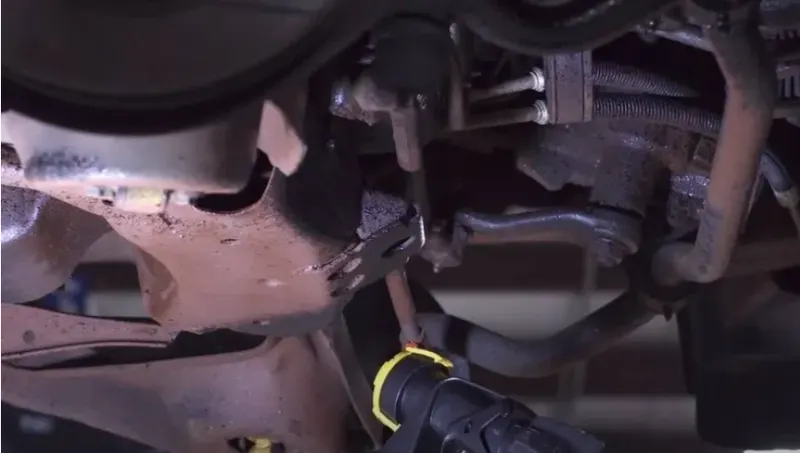
- Rubberized Underbody Coating
This is widely regarded as your car's best underbody covering. It keeps the underbody in good condition and guards against scratches. It's not difficult to apply this to the undercarriage either.
- Polyurethane Undercoating
Utilizing a sealer with a polyurethane base is the other method for undercoating your car. It takes a little less time and effort to apply this kind of car undercoating.
Polyurethane undercoating frequently comes in canisters that are preloaded into application guns. This kind of sealant functions by bonding with and shielding unoxidized metal by seeping into all seams and cracks, displacing moisture and salt, and oozing around rusty regions. It may also be painted over and sands easily in case bodywork is required.
On the other hand, this kind of automotive undercoating typically needs a little more surface preparation before to application; it is typically advised to sand and apply an etching primer to bare metals.
- Wax Based Underbody Coating
In a few months, this undercoating's more or less fleeting nature will disappear. Wax-based undercoating, on the other hand, fights moisture well. It is also the most cost-effective choice available.
- Automotive Undercoating With Asphalt
well suited for heavy cars, trucks, and lorries Comparatively speaking, this offers more protection than rubber-based coatings. However, asphalt-based coatings include a little amount of rubber in them to act as a sound insulator. Although the application of this coating takes some time.
Process
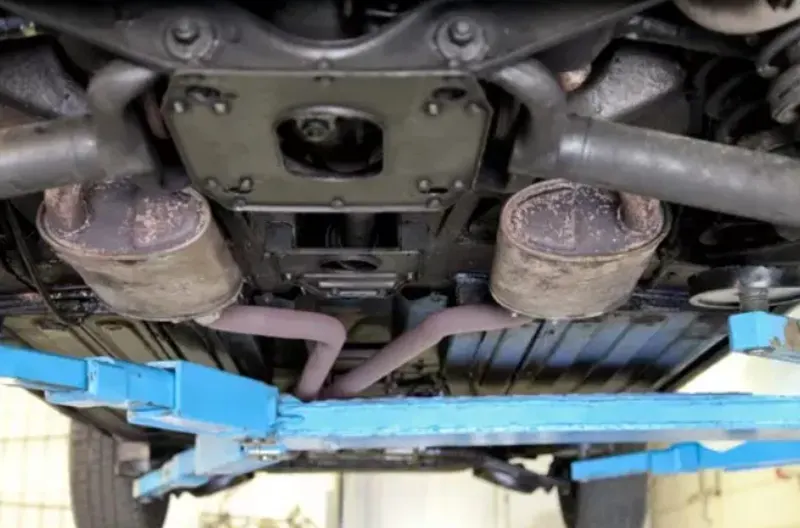
- The rust must be entirely removed before you can update your car or apply any kind of coating. Depending on the region and the amount of the rust, sandblasting or sanding can readily remove it.
- To make sure you aren't retaining any impurities on your car's undercarriage further after removing the rust and preparing it for coating, give it a brief washing and let it dry. It's also advised to first clean the metal using a degreaser.
- Spray guns are often used to apply the majority of undercoating. The ideal spray gun to use is one that can be thrown away since, after the undercoating sets, it is very challenging to clean, even with a lot of thinner.
- No matter what kind of undercoating you've chosen for your car, two applications will offer the best protection. Allow enough time between coatings to dry.
- Before using your car on the road, let the undercoating completely cure (often overnight).
Advantages
- It has a significant impact in preventing corrosion. If you live near the sea, where there is excessive humidity and corrosion is a common occurrence, underbody covering may come in helpful. If you live somewhere where it snows in the winter, you should also give undercoating some serious thought.
- The rubber undercoating, which is frequently used, absorbs part of the rackets. The car's occupants could, to some extent, shield themselves from the sounds of the road.
- Heat Insulation: It protects the interior of the automobile from soaring internal temperatures, making the ride more comfortable.
- In the event that a stone strikes the coating, it will not chip away, protecting the underbody from getting wet.
Disadvantage
- A secondhand automobile could already have dirt or even rust and corrosion indentations on the undercarriage.
- The previously rusted section won't be affected by applying underbody
- Undercoating is costly.