Underbody Coating
CHALLENGE-2 UNDER BODY COATING
Paint process:
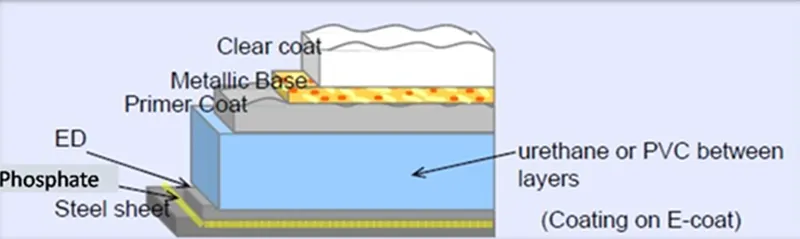
1)Pre-treatment: The first station in the painting process is pre-treatment, where bodies coming through from the body shop are cleaned, degreased and usually phosphated to prepare them for subsequent coating. The main purpose of pre-treatment is to provide a clean coated body which has better adhesion for further coatings and also provide good corrosion resistance.
2) Electro deposition: It is the process of controlled deposition of material on conducting surfaces using electric current from a solution consisting of ionic species. Cathodic Electro-deposition (CED), mostly a Water Based primer coating is used in automotive paint shop. In this process, charged particles from the paint emulsion move to Cathode under electrical forces. The direct current established through the `bath makes paint attract towards the surfaces of the car body.
3) Sealer/Under body coating: PVC based sealing material and under body coating which provide resistance to corrosion are applied on the car body. The sealer is especially designed as a paintable sealer for sealing interior and exterior body joints against water, dust and air. The material is fully functioning after high temperature of curing process.
4) Primer: Primer is pigmented coatings that are applied prior to the base coat. The main function of primer is to achieve adequate adhesion to the substrate and to provide intercoat adhesion for subsequent coats.
5) Base coat: Base coat are pigmented paints that are applied over the primer coat. Basecoats contain the visual properties of colour and effects. They are designed to enhance the visual appearance of the clear coat.
6) Clear coat: Usually sprayed on top of a basecoat, a clear coat is a transparent glossy or matt coating. This is the final coating of paint and the one which is in interface with the environment. For this reason, the clear coat must be durable enough to resist abrasion and chemically stable enough to withstand the UV light.
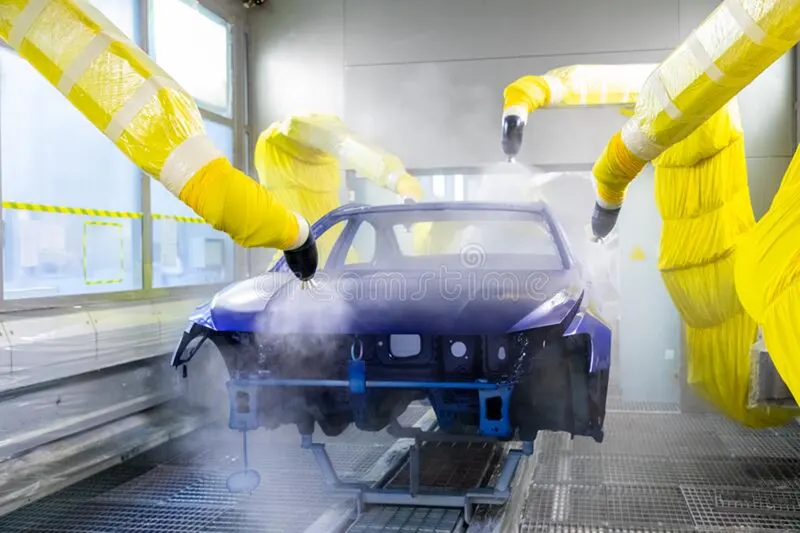
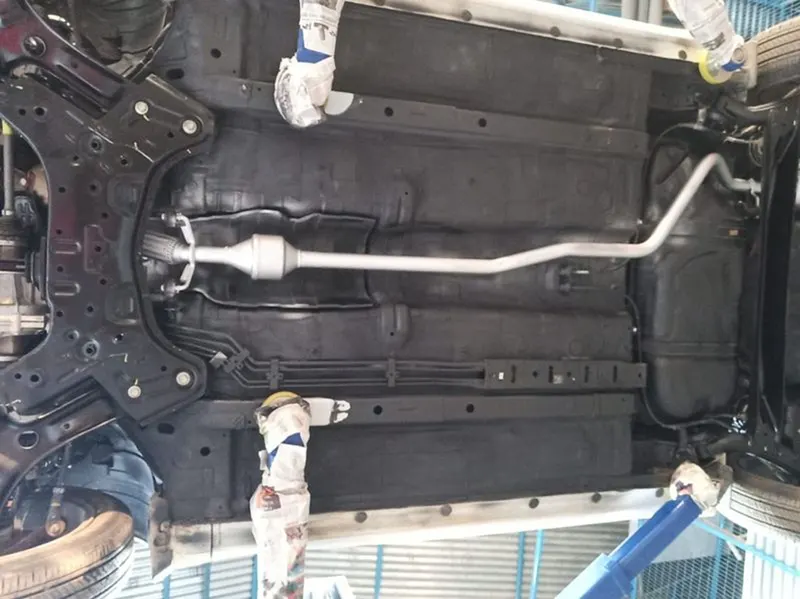
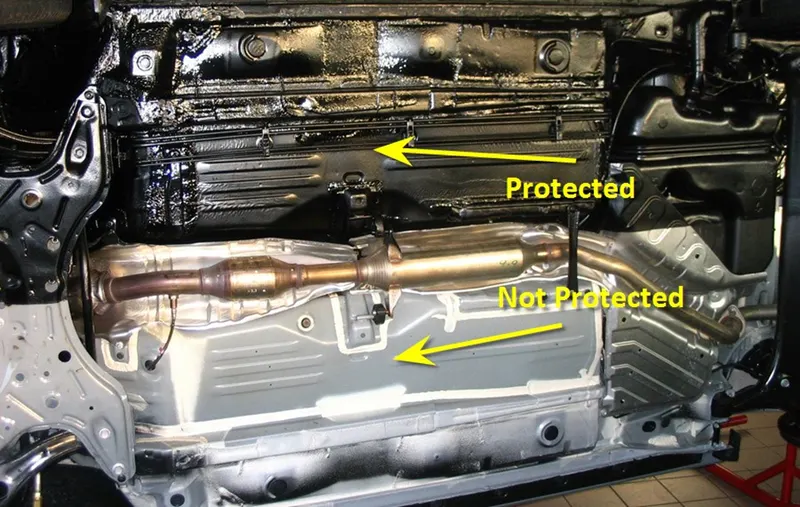
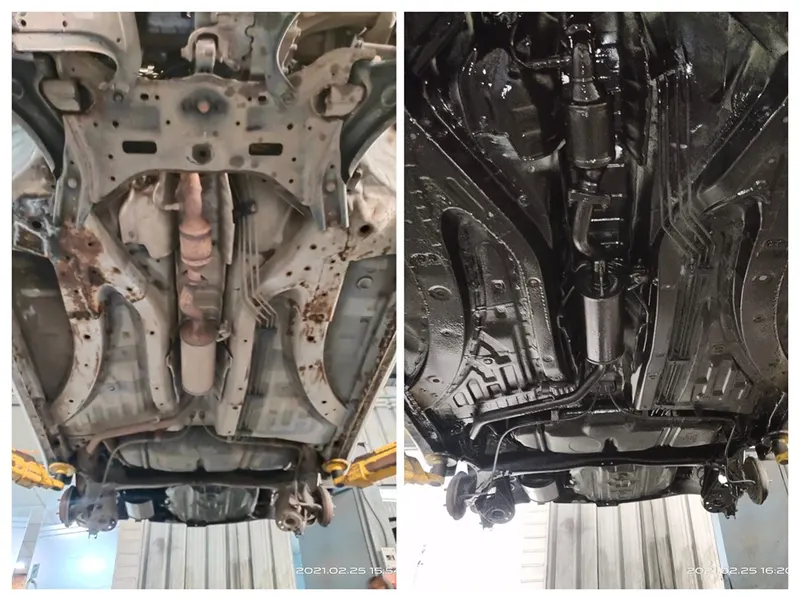
Under body coating
During the movement of a vehicle large number of dust, debris and stone chips and scraps the metal and paint from the body and in cases like these a cars under body is most prone to corrosion. Under body coating helps provides long term protection from corrosion to car’s under body thus preventing damage from any chips or scraps. It also protects parts like internal body panels, frame rails and other inner cavities that are not physically accessible but are prone to corrosion
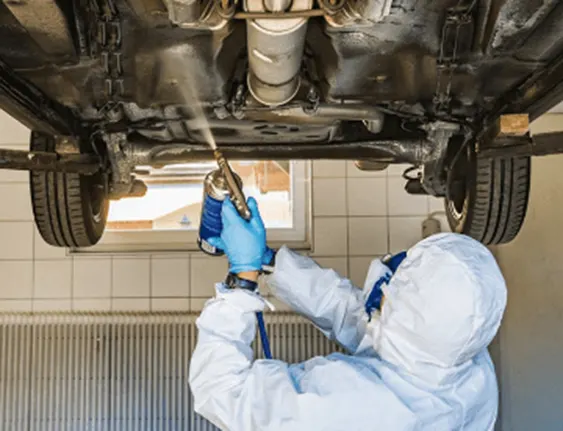
Types of under body coating:
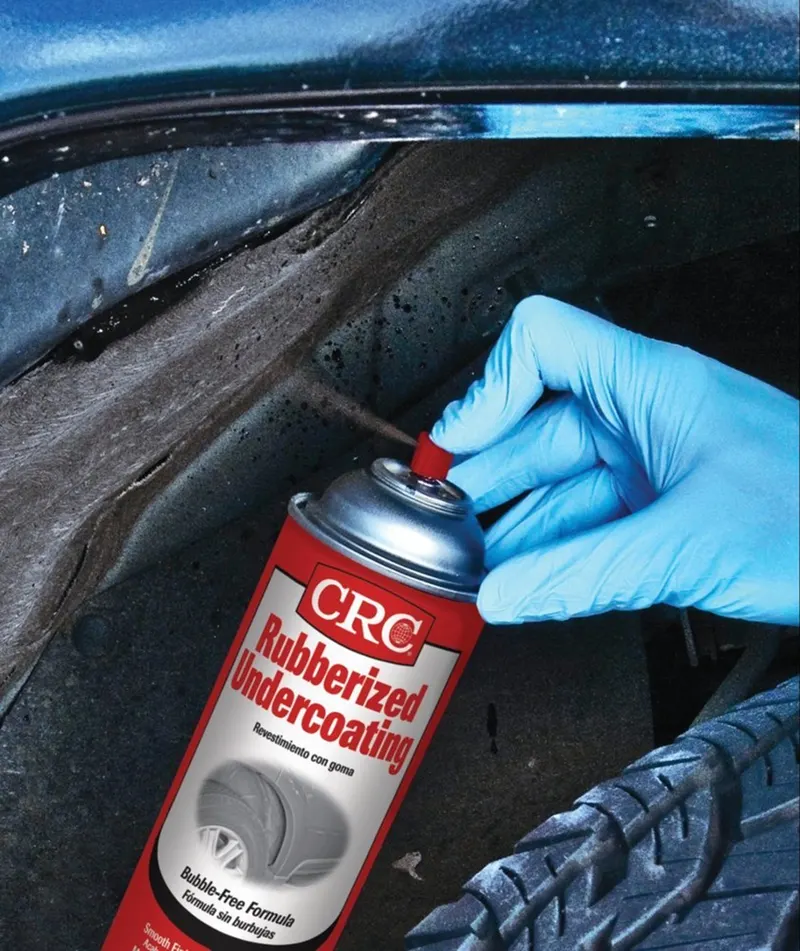
1) Rubberized Undercoating
The most common method of undercoating a vehicle is by using rubberized undercoating. Rubberized offers sound-cushioning as well as protection from dust, moisture, and dents. It dries to a soft rubbery finish that prevents further rust, damage, or moisture seeps. The coating can be painted over without and issues
Polyurethane Undercoating
Polyurethane based Undercoating is easy to apply and they are usually stored in canisters and sprayed with the help of a gun. It protects the under body from damage and rusting
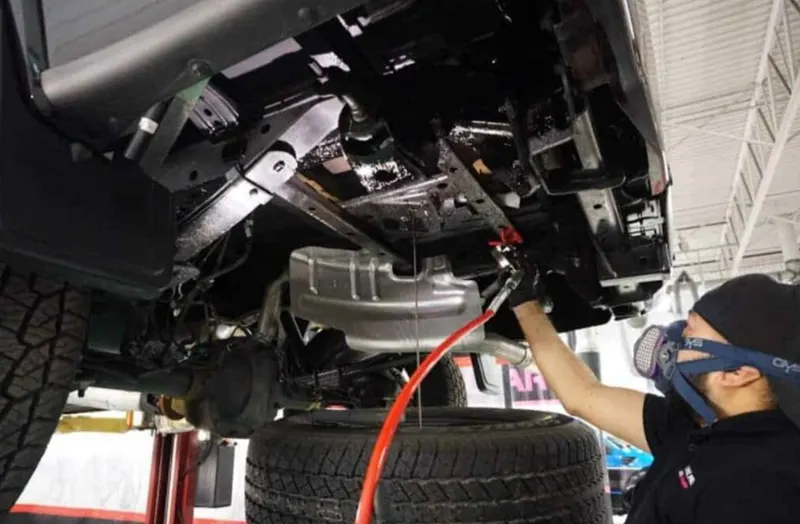
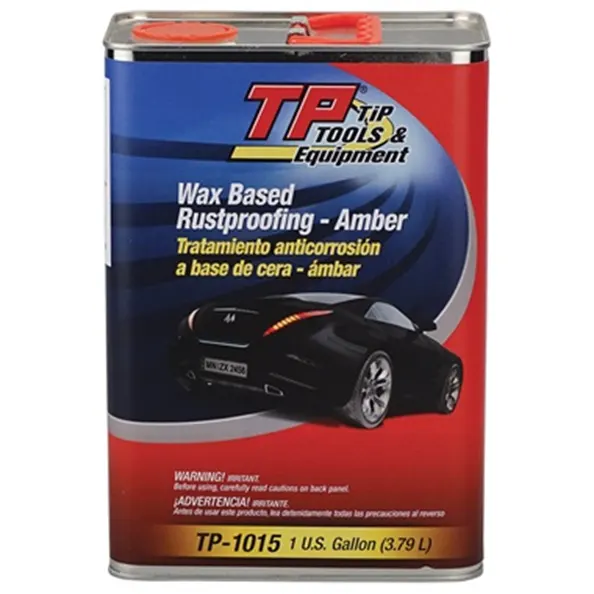
Wax or Paraffin-Based Undercoating’s
Wax based undercoating’s is the cheapest option amongst the other types since it protects the vehicle for a short duration of time only. They prevent moisture from getting in contact with the under body
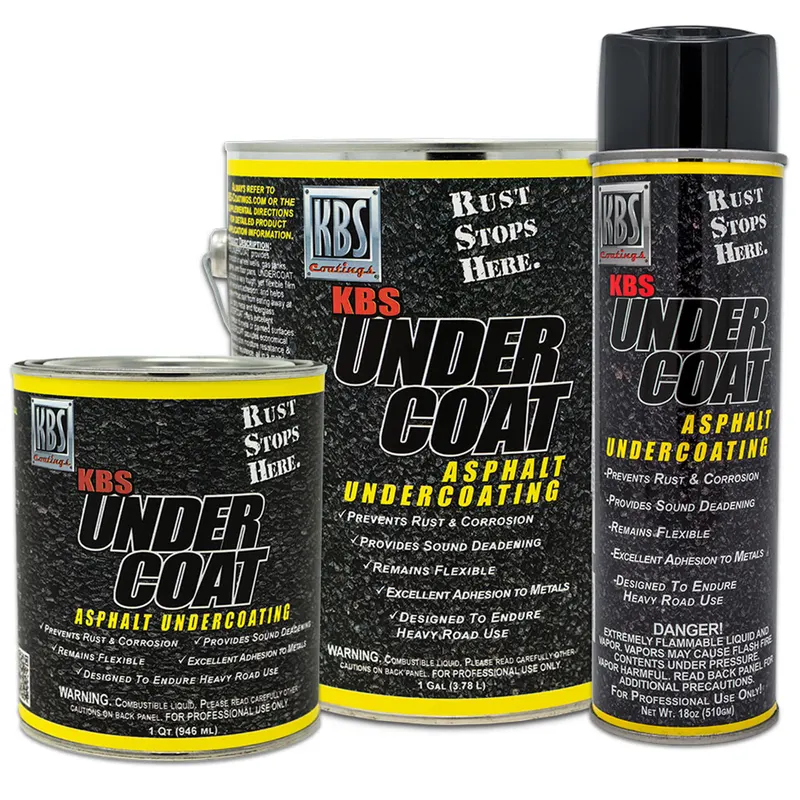
Asphalt-Based Undercoating
For standard vehicles, any of the aforementioned types of undercoating will provide sufficient protection. For large trucks and heavy machinery, asphalt-based undercoating provides a bit of extra durability against rocks, chips, and moisture.
Pros of under body coating:
- Minimizes Sound: It minimizes the sound from underneath the car providing a noiseless, smooth driving experience in the cabin.
- Heat Insulation: It insulates the interior of the car from extreme temperatures from beneath the vehicle providing a comfortable cabin experience for all the passengers
- Anti-chipping property: If any stone hits the coating it does not get chipped away hence protects the under body from exposure to water and other debris on the road.
- Corrosion resistance: It helps prevent any rust formation in the under body of the car and increases the overall life of the body structure
Cons of under body coating:
- Under body coating is the most useful when sprayed on a new vehicle.it cannot control further rusting of a damaged panel in an old vehicle which already had signs of rusting
- Undercoating can cost a hefty amount based on the material used, thickness of the material and the area of under body covered.
- Wax based coatings last for a very short duration and hence need to be reapplied very frequently