Underbody Coating
UNDERBODY COATING
INTRODUCTION:
WHAT IS UNDER BODY COATING?
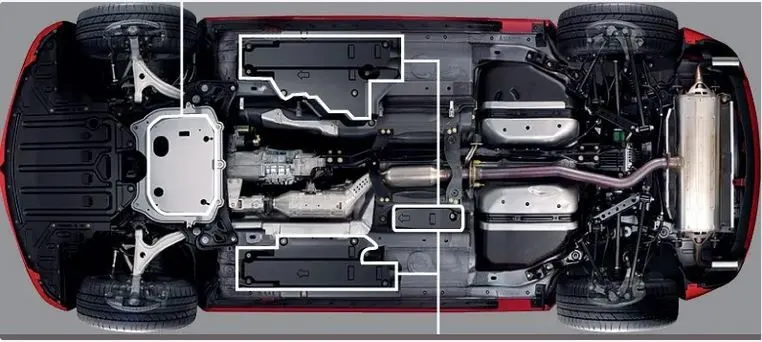
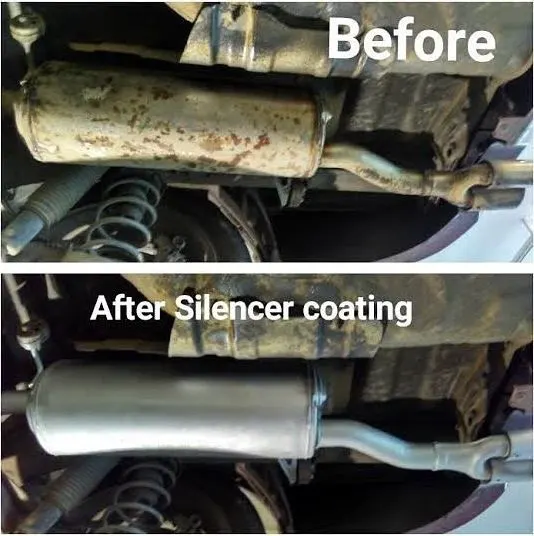
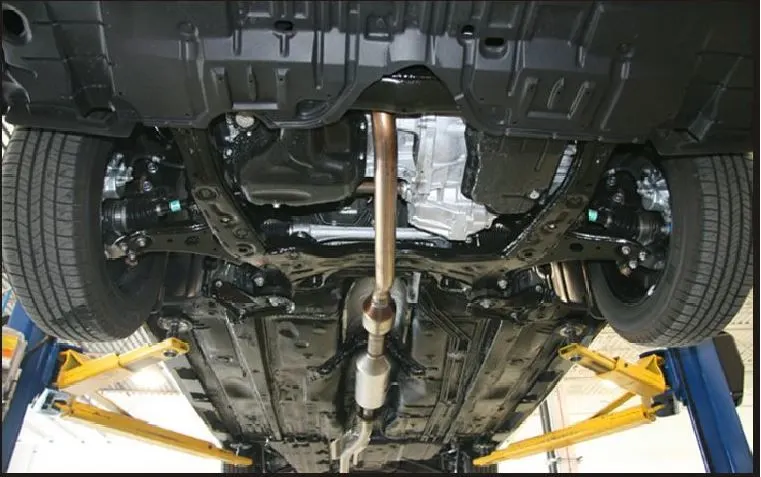
Under Body Coating is one of the painting process which provides keep protecting from corrosion to vehicles under body parts. It extends vehicles life by weather proofing and insulating the under body parts.
WHY VEHICLES NEED UNDER BODY COATING?
The under body of a vehicle can suffer the most. It faces the wear and tear directly be it mud or off terrains. Where vehicles have sealed areas and tubular frames recreational vehicles are built on top of an open rolling- chassis or trailer frame. So we need to cover/protect that under body parts of vehicles.
TYPES OF UNDER BODY COATING:
- Wax based underbody coating
Wax based under body coating it provides sufficient guard for cars in fairly moist regions.
Advantage:
- Readily flows into any exposed prone surfaces are protect.
- Most inexpensive option.
- Easy to apply.
Disadvantage:
- It wears off quicker.
- No long lasting service.
- Polyurethane based underbody coating In this coating process uses as based on sealant polyurethane (PU) that comes ready to be loaded into spray gun to guard the under carriage of vehicle parts.
Advantage:
- Long life span resistant of wear and tear.
- Easy and quickly applicable.
- Prevents from cracks and rusty spots.
Disadvantage:
- Requires time consuming etching with primer to bare metals.
- Rubberized underbody coating
Ideal for cars driven in rough terrain this under coating involves applying a rubber agent to protect and cushion it against dent, dust and moisture. Considered the best option for standard vehicles.
Advantage:
- Easy to apply quickly with no fuss.
- Neat finishing.
- Safe to apply and satisfactory protection.
- Soft rubbery finish prevents further rust, damage or moisture seepage.
- Asphalt based underbody coating
This is made of asphalt and contains some rubberized materials itself that sets up firmly and helps soften noise from the engine. It has most damage resist properties for all kind of automotive. Also keeps durability against rocks, chips and moisture.
Advantage:
- Protects from dirt, rust and corrosion.
- Provide extra durability.
- Strongest and thickest undercoating available.
Disadvantage:
- More harden.
- More cure time need.
- Water based underbody coating
A protective layer that helps to vehicles stay protected from harsh weather conditions. It is made from advanced polymer.
Advantage:
- Easy to apply any surface like metal, plastic, rubber and glass.
- Keep protects from rust salt and moisture.
- Thin set and eco-friendly.
Disadvantage: Not durable.
- Petroleum based underbody coating
A heavy viscous oil based liquid product that provides an effective barrier against moisture and corrosion.
Advantage:
- Durable and long lasting.
- It has greater deflective ability for road salts and grime.
- Thin set and eco-friendly.
Disadvantage: Requires annual replacement.
PROS & CONS OF UNDERBODY COAING
PROS:
- Protects against corrosion and rust.
- Extends service life of vehicle and value.
- Cover small damages.
- You can do it yourself.
- Prevents paint chipping.
- Reduces noise inside the car.
CONS:
- Doesn’t work so well on old cars.
- Useless on new cars.
- Vehicle warranty might be voided.
- It makes vehicle heavier.
- It can be damaged.
CONCLUSION:
Although some vehicles can be benefited with under body coating whether or not under body coating is a good idea for improving automotive under carriage parts life span and also maintains value of the vehicle. Mean while there is no need of underbody coating for a new car up to 3 to 5 years of service.
RELEVENT PICS: