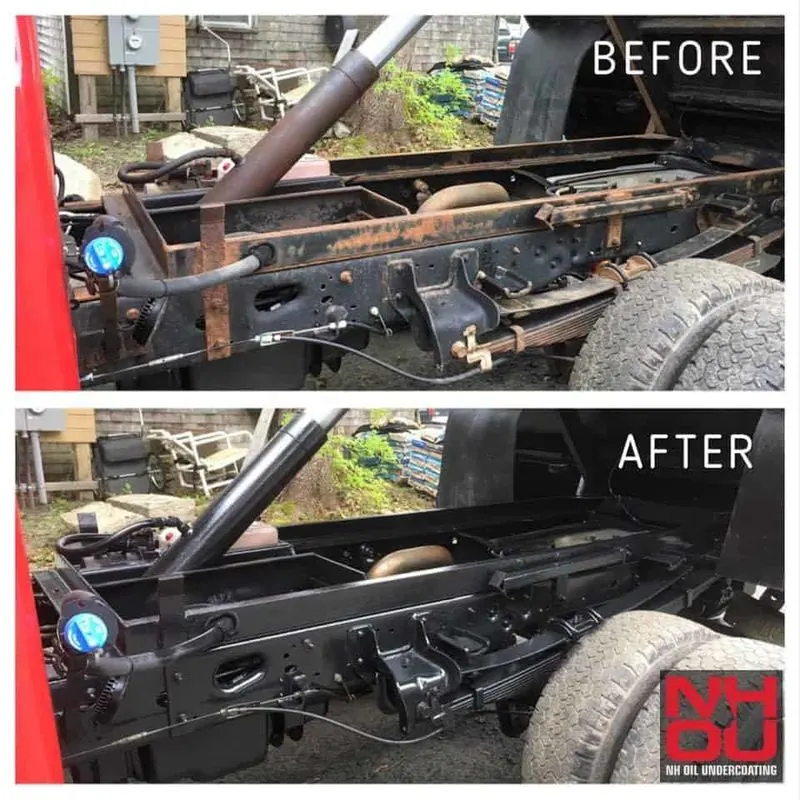
Underbody Coating
UNDER-BODY COATING
Underbody coating is usually a dense cladding (often based on rubber) applied uniformly to the undercarriage of the automobile. It is normally sprayed or painted on when the vehicle is just out of the dealership and is clean. Underbody coating provides a vehicle that can withstand wear and tear and maintain top-level performance. It also protects parts like internal body panels, frame rails, spot-welded portions of the chassis and other inner cavities that are not physically accessible but are prone to corrosion. Automotive Underbody Coating agents ensure the long-term preservation and performance of the vehicle.
Types of Under-body coating
1) Rubberized Underbody Coating (Resin-based)
This is generally thought of as the best underbody coating for the vehicle. It preserves the underbody well, protecting it from scratches. Rubber elastomeric properties provide long-term stone chip damage and corrosion protection as well as sound deadening effects. These also have the benefit of being suitable for a wide range of substrates and they can be painted over. Can be spray-applied, high build, and particularly good for salted roads. Applying this to the undercarriage is not much of a hassle either.
2) Wax Based Underbody Coating
An excellent anti rust coating suitable for all substrates. The wax is applied soft and cures hard, either by brush or spray, and can be layered thickly. It cannot be top coated. This – more or less – ephemeral undercoating will wear away in a few months’ time. On the upside, wax-based undercoating puts up a big fight against moisture. It is also the most affordable option out there.
3) Asphalt Based Automotive Undercoating
Best suited for lorries, trucks and large vehicles this provides a greater degree of protection compared to rubber-based coatings. However, asphalt-based coatings contain little amounts of rubber for sound-insulation purposes. The process of applying this coating is a bit time-consuming though.
4) Polyurethane Underbody Coating (Resin-based)
This coating closes up splits and fractures on the underbody of the vehicle. elastomeric properties provide long-term stone chip damage and corrosion protection as well as sound deadening effects. These also have the benefit of being suitable for a wide range of substrates and they can be painted over. Can be spray-applied, high build, and particularly good for salted roads. It offers up good protection against corrosion and also bonds with the metal. Unlike in the case of asphalt-based coating, you can paint over the polyurethane coating.
Pros of under-body coating
- Protect the engine and transmission and extend the life of vehicles.
- Fights against rust and corrosion.
- Minimizes Sound: It act as an acoustic layer and minimizes the sound from underneath the vehicle to a certain limit.
- Act as an additional reinforcement and will protect the underbody from water, road debris, gravel and small pebbles.
- Heat Insulation: It insulates the interior of the car from extreme temperatures from beneath the vehicle providing a comfortable cabin experience.
- Easy to maintain: giving the undercarriage of a vehicle a uniform appearance means cleaning it down is simpler and so is identifying possible problems.
Cons of under-body coating
- Undercoating will work best on new vehicles that have not been exposed to road conditions.
- Risk of damage to transmission system and other parts during application.
- High cost
- It adds weight to the vehicle
- Service repeated frequently in salty or destructive environments.
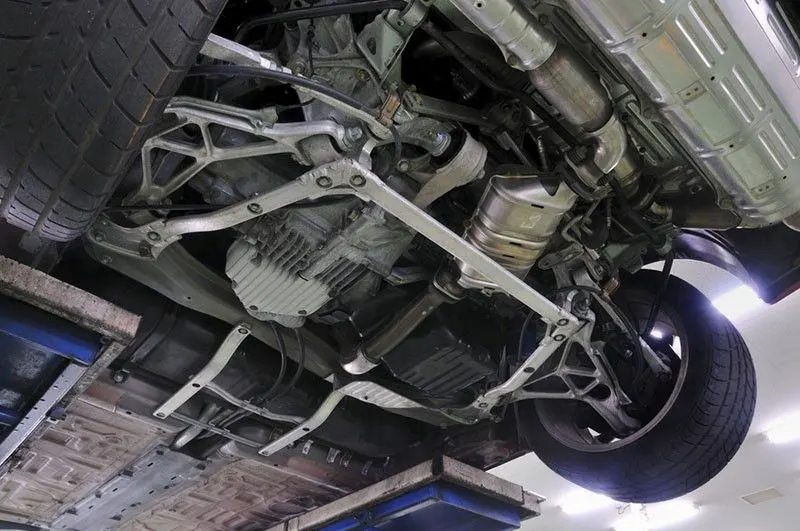
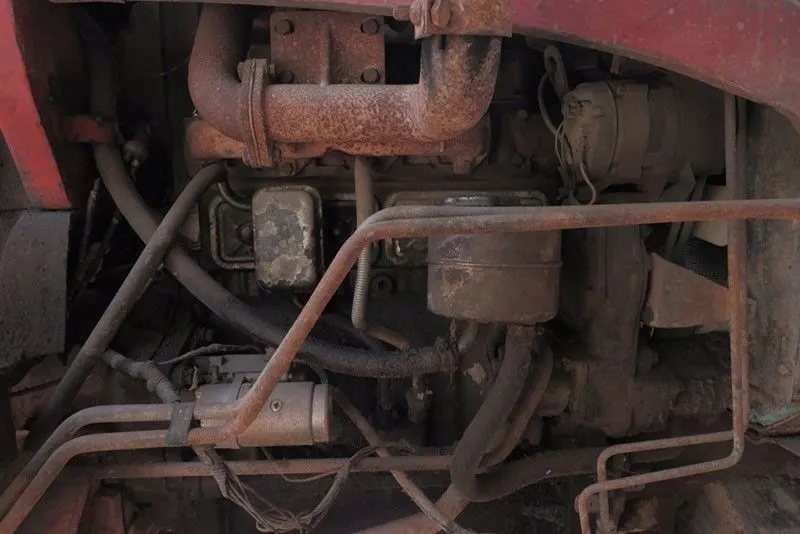
GOOD QUALITY UNDER BODY COATING BAD QUALITY UNDER BODY COATING