Underbody Coating
Underbody Coating:
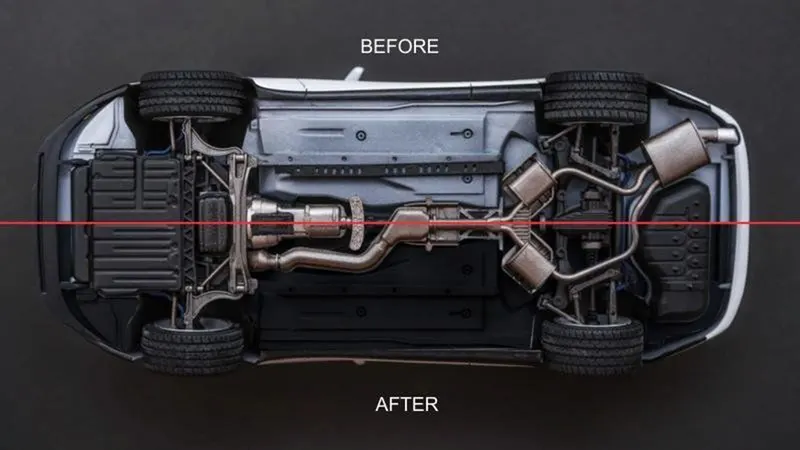
Underbody coating is a process of adding an extra layer to the car. It is done for a better performance of the car and it also act's as a corrosion resistant, rust & other environmental factors.
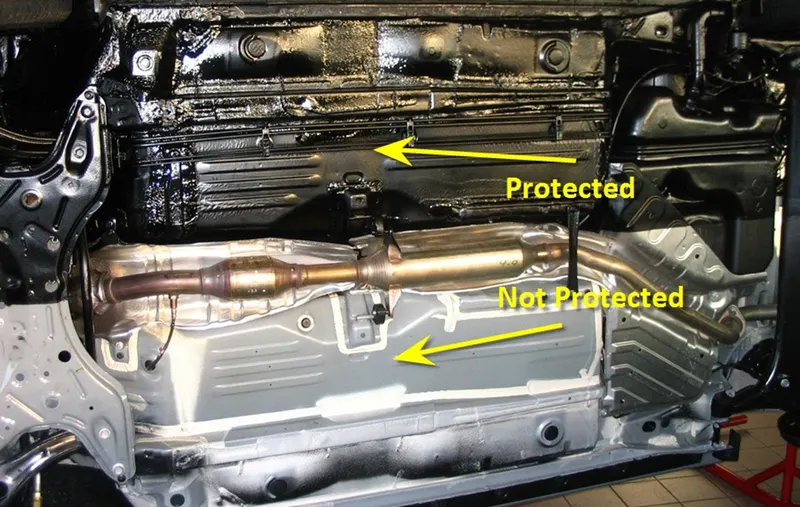
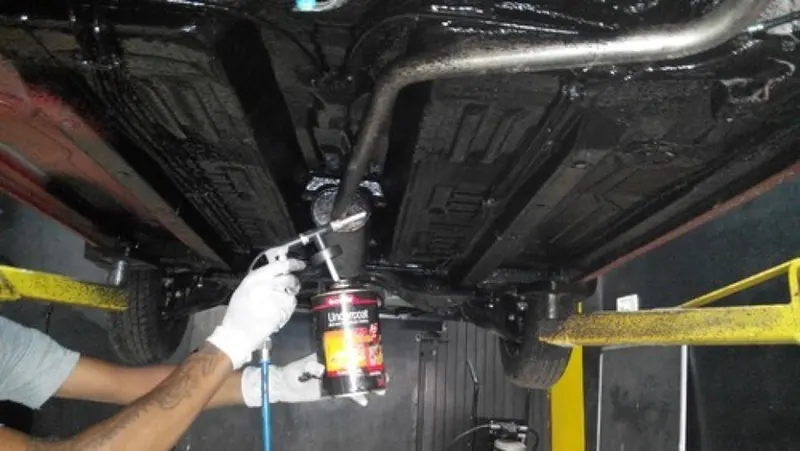
The underbody coating that is most commonly used on cars in India and supplied by companies such as 3M is a thick, rubberized paint that forms a 2-3 mm thick coating all along the underside of the car when sprayed on. It also protects parts like internal body panels, frame rails and other inner cavities that are not physically accessible but are prone to corrosion.
Types of underbody coatings:
- Rubberized Undercoating.
- Polyurethane Undercoating.
- Wax or Paraffin-Based Undercoating.
- Asphalt-Based Undercoating.
Rubberized Undercoating:
Rubberized vehicle undercoating is easy to apply and offers good cushioning as well as protection from dust, moisture, and dents. This is generally thought of as the best underbody coating for your car. It preserves the underbody well, protecting it from scratches. Applying this to the undercarriage is not much of a hassle either.
Polyurethane Undercoating:
The other option for undercoating the vehicle is to use a polyurethane based sealant. This type of vehicle undercoating is a little bit quicker and easier to apply. This coating closes up splits and fractures on the underbody of the vehicle. It offers up good protection against corrosion and also bonds with the metal. Unlike in the case of asphalt-based coating, you can paint over the polyurethane coating.
Wax or Paraffin-Based Undercoating:
A paraffin-based undercoating will be the cheapest and quickest option available with which to protect the undercarriage of the vehicle. This – more or less – ephemeral undercoating will wear away in a few months’ time. On the upside, wax-based undercoating puts up a big fight against moisture. It is also the most affordable option out there
Asphalt-Based Undercoating:
For standard vehicles, any of the above mentioned types of undercoating will provide sufficient protection. Best suited for lorries, trucks and large vehicles this provides a greater degree of protection compared to rubber-based coatings. However, asphalt-based coatings contain little amounts of rubber for sound-insulation purposes. The process of applying this coating is a bit time-consuming though.
Benefits:
- Minimizes Sound:It minimizes the sound from underneath the car resulting a noiseless, smooth driving experience.
- Heat Insulation:It insulates the interior of the car from extreme temperatures from beneath the vehicle providing a comfortable cabin experience.
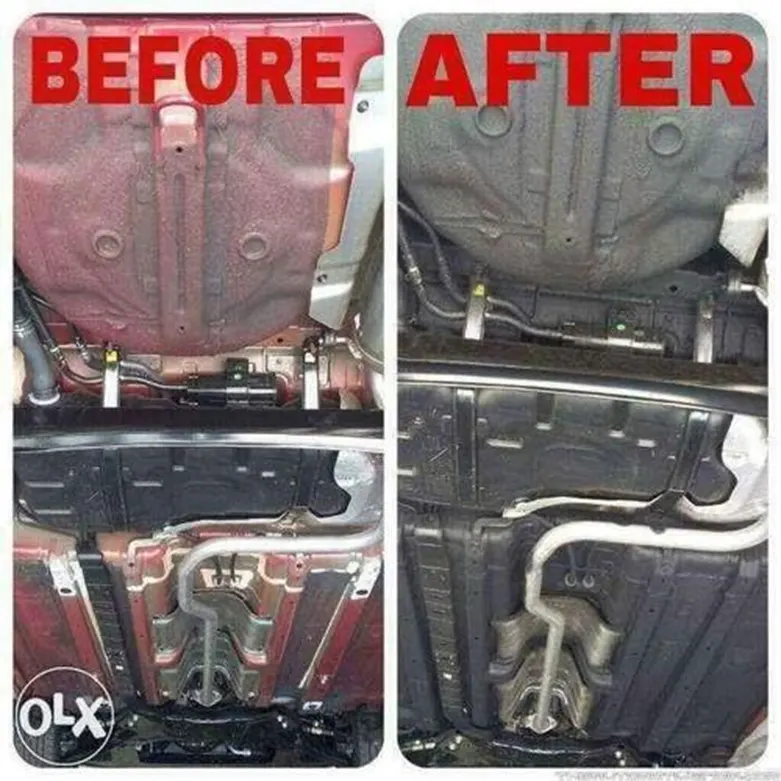
- Anti-chipping property: If any stone hits the coating it does not get chipped away hence protects the underbody from exposure to water.
- Absorbs Noise: Believe it or not, very thick undercoating can soften the noises that reach the cabin. Since the undercoating is often made up of rubber it absorbs some of the rackets. The occupants of the car could spare themselves of the road noises – at least up to a certain extend.
- Reinforcement: If your car comes with stock underbody coating, using another coating on top of it, is not going to hurt. It will offer additional reinforcement, protecting the underbody from water, road debris, gravel and small pebbles. There would also be a lesser chance for the factory coat to flake away.
Drawbacks:
- It works best on new cars.
- A third-party undercoating service might void your vehicle's warranty.
- It must be reapplied every 3 to 5 years for best results.
- It adds weight to the vehicle.