Underbody Coating
Under Body Coating
Underbody coating provides long term protection from corrosion to car's underbody. It also protects parts like internal body panels, frame rails and other inner cavities that are not physically accessible but are prone to corrosion.
Under body coating means a coating that is applied over a topcoat to wheel wells, the inside of door panels or fenders, the underside of a trunk or hood, or the under- side of motor vehicles or mobile equipment for the purposes of protection or noise reduc- tion. A coating shall not be classified as an underbody coating if it can also be classified as a topcoat or part of a multistage topcoat system.
- Undercoating helps to provide an additional layer of insulation and protection to the undercarriage of your vehicle.
- The undercoating covers most of the car’s underside, including floorboards, frames, gas tanks, pans, wheel wells and mufflers, suspension parts, and exhaust pipes. This effect can be likened to black coating a parking lot or a road.
- Undercoating materials adhere to metal, even if it is painted. Most of them come in pressurized cans for easy spray-on application, while an even spread may be tough to achieve without professional applicators.
- Ingredients used in the manufacturing of undercoating include fiberglass, ceramics, rubber, asphalt, and silicone.
Auto undercoating protects the undercarriage, a vehicle’s most vulnerable area. Unlike the visible portions of your vehicle, the undercarriage doesn’t get washed frequently but it absorbs most of the moisture,grime,salt, and other substances when you come in contact with them, as you drive.
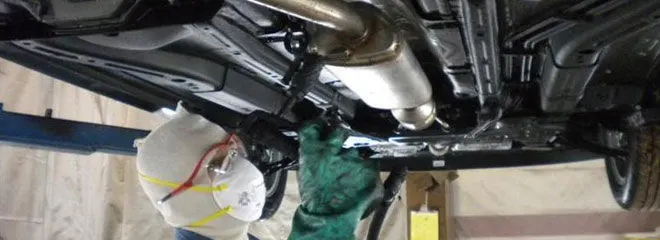
Purpose of underbody coating
1.Protection against corrosion
The main reason for getting an underbody coating is to prevent rusting and corrosion. This is not only required during the monsoon season but also in hot and humid climatic conditions. The coating is also a must if you tend to live in coastal regions where the humidity in these areas speeds up the process of corrosion. This can be eliminated by asking your car service professional to apply a rubberised anti-rusting coat on your car’s underbelly.
2.Protection of vital car components
The car underneath holds vital components like the silencer, engine, and numerous other wires and small engine components for different purposes in the car.The car’s underneath cannot simply be led to corrosion and further damage due to the car being driven during any weather condition. To avoid further major issues, the antirust coating is a must for the underbody. This is again extremely important if you’re living in an all-year monsoon season or moderately high rainy regions as underbody coating is highly necessary for these situations.
3.Car’s resale value might be affected
Just ensuring your car looks outside and inside is not enough. One must take great care of the underbody as well as the resale value would be greatly affected due to high corrosion. It should not be left uncared for which would lead to permanent damage and huge loss and might not be taken for resale. Therefore, regular inspection of the car’s underbody must be carried out in order to retain the car’s value.
4.Reduces Noise Vibration Harshness Levels
Being in a country where not all roads are smooth enough and are filled with potholes, stones, debris, and uneven road levelling, the underbody coating prevents and absorbs all noise created by the contact of the surface of the road and the car by minimising this.
5.Car underbody coating prevents paint from chipping
When your car travels at high speed on a highway, the small stones and debris hit your car’s underbody in this process and may lead to chipping of the underbody paint. Hence, it is advisable to have a thick layer of underbody coating to prevent paint from chipping. Thus, you must get your car’s underbody coating done from time to time to ensure the above factors do not affect your car. Here at Pitstop, we offer underbody inspection and coating services hassle-free. We also highly recommend getting underbody coating not just for the monsoon season, but for any season throughout the year.
Types of Underbody coating
1.Rubberized Underbody Coating
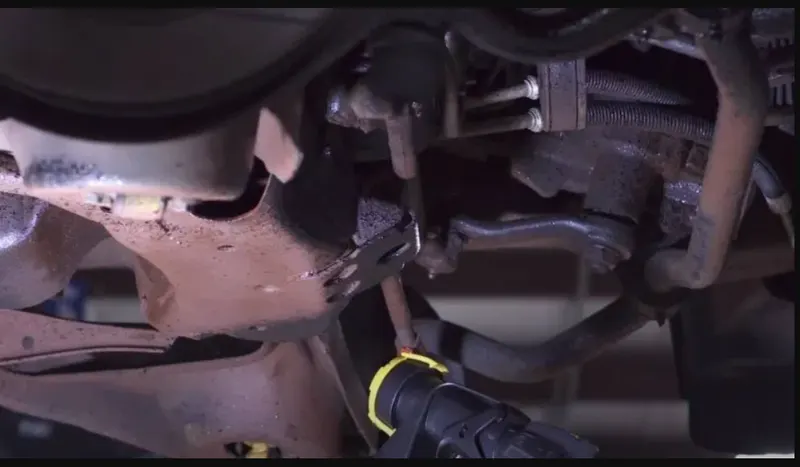
Rubberized undercoatings do a great job of keeping existing rust all covered up and looking sharp, but it does absolutely nothing to slow down the spread of rust and corrosion sometimes the trapped air and moisture may even contribute to rust formation.It is normally sprayed or painted on when the car is just out of the dealership and is clean. But even if you are getting the undercoating applied after a couple of years, it's fine too.A rubberized underbody coating that protects the surface from extreme temperatures, dust, road salt, and fumes.
2.Wax Based Underbody Coating
Wax Underbody Coating Spray is a solvent containing, bitumen free anticorrosive agent based on wax, polymers and anticorrosive additives. The product can be precision and exhibits excellent sag resistance. It is fast drying, and even in a thin layer thickness it forms a closed water protecting film.Wax Underbody Coating Spray is a solvent containing, bitumen free anticorrosive agent based on wax, polymers and anticorrosive additives. The product can be precision and exhibits excellent sag resistance. It is fast drying, and even in a thin layer thickness it forms a closed water protecting film.
3.Asphalt Based Automotive Undercoating
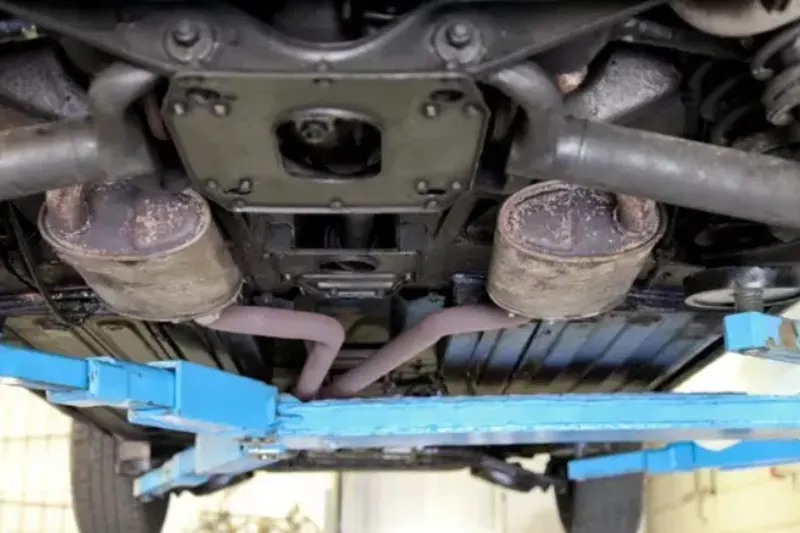
Asphalt Based Undercoating does provide some benefits over Waxed Based Undercoating. They both stick well to most any surfaces and do a great job sealing out moisture, road chemicals and oxygen. But mainly, Asphalt undercoating has the benefit of being less expensive.
They protect anywhere up to 5 years and dry to a Firm to Hard coating.Asphalt Based Undercoating does require a thicker film thickness meaning you will have to apply more product to the surface to be protected then if you use a Wax Based Undercoating. Additionally, Asphalt based products require more surface preparation because they can actually seal in rust and moisture allowing it to continue to grow. Finally, Asphalt based products continue to dry out over time causing cracks in the coating surface.
So, if you are looking for a more cost effective undercoating that can protect your vehicle for up to 5 years but may require a little more surface preparation… then Asphalt Based Undercoating is what you need.
4.Water-Based Undercoating
Water-based vehicle undercoating is most popular for the do-it-yourself procedure. You can get it in your automotive parts stores in aerosol formats. These undercoatings are thin-set and take short time to dry. This coating can be done in automotive shops that offer undercoating services at a reasonable rate. The disadvantage of water-based undercoating is that it should be repeated frequently.
5.Petroleum-Based Undercoating
Petroleum-based undercoating is made from oil and they have greater deflective abilities for road salts and grime. The petroleum base helps repel ice and water better than water-based undercoating. Petroleum-based undercoating can be purchased in your professional vehicle servicing shops. This type of undercoating also needs to be replaced once a year by the owner.
Pros of Underbody coating
1.It provides a layer of protection against corrosion
When an undercoating is properly applied to a vehicle, then you’ll be providing the underbelly with a layer of protection against rust and corrosion. Instead of contacting the metal components of the vehicle, the debris encounters the undercoating, which then proactively repels the dangerous items away. Although an undercoating will eventually wear out, it can provide years of protection against premature corrosion.
2.It will extend the life of your vehicle
A proper undercoating extends the life of your vehicle because of its rust-stopping power. Corrosion does more than affect the integrity of the metals in your vehicle. It can get into your metal wires and cables, affecting any component which is comprised of steel or aluminum. Even your transmission and engine have exposure to rust when there isn’t a vehicle undercoating applied.
3.It can be applied to damaged areas
Over time, the underbelly of your vehicle is going to develop nicks, chips, and scratches because of the debris you encounter while driving. Unlike older forms of undercoating, which included the use of asphalt and animal fat, modern products provide a real layer of protection because it can morph into the various areas of small damage.
4.It may help to reduce interior noise
When you’re driving, the sounds of the road can be soothing if they aren’t too loud. For lightweight vehicles, noise pollution can be overwhelming to the driver in some situations. Applying a layer of undercoating creates a barrier against the sound, which creates an interior that is quieter. After the service is performed, many drivers notice that audio levels are noticeably lower inside their vehicles.
Cons of Underbody coating
1.It is less helpful if corrosion is already present
For an undercoating to be the most effective, it should be in place before the underbelly of your car begins to rust. If you apply it over corrosion, you will still isolate the metal from further moisture and airflow, which is good, but the existing oxidizing/rusting process will still continue to occur. After rust is already present, applying an undercoating will slow the continuation of the corrosion process and will make your vehicle look better… until the rust breaks its way through the layer of undercoating you’ve applied. If you have rust present, it is better to remove the rust and then apply the undercoating.
2. It works best on new cars
If you’ve purchased a used vehicle, then the cost of preparing the underbelly for an undercoating might be more than the value of the car. You must remove all the residue from the bottom before it can be applied. Failing to do so will seal in the debris that is present already, which can lead to more problems. The best time to have an undercoating applied is when a vehicle is purchased new because it offers a superior level of protection then.
3. It adds weight to the vehicle
Although the amount of weight added to a vehicle with an undercoating is minimal between 10 to 20 pounds for most vehicles, there is a small element of fuel economy to consider. When your vehicle weighs more, the distance you can travel on a single tank of fuel is reduced. The undercoating might reduce your efficiency by up to one mile per gallon, which creates a small additional fuel cost over time. Still, the effect on mileage of this additional weight is negligible compared to the effect a driver can have by the way they drive.
4.It must be reapplied every 3 to 5 years for the best results
The only way for an undercoating to provide ongoing protection for your vehicle is to have the service repeated frequently. Most owners can have a new layer applied in about 5 years without worrying about their underbelly being compromised. In salty or destructive environments, however, you may need to have a new undercoating applied every 3 years for the best result