Underbody Coating
UNDERBODY COATING
QUESTION:-
Write a one paper about under-body coating and its purpose its types in detail, and its pros and cons.
ANSWER:-
UNDERBODY COATING
- The coating is formulated with a compatible combination of liquid and powder coatings and is based on partially compatible polymer blends that produce micro-heterogeneous structures. These self-stratifying coatings would enable the basecoat and clearcoat to be applied in a single layer and could streamline the now rather complex automobile painting processes in which one layer at a time is coated and then cured. Of course, it is necessary that these novel coating compositions preserve current automobile coating attributes and characteristics such as appearance and high gloss, and durability to corrosion, abrasion, and UV light exposure.
- Underbody coating provides long-term protection from corrosion to the car's underbody.
- It also protects parts like internal body panels, frame rails, and other inner cavities that are not physically accessible but are prone to corrosion.
- Coatings are the best way to keep a variety of surfaces safe. It can not only stand up to the processing material but also prevent standard corrosion that may occur simply because of the material the machine is made from. They keep surfaces clean.
- Rubberized undercoating is easy to apply, and generally offers the best protective coating for your car's undercarriage. It cushions surfaces against moisture, rust, dings, and dents. Rubberized undercoating is safe to use on quarter panels and wheel wells and dries with a soft rubbery finish.
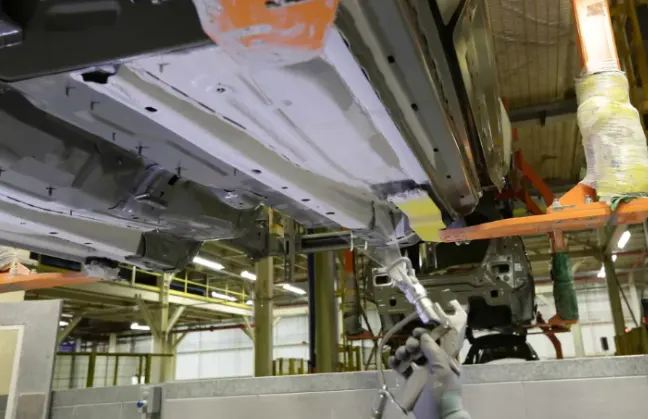
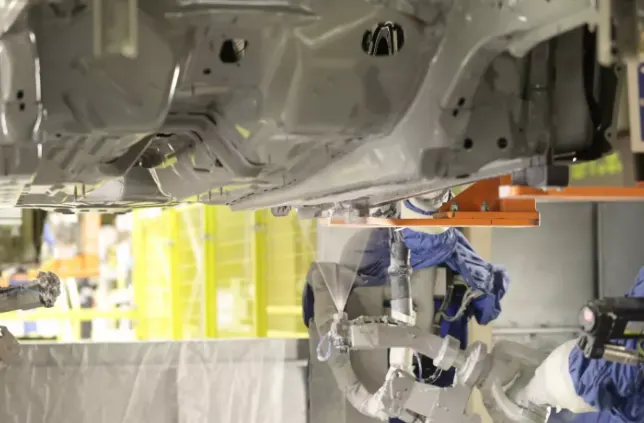
- Underbody is usually a dense cladding applied uniformly to the undercarriage of the automobile.
- It is usually sprayed or painted on the underbody of the car.
- The main purpose of underbody coating is to prevent the automobile body components from corrosion formation (due to rust), scratched, and intended surface from stone chips.
- It also reduces wear and tear.
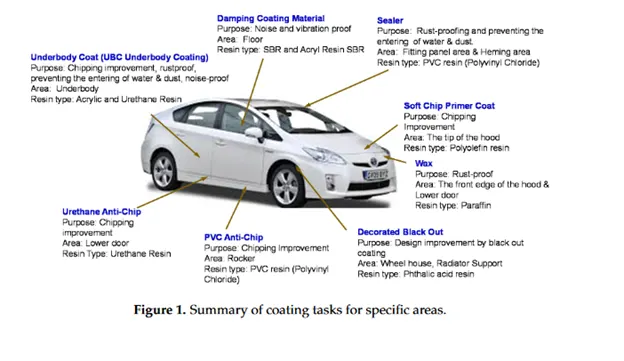
Materials Use for Coating:-
- Acrylic and Urethane Resin.
- Urethane Resin.
- Polyvinyl chloride Resin.
- Phthalic Acid Resin.
- Paraffin.
- Polyolien Resin.
Properties of Coating Materials:-
- Improve Physical, Chemical, Mechanical, and Thermal Properties.
- Reduce NVH.
- Reduce the Effect of UV Light.
- Prevent Corrosion and Heat Resistance.
- Prevent the color change features of the car body.
- Reduce the reflectivity of infrared radiation.
Purpose of Coating:-
- Environmental conditions.
- Impacts.
- Dampens sound and vibration.
- Insulates against cold and heat.
- Protects against Corrosion Made maintenance easy.
- Seals off seams.
- Stone chip prevention.
- Improve driving comfort.
- Abort Car Fare.
- Hides welds, repairs & bodywork with spray.
Types of Coating Process:-
- Rubberized underbody coating.
- Wax-based underbody coating.
- Asphalt-based underbody coating.
- Polyurethene underbody coating.
- PVC underbody coating.
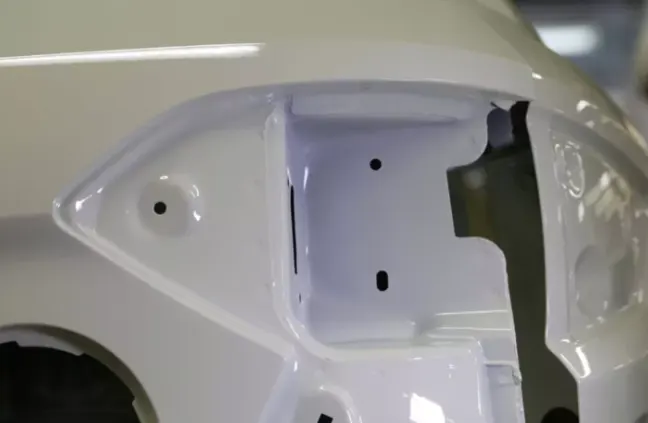
The coatings are used. As can be realized when examining this figure, a significant number of specific coatings and materials are needed in addition to the above-listed steps to manufacture a salable automobile.
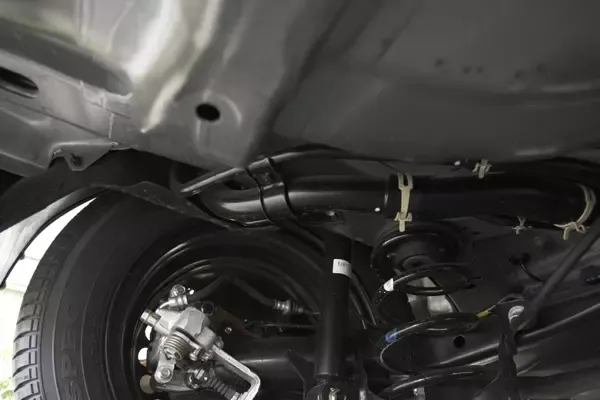
Rubberized underbody coating
- It protects the underbody from scratches and keeps it properly.
- This is not difficult to apply to the undercarriage.
- If you want to keep the road noise to a minimum and rust and corrosion away.
- Rubberized paint that forms a 2-3 mm thick coating all along the underside of the car.
WAX-BASED UNDERBODY COATING:
- This transitory coating will, on the whole fade after a few months.
- On the plus side, wax-based undercoating is resistant to dampness.
- wax-based undercoating puts up a big fight against moisture.
- It is the most cost-effective alternative.
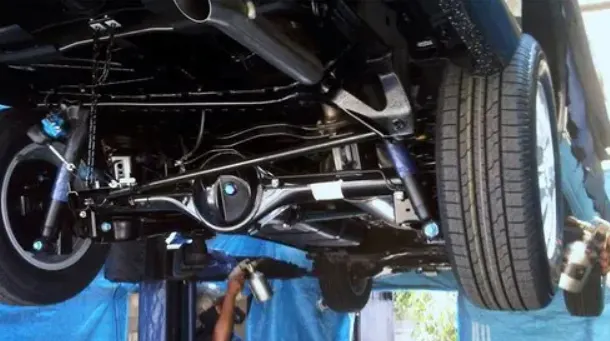
ASPHALT-BASEDUNDERBODY COATING:
- It is suitable for lorries, trucks, and other heavy vehicles.
- In comparison to rubber-based coatings, it gives a higher level of protection.
- On the other hand, incorporating a small quantity of rubber for sound insulation.
- The application of these coatings however takes some time.
Polyurethane Underbody Coating:
- This coating seals breaks and fractures in the underbody of the vehicle.
- It provides strong corrosion resistance and binds to the metal.
PVC Underbody Coating:
- This coating comes under PVC-based product that is cold applied and heat cured.
- Developed for application on e- coated substrates it seals and prevents the entry of water, corrosion and dust into joints of car bodies.
- It offers excellent noise reduction performance and high resistance to abrasion and impact.
Benefits/Advantages:
- Minimizes Sound: It minimizes the sound from underneath the car resulting in a noiseless, smooth driving experience.
- Fight Rust: It plays an important role in keeping corrosion at bay. Underbody coating can come in handy especially if you live near the sea, where there is too much humidity, and rusting is just one of those everyday things. You should also seriously consider undercoating if you reside in a place where it snows in winter.
- Heat Insulation: It insulates the interior of the car from extreme temperatures from beneath the vehicle providing a comfortable cabin experience.
- Anti-chipping property: If any stone hits the coating it does not get chipped away hence protecting the underbody from exposure to water
- Reinforcement: If your car comes with stock underbody coating, using another coating on top of it, is not going to hurt. It will offer additional reinforcement, protecting the underbody from water, road debris, gravel, and small pebbles. There would also be a lesser chance for the factory coat to flake away.
Disadvantage:
- Cost is high.
- Risk of damage during the application, the coating should be applied carefully the paint can get into moving parts such as U-joint or CV-joint in propeller shafts and cause the failure of the parts.
Thanks