Underbody Coating
A Car Body is made up of several Metals with
- Cast Iron and Advanced High Strength Steel makes up almost 65% of Car Body Weight
- Other Metals used Aluminium, Copper are then Predominant in Manufacturing Car
Rusting is layman language is Corrosion and Corrosion is what the direct reaction of Iron and its Alloys when comes in contact of Water or Air Moisture. So, essentially to make it simple - Any Iron material when exposed to both oxygen and water is bound to rust - unless a preventive coating is applied on to it.
A car when Manufactured in Plant is made with
- Galvanized Process on Cast Iron and Iron Alloys
- Industry Approved Coating
Galvanization is basically using Advanced Zinc Coating on Car Metals. Zinc is what Anti Rust and these highly specialized coating prevent car under-body from Rusting.
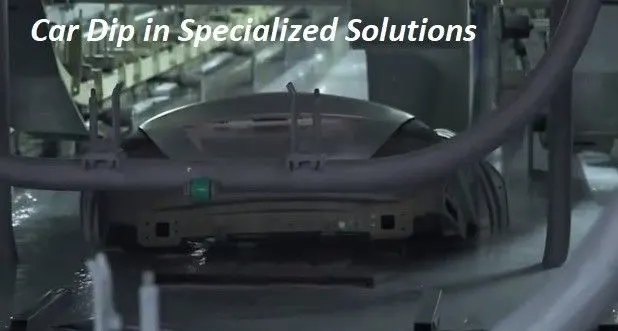
Enough Protection done through Industry approved Coating Solutions by Car Manufacturer so that Car Under-Body, Doors, Boot, Body Panel do not get impacted by Rusting. Also, Galvanization is done with Rust Resistant Alloys to provide long lasting Output without any Corrosion.
Under-Body Coating
Under body coating usually applied at final stage. Under-Body Coating in a Vehicle it provides additional protection for the car body from corrosion. Underbody Coating is used to protect the vehicle from external environment. The use of under body coating plays a major roles in cars life at coastal reagion and heavy rainfall areas.
Underbody coating is usually a dense cladding (often based on rubber) applied uniformly to the undercarriage of the automobile. It is normally sprayed or painted.
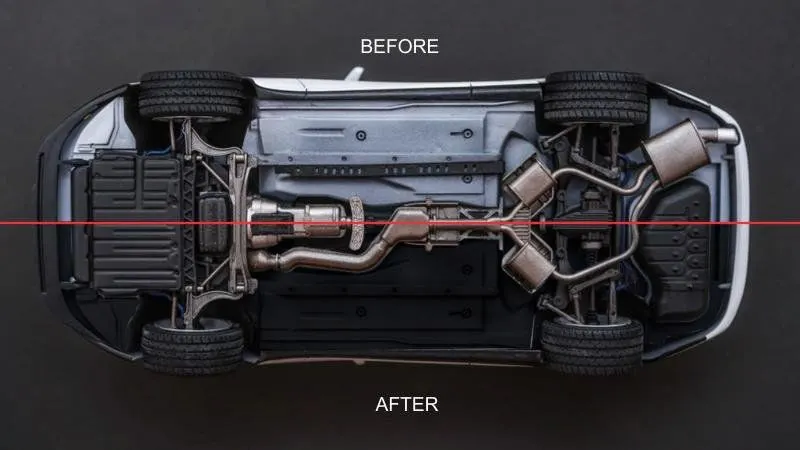
Here are some benefits of underbody coating
- Rust Prevention
Ideally any additional underbody coating should be applied when the car is brand new and clean. Car Manufactures use thick pains and sealants for the underbody, but adding an underbody coat especially in coastal cities is useful. Salt water tends to corrode cars really badly. On bad roads, flying stones and pebbles can chip off the original underbody coating and leave the metal exposed. Using an aftermarket underbody coating offer extra protection.
- Sound Insulation
The thicker underbody coatings used on cars also act as effective sound dampeners. They can reduce road noise and tyre noise and make the cabin seem quieter due to the sound absorptive nature of rubberized paints.
- Easy Maintenance
A uniform black underbody coating gives a car a clean look. It also makes the car easier to maintain by just hosing the underside down. You can be confident that slush build up won’t lead to rusting easily. Most underbody coats these days come with a five-year warranty, which is the lifetime of such a coating.
- Heat Insulation
It insulates the interior of the car from extreme temperatures from beneath the vehicle providing a comfortable cabin experience.
Here are some Cons of underbody coating
- High Cost
Cost of underbody coating has come down, but is still expensive. This is because underbody required extra protection to paint or sprayed also increase the protection time.
- Risk of damage during application
Care must be taken while applying underbody coating. This thick rubberized paint if not applied properly, can get into moving mechanical parts and cause premature failure – such as into the U-joint or CV joints in a cars propeller shaft or drive shafts. They can also hinder smooth movement of suspension components, if applied incorrectly. And there’s also the risk of overspray on to the car’s paint finish on the lower edges of the car.
Types of Underbody - Coating
1.Rubberized Underbody Coating
This is generally thought of as the best underbody coating for your car. It preserves the underbody well, protecting it from scratches. Applying this to the undercarriage is not much of a hassle either.
2.Wax Based Underbody Coating
This – more or less – ephemeral undercoating will wear away in a few months’ time. On the upside, wax-based undercoating puts up a big fight against moisture. It is also the most affordable option out there.
3.Asphault based automotive Undercoating
Best suited for lorries, trucks and large vehicles this provides a greater degree of protection compared to rubber-based coatings. However, asphalt-based coatings contain little amounts of rubber for sound-insulation purposes. The process of applying this coating is a bit time-consuming though.
4.Polyurethane Underoady Coating
This coating closes up splits and fractures on the underbody of the vehicle. It offers up good protection against corrosion and also bonds with the metal. Unlike in the case of asphalt-based coating, you can paint over the polyurethane coating.