Underbody Coating
UNDERBODY COATING
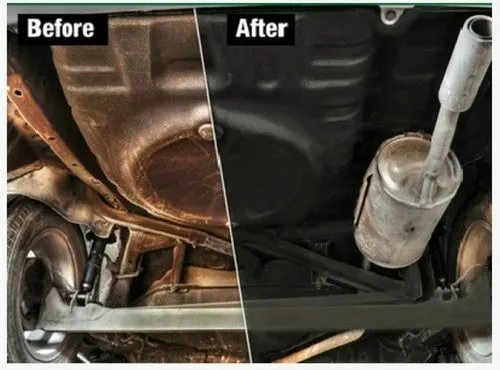
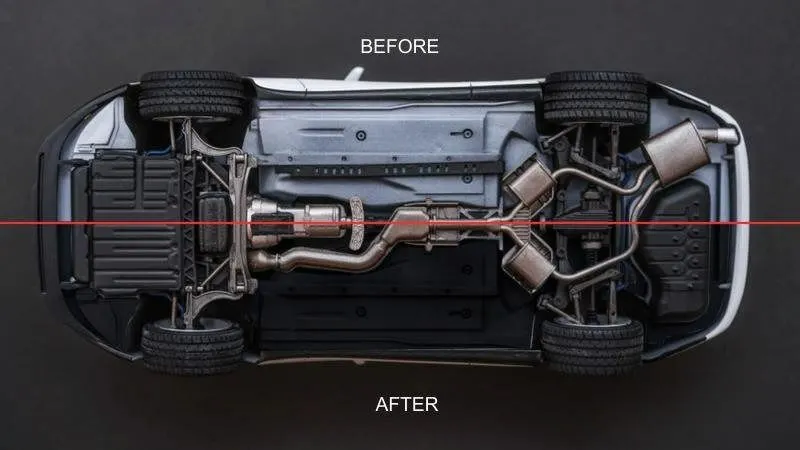
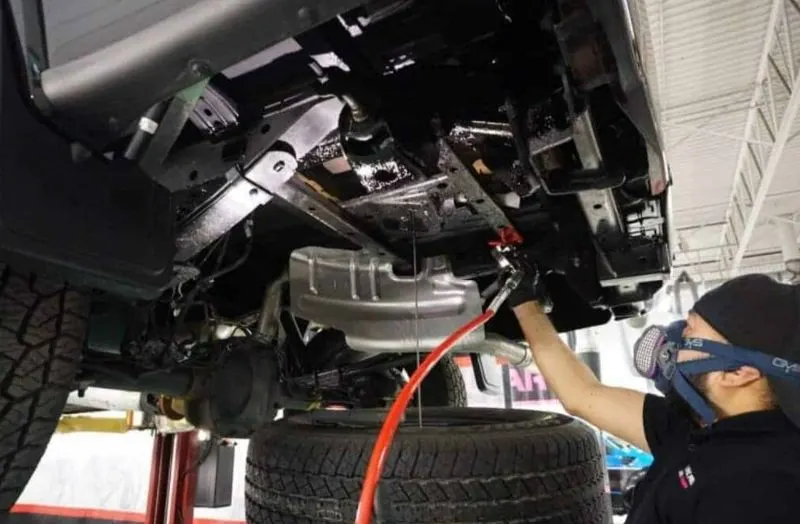
- Underbody coating is a chemical protection layer applied under the cars vehicle to protect the parts from rusting damage.It is normally sprayed on when the car is just out of the dealership and is clean.
- The main purpose of undercoating is to check rust especially in the underbody components.
- It protects parts like internal body panels, frame rails and other inner cavities that are not physically accessible but are prone to corrosion.
- it seals and prevents the entry of water, corrosion, and dust into the joints of car bodies. It also offers excellent noise reduction performance and high resistance to abrasion and impact.
CLASSIFICATION OF UNDERBODY COATING
- Rubberized Underbody Coating
- Wax based Underbody Coating
- Asphalt Based Underbody Coating
- Polyurethane Underbody Coating
RUBBERIZED UNDERBODY COATING
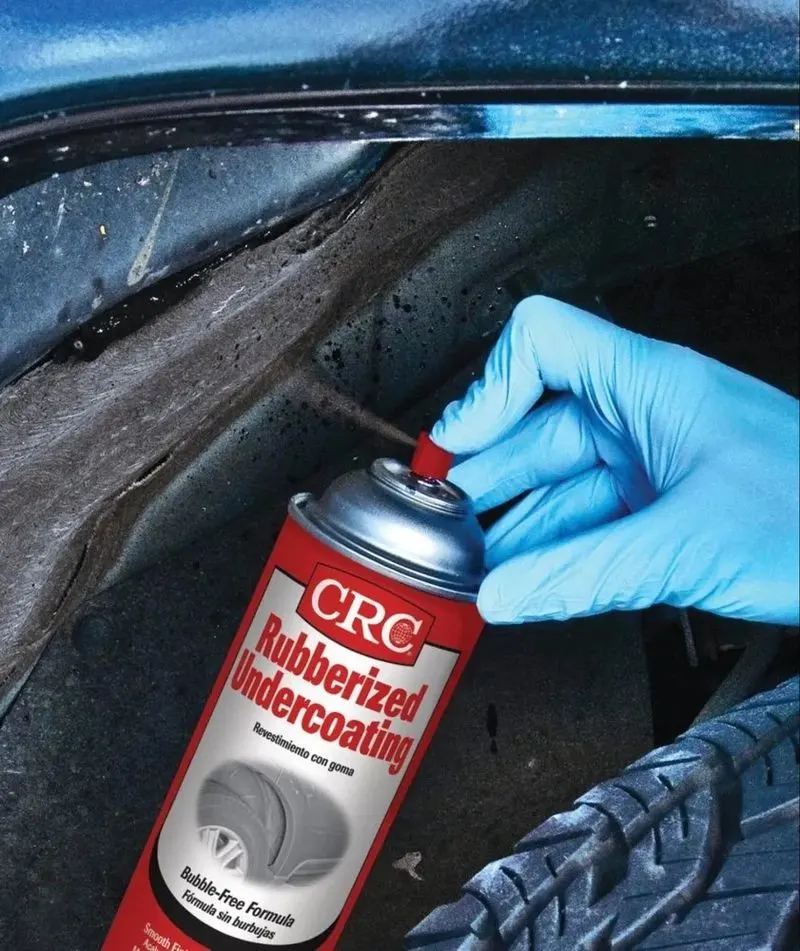
It is easy to apply and offers sound-cushioning as well as protection from dust, moisture, and dings or dents. It is also safe to use on wheel wells and quarter panels, and dries to a soft rubbery finish that prevents further rust, damage, or moisture seeps. The coating can be painted over and, if necessary for bodywork, can be easily removed with an undercoating removal spray.
WAX BASED UNDERBODY COATING
A Wax based undercoating will be the cheapest and quickest option available with which to protect the undercarriage of your vehicle. but it will wear off quicker than other types of undercoating and will need to be reapplied at least once every year.
ASPHALT BASED UNDERCOATING
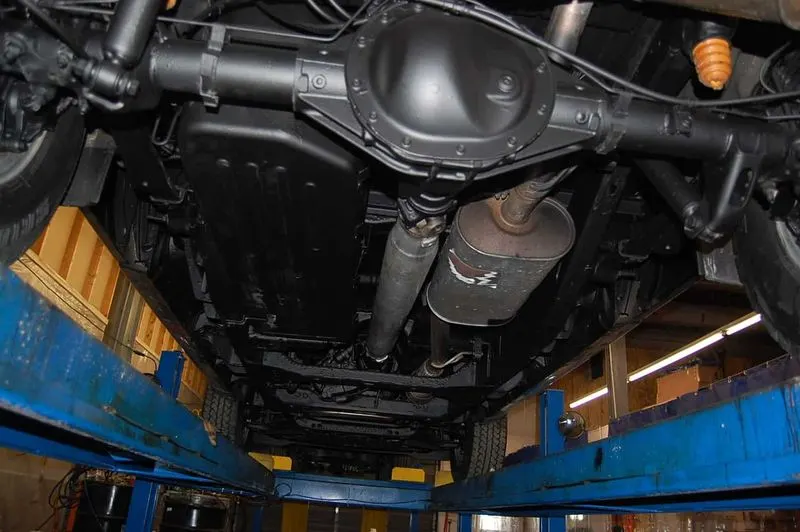
Asphalt-based undercoating generally contains a little bit of rubberized material that sets up firmly and also helps soften noise. For large trucks and heavy machinery, asphalt-based undercoating provides a bit of extra durability against rocks, chips, and moisture.The process of applying this coating is a bit time-consuming.
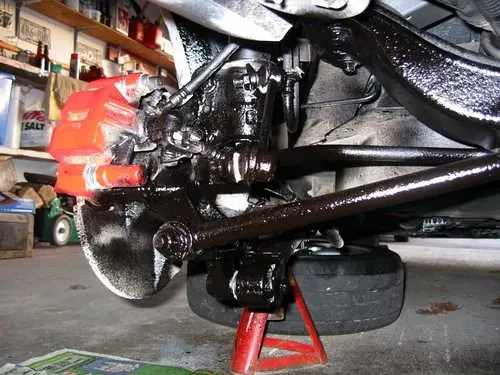
POLYURETHANE UNDERBODY COATING
This coating closes up splits and fractures on the underbody of the vehicle. It offers up good protection against corrosion and also bonds with the metal.
ADVANTAGES
- It minimizes the sound from underneath the car resulting a noiseless, smooth driving experience.
- It insulates the interior of the car from extreme temperatures from beneath the vehicle providing a comfortable cabin experience.
- If any stone hits the coating it does not get chipped away hence protects the underbody from exposure to water.
DISADVANTAGES
- It is less helpful if corrosion is already present.
- A third-party undercoating service might void your vehicle’s warranty.
- It adds weight to the vehicle.