Supervised Learning - Classification Week 7 Challenge
Ans 1) Pros and cons of SVM (support vector machines) are as follows:
Pros:
1. Effective in High-dimensional spaces: SVMs perform well when the number of dimensions is greater than the number of samples.
2. Memory Efficient: They use a subset of training points in the decision function (support vectors), making them efficient in terms of memory.
3. Versatile: Different kernel functions can be specified for the decision function. Common kernels include linear, polynomial, and radial bias function (RBF).
4. Robust to Overfitting: Especially in high-dimensional space, SVMs are less prone to overfitting compared to other classifiers.
Cons:
1. Computationally Intensive: Training an SVM can be time-consuming, especially with large datasets.
2. Choice of kernel: The performance of SVMs heavily depends on the choice of the kernel and its parameters.
3. Not Suitable for Large datasets: SVMs can be inefficient when the dataset is very large.
4. Difficult to interpret: The results of SVMs can be less intuitive and harder to interpret compared to other models like decision trees.
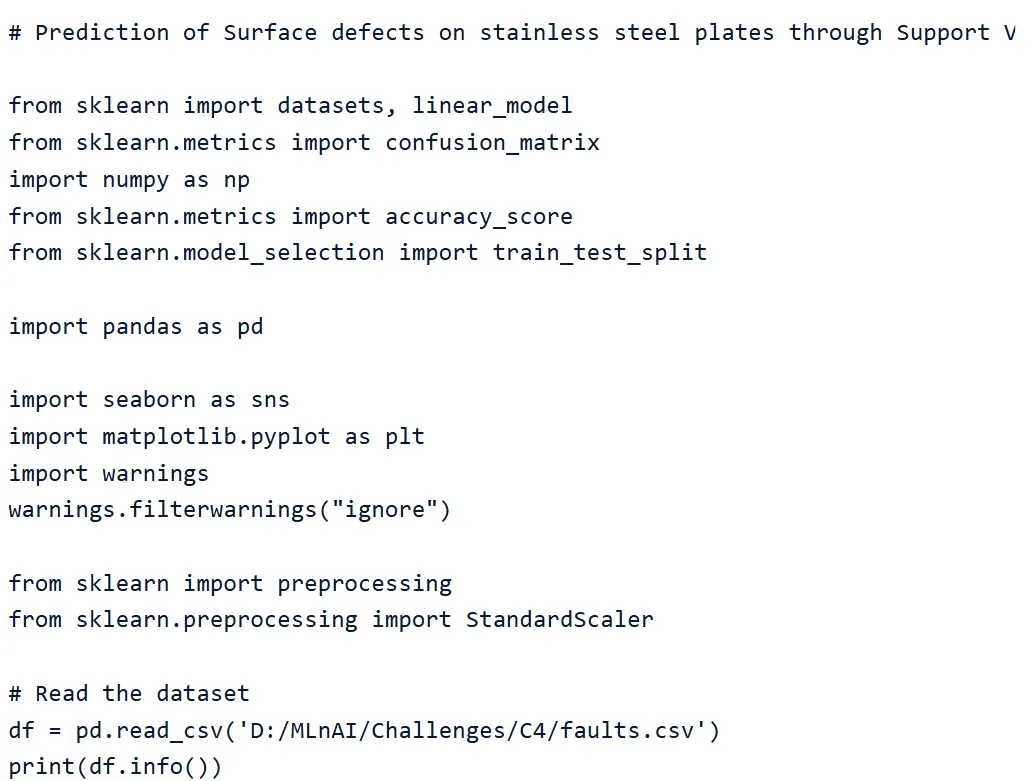
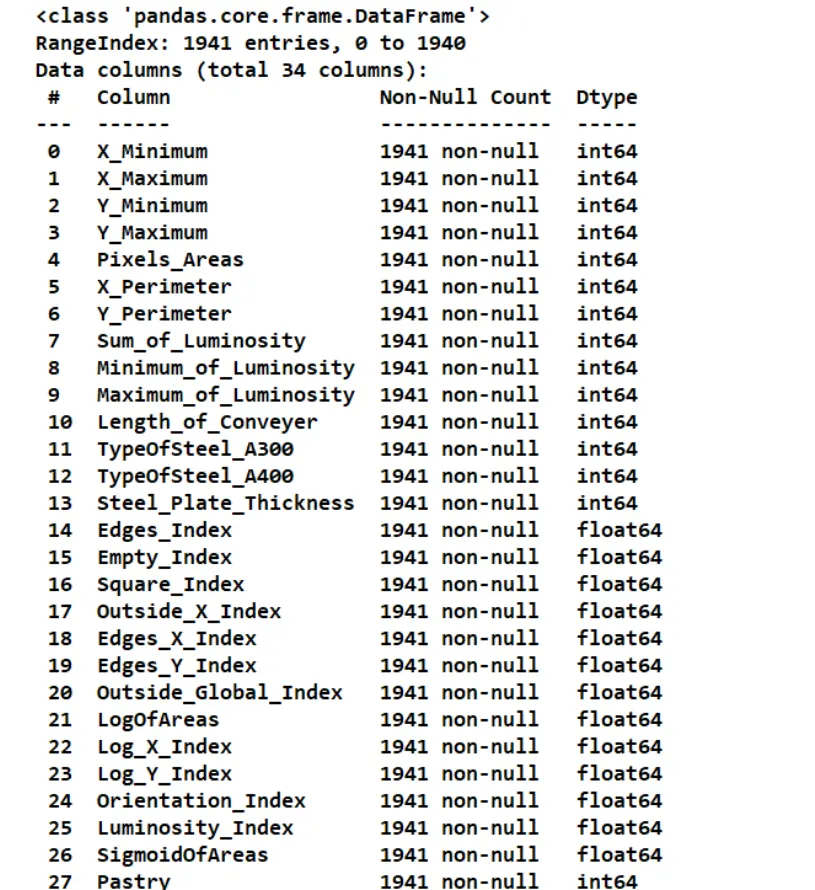
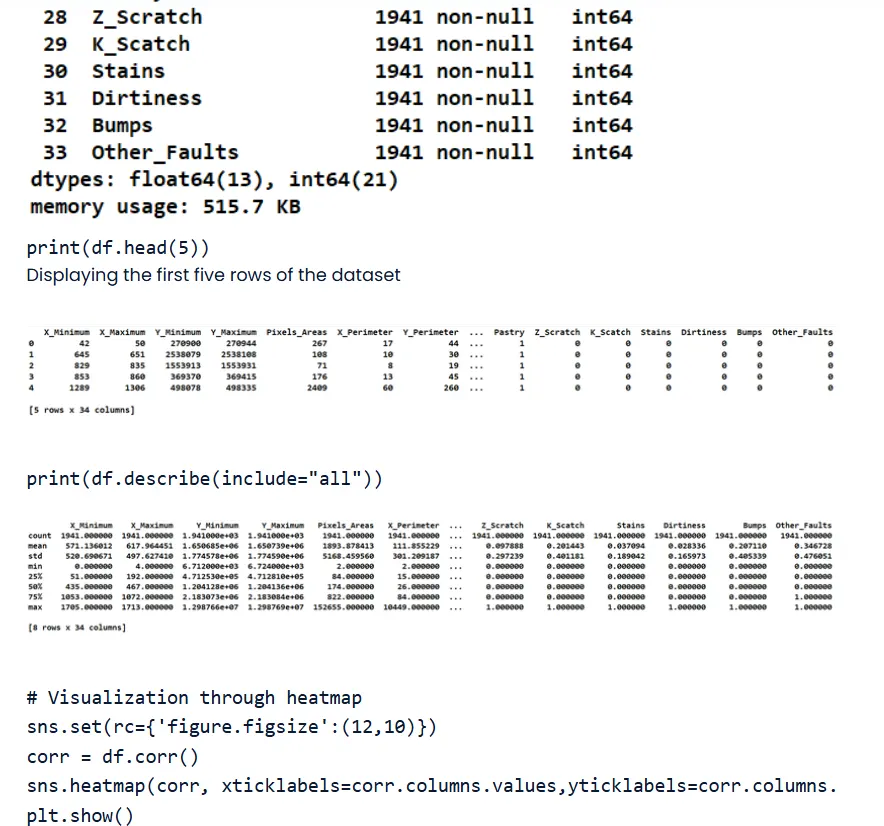
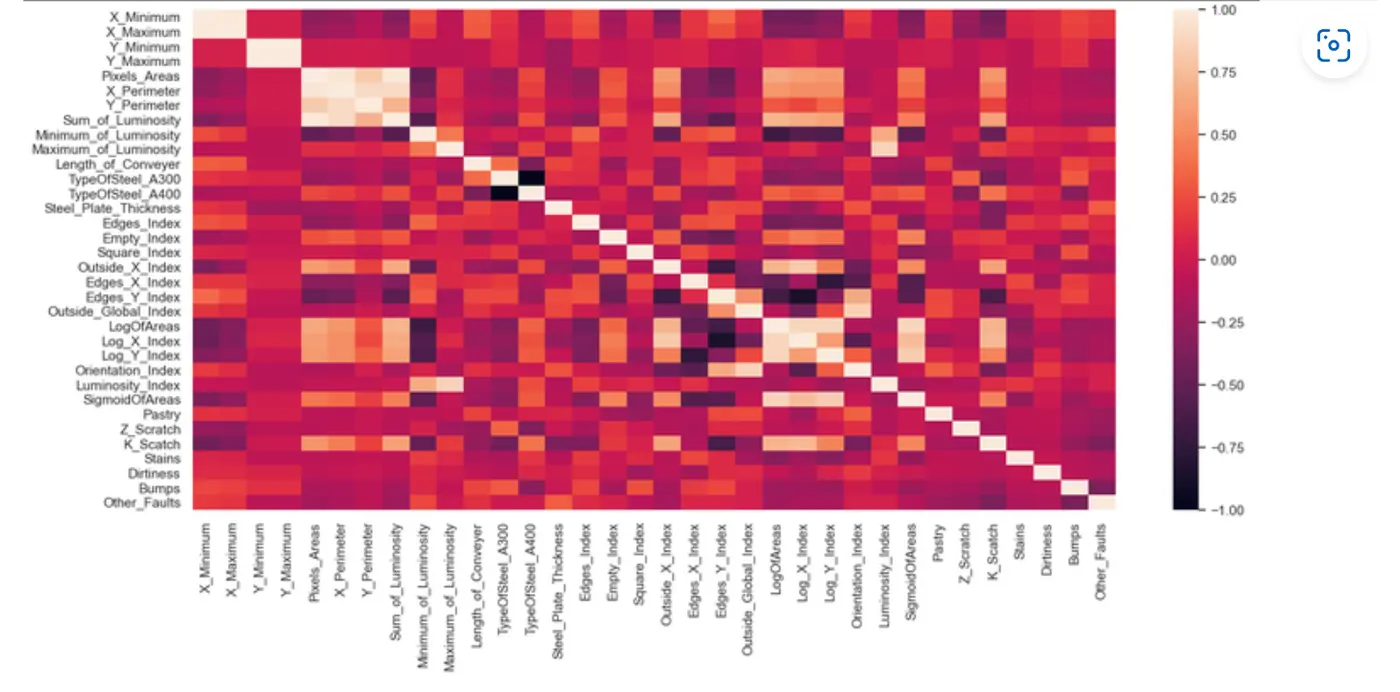
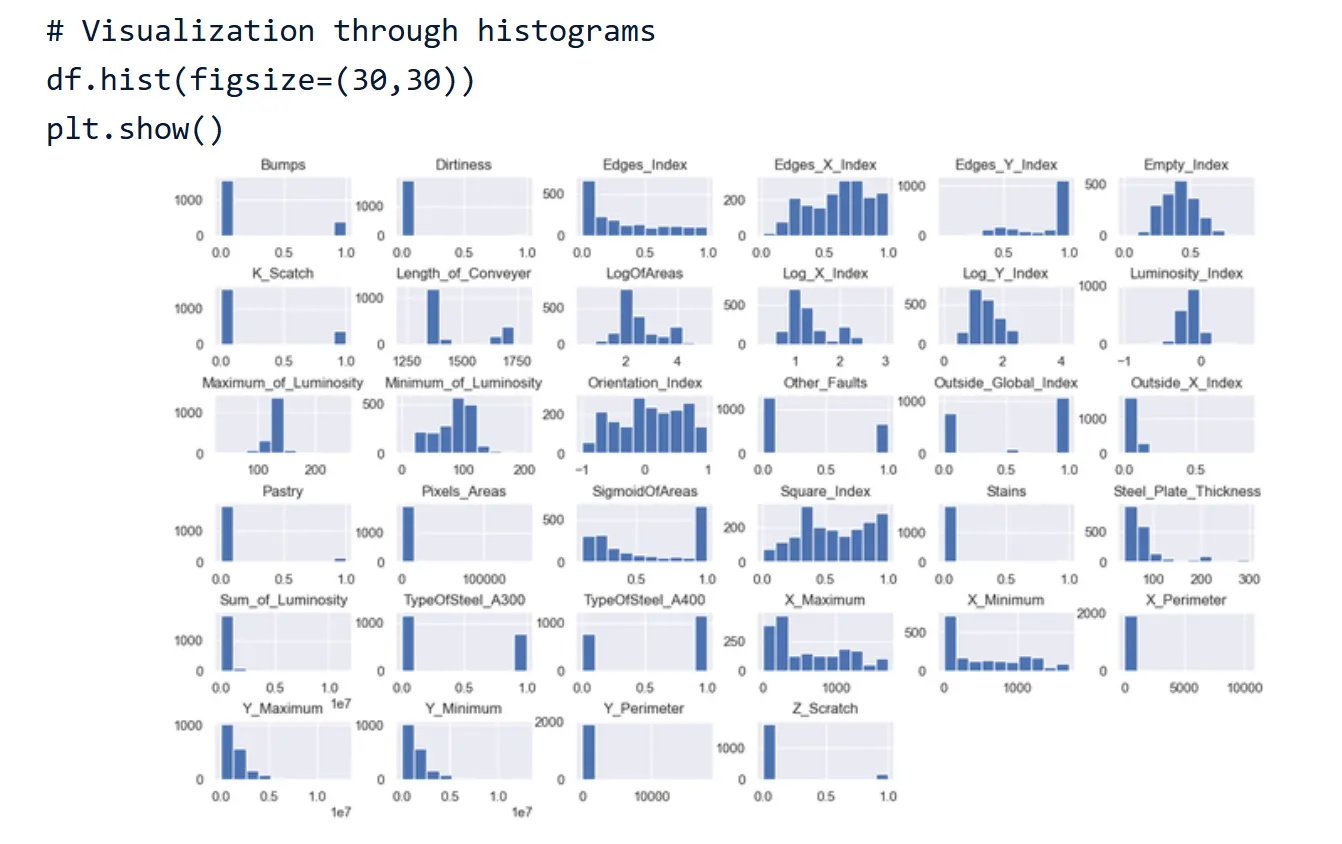
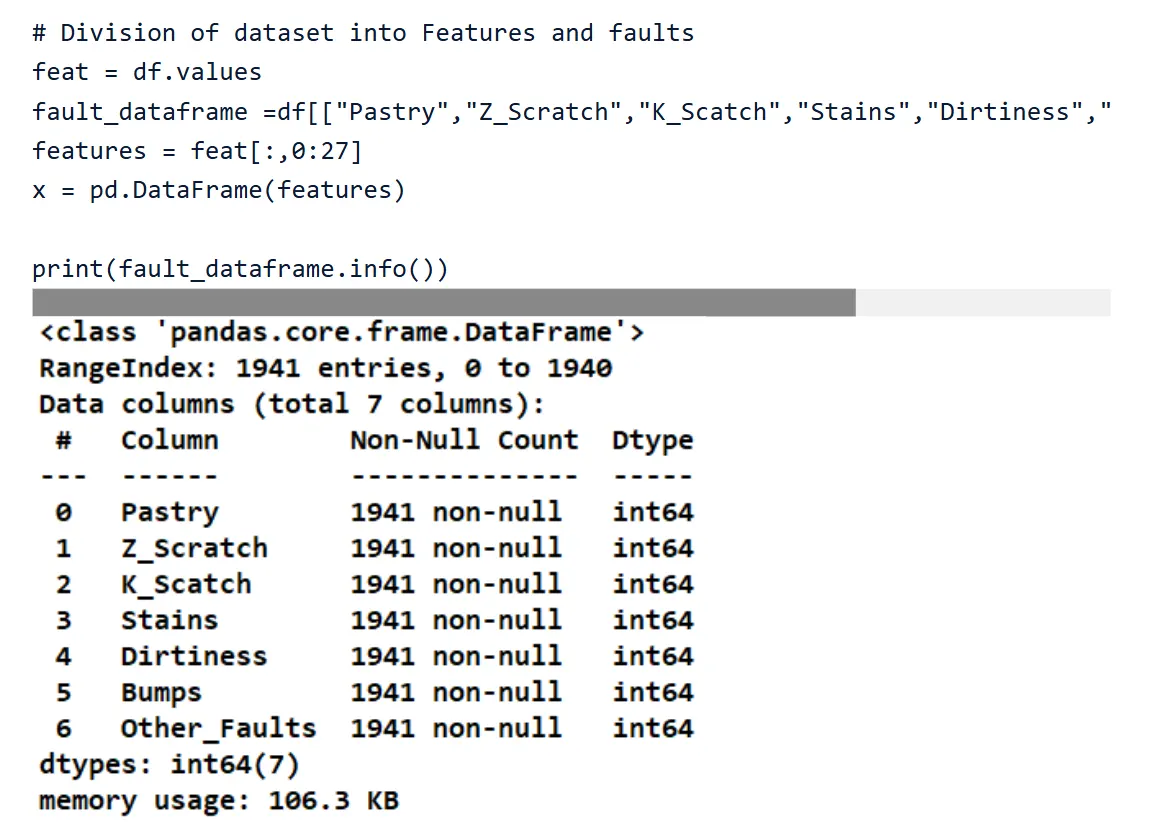
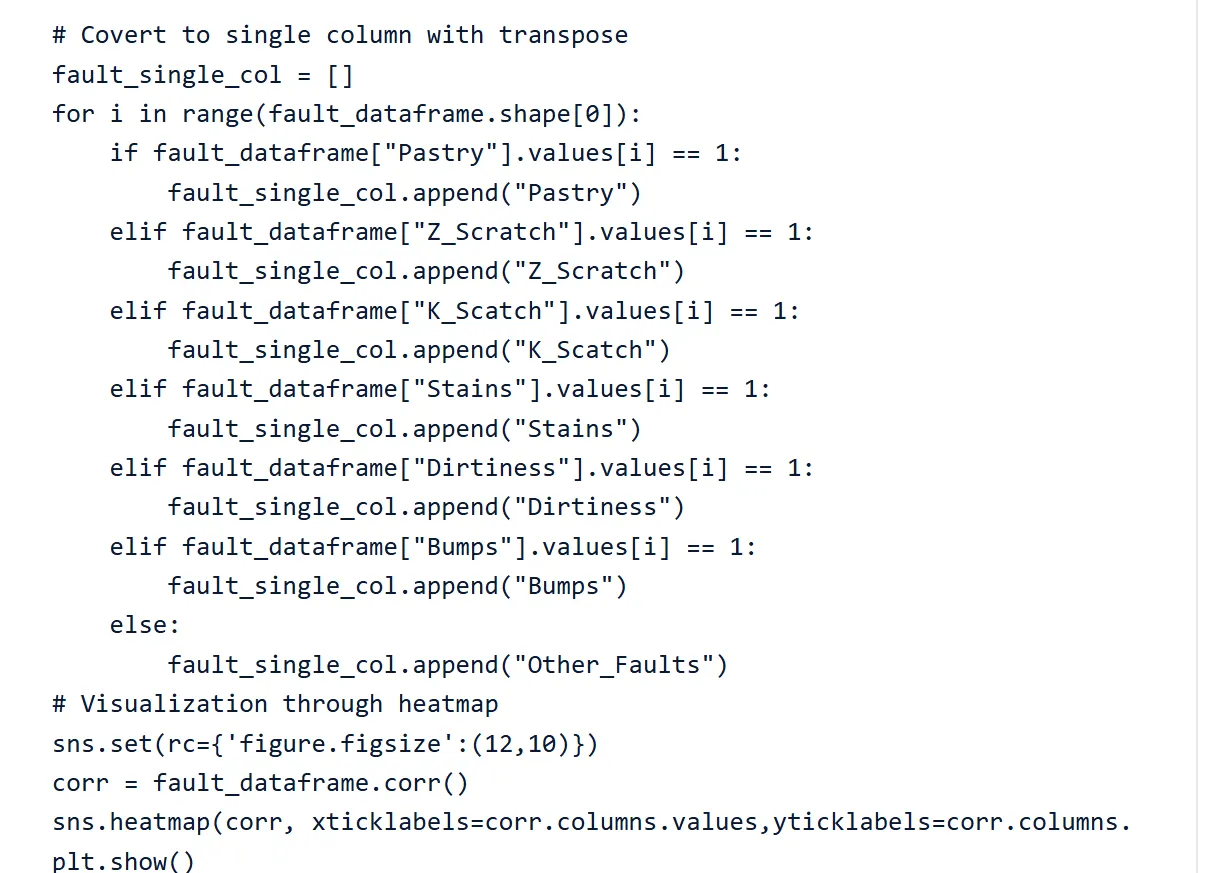
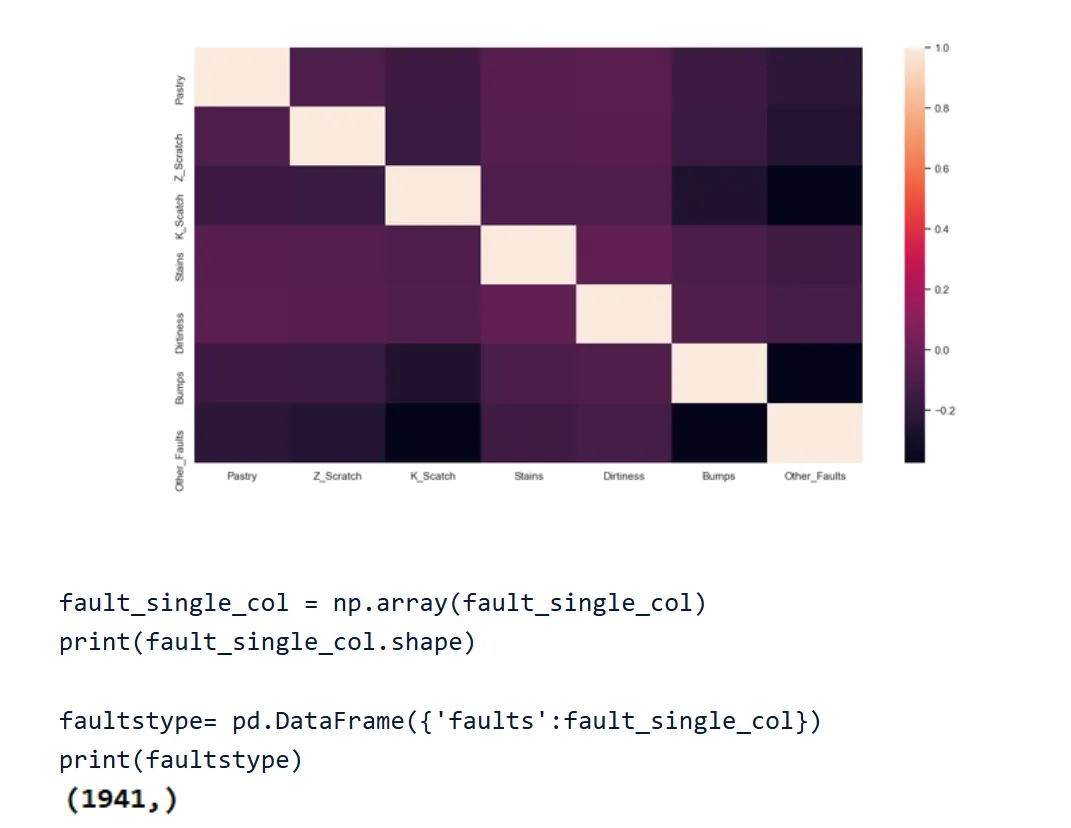
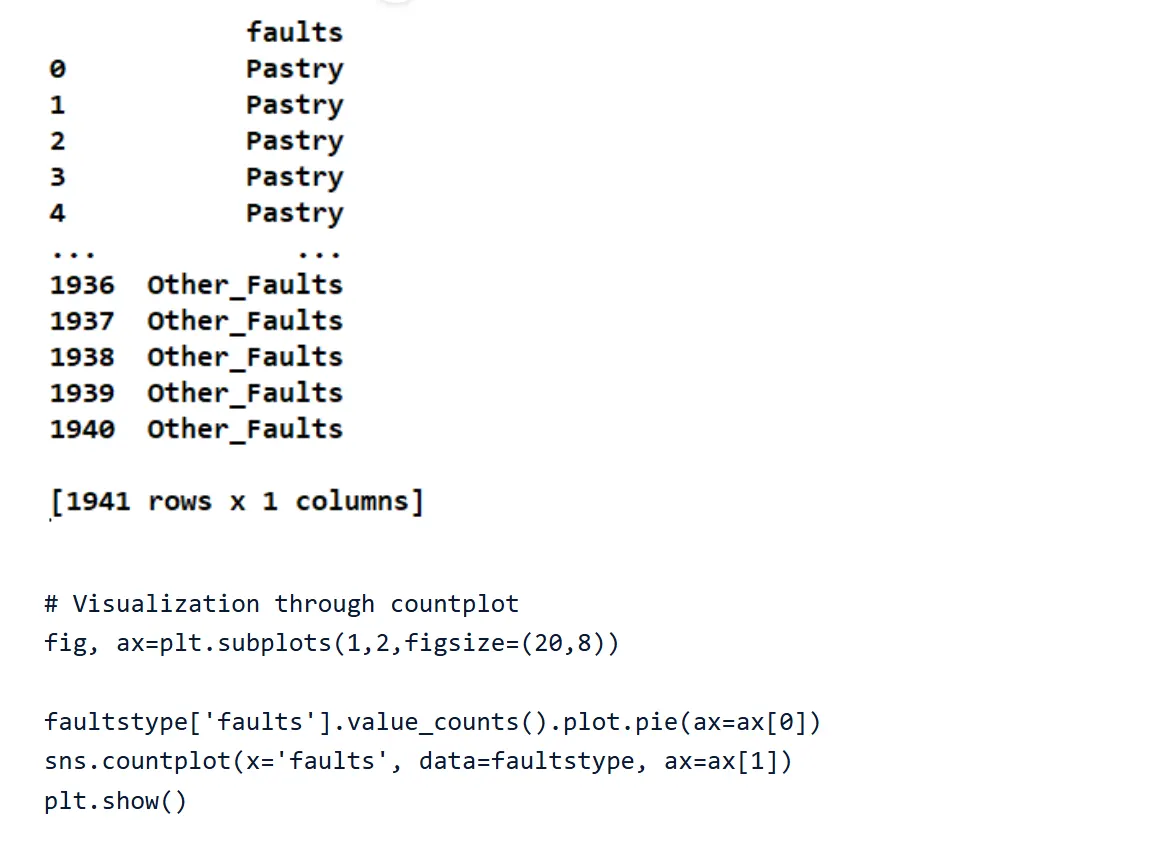
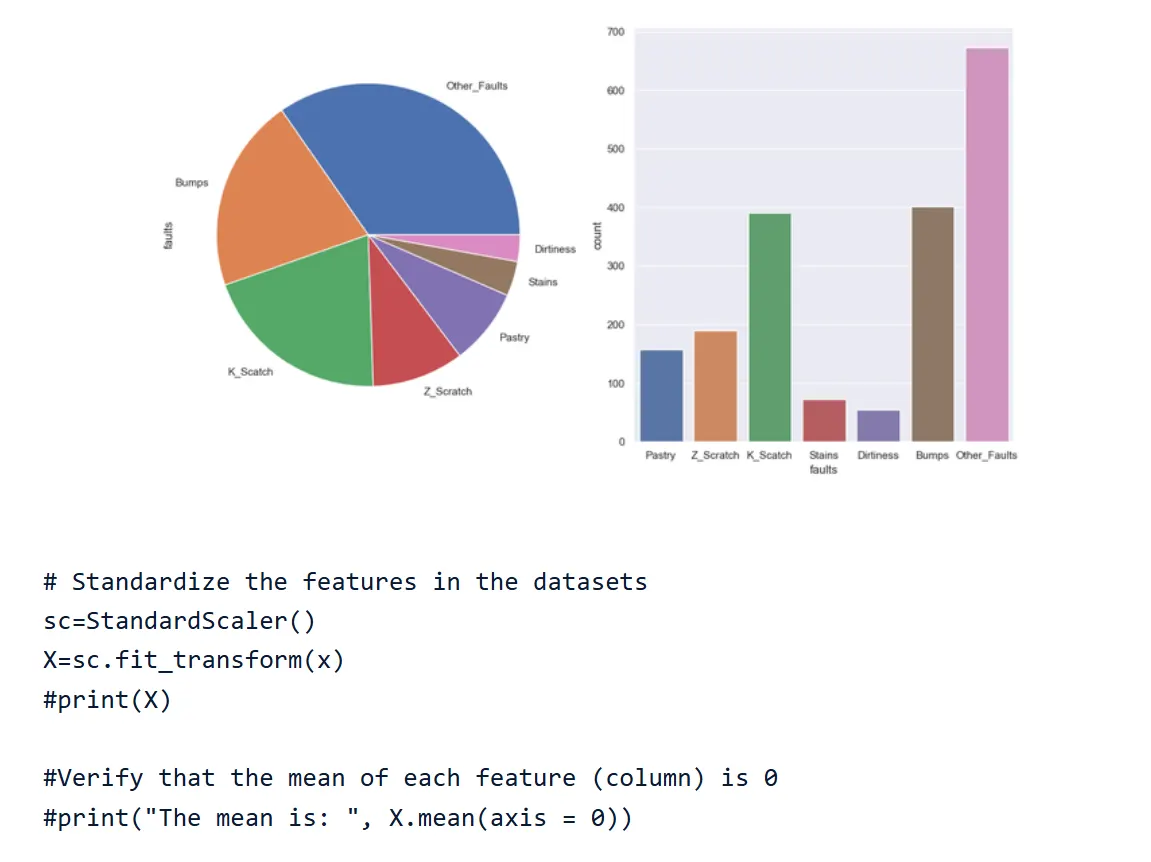
Ans 2) Performing EDA on the steel plate defects dataset:
In this process, we are going to import the data of the steel plate defect dataset provided in the question.