Structural analysis of a buidling using Robot Structural Analysis
1) What are HVAC systems? Why are they essential in the modeling of buildings
A)
HVAC system is one of the important component in building modelling. HVAC stands for Heating, Ventilation ans Air Conditioning. Heating means to increase the temperature of the input air which flows into the building. Ventilation is replacement of old air present in the building. Air conditioning is to cool the air entering the building. HVAC are important to increase the sustainability and conditioning of the building. It improves comfort and helps to increase the efficiency of the workers in the building.
2) From week 7 assignment, based on the building designed use the same Revit file to design a HVAC system for each floor to cover the topics included in the class.
a. Typical HVAC unit includes Distribution center
b. Collector
c. Ducts
d. Blower
Based on the layout choose appropriate ducts and elevation using property browser and assign the components to appropriate groups to complete modeling of the HVAC unit
A)
Aim: To add HVAC system for project created in week 7 assignment.
Procedure:
Step 1: The air ducts and terminals are added to each floor as shwast below.
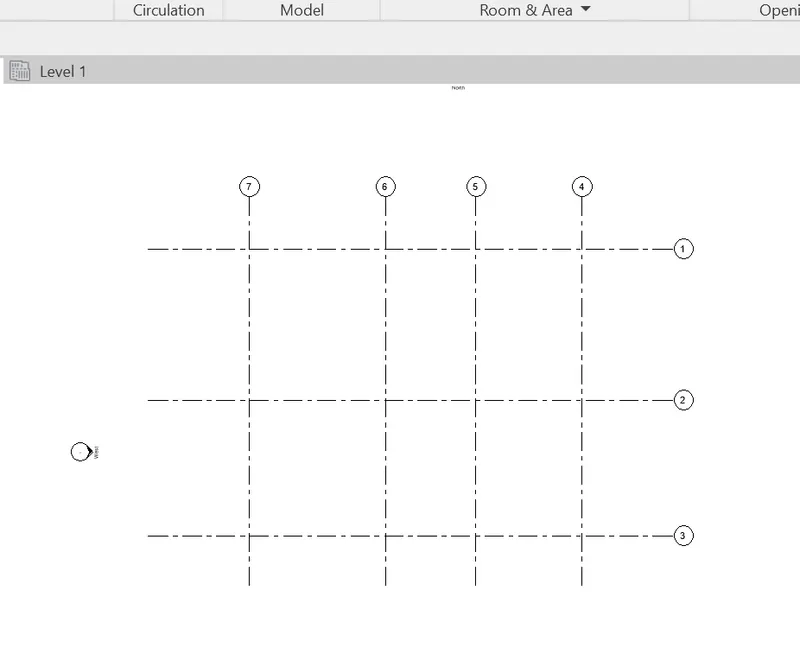
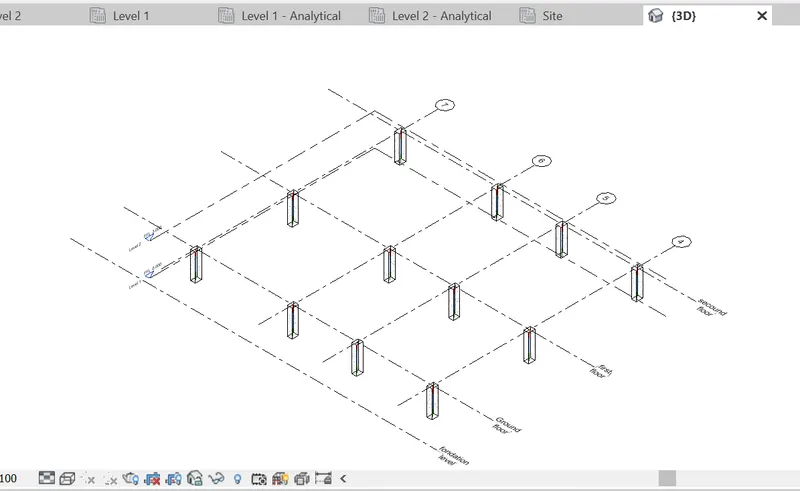
3) Use the add-ins tab to load plug-ins for robot structural analysis to your Revit software Steps to add in tab to load plug-ins for robot structural analysis:
• First check if robot strucutral analysis is enabled.
• If not download it from AUTODESK
• From the autodesk website download structural analysis the Revit version being used
4) Why do we need to assess buildings/analyze while modeling elements? Does design affect modeling in anyways?
Stucture is one of the important component of the building. The strucutural framework is the skeleton to the building. All the loads and load transfer is taken care by creating the the structural framework. Sructural analysis is very important to the building in order to understand the load carrying capapcity of the building and to design each and every component of the building accordingly. With this we can calculate the SFD. BMD, and deflections.
5) From the structural model developed in week 6 and 7, export the complete analytical model to robot structural analysis.
a. List your assumptions on what boundary conditions will be realistic for the analysis approach
b. Use the design standards to decide what loads must be applied to floorings based on the type of structure decided
c. List the load combinations and include them in the analysis model
d. Analyze the building and report the following results
i. Maximum Moment in each floor for all Load Combinations
ii. Maximum Displacement in each floor for all Load combinations
iii. Lateral Displacement in building for all Lateral Load combinations
e. After analysis, do you think you have a better approach or idea in modeling structural members?
A)
Aim: To perform robot structural analysis
Procedure:
The boundary conditions to be considered are supports and loading.
The different types of loads that can be applied are deadload, live load, wind and seismic load.
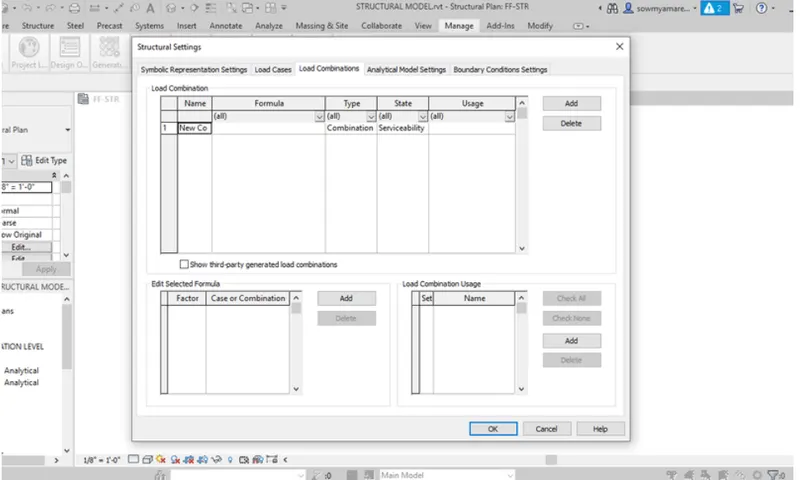
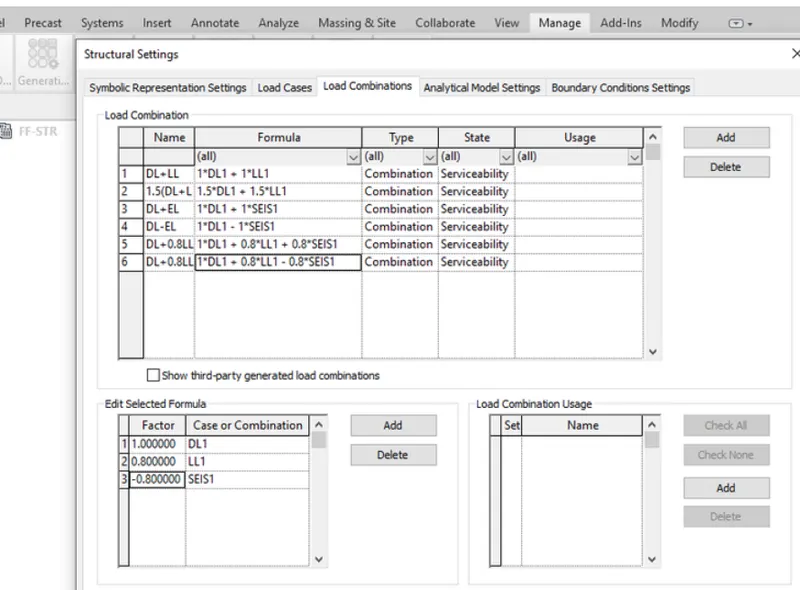
The load combinations used are:
DL+LL
•1.5DL+1.5LL
• DL+EL/WL
• DL-EL/WL
DL+0.8LL+0.8EL/WL
DL+0.8LL-0.8EL/WL
Procedure to create maximum moments, maximum displacement and lateral displacement.
Step 1: Open the structural template
Step 2: Select analytical model in view tab
Step 3: Load combinations are added to the model as mentioned above
Step 4: Once the load combinations are added the model is analysed as shown below.
6) What is energy analysis and why do we need to consider it while modeling in Revit?
How does the factor of sustainability improve the quality of your design?
A)
Energy analysis is a way to calculate the amount of energy required in an operation which involves physical and chemical actions. With the help of energy analysis the in and out flow of volume of air through the openings can be determined. The minute defects can be identified and can be fixed right away with the help of energy analysis.
In this analysis all the components are taken into consideration like electric equipments and other equipments which release heat into the environment. Different techniques can be used to administer the energy being released with help of energy systems such as solar, wind, wind energy and so on.