Steady Vs Unsteady flow over a cylinder (ANSYS FLUENT)
AIM:
The main aim of this project is to simulate the flow over a cylinder, to observe the von- karman vortex street phenomenon. we must also understand how the various conditions affect the simulation.
OBJECTIVE:
PART-I
- Simulate the flow with the steady and unsteady case and calculate the Strouhal Number for Re= 100.
PART-II
- Calculate the coefficient of drag and lift over a cylinder by setting the Reynolds number to 10,100,1000,10000 & 100000. (Run with steady solver)
- Discuss the effect of Reynolds number on the coefficient of drag. [ Results should be validated with any standard literature and error should be within 5 %]
Expected results:-
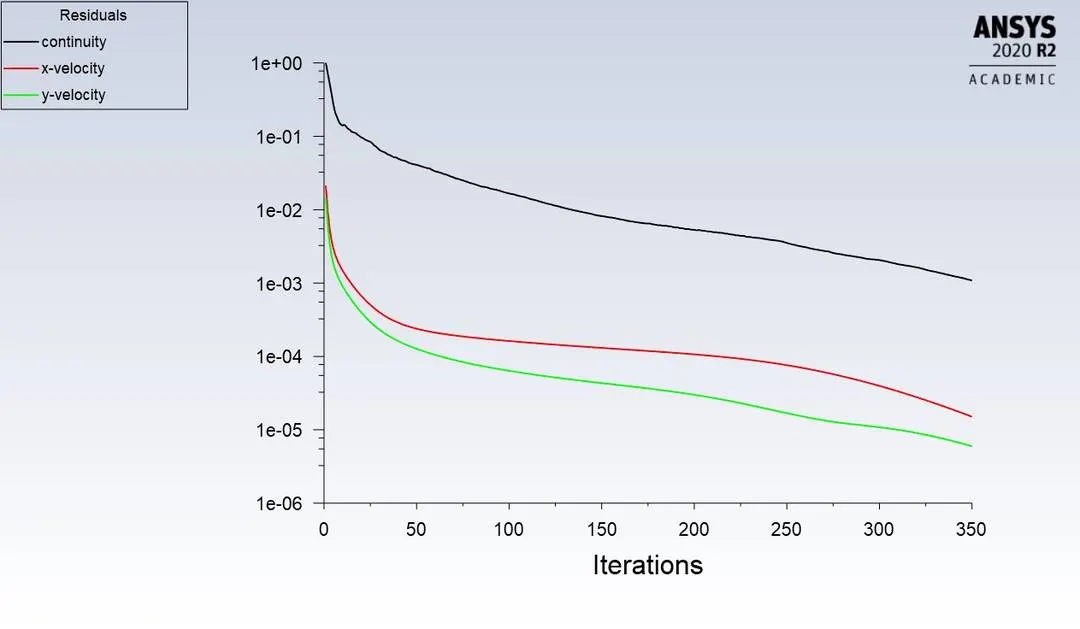
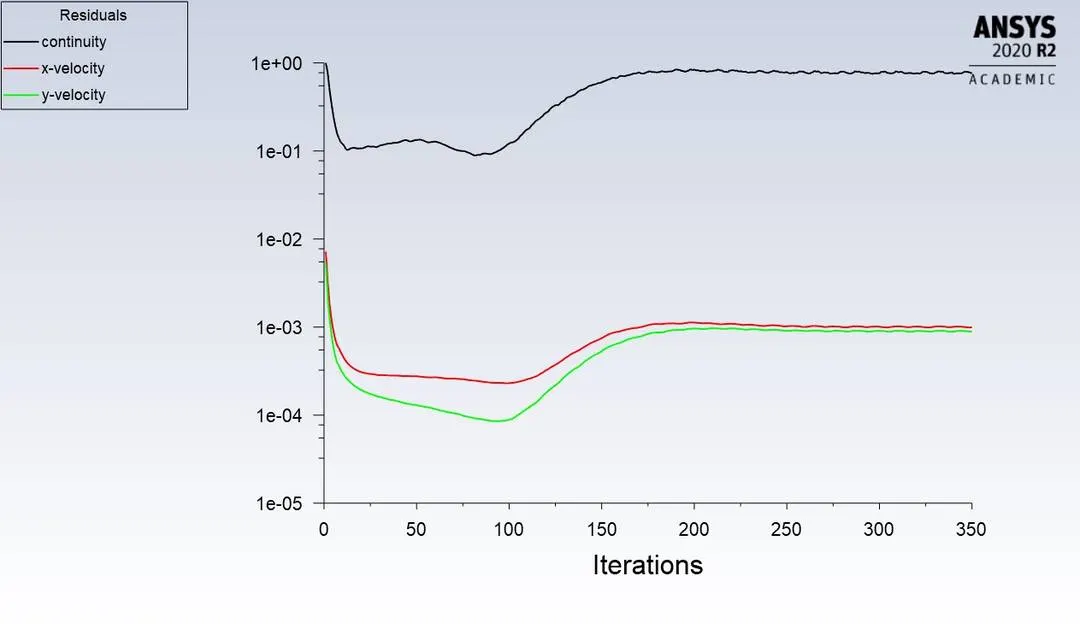
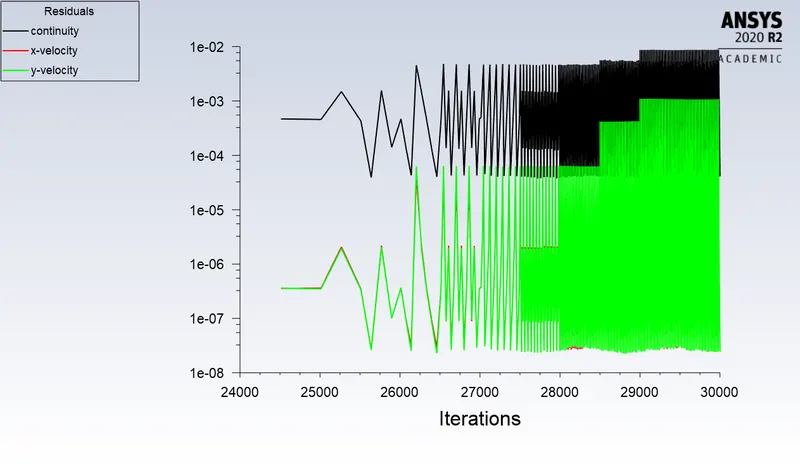
- In both approaches, show that the flow has converged. That is, what quantities or plots need to be looked at to determine that the flow has converged?
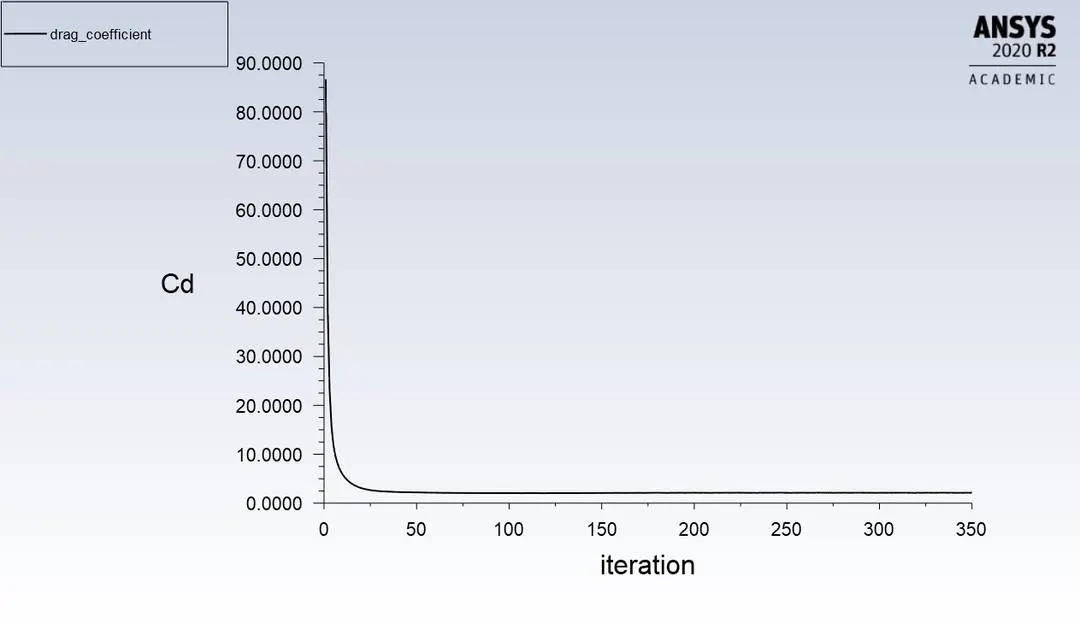
- Plots of the coefficient of drag and lift.
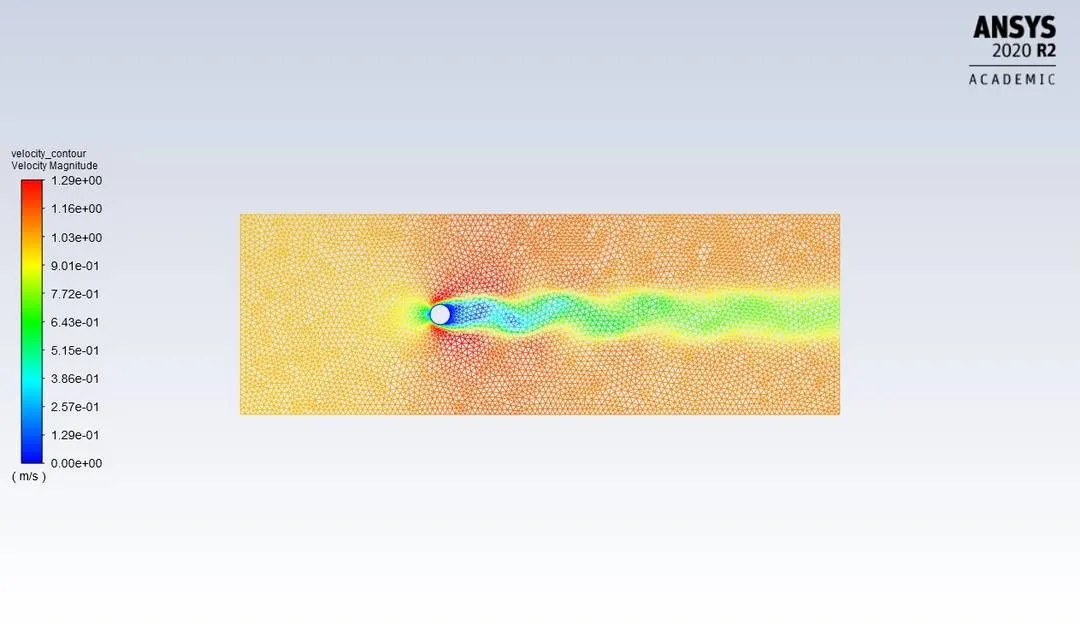
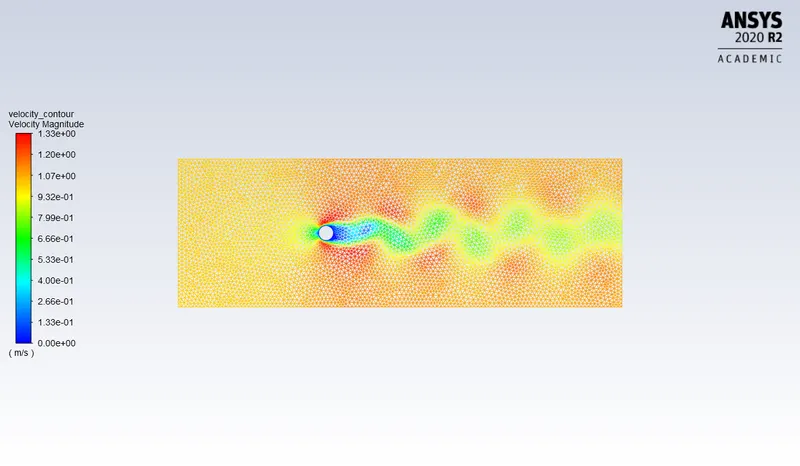
- Plots to show vortex shedding behind the cylinder.
- Mention the preferred material at the end of the challenge submission page.
THEORY:
von karman vortex:
In fluid dynamics, a Kármán vortex street is a repeating pattern of swirling vortices, caused by a process known as vortex shedding, which is responsible for the unsteady separation of flow of a fluid around blunt bodies. this phenomenon is responsible for various real phenomenon such as 'singing' of transimission lines, vibration of car antena at certain speeds.
A vortex street will form only at a certain range of flow velocities, specified by a range of Reynolds numbers (Re), typically above a limiting Re value of about 90.
Vortex Shedding:
In fluid dynamics, vortex shedding is an oscillating flow that takes place when a fluid such as air or water flows past a bluff (as opposed to streamlined) body at certain velocities, depending on the size and shape of the body. In this flow, vortices are created at the back of the body and detach periodically from either side of the body forming a Von Kármán vortex street. The fluid flow past the object creates alternating low-pressure vortices on the downstream side of the object. The object will tend to move toward the low-pressure zone. if a structure is not mounted rigidly enough and the frequency of vortex shedding matches the resonance frequency of the structure, then the structure can begin to resonate, vibrating with harmonic oscillations driven by the energy of the flow.
Strouhal Number:
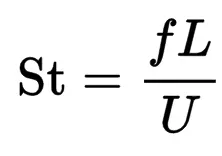
The Strouhal number represents the ratio of inertial forces due to the local acceleration of the flow to the inertial forces due to the convective acceleration. Depending on the time scale of the problem, this ratio may be of order unity, and therefore its importance is not obvious.
In flows characterized by a periodic motion, the Strouhal number is associated with the oscillations of the flow due to the inertial forces relative to the changes in velocity due to the convective acceleration of the flow field. Thus, an alternative definition of the Strouhal number better suited to periodic flows is given by the following expression
Drag Coefficient:
In fluid dynamics, the drag coefficient is a dimensionless quantity that is used to quantify the drag or resistance of an object in a fluid environment, such as air or water. It is used in the drag equation in which a lower drag coefficient indicates the object will have less aerodynamic or hydrodynamic drag. The drag coefficient is always associated with a particular surface area.
The drag coefficient of any object comprises the effects of the two basic contributors to fluid dynamic drag: skin friction and form drag. The drag coefficient of a lifting airfoil or hydrofoil also includes the effects of lift-induced drag. The drag coefficient of a complete structure such as an aircraft also includes the effects of interference drag. the formula of drag coefficient is given below.

Lift Coefficient:
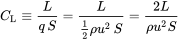
The lift coefficient (CL) is a dimensionless coefficient that relates the lift generated by a lifting body to the fluid density around the body, the fluid velocity and an associated reference area. A lifting body is a foil or a complete foil-bearing body such as a fixed-wing aircraft. CL is a function of the angle of the body to the flow, its Reynolds number and its Mach number. The section lift coefficient cl refers to the dynamic lift characteristics of a two-dimensional foil section, with the reference area replaced by the foil chord.
DOMAIN OF PROBLEM:
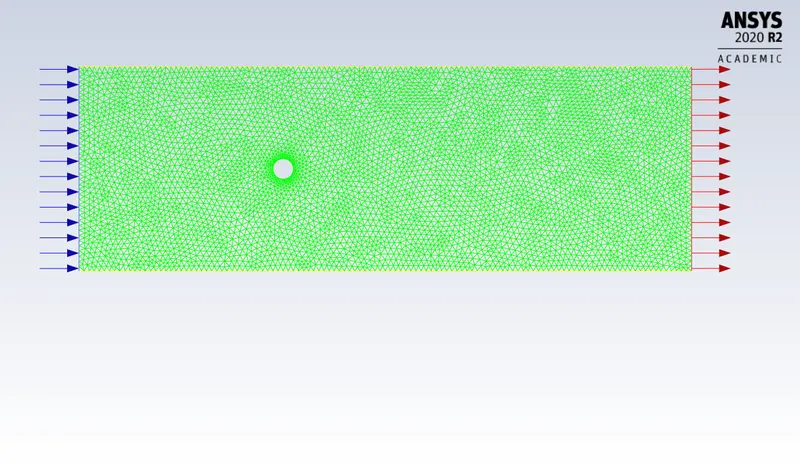
The diameter of the circle is 2 m, length to inlet is 20 m, length to outlet is 40m;

Inflation layers, taken to accurately mesh the geometry.
STEPS:
- Open spaceclaim , to create the geometry; change the units to metres; create the geometry
- Open the meshing window, from workbench; right click(r.c) on mesh->insert method -> select geometry-> chnage method to triangles -> update mesh -> chnage mesh size.
- r.c on mesh-> insert -> sizing method ->select circle edge; type-> no of divisions; no of divisions-> 36;
- r.c on mesh -> insert inflation layer -> specify first layer height and number of layers
- select and name the parts of the geometry.
- in workbench -> update mesh.
- open ansys fluent using setup tab on workbench; do mesh check.
- physics -> steady, pressure based , absolute -> viscous -> laminar;
- to control the reynolds number we create a new material -> change in material and cell zone -> delete old.
- set up bpundary conditions for each named zone of geometry
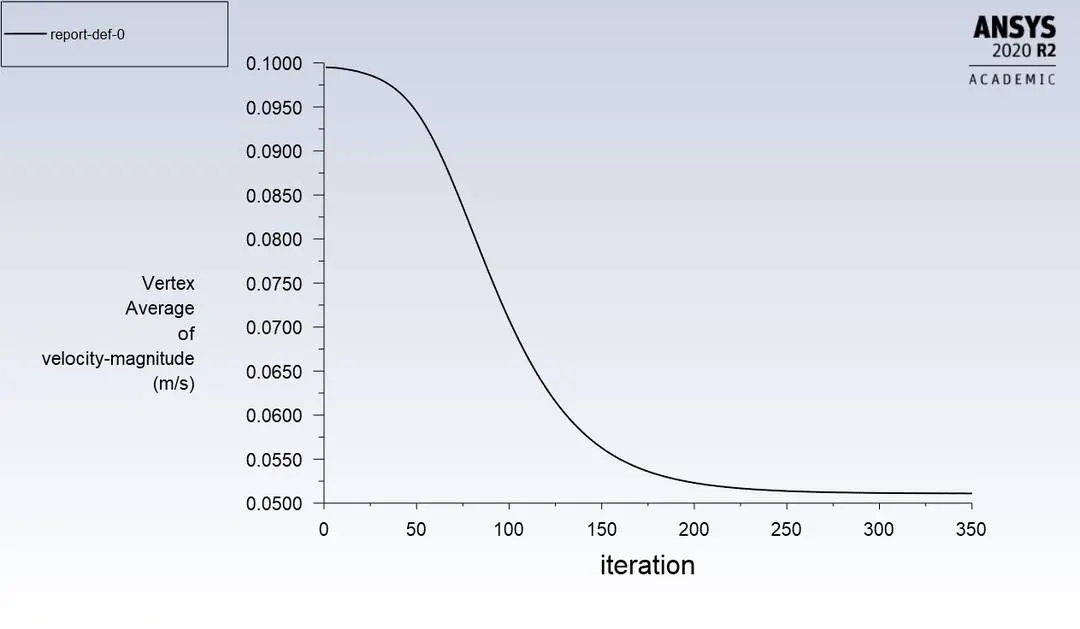
- go to solution tab to set up measured flow quantities under definition -> vertex average -> velocity -> at vertex point -> plot and report file
- But to create monitor point (in step 11) go to 'result' -> create 'point' at desired location; repeat step 11
- initialise the mesh, go to results, create contours for both velocity and pressure.
- got to solution -> methods -> scheme: simple -> residuals: uncheck convergence criteria(so that we can run as many iteration as we want); enter the number of iterations ; hit calculate
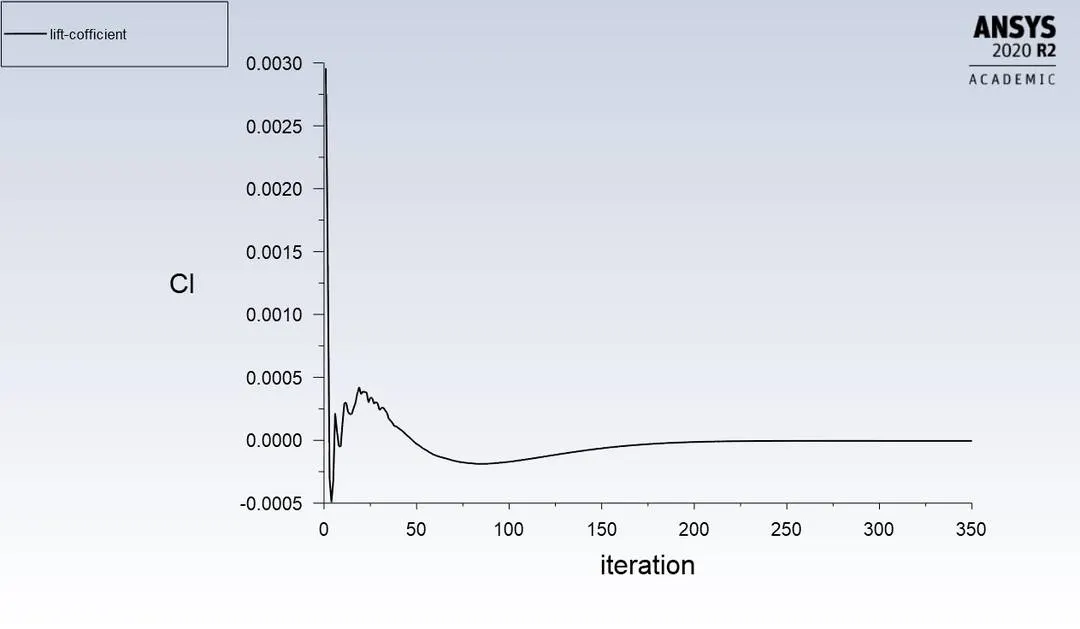
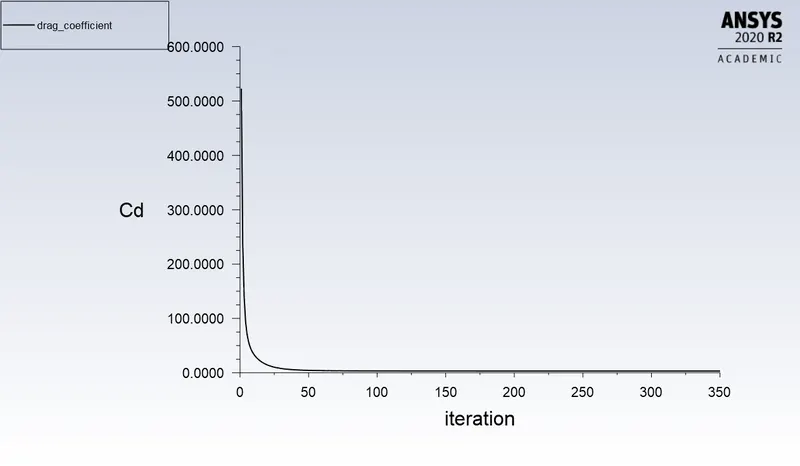
- Create plots for drag and lift coefficients.
- run simulations for various values of mesh size till we obtain ideal mesh and the best solution (0.5m in this case)
- change values of velocity to change values of reynolds number.
- re-run simulations for the required reynolds number; run transient simulation(transient option in the physics tab)
RESULTS:
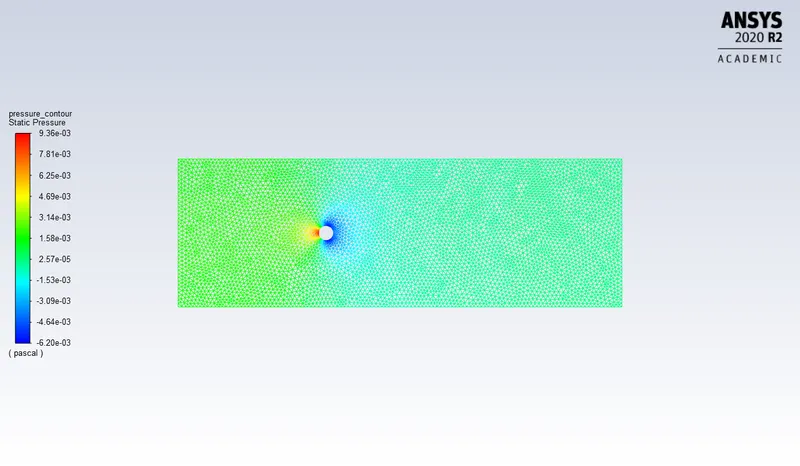
CASE 1: reynold's number: 10; type: steady
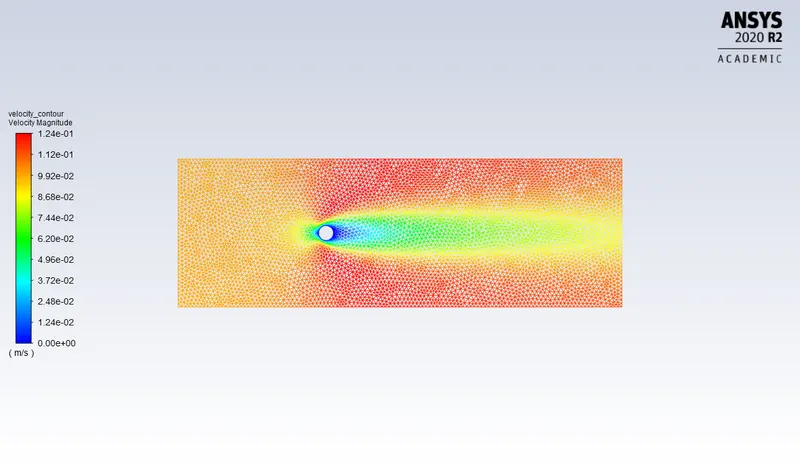
CASE 2: reynold's number: 1000; type: steady
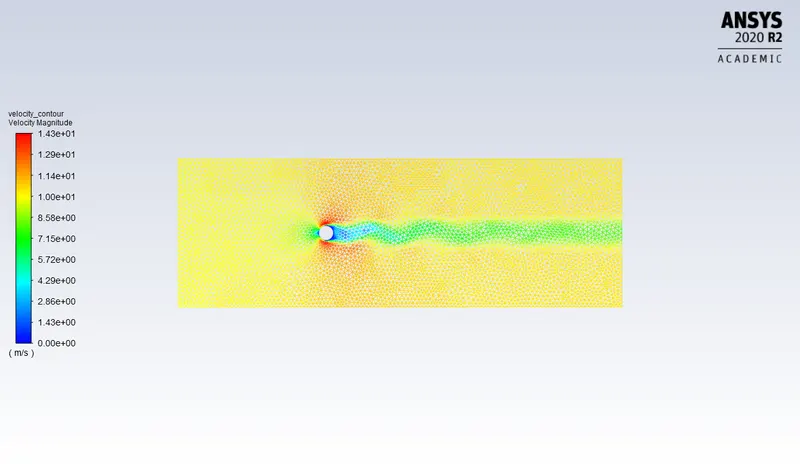
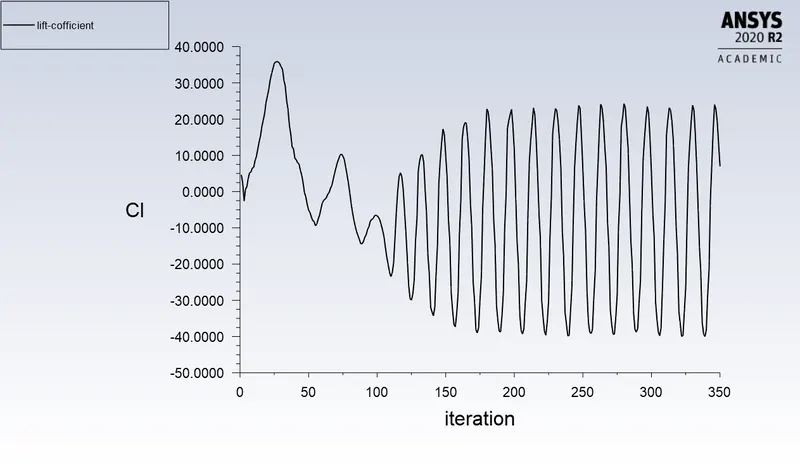
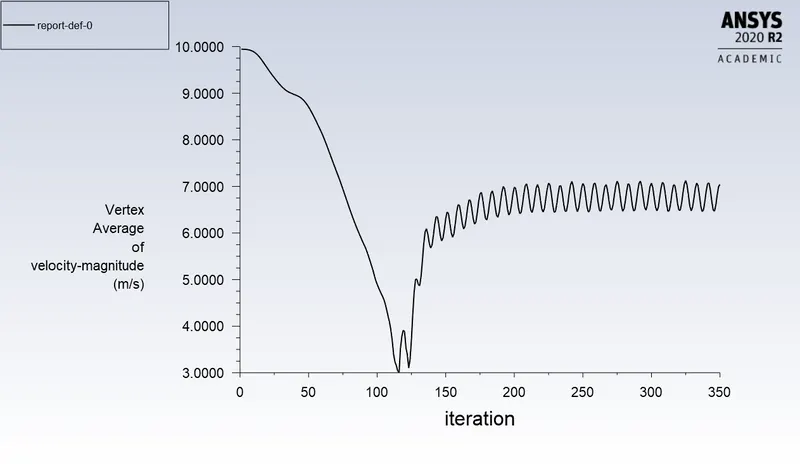
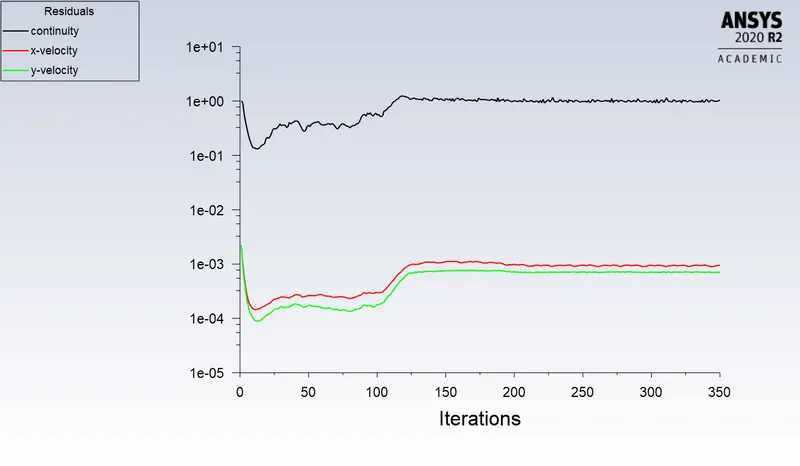
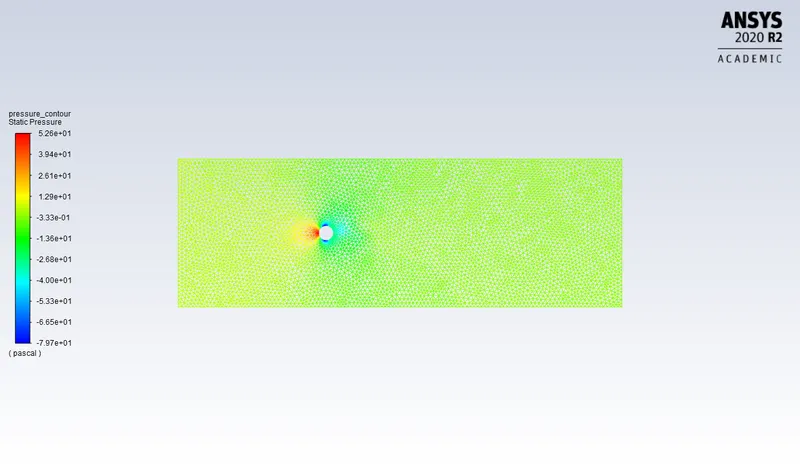
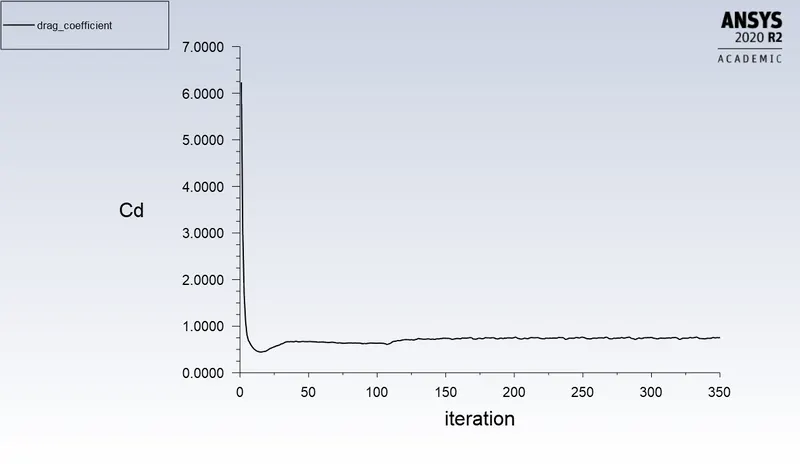
CASE 3: reynold's number: 10000; type: steady
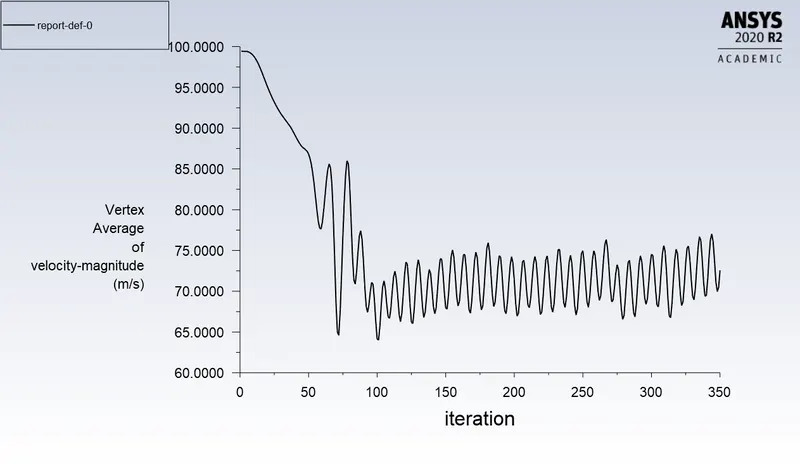
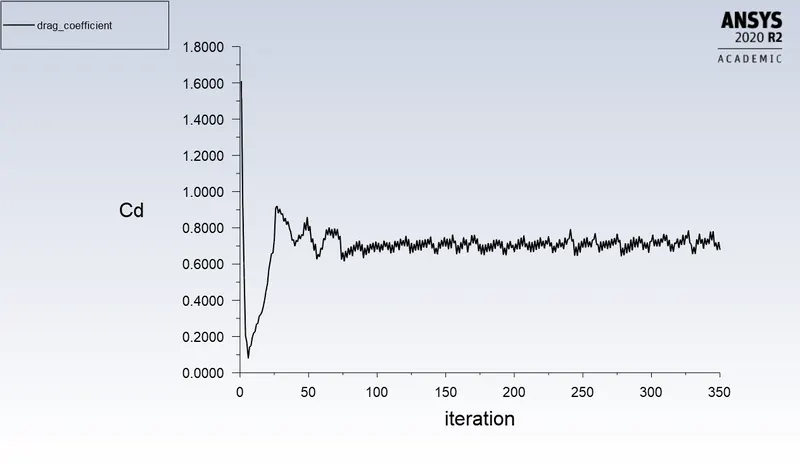
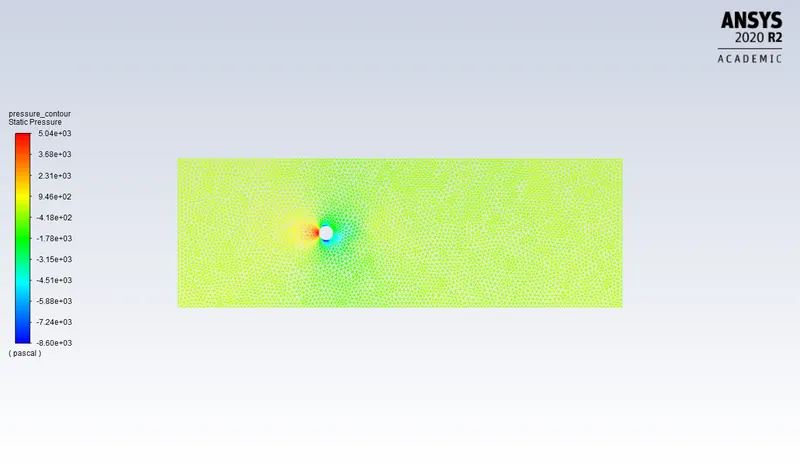
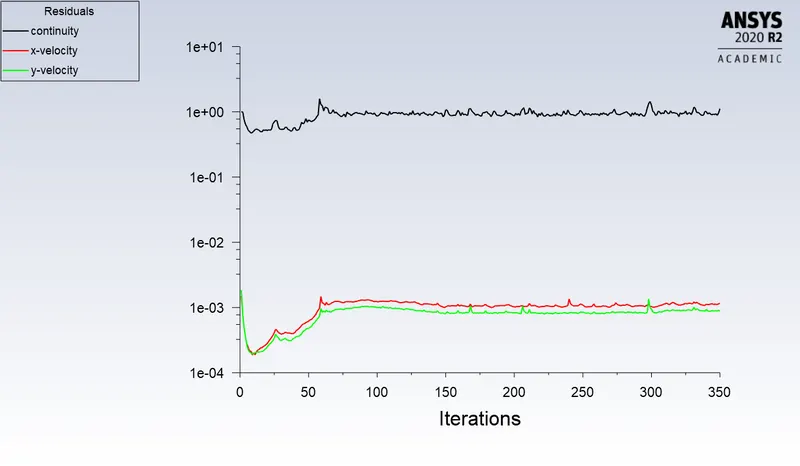
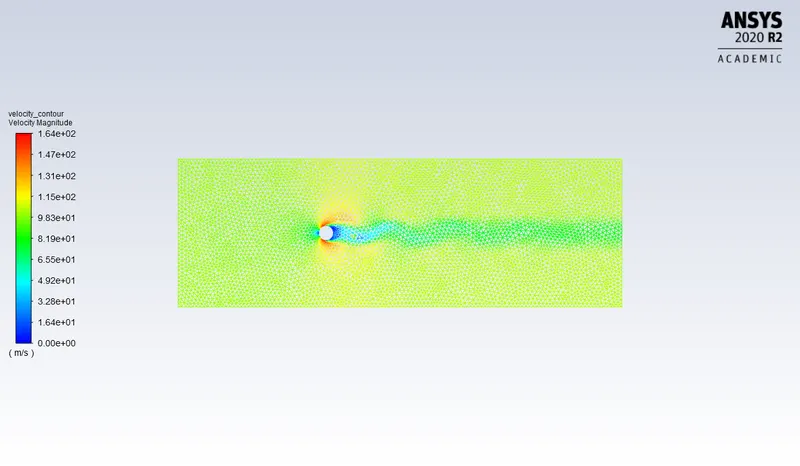
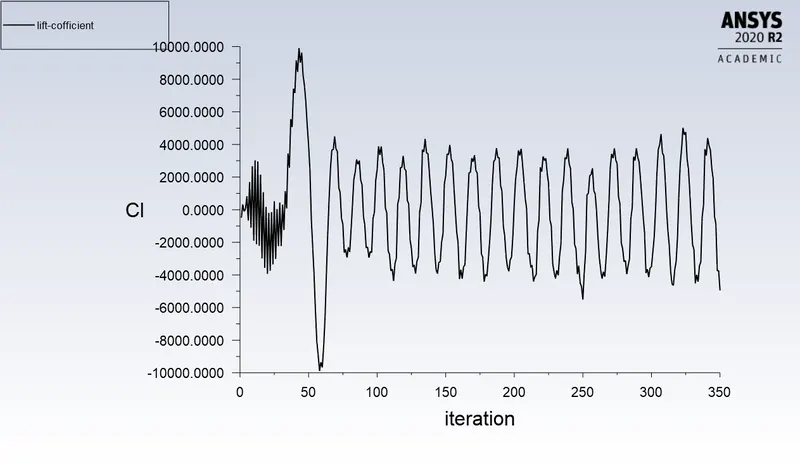
CASE 4: reynold's number: 100000; type: steady
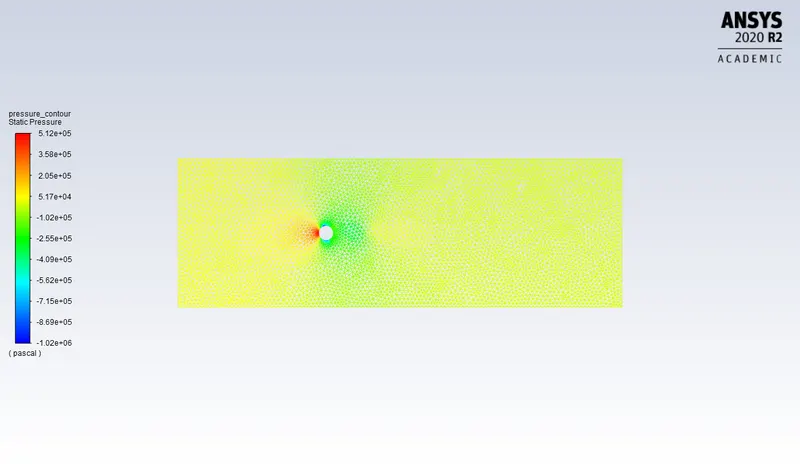
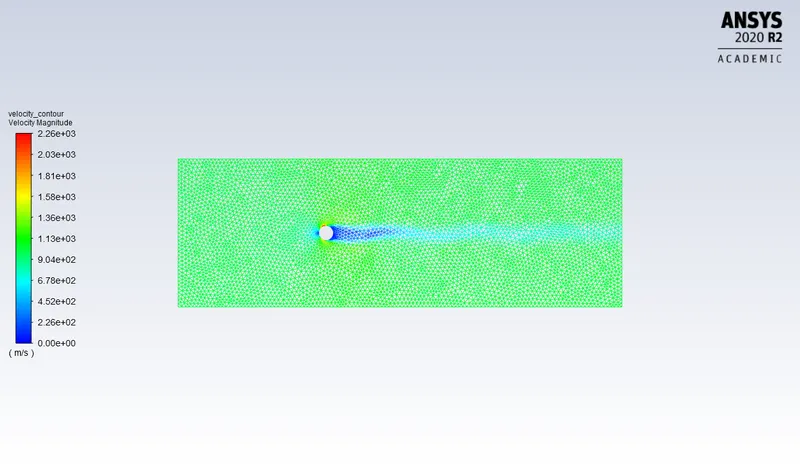
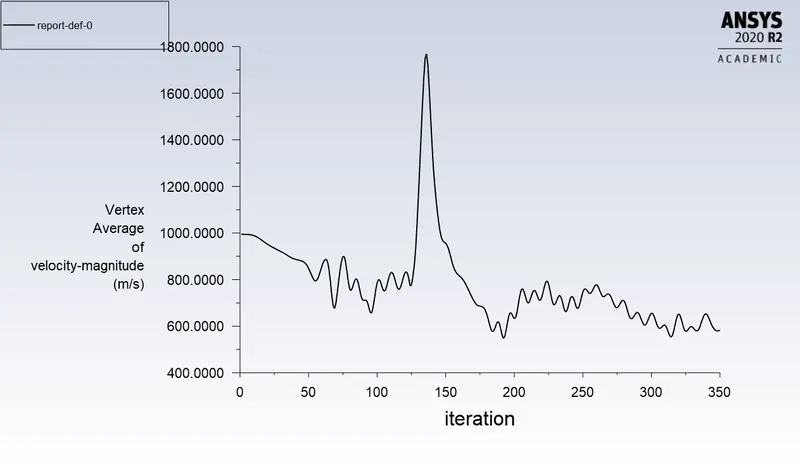
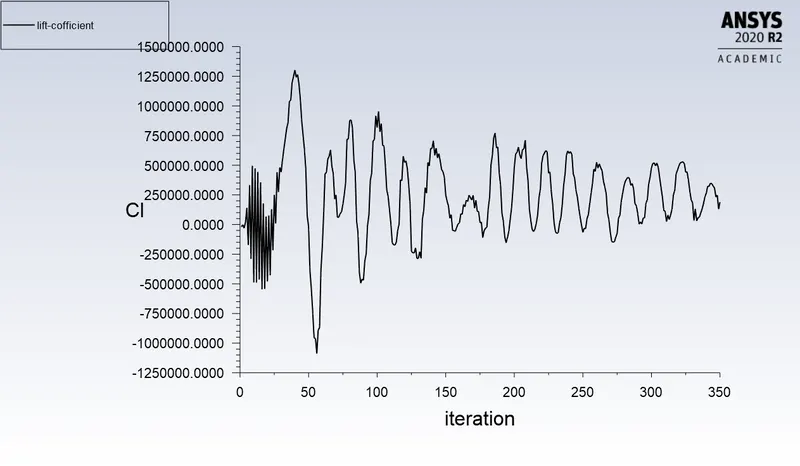
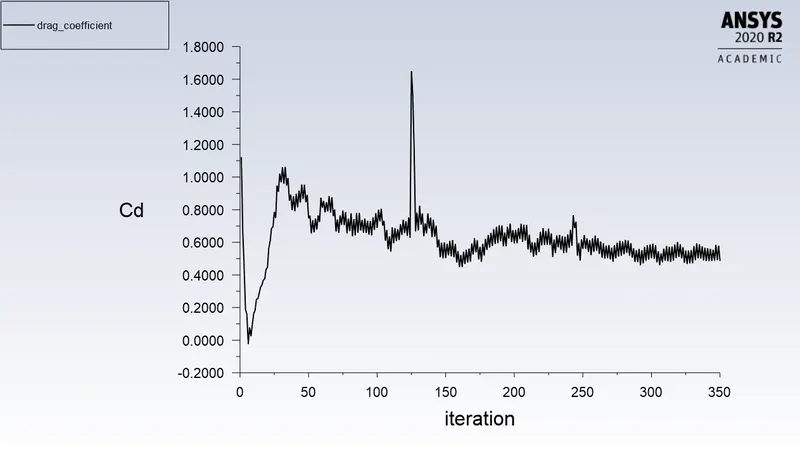
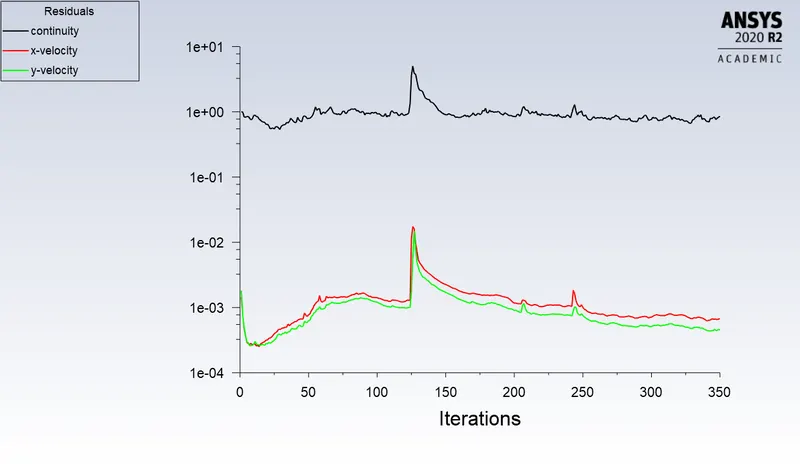
CASE 5: reynold's number: 100; type: steady
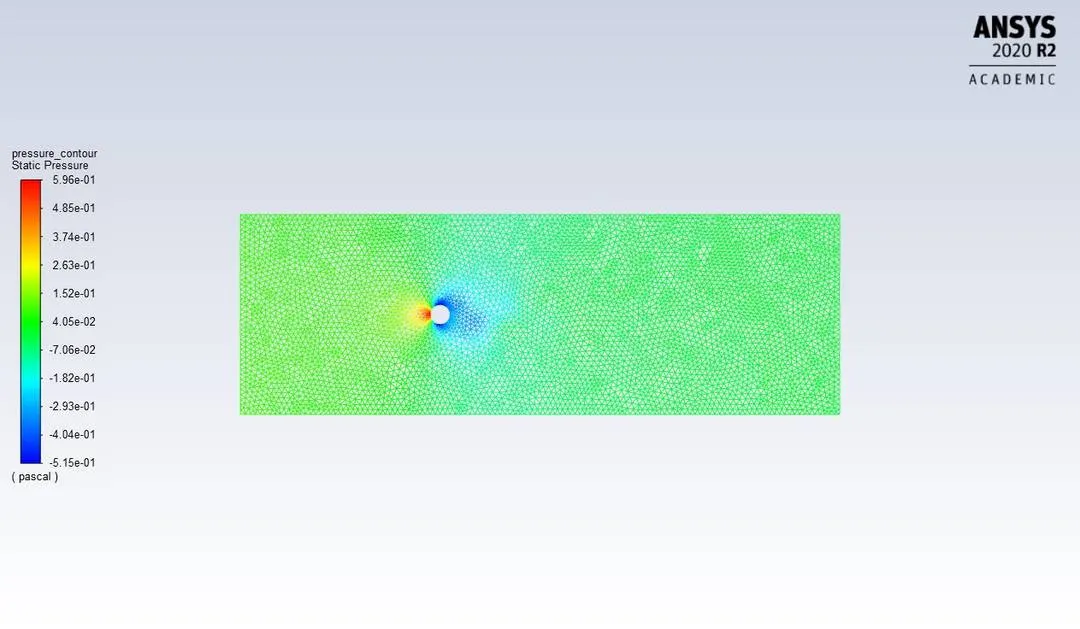
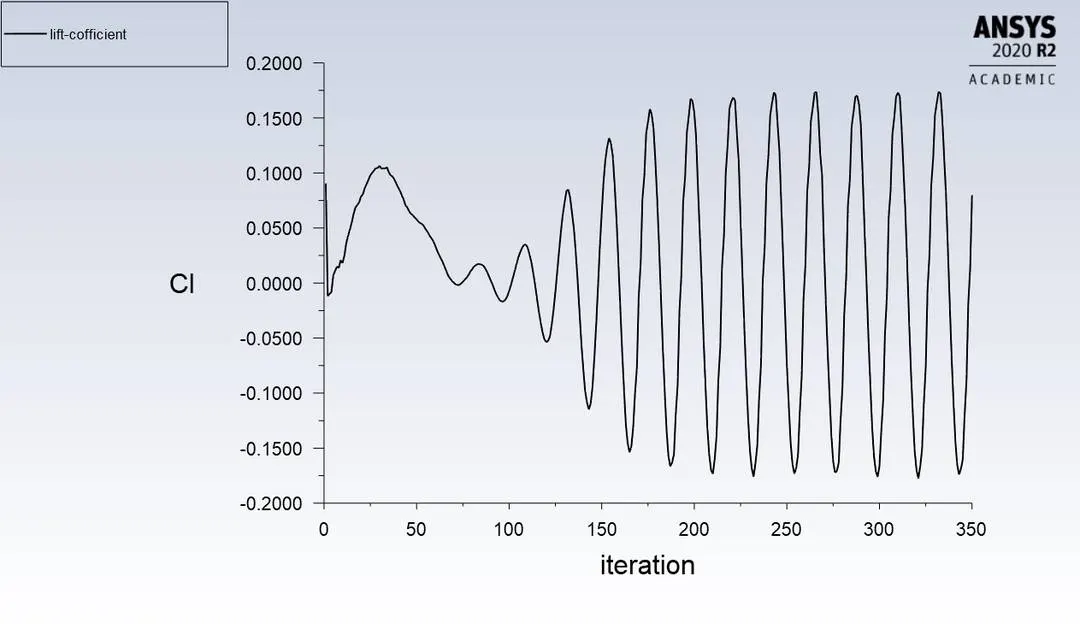
CASE 6: reynold's number: 100; type: steady
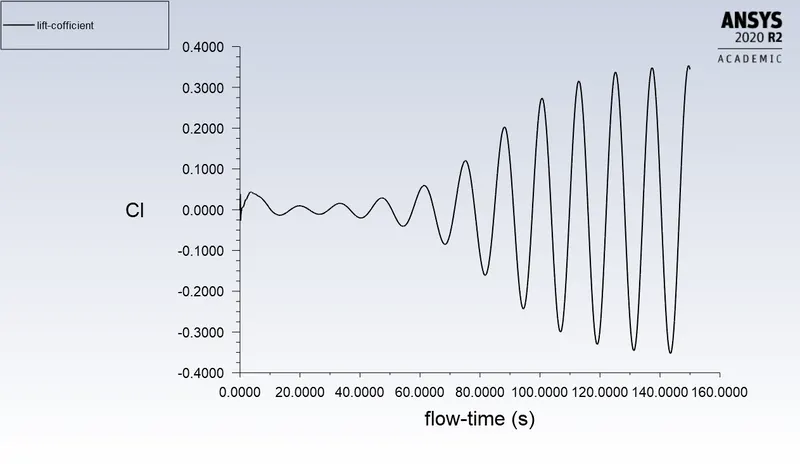
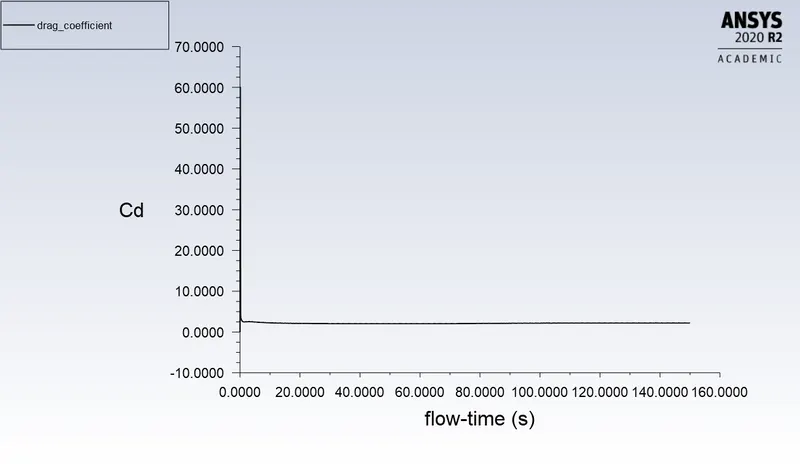
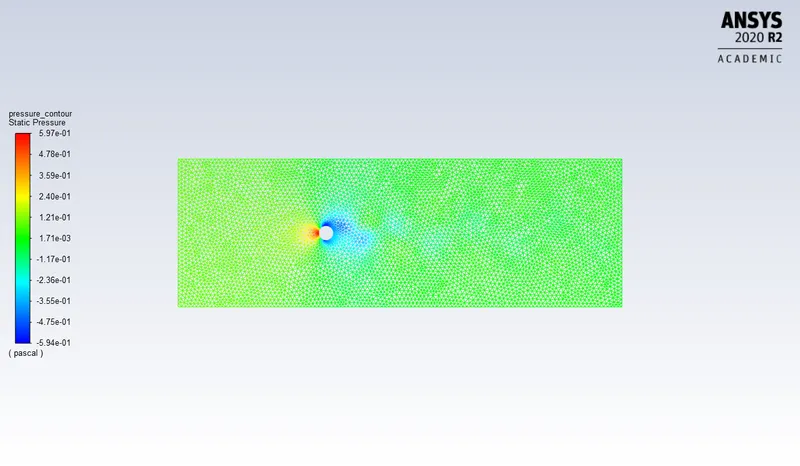
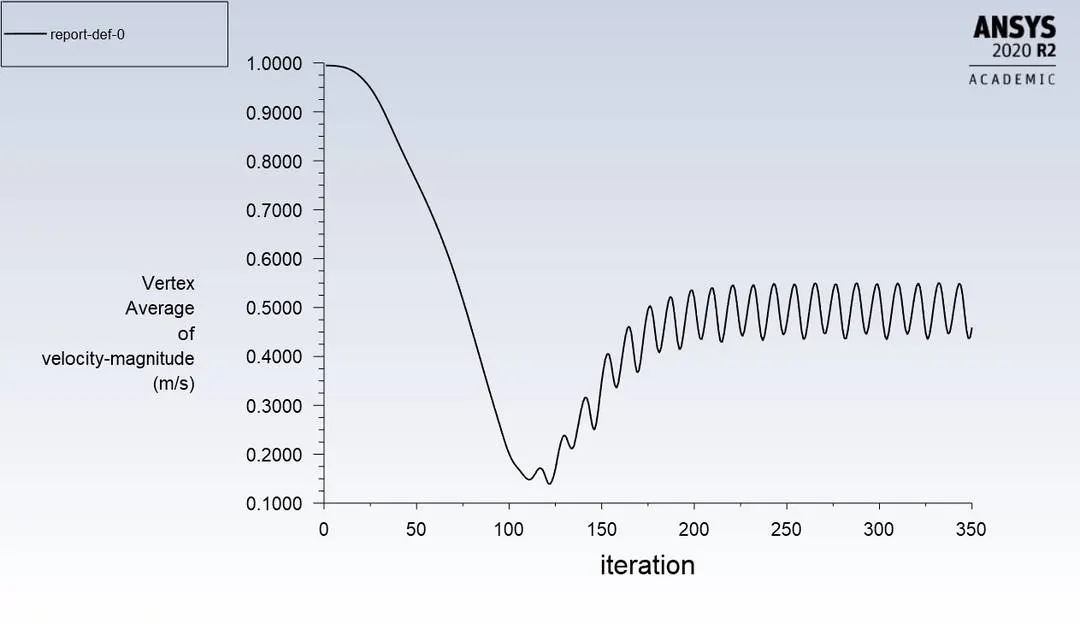
Strouhal number calculation :
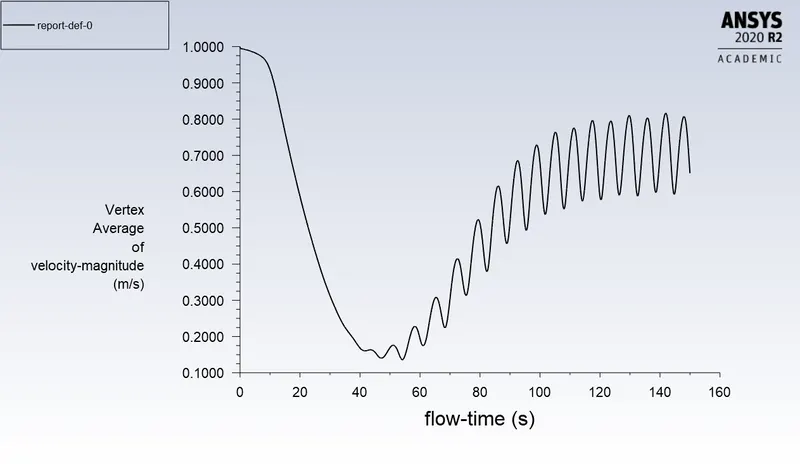
from the plots above we can calculate
f=0.083
L=2m
v=1 m/s
thus St=0.166.
CONCLUSIONS:
- From the residual plots we can see that all the simulations have converged.
- From the velocity contours we can see that for small reynolds number the vortex shedding phenomenon is not prominant, as the renolds number increases the vortex shedding phenomenon becomes prominant, after a certain value of reynolds number the vortex shedding phenomenon stops and the flow becomes chaotic.
- The vertex average plots become oscillatory as the vortex shedding takes place, we can calculate the frequency of the vortex shedding from this plot. as reynolds number increases to large values the plot becomes very chaotic.
- from the coefficient of drag plots we can see that for small reynolds number the coefficient of drag is for the most part constant, as the values of reynolds number increases the values of coefficient of drags begins to initially increase and then when the vortex shedding phenomenon stops the values begin to vary drastically.
- from the pressure contour we can see that as we increase the inlet velocity the value of pressure at the forfront of the cylinder increases.
- from the pressure contour we can see that there exist a low pressure zone above,below and behind the cylinder.
- Fron the coefficient of lift graphs we can see that for small reynolds numbers the values of Cl for the most part remain constant, as the vortex shedding phenomenon begins to take place there exist oscillating regions of low and high pressure, which inturn causes the coefficient of lift to oscillate, when the reynolds number become large the values of Cl are still oscillatory but not periodic and gend up becoming chaotic.