Roof Design
Aim
To design & develop the Roof of a car with its components by following the master section and design parameters.
Objective:
- To develop the essential flanges and reinforcements using roof styling as input.
- To do a curvature study on the roof and perform calculations to determine the position of the Bow-roof.
- To determine the Heat Distortion Criteria of the car's roof.
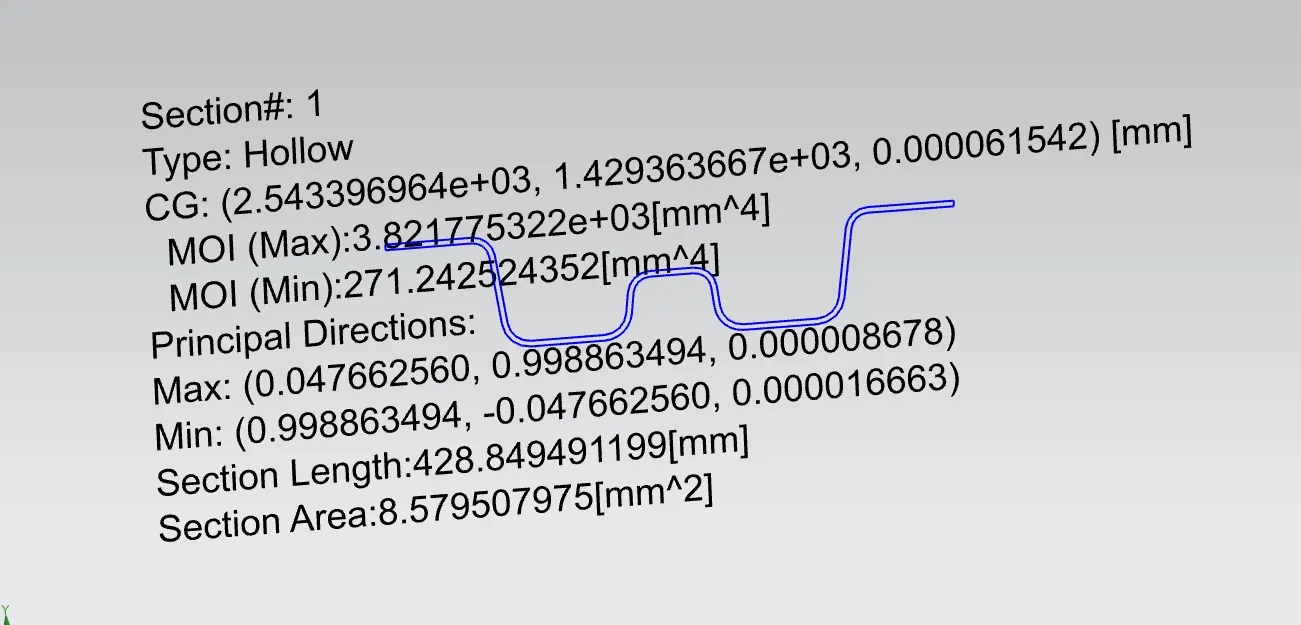
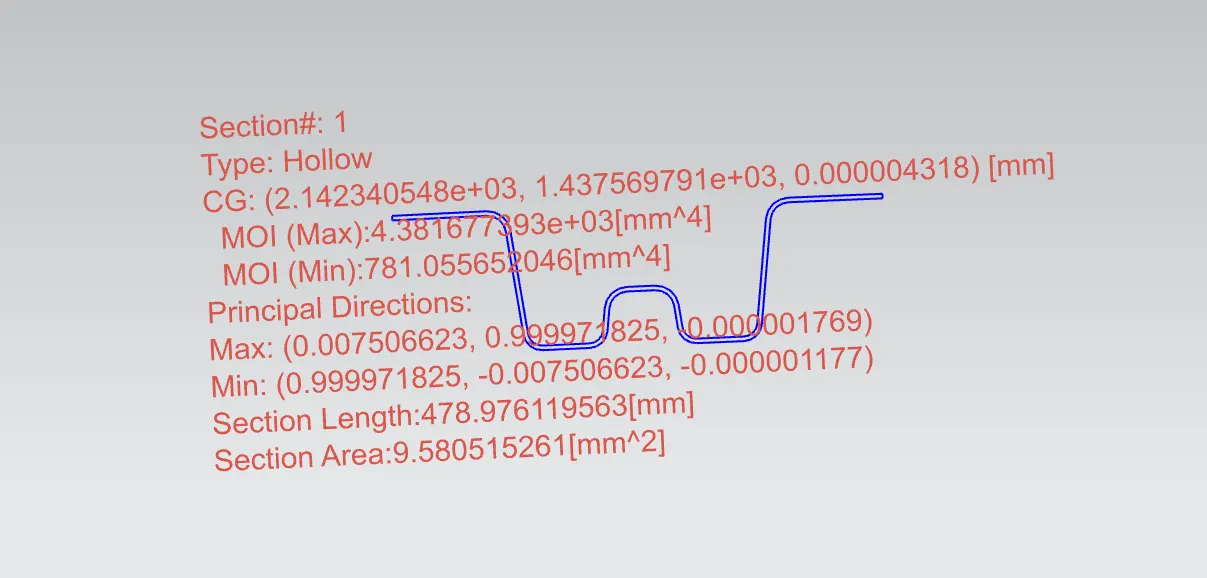
- To find the section modulus on the O-Y section of the roof and also for all the components of it.
- To determine the Snow Load Criteria for a car's roof.
- To perform Draft Analysis on the final CAD model of the roof.
Introduction:
Car's Roof:
An automobile roof or car is the top portion of an automobile that sits above the passenger compartment, protecting the vehicle occupants from sun, wind, rain, and other external elements. Roof is the structure above the wind shield glass having the reinforcements to provide the strength to the overall structure and to with stand the over head forces like snow.
WHY REINFORCEMENTS :
If the roof is flat it is very weak and cannot able to with stand the forces like snow , so in order to increase the strength of the roof these reinforcements like front roof rail, central roof rail, rear roof rail and the bow roofs are introduced and joined to the flat surface of the roof with the different joining process
Heat Distortion Criteria:
The heat radiating from the sun causes the roof of the car to change in the metallic regions. Heat distortion criteria indicate what temperature materials start to "soften" when exposed to a fixed load at elevated temperatures.
Bow–Roof Prediction Formula
W = [1.73 x 10^(-3) x L] + [1.85 x 10^(-8) x (R^2)/t] + [ 1.10x10^(-3) x l] - 2.68
Where,
L = Roof Length in X-Direction[mm](Roof dimension in 0-Y)
R = Roof curvature
R = 2(Rx*Ry)/(Rx+Ry)
Rx = X curvature
Ry = Y curvature
t = Roof plate thickness [mm]
l = Bow Roof Span [mm]
Judgment Condition
OK< 2>
Snow Load Criteria:
During Winter Season the snow gets clogged over the top surface/roof of the car and the snow has some mass on it. Due to this, the roof can fail if the snow load exceeds the capacity of the roof that was designed to sustain.
Qr = [Iy x t2] / [α x s x [(Rx + Ry)/2]2 x 10-8]
Where
α = My x Lx2 x 10-12 , My = Y(Ly-Y)
t = Roof plate thickness [mm]
Ly = Distance between the front and rear roof Rails on the Vehicle along with 0Y[mm]
Length of Roof panel with the centre point between Roof rail Front /Rear as the reference point of the front and the rear.
Lx = Distance between the Left and Right end of the roof on the Roof BOW [mm]
Width of the roof panel exposed on the surface.
Y = Distance front Front Roof Rail to Roof BOW[mm]
s = Distance for which Roof BOW bears divided load [mm]
s = L1/2 + L2/2
Iy = Geometrical moment of inertia of Roof BOW (Y cross-section )[mm4]
Rx = Lateral direction curvature radius of roof panel Y cross-section on Roof BOW [mm]
Roof panel curvature Radius of the Length Lx in Front view
Ry = Longitudinal Direction curvature radius of the Roof panel X cross-section on Roof BOW [mm]
Roof panel X curvature radius of length s in Side view
Judgement condition = Qr ≥ 3.1
250 ≤ s ≤ 380
Section Modulus:
Section modulus is a geometric property for a given cross-section used in the design of beams. Other geometric properties used in the design include an area for tension, radius of gyration for compression, and moment of inertia for stiffness. The Section modulus is defined as
S=Iy">S=I/Y
S = Section Modulus
I = Moment of Inertia
y = Distance from the neutral axis to any given part.
Roof Design
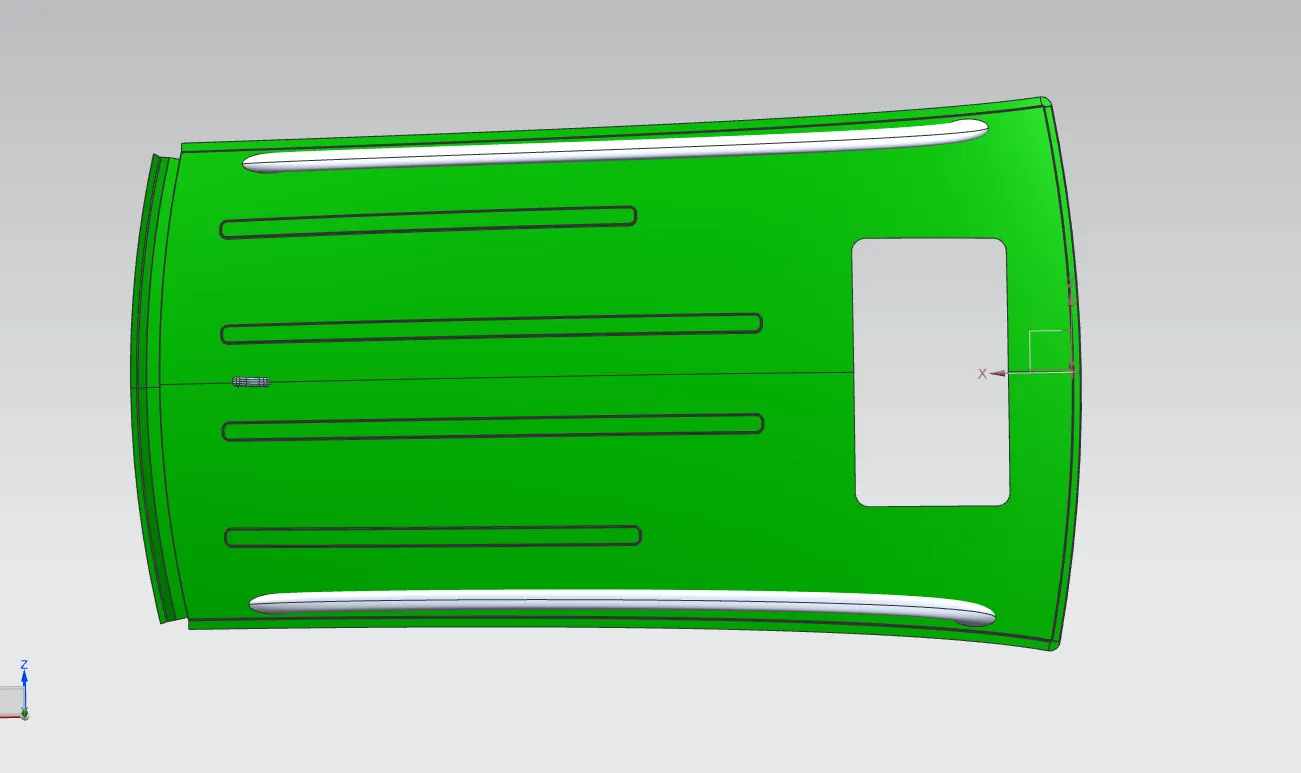 Outer roof with sunroof design
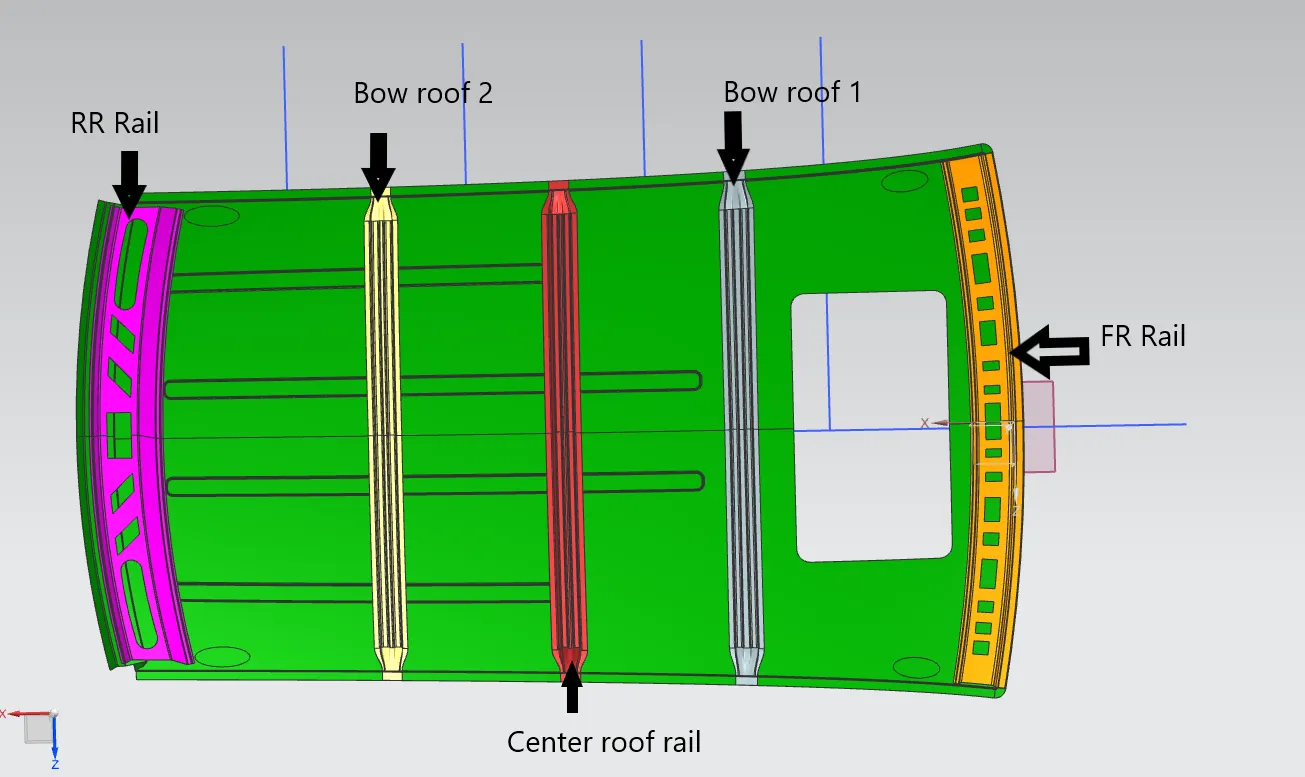
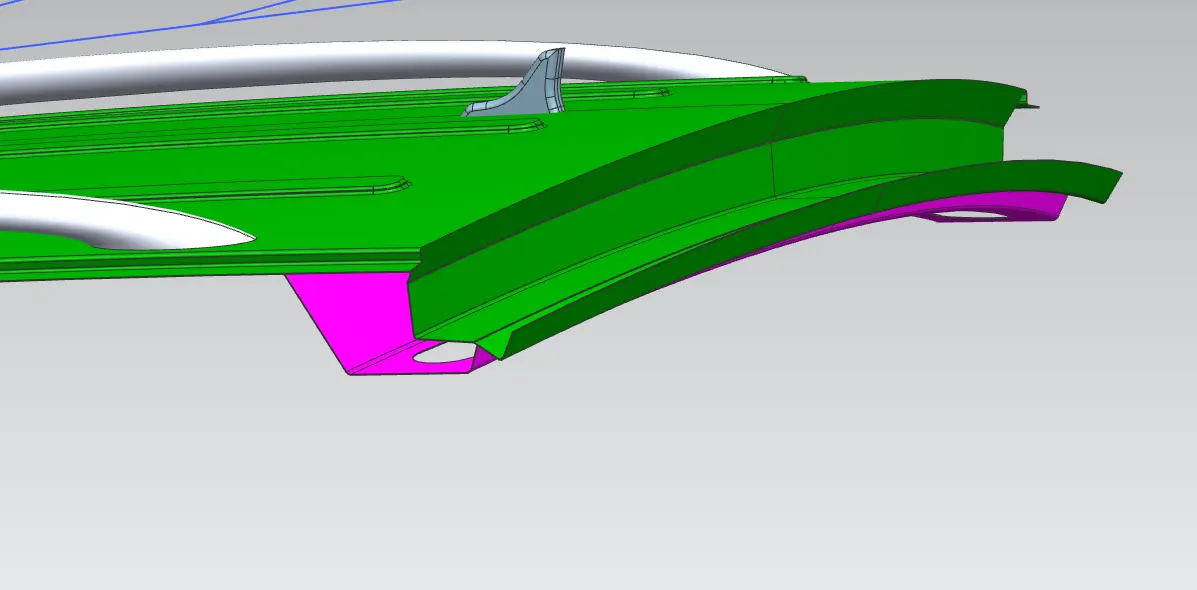
FRONT ROOF RAIL :
Front roof rail is the one which joins the wind shield glass , body side outer and the inner panel also. Here the front roof rail is designed based up on the master saection given
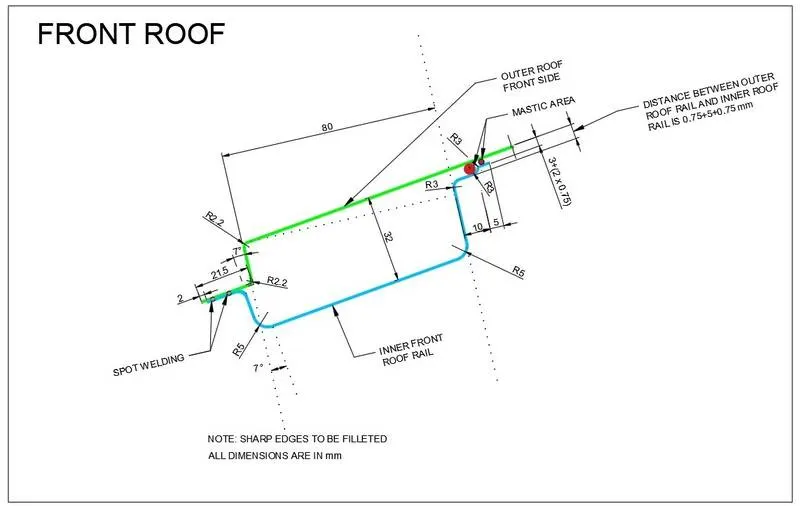
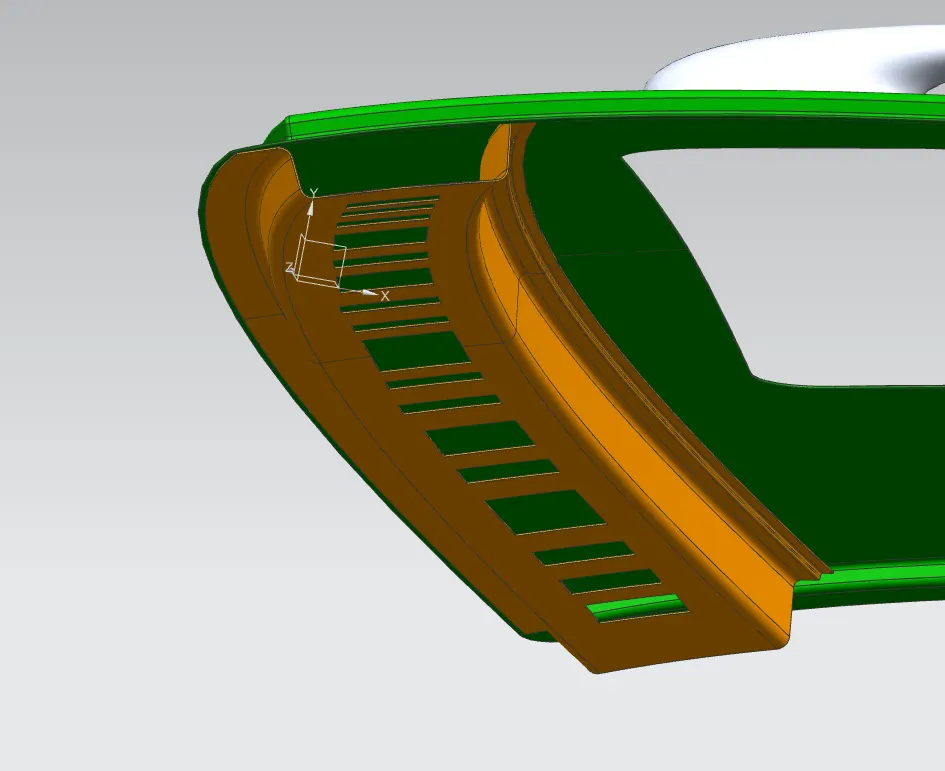 Front roof rail
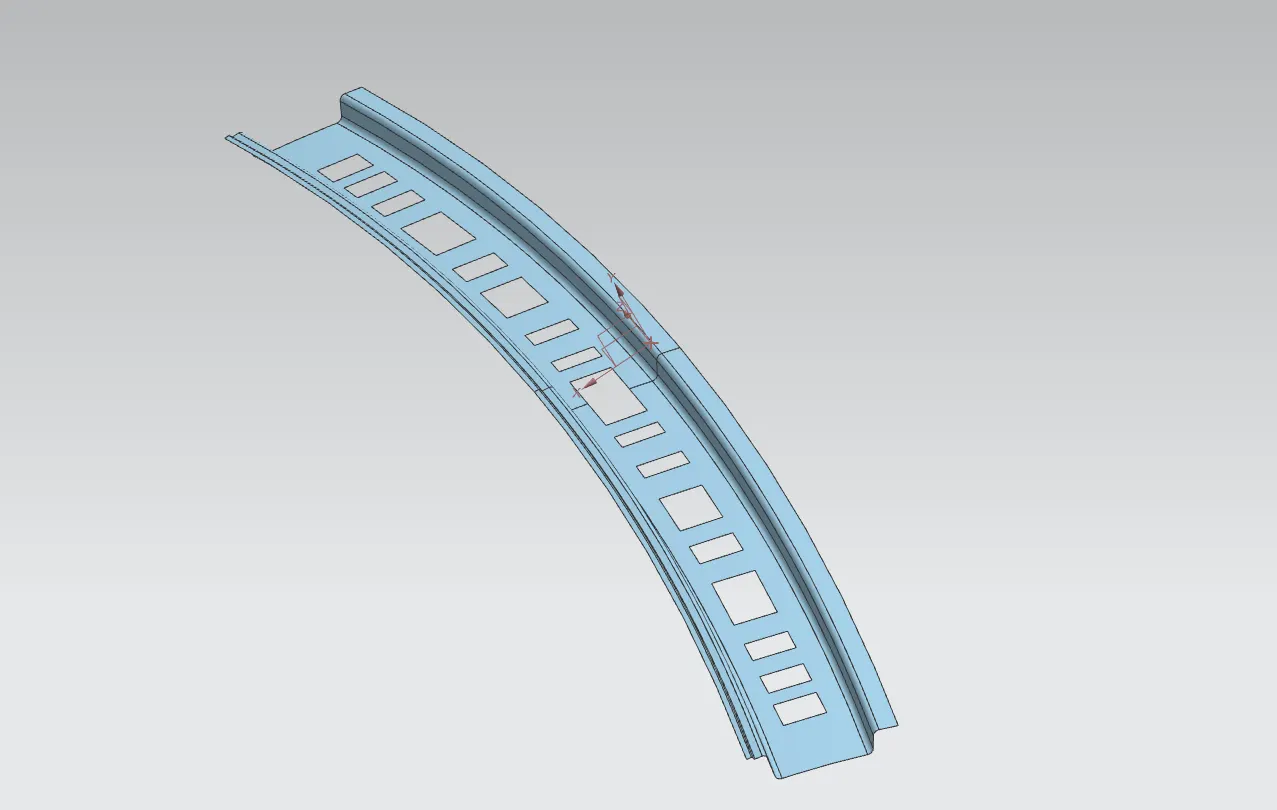 Cutouts to front roof rail to provide strength and crumple zone
BOW ROOFS :
The bow roofs are give to improve the torsional stiffness and load bearing capacity of the roof structure . The number of bow roof present is depends on the overall size of the roof . Presently in this project two bow roofs are added.
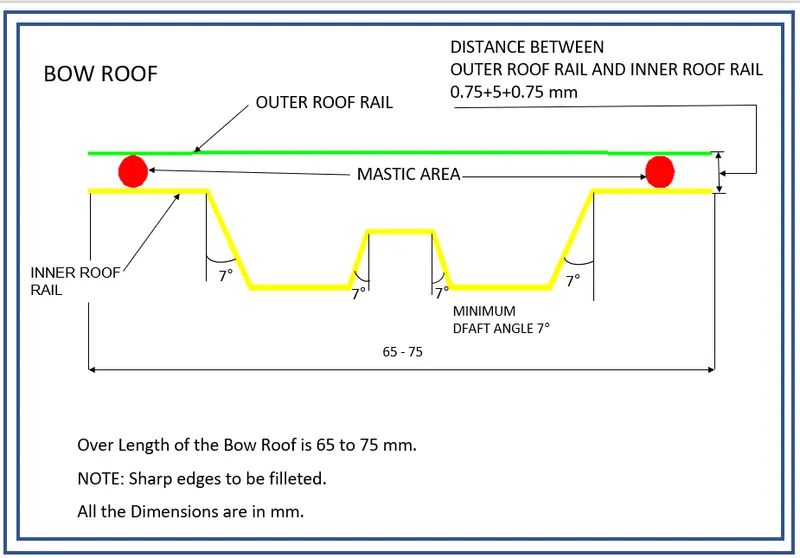
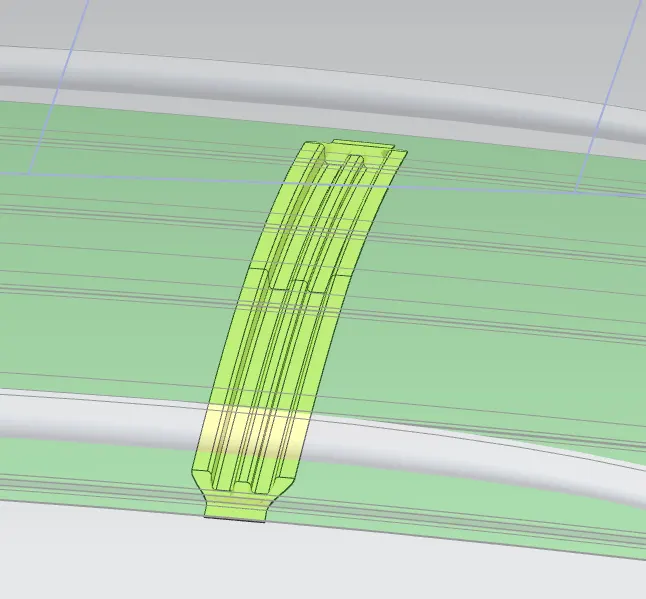 Bow roof
CENTRAL ROOF RAIL :
central roof rail helps in providing effectively support to the flat area of the roof as it is more susceptible to failure under the action of load . generally central roof rail is placed at the center of the roof which is connected to the B-pillar support structure . This central roof rail helps in adding the strength to the roof during the rool- over test.
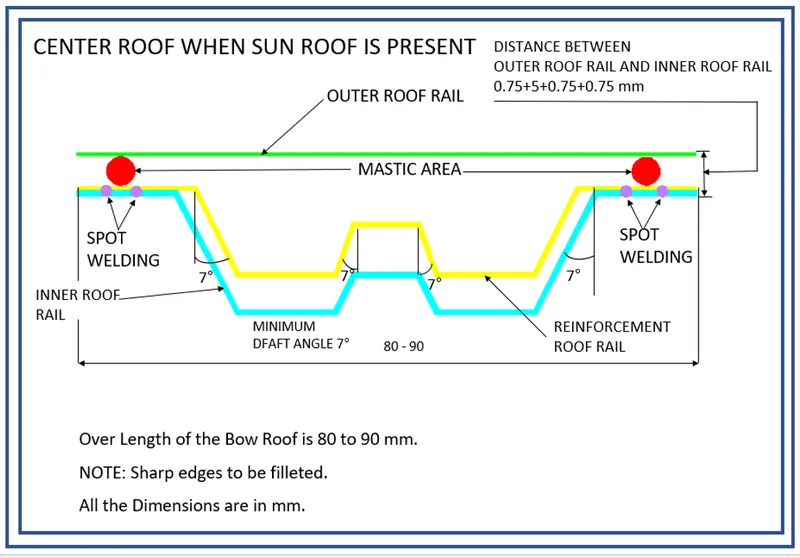
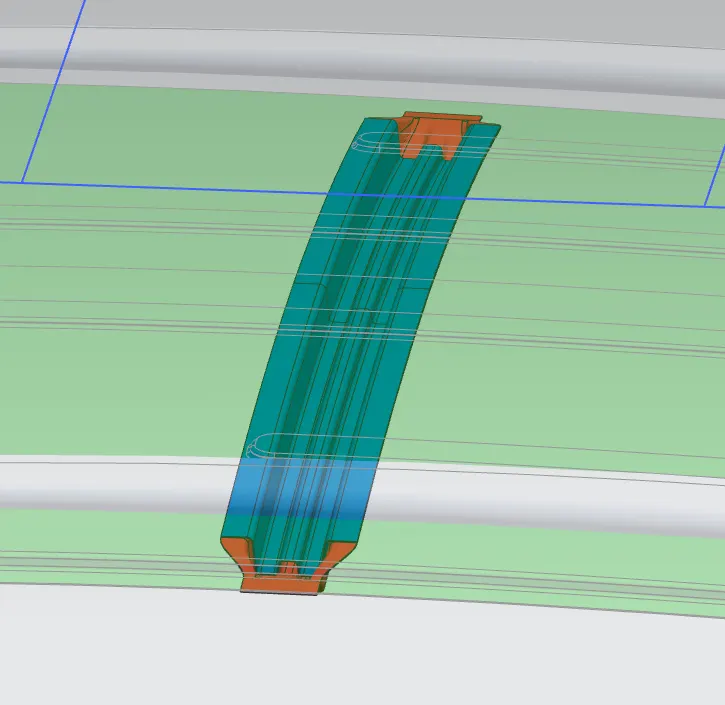 Center roof rail
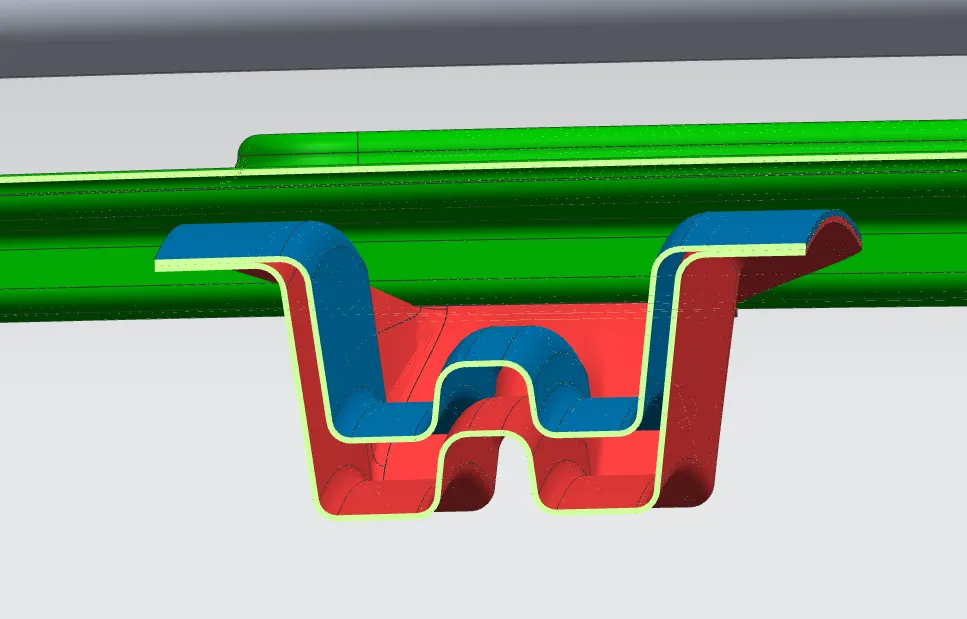
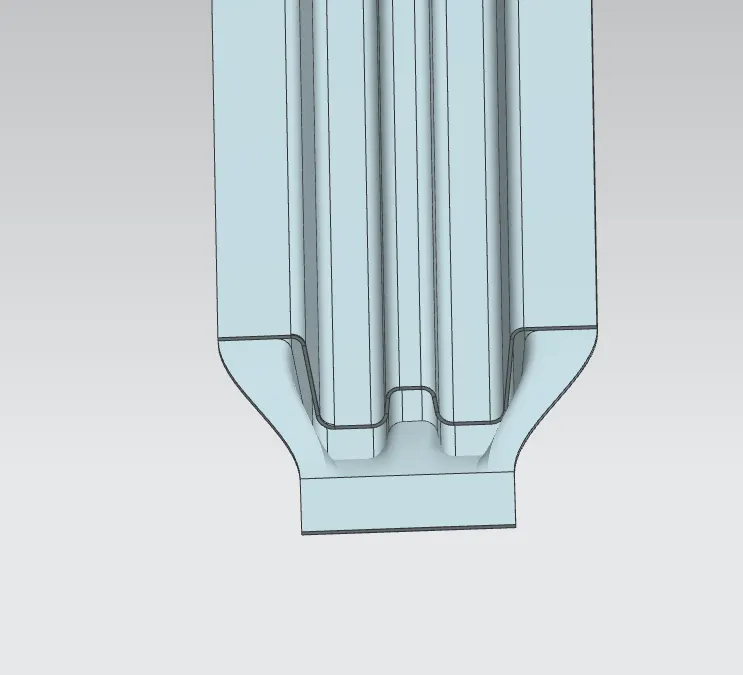 Side attachments to the outer roof
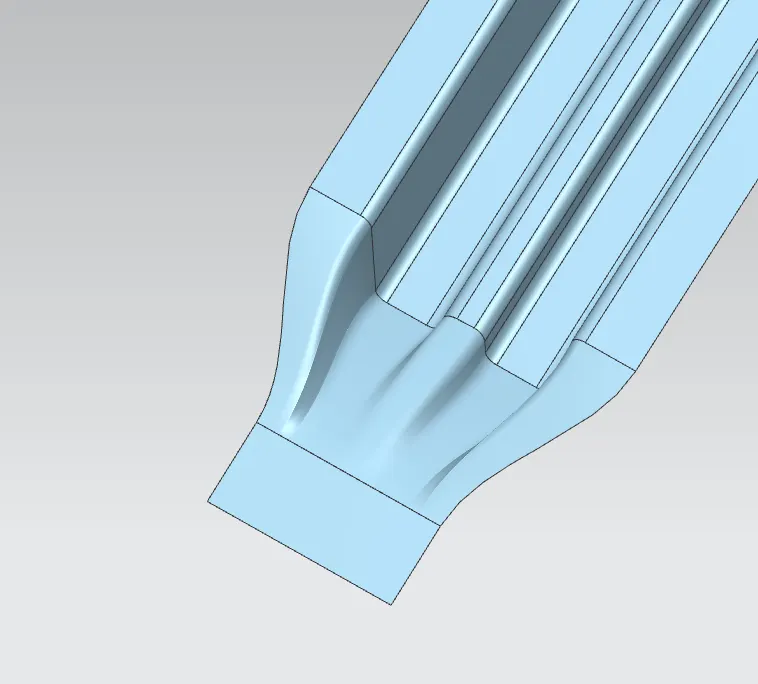
REAR ROOF RAIL :
Rear roof rail is the one which joins the back door and the body side outer
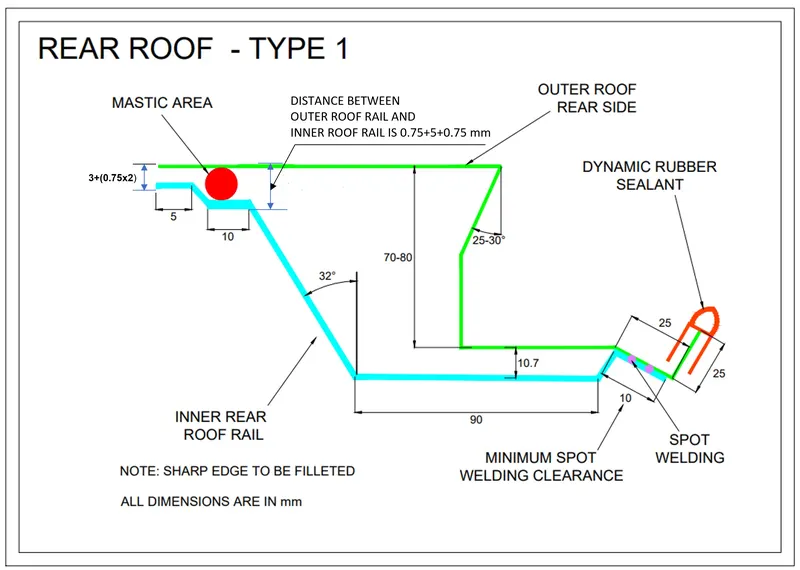
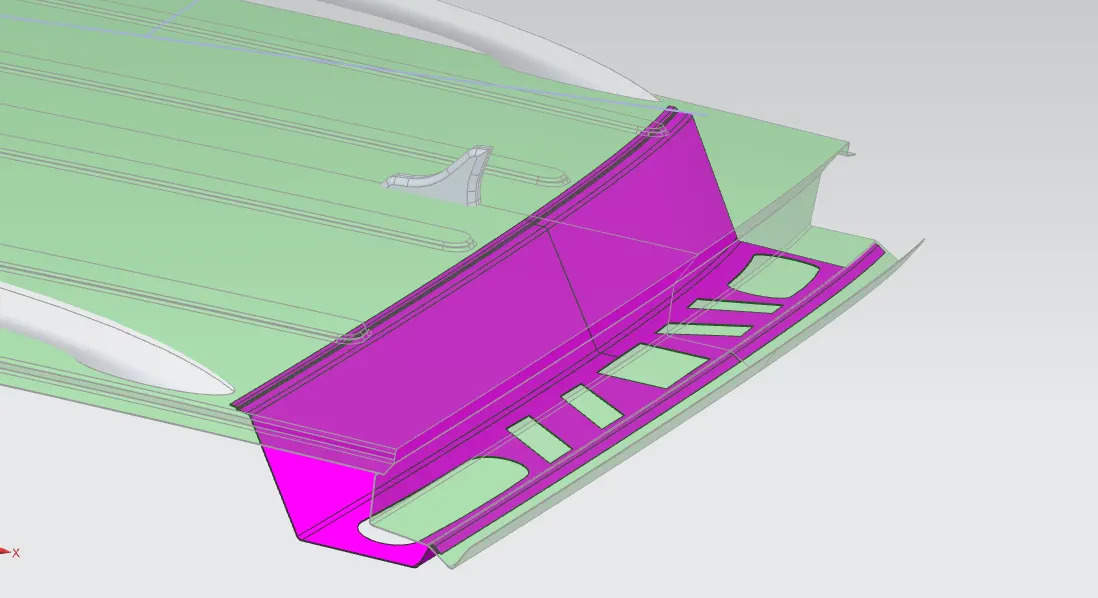 Rear roof rail
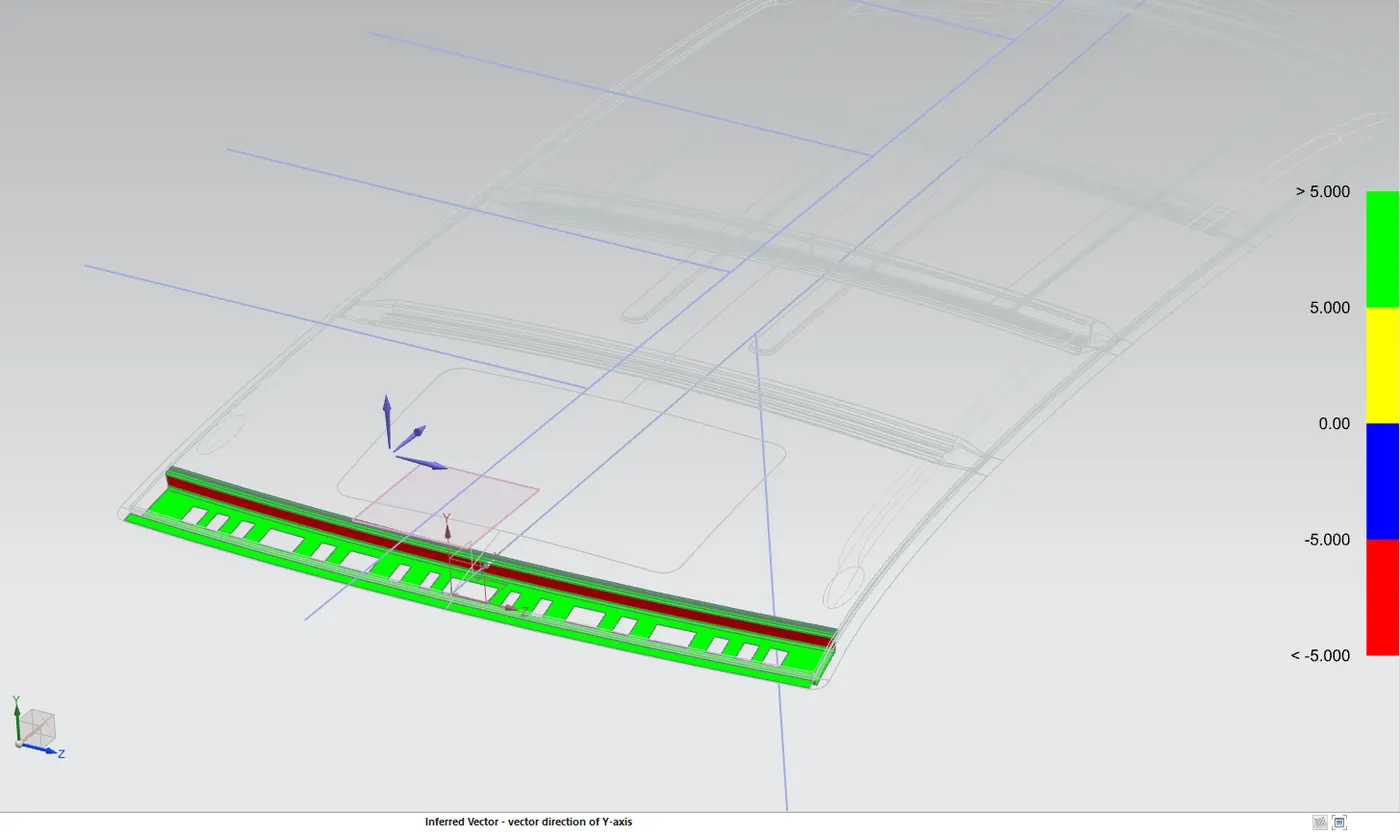
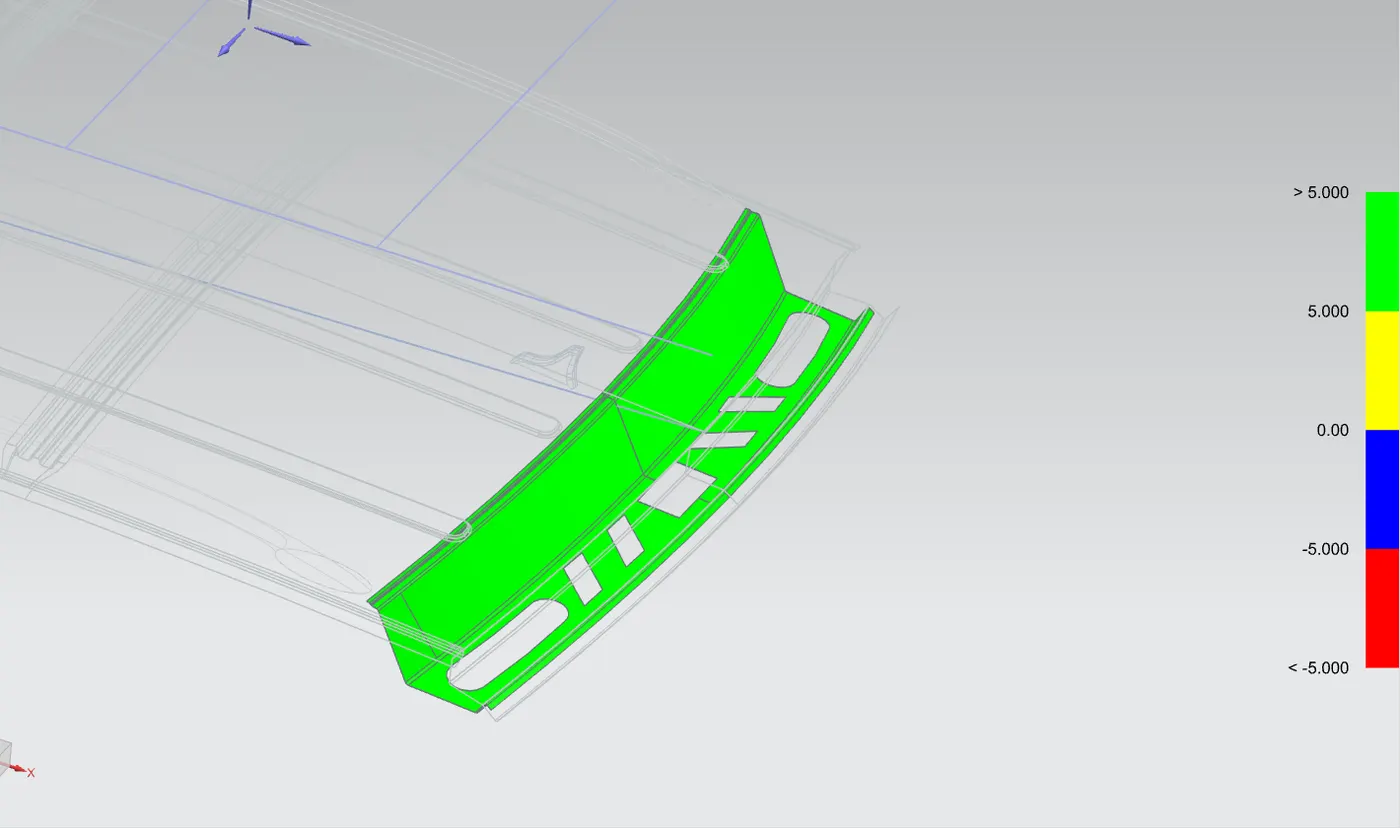
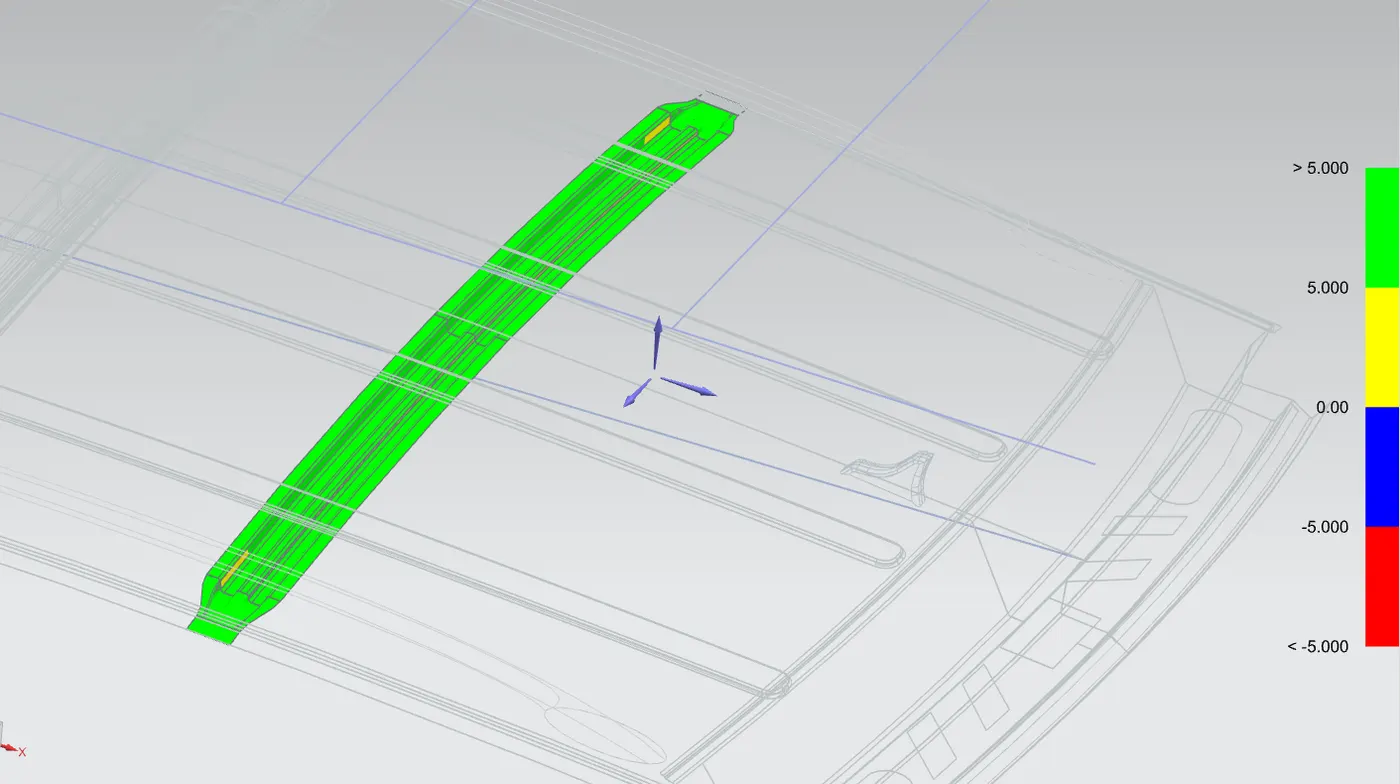
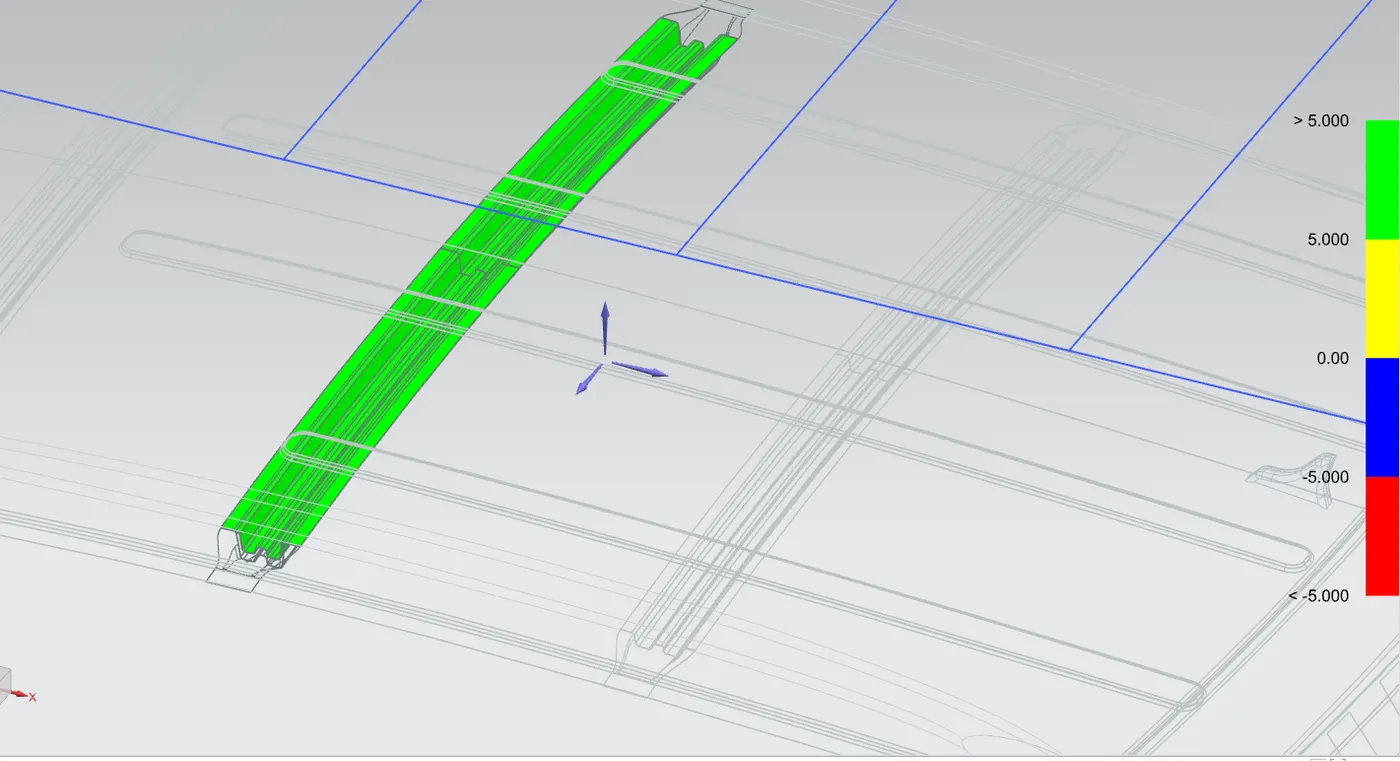
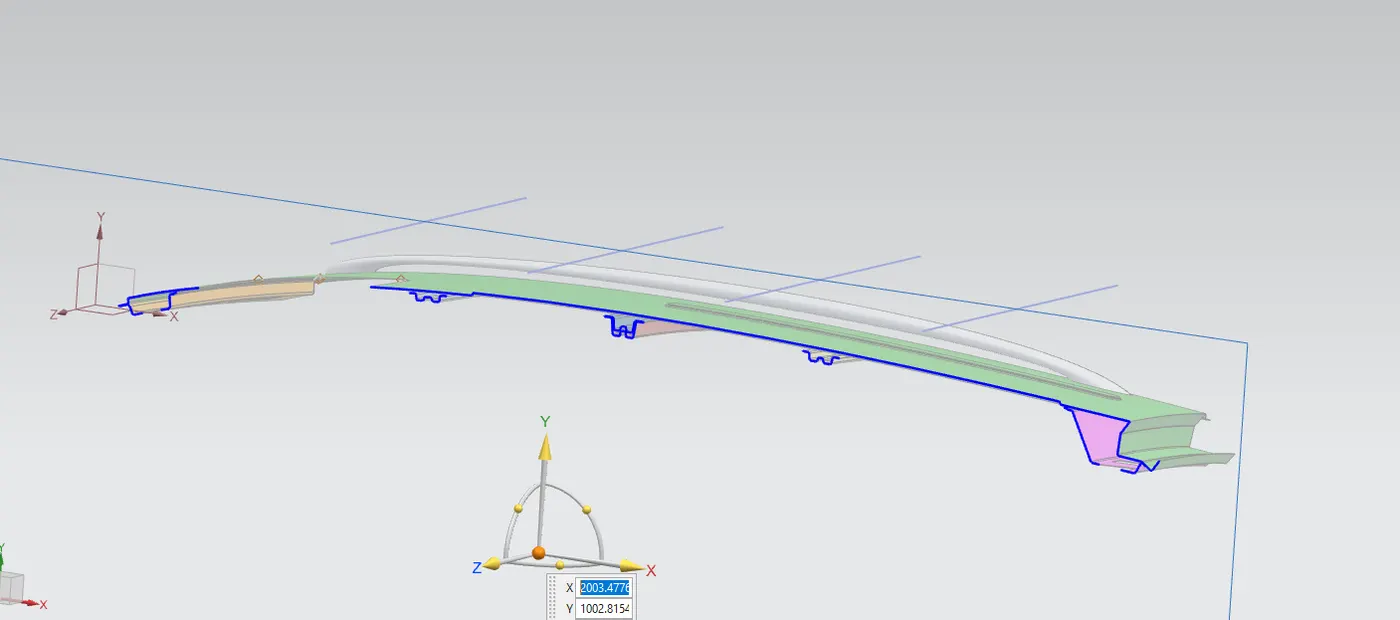
Draft analysis
ROOF CRUSH TEST :
Roof crush test is the design given by the IIHS ( insurance institute of highway safety ) . After analyzing the many accidents IIHS has then fixed some regulations , that how to perform the crush test .
IIHS gives the rating based up on this test . For this they consider two points while giving the rating
- How fast the car can reforms to its original shape after the roll over and
- How deep is the protrusion after the roll over
-
GOAL OF ROOF CRUSH TEST :
To minimize the protrusion into the occupant compartment , so that the seat belts and air bags can do there job in protecting the occupant
CONDITIONS TO FOLLOW FOR ROOF CRUSH TEST :
There are two conditions that should be followed for the roof crush test , they are
INITIAL CONDITION :
- Close and lock all the doors
- Close all the windows
SECOND CONDITION :
Fix the body sill or chassis frame on a hard lever surface horizontally
METHOD OF APPLYING THE FORCE :
The load is applied in such a way that 50 is tilted from the front end to the rear end and the load will be in 1800 mm in length and 750 mm in width . The load is applied at the position of 250 from the flatness of the roof . The load is applied on the roof for almost 120 sec and the crush speed at which the load applied is 13 mm/sec or less than that.
HEAT DISTORTION STUDY ON THE ROOF :
The heat distortion study plays a major role in sheet metal usage . heat distortion temperature is a temperature limit above which the material cannot be used for the structural applications . This study is used to predict the heat distortion temperature at where the material starts to soften when exposed to a fixed load at elevated temperature . In order to avoid bending or damages on the roof, based on the heat distortion temperature , this study will predict the bow roof position which helps to strengthen the roof .
Calculations.
Bow – roof prediction Formula
W = [1.73 x 10^(-3) x L] + [1.85 x 10^(-8) x (R^2)/t] + [ 1.10x10^(-3) x l] - 2.68
Where
L = Roof Length in X-Direction[mm](Roof dimension in 0-Y)
R = Roof curvature
R = 2(Rx*Ry)/(Rx+Ry)
Rx = X curvature
Ry = Y curvature
t = Roof plate thickness [mm]
l = Bow Roof Span [mm]
Judgement Condition : OK< 2> 3.1
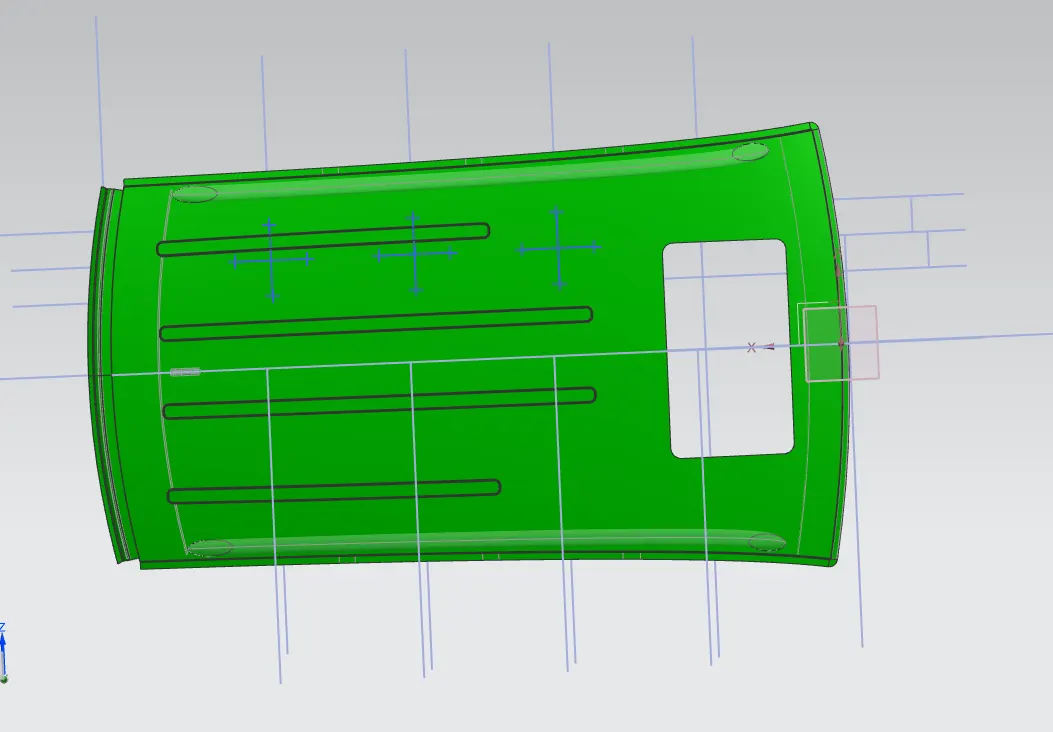 Fig shows the sketch analysis for heat distortion data
| Sr. No. | Bows | Rx | Ry | R | I | L | t | R⊃2;/t | W | OK/NG |
| 1 | Bow 1 to CTR | 7788.681 | 6330.4863 | 6972.554 | 320.2063 | 2033.7048 | 0.75 | 111.3357605 | 1.5 | OK |
| 2 | CTR to Bow 2 | 6011.4393 | 36820.9962 | 10325.297 | 322.6191 | 2033.7048 | 0.75 | 135.4846248 | 2.4 | OK |
| 3 | Bow 2 to RR | 4724.9957 | 1386202.171 | 9454.266 | 461.9938 | 2033.7048 | 0.75 | 129.6440666 | 1.8 | OK |
HEAT DISTORTION CRITERIA OK
SNOW LOAD CRITERIA :
This test is done to know how is the roof behaving when there is a snow over . normally due to the snow weight the dent will happen. But the roof should be designed in such a way that when the snow is removal the roof should go it its original position . This is the basic requirements for snow load criteria .
Qr = [Iy x t2] / [α x s x [(Rx + Ry)/2]2 x 10-8]
Where
α = My x Lx2 x 10-12 , My = Y(Ly-Y)
Judgement condition = Qr ≥ 3.1
250 ≤ s ≤ 380
t = Roof plate thickness [mm]
Ly = Distance between the front and rear roof Rails on the Vehicle along with 0Y[mm]
Length of Roof panel with the center point between Roof rail Front /Rear as the reference point of the front and the rear.
Lx = Distance between the Left and Right end of the roof on the Roof BOW [mm]
Width of the roof panel exposed on the surface.
Y = Distance front Front Roof Rail to Roof BOW[mm]
s = Distance for which Roof BOW bears divided load [mm]
s = L1/2 + L2/2
Iy = Geometrical moment of inertia of Roof BOW (Y cross-section )[mm4]
Rx = Lateral direction curvature radius of roof panel Y cross-section on Roof BOW [mm]
Roof panel curvature Radius of the Length Lx in Front view
Ry = Longitudinal Direction curvature radius of the Roof panel X cross-section on Roof BOW [mm]
In order to find the snow load criteria apply all the necessary values from the roof to the give formula
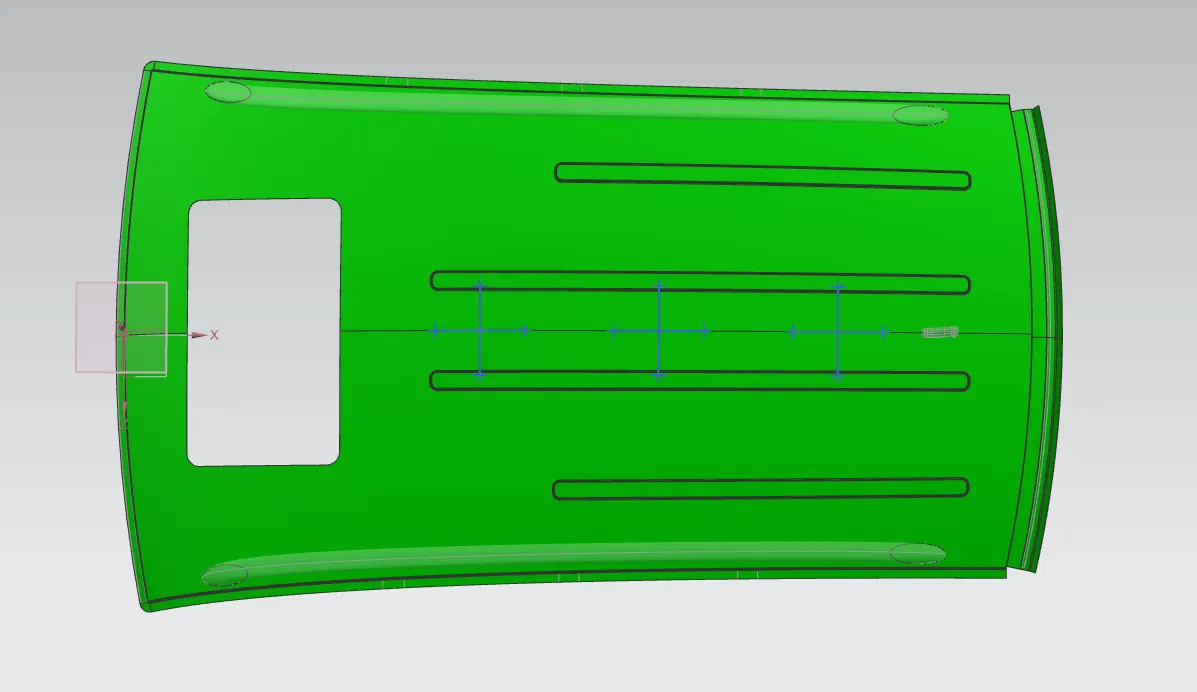 Fig Shows the scetch analysis for snow load data
Calculations:
| Sr. No. | Bows | Iy | α | Lx | Ly | Y | S | Rx | Ry | t | Qr | Determination(Qr) |
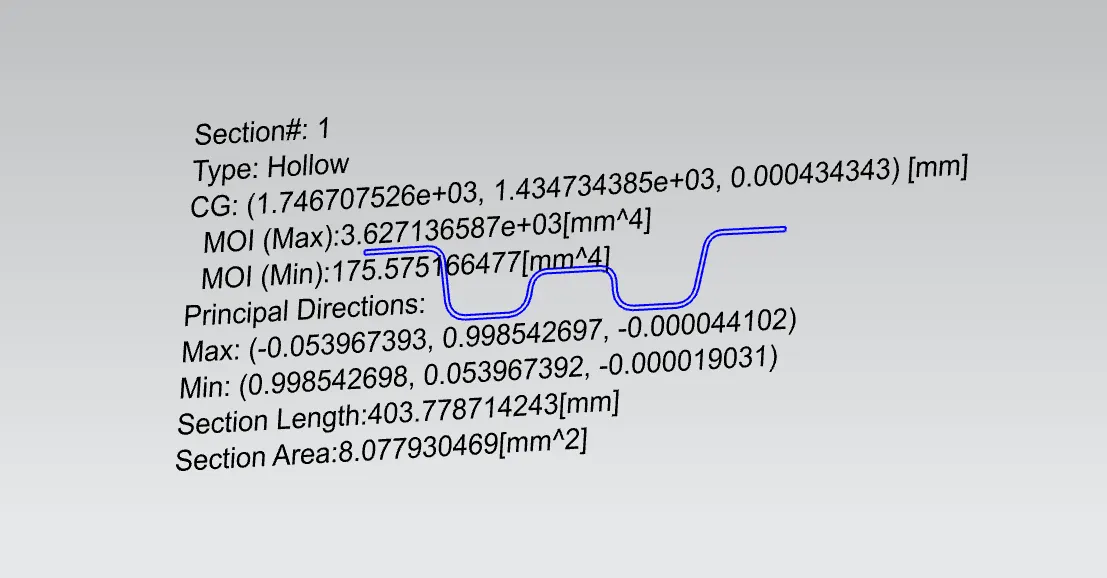
| 1 | Bow 1 to CTR | 175.57 | 1.01 | 1092.95 | 2033.7048 | 569.05 | 483.08 | 1360.58 | 3246.39 | 0.75 | 3.814 | OK |
| 2 | CTR to Bow 2 | 781.05 | 1.19 | 1074.53 | 2033.7048 | 963.06 | 398.44 | 1632.96 | 10320.35 | 0.75 | 2.71 | NG |
| 3 | Bow 2 to RR | 271.24 | 1.02 | 1056.74 | 2033.7048 | 1362.29 | 494.05 | 1623.98 | 14779.18 | 0.75 | 0.45 | NG |
Results:
According to the results i got. Since there is a sun roof present in the design i have excluded the Case 1 Study. And the results i studied is on Case 2, Case 3, Case 4.
By the chart Case 2 Results are OK.
But Whereas in Case 3 and 4 The Qr value is less than 3.1. Which is considered as NG.
In case 3 and 4 modifications are required in the Bow Roof by repositioning its distance between bow roof's and also Emboss on the outer roof need modification to increase the reinforcement.
Section Modulus:
S= moment of inertia /distance from the neutral axis to any given fibre
S = I / y
Y = 59.96 mm
FOR MAXIMUM MOI :
S= 1.84890× 10⁴ ( mm4) / 59.96 mm
S max = 308.555 mm3
FOR MINIMUM MOI :
S= 465.9155( mm4)/ 59.96 mm
S min = 7.77 mm3
Bow roof 1
 bow roof 2