Roof Design
AIM: To create an ASSEMBLY of Roof by developing the essential flanges, panels, etc. for the roof and creating the reinforcements spaces.
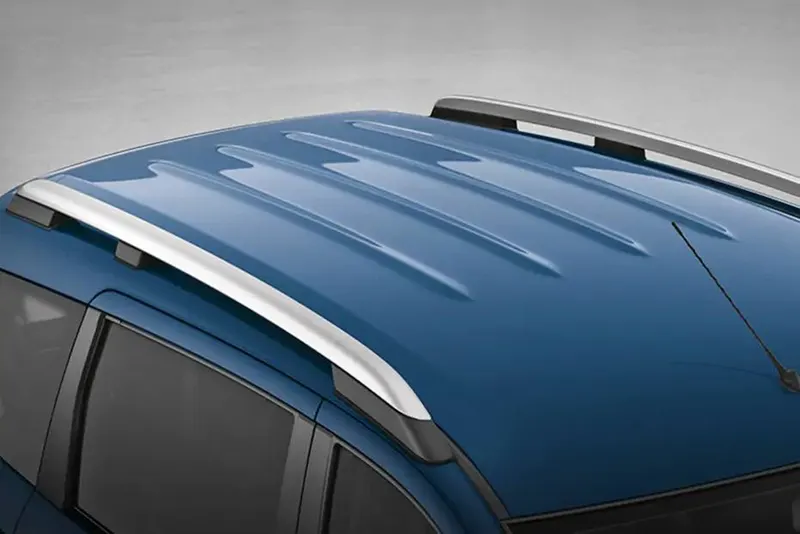
OBJECTIVES: To design the car roof by designing it's roof outer panel, front, front, bow, center, rear roof rail parts in an assembly. Also mention all the Design Considerations required in mind to design all the parts. Further perform the Roof design calculations and state how it is okay for Heat Distortion Criterion and Snow Load Prediction.
INTRODUCTIONS:
An automobile roof or car top is the portion of an automobile that sits above the passenger compartment, protecting the vehicle occupants from sun, wind, rain, and other external elements. Convertible roofs, Roof modules, Hardtops, Sunroofs, T-tops, Targa tops, Vinyl roofs are the different type of roofs in automobiles. Nowadays there are at least three types of roofs commonly installed on cars, namely sunroofs, moonroofs, and also panoramic roofs.
The roof of the car must have high strength to resist the crush force to avail the passenger some space for survival.
PARTS USED IN ROOFS:
The main parts of car roof is roof panel ,front roof rail ,rear roof rail, centre roof rail and bow roofs rail. Car roof parts shown in the figure below. Basically there are 3 primary roof rails in a car the front, the centre, and the rear, and the additional roof rails are called second bow roof rail. Position and number of reinforcement is based on the structure and size of the roof.
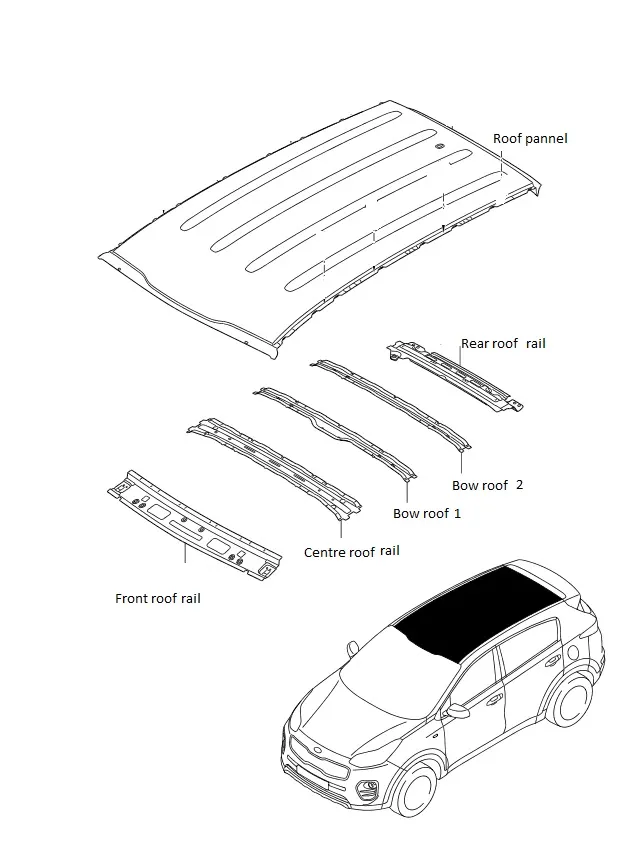
The following parts of the roof are:
1) Roof Outer Panel:
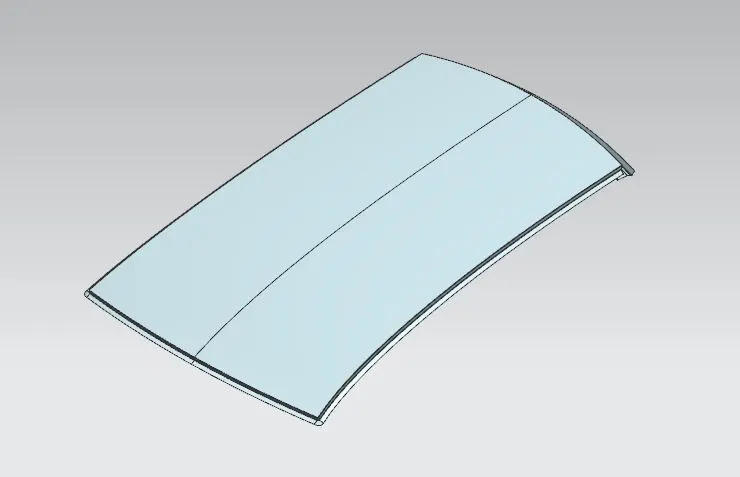
2) Front Roof Rail:
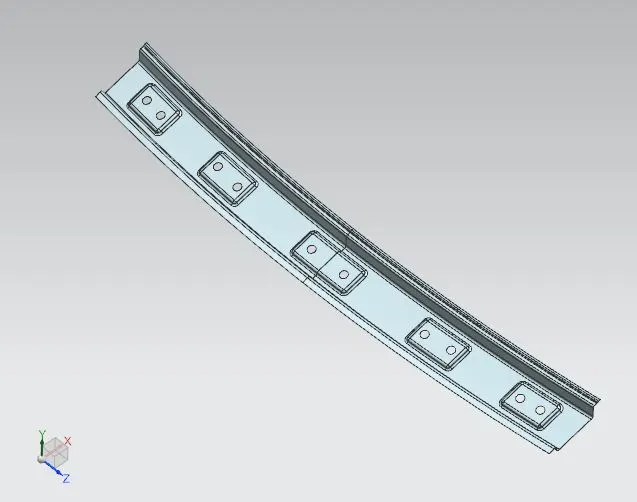
3) Centre Roof Rail:
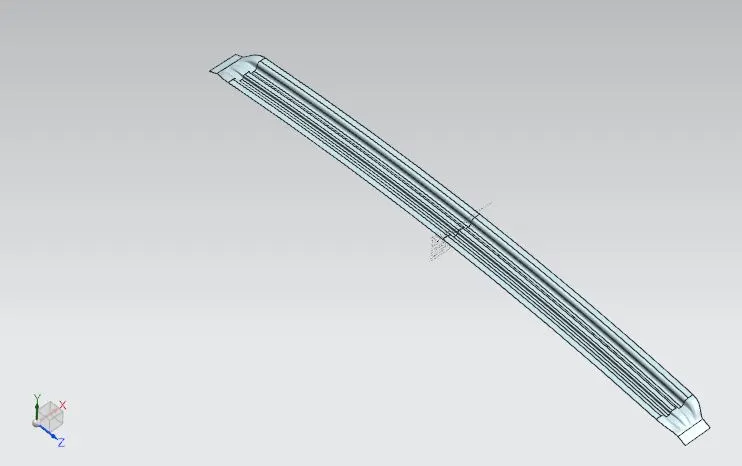
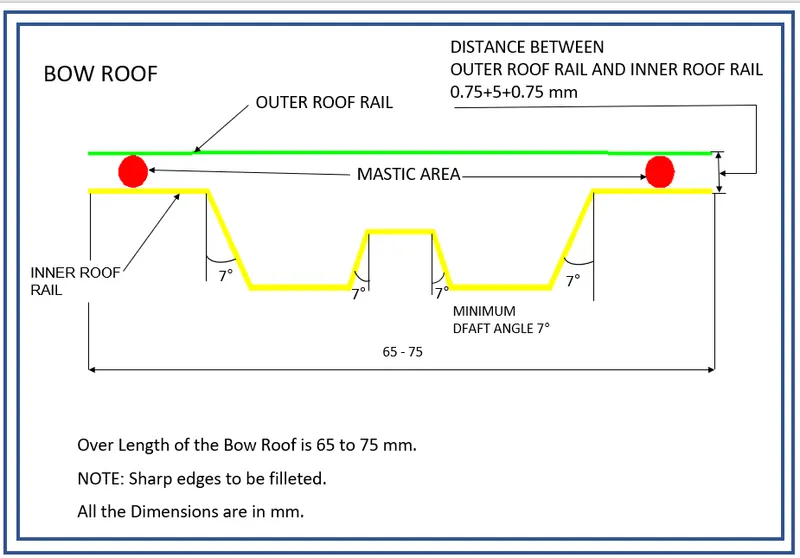
4) Bow Roof Rails:
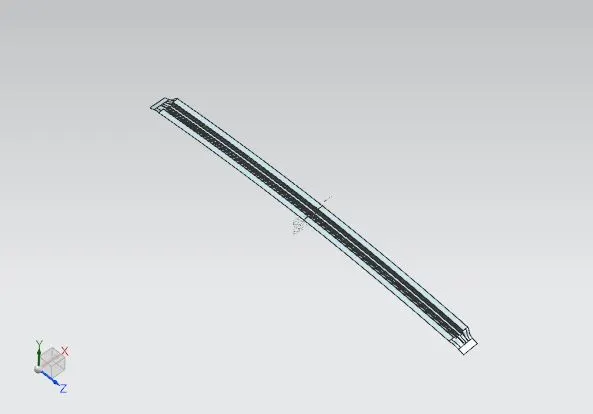
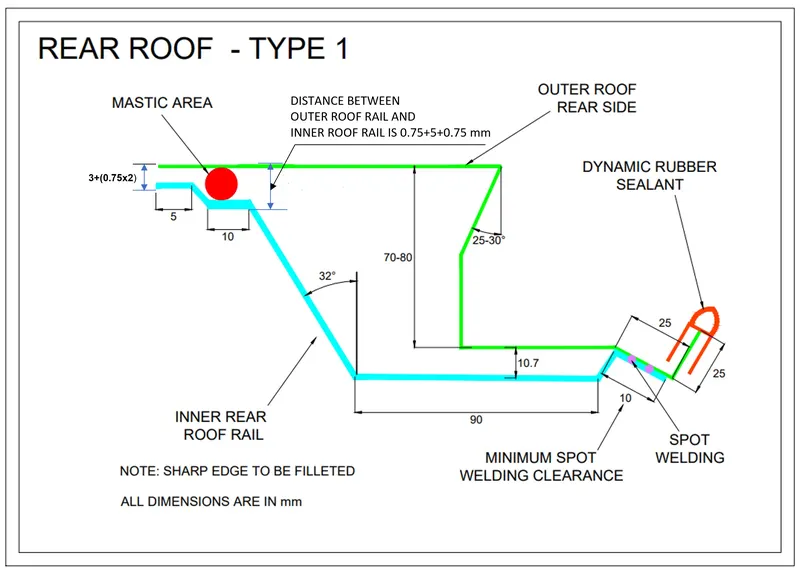
5) Rear Roof Rail:
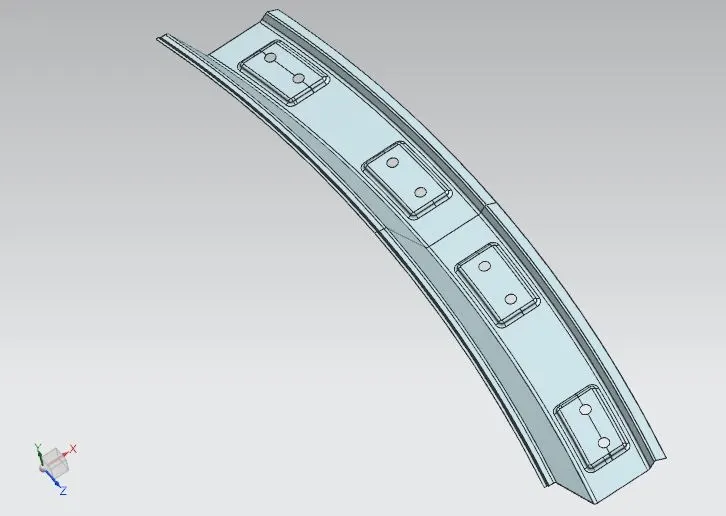
Design of different part:
1) Front Roof Rail:
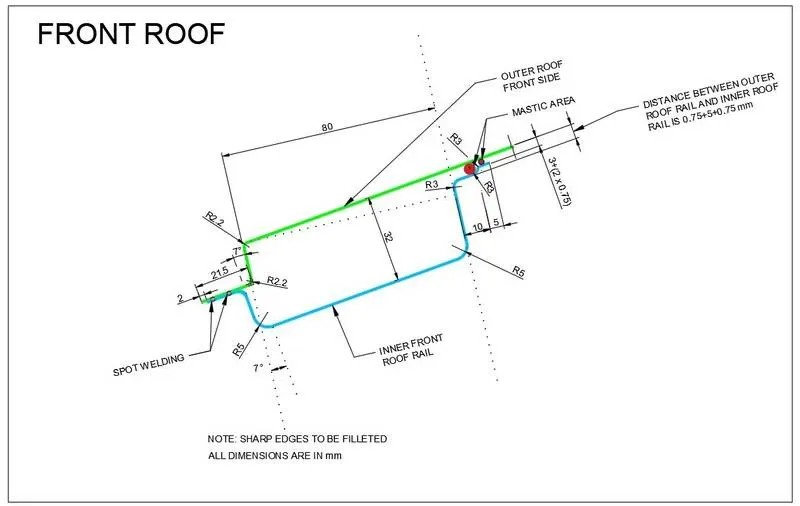
2) Centre Roof Rail:
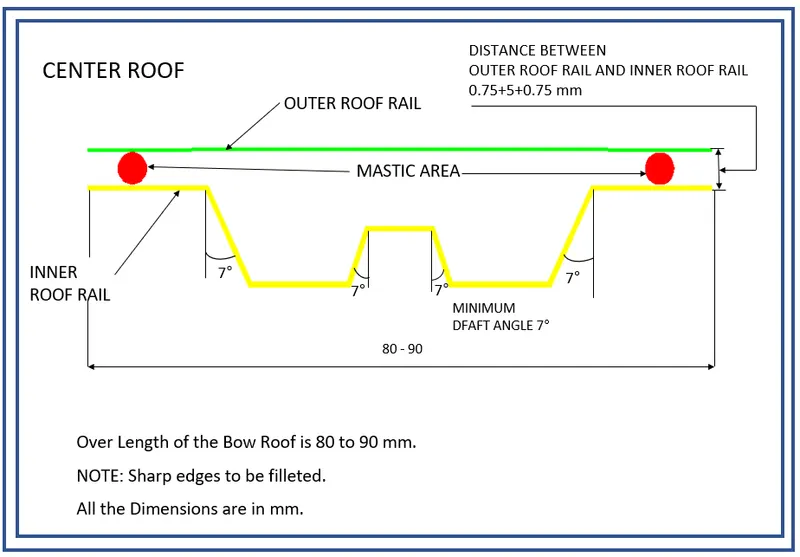
3) Bow Roof Rails:
4) Rear Roof Rail:
ROOF DESIGN CONSIDERATIONS:
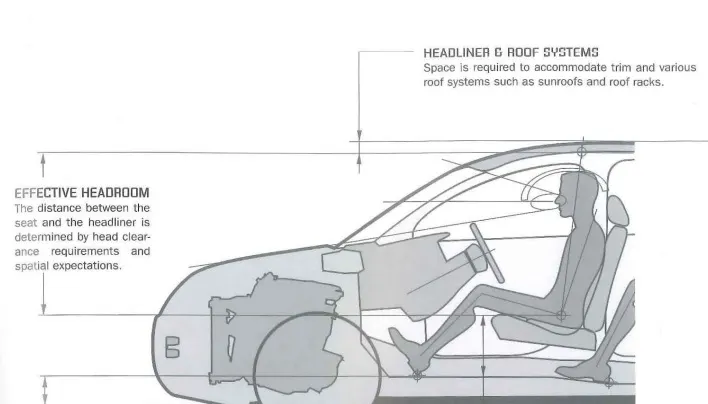
1) Head Room Clearance and Visibility Criteria: While designing the roof panel head room clearance and visibility criteria should be consider. Based on this criteria proper angle and length provided for roof parts. The roof is designed so as it's visible to the drivers. The distance between the seat and the headliner is determined by the head clearance requirements and spatial expectations. The forward vision angles is measured tangent to the eye ellipse to the cowl or header trim. The headliner of the roof systems are the space required to accommodate trim and roof systems such as sun roofs and roof racks.
Headroom clearance
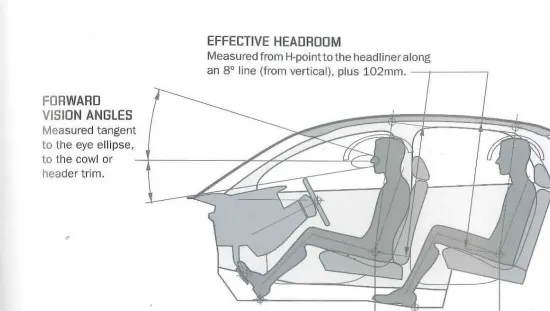
Headroom clearance and vision angles
2) Curvature Analysis(Roof Design Calculations): These calculations are of two types - a)Heat Distortion Criteria and b)Snow Load Criteria:
a) Heat Distortion Criteria: Heat distortion temperature is the temperature at which the metal softens and deforms under a specific load. This study is done to check the ability of the roof to withstand high temperature with respect to the positioning of the reinforcements which contribute to increased strength.
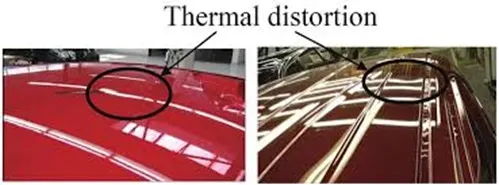
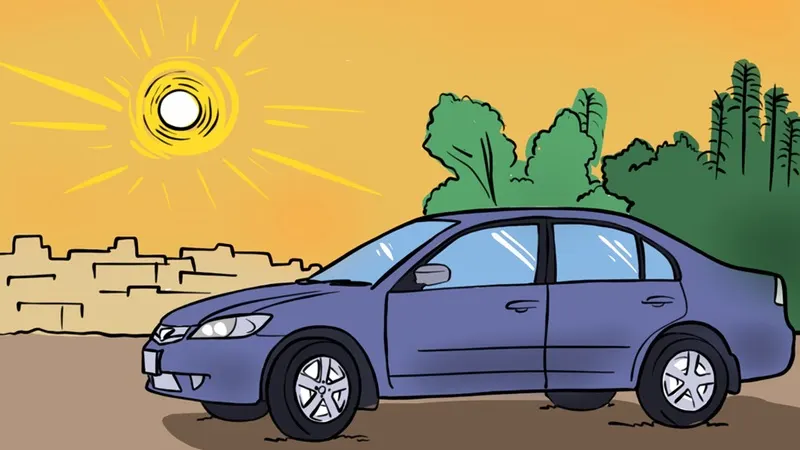
The formula to calculate the Heat Distortion Criteria(W) with the OK condition is:
W = [1.73 x 10^(-3) * L] + [1.85 x 10^(-8) * (R^2)/t] + [1.10x10^(-3) x l] - 2.68
Judge mental Condition:
OK< 2.7
Where, L = Roof Length in X-Direction[mm](Roof dimension in 0-Y)
R = Roof curvature R = 2(Rx*Ry)/(Rx+Ry)
Rx = X curvature
Ry = Y curvature
t = Roof plate thickness [mm]
l = Bow Roof Span [mm]
b) Snow Load Criteria: Snow Load Criteria study is done to check the withstand ability when the snow loads over the roof during winter in snow fall regions. This study will also analyze the roof that whether the permanent deformation occurs after removing the snow load. That it may bend but needs to be bounce back to its original position. Roof design must pass through these calculations to ensure that it has sufficient stiffness to withstand the load due to accumulation of snow over the roof.
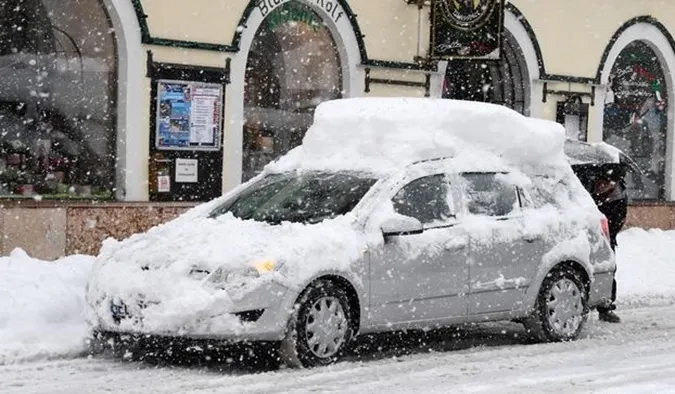
The formula to calculate the Heat Distortion Criteria(Qr) with the OK condition is:
Qr = [Iy * t2] / [α * s * [(Rx + Ry)/2]2 * 10-8]
Note: The Qr value given over here is correct. There was a typo error in the formula given in the video.
Where
α = My * Lx2 * 10-12 , My = Y(Ly-Y)
Judgement condition = Qr ≥ 3.1
t = Roof plate thickness [mm]
Ly = Distance between the front and rear roof Rails on the Vehicle along with 0Y[mm]
Length of Roof panel with the center point between Roof rail Front /Rear as the front and rear reference point.
Lx = Distance between the Left and Right end of the roof on the Roof BOW [mm]
Width of the roof panel exposed on the surface.
Y = Distance of Front Roof Rail to Roof BOW[mm]
s = Distance for which Roof BOW bears divided load [mm]
s = L1/2 + L2/2
Iy = Geometrical moment of inertia of Roof BOW (Y cross-section )[mm4]
Rx = Lateral direction curvature radius of roof panel Y cross-section on bow roof[mm]
Roof panel curvature Radius of the Length Lx in Front view
Ry = Longitudinal Direction curvature radius of the Roof panel X cross-section on Roof BOW [mm]
Roof panel X curvature radius of length s in Side view.
3) Joining techniques: To join the parts, we need spot welding, mastics sealing use of reinforcement materials, etc.
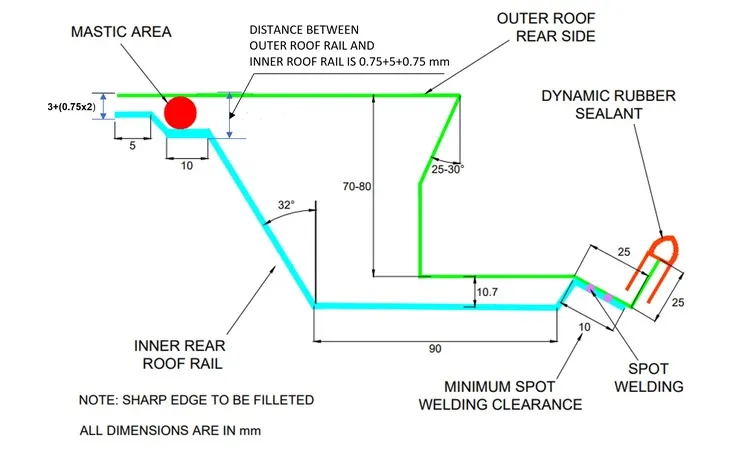
Mastics and rubber sealant used as joining materials
Spot welding (also known as resistance spot welding) is a resistance welding process. This welding process is used primarily for welding two or more metal sheets together by applying pressure and heat from an electric current to the weld area. It is a common method used in car roof assembly and body construction, joining sheet metal panels by applying pressure and heat from an electric current focused on specific spots.
Mastics sealing is a form of sealant process used to fill the joints or as a bond for different materials and gaps through mastics. It is an elastic and flexible material used to create a durable bond between two different surfaces or to protect a particular surface.
Reinforcement materials used for making Car roof include steel, aluminum, and advanced composites like carbon fiber reinforced polymer (CFRP) for enhanced strength, weight reduction and safety.
The methodology used for designing roof is as mentioned below:
1) Roof Type Selection: The design process begins with selecting the appropriate roof type based on the given skin data of the roof surface.
2) Bow Support: Determining the number of bows required to support the roof surface according to specific conditions is a crucial step.
3) Joining Methods: Selecting the appropriate joining methods for connecting the roof surface to various rails (front, rear, central) and bows is essential.
4) Manufacturing methods and feasibility:
Car Roof Design feasibility studies assess the practical and economic viability of proposed designs, ensuring solutions are realistic and resource-efficient before implementation. To increase the feasibility of the manufacturing this following design features are considered:
1) Draft Analysis: Draft analysis is used to ensure that the parts drafted will be easily removed. It is performed based on color ranges identifying zones on the analyzed element where the deviation from the draft direction at any point, corresponds to specified values. Minimum draft angle of 7 degree is considered for analysis.
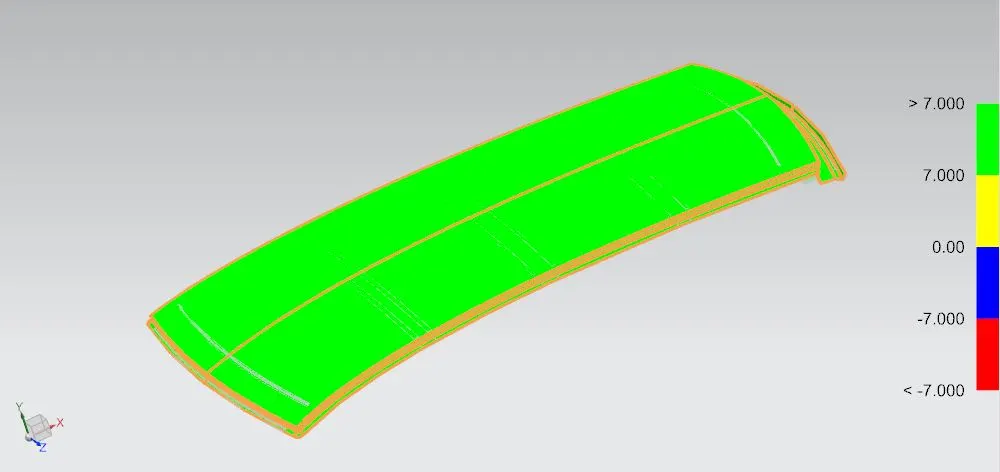
2) Moment of Inertia: Moment of inertia is a measurement of the resistance of an object to rotational motion. It is an important factor in the design of roof rails, as it helps determine the strength and rigidity of the component.
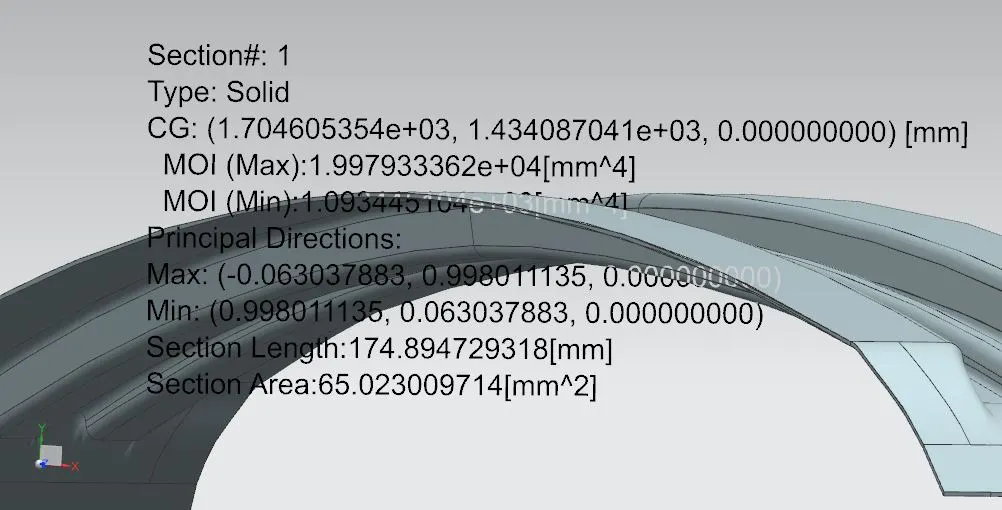
5) Materials used:
Car roof designs, especially hardtops, typically use metal sheet materials like steel or aluminum, while soft-tops can be made from vinyl, canvas, or other textiles. Reinforcements like roof rails and bow roofs made of high-strength materials are used for added structural support and safety.
Here's a more detailed breakdown of car roof design materials and their use, drawing from Skill-Lync project descriptions:
Materials for Car Roofs:
Sheet Metal:
1) Steel: A common and strong choice for roof panels, providing good structural integrity.
2) Aluminum: A lightweight alternative to steel, often used to reduce vehicle weight, with alloys like 6082 aluminum used for roof headers.
3) Composite Materials: Including carbon fiber and plastic, these can further reduce weight and enhance strength, but are less common than steel and aluminum.
Soft Roof Materials:
1) Vinyl: Durable and easy to maintain, vinyl roofs can last up to 30 years.
2) Canvas or Other Textile Materials: Used for soft-top convertibles.
6) Thickness:
The roof plate thickness (t) in mm is taken as t=0.75mm as standard thickness for all the parts.
CALCULATIONS:
The calculations for all the ultimate prediction formula and OK conditions are shown in a tabular form inside a spreadsheet with the formulas programmed in it:
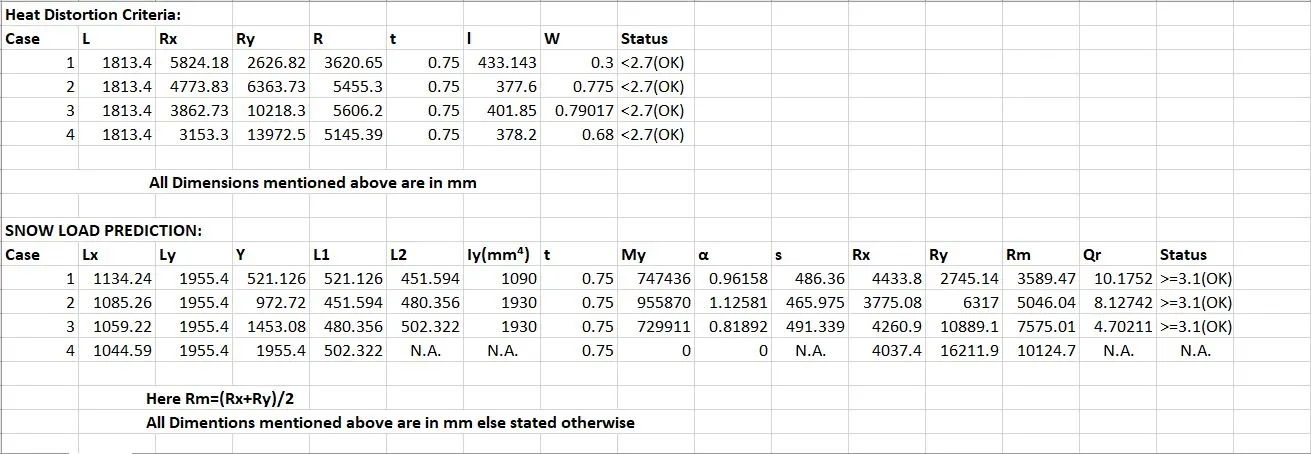
The actual spreadsheet is attached below.
INFERENCE:
The roof has been successfully designed considering all the design Rules, Master sections, Manufacturing feasibility, Draft analysis, Heat distortion criteria, and snow load analysis. Design was successfully completed using SIEMENS NXCAD as per the given master sections. The position of bow roof rails are as per the given standards with Draft analysis & section analysis to ensure the manufacturability and feasibility of every components.