Roof Design
ROOF DESIGN
OBJECTIVE-
To create an ASSEMBLY by developing the essential flanges for the outer roof and creating the reinforcements. Provide appropriate dimensions and check for Draft analysis. And to Do a curvature study on the roof and perform calculations to determine the position of the Bow-roofs.
The mian objective of this project is to understand the design process to design the roof with all the roof rails and to understand the calculations behind it. We also get to learn about the different tools used in NX cad for designing.
Introduction-
An automobile roof or car top is the portion of an automobile that sits above the passenger compartment, protecting the vehicle occupants from sun, wind, rain, and other external elements. Because the earliest automobiles were designed in an era of horse-drawn carriages, early automobile roofs used similar materials and designs.
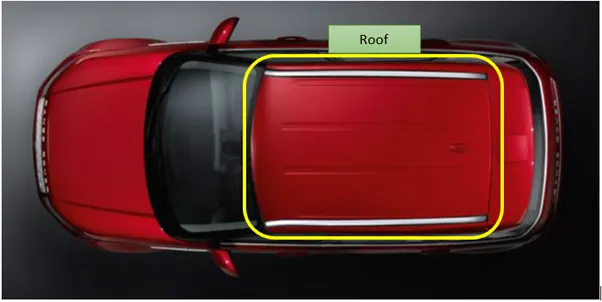
Car roof types:
- Hard top
- Sun roof
- T-top
- Targa top
- Vinyl’s top
- Hardtop
Hardtop is a rigid form of automobile roof, which for modern cars is typically constructed from metal. A hardtop roof can be either fixed (i.e. not removable), detachable for separate storing or retractable within the vehicle itself.
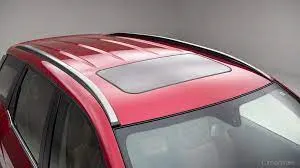
- Sunroof
Sunroof is a movable panel that opens to uncover a window in an automobile roof, allowing light and fresh air to enter the passenger compartment. Sunroofs can be manually operated or motor driven, and are available in many shapes, sizes and styles.
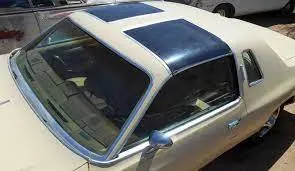
- T top
T-top (UK: T-bar) is an automobile roof with a removable panel on each side of a rigid bar running from the center of one structural bar between pillars to the center of the next structural bar. The panels of a traditional T-top are usually made of auto grade safety glass.
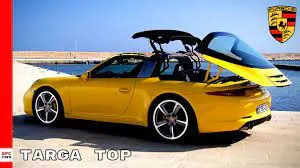
- Targa top
Targa top, or targa for short, is a semi-convertible car body style with a removable roof section and a full width roll bar behind the seats.The rear window is normally fixed, but on some targa models, it is a removable plastic foldable window, making it a convertible-type vehicle.
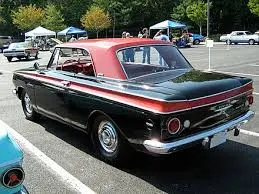
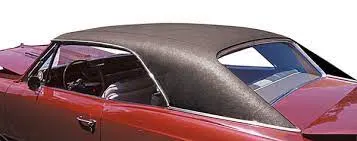
- Vinyls
Vinyl roof refers to a vinyl covering for an automobile's top.This covering was originally designed to give the appearance of a convertible to models with a fixed roof and eventually evolved into a styling statement in its own right.
DIFFERENT TYPESOF ROOF:
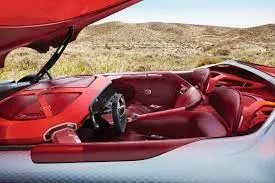
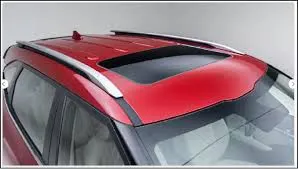
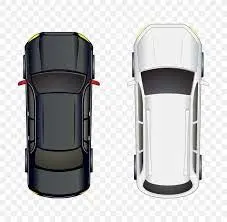
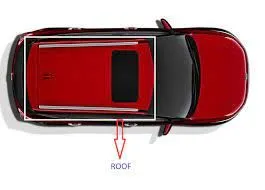
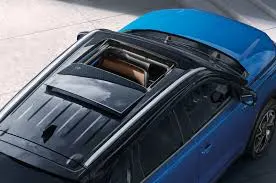
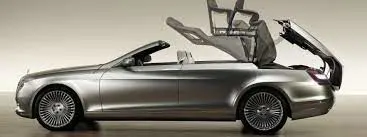
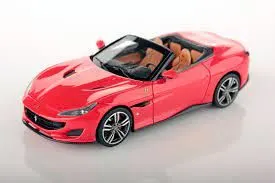
These are the varioud types of cars which havw different types of roofs.
Why Roof will use?
An automobile roof or car top is the portion of an automobile that sits above the passenger compartment, protecting the vehicle occupants from sun, wind, rain, and other external elements.
Roof is made up of ?
The roof itself may be constructed of soft or rigid material. Soft-tops are made of vinyl, canvas or other textile material; hard-top convertibles have roofs made from steel, aluminium, plastic or carbon fibre composites.
What is a car without roof it is called?
A convertible or cabriolet (/ˌkæbrioʊˈleɪ/) is a passenger car that can be driven with or without a roof in place. The methods of retracting and storing the roof vary among eras and manufacturers.
What is the use of black roof in car?
Because Black absorbs heat better than any other color. You, see using the same old glasses won't help in the case of sunroofs. The light will directly on the driver and cause inconvenience while driving. Hence these sunroofs are colored black, so as to absorb any light that might cause disturbance while driving.
What is MUV and SUV ?
DESIGN CONSIDERATION:-
- Visibility criteria
- Head clearance
- Curvature study
- Hear distortion and snow load criteria
- Draft analysis.
How roof are manfactured?
Raw materials like galvalume, aluminum, zinc, copper, and stainless steel are used in the process. Theraw materials are purified and melted down to form the metal coil. The metal roofing in Chennai, uses a different combination of raw materials for better resistance according to the environmental condition.
Step-by-Step Process of Manufacturing a Car
RAW MATERIALS
Raw materials must be compiled to transform the car from an idea to a reality. Many car manufacturers are looking for more sustainable, as well as lightweight and cost-effective, materials for their cars to keep up with the demand for greener products.
DESIGN & ENGINEERING
Automobile design must respond to the public’s needs and desires for a car. Once the design is drafted, it’ll go through many revisions to perfect it.
The interior and exterior must be fashioned so that it is attractive to potential buyers while also including innovative technologies that make the car newsworthy and competitive to other brands.
Small models will be made in 2D and 3D forms to test the car’s design. Engineers will test for aerodynamics, safety, hot and cold weather, fuel economy, electrical functionality, cost analysis, and more.
Once the design and engineering specs have been approved, then the manufacturing process can begin.
MANUFACTURING
The sheet metal parts for the bodywork are created and stamped by robots. These parts form side frames, doors, hoods, and roofs, which are later added onto the main frame of the car.
Once the frame is created and the parts are ready to be assembled, the car will be loaded onto a production line.
The car will travel along a moving assembly line in a factory as robots and people work on them. Manufacturing plant workers will attach parts to the car and may work alongside robots for certain tasks. Robotic work cells will work alone to weld, solder, screw, and glue parts onto the car.
Once the parts of the body are manufactured onto the car, it will undergo detailing. This includes cleaning, layering chemical formulas for protection against corrosion and scratches, and painting.
Finally, the engine, transmission, axles, and exhaust systems are installed into the car and the tires are furnished so the car can stand on its own.
TESTING & QA
Now that the car is ready to drive, it will be tested for quality assurance and safety.
-
The vehicle is checked for any imperfections or inconsistencies in the interior and exterior design.
-
The car will run through a series of tests similar to those given at a DMV: the engine is started and stopped several times, the steering alignment is adjusted, the headlights are checked for brightness and reach, brakes are tested for safety, and more.
-
Then, the car will be tested in heavy water pressure to find leaks.
-
The car’s programming will be tested, and the electrical units will be checked to ensure safety and accessibility.
-
Finally, crash testing will be executed to observe how the car handles impacts, and to test airbag and seat belt performance.
If the car requires no further tweaks in design and production for safety, then the car can be presented to the market.
LAUNCH
After performing market research, developing a marketing theme, and defining the price of the car, the car will be produced for car dealerships and private dealers to sell to the public.
Cars are a fascinating and cutting-edge technology.
They are commonplace now, but cars are an engineering feat that has transformed the way we travel.
Understanding the process of manufacturing a car from design to launch will enable you to have a new appreciation for automobile design and function.
GET THE PARTS YOU NEED WITH NRTC AUTOMATION.
NRTC Automation offers high-quality parts manufacturing for any industry. If you need parts built, engineered, and shipped to your facility, NRTC will provide all services for as long as you need.
We also provide a customized solution for the decommissioning and tear out of your manufacturing and industrial assets. Our focus is on minimizing disruption and downtime in the work area while emphasizing safety, speed, and efficiency. Our additional robotic services help ensure full adoption of automation solutions and seamless integration into your workplace.
PROCEDURE:
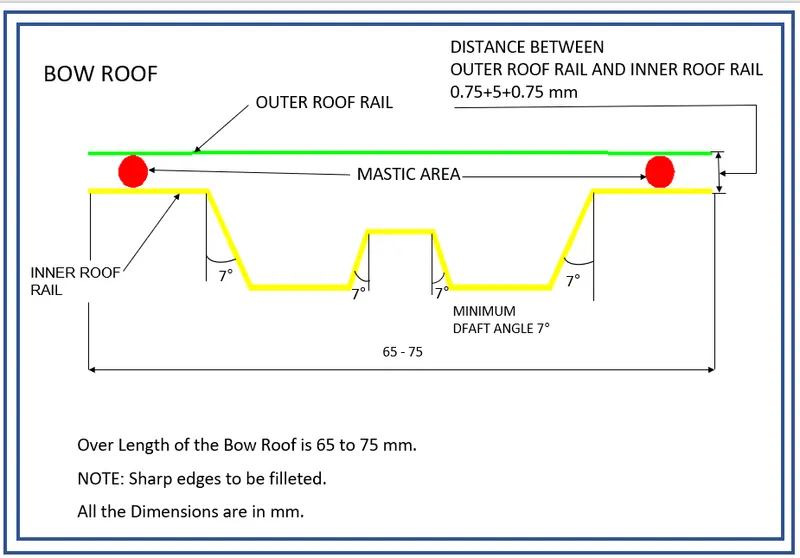
- First we need to keep the part as an assembly and add the components what ever we need.
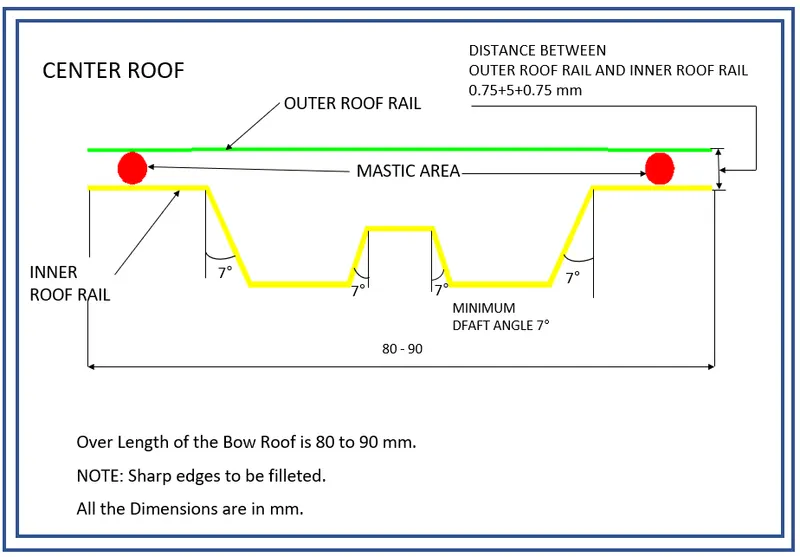
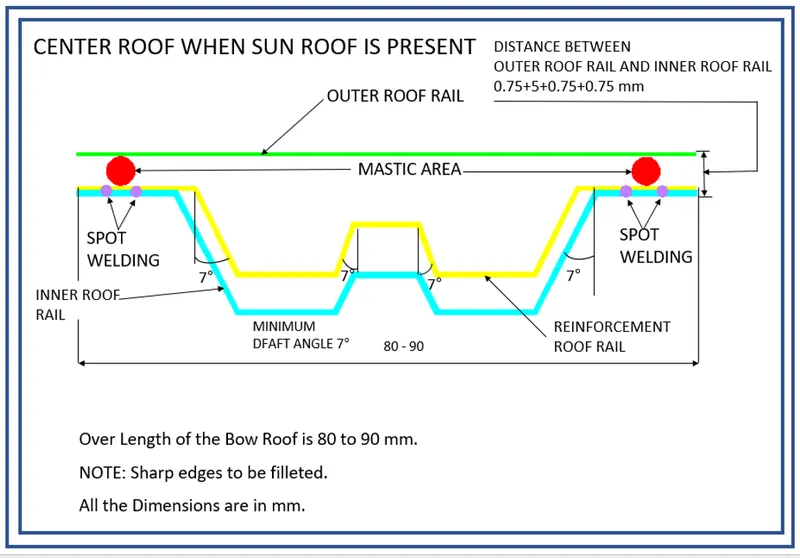
- Now fallow the Master section given in the challenge.
- Perform the master section for each and every component.
- After completation of master section now mirror the components.
- Before mirroring the compents check the darft analysis for each and every component, if it get any error recheck the procedure and find the mistake.
- Draft analysis must be 7.
- Now THICKEN the component with 0.75mm.
- After completing these process now make the mirror by using mirror geometry.
- Here we need to understand the strength of the material by using the calculation.
- Here we need to perform the two calculations one is based on HEAT DISTROACTION and another is SNOW LOAD PREDICTION.
- These are the steps we need to falow the while designing the roof components.
MASTER SECTIONS:
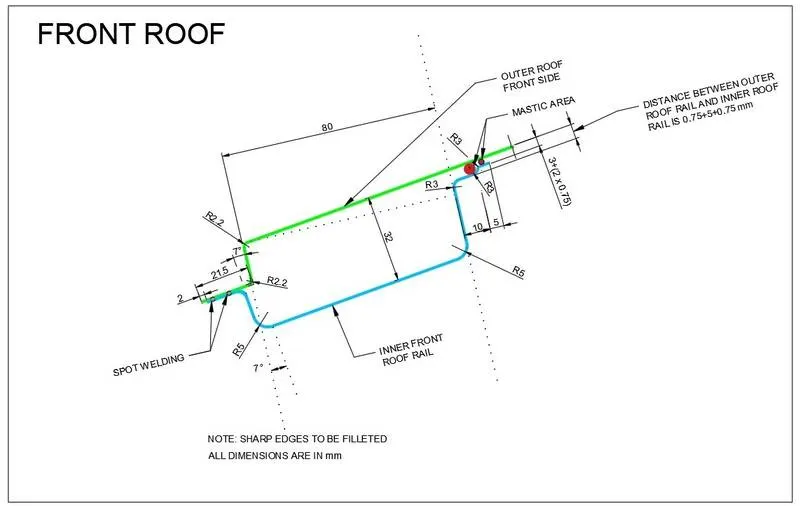
Front Roof Rail Master section
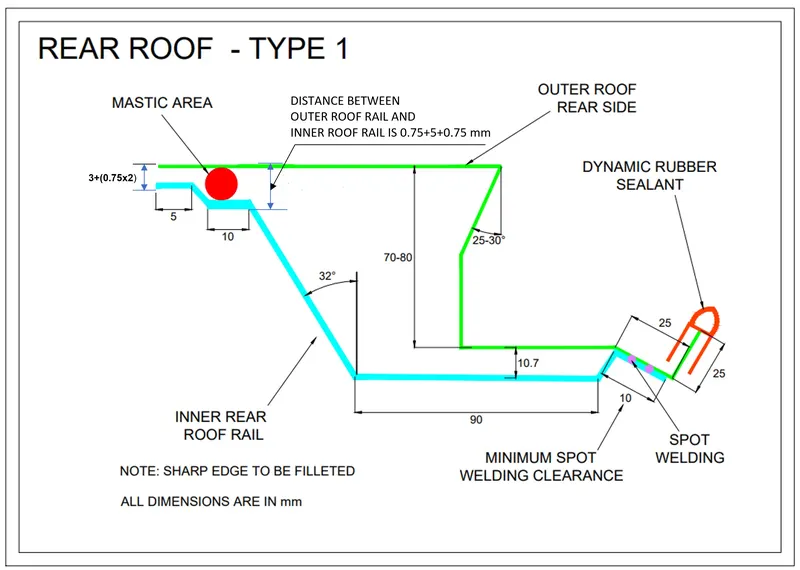
Master section of the Rear Roof Rail
Master section of Bow Roof
Master section of Center Reinforcement Rail
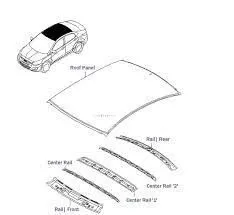
ROOF COMPONENTS:
FRONT ROOF RAIL
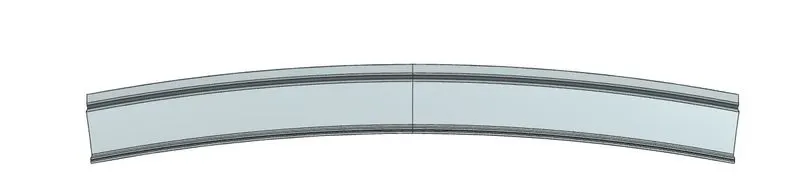
BOW ROOF1
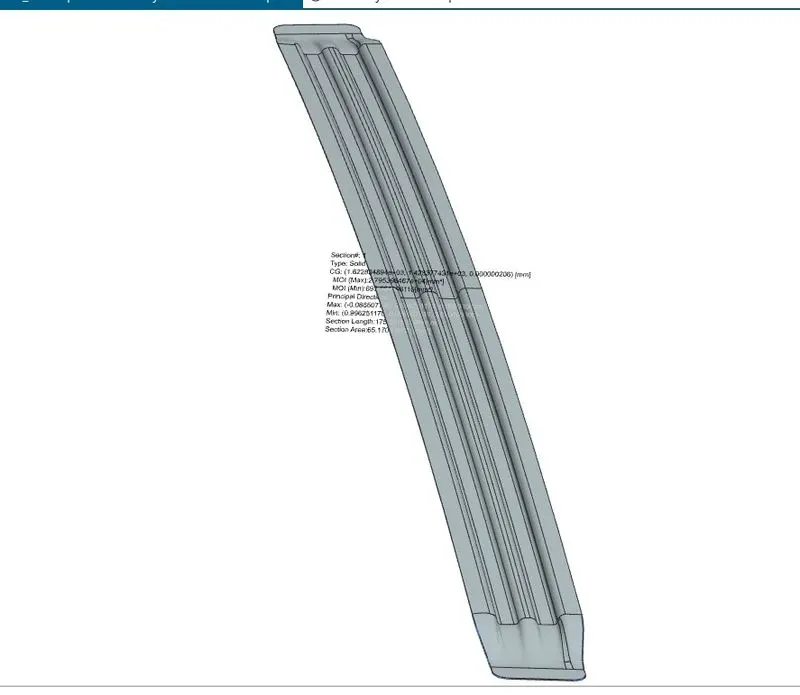
CENTER ROOF
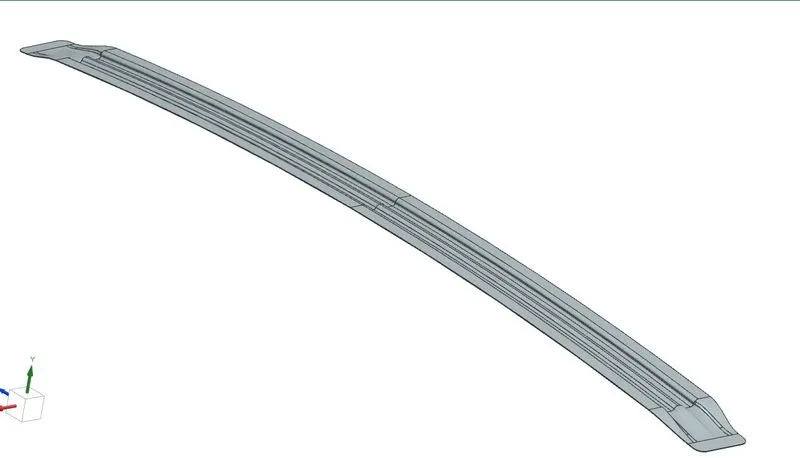
BOW ROOF 2
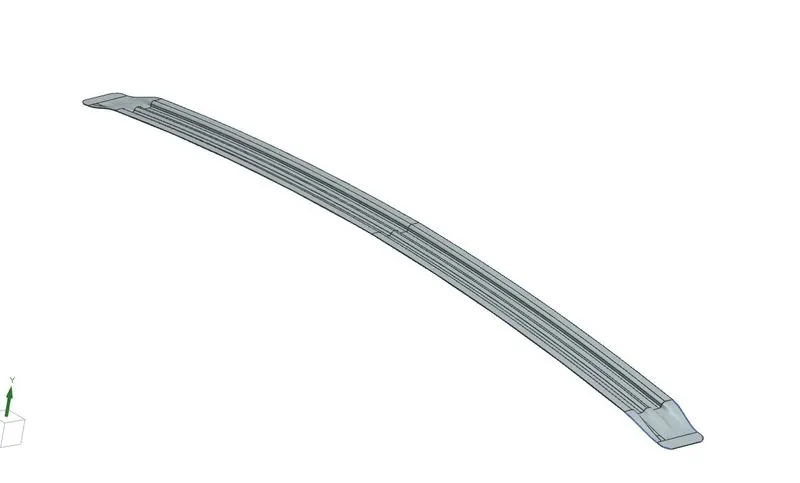
REAR ROOF RAIL
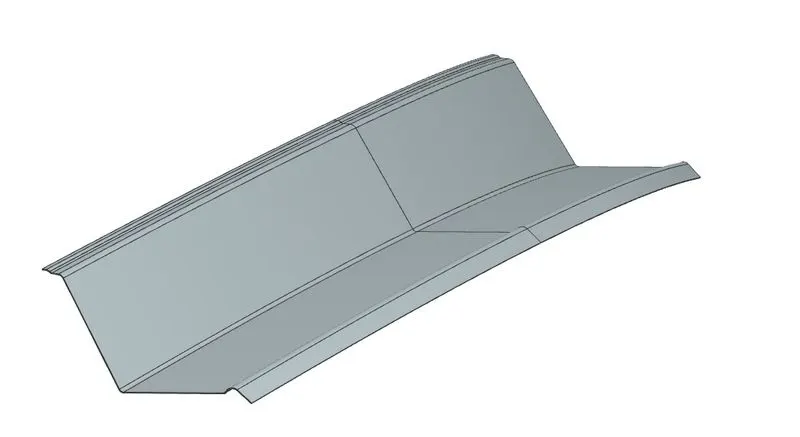
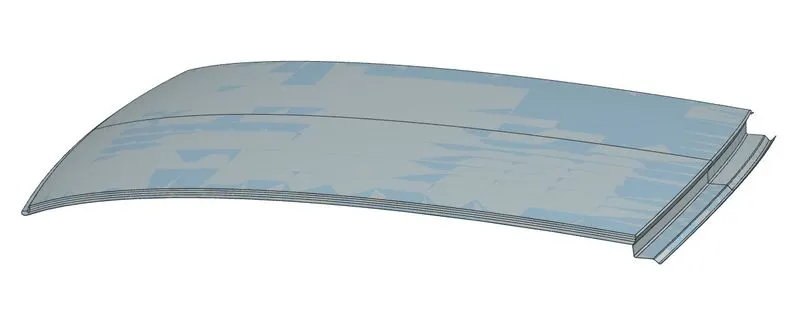
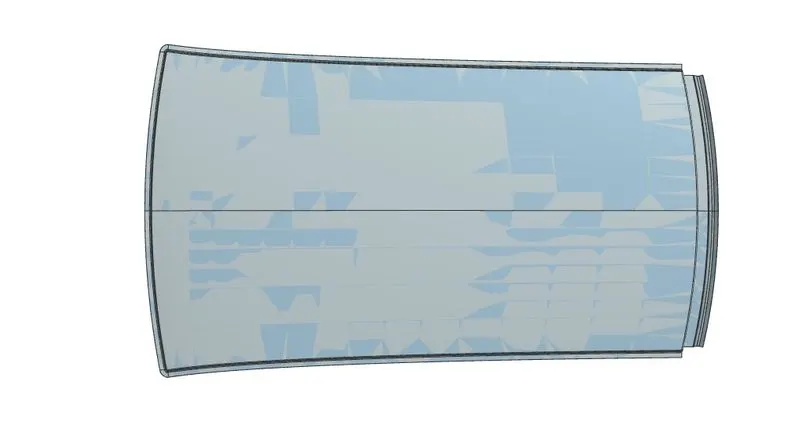
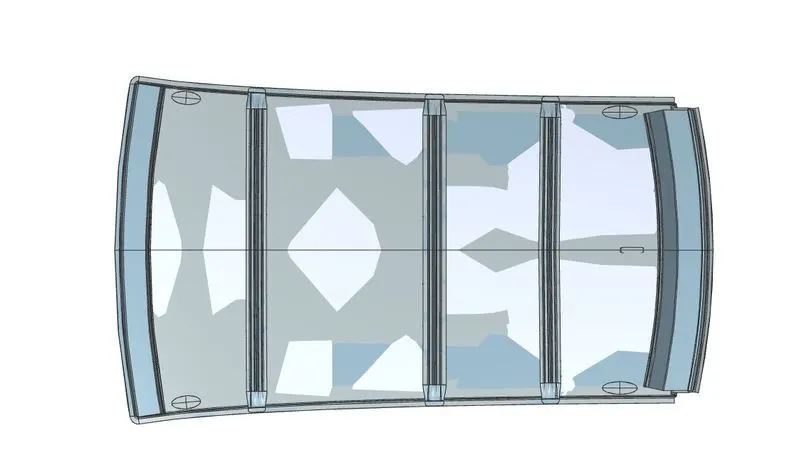
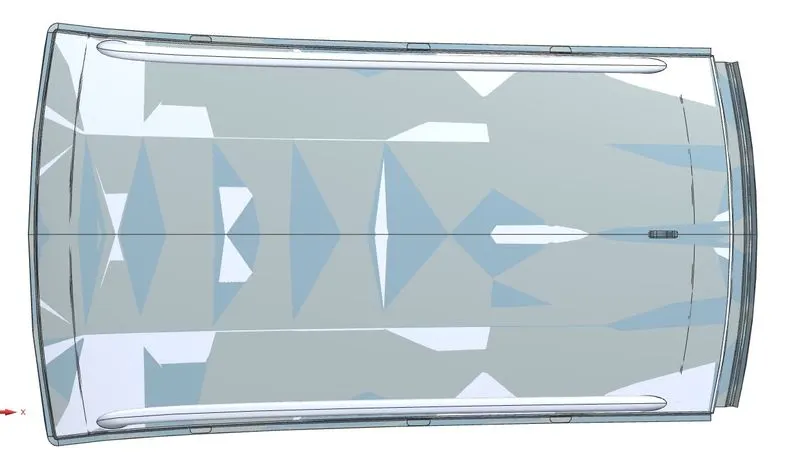
ROOF VIEWS
SECTIOM MODULUS
Section modulus for BOW ROOF 1
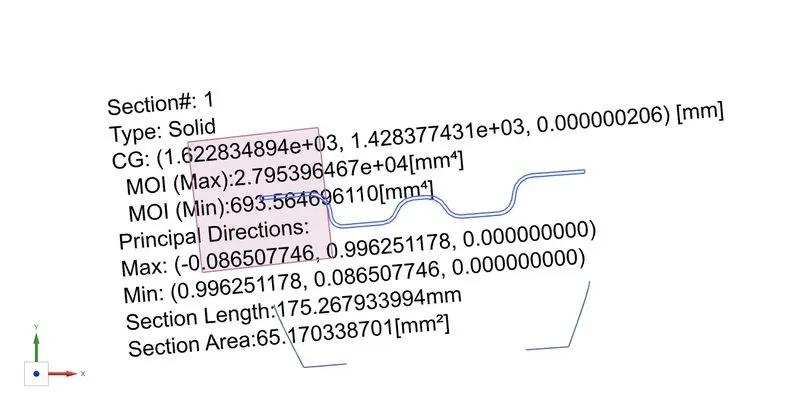
Section modulus for CENTER ROOF
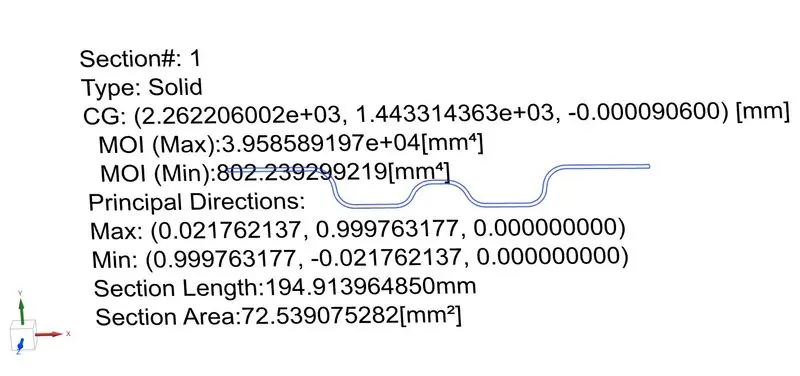
Section modulus for BOW ROOF 2
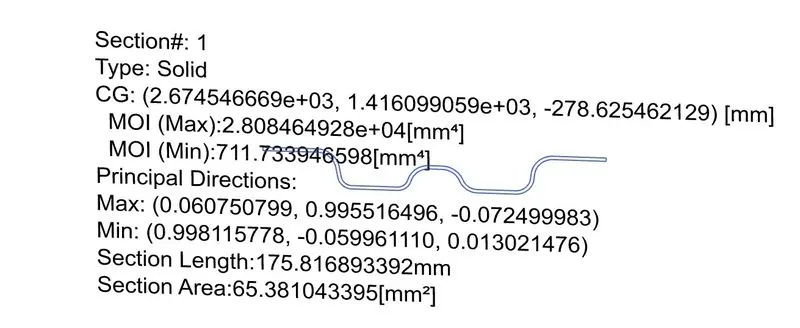
CALCULATIONS:
In the assembly we’re going to calculate heat distortion criteria and snow load criteria. Heat distribution criteria is the calculation of how the roof will stand the heat capacity. And also measure the draft analysis after roof assembly. In snow load criteria we’re going to calculate snow load with stand capacity of roof. In the foreign countries in the rainy season there is a snowfall in that kind of situation roof must withstand the snow load that is why we calculate this
Heat Distortion Criteria:
Predicting heat distortion for the roof is important since it is exposed to the heat for a long time and high temperature will affect the roof structure if the designing does not confirm with the heat distortion criteria. the study helps to determine the position of roof to provide strength to the route to avoid bending and deflection of the roof due to heat. bow curvature study you see following formula will help best check whether the boardroom potion important required strength of roof.
Bow–Roof Prediction Formula,
W = [1.73 x 10^ (-3) x L] + [1.85 x 10^ (-8) x (R^2)/t] + [ 1.10x10^ (-3) x l] - 2.68
Were,
L = Roof Length in X-Direction[mm](Roof dimension in 0-Y)
R = Roof curvature
R = 2(Rx*Ry)/(Rx+Ry)
Rx = X curvature
Ry = Y curvature
t = Roof plate thickness [mm]
l = Bow Roof Span [mm]
Judgment Condition
OK< 2.7
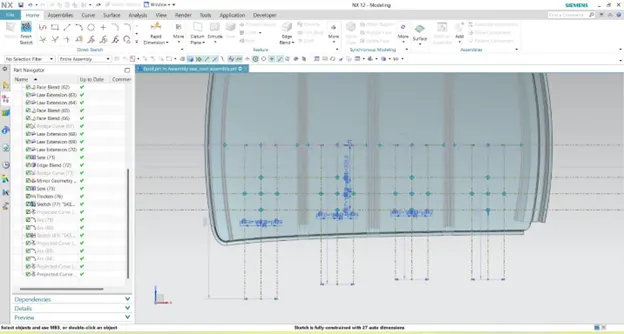

Conclusion:
As per the standard acting load were w < 2.7. In that case above the diagram are all pass the requirement of the manufacturing standard.
Snow load prediction formula:
This evolution is performed in cold regions where snow a occurs. roof design must pass through the calculation to ensure that it has sufficient stiffness to withstand the load due to the accumulation of snow over the roof.
Qr = [Iyxt2] / [α x s x [(Rx + Ry)/2]2 x 10-8]
Were,
α = My x Lx2 x 10-12, My = Y(Ly-Y)
Judgement condition = Qr ≥ 3.1
250 ≤ s ≤ 380
(S varies depends on the Input)
t = Roof plate thickness [mm]
Ly= Distance between the Front and rear roof Rails on the Vehicle along 0Y [mm]
Length of Roof panel with the centre point between Roof rails Front /Rear as the reference point of the front and the rear.
Lx= Distance between the Left and Right end of the roof on the Roof BOW [mm]
Width of the roof panel exposed on the surface.
Y = Distance front Roof Rail to Roof BOW [mm]
s= Distance for which Roof BOW bears divided load [mm] s = L1/2 + L2/2
Iy = Geometrical moment of inertia of Roof BOW (Y cross section) [mm4]
Rx = Lateral direction curvature radius of roof panel Y cross section on Roof BOW [mm]
Roof panel curvature Radius of the Length Lx in Front view
Ry = Longitudinal Direction curvature radius of the Roof panel X cross section on Roof BOW [mm]
Roof panel X curvature radius of length s in Side view
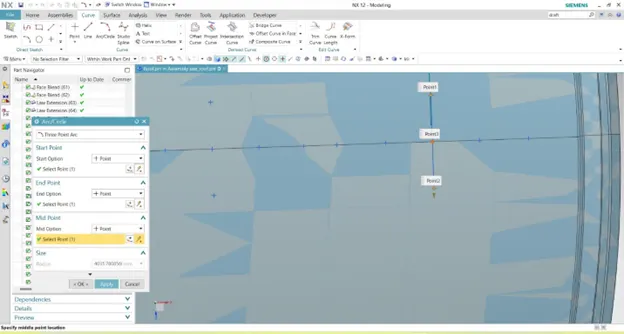

Conclusion:
As per the standard acting load were Qr >= 3.1. In that case above the diagram are pass the requirement of the manufacturing standard.
DRAFT ANALYSIS:
OUTER ROOF
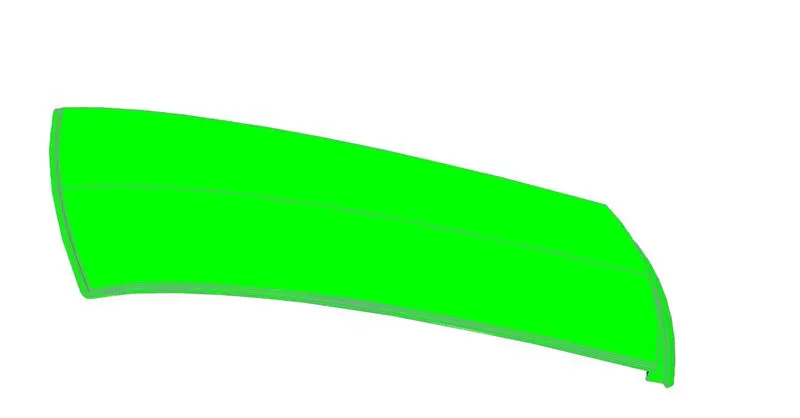
FRONT ROOF
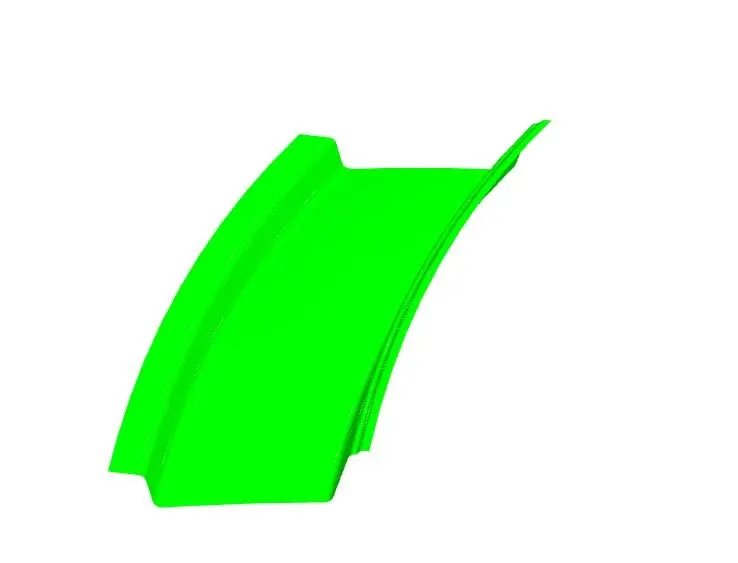
BOW ROOF 1
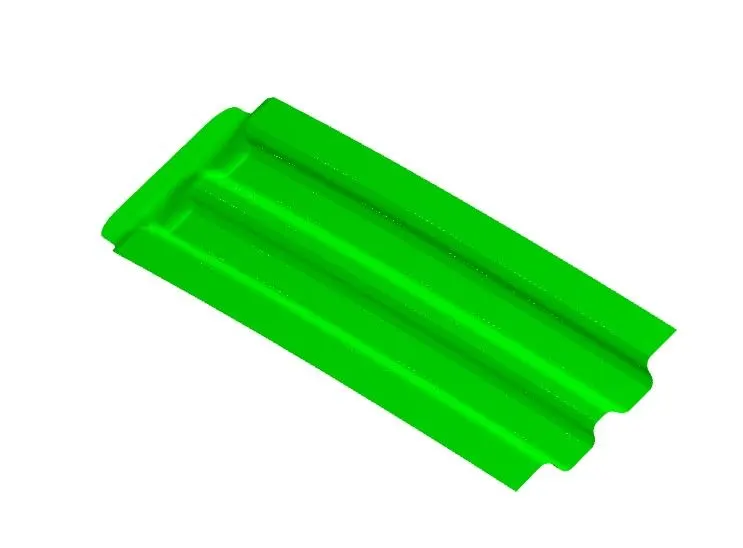
CENTER ROOF
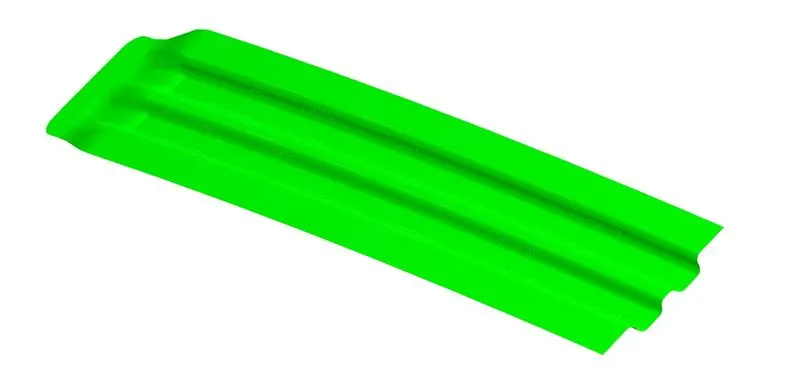
BOW ROOF 2
REAR ROOF RAIL
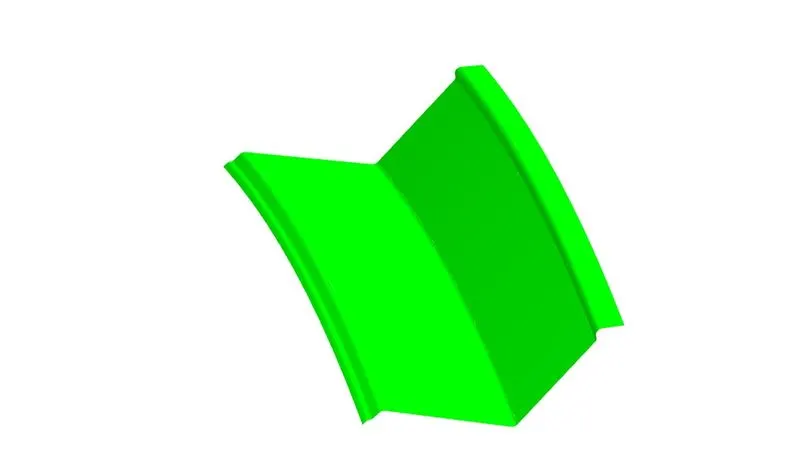
FINAL CONCLUSION :
Hence finally the roof design and analysis of the snow load and heat distortion complete. In the heat distortion calculated and part are pass the industry standard. In the snow load calculation are done and there is only one part not pass the stand. This project was done by NX CAD software