Roof challenge
Objective:
- For the given Car Roof styling, design and develop the essential flanges and reinforcements, namely the Ditch Area, Front Roof Rail, Rear Roof Rail, Centre Roof Rail and Bow-Roofs.
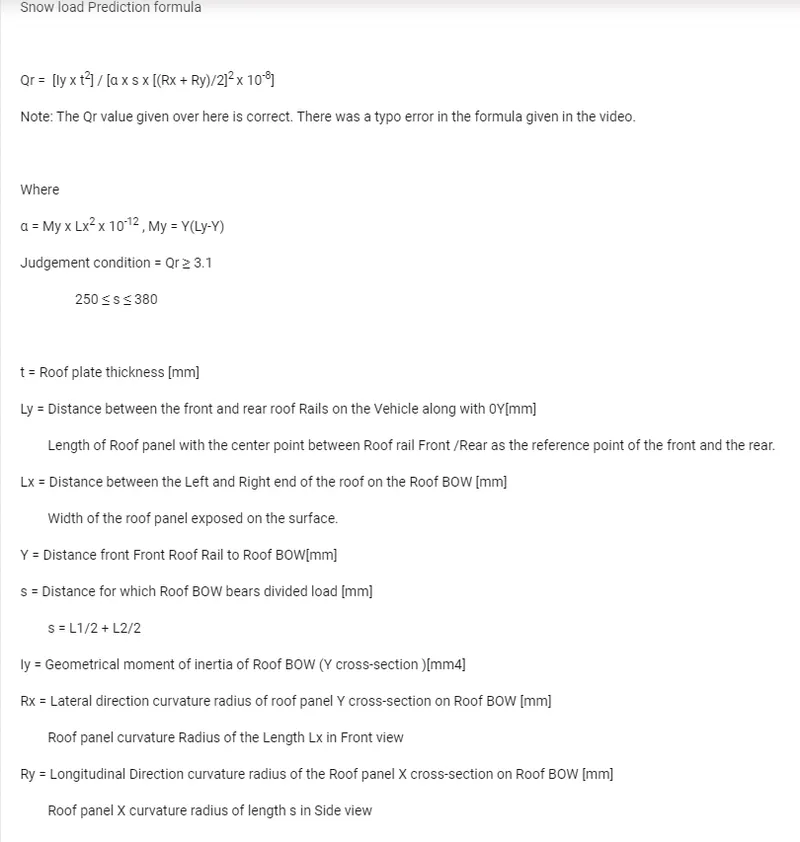
- Do a curvature study on the roof and perform calculations for Heat Distortion and Snow load criterion to determine and justify the position of the Bow-roofs.
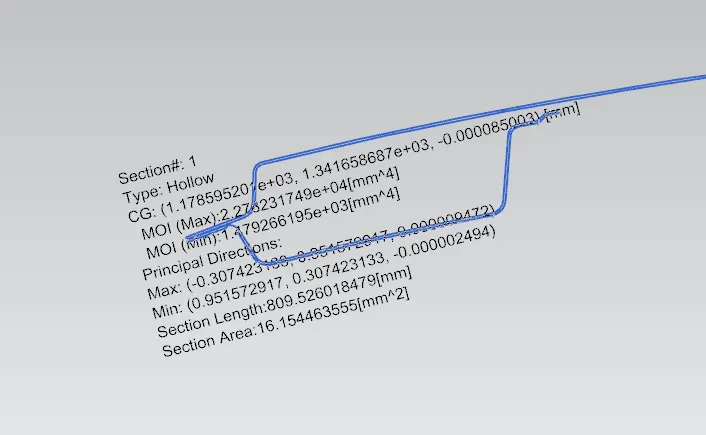
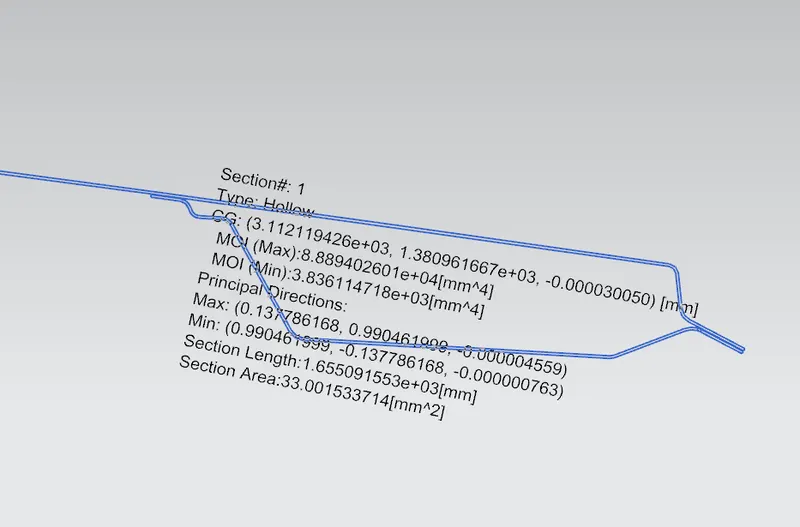
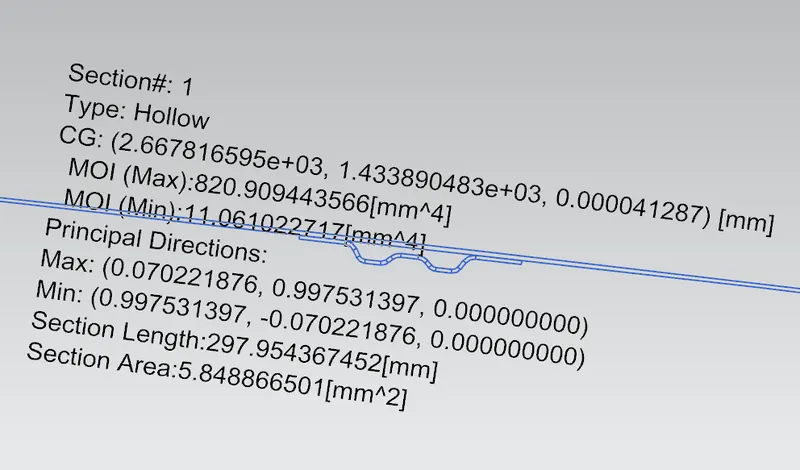
- Do a Section Modulus study for the Master sections created for the Front Roof Rail, Rear Roof Rail, Bow Roof Rails and Centre Roof Rail.
- Perform Draft Analysis of each reinforcement.
TOOL USED-NX
Introduction:
An automobile roof is the portion of an automobile that sits above the passenger compartment protecting the vehicle occupants from sun wind. rain, and other external elements.
Under the styling surface that is seen on the outside, there are many other structures under the roof which contribute to its strength and stability. The number of such structures/supports differ with respect to the size of the vehicle. They are primarily installed on flatter areas of the roof to enhance the strength. These are the Front Roof Rail. Rear Roof Rail, Centre Roof Rail and Bow Roofs and they are joined to the roof by the Ditch Area
Reinforcements and Design
Ditch Area:
The Ditch Area is the extended portion of the main Roof concealed by other BiW panels. The rail supports of the roof are attached to the Ditch Area using Spot welds, since it is not a styling surface and remains concealed. Headroom Clearance, visibility criteria, clearance for Wind shield and Back door are some of the factors to be considered while designing the Ditch Area. It is given a thickness of 0.75 mm.
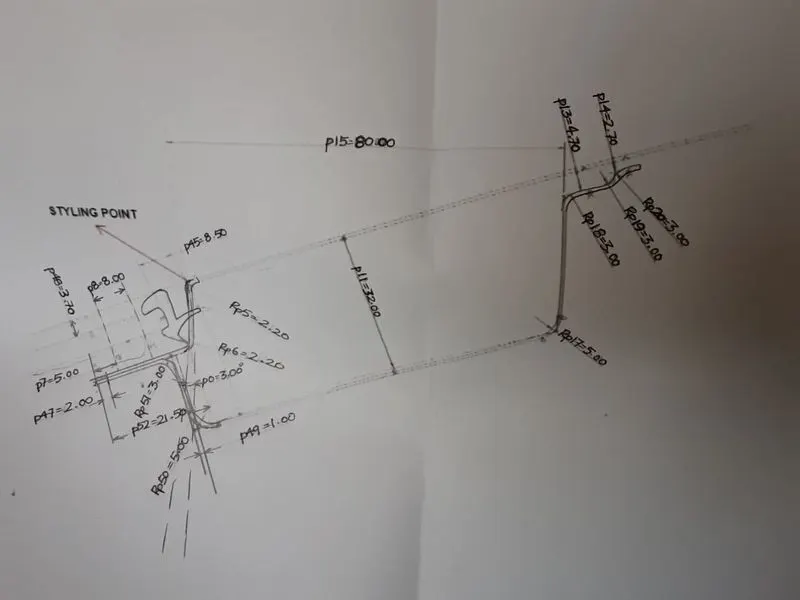
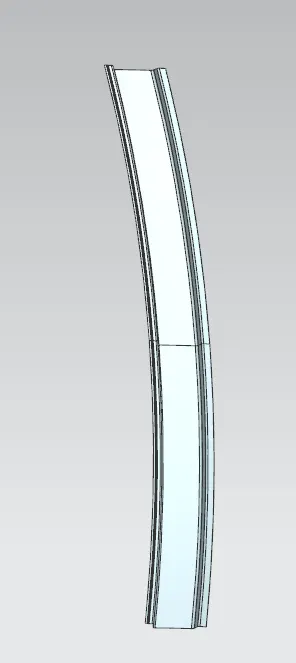
Front Roof Rail:
It is the support which is joined with the Wind Shield Glass, Body Side Outer and the inner panels. It is usually made from Body Side Outer scrap and therefore the thickness of the rail is 0.75 mm. A draft angle of 3-5 degrees is provided keeping in mind the deep drawing operation. The Wind Shield end flange is the exact offset of the roof surface. The bottommost flange is decided after taking into consideration the visibility criteria and the Headroom Clearance of the passenger. Spot Welds are applied at Wind Shield end of the rail and the other end is joined with the roof using Mastic Sealants which also contributes to increased strength.
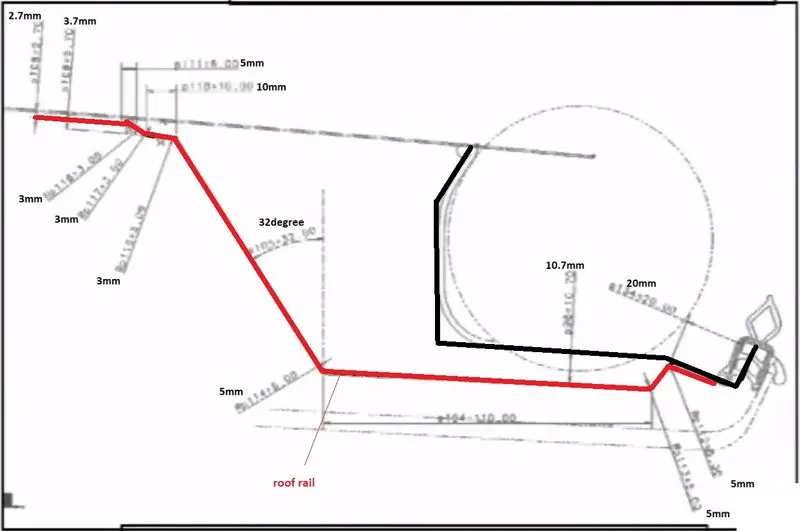
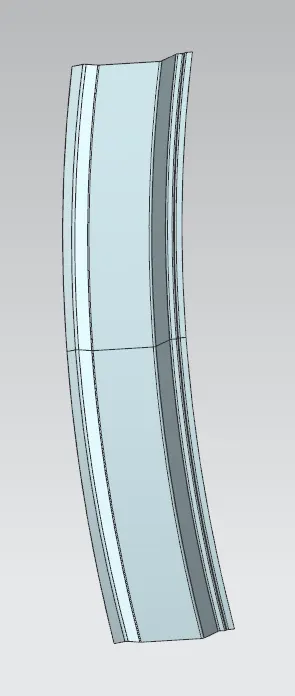
Rear Roof Rail:
It is the support which is joined to the Back Door and the Body Side Outer and the inner panels. It is also usually made from Body Side Outer scrap and therefore the thickness of the rail is 0.75 mm. Similar to the Front Roof Rail design, we have to take into consideration the rear Headroom Clearance and the rear visibility criteria while designing the Rear Roof Rail. Inputs from the backdoor design is also taken to accommodate the required clearance. Spot Welds are applied at the Back doorend of the rail and the other end is joined with the roof using Mastic Sealants.
Centre Roof Rail:
Similar to other Rails design, we have to take into consideration the Headroom Clearance and the visibility criteria while designing the Centre Roof Rail and Bow Roofs. But unlike the Front and Rear Roof Rails, Spot Welds are not applied for joining these rails to the roof. Instead Mastic sealants are introduced at both the ends since Centre Roof Rail and Bow Roofs are fully positioned under the Styling surface of the Roof. For increasing the strength of the rails, embossing is done. To reduce the weight of the material used, a different styling has been followed with a thickness of 0.75 mm.
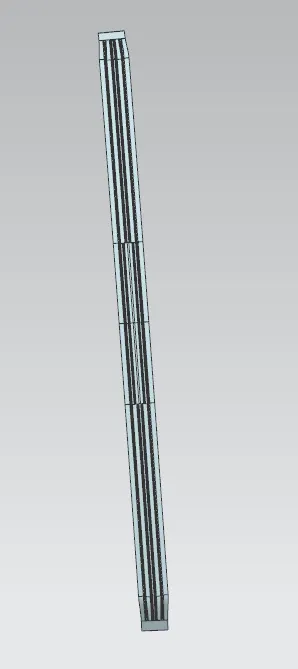
1st BOW ROOF:
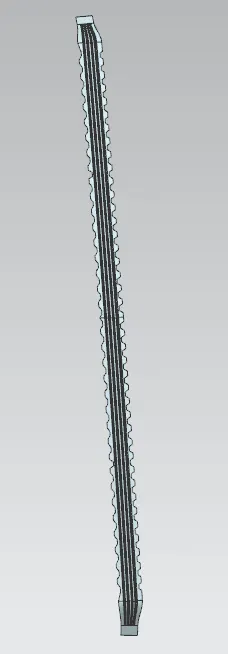
2nd BOW ROOF:
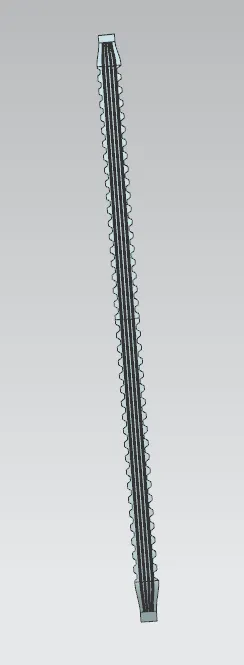
CURVATURE STUDY OF ROOF:
Heat Distortion Curvature Study:
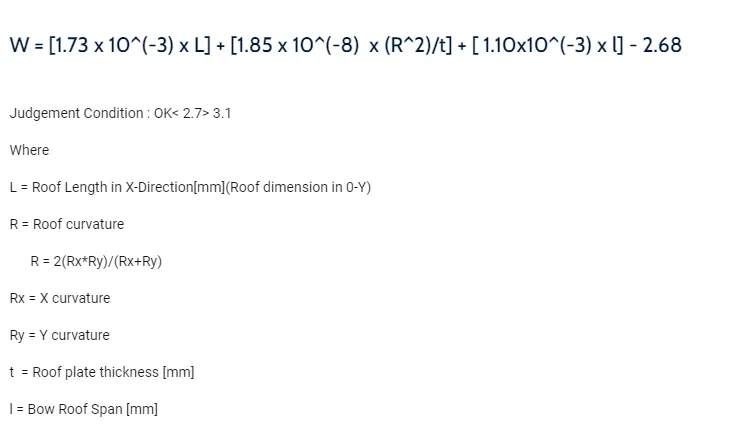
The heat distotion study play an important role in sheet matal usage. Heat distortion temperture is a temperature limit above which the material cannot be used for structural applications.
This study is used to predict the heat distortion temperature at where the material start to soften when exposed to a fixed load at elevated temperature. In order to avoid bending/damages on roof, based on heat distortion temperature, this study will predict the bow roof position on the roof to strengthen the roof.
Formulae:

Snow load Criteria:

ASSEMBLED IMAGES:
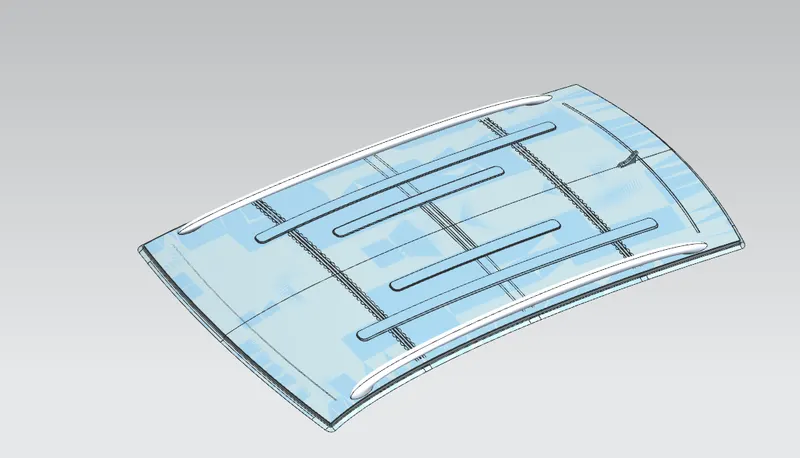
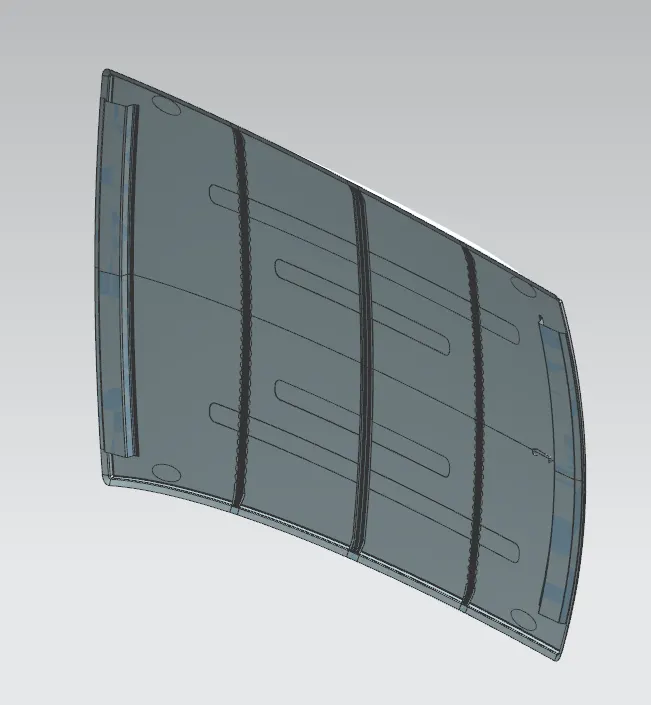
CONCLUSION:
The section modulus study for the Master sections and create for the Front roof rail, Rear roof rail. Bow Roof Rail and Rear Roof Rail and creation of the Ditch area, and to perform the draft analysis all are sucessfully done by using nx software.