Roof challenge
ROOF CHALLENGE
AIM:
For the Given Roof styling, create an ASSEMBLY by developing the essential flanges for the outer roof and creating the reinforcements.
OBJECTIVE:
- For the Given Roof styling, Develop the essential flanges and reinforcements, provide appropriate dimensions and check for Draft analysis, and submit your Section Inertia report on the 0-Y section.
- Start with the creation of a roof ditch area the tool opening angle is only 3 degrees.
- Do a curvature study on the roof and perform calculations to determine the position of the Bow-roof.
- Develop the essential flanges and reinforcements, Provide appropriate dimension and check for Draft analysis. Do a curvature study on the roof and perform calculations to determine the position of the Bow-roof.
ROOF :
Automobile roof or car top is the portion of an automobile that sits above the passenger compartment, protecting the vehicle occupants from sun, wind, rain, and other external elements.
TYEPS OF AUTOMOBILE ROOF:
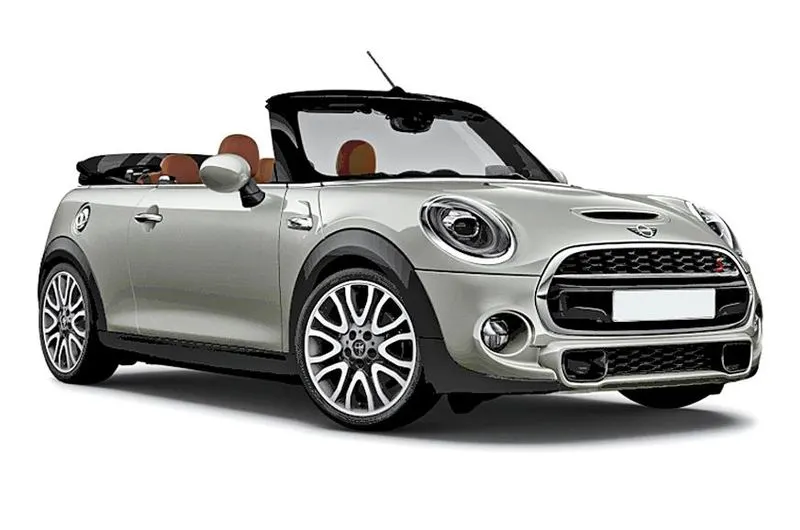
Convertible:
- convertible, carbriolet or spyder is a one type roof it can foldable.
- who can want roof its can be open and otherwise it will close.
- passenger car that can be driven with or without o roof in place.
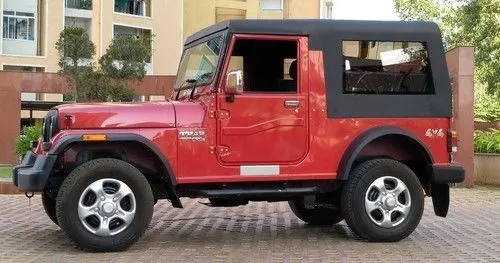
Hardtop :
- a hardtop is a rigid form of automobile roof.
- which for modern cars typically constructed from metal. a hardtop roof can be either fixed, detachable for separate storing or retractable within the vehicle itself.
- In this model mostly used for off road vehicle like a geep.
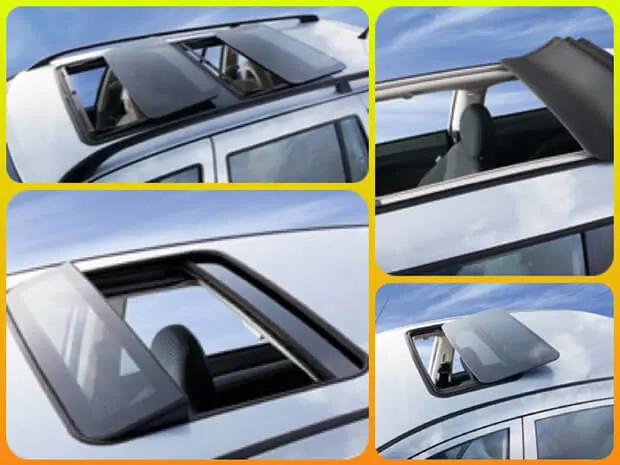
Sunroof :
- An automotive sunroof is a movable panel that is operable to uncover a wind won in automobile roof. which allows light and fresh air into the passenger compartment.
- most now days consumer most like this feature.
- It will be three types half sunroof, fully open sunroof and mood view.
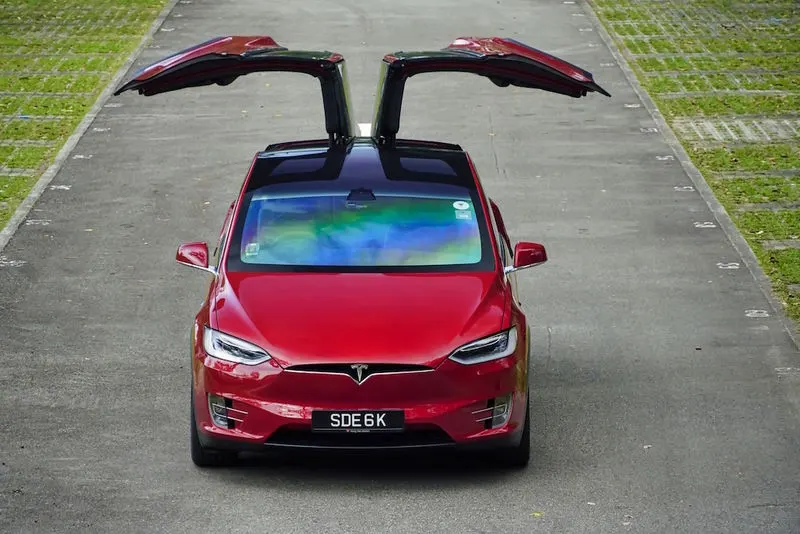
T top roof :
- t top is a fold able side door it will be opened by vertical position.
- now a days its use one premium car in this feature is called falcon wing.
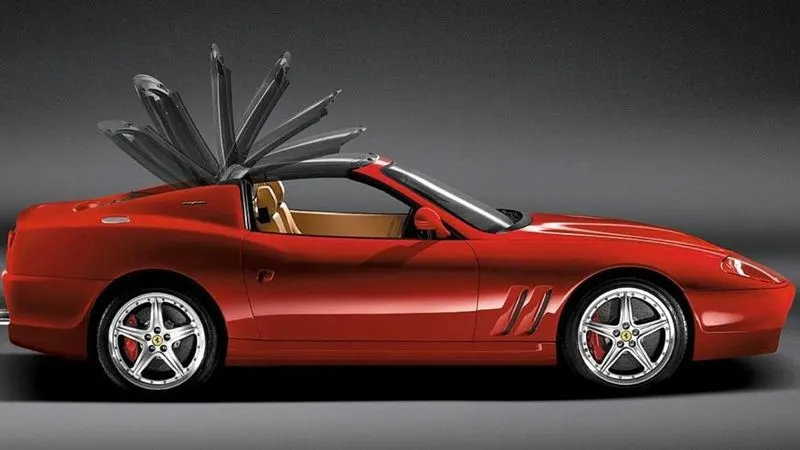
Targa top:
- it is a semi coverable car body style with a removable roof section and a full width rool bar behind the seats.
- In this feature mostly used two seated cars.
Vinyl wrap roof:
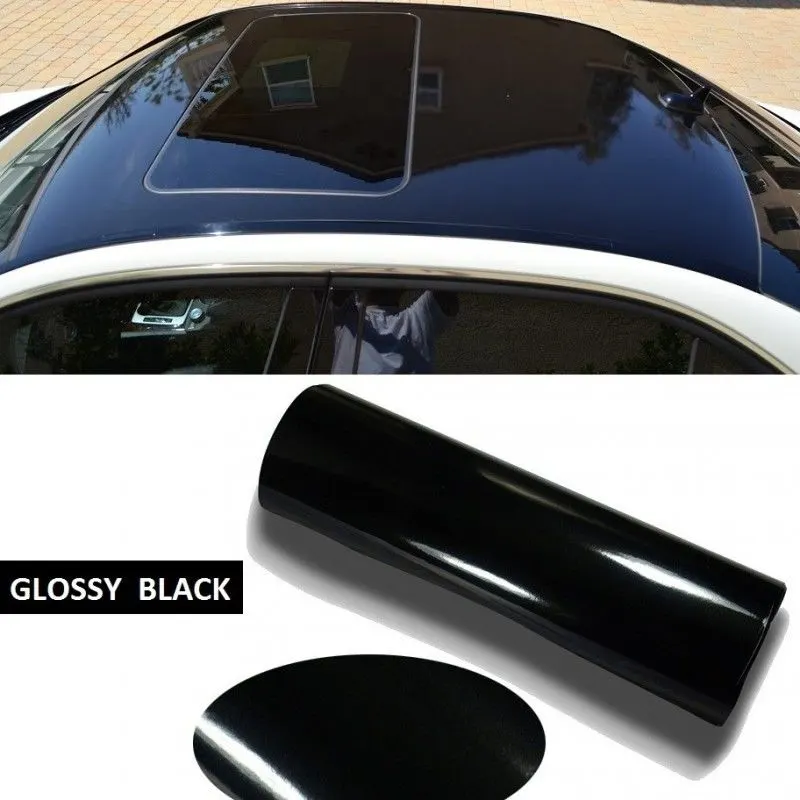
- vinyl wrap roof is cover an external layer. it can be used for styling purpose.
DESIGN CONSIDERATION:
- Visibility criteria.
- Head clearance.
- Curvature study.
- Heat distortion and snow load condition.
- Draft angle.
- Emboss.
- Minimum bend radius.
- Design Methodology.
Visibility criteria.
- Driver height can also affect visibility.
- An A-pillar that is split up and has a small triangle window can give a short visibility problems.
- B-piller can block the vision of a tall driver in small 4 door cars.
Head clearance.
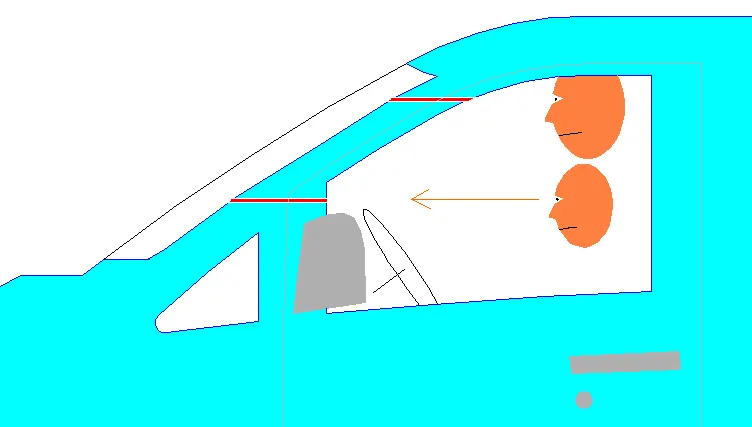
head clearance in important of vehicle development head not Toch the roof keep some distance. in case head is so closer to roof to disturb the driver and passenger to impact to head and make a disturb for good driving.
Curvature study.
study about curvature to improve roof strength and requirment of quality of the roof development.
curvature study to improve vehicle performanc about bented road to avoid noise dive and better bracking and improve turning loads.
To satisfy heat distortion and snow load performance of the roof, we have to determine the desired optimum location of bow roofs and roof plate thickness. If the roof is exposed to high temperatures for a long time the roof structure will tend to deform. This study will help to check whether our design is valid and if not will help to determine the optimum position of the rails to avoid the deformation of the roof. Similarly if the roof is subjected to the heavy load of snow, it will tend to deform or fail. To improve the strength under the snowed condition we have to position the rails at desired specific locations.
Roof test:
HEAT DISTORATION CRITERIA :
Thermal expansion is the phenomenon observed in solids, liquids, and gases. In this process, an object or body expands on the application of heat (temperature). Thermal expansion defines the tendency of an object to change its dimension either in length, density, area, or volume due to heat. When the substance is heated it increases its kinetic energy. Thermal expansion is of three types:
- Linear expansion
- Area expansion
- Volume expansion
SNOW LOAD PREDICTION :
snow load prediction is used to calcuate the load condition for snow acting a weignt on a roof, this condition roof is deform so using snow load prediction calculation to used by improve roof strength and how many bow roof add to improve by roof strength.
FRONT ROOF :
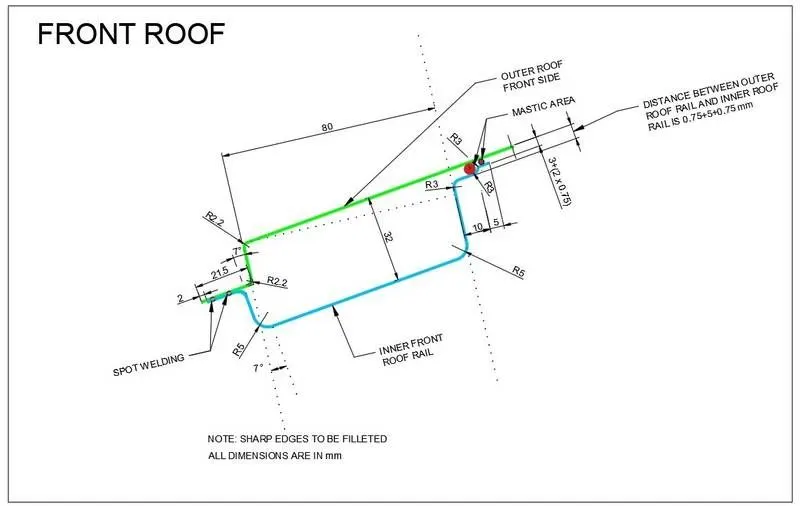
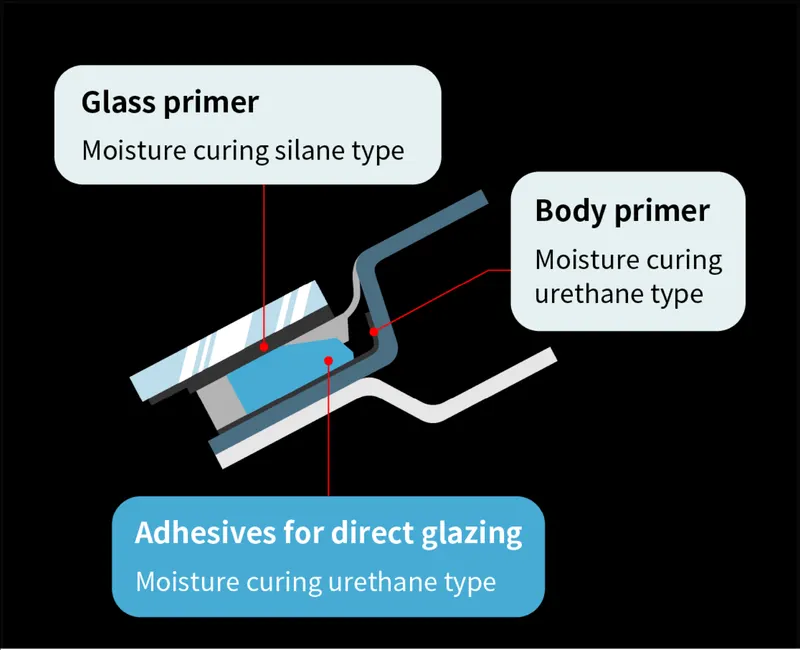
Front roof rail is used to povide stength to the roof front and it alos acts as link between windshield glass roof panel and heeadliner.spot weld are applied at wind shield end of thae rail and the other end is joined with roof using mastic sealent which also increases the stength.
DESIGN FRONT ROOF :
designing front roof rail based on design data and dimension first my flange is 21.5 mm
why flange is 21.5 mm
- using first layer of rubber meterial 5mm for using wind Wind shield safety.
- next 8 mm can be place a cliping meterial for hold a wind shield.
- then using balance area using seal meteral like a rubber are past are use to fix the glass.
- 32mm this value depens upon visibility critria (this value depen upon 32-34mm based on visiblity critria).
- 5mm gap is a mastic point.
- 2mm is tolerance gap.
- 80mm length based driver head clearance.(this value based on driver head clearance to differ max-minimum 60-80 value).
- This front roof rail thickness will based on material selection.
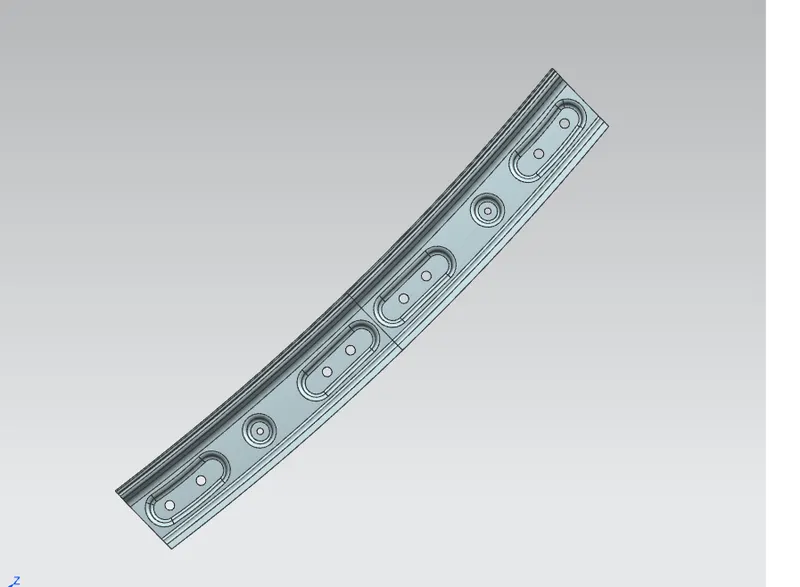
FRONT ROOF RAIL
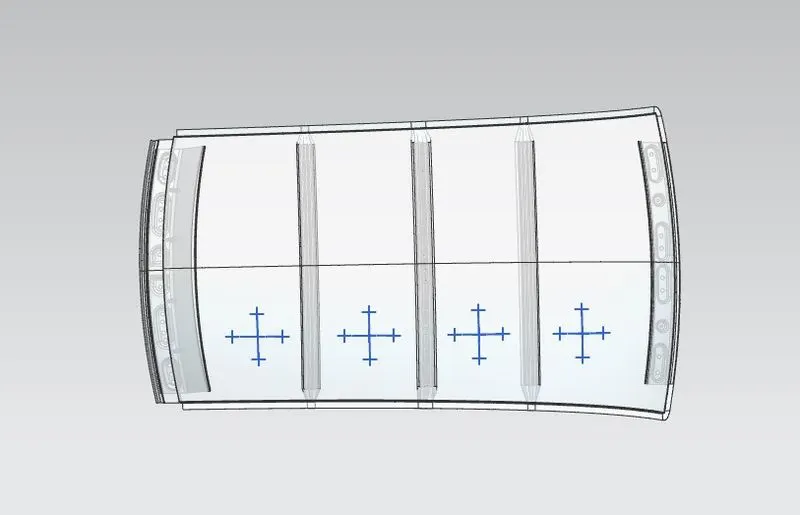
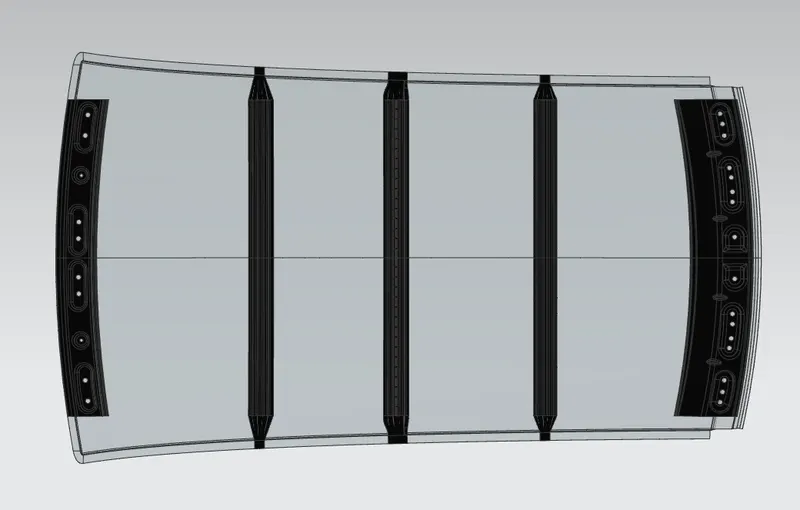
BOW ROOF 1 :
- bow roof used to add support and strengthening on linear curvature area.
- its based on roof length increase lenght to increase quantites of bow roof.
- small cars not have bow roof .
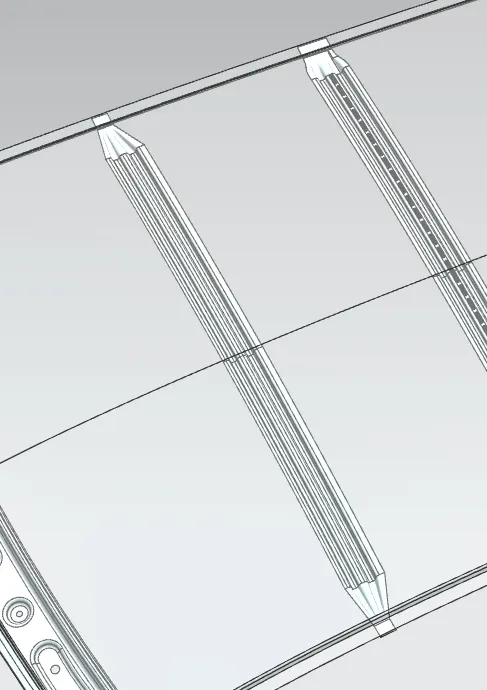
BOW ROOF
CENTER ROOF RAIL:
It is created at the centre of the roof. It is connected to the roof by mastic seal.
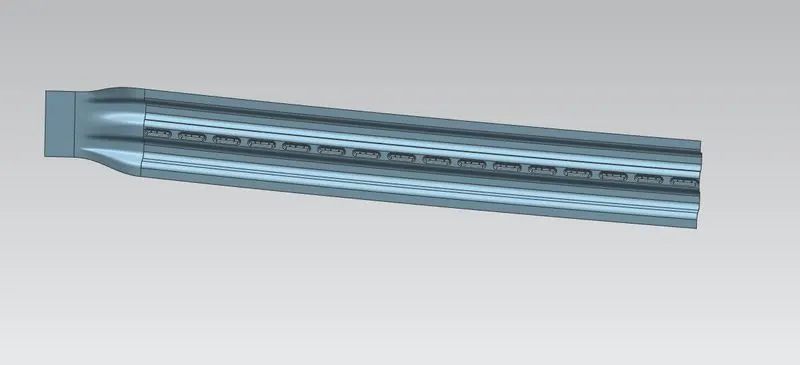
CENTER ROOF RAIL
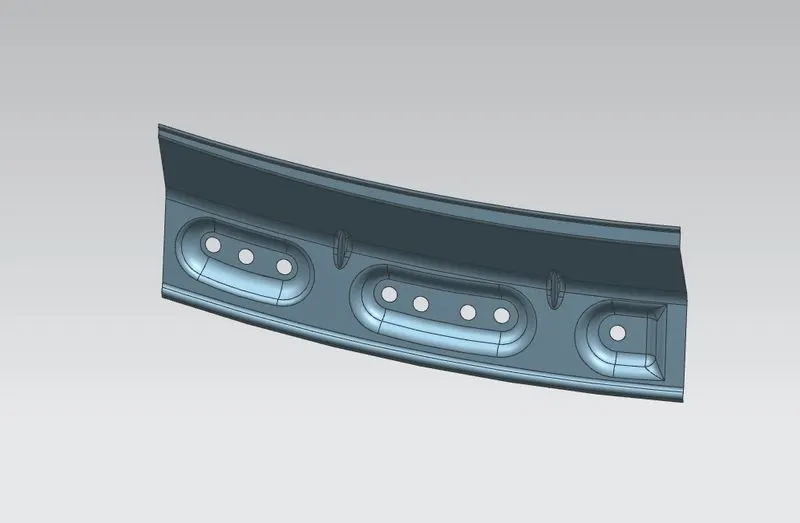
REAR ROOF RAIL :
It is created at the rear end of the roof. The fitment of the backdoor is to be considered while designing the rear roof rail.
REAR ROOF RAIL
Bow–Roof Prediction Formula
W = [1.73 x 10^(-3) x L] + [1.85 x 10^(-8) x (R^2)/t] + [ 1.10x10^(-3) x l] - 2.68
Where,
L = Roof Length in X-Direction[mm](Roof dimension in 0-Y)
R = Roof curvature
R = 2(Rx*Ry)/(Rx+Ry)
Rx = X curvature
Ry = Y curvature
t = Roof plate thickness [mm]
l = Bow Roof Span [mm]
Judgment Condition
OK< 2.7
| L | Rx | Ry | R | t | l | W | Judgment Condition | RESULT |
| 2139.9584 | 3366.401054 | 14214.24903 | 0.236832846 | 0.75 | 405.9257 | 1.468646303 | OK< 2.7 | PASS |
| 2139.9584 | 4029.420205 | 10300.83912 | 0.391173977 | 0.75 | 397.9066 | 1.461555296 | OK< 2.7 | PASS |
| 2139.9584 | 4900.91987 | 6612.22667 | 0.741190542 | 0.75 | 334.6825 | 1.393738796 | OK< 2.7 | PASS |
| 2139.9584 | 5736.291952 | 3286.583783 | 1.74536611 | 0.75 | 464.0541 | 1.537777617 | OK< 2.7 | PASS |
SNOW LOAD PREDICTION
Snow Load Prediction Formula
Qr = [Iy x t2] / [α x s x [(Rx + Ry)/2]2 x 10-8]
Note: The Qr value given over here is correct. There was a typo error in the formula given in the video.
Where,
α = My x Lx2 x 10-12 , My = Y(Ly-Y)
t = Roof plate thickness [mm]
Ly = Distance between the front and rear roof Rails on the Vehicle along with 0Y[mm]
Length of Roof panel with the center point between Roof rail Front /Rear as the front and rear reference point.
Lx = Distance between the Left and Right end of the roof on the Roof BOW [mm]
The width of the roof panel is exposed on the surface.
Y = Distance front Front Roof Rail to Roof BOW[mm]
s = Distance for which Roof BOW bears divided load [mm]
s = L1/2 + L2/2
Iy = Geometrical moment of inertia of Roof BOW (Y cross-section )[mm4]
Rx = Lateral direction curvature radius of roof panel Y cross-section on Roof BOW [mm]
Roof panel curvature Radius of the Length Lx in Front view
Ry = Longitudinal Direction curvature radius of the Roof panel X cross-section on Roof BOW [mm]
Roof panel X curvature radius of length s in Side view
Judgment condition
Qr ≥ 3.1
250 ≤ s ≤ 380
| LY | t2 | α | S | Rx | Ry | Qr | |||
| 1958.3238 | 0.5625 | 0.995229868 | 487.809 | 4025.502206 | 3133.099397 | 77.1048 | Qr ≥ 3.1 | OK | |
| 1958.3238 | 0.5625 | 1.286036429 | 432.6147 | 3700.537084 | 6277.122565 | 9.58496 | Qr ≥ 3.1 | OK | |
| 1958.3238 | 0.5625 | 0.841886023 | 497.43055 | 4188.582057 | 10406.40037 | 6.10507 | Qr ≥ 3.1 | OK | |
| 1958.3238 | 0.5625 | 0 | 0 | 4114.81775 | 15314.16219 | 0 | Qr ≥ 3.1 | - |
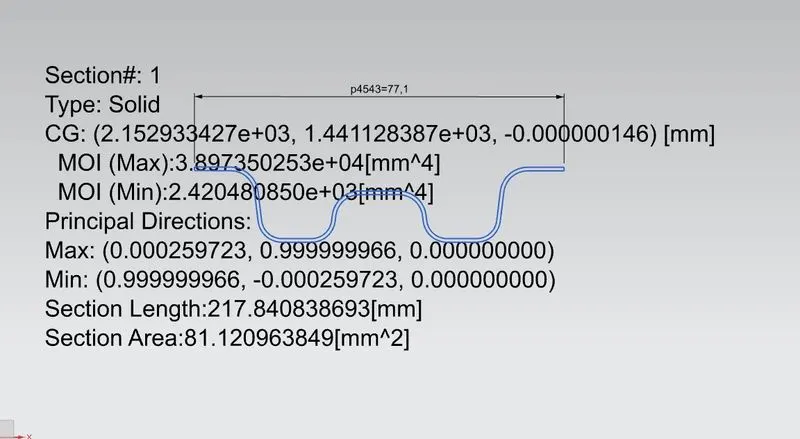
section modulus :
BOW ROOF 1 :
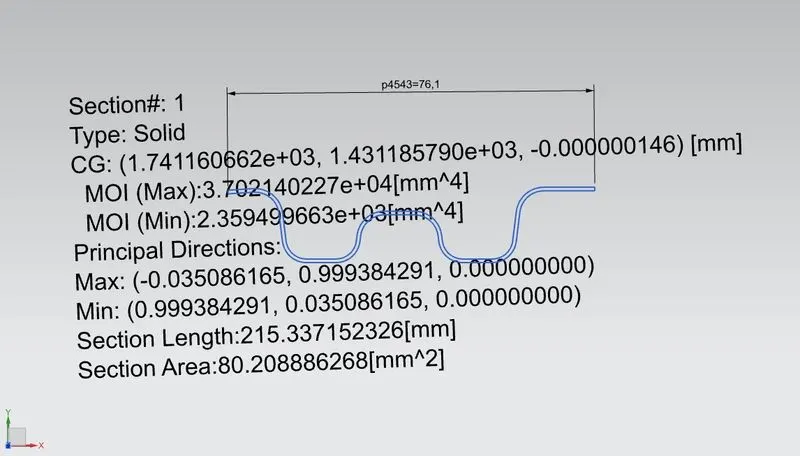
BOW ROOF 2 :
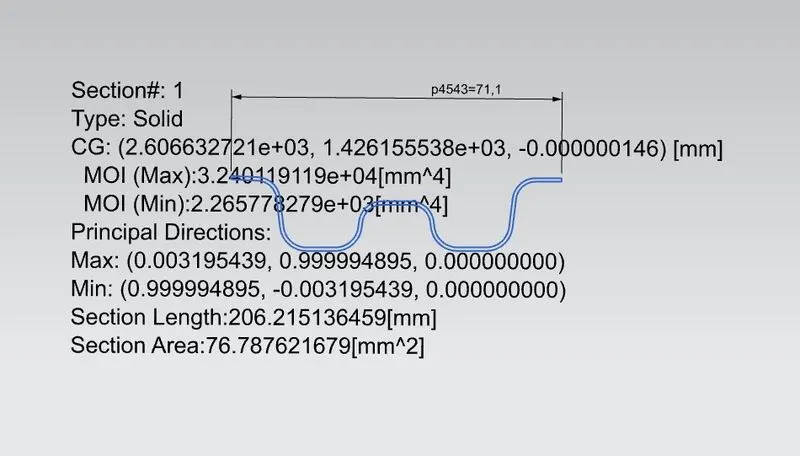
CENTER ROOF :
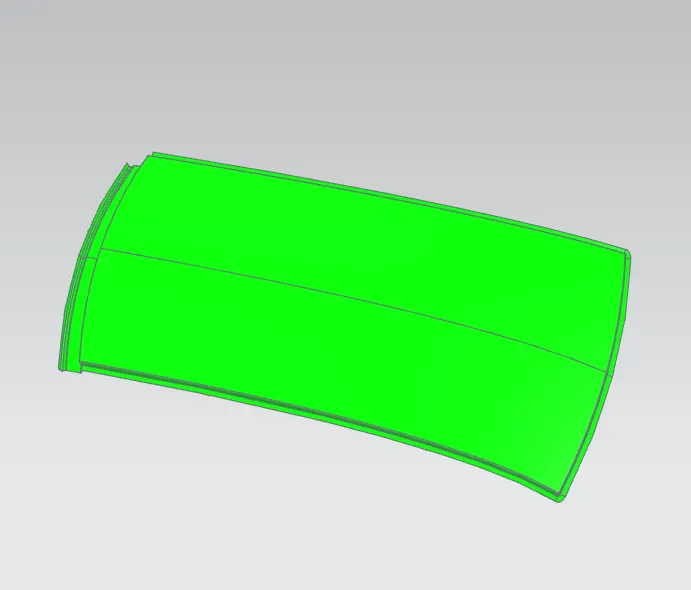
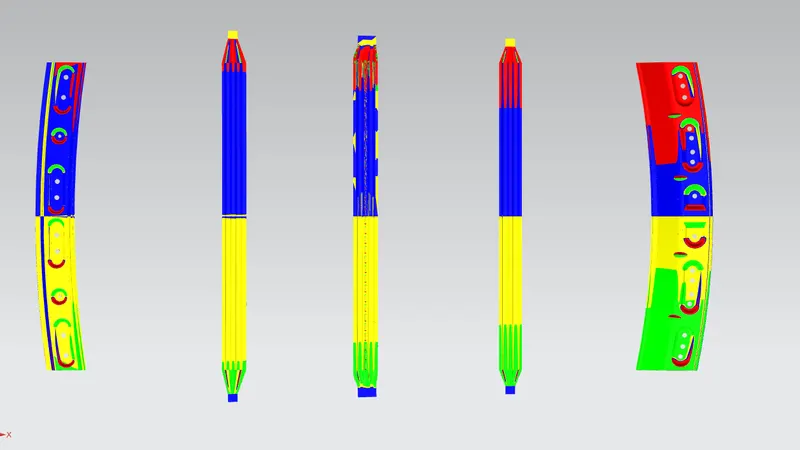
DRAFT ANALYSIS
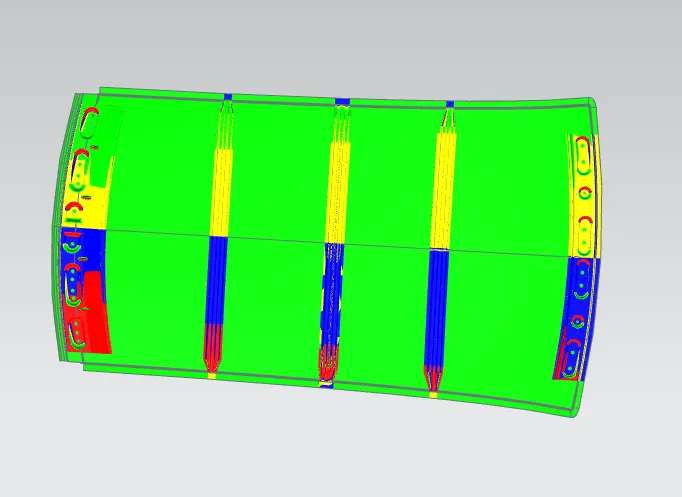
Draft Analysis allows the user to easily analyze a part for proper draft angle. A Draft Angle describes the amount of taper for molded or cast parts perpendicular to the parting line.
ROOF FORMING PROCESS :
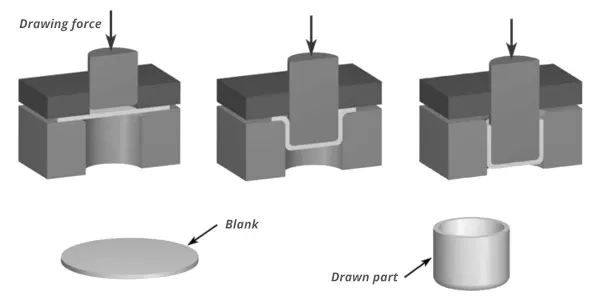
In sheet metal forming, the final shape of a part is made from a flat metal sheet. The desired shape is achieved through plastic deformation, without undergoing any machining like milling. Sheet metal forming is used in almost every sector of industrial production, like the automotive industry, the aircraft industry, the home appliance industry, the food industry etc.
SPOT WELDING:
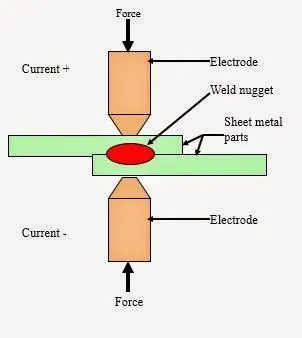
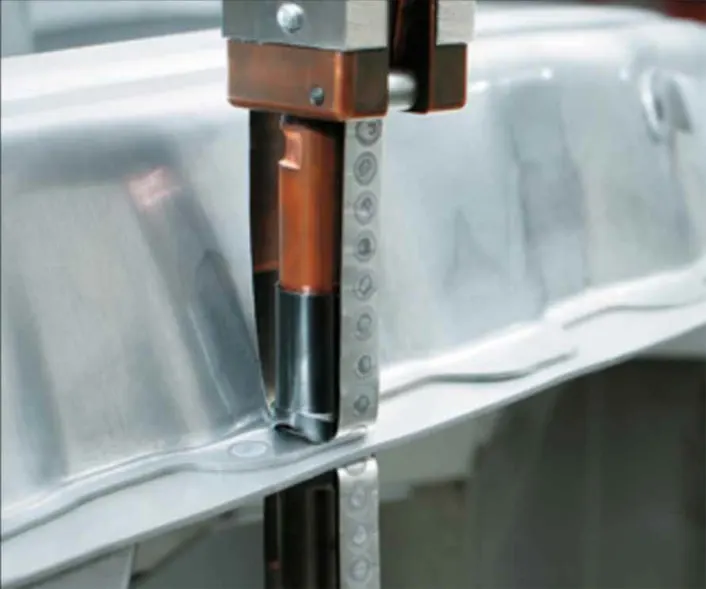
Spot welding (also known as resistance spot welding) is a resistance welding process. This welding process is used primarily for welding two or more metal sheets together by applying pressure and heat from an electric current to the weld area.
MASTIC SEAL :
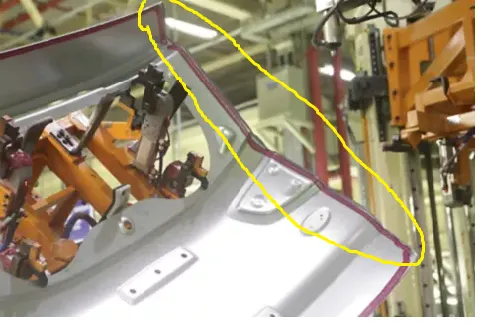
Sealant is the elastic filling compound used for the water-proof or other purposes applied to the welded or joint area between the structures including auto body, construction and civil work vehicles, agricultural vehicles and switchboards.
In the case of auto body fabrication, Sealant is applied to the chinks and seams of trunk lid, bonnet and door or steel plate so that it can prevent such auto parts from rusting by water penetration. Above all, auto body components are required to be compliant to movement since those parts should extremely swell, shrink and move as the car runs under severe surrounding conditions.
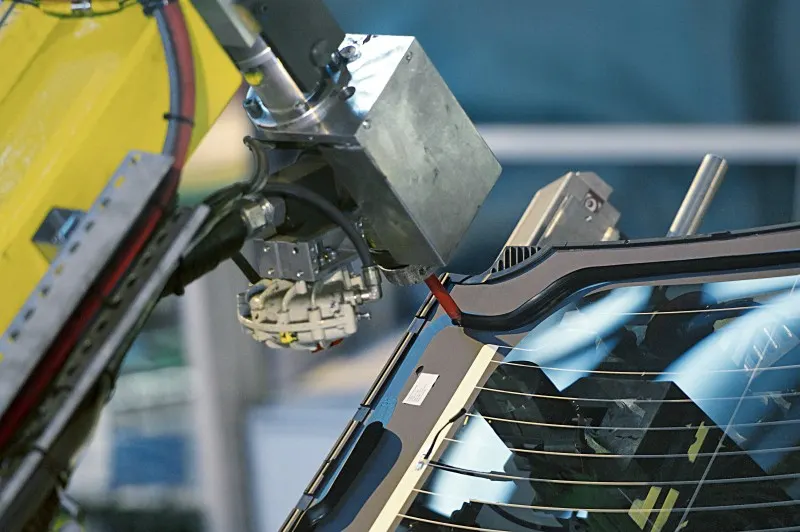
wind sheld :
Glass
A front windshield is made of glass. The material that covers the windshield is laminated to protect it from the elements. There are three layers of glass in a windshield. The middle layer of glass is made of polyvinyl, which acts as glue. The windshield is only made of glass on the front of a car for the safety of the driver and passengers. A car’s front windshield must protect its passengers from debris or other objects while they are driving.
To make a front windshield, the first step is to prepare the ingredients. Silicon dioxide, also known as silica, comprises approximately 60 percent of the glass used in front windshields. Other ingredients, such as soda ash and dolomite, are added to lower the melting point of the glass. The next step is to heat the glass mixture to a specific temperature. The glass then undergoes a shaping process to create a windshield that fits the car’s design.
Laminated glass
Modern cars are built with front windshields made from safety glass that is precisely installed to a special lamination process, the windshield is even more resistant to shattering than older models. Laminated glass is made of two layers of glass separated by a thin plastic interlayer. Objects that hit the windshield will cause the outer layer to suffer the most damage. Because of this, the glass will not fly apart even if the car is involved in a violent collision.
Many car manufacturers have shifted back to using laminated glass on front and side windows. Luxury cars like the Mercedes S-Class and the Audi A8 have a full set of laminated glass as standard, and the Audi A6 is available in Europe. Similarly, Lincoln and Chrysler now offer laminated glass side windows. Although the car companies are still reluctant to share their glazing design documents with the public, many of them are recognizing the safety benefits of laminated glass.
Tempered glass
The front windshield is often composed of tempered glass, a type of insulating material that is four to five times stronger than the glass used in regular windows. Moreover, tempered glass is also harder to break than conventional glass, making it ideal for car windows. Tempered glass is also used in rear and side-window replacements. Its inherent properties make it highly resistant to shards of glass, and it has a longer life span than other types of glass.
While the front windshield is made of tempered glass, the rear windshield is made of laminated glass. In laminated glass, two pieces of tempered glass are sandwiched together with an inner layer of plastic. The plastic layer, known as poly-vinyl butyral (PVB), prevents the glass from breaking when it is hit. The two pieces of glass are fixed together with adhesives, which help to seal the glass, and provide extra protection.
High-impact polycarbonate
Polycarbonate front windshields can be cut to your specifications. You can choose from standard or scratch-resistant polycarbonate. Screen printing, cold bending, and thermoforming are all options available. Depending on your vehicle, WeProFab can also screen print graphics onto the polycarbonate windshield. The company can also custom form the windshield to meet your specifications. WeProFab also offers a variety of custom-made windshield accessories, including mounting hardware and interior trim kits.
A polycarbonate windshield provides optimal visibility and protection from flying debris and ultraviolet radiation. It also reinforces the vehicle’s structure. Although polycarbonate is an exceptionally lightweight material, it must transmit a minimum of 70% of light for the vehicle to be allowed on public roads. In addition to protecting passengers from flying debris, a polycarbonate windshield will improve fuel efficiency and improve visibility. Its unique design minimizes harmful UV rays, increasing fuel efficiency.
Acrylic
It not only protects the driver, but also the interior of your vehicle from damage caused by ultraviolet rays. In addition, standard acrylics are lightweight, weighing between 0.365 and 0.49 pounds per square foot. They are also very durable, strong, and can be polished back to a smooth finish.
Acrylic is also known for its durability and 99% UV protection. This material provides clarity and contrast to the artwork, and is shatter-resistant. It is ideal for traveling exhibitions and protecting your most valuable works of art. It’s also scratch-resistant and shatter-resistant. However, don’t get carried away by the price tag. The acrylic version is a good choice if you have an expensive artwork collection, or if you’d like to protect your more expensive pieces from the sun’s rays.