Roof challenge
Develop The Necessary Flanges For The Outer Roof And By Analying Manufacturing Viability, Draft Analysis, Heat Distortion Criteria, And Snowload Analysis To Build An Assembly For The Given Roof Styling.
Introduction:
Car Roof: The area of an automobile that is located above the passenger compartment is known as the car top or roof, and it shields the occupants from the sun, wind, rain, and other environmental factors.The segment of material, typically sheet metal, that makes up a vehicle's roof is called a roof panel.
Types of Car Roofs:
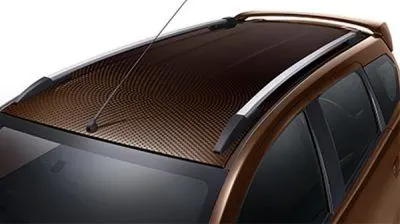
1. Hardtops:The fixed hardtop is a typical automotive roof that works in all climates and conditions. When driving, it shields passengers from the sun and wind. Additionally, it provides a greater sense of seclusion and quieter driving. Additionally, many vehicles with this style of design have roofs that are more substantial and stable than those with other types.
Examples of some Hardtop cars: Toyota Camry, Honda Accord, Mercedes-Benz ML350, ect.
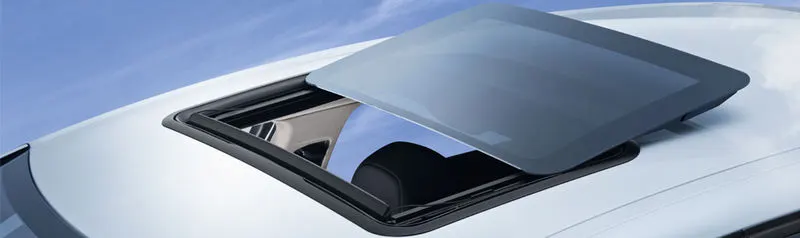
2. Sunroof:A sunroof is a form of retractable roof that enables an opening in the car's roof, such as a window. Air, light, or both may be able to enter the vehicle through it. They can either be manually or mechanically operated.
- Spoiler:
- Panoramic sunroof:
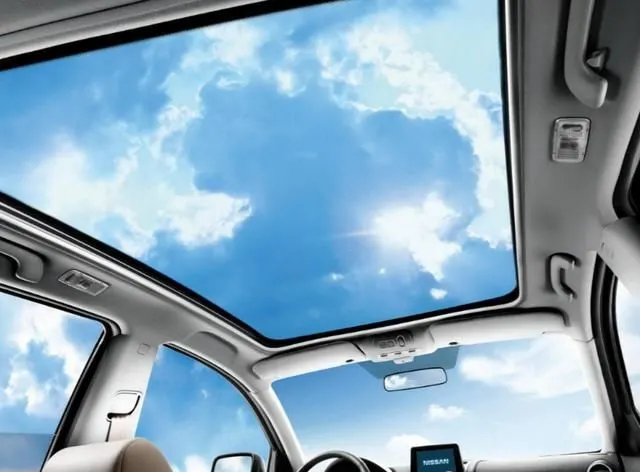
Examples of some Sunroof cars: Honda City, Hyundai Creta, Land Rover Range Rover, ect.
3.Convertibles: Convertibles are passenger vehicles with removable roofs that can be driven either way. They were initially designed as open-air cars with no sides or roofs.
Convertibles come in various varieties depending on how they are made and what materials they are made of.
- Retractable hardtops:

- Detachable hardtops:
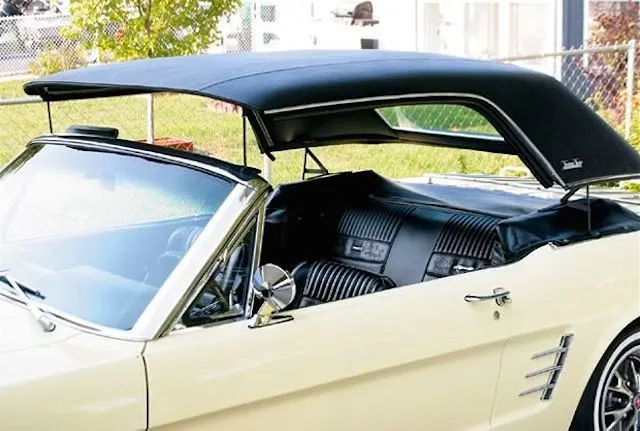
- Soft tops:
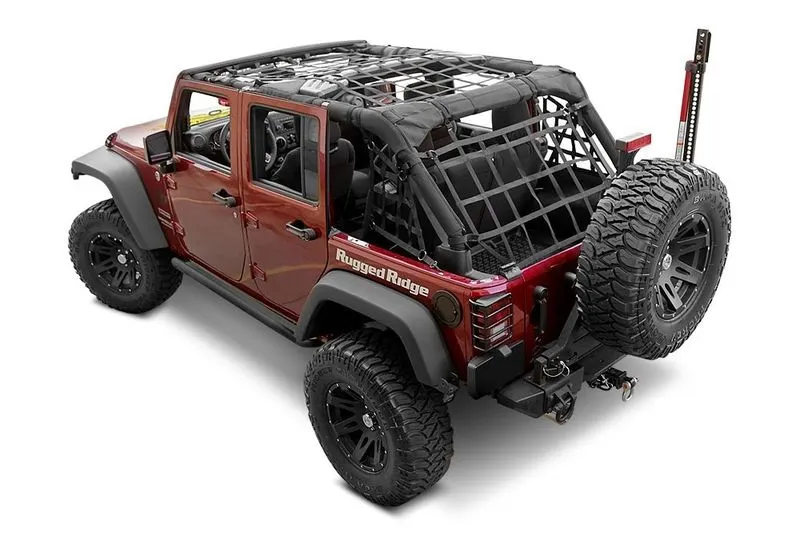
Examples of some Convertibles cars: Mercedes-Benz E-Class Cabriolet, Audi A3 Cabriolet, ect.
Essential Parts In Roof Assembly:
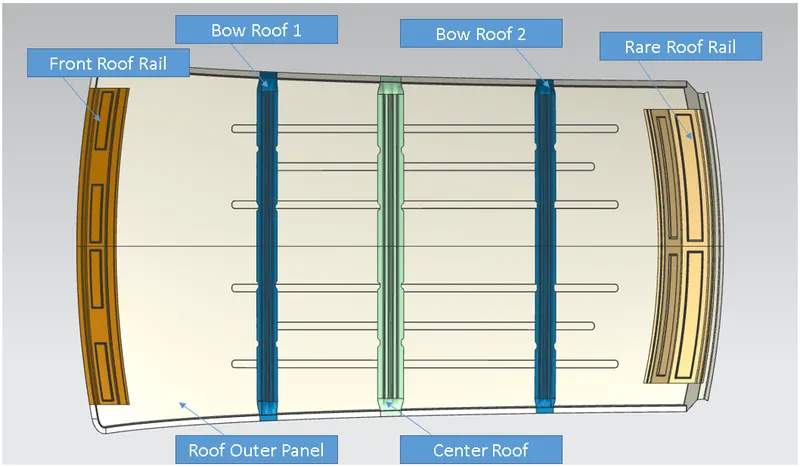
- Outer panel: The styling component of the roof.
- Front Roof Rail: This is situated toward the front of the roof, as its name suggests. The front roof rail, which joins the roof to the front wind shield. This is designed according the master section provided.
- Rear Roof Rail: The rear roof rail is found on the roof's rare. It serves as the back door's hinge point.
- Bow Roofs:Bow roofs serve as structural elements that increase the strength of the outer roof panel.
- Center Roof: This particular style of bow roof supports the centre portion of the roof. Adhesives, typically at mastic locations, are used to attach this to the roof.
Roof Test:
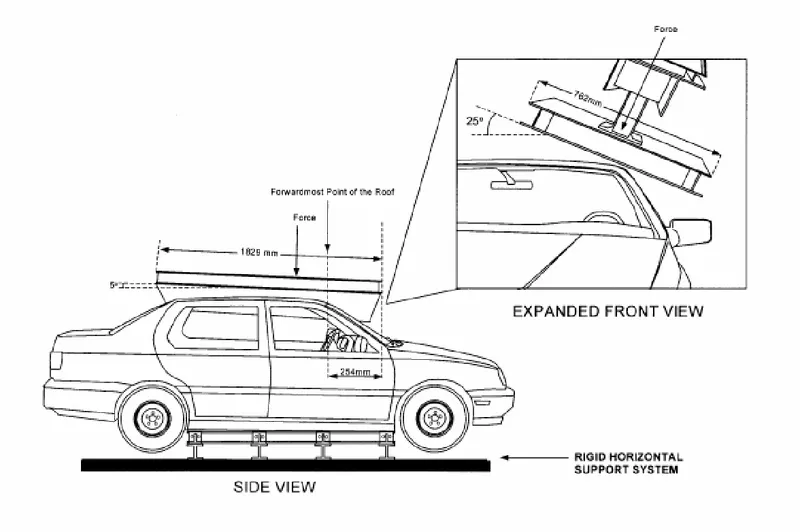
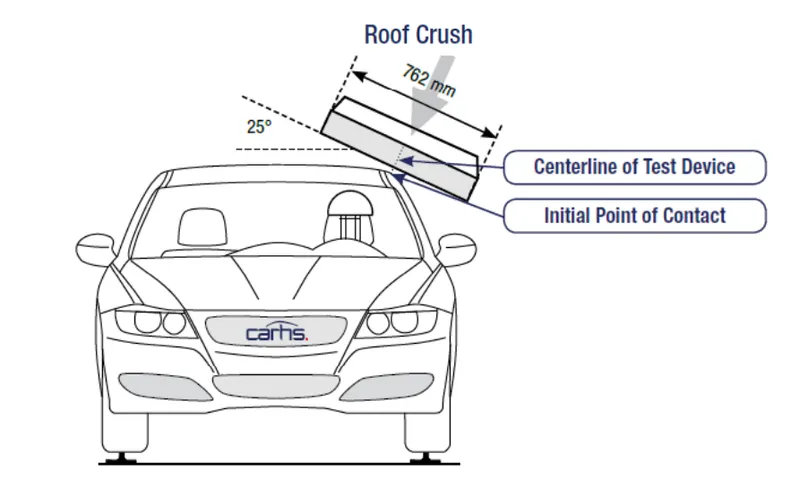
Roll Over Test On Roof
- The Insurance Institute for Highway Safety administers the rollover test ( IIHS). The IIHS has adjusted several rules regarding how to conduct the test after studying numerous accidents.
- The speed at which a car may regain its former shape following a rollover and the depth of a protrusion are the two factors that determine an IIHS rating.
- The reduction of the roof's protrusion is the goal of this test.
- While carrying out this exam, two requirements must be met. The first is to correctly lock all of the car's doors, and the second is to roll up all of the windows.
Additionally, the chassis must be fixed horizontally on the firm lever surface. - Only the BIW Body will be tested.
Challange:
Aim: For the Given Roof styling, create an assembly by developing the essential flanges for the outer roof and creating the reinforcements.
Objective:
- To Design Front Roof Rail
- To Design Rear Roof Rail
- To Design Center Roof
- To Design Bow Roofs
- To Design Roof Outer Panel Flange
- Draft Analysis
- Head Distortion and Snow Load calculation
Design Considerations:
- All sheet metal components are 0.75 mm thick.
- In areas where mastics are used for adhesion, there should be a 5 mm clearance between the outer roof rail and the front, rear, bow roof, and the reinforcement centre.
- All faces must have a minimum draft angle of 7 degrees.
- There shouldn't be any sharp edges and all the edges should have fillets.
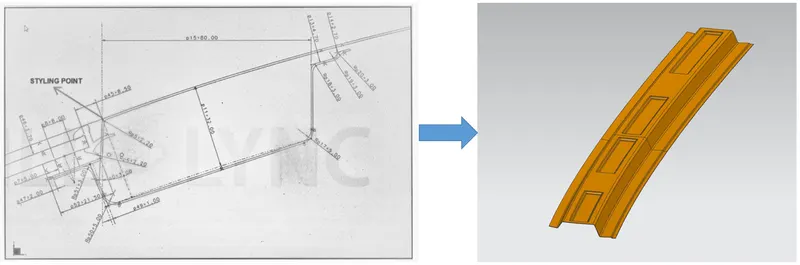
Design Front Roof Rail:
- Front roof rail has been designed using the provided master section and dimensions.
- The master section and thicked front roof rail is shown in the figure below.
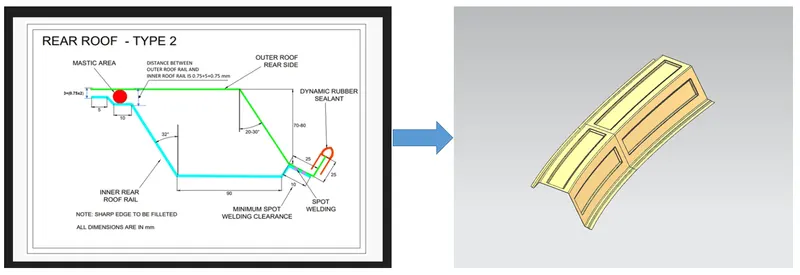
Design Rear Roof Rail:
- Rare roof rail has been designed using the provided master section and dimensions.
- The master section and thicked rare roof rail is shown in the figure below.
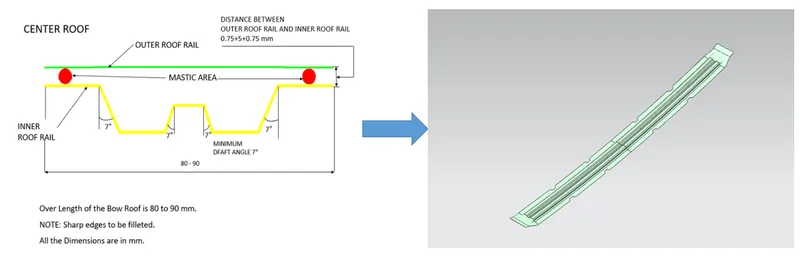
Design Center Roof:
- Center roof has been designed using the provided master section and dimensions.
- The master section and thicked center roof is shown in the figure below.
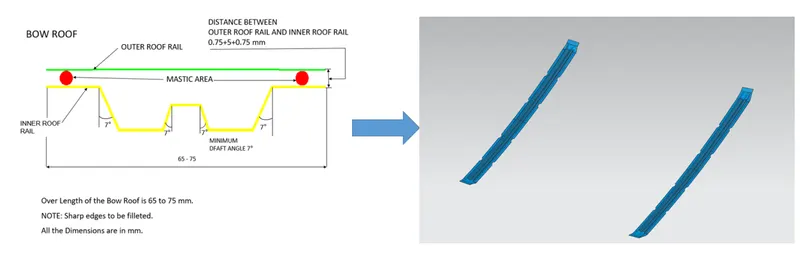
Design Bow Roofs:
- Bow roof has been designed using the provided master section and dimensions.
- The master section and thicked Bow roof is shown in the figure below.
Design Roof Outer Panel Flange:
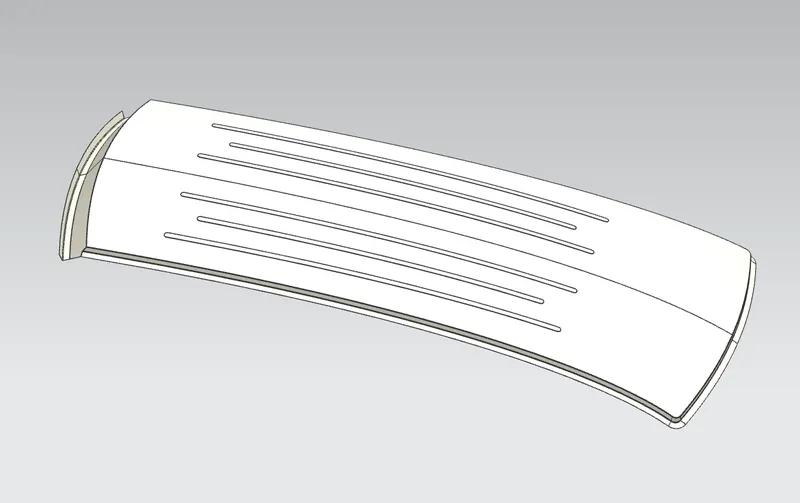
- To connect the side, front, and rear of the automobile roof with the main body, necessary flanges have been made for the roof outer panel.
- Thicked Outer roof panel with flanges is shown in the figure below.
Draft Analysis:
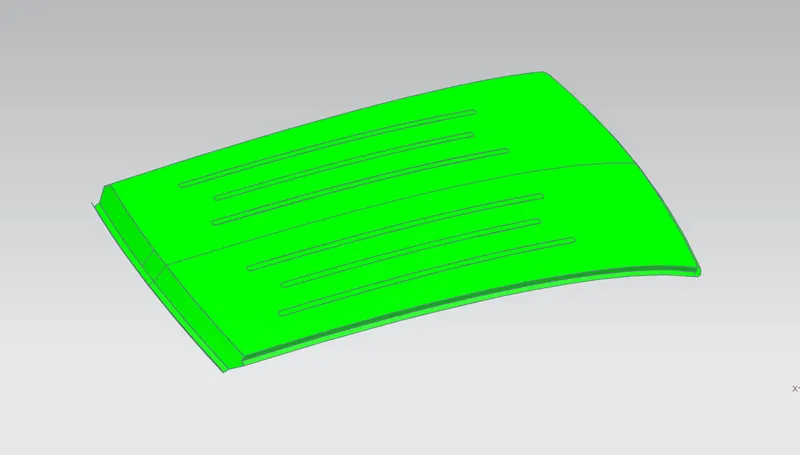
- With a minimum daft angle of 7 degrees, all of the components of roof assembly faces passed the analysis.
Outer Roof Pane:
Front Roof Rail:
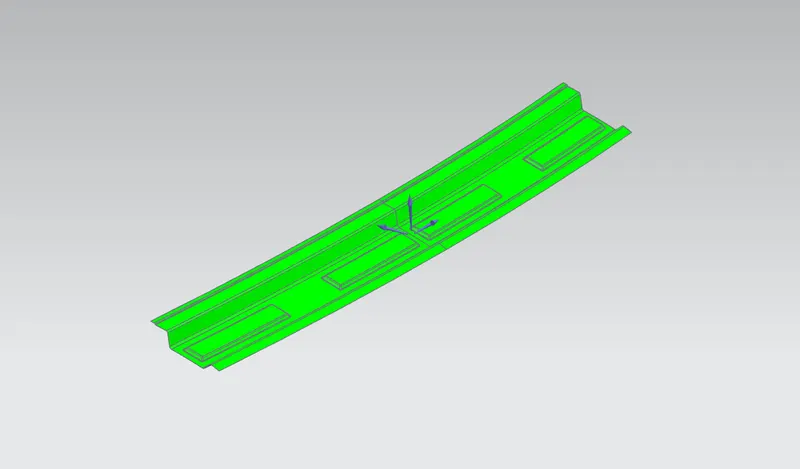
Rare Roof Rail:
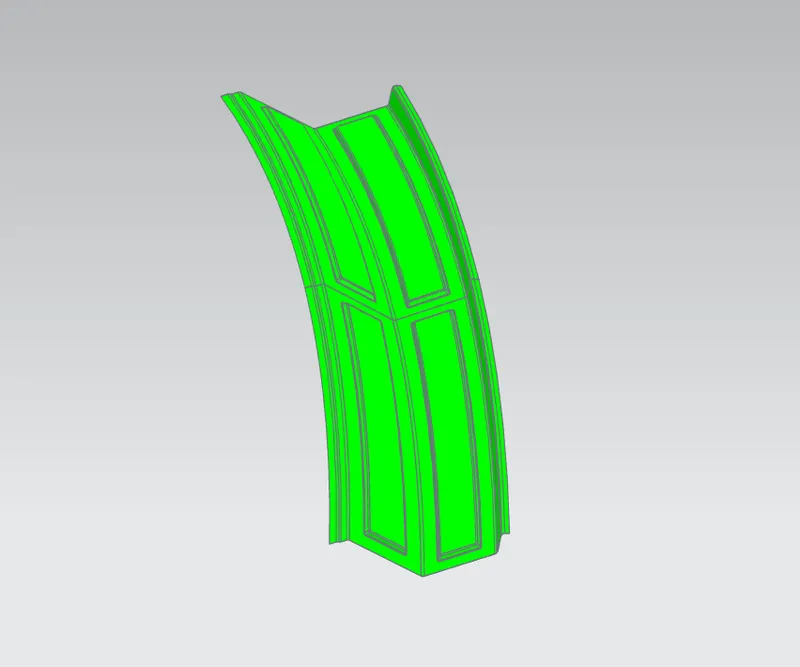
Center Roof:
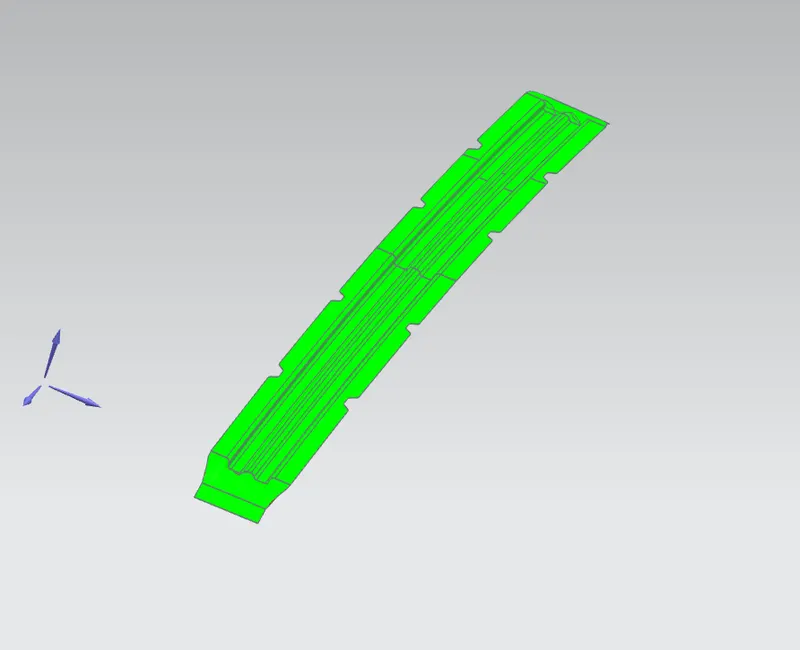
Bow Roof 1:
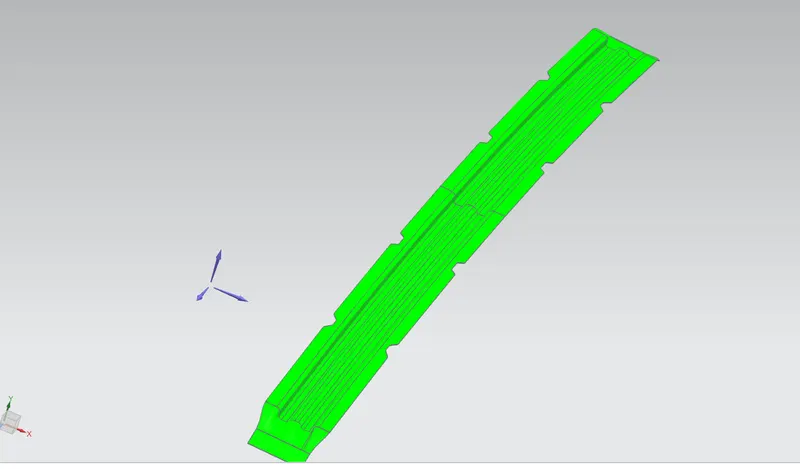
Bow Roof 2:
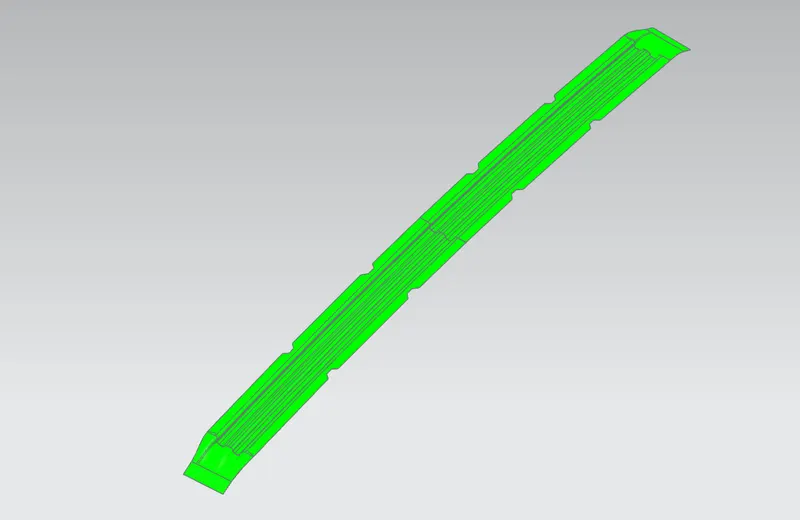
Heat Distortion Analysis:
- The strength of the roof panel is significantly influenced by heat distortion analysis.
- The material begins to soften when exposed to a fixed load at an increasing temperature, and this study is used to forecast the heat distortion temperature at which this happens.
- By altering the position of bow roofs, the heat distortion temperature can be recalculated using the trial-and-error method to prevent any bending or damage to the roof. This allows it to fall within the range that is depicted below.
Bow–Roof Prediction Formula
W = [1.73 x 10^(-3) x L] + [1.85 x 10^(-8) x (R^2)/t] + [ 1.10x10^(-3) x l] - 2.68
Where,
L = Roof Length in X-Direction[mm](Roof dimension in 0-Y)
R = Roof curvature
R = 2(Rx*Ry)/(Rx+Ry)
Rx = X curvature
Ry = Y curvature
t = Roof plate thickness [mm]
l = Bow Roof Span [mm]
Judgment Condition
OK< 2.7
Calculation:
The roof assembly depicted in the images below is where the offset line and points are created.
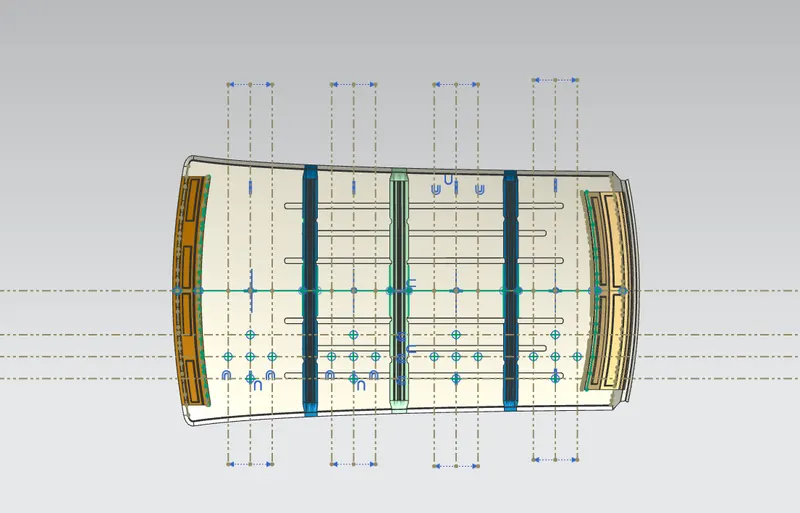
Local radius on curves shown in below images.
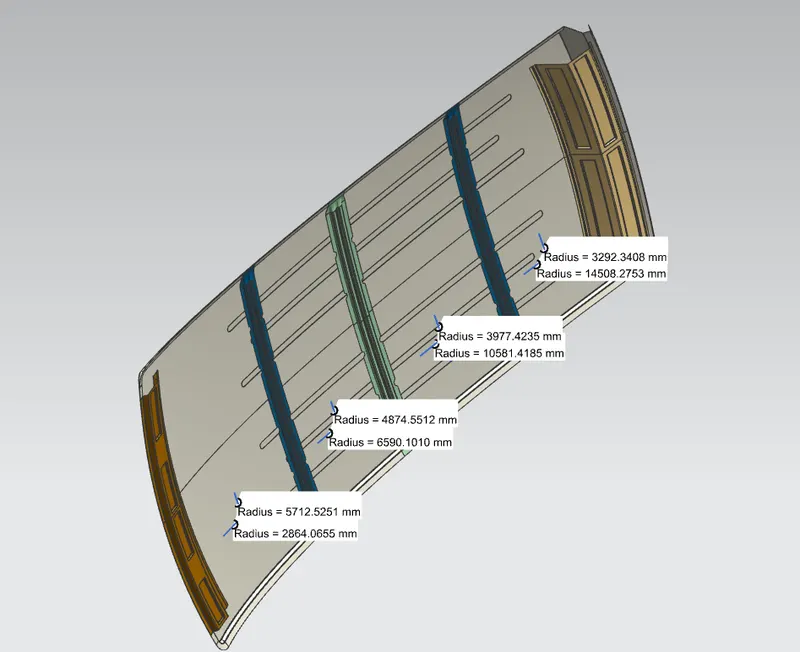
Results shown in below table:

Snowload Analysis:
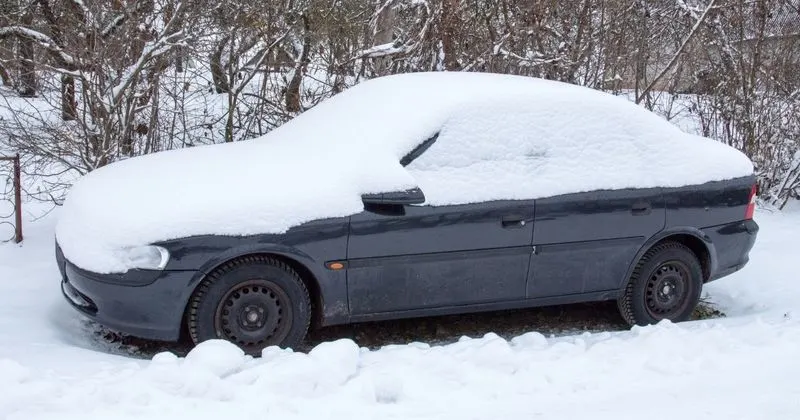
- The purpose of this analysis is to determine the roof's strength under the influence of snow acting as a load.
- After the snow has been removed, a roof should be constructed so that it will return to its previous shape.
Snow Load Prediction Formula
Qr = [Iy x t2] / [α x s x [(Rx + Ry)/2]2 x 10-8]
Note: The Qr value given over here is correct. There was a typo error in the formula given in the video.
Where,
α = My x Lx2 x 10-12 , My = Y(Ly-Y)
t = Roof plate thickness [mm]
Ly = Distance between the front and rear roof Rails on the Vehicle along with 0Y[mm]
Length of Roof panel with the center point between Roof rail Front /Rear as the front and rear reference point.
Lx = Distance between the Left and Right end of the roof on the Roof BOW [mm]
The width of the roof panel is exposed on the surface.
Y = Distance front Front Roof Rail to Roof BOW[mm]
s = Distance for which Roof BOW bears divided load [mm]
s = L1/2 + L2/2
Iy = Geometrical moment of inertia of Roof BOW (Y cross-section )[mm4]
Rx = Lateral direction curvature radius of roof panel Y cross-section on Roof BOW [mm]
Roof panel curvature Radius of the Length Lx in Front view
Ry = Longitudinal Direction curvature radius of the Roof panel X cross-section on Roof BOW [mm]
Roof panel X curvature radius of length s in Side view
Judgment condition
Qr ≥ 3.1
Calculation:
Iy = Geometrical moment of inertia:
Center Roof MOI:
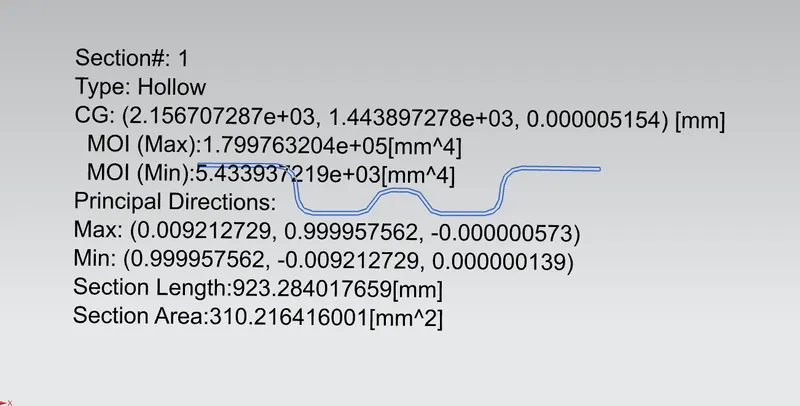
Iy=5433mm^4
Bow Roof 1 MOI:
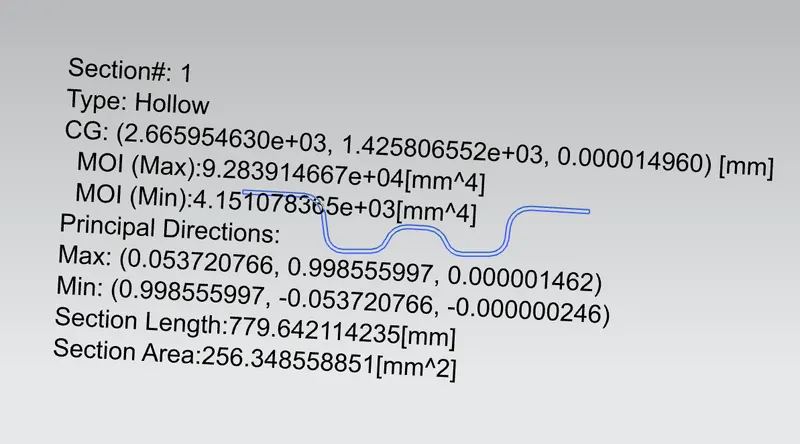
Iy=4151mm^4
Bow Roof 2 MOI:
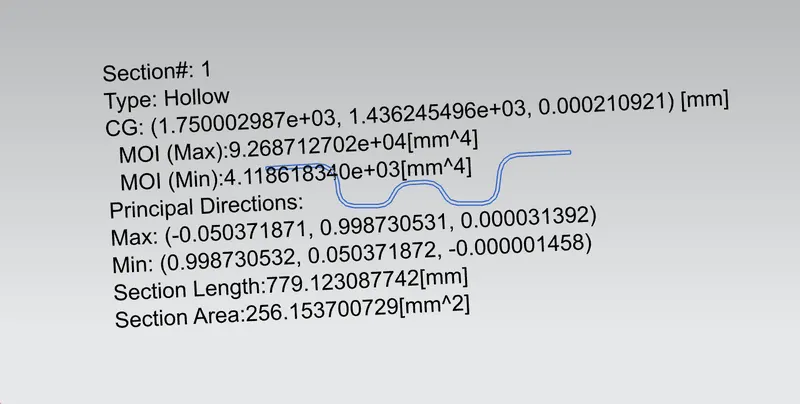
Iy=41186mm^4
The roof assembly depicted in the images below is where the offset line and points are created.
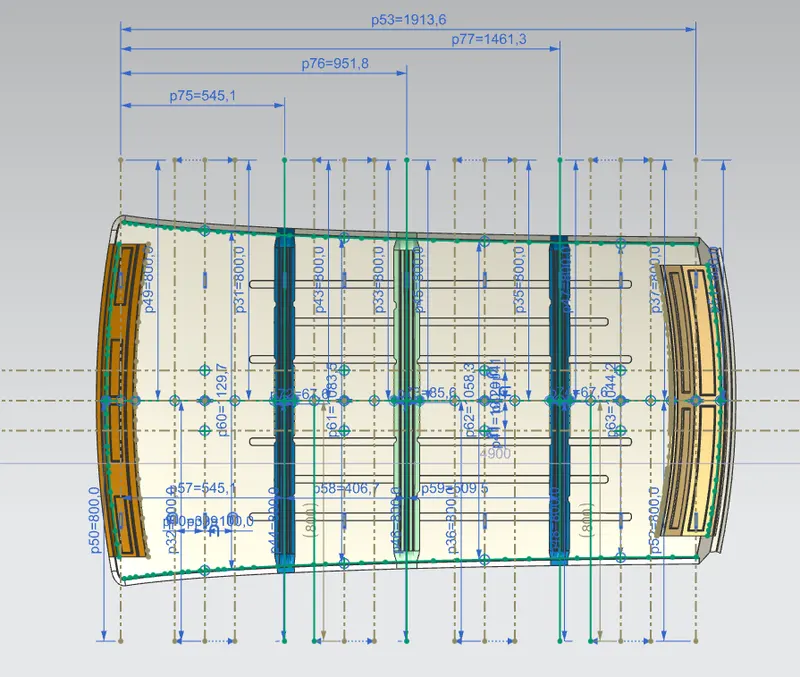
Local radius on curves shown in below images:
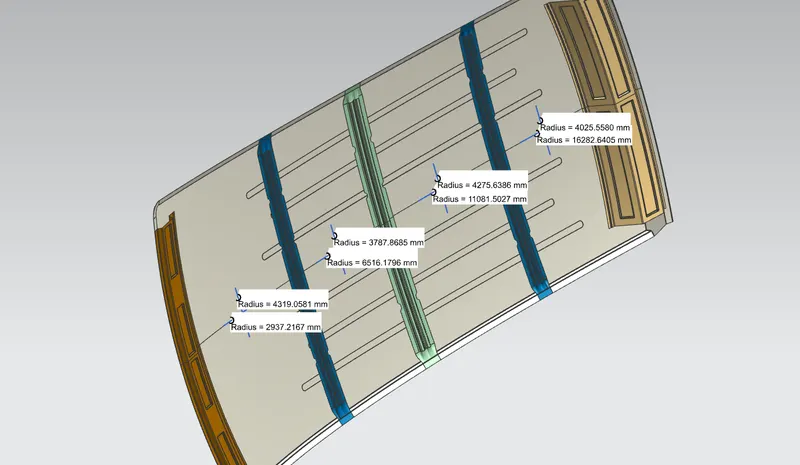
Results shown in below table:

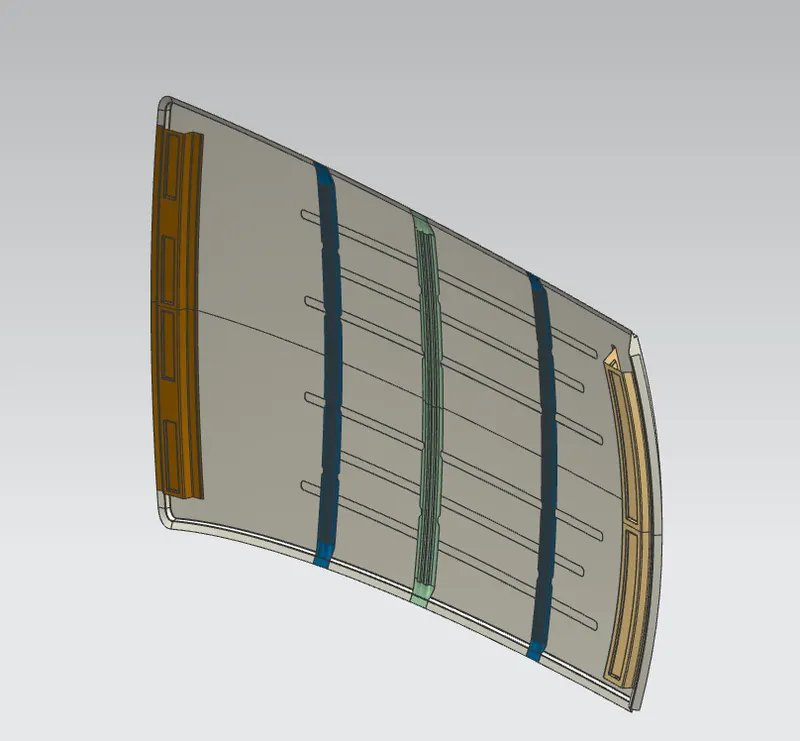
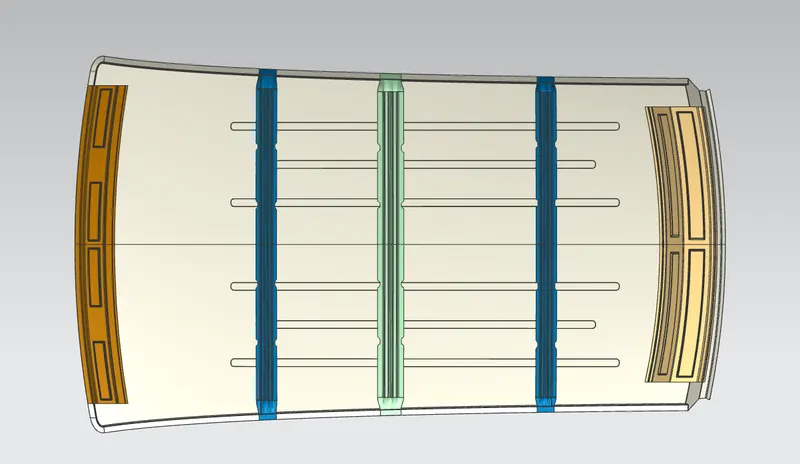
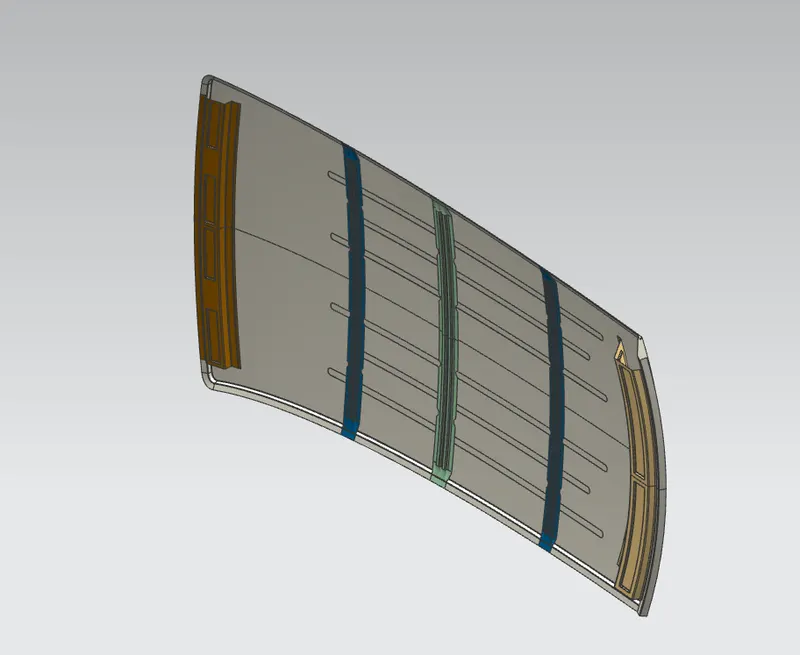
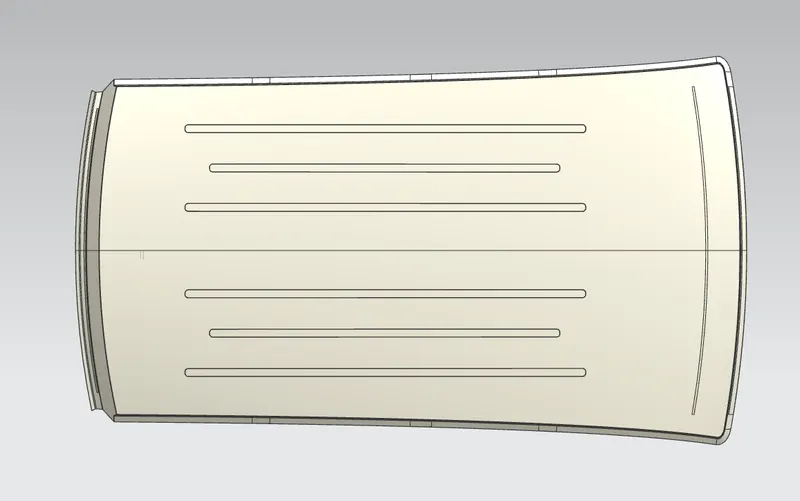
Roof Assembly View:
Conclusion:
From the provided master section, the roof's design was successful and produced positive results for the draft analysis, heat distortion criteria, and the snowload study.