Roof challenge
Roof
The component of an automobile that lies above the passenger compartment and protects the occupants from the sun, wind, rain, and other external elements is known as the roof or car top. Along with stylish aesthetics, there is also involved a lot of engineering behind the design of the roof.
Now, if you are someone who takes long trips in your car regularly, a set of rails might be really useful for you. They come in use when you have an extra load of stuff that the boot just can’t handle. They are also very useful for 7 seater cars. If all the 7 seats are occupied, there is hardly any boot space that can be used. In this case, you can mount a ton of luggage using the roof rails! These also come in handy for the adventurous souls, who like to explore the unexplored roads and camp at off-beat places. You can carry all your camping equipment on the top of your car. Heck, you can even set up a tent on the roof.
If you have a car with a panoramic sunroof, these won’t be of any practical use for you. This is one of the major reasons that even some expensive cars like the Toyota Fortuner and the Innova still don’t get a sunroof.
Design and Functional Requirements for the Roof
While designing of roof following considerations have to be taken into account.
- Visibility Criteria
- Head clearance
- Curvature Study
- Head Distortion and snow load criteria
The rollover test is given by the Insurance Institute of highway safety ( IIHS). After analyzing many accidents IIHS has fixed some regulations about how to perform the test.
Load is applied at 25 degrees tilt when view from the front over the length of 762 mm.
Front Roof Rail Master section Reference Image
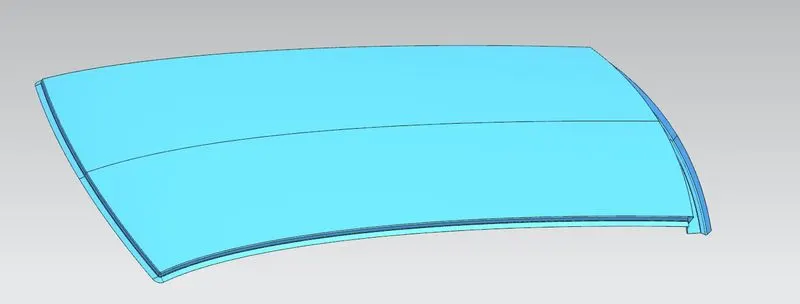
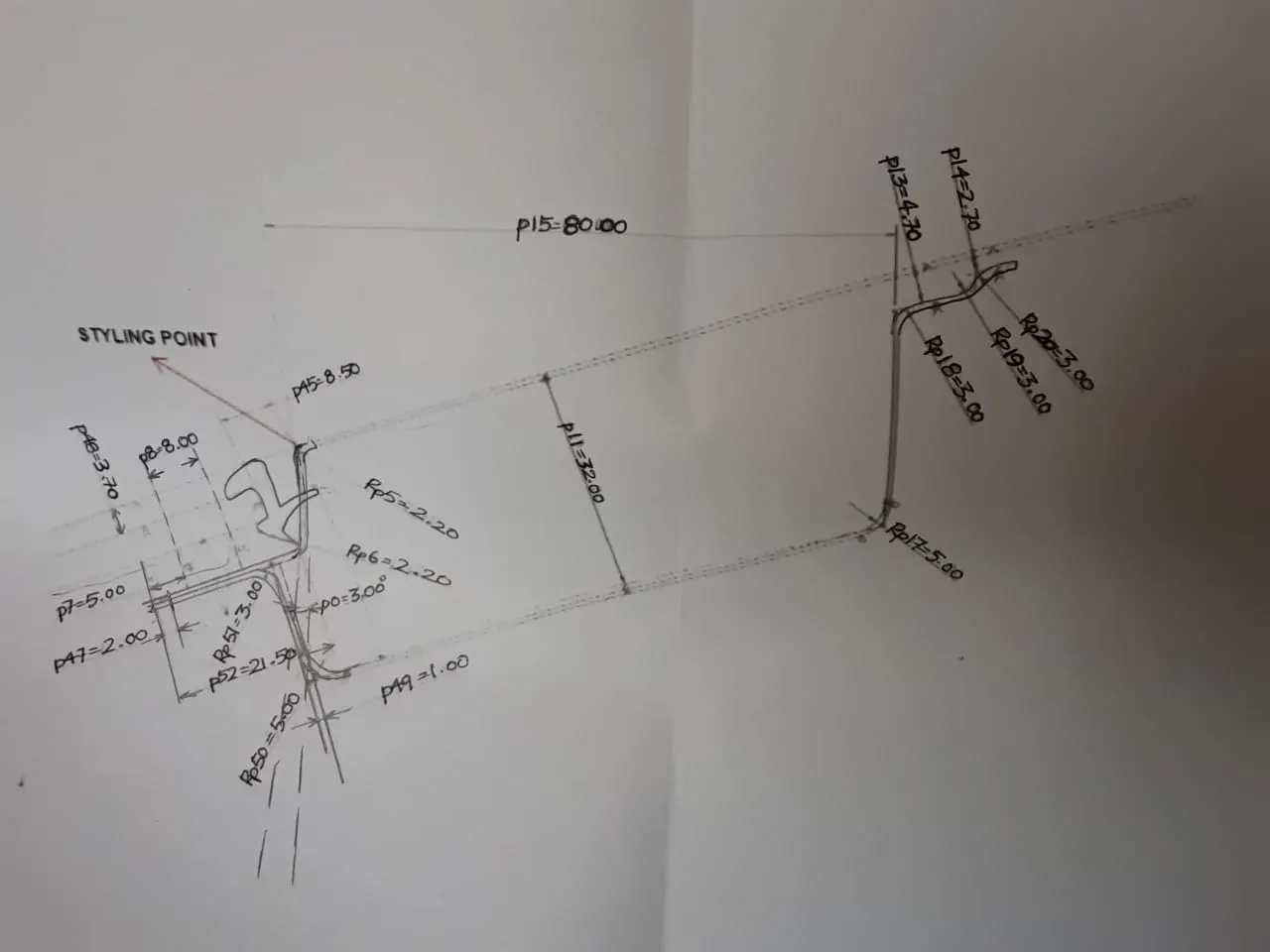
NX CAD design
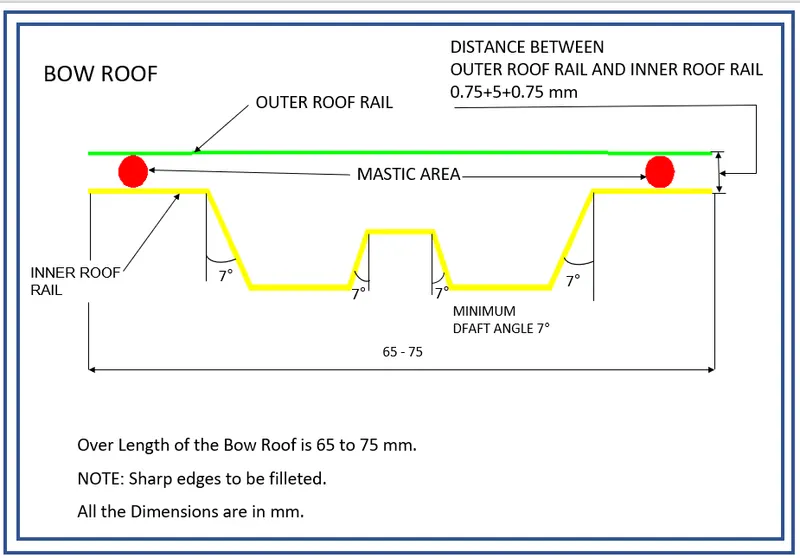
Master section and design considerations of Bow Roof 1 and 2
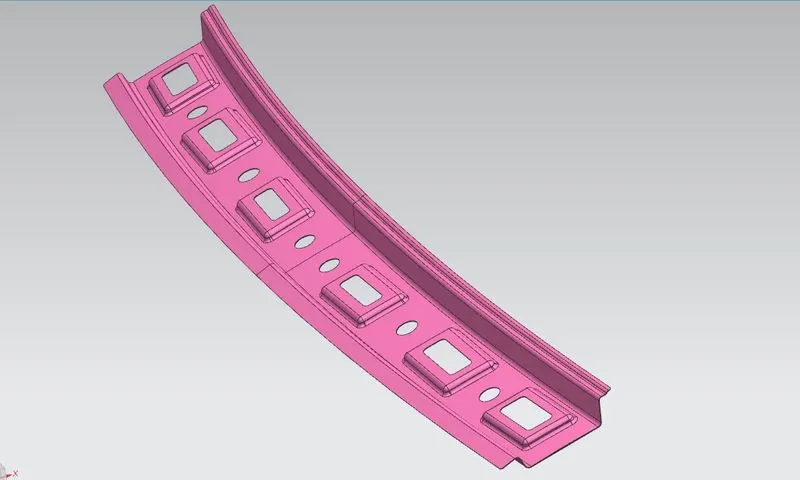
NX cad model
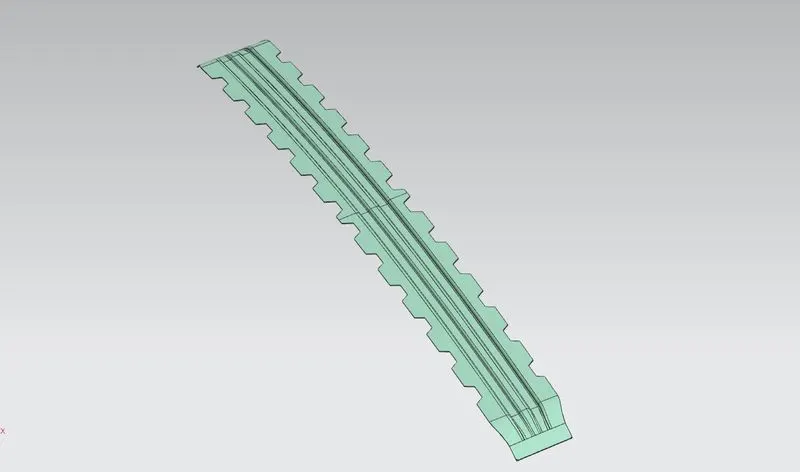
Master section and design considerations of of Center Reinforcement Rail
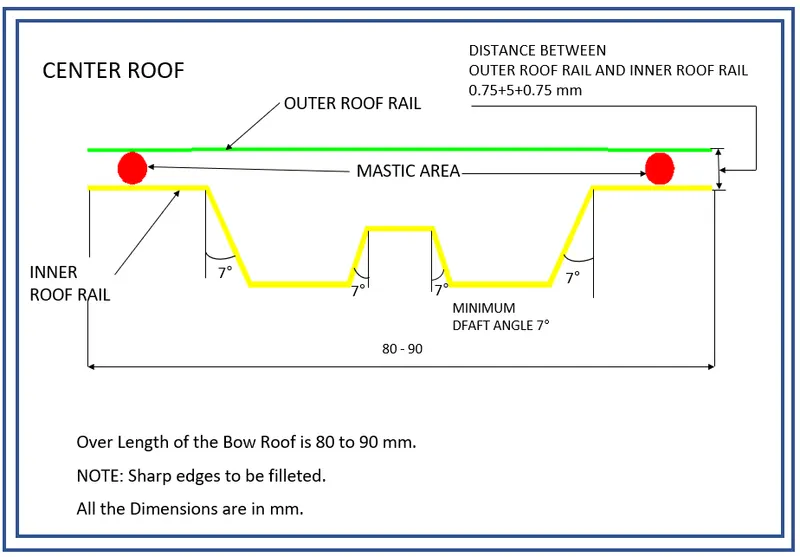
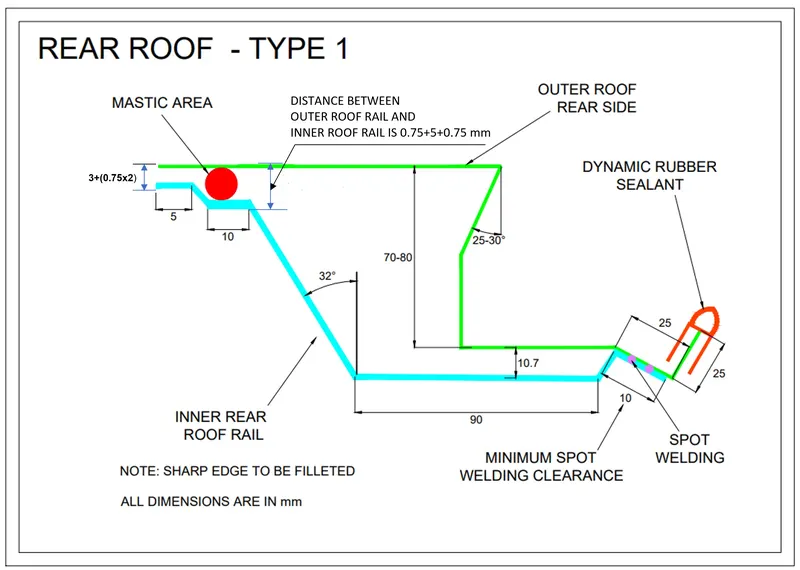
Master section of the Rear Roof Rail
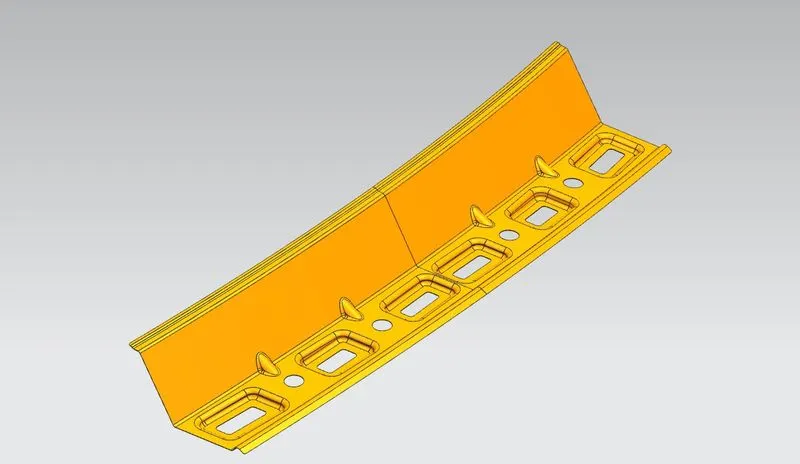
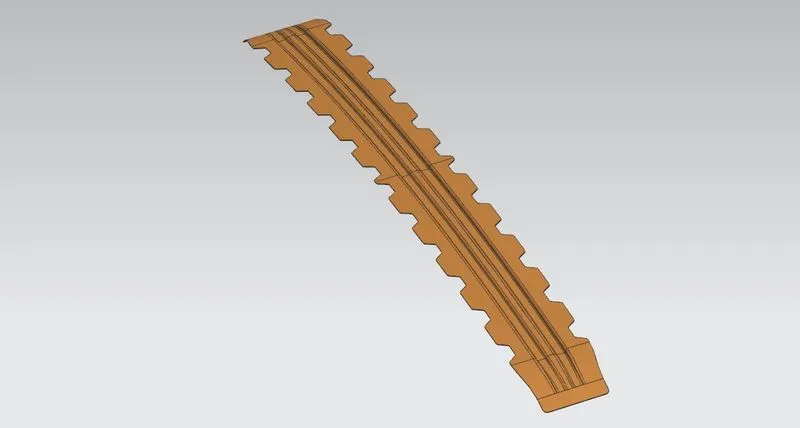
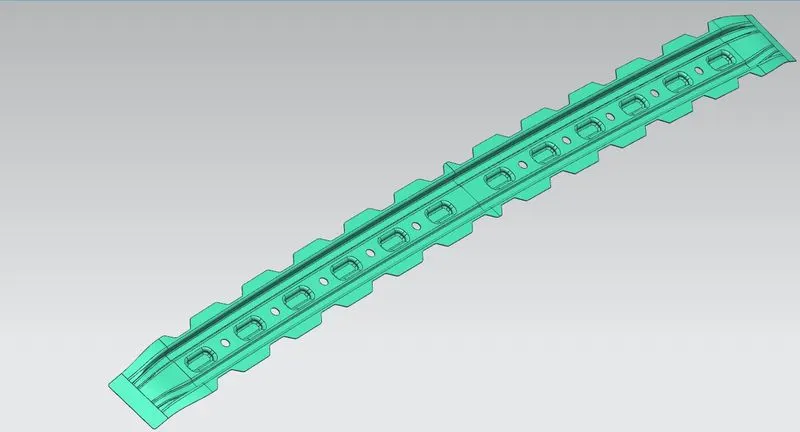
Reinforment for center roof rail
Heat Distortion Analysis
- Heat distortion analysis plays a pivotal role in the strength of the roof panel. It is the temperature above which material cannot be used for structural applications.
- This study is used to predict the heat distortion temperature where the material starts to soften when exposed to a fixed load at elevated temperature.
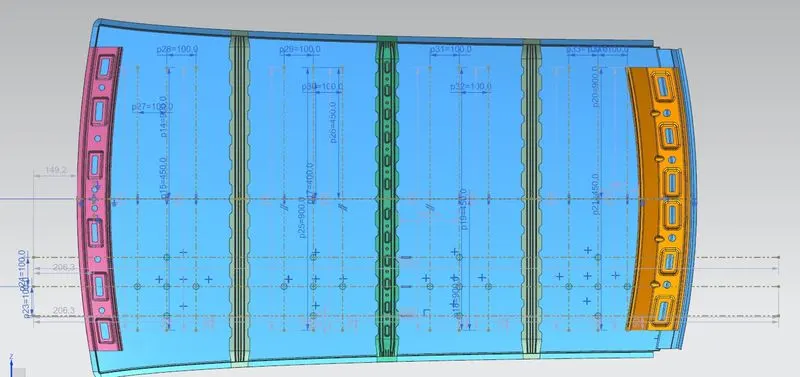
- In order to avoid any bending or damages on the roof, heat distortion temperature can be recalculated using the trial and error method by changing the position of bow roofs. In this way, it can come in the range which is shown below.
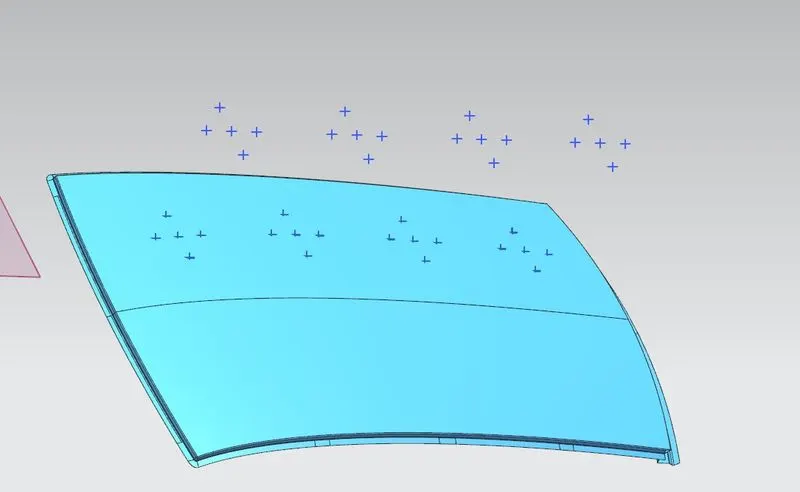
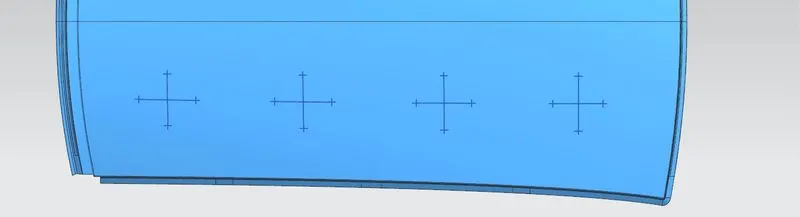
The Rx,Ry and L values were measured from these points and curves.
Formula
W = [1.73 x 10^(-3) x L] + [1.85 x 10^(-8) x (R^2)/t] + [ 1.10x10^(-3) x l] - 2.68
Where,
L = Roof Length in X-Direction[mm](Roof dimension in 0-Y)
R = Roof curvature
R = 2(Rx*Ry)/(Rx+Ry)
Rx = X curvature
Ry = Y curvature
t = Roof plate thickness [mm]
l = Bow Roof Span [mm]
Judgment Condition
OK< 2.7

Moment of inertia for Bow roof rail1
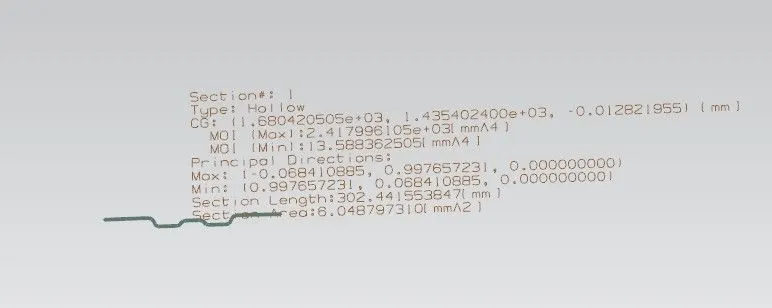
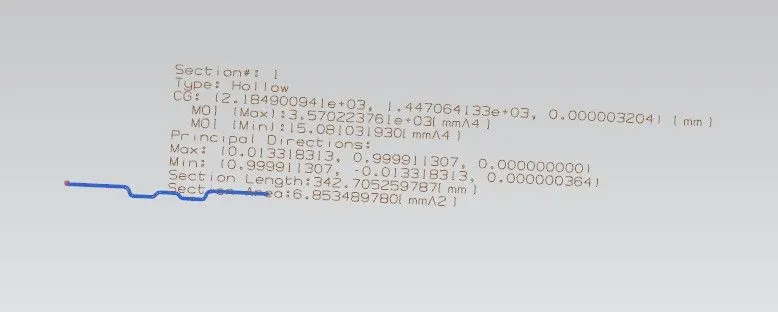
Moment of inertia for Center roof rail
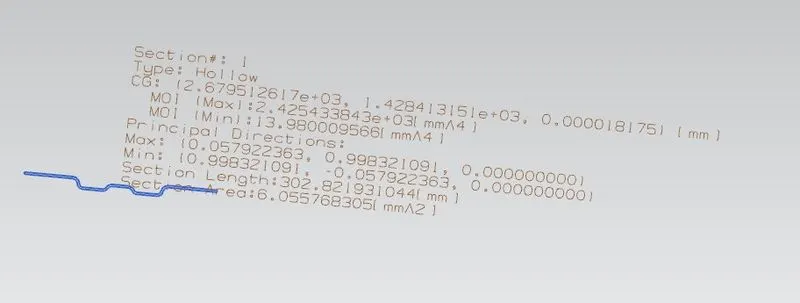
Moment of inertia for Bow roof rail2
Snowload Analysis
- The purpose behind this analysis is to check the strength of the roof when snow is present on it acting as a load.
- A roof should be designed in such a way that it should rebound to its original shape after the removal of snow.
Formula
Qr = [Iy x t2] / [α x s x [(Rx + Ry)/2]2 x 10-8]
Where
α = My x Lx2 x 10-12 , My = Y(Ly-Y)
Judgement condition = Qr ≥ 3.1
250 ≤ s ≤ 380
t = Roof plate thickness [mm]
Ly = Distance between the front and rear roof Rails on the Vehicle along with 0Y[mm]
Length of Roof panel with the center point between Roof rail Front /Rear as the front and rear reference point.
Lx = Distance between the Left and Right end of the roof on the Roof BOW [mm]
Width of the roof panel exposed on the surface.
Y = Distance front Front Roof Rail to Roof BOW[mm]
s = Distance for which Roof BOW bears divided load [mm]
s = L1/2 + L2/2
Iy = Geometrical moment of inertia of Roof BOW (Y cross-section )[mm4]
Rx = Lateral direction curvature radius of roof panel Y cross-section on Roof BOW [mm]
Roof panel curvature Radius of the Length Lx in Front view
Ry = Longitudinal Direction curvature radius of the Roof panel X cross-section on Roof BOW [mm]
Points and curves for snow load analysis
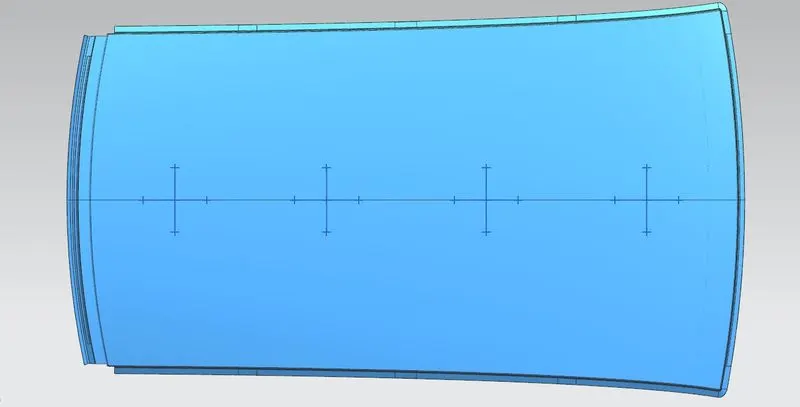
Calculations
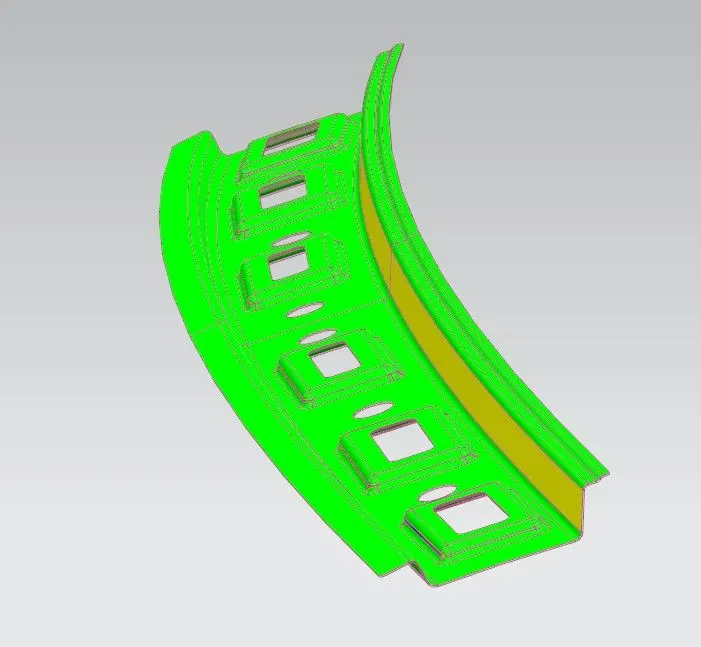
Bow roof rail
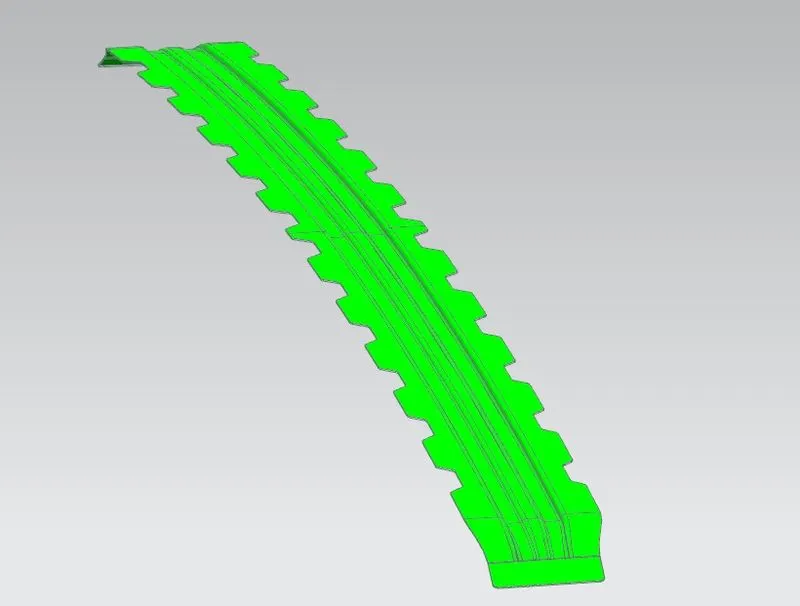
Center roof rail
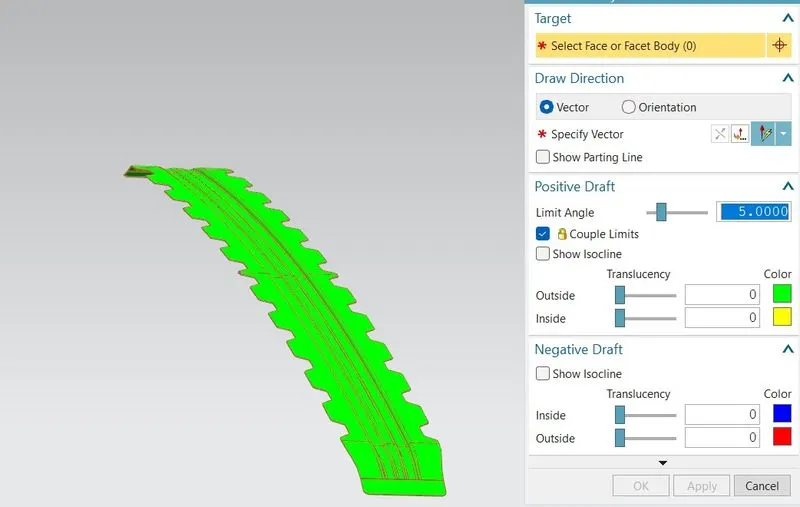
Rear roof rail
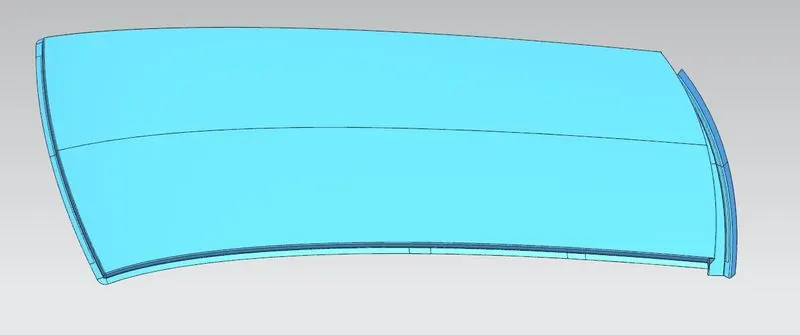
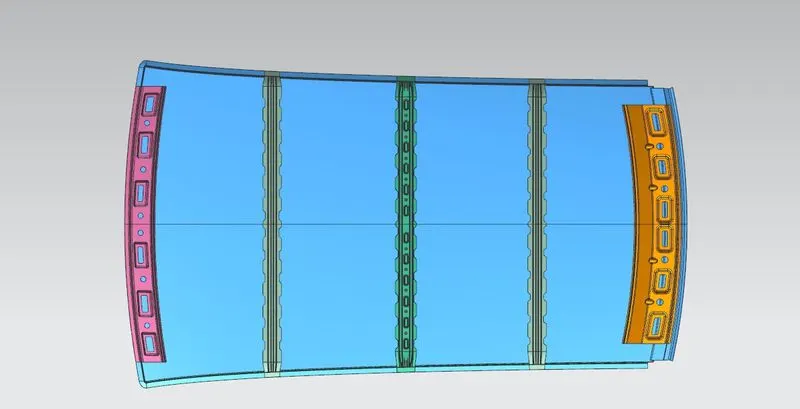
Final Assembly cad design
CONCLUSION
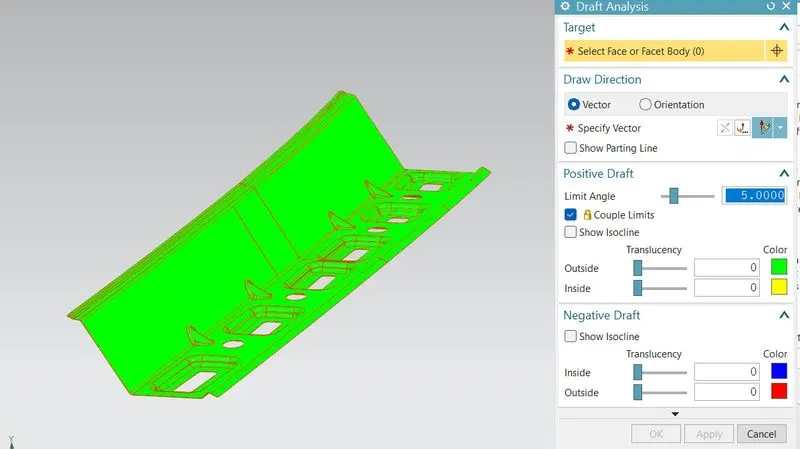
The roof has been successfully designed considering all the design Rules, Master sections, Manufacturing feasibility, Draft analysis, Heat distortion criteria, and snowload analysis. But feed back should be given to the styling team to get a desired condition for the snow load analysis.