Roof challenge
ROOF CHALLENGE
Introduction:
An car top is the portion of an automobile that sits above the passenger compartment, protecting the vehicle occupants from sun, wind, rain, and other external elements. Because the earliest automobiles were designed in an era of horse-drawn carriages, early automobile roofs used similar materials and designs.
In later years, many variations on the automobile roof developed.
These include:
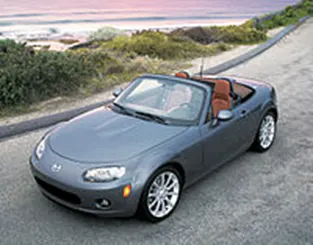
A convertible or cabriolet (is a passenger car that can be driven with or without a roof in place. The methods of retracting and storing the roof vary between models. A convertible allows an open-air driving experience, with the ability to provide a roof when required. Potential drawbacks of convertibles are reduced structural rigidity (requiring significant engineering and modification to counteract the effects of removing a car's roof) and cargo space.
The majority of convertible roofs are of a folding construction framework with the actual top made from cloth or other fabric. Other types of convertible roofs include retractable hardtops (often constructed from metal or plastic) and detachable hardtops (where a metal or plastic roof is manually removed and often stored in the trunk).
Roof types:
TEXTILE:
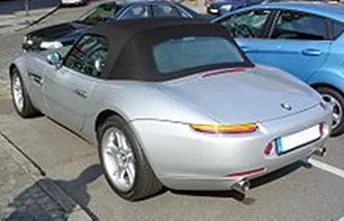
A "soft top" is made from a flexible textile material:
- Early convertibles used cotton canvaswoven so tightly that it is waterproof. However, automakers had problems in securing raw materials to fulfill orders after World War II, including canvas in various shades for convertible tops, therefore limiting their manufacture.
- A cloth-based material has become more common in recent years.
Other materials are also used in the convertible top. By 1955, the most popular materials were latex and butyl rubber fabrics that each accounted for around 35% of the convertible top's weight, with others included vinyl (12%), jute (8%), along with rayon and acrylic fibers (Orlon), amounting to about 1% each in the compositions.Polyvinyl chloride (PVC) material was used for many convertible tops. The material consists of two layers: a top layer made of PVC, which has a specific structure depending on the vehicle model, and a lower layer made of fabric (usually cotton).
The collapsible textile roof section over an articulated folding frame may include linings such as a sound-deadening layer and/or an interior cosmetic lining, to hide the frame.
The folded convertible top is called the stack.
Detachable hardtop
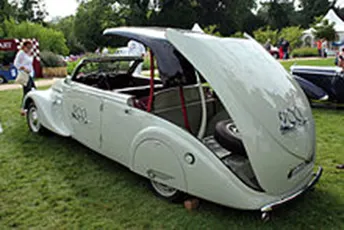
Rigid removable hardtops, many of which store in a car's trunk/boot, have been around at least since the 1950s. These normally provide superior weatherproofing, soundproofing, and durability compared to fabric-based tops; some are available with integrated rear-window defrosters and windscreens. Examples include the Ford Thunderbird (1st-generation and 11th-generation), Mercedes SL (2nd-generation and 3rd-generation), Porsche Boxster, Jeep Wrangler, Ford Mustang Cobra (1995 Only), and Mazda MX-5.
During the 1950s and 1960s, detachable hard-material roofs were offered for various convertible sports cars and roadsters, including the 1955–1957 Ford Thunderbird and Chevrolet Corvette, as well as the 1963–1971 Mercedes-Benz W113 series of two-seaters. Because the convertible top mechanism is itself expensive, the hard roof was customarily offered as an additional, extra-cost option. On early Thunderbirds (and Corvettes through 1967), buyers could choose between a detachable hardtop and a folding canvas top at no additional cost, but paid extra for both.
The metal-framed "Carson top" was a popular addition for the 1930s Ford convertibles or roadsters because it turned these models into an almost instant hardtop. The design mimicked a convertible top, but lacking the bulky folding mechanisms enabled the removable hardtop to have a much lower and more rakish profile.
Improvements in canvas tops have rendered the detachable hard roof less common in part because the top cannot be stored inside the vehicle when not in use, requiring a garage or other storage facility. Some open cars continue to offer it as an option. For example, Mazda MX-5s has an accessory hardtop, which is compulsory for some auto racing series.
Retractable hardtop
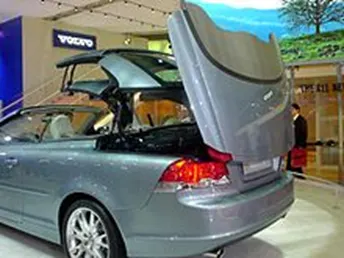
A retractable hardtop — also known as "coupé convertible" or "coupé cabriolet" — is a car with an automatically operated, self-storing hardtop (as opposed to the textile-based roof used by traditional convertibles).
The benefits of improved climate control and security are traded off against increased mechanical complexity, cost, weight, and often reduced luggage capacity.
Other design features
Tonneau cover
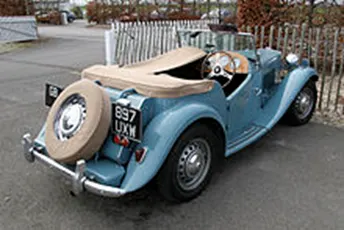
Folding textile convertible tops often fail to completely hide their internal mechanism or can expose their vulnerable underside to sun exposure and fading. A tonneau cover provides a solution.
Rear window
Rear windows are often part of the roof assembly. Traditionally, the rear window in a soft-top was made from plastic; however, more recently some convertibles have used glass for the rear window.
Windblocker
A windblocker or wind deflector minimizes noise and rushing air reaching the occupants. According to the engineer responsible for the 2008 Chrysler Sebring, its windblocker reduces wind noise by approximately 11 to 12
Several convertibles are available with a heating duct to the neck area of the seat, which is often called an "Air Scarf". Examples of cars with this feature include Mercedes-Benz SLK-Class, Mercedes-Benz SL-Class, and Audi A5/S5.
Safety
Modern safety features specifically for convertibles include:
- rollover protection structures (ROPS)with pyrotechnically charged roll hoops hidden behind the rear seats that deploy under rollover conditions
- heated rear window (for improved visibility)
- boron steel-reinforced A-pillars
- safety cage construction – a horseshoe-like structure around the passenger compartment
- door-mounted side-impact airbagwhich inflates upward (instead of downward like the typical curtain airbag) to provide head protection even with an open window.
Variations
Convertibles have offered numerous iterations that fall between the first mechanically simple fabric tops to complex retractable roofs made from hard materials:
Roadster: A roadster (also called spider or spyder) is an open two-seat car with emphasis on sporting appearance or character. Initially, an American term for a two-seat car with no weather protection, usage has spread internationally and has evolved to include two-seat convertibles.
Cabrio coach: A cabrio coach (also called semi-convertible) has a retractable textile roof, similar to a traditional convertible. The difference is that a convertible often has the B-pillar, C-pillar and other bodywork removed. However, the cabrio-coach retains all bodywork to the top of the door frames and just replaces the roof skin with a retractable fabric panel.
An advantage of a cabrio coach is that retaining more of the car's original structure means that structural rigidity is higher (or the vehicle weight is lower) than traditional cabriolets. An example of the cabrio coach is the 2003-10 C3 Pluriel, which has a roof with five possible configurations.
fixed-profile: In contrast to convertibles where the entire bodywork above the beltline (doors, roof, side pillars, side bodywork) is replaced with a folding or retractable roof, the fixed profile convertible retains portions of fixed bodywork including the doors, side pillars, and side elements of the roof — while a center fabric portion slides back and accordions at the rear. As an example, Citroën's 1948 Citroën 2CV featured rigid bodysides and two doors on each side, along with a sunroof that rolled back on itself and extended to the rear bumper in place of a separate trunk lid. Other fixed-profile convertibles include the 1957 Autobianchi Bianchina Trasformabile, 1957 Vespa 400, 1950 Nash Rambler Landau Convertible Coupe, the Nissan Figaro (1991), the Jaguar XJ-SC (1983) as well as the 1957 Fiat 500 and its 2007 Fiat 500 successor. The 1984 Heuliez-designed Citroën Visa Décapotable used elements of a fixed-profile convertible.
Four-door: Most convertibles have two doors. However, four-door convertibles have been mass-produced. Examples include the 1934 Buick Series 60 "Convertible Phaeton", 1938-39 Buick Roadmaster, 1940–41 Buick Super, 1941-1947 Oldsmobile 98 1941–47, 1939 Cadillac Series 61, 1940-41 Cadillac Series 62 and 1961-67 Lincoln Continental. Current production four-door convertibles include the Jeep Wrangler Unlimited.
Peugeot presented a concept four-door retractable hardtop convertible, the Peugeot 407 Macarena in 2006. Produced by French coachbuilding specialist Heuliez, the Macarena's top can be folded in 60 seconds,with a steel reinforcing beam behind the front seats incorporating LCD screens for the rear passengers into the crossmember.
Off-road: Several off-road vehicles have been produced with removable soft tops. Examples include the Jeep Wrangler, Suzuki Vitara, Suzuki Jimny,Ford Bronco, Land Rover Defender, Mercedes-Benz G-Class as well as early models of the Toyota Land Cruiser and Land Rover Defender. Typically, the soft tops attach to the roll cage or to the installation points on the vehicle's body.
Landaulet: A landaulet (also known as landaulette) is where the rear passengers are covered by a convertible top. Often the driver is separated from the rear passengers with a partition, as per a limousine.
In the second half of the 20th century, landaulets were used by public figures (such as heads of state) in formal processions. They are now rarely used, for fear of terrorist attack.
Victoria-Cabriolet: reminiscent of the victoria carriage style, a three-position convertible. No rear side windows and equipped with a soft top which can be raised partway, leaving the area above the front seats folded back. This bodystyle had a short period of popularity, mainly in the 1930s. Other names include Cabriolet/Coupé Milord (or just Milord), Calash (from Calèche), Folding Head DHC, three-position Drop-head Coupé, or Cabriolet toit de 3 positions.
Types of Roof:
There are at least three types of roofs commonly installed on cars, namely sunroofs, moonroofs, and also panoramic roofs. Sunroofs are often even called moonroofs. The three are actually different in terms of use and benefits.
Sunroof
Sunroofs can be opened and closed using an electronic system. Sunroofs cars allow light, fresh air, or even both to enter the car cabin. It’s easier to imagine sunroof as a window on the car roof.
Commonly, sunroofs carry two types of panels made from the same solid metal used for the car ceiling exterior and can be pulled by hand to open the glass panel. Above it is colored glass which can be tilted backward to allow air from outside to enter the cabin.
Moonroof
Moonroofs are actually one type of sunroofs. However, the material and uses are different. Moonroofs are made to allow the car driver and passengers to enjoy the outside view at night without having to get out of the car or open the car roof.
Moonroofs have colored glass panels that allow light and air to enter without having to shift the visor. However, lately, moonroofs are also equipped with a metal coating to keep the sunlight from entering directly into the cabin during the day.
Usually, the moonroof opens just slightly compared to the sunroof, so that air and light can enter into the cabin. However, there are a number of car manufacturers who now make moonroofs wide open just like sunroofs.
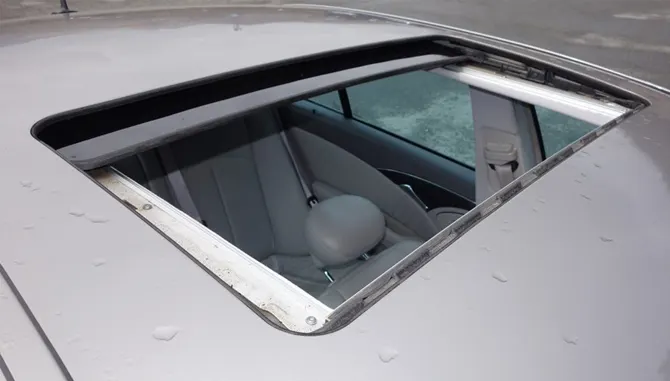
The working systems between moonroofs and sunroofs are also slightly different. Sunroofs will open outwards when activated, while moonroofs will open backward into the car roof. Up until now, there is no standards to differentiate between sunroofs and moonroofs. For information, in the 80s, the sunroofs were only coated with metal and did not have a glass.
Panoramic roof
In the last couple of years, the different kind of roofs, namely panoramic roofs is embedded in luxurious cars. Recently, the panoramic roofs have become increasingly popular in premium SUV’s.
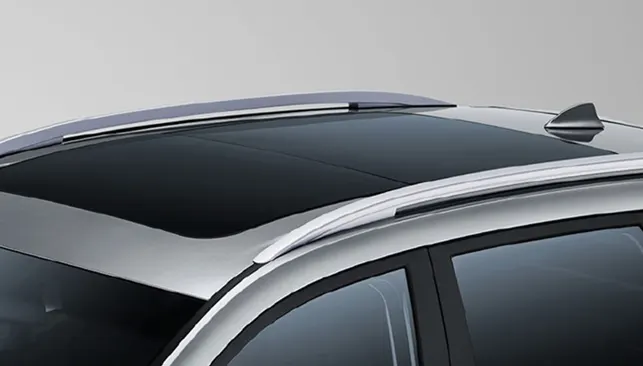
This type of car roof is generally similar to the moonroofs, which has a large glass panel stretching across the roof, right above the first to the second rows. The panoramic roofs can open wider compared to the moonroofs in general. Panoramic roofs also have coating blinds to keep the cabin cool when the glass layer is closed, but the view in the sky is still visible.
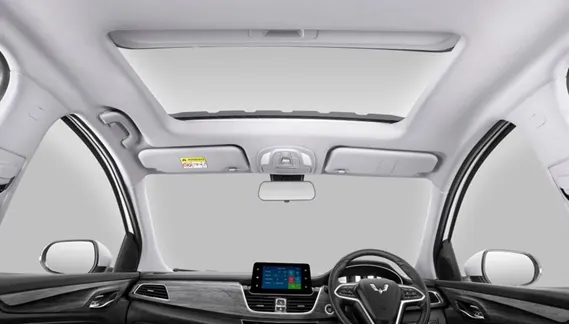
The panoramic roofs offer a different look to the car’s interior so that it becomes more luxurious. You can see the interior of the Wuling Almaz, which has been equipped with this sophisticated feature that makes for an elegant and classy look. Not to mention that you can see the scenery during the day and night without the need to open the roof of the car.
Procedure for ROOF CHALLENGE using NX-CAD:
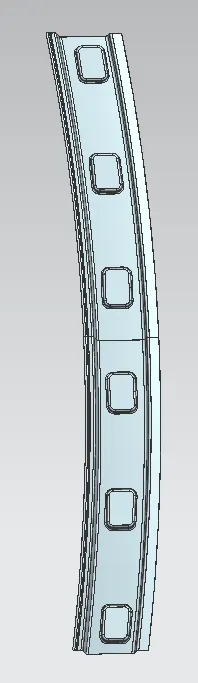
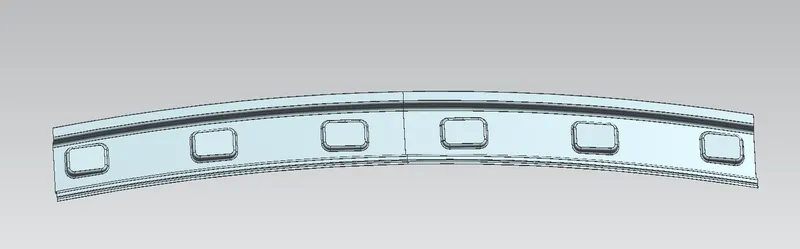
1.FRONT ROOF RAIL:
With the help of master sketch we designed a front roof with proper dimensions and created a emboss to strengthen the part.
Here are images of front roof rail
BOW ROOF:
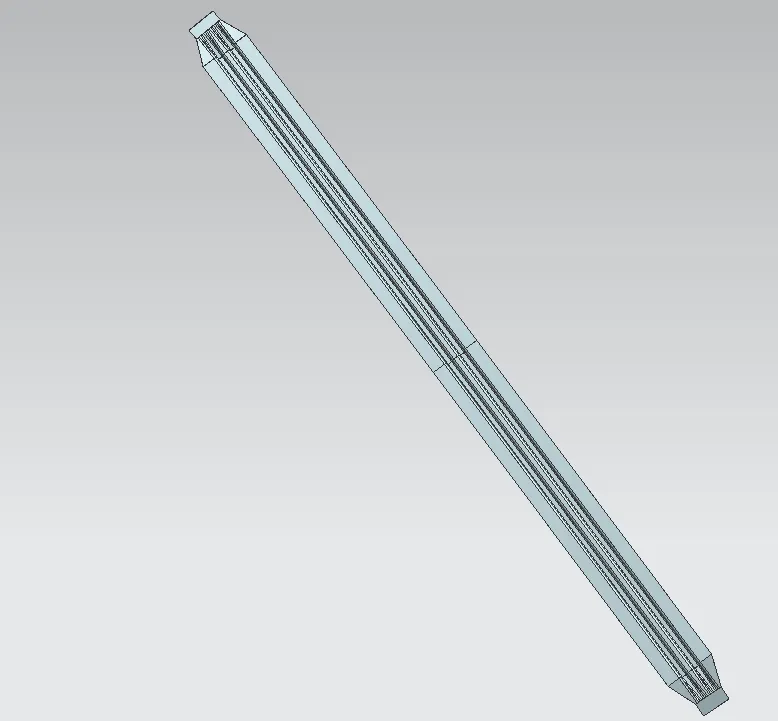
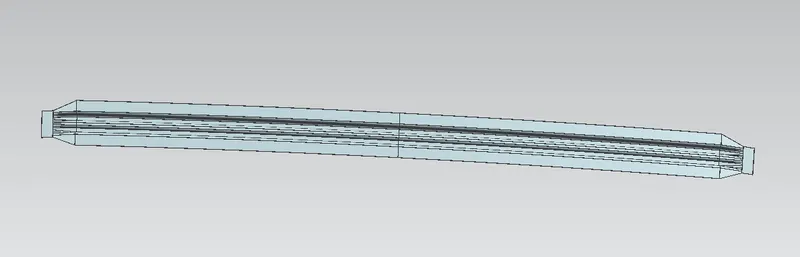
Here we designed the bow roof by offseting the outer surface and combined those surfaces with through curves.Mastics are created at the sides to increase the stifness of the part.
BOW ROOF1:
BOW ROOF 2:
CENTER ROOF:
For the center roof followed the sme procedure from the bow roof creation with bigger dimensions.
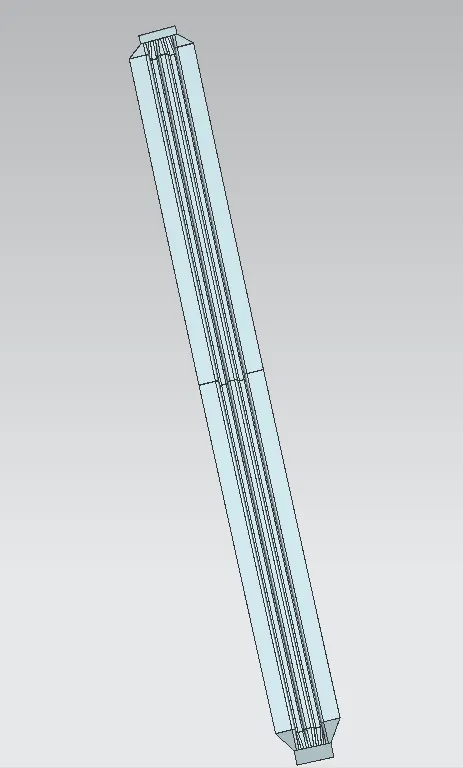
Back roof rail:
With the help of master sketch we designed a back roof rail with proper dimensions.
Here is the image of back roof rail
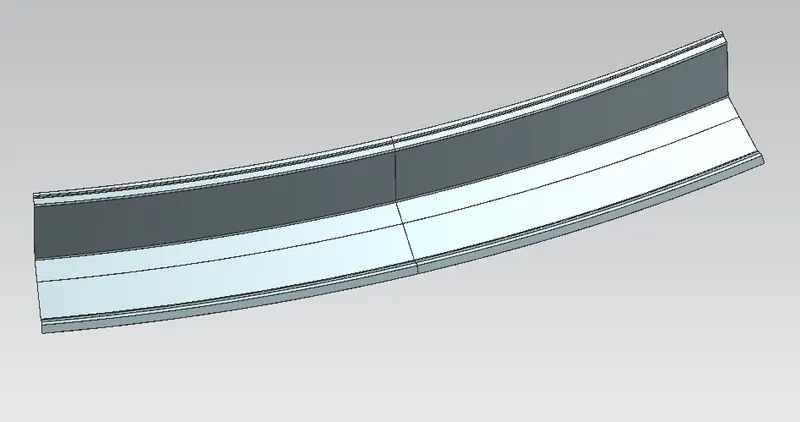
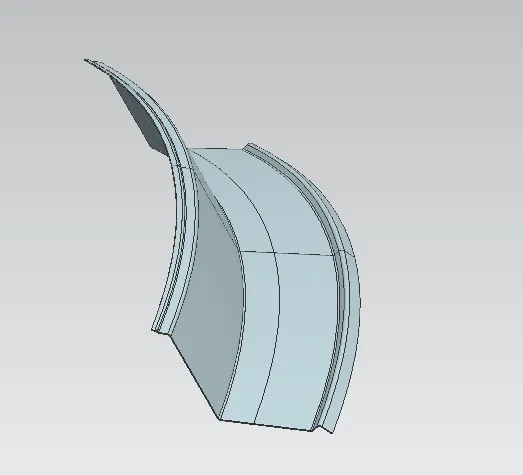
ALL PARTS ASSEMBLED IMAGES:
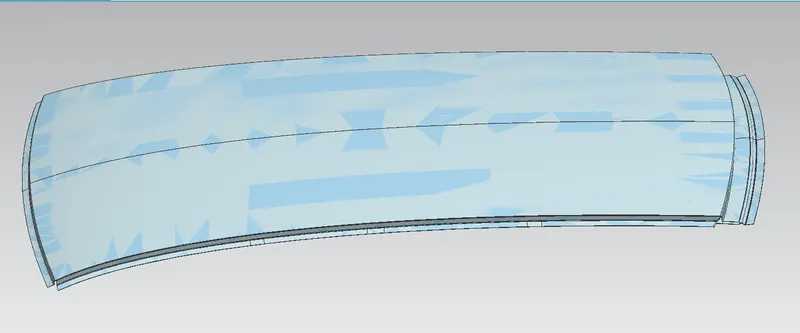
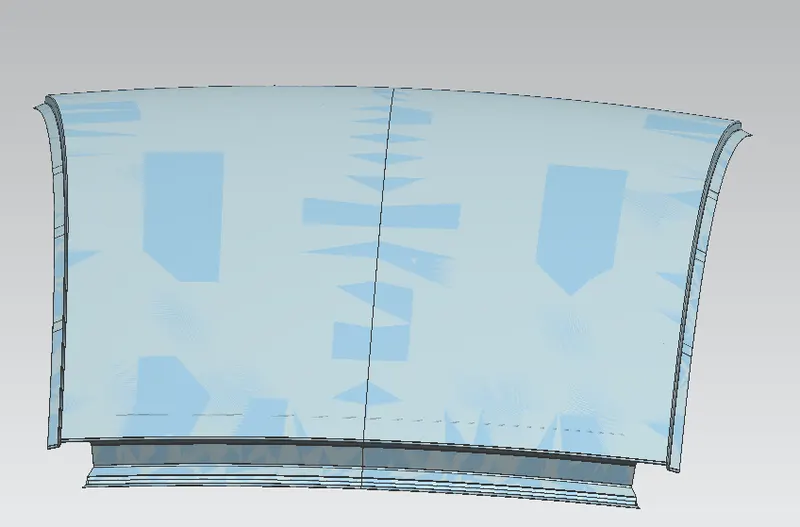
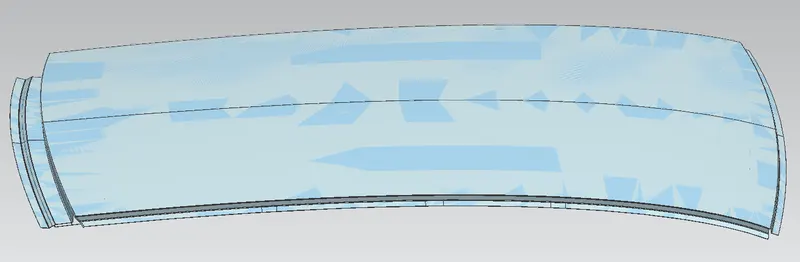
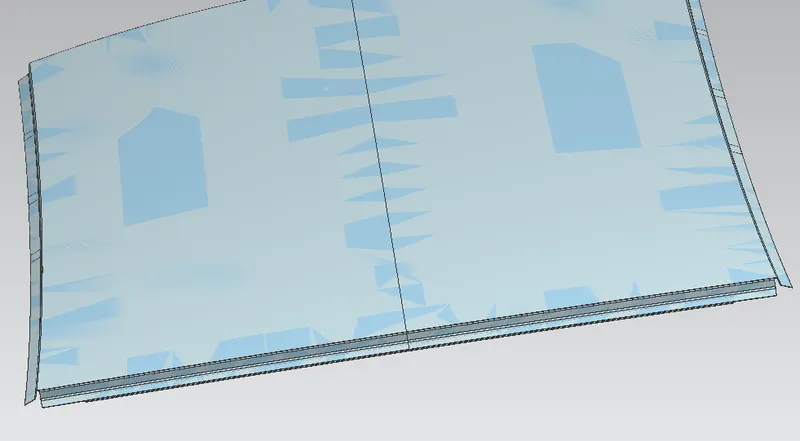
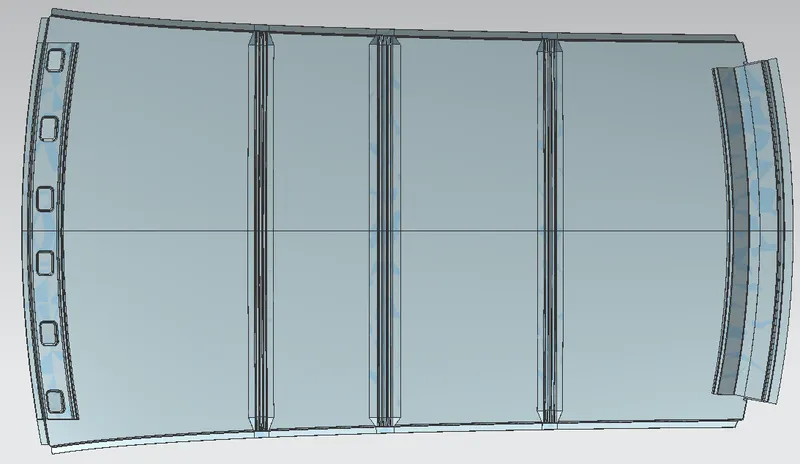
After completing the design part, we have done calculations to calculate the strength of the roof.
Heat distortion calculations:
W = [1.73 x 10^(-3) x L] + [1.85 x 10^(-8) x (R^2)/t] + [ 1.10x10^(-3) x l] - 2.68
Judgement Condition : OK< 2.7> 3.1
Where
L = Roof Length in X-Direction[mm](Roof dimension in 0-Y)
R = Roof curvature
R = 2(Rx*Ry)/(Rx+Ry)
Rx = X curvature
Ry = Y curvature
t = Roof plate thickness [mm]
l = Bow Roof Span [mm]
| SR.NO | BOW ROOF | Rx | Ry | R | I | L | t | W | Result |
| 1 | FR-BR1 | 3040.88 | 5688.88 | 3963.27 | 592.69 | 1977.53 | 0.75 | 1.77 | OK |
| 2 | BR-CENTER | 6614.84 | 4868.36 | 5608.78 | 341.34 | 1977.53 | 0.75 | 1.88 | OK |
| 3 | CENTER-BR2 | 10089.62 | 4075.19 | 5805.53 | 455.66 | 1977.53 | 0.75 | 2.07 | OK |
| 4 | BR2-RR | 14231 | 3334.80 | 5403.40 | 538.94 | 1977.53 | 0.75 | 2.05 | OK |
According to Judgement Condition : OK< 2.7> 3.1 (All values are satisfied)
Snow load calculation:
Qr = [Iy x t2] / [α x s x [(Rx + Ry)/2]2 x 10-8]
Note: The Qr value given over here is correct.
Where
α = My x Lx2 x 10-12 , My = Y(Ly-Y)
Judgement condition = Qr ≥ 3.1
250 ≤ s ≤ 380
t = Roof plate thickness [mm]
Ly = Distance between the front and rear roof Rails on the Vehicle along with 0Y[mm]
Length of Roof panel with the center point between Roof rail Front /Rear as the front and rear reference point.
Lx = Distance between the Left and Right end of the roof on the Roof BOW [mm]
Width of the roof panel exposed on the surface.
Y = Distance front Front Roof Rail to Roof BOW[mm]
s = Distance for which Roof BOW bears divided load [mm]
s = L1/2 + L2/2
Iy = Geometrical moment of inertia of Roof BOW (Y cross-section )[mm4]
Rx = Lateral direction curvature radius of roof panel Y cross-section on Roof BOW [mm]
Roof panel curvature Radius of the Length Lx in Front view
Ry = Longitudinal Direction curvature radius of the Roof panel X cross-section on Roof BOW [mm]
Roof panel X curvature radius of length s in Side view
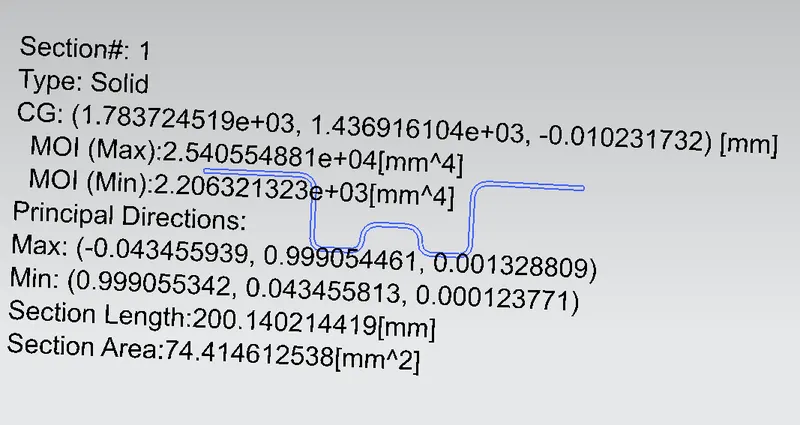
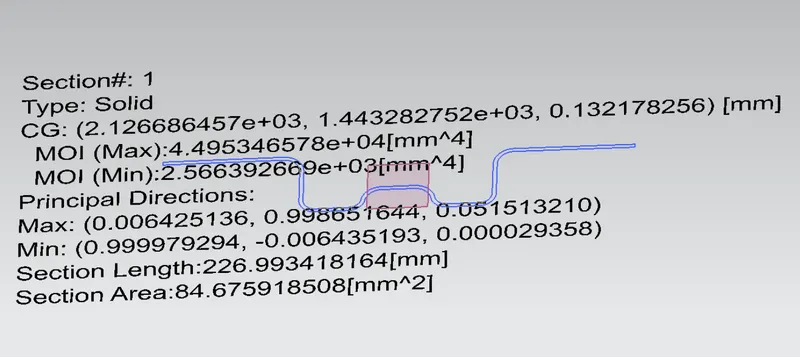
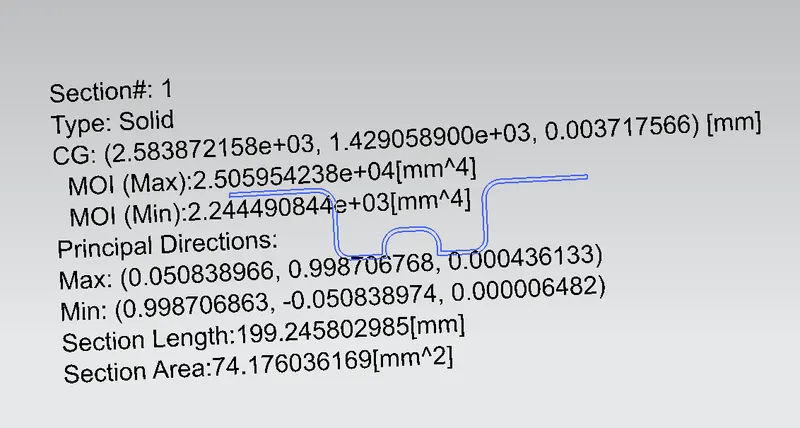
To find out geometrical moment of Inertia, we created intersection curve and use section inertia command.
BOW1:
Center:
BOW 2:
After doing the calculations,Here are the results:
|
SR.NO |
BOW ROOF |
Rx |
Ry |
Lx |
Ly |
y |
s |
My |
Iy |
t |
QR |
RESULT |
|
1 |
FR-BR1 |
3050.93 |
4258.05 |
1106.25 |
1982.65 |
592.69 |
467.01 |
791810.13 |
2206.32 |
0.75 |
20.72 |
OK |
|
2 |
BOW1-CENTER |
6542.41 |
3789.73 |
1082.08 |
1928.65 |
341.34 |
398.5 |
541812.39 |
2566.34 |
0.75 |
21.54 |
OK |
|
3 |
CENTER-BOW 2 |
15896.26 |
4083.11 |
1062.04 |
1928.65 |
455.66 |
497.3 |
671182.62 |
2244.49 |
0.75 |
3.30 |
NOT GOOD |
Here one result of OR is not fullfilling,these model will pass to the styling team to change the curvature to improve the strength.
Learning:
- Here we learned how to create a rail with the fiven standards by using master sketch.
- Learned how to calculate Heat Disorsion and Snow load criteria.
Conclusion:
The roof is created with all required parameters with a certain rails, and calculation the heat distortion, snow load are done and the results is satisfactory.