Benchmarking
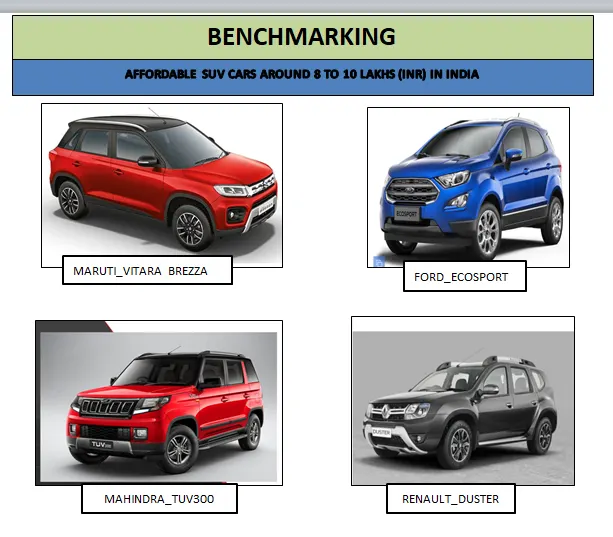
BENCHMARKING
Report:
Benchmarking involves a structured comparison between similar products, services or processes on some dimensions of performance. For ex: it can be used to compare the availability and delivery of features in a product and in this form often provides the basis of consumer tests and reviews. These look at products and services and provide recommendations based on which is best or some form of ranking amongst competitors.It is particularly useful when comparing not only performance but also practice. In other words what do the different organizations do to enable that performance to be delivered? And applied in this way it is a powerful tool in process innovation sin e studying how the ‘best’ achieve their performance can provide powerful clues for changing the way processes operate. Process benchmarking of this kind can operate at several levels.
Whilst if offers a significant learning opportunity benchmarking between competing organizations is harder than the other three because competitors do not want to disclose their process information since it is a source of competitive advantage to them. So benchmarking of this kind often involves a third party who can collect the data, make the comparison and provide feedback but all on a confidential basis.
Vehicle Benchmarking:
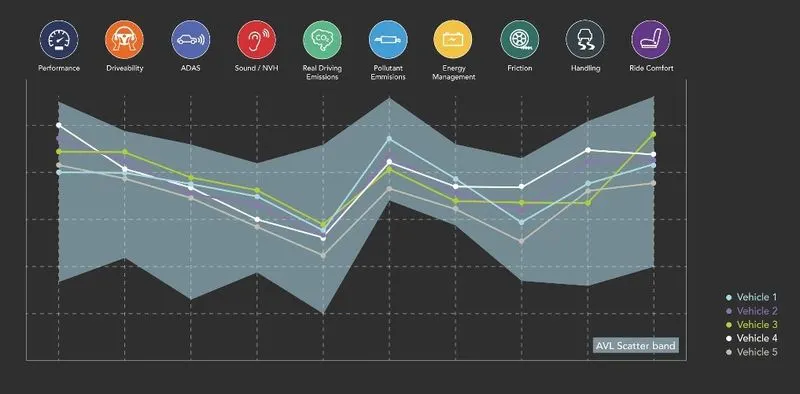
A specific, distinctive vehicle attribute branding is essential to make cars unique and competitive. As a first step on the way, vehicle manufacturers have to benchmark their vehicles in the competitive environment in order to understand and to strengthen or improve the potential of their vehicles. AVL newly offers a comprehensive vehicle benchmarking analysis of the most important, recently released passenger cars. The objective assessment delivers an overview of results for ten main attributes in a competitive scatterbands of >150 vehicles.
Solution:
As a new service, comprehensive vehicle benchmarking analysis of the most important passenger cars, newly released to the market. The benchmarking program delivers an overview of results for all main attributes in the competitive landscape described by the AVL Scatterband.
The program consists of a total of 150 vehicles per year including European, US, Japanese, Korean and Chinese market.
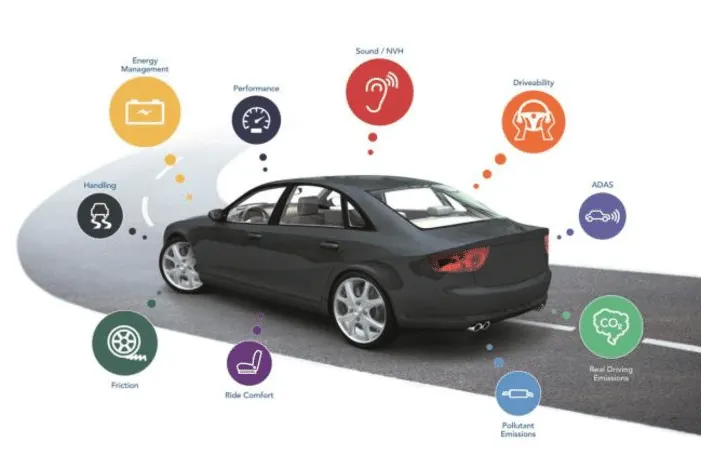
The vehicle benchmarking program considers 10 main attributes scoring up to 815 single criteria. The 10 main attribute are as follows:
- Performance
- Driveability
- Advanced Driver Assistance Systems (ADAS)
- Sound / NVH
- RDE: CO2 / Real life fuel consumption
- Pollutant emissions
- Friction
- Thermal, energy management
- Vehicle dynamics, handling
- Ride Comfort
Benefits at a Glance
Customer benefits:
- Objective target definition and target tracking
- Widely spread competitive comparison
- Cost efficient benchmarking
Applications:
- Information about best of class behavior
- Development targets for new models
- Basis for model revisions
Options
- Detailed technical Analysis and root cause analysis
- Customized test cycles (incl. customer exclusive reporting)
- Testing of prototype vehicles (customer exclusive)
- Customer can provide test vehicles to receive cost compensation)
- Drive competitor cars yourself at your site
Conclusion:
Benchmarking is very essential in automotive industry becasue, a specific, distinctive vehicle attribute branding is essential to make cars unique and competitive. As a first step on the way, vehicle manufacturers have to benchmark their vehicles in the competitive environment in order to understand and to strengthen or improve the potential of their vehicles.