Roof challenge
INTRODUCTION :
An automobile roof or car top is the portion of an automobile that sits above the passenger compartment, protecting the vehicle occupants from sun, wind, rain, and other external elements. Because the earliest automobiles were designed in an era of horse-drawn carriage , early automobile roofs used similar materials and designs.
Different components of Car Roof :
- Roof
- Front Roof Rail
- Center Roof Rail
- Rear Roof Rail
- Bow Roof 1
- Bow Roof 2
AIM:
To Design a Car Roof and to do the curvature study to resist Heat distortion and snow load condition of the same.
ROOF:
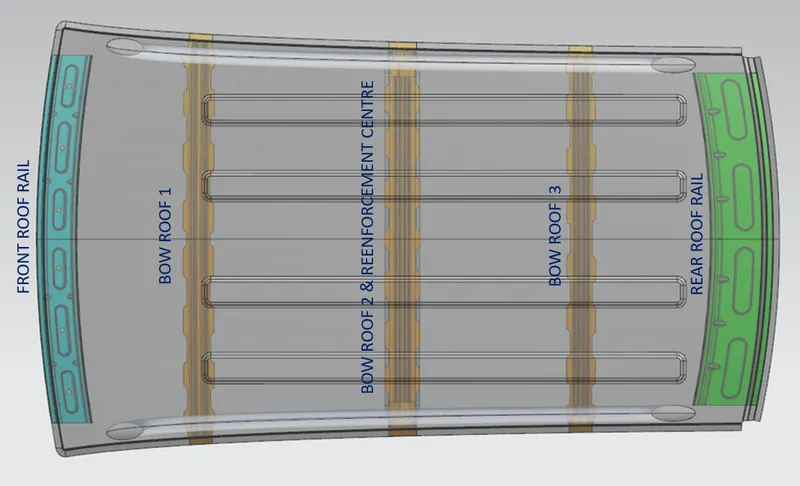
FRONT ROOF RAIL :
Front roof rails are used in the assembly of a roof in which it provide mounting provisions to windshield glasses and the changes in the front roof rail influences the frontal visibility of the passenger. The major design factor considered is the headroom clearance. The front roof rail also provides provision for the mounting the inside rear view mirror.
Master section of front roof rail
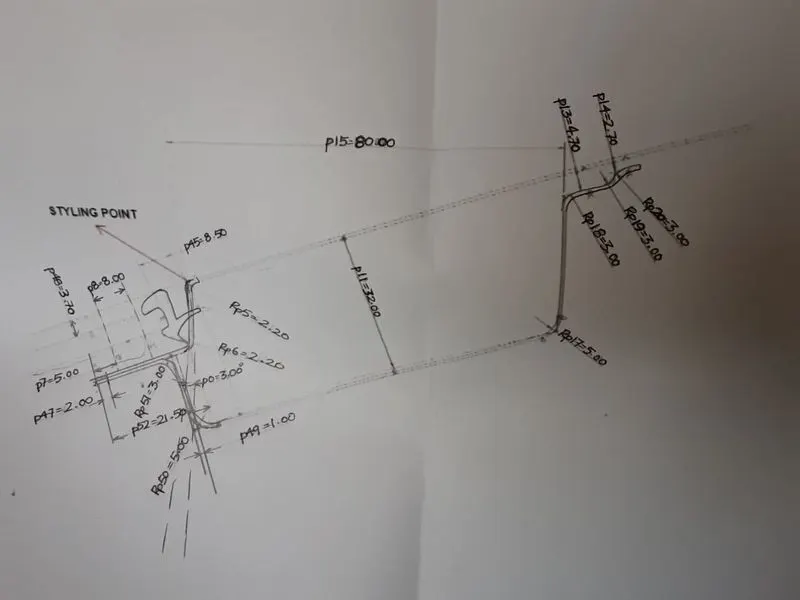
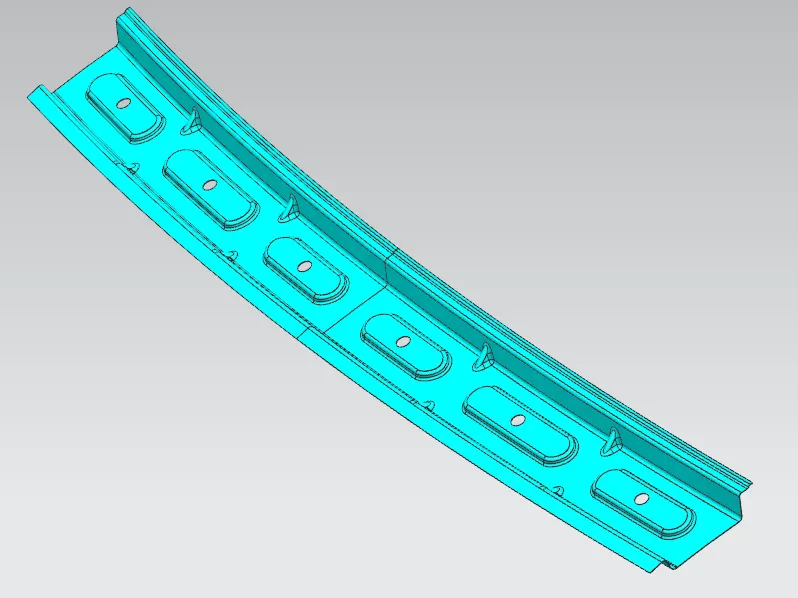
REAR ROOF RAIL:
The rear roof rail is the one of the important components of roof assembly which is used for the back door mounting. Similarly to front roof rail important design consideration includes rear passenger head clearance rear visibility of the vehicle.
Master section of rear roof rail
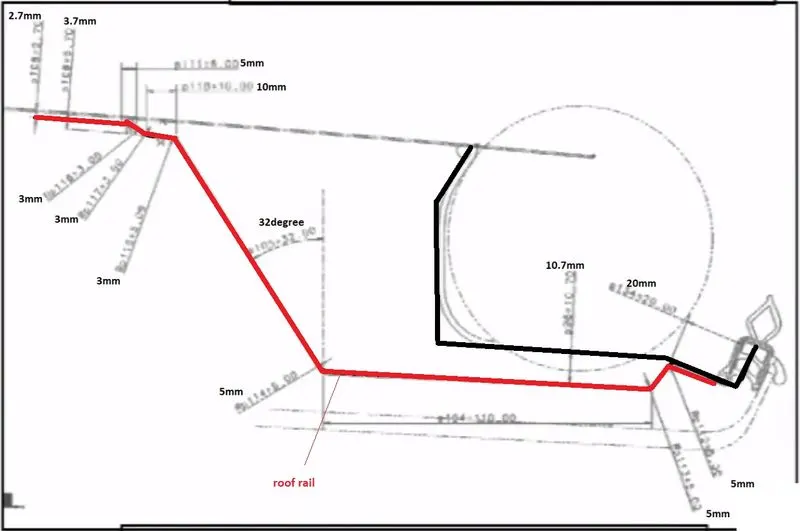
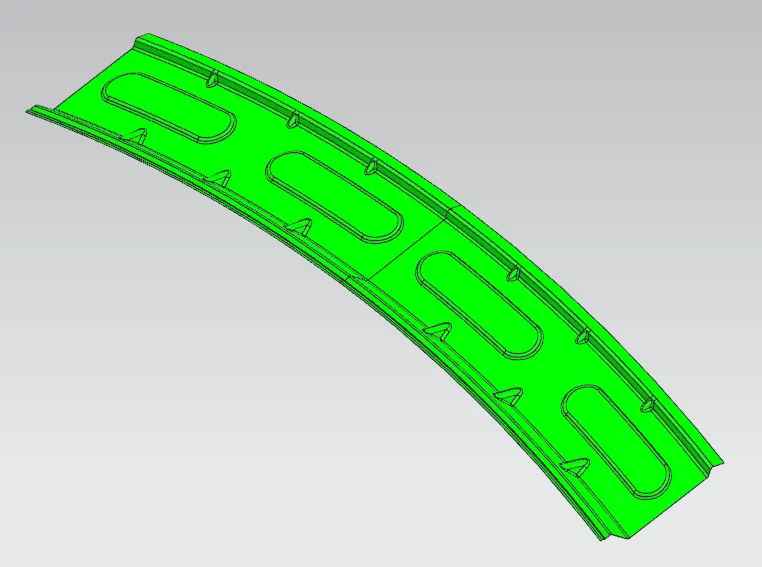
CENTER ROOF RAIL (REINFORCEMENT CENTER):
The reinforcement center is used as a cross member between bodyside LH and RH respectively. In some cases, the reinforcement center is not joined with the roof in both roof and bodyside. The reinforcement center and bow roof are joined either spot weld or by mastic sealants and provision for the same are given.
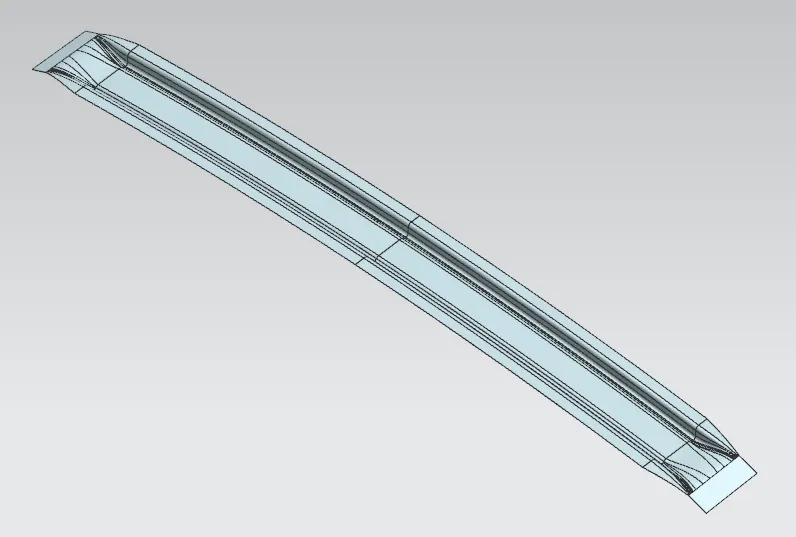
BOW ROOF:
It is an additional stiffening member used in the roof assembly for the localized strength improvements and it is joined directly to roof itself with several spot welding or even with the mastic sealant.
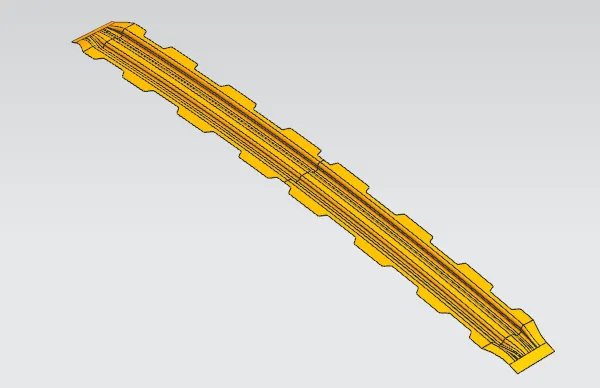
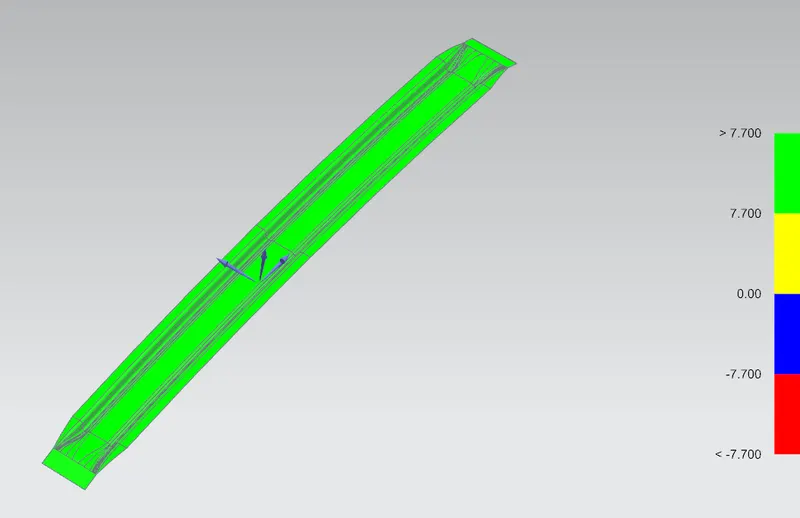
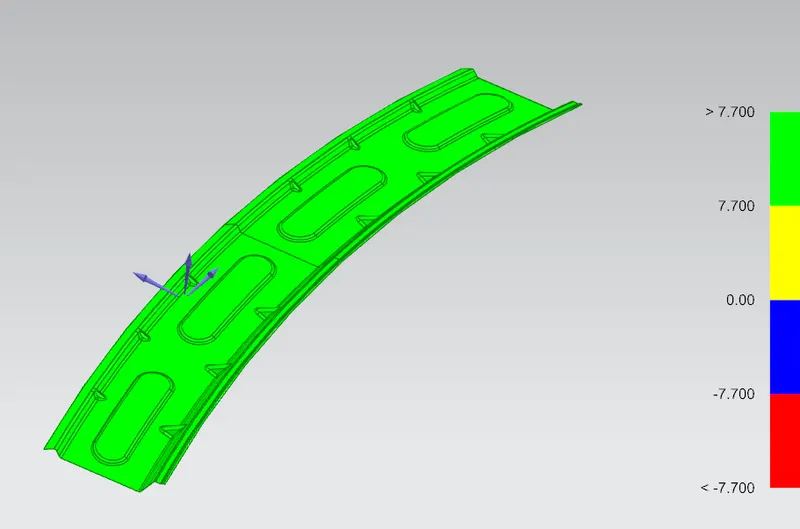
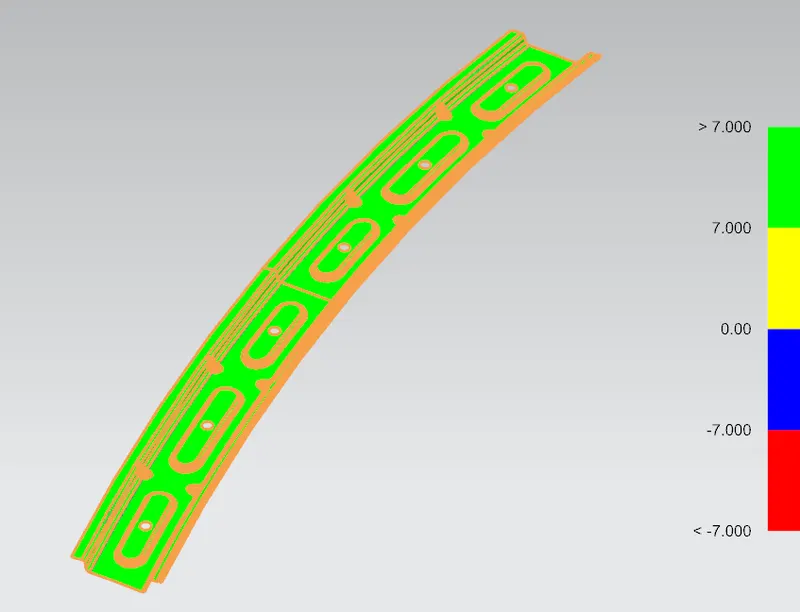
DRAFT ANALYSIS:
BOW ROOF:
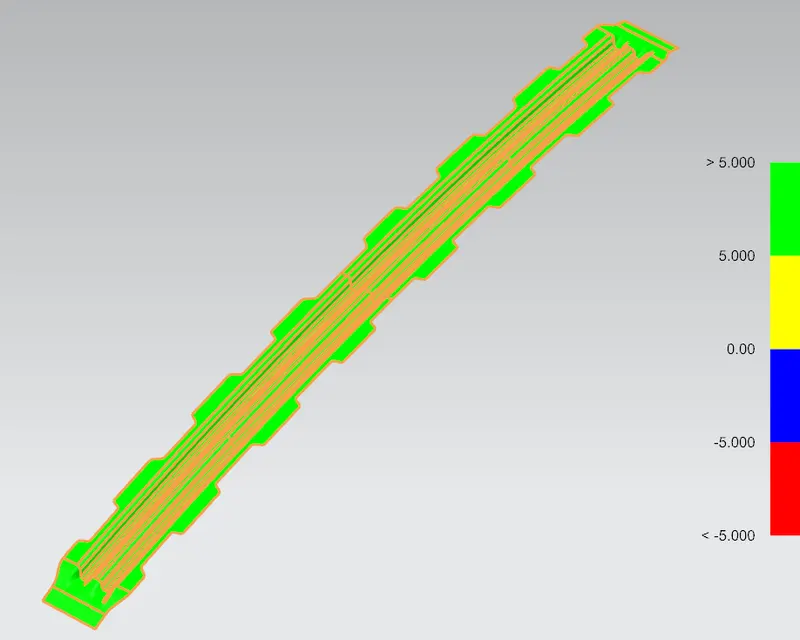
REINFORCEMENT CENTER:
REAR ROOF RAIL:
FRONT ROOF RAIL:
Bow–roof prediction Formula :
Heat Distortion Criteria:
W = [1.73 x 10^(-3) x L] + [1.85 x 10^(-8) x (R^2)/t] + [ 1.10x10^(-3) x l] - 2.68
Judgement Condition : OK< 2.7> 3.1
Where
L = Roof Length in X-Direction[mm](Roof dimension in 0-Y)
R = Roof curvature
R = 2(Rx*Ry)/(Rx+Ry)
Rx = X curvature
Ry = Y curvature
t = Roof plate thickness [mm]
l = Bow Roof Span [mm]
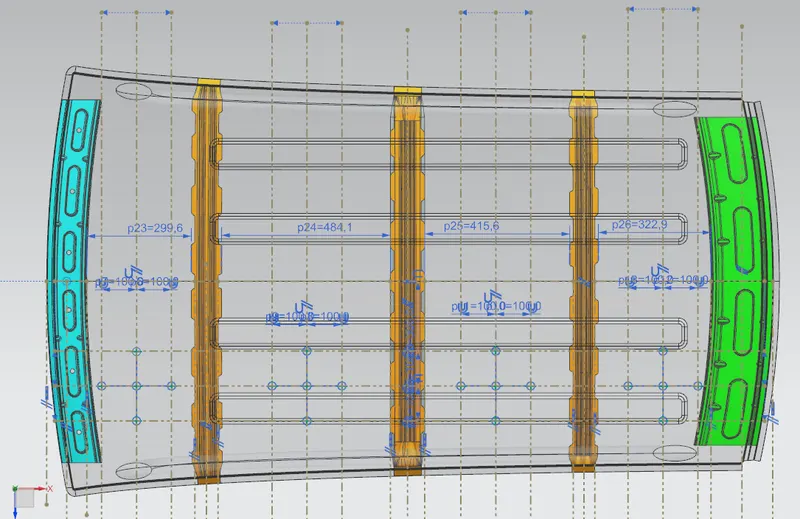
Table and Calculations are Performed in MS Excel:

Snow load Prediction formula:
Qr = [Iy x t2] / [α x s x [(Rx + Ry)/2]2 x 10-8]
Note: The Qr value given over here is correct. There was a typo error in the formula given in the video.
Where
α = My x Lx2 x 10-12 , My = Y(Ly-Y)
Judgement condition = Qr ≥ 3.1
250 ≤ s ≤ 380
t = Roof plate thickness [mm]
Ly = Distance between the front and rear roof Rails on the Vehicle along with 0Y[mm]
Length of Roof panel with the center point between Roof rail Front /Rear as the front and rear reference point.
Lx = Distance between the Left and Right end of the roof on the Roof BOW [mm]
Width of the roof panel exposed on the surface.
Y = Distance front Front Roof Rail to Roof BOW[mm]
s = Distance for which Roof BOW bears divided load [mm]
s = L1/2 + L2/2
Iy = Geometrical moment of inertia of Roof BOW (Y cross-section )[mm4]
Rx = Lateral direction curvature radius of roof panel Y cross-section on Roof BOW [mm]
Roof panel curvature Radius of the Length Lx in Front view
Ry = Longitudinal Direction curvature radius of the Roof panel X cross-section on Roof BOW [mm]
Roof panel X curvature radius of length s in Side view
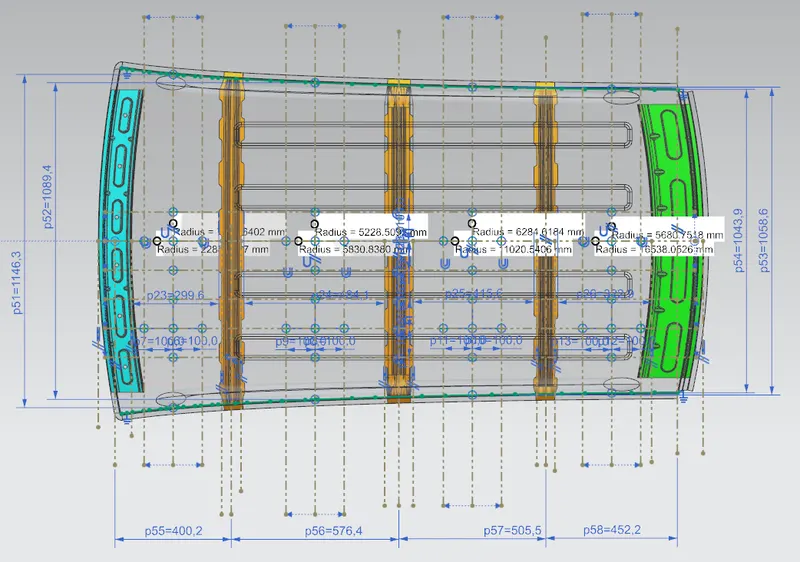
MOI FOR BOW ROOF 1:
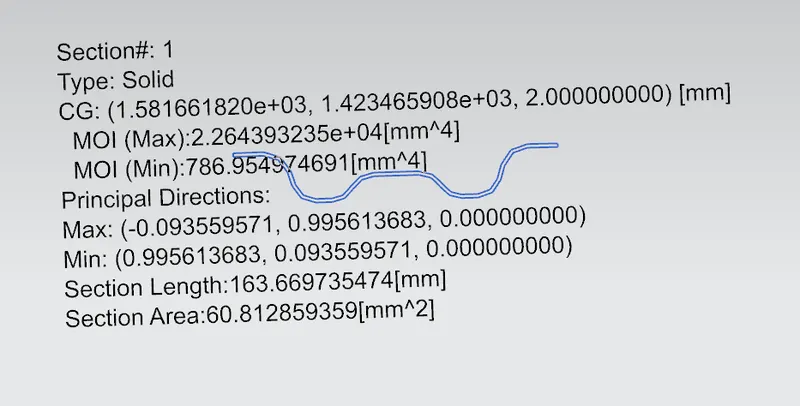
MOI FOR BOW ROOF 2 & CR:
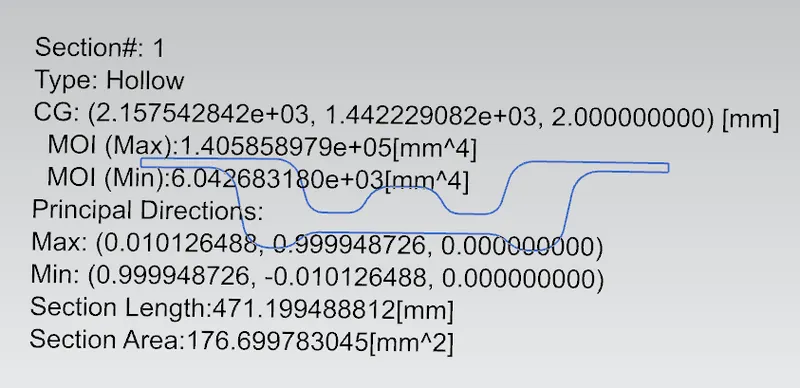
MOI FOR BOW ROOF 3:
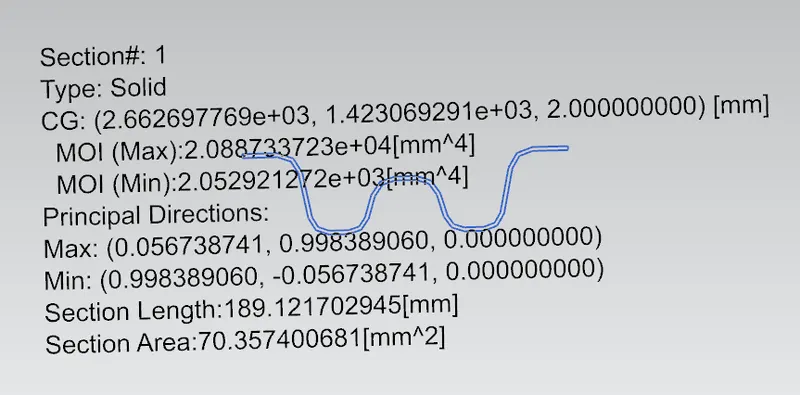
Table and Calculations are Performed in MS Excel:

Conclusion:
The Design of Roof, Front roof rail, Rear Roof Rail, Bow Roofs, and reinforcement roof center by following the Master section with the design parameter for the given class A surface is done. Also Heat distortion criteria & Snow load criteria has been measured and found OK.