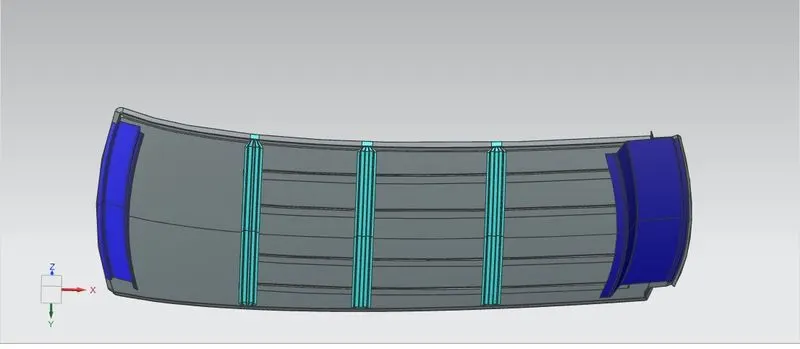
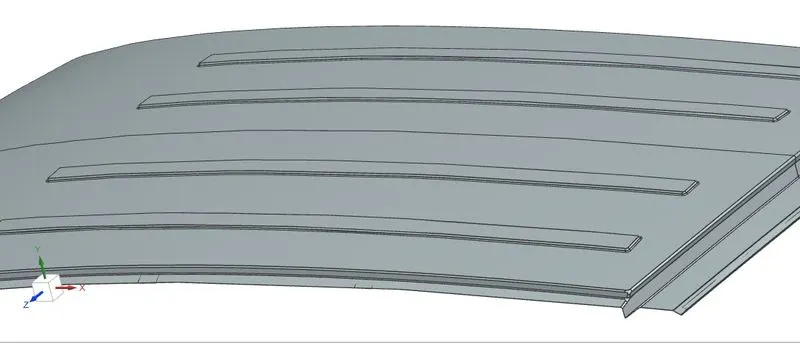
Roof challenge
ROOF:
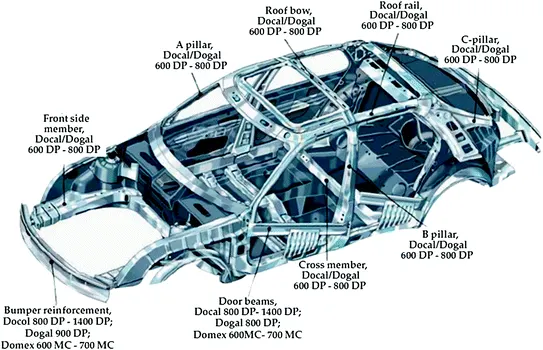
The component of an automobile that lies above the passenger compartment and protects the occupants from the sun, wind, rain, and other external elements is known as the roof or car top. The roof is generally an integral part of the body-in-white. It connects with other parts of the automobile i.e A pillar,B pillar, C pillar, backdoor hinge etc., .
Types of Roofs:
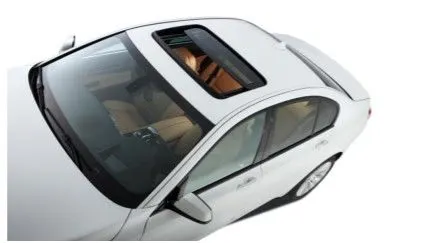
- Sun Roofs: An automotive sun roof is an operable (tilting or sliding) opening in an automobile roof which allows light and/or fresh air to enter the passenger compartment. Sun roofs may be manually operated or motor driven, and are available in many shapes, sizes and styles.
- Detachable Hrad tops: A convertible is a vehicle that can be converted from an enclosed to an open-air vehicle. Previously, some convertibles included fully rigid, manually installable hardtops as standard or optional equipment. These hardtops provided acoustic insulation, but they also required off-season storage and a time-consuming two-person installation.
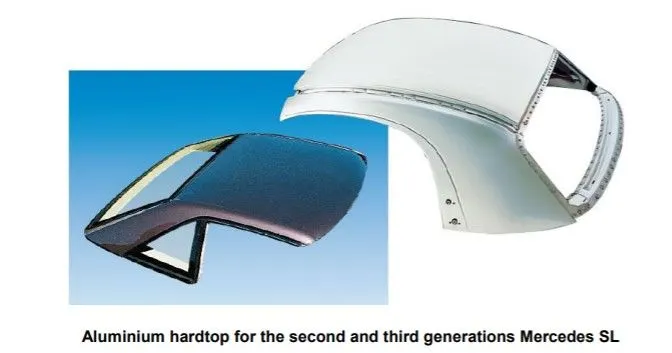
- Retractable Roofs: The retractable roof is a popular option for a convertible. Although retractable roof designs vary greatly, a few qualities are shared by all convertibles. Roofs are typically connected to the vehicle body and are not detachable. Instead, the roof hinges and folds away, either into a recess behind the back seats or into the vehicle's boot.
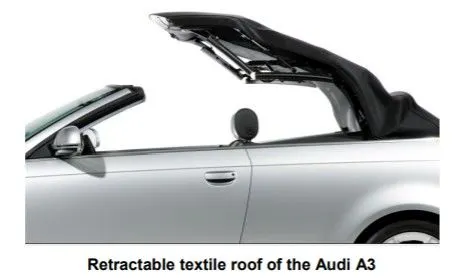
Components of the Roof:
- Styling Surface: It is the outer most skin of the roof.
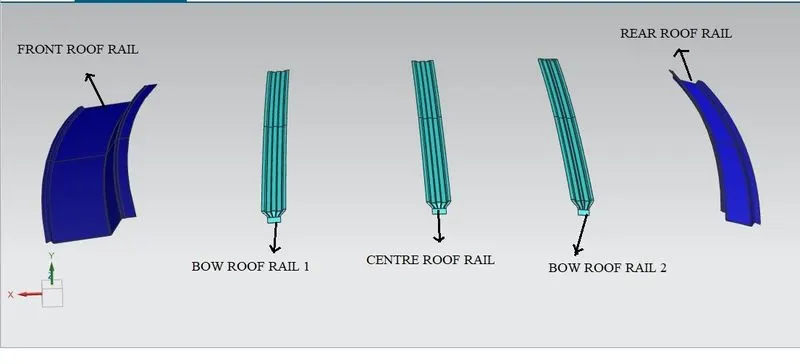
- Front Roof Rail: It Supports the roof front section that connects with front view screen and A pillar
- Centre Roof Rail ( Reinforcement): It supports the roof section that connects B pillar.
- Bow Roof Rails: It supports the roof at intermediate sections of the roof.
- Rear Roof Rail: It supports the roof at section that connects the C pillar and back door.
Manufacturing methods for Production of Roof:
- Deep Drawing: The deep drawing process is a forming process which occurs under a combination of tensile and compressive conditions. A flat sheet metal blank is formed into a hollow body open on one side or a hollow body is formed into a hollow body with a smaller cross-section.
- Blanking: Blanking is a metal production process, during which a metal workpiece is removed from the primary metal strip or sheet when it is punched. The material that is removed is the new metal workpiece or blank.
- Deburring: Deburring is the process of removing the small imperfections known as burrs from machined metal products.
- Spot welding: Spot welding (also known as resistance spot welding) is a resistance welding process. This welding process is used primarily for welding two or more metal sheets together by applying pressure and heat from an electric current to the weld area.
Design Considerations of Roof:
- Master sketch Data
- Heat Distortion Criteria
- Snow load Criteria
- Mastic Data
- Tolerance and Draft angle allowances
Master Sketch Data:
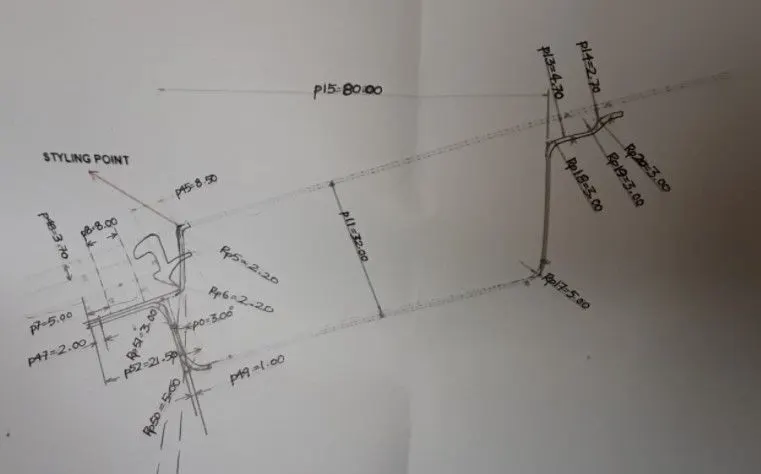
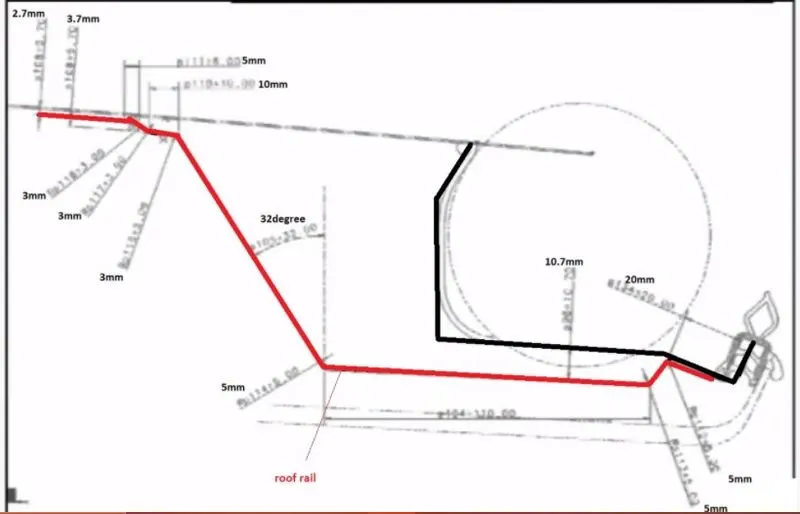
Based on above data Roof and its components are designed.
Heat Distortion Criteria:
Predicted fromula

Where as,
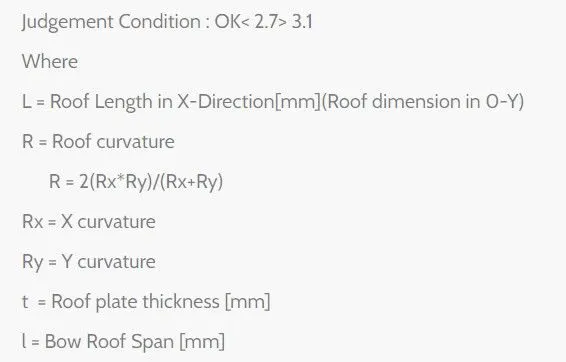
Based on the aboce formula values are calculated for design
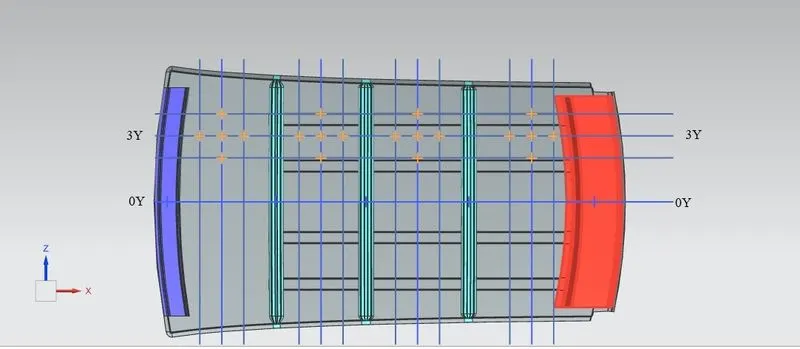
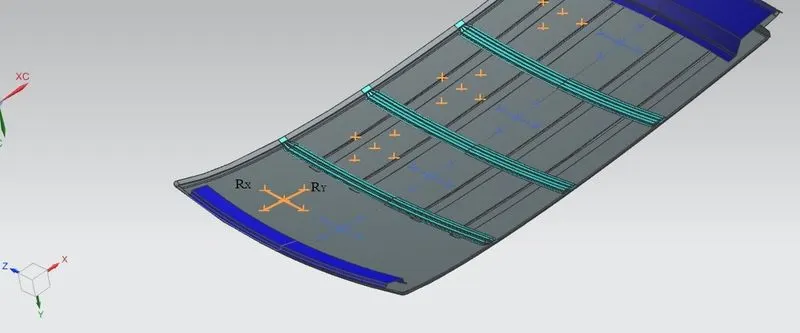
Calculation table of Heat Distortion Criteria:

Therefore Design satisfies Heat Distortion Criteria.
SNOW LOAD CRITERIA:
Formula for snow load

where
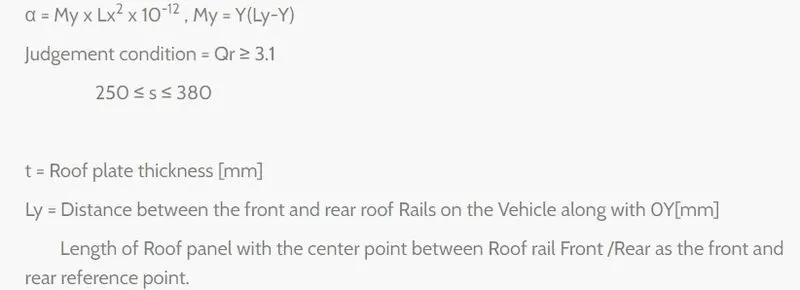
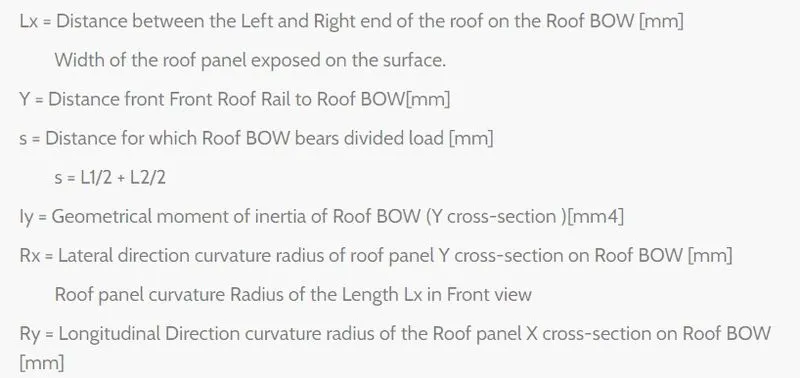
Based on the above formula values are calculated
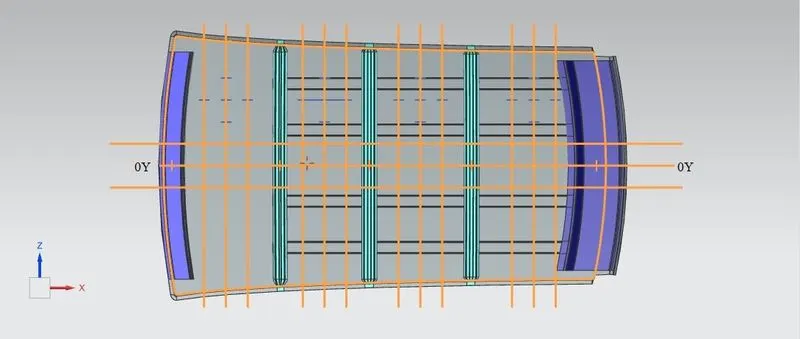
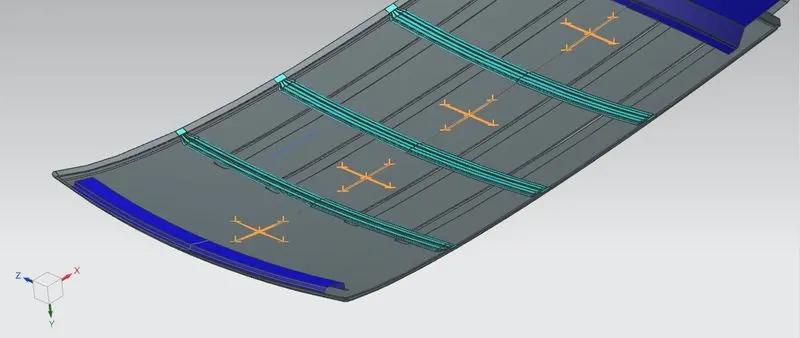
Calculation table for Snow Load Criteria:

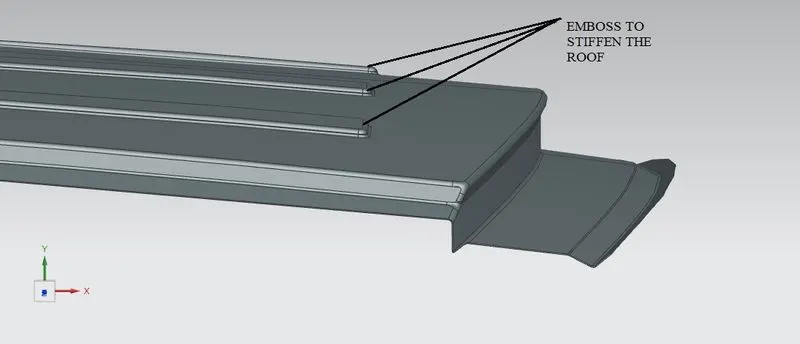
Here section 2, 3 does not satisfy the condtion so Roof is further stiffned to withsttand snow load.
Mastic data:
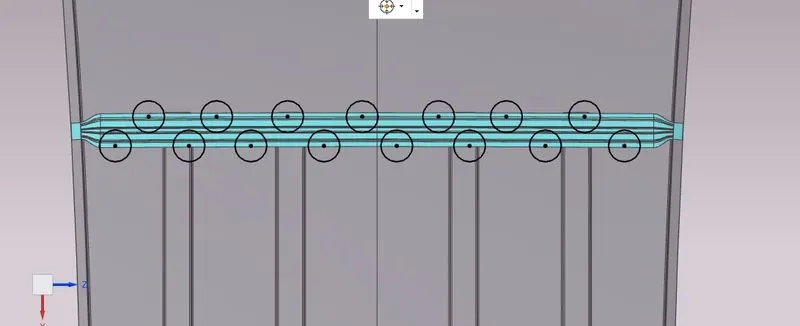
- The roof and rails at the surface is attached with mastic sealents which provides an influence upto 80 mm and it hardens on application of heat.
- It absorbs the impacts and acts as reinforcements.
Tolerance and Draft angle Allowances:
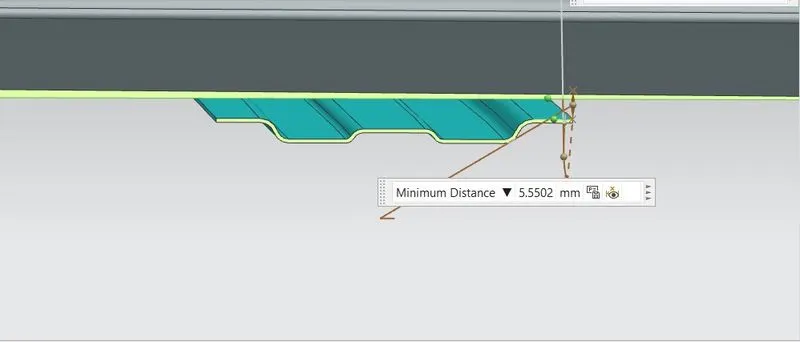
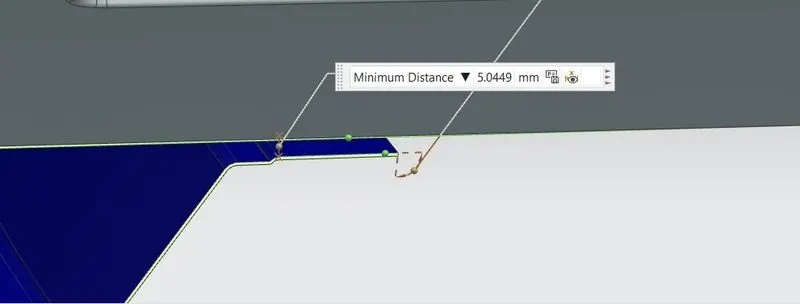
- Minimum 5 mm gap should be provided at roof rails and roof surface for mastics.
- Minimum draft angle of 5 degrees should be maintained for deep drawing operations.
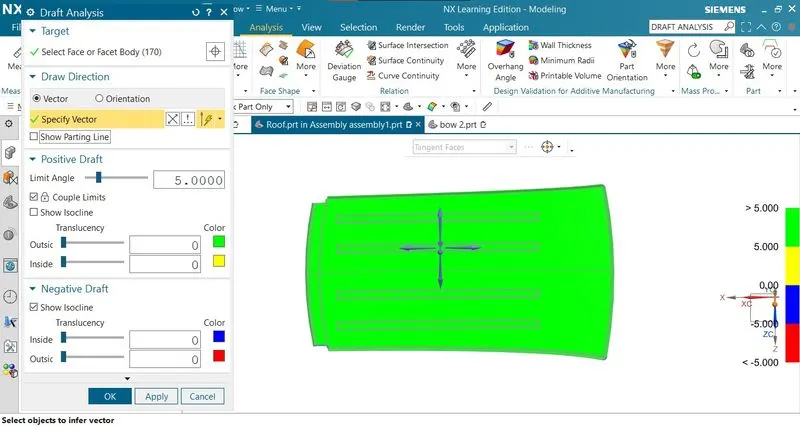
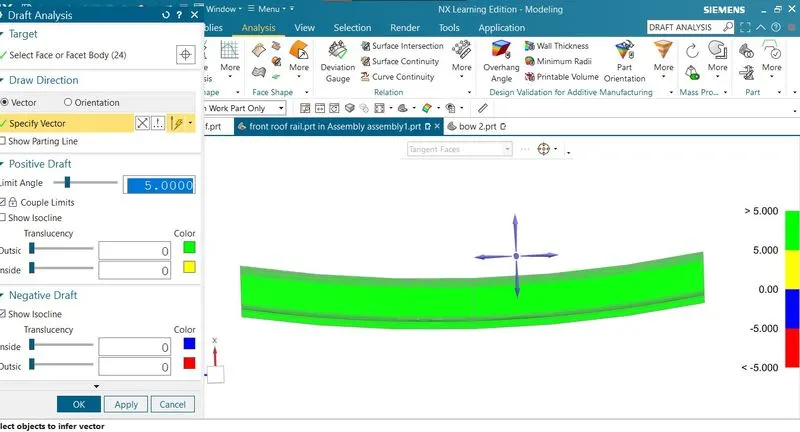
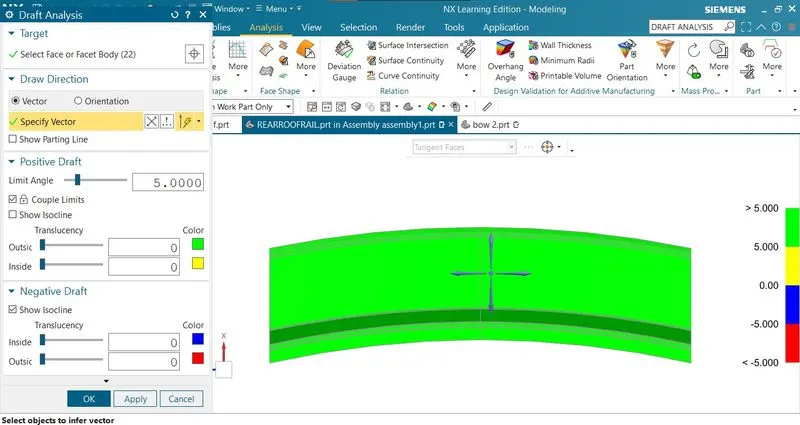
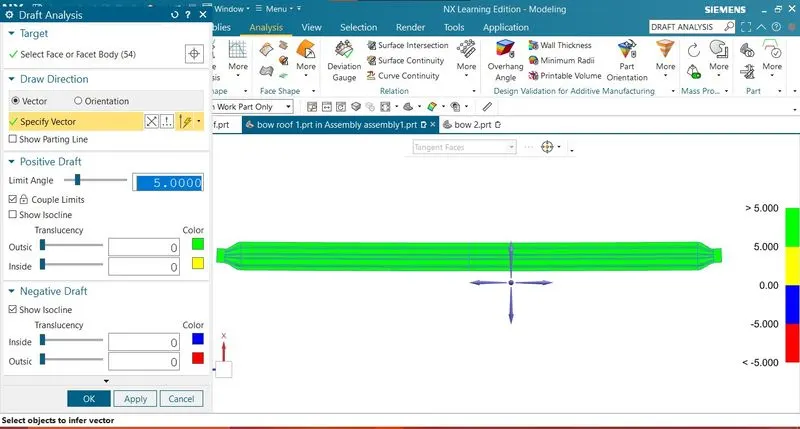
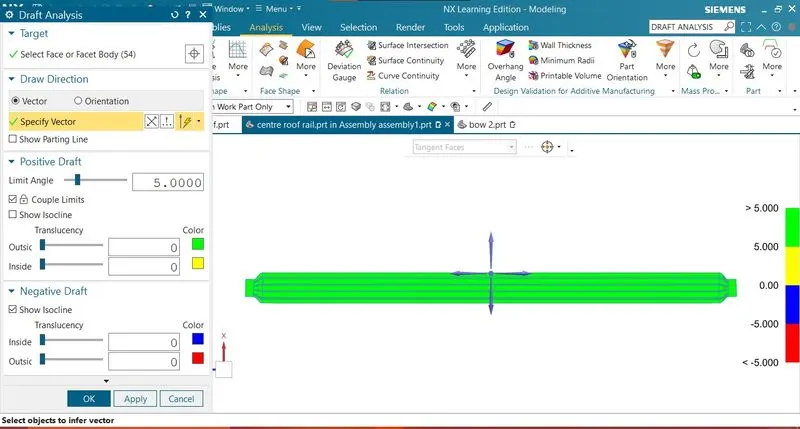
By fallowing all the above criteria Roof is designed in NX CAD tool.