Roof challenge
ROOF DESIGN USING NX
OBJECTIVE: The main objective of this challenge is to understand what roof is and how important is for an automobile vehicle and to design roof attachments such as bow roof, front roof rail, rear roof rail etc., in NX software.
INTRODUCTION
An automobile roof or car top is the portion of an automobile that sits above the passenger compartment, protecting the vehicle components as well as passengers while travelling in the vehicle from sun, wind, rain, and other external elements.
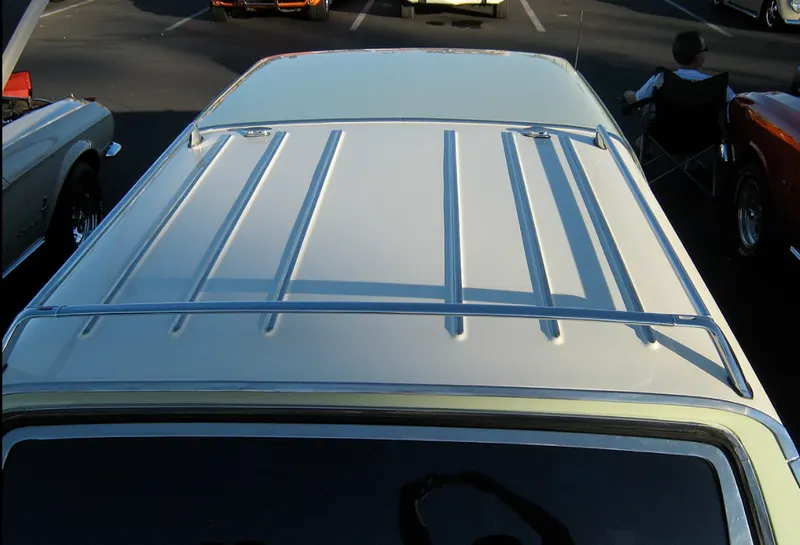
FUCNTIONS OF A ROOF:
- It protects the passengers from hot sun rays, rain, and snow in case of cold countries.
- It protects the passengers from strong winds.
- It protects the passengers in case of collision or crash.
- It improves the aesthetic looks of a car.
TYPES OF ROOFS
1.CONVERTIBLE ROOFS: A convertible roof or cabriolet is a passenger car that can be driven with or without a roof in place. The methods of retracting and storing the roof vary between models. A convertible allows an open-air driving experience, with the ability to provide a roof when required. Potential drawbacks of convertibles are reduced structural rigidity (requiring significant engineering and modification to counteract the effects of removing a car's roof) and cargo space.
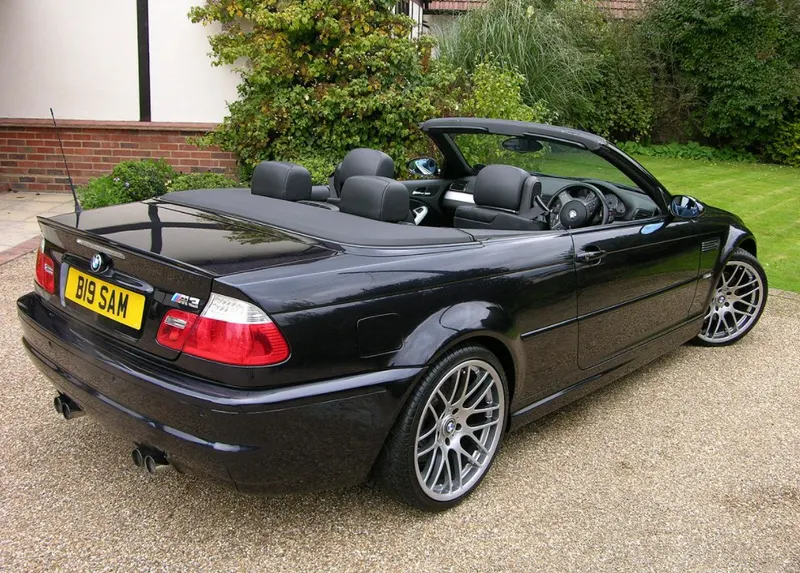
Most convertible roofs are of a folding construction framework with the actual top made from cloth or other fabric. Other types of convertible roofs include reachable hardtops (often constructed from metal or plastic) and detachable hardtops (where a metal or plastic roof is manually removed and often stored in the trunk).
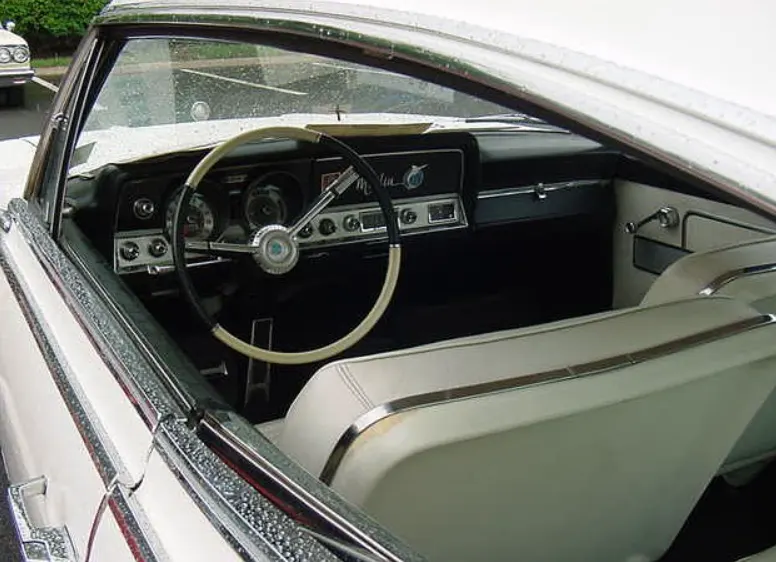
2.HARD TOP: A hardtop is a rigid form of automobile roof, which for modern cars is typically constructed from metal. A hardtop roof can be either fixed (i.e., not removable), detachable for separate storing or retractable within the vehicle itself.
The below image shows a pillarless hardtop,
3.SUNROOF: A sunroof is a movable panel that opens to uncover a window in an automobile roof, allowing light and fresh air to enter the passenger compartment. Sunroofs can be manually operated, or motor driven, and are available in many shapes, sizes, and styles.
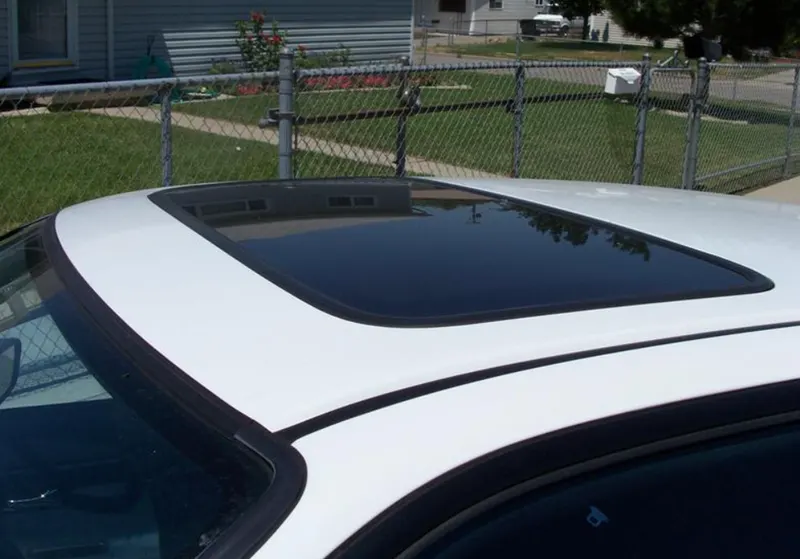
While the term sunroof is now used generically to describe any glass panel in the roof, the term "moonroof" was historically used to describe stationary glass panes rigidly mounted in the roof panel over the passenger compartment. A moonroof has a glass panel that is transparent and usually tinted. Previous terms include Sunshine Roof, Sliding Head and Sliding Roof.
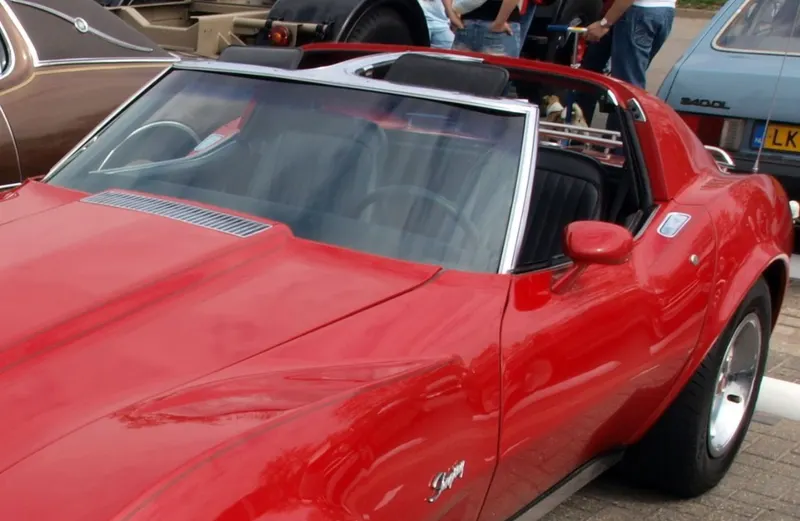
4.T-TOP: A T-top is an automobile roof with a removable panel on each side of a rigid bar running from the centre of one structural bar between pillars to the centre of the next structural bar. The panels of a traditional T-top are usually made of auto grade safety glass.
The removable panel roof was patented by Gordon Buehrig on June 5, 1951. It was first used in a 1948 prototype by The American Sportscar Company or “Tasco.”
5.TARGA TOP: Targa top, or targa for short, is a semi-convertible car body type with a removable roof section and a full width roll bar behind the seats. The term was first used on the 1966 Porsche 911 Targa, and it remains a registered trademark of Porsche AG.
The rear window is normally fixed, but on some targa models, it is a removable plastic foldable window, making it a convertible-type vehicle. Any piece of normally fixed metal or trim which rises from one side, over the roof and down the other side is sometimes called a targa band, targa bar, or a wrap over band.
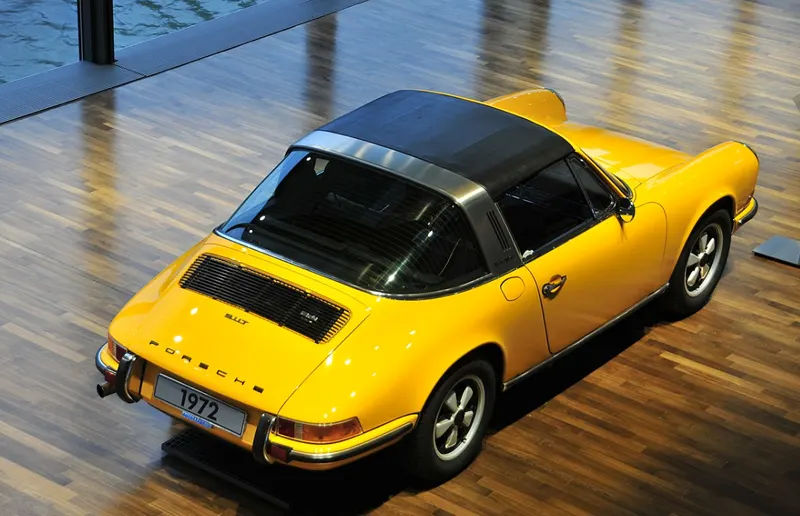
Targa tops are different from T-TOPS, which have a solid, non-removable bar running between the top of the windscreen and the rear rollbar, and generally have two separate roof panels above the seats that fit between the window and central T-bars.
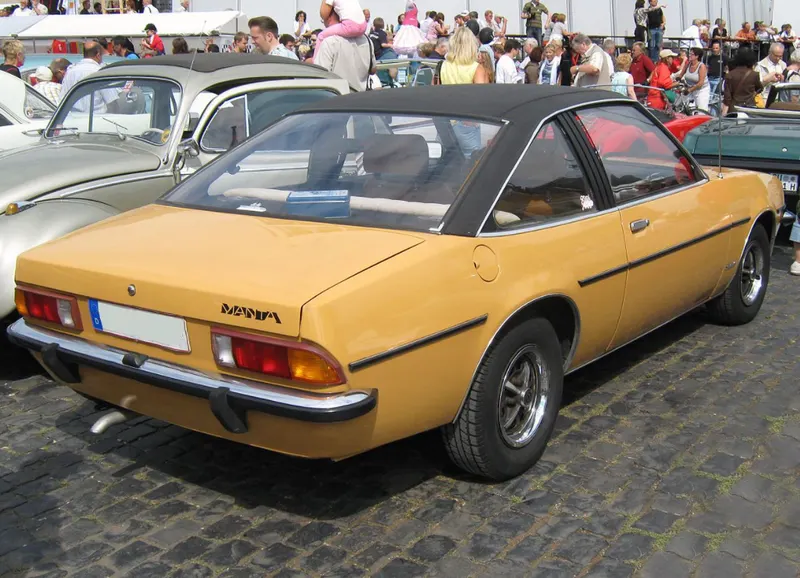
6.VINYL ROOFS: Vinyl roof refers to a vinyl covering for an automobile's top. This covering was originally designed to give the appearance of a convertible to models with a fixed roof, but eventually it evolved into a styling statement in its own right. Vinyl roofs were most popular in the American market, and they are considered one of the period hallmarks of 1970s Detroit cars. Vinyl roofs were also popular on European- (especially UK-) and Japanese-built cars during the 1970s and tended to be applied to sporting or luxury trim versions of standard saloon (sedan) models.
COMPONENTS OF A ROOF
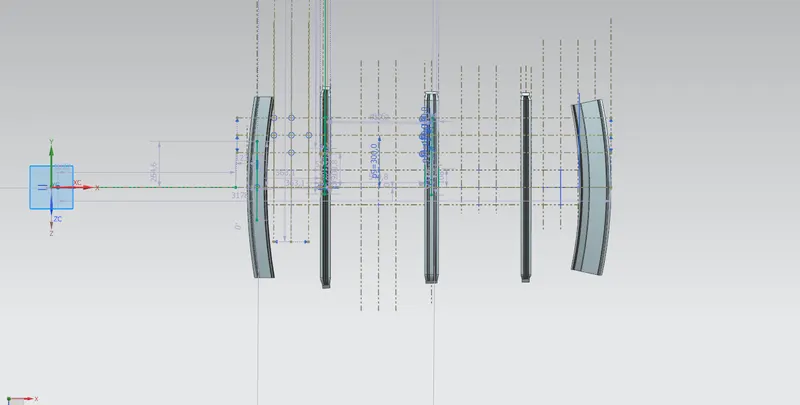
There are some components which are equipped to the roof outer panel inorder to increase the strength of the roof they are:
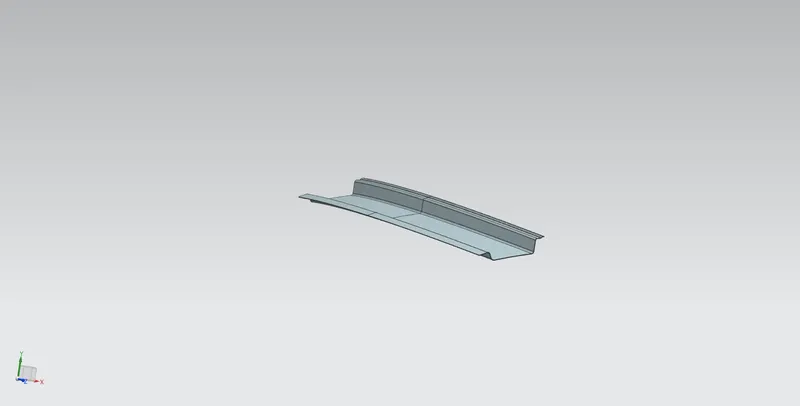
1.FRONT ROOF RAIL
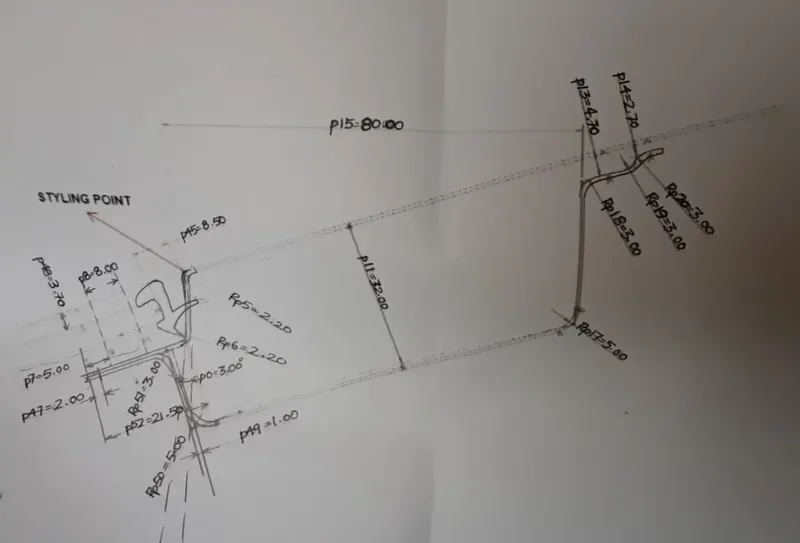
the master section for the front roof rail is as shown in the given below and the design of the rail is followed according to the master section provided,
2.REAR ROOF RAIL
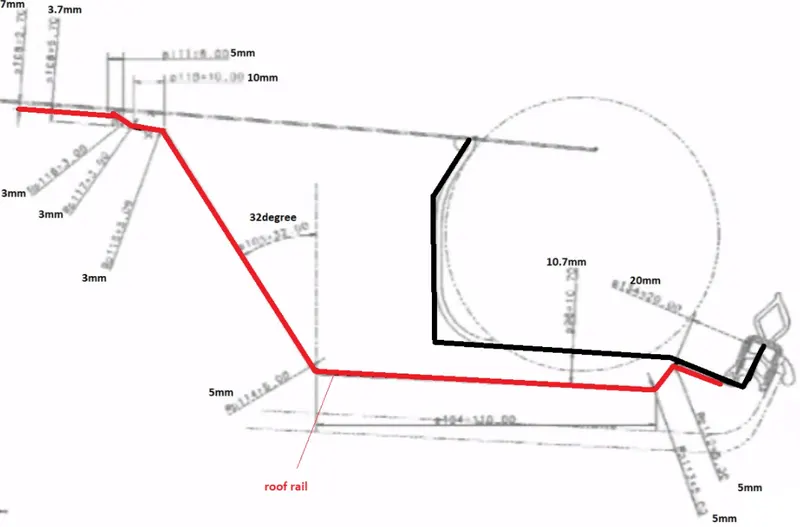
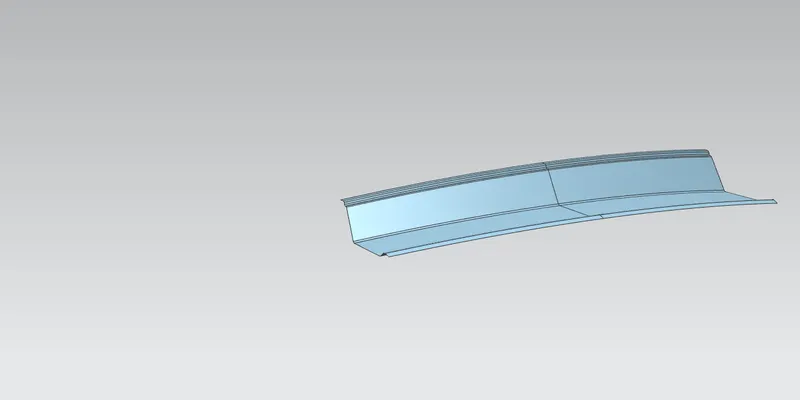
the master section for the rear roof rail is as shown in below figure and the design work is proceeded by the master section given to us,
3.BOW ROOF 1
4.BOW ROOF 2
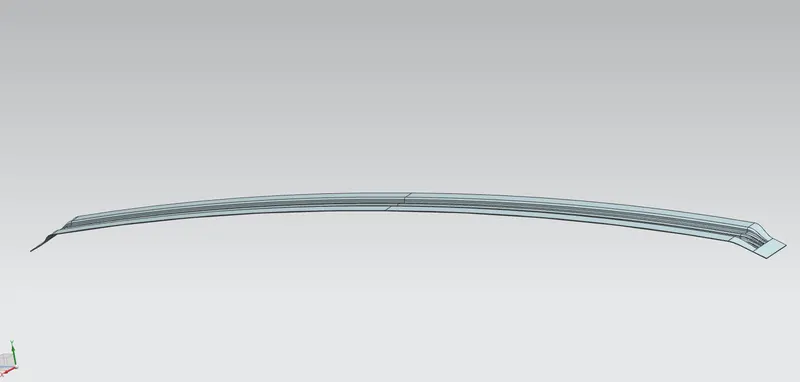
5.CENTRE ROOF RAIL.
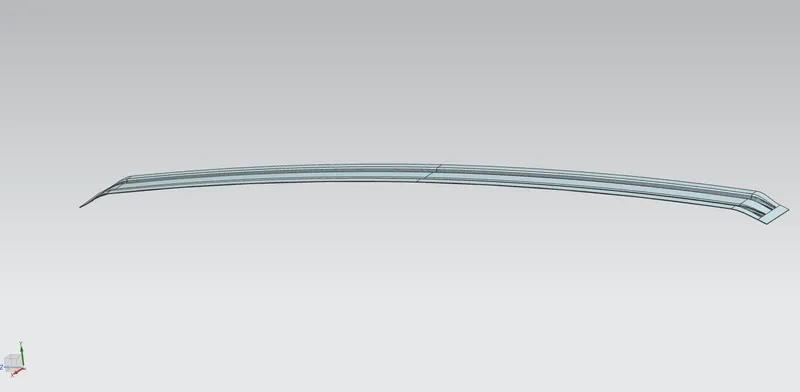
ASSEMBLY OF ROOF
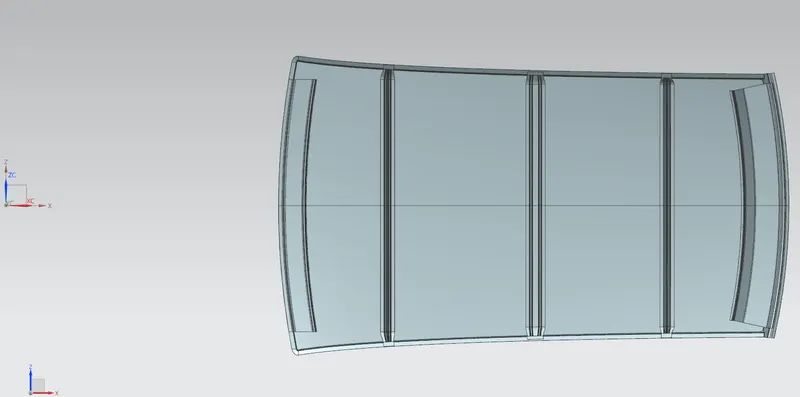
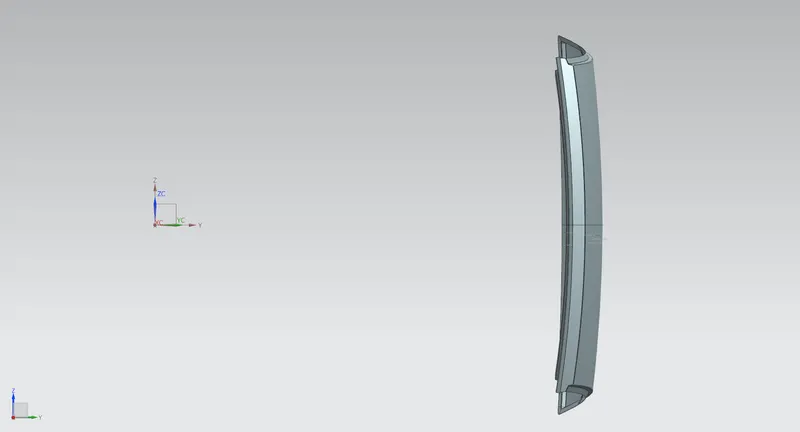
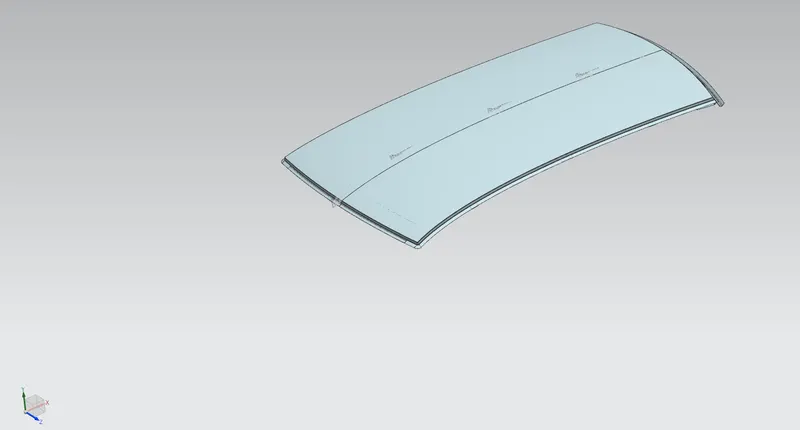
The assembly of roof shows us the different views of roof after assembling all the components
1.ISOMETRIC VIEW
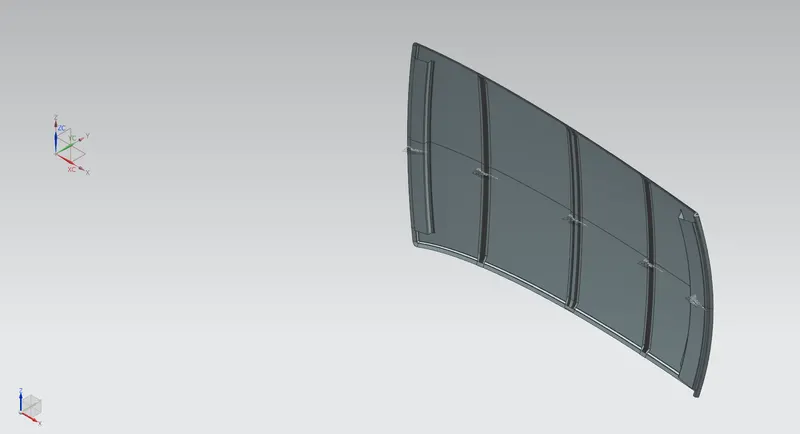
2.TOP VIEW
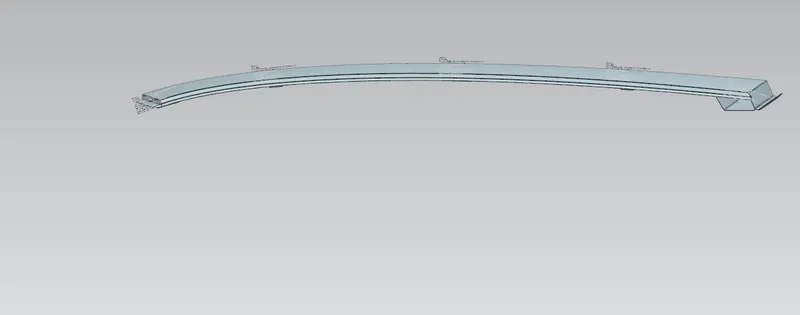
3.FRONT VIEW
4.RIGHT VIEW
5. GENERAL VIEW
ANALYSIS OF ROOF
We have performed different types of analysis on the roof assembly to check for its safety, now we will discuss about them,
1. HEAT DISTORTION PREDICTION
For this analysis the bow roof prediction formula is
W = [1.73 x 10^(-3) x L] + [1.85 x 10^(-8) x (R^2)/t] + [ 1.10x10^(-3) x l] - 2.68
Judgement Condition : OK< 2.7> 3.1
Where
L = Roof Length in X-Direction[mm](Roof dimension in 0-Y)
R = Roof curvature
R = 2(Rx*Ry)/(Rx+Ry)
Rx = X curvature
Ry = Y curvature
t = Roof plate thickness [mm]
l = Bow Roof Span [mm]
Heat distortion prediction table
|
S.NO |
BOWS |
RX |
RY |
R |
l |
L |
t |
R*R/t |
W |
Status |
|
1 |
FRR&BR1 |
3992.80 |
1654.84 |
2339.89 |
310.10 |
2030.9 |
0.75 |
7300113.61 |
1.31 |
OK |
|
2 |
BR1&CRR |
3648.92 |
4139.42 |
3878.72 |
541.12 |
2030.9 |
0.75 |
20059291.78 |
1.79 |
OK |
|
3 |
CRR&BR2 |
3911.72 |
6002.44 |
4736.63 |
473.39 |
2030.9 |
0.75 |
29914218.34 |
1.90 |
OK |
|
4 |
BR2&RRR |
3218.42 |
7065.07 |
4409.44 |
278.01 |
2030.9 |
0.75 |
25924214.81 |
1.61 |
OK |
Here all the dimensions are in millimetres’ and
BR1- BOW ROOF 1
BR2- BOW ROOF 2
CRR-CENTRE ROOF RAIL
RRR- REAR ROOF RAIL
Since all the values are satisfied the roof has been passed the heat distortion prediction test.
2.SNOW LOAD PREDICTION:
The formula for snow load prediction is as given below
Qr = [Iy x t2] / [α x s x [(Rx + Ry)/2]2 x 10-8]
Note: The Qr value given over here is correct. There was a typo error in the formula given in the video.
Where
α = My x Lx2 x 10-12 , My = Y(Ly-Y)
Judgement condition = Qr ≥ 3.1
250 ≤ s ≤ 380
t = Roof plate thickness [mm]
Ly = Distance between the front and rear roof Rails on the Vehicle along with 0Y[mm]
Length of Roof panel with the center point between Roof rail Front /Rear as the front and rear reference point.
Lx = Distance between the Left and Right end of the roof on the Roof BOW [mm]
Width of the roof panel exposed on the surface.
Y = Distance front Front Roof Rail to Roof BOW[mm]
s = Distance for which Roof BOW bears divided load [mm]
s = L1/2 + L2/2
Iy = Geometrical moment of inertia of Roof BOW (Y cross-section )[mm4]
Rx = Lateral direction curvature radius of roof panel Y cross-section on Roof BOW [mm]
Roof panel curvature Radius of the Length Lx in Front view
Ry = Longitudinal Direction curvature radius of the Roof panel X cross-section on Roof BOW [mm]
Roof panel X curvature radius of length s in Side view
Snow load prediction table
Here all the dimensions are in millimetres’ except IY and
FRR- FRONT ROOF RAIL
BR1- BOW ROOF 1
BR2- BOW ROOF 2
CRR-CENTRE ROOF RAIL
RRR- REAR ROOF RAIL
Snow load prediction table
|
S.NO |
BOW’S |
RX |
RY |
LX |
LY |
Y |
IY mm4 |
S |
M Y |
α |
t |
Qr |
status |
|
1 |
FRR&BR1 |
4785.26 |
2298.43 |
1142 |
2030.9 |
392.43 |
205.69 |
501.295 |
642984.78 |
0.83855 |
0.75 |
21.66 |
ok |
|
2 |
BR1&CRR |
3757.75 |
5910.86 |
1088 |
2030.9 |
610.16 |
218.11 |
475.805 |
866878.7184 |
1.026162 |
0.75 |
10.01 |
ok |
|
3 |
CRR&BR2 |
2614..75 |
6178.02 |
1058 |
2030.9 |
542.45 |
209.99 |
469.78 |
807409.7025 |
0.903785 |
0.75 |
13.92 |
ok |
|
4 |
BR2&RRR |
3899.10 |
11075.56 |
1054 |
2030.9 |
397.11 |
- |
- |
648794.3469 |
0.7207560 |
0.75 |
- |
- |
Here all the dimensions are in millimetres’ except IY and
FRR- FRONT ROOF RAIL
BR1- BOW ROOF 1
BR2- BOW ROOF 2
CRR-CENTRE ROOF RAIL
RRR- REAR ROOF RAIL
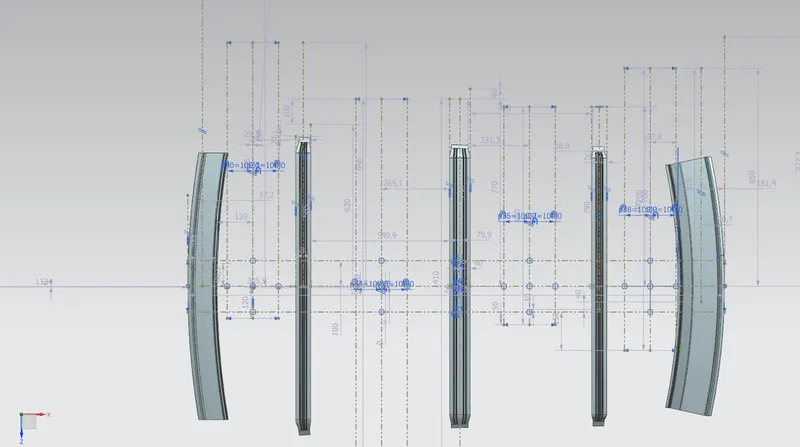
Since here also the Qr value is geater than the value specified the roof has satisfied all the conditions for the snow load prediction.
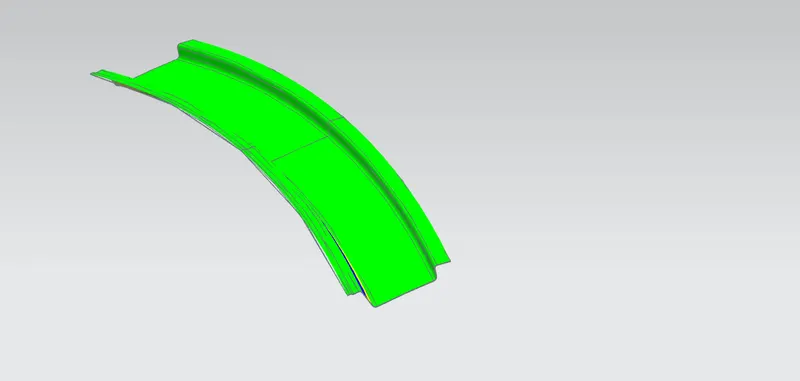
3.DRAFT ANALYSIS:
The draft analysis of the components of the roof is shon in below figure,
1.the draft analysis of front roof rail is shown in the below picture,
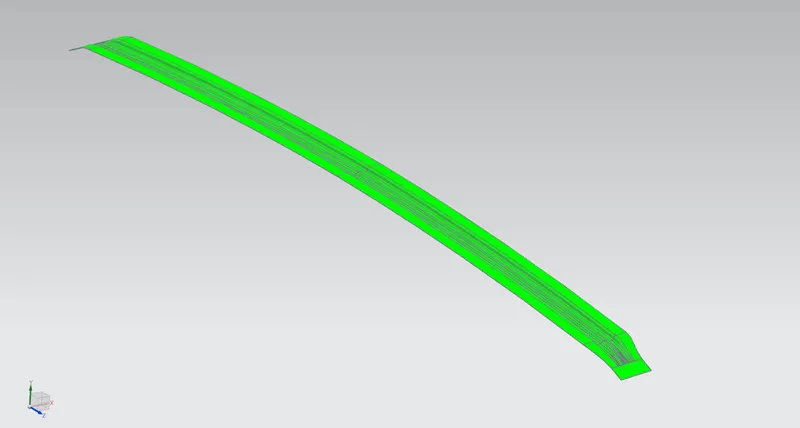
2.the draft analysis of bow roof1 is as shown in figure,
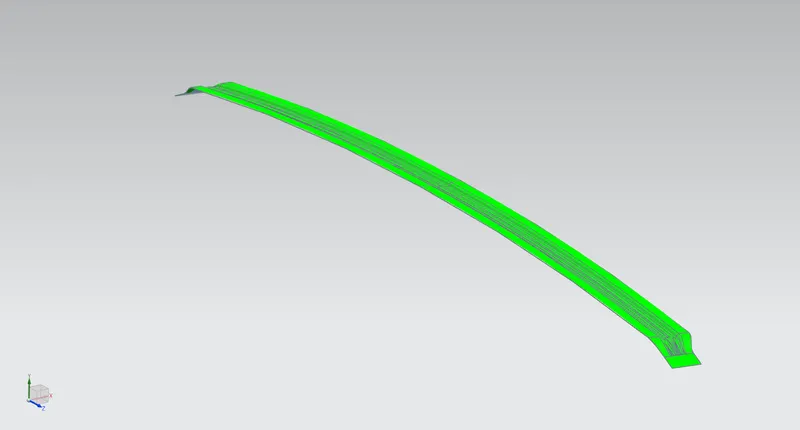
3.the draft analysis of bow roof 2 is as shown in the below image,
4.the draft analysis of centre roof rail is as shown in below figure,
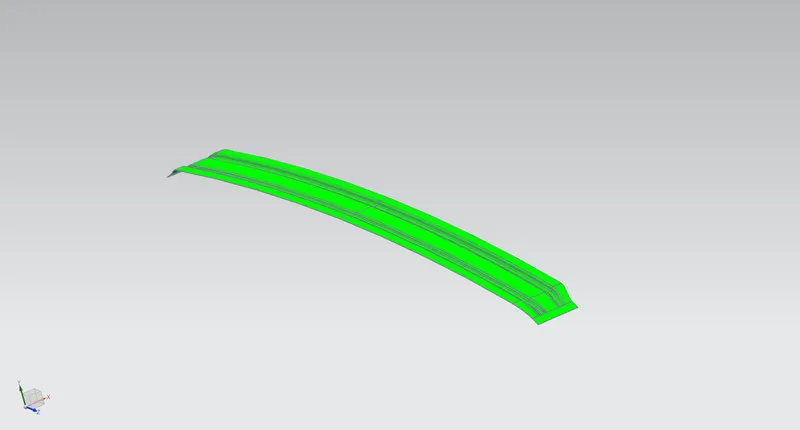
5.the draft analysis of rear roof rail is as illustrated in the below figure,
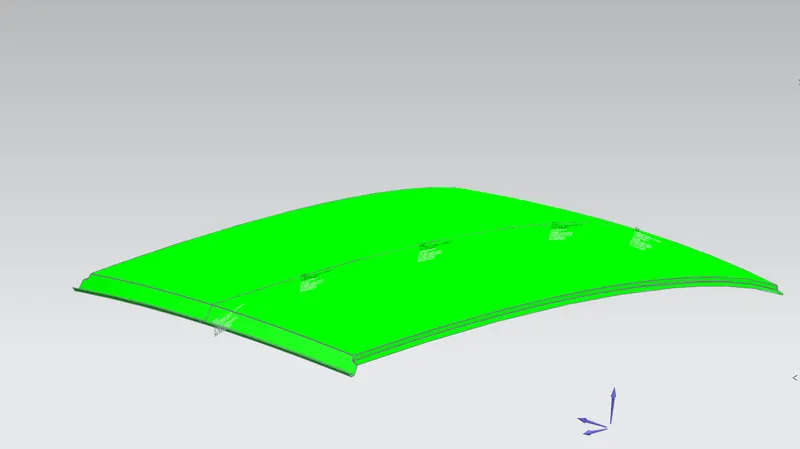
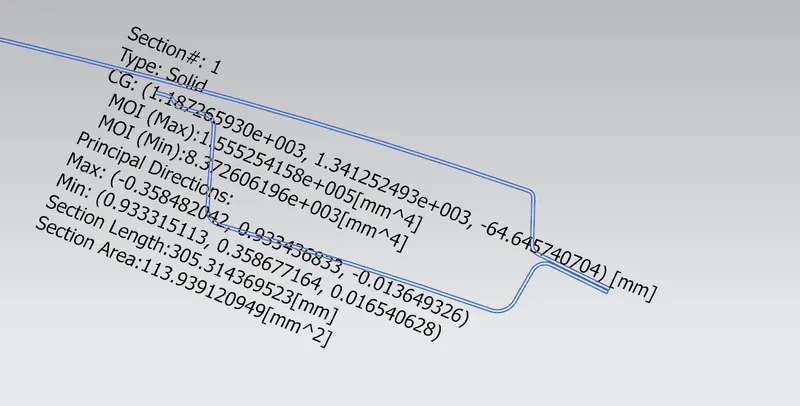
4.SECTION INERTIA STUDY;
The section inertia of front roof rail is shown in below picture,
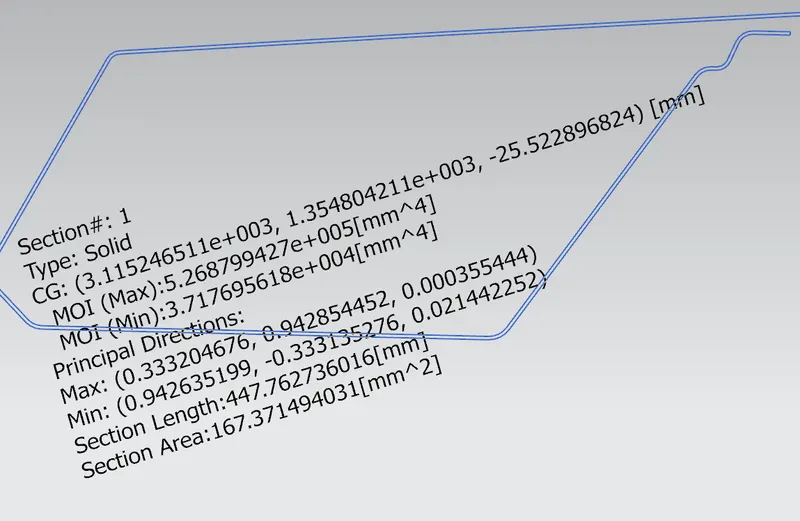
The section inertia of rear roof rail is shown in below picture
The section inertia of bow roof1 is as illustrated in the below picture
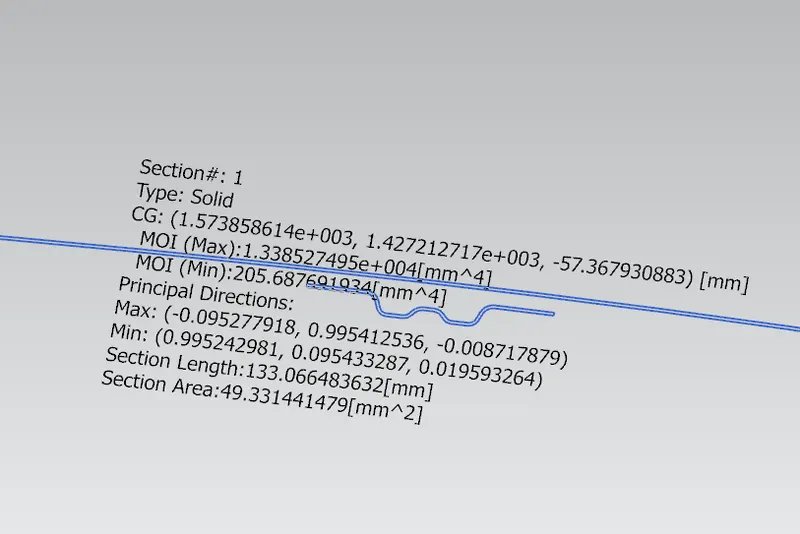
The section inertia of bow roof2 is as given in the bottom picture
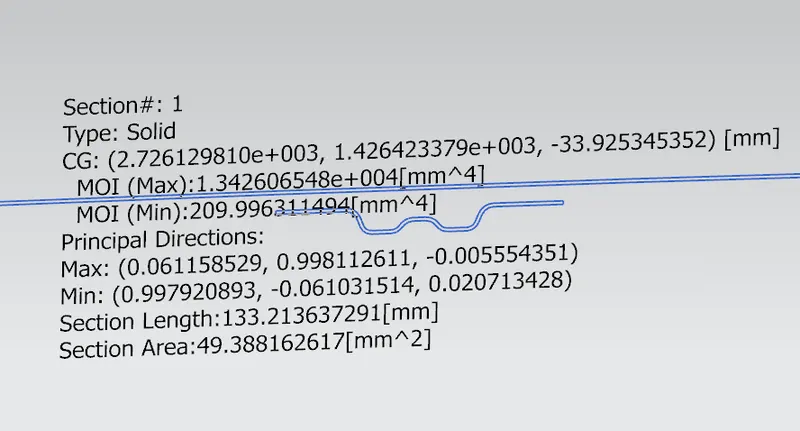
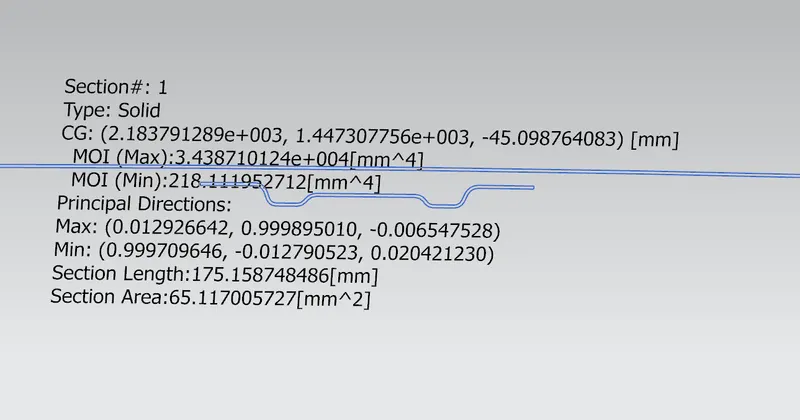
The section inertia of centre roof rail is as shown in below picture
CONCLUSSION
And hence I am concluding that, for the given roof styling, I have developed all the essential flanges and reinforcements and performed all the analysis on the roof body such as heat distortion prediction analysis and snow load prediction analysis and inertia analysis and lasr draft analysis and the roof has satisfed and passed all the analysis performed on it.