Roof challenge
Objective
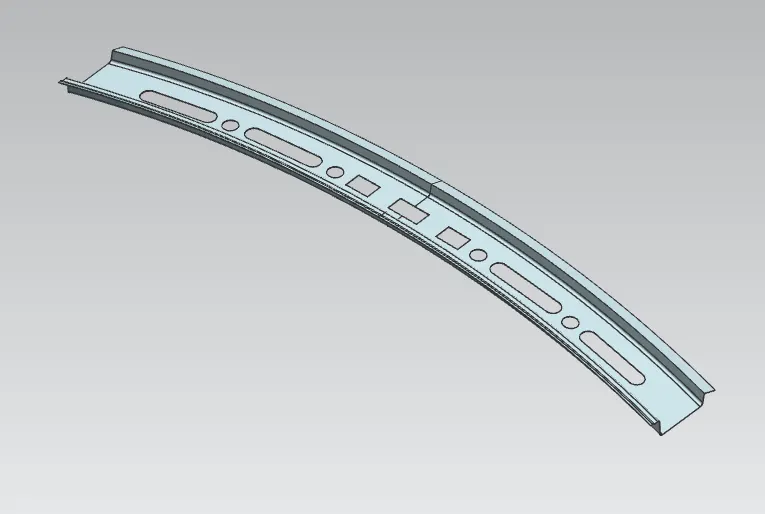
- Design and development of car roof ditch area, front roof rail ,rear roof rail, centre roof rail and bow roofs.
- Heat distortion and snow load calculation to determine and justify the position of bow roofs.
- Section modulus study for the master sections created for the front roof rail, rear roof rail, bow roof rails and center roof rail
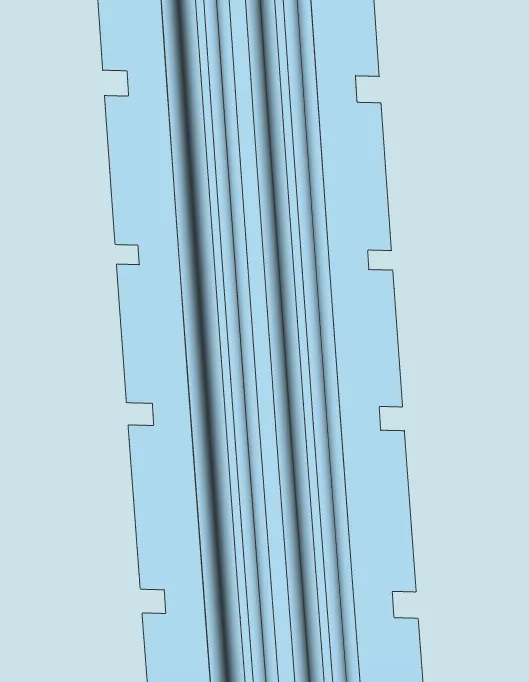
- Draft analysis of front roof rail, rear roof rail, center roof rail and all the bow roofs.
About software- NX CAD
NX, formerly known as "unigraphics", is an advanced high-end CAD/CAM/CAE, which has been owned since 2007 by Siemens PLM Software. In 2000, Unigraphics purchased SDRC I-DEAS and began an effort to integrate aspects of both software packages into a single product which became Unigraphics NX or NX.
Introduction
An automobile roof is the portion of an automobile that sits above the passenger compartment , protecting the vehicle occupant from sun , wind , rain and other external elements.
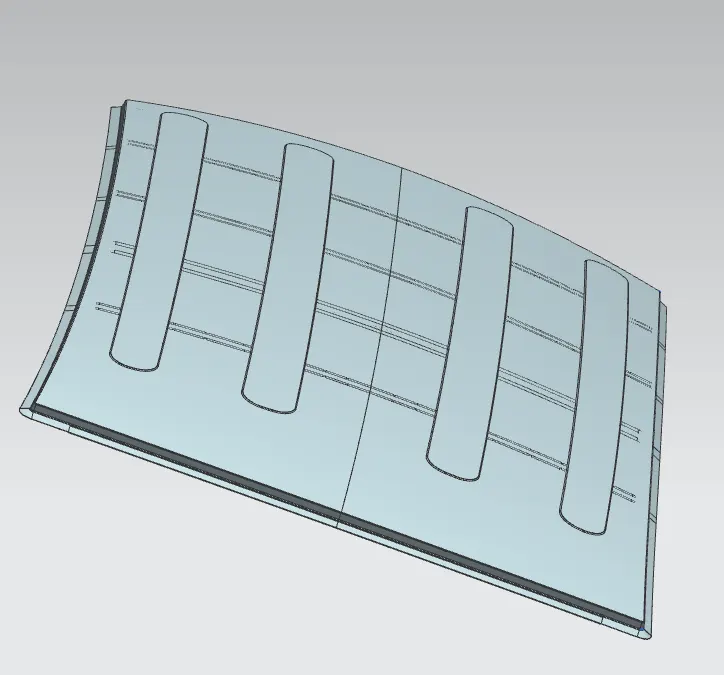
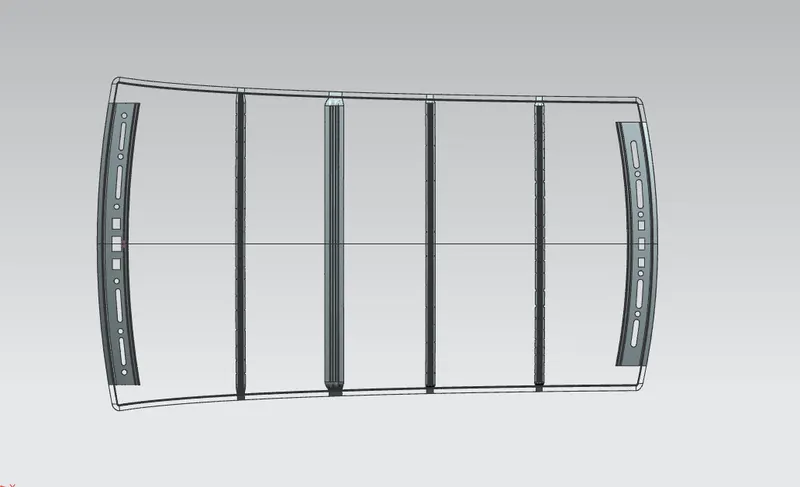
Under the styling surface that is seen on the outside , there are many other structures under the roof which contribute to its strength and stability. The number of such structure differ with respect to the size of the vehicle. They are primarily installed on the flatter areas of the roof to enhance the strength. These are the front roof rail, rear roof rail, centre roof rail and bow roofs and they are joined to the roof by ditch area.
Benefits of using car roof rail
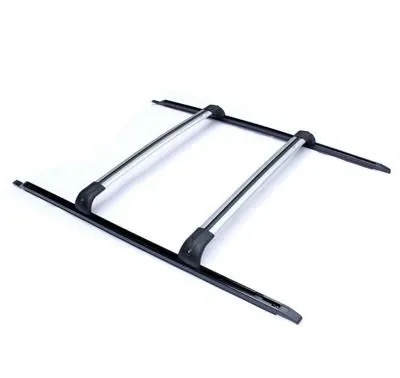
Use of car roof rails is something that is not stressed enough in a country like India, where it could actually be of great benefit. Now, roof rails in cars, in some cases, do not come attached while in others they do. The biggest benefit of a car roof carrier is that it can help the driver balance the weight of a vehicle by transferring some on to the top. In the modern day scenario, wherein mobility is everything, information broadcasting people use the rail to mount a dish antenna in the car.
Getting the right car roof rail price is slightly tough if not from the official company because there are plenty of things that need to be kept in mind. A cheap car roof carrier might be handy for those who want to keep lesser luggage. However, those who want make the use of car roof rails for heavy loading and travelling for long distances, should not get them attached on a hatchback and only an SUV.
Reinforcements and design
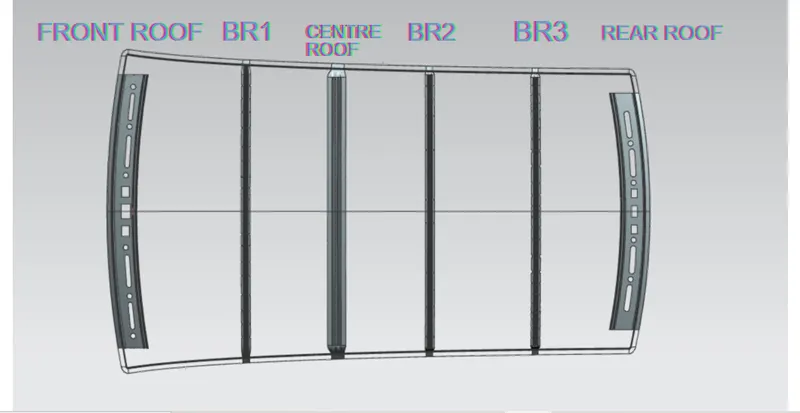
DITCH AREA
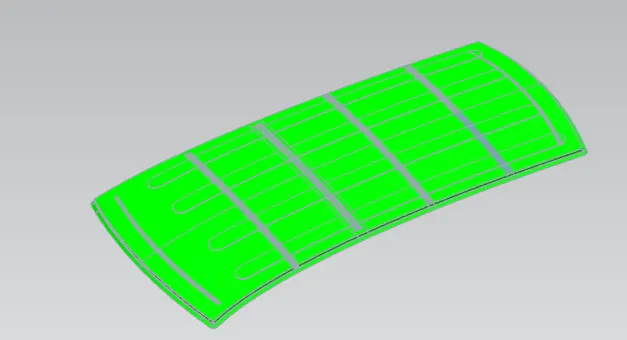
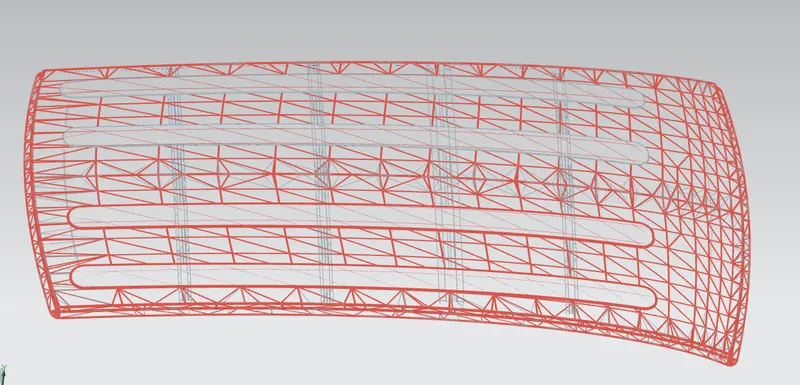
The ditch area is the extended portion of the main roof concealed by other BIW panels. The rail supports of the roof are attached to the ditch area using spot welds , since it is not a styling surface and remains concealed. Headroom clearance, visibility criteria , clearnce for wind shield and back door are some of the factors to be considered while designing the ditch area. It is given a thickness of 0.75 mm. embosses have been provided on the roof for better strength.
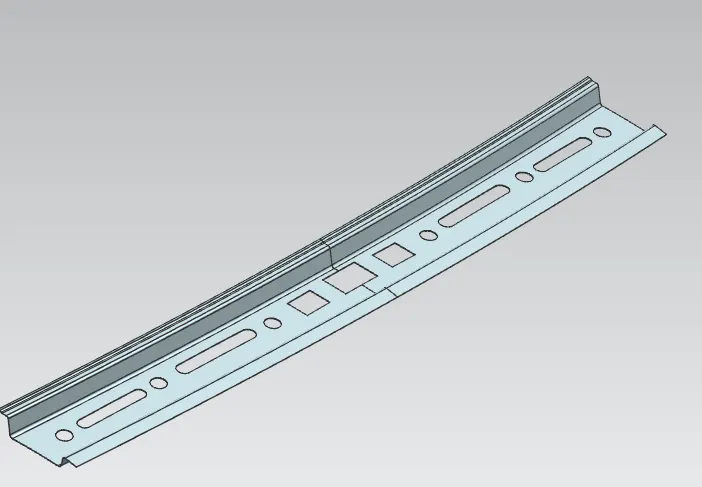
Front roof rail
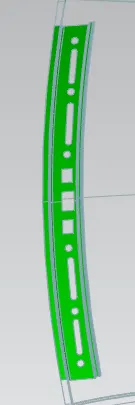
It is the support which is joined with the wind shield glass. Body side outer and the inner panels. It is usually made from body side outer scrap and therefore the thickness of the railis 0.75 mm . a draft angle of 3-5 degrees is provided keeping in mind the deep drawing operations. The wind shield end flange is the exact offset of the roof surface. The bottom most flange is decided after taking into consideration the visibility criteria and the headroom clearance of the passenger . spot welds are applied at wind shield end of the rail and the other end is joined with the roof using mastic selant which also contributes to increased strength.
Centre roof rail and bow roofs
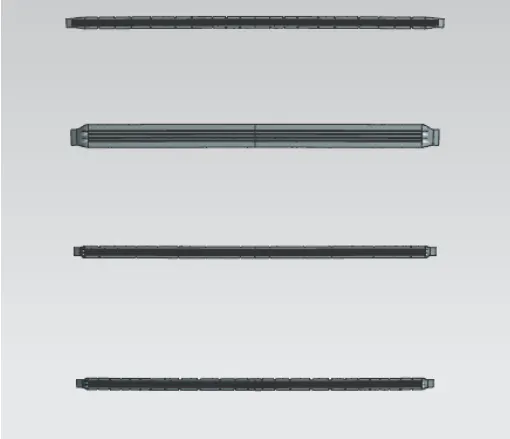
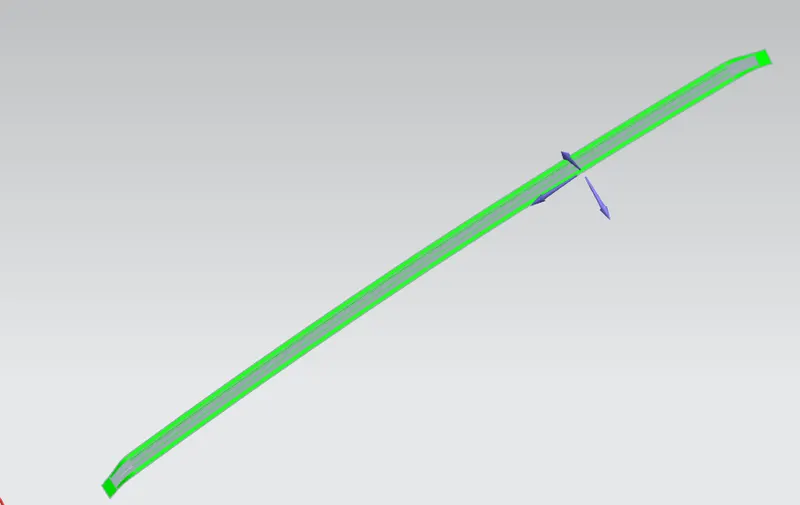
Similar to front and rear roof , we have to take into consideration the head room clearance and the visibility criteria while designing the centre roof rail and bow roofs. But spotwelds are not applied for joining these rails to roof so mastic sealant are introduced at both the ends .
Rear roof rail
It is the support which is joined to the backdoor and the body side outer and inner panels . it is also usually made from the body side outer scrap and therefore the thickness of rail is 0.75mm. similar to the front roof rail design , we have to take into consideration the rear headroom clearance and the rear visibility criteria while designing rear roof rail. Inputs from the backdoor design is also taken to accommodate the required clearance . spot welds are applied at the backdoored of the rail and the other end is joined with the roof using mastic sealants.
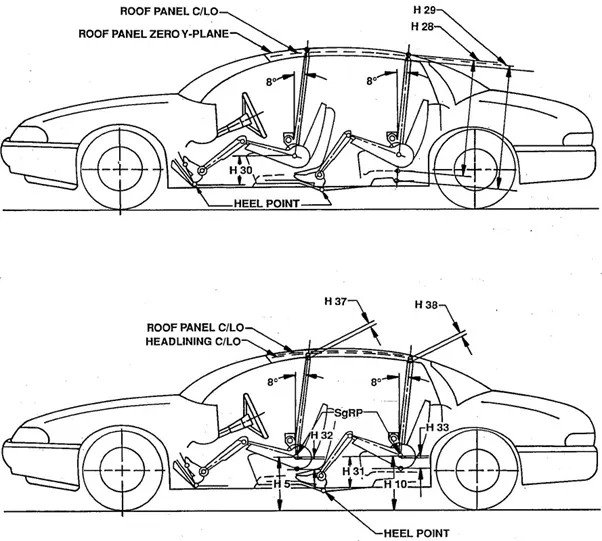
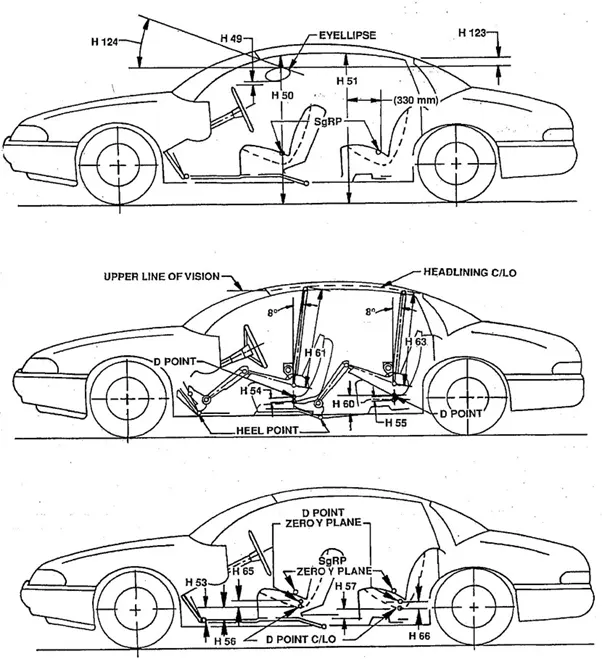
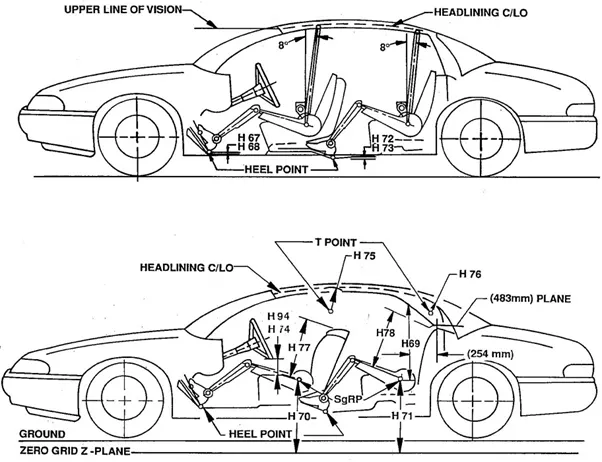
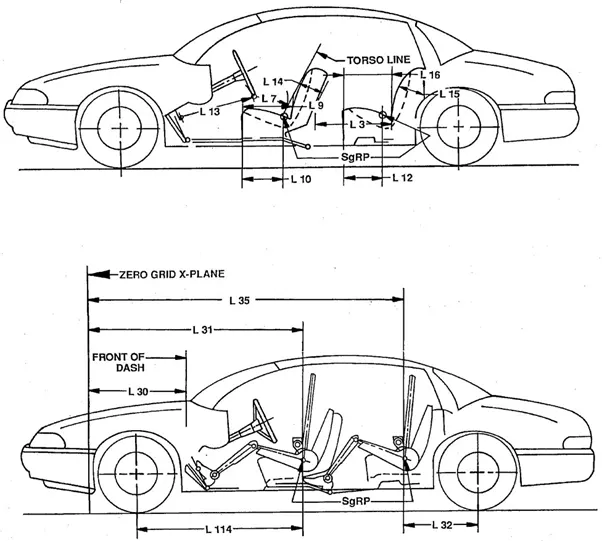
Various clearance of passenger with respect to roof and seat positions
The dimension measured vertically from the SgRP to ground.
Analysis
CURVATURE STUDY
It is done to justify the positioning of the bow roofs . these are mainly three criterion to fullfill
- Roof crush test
- Heat distortion criteria
- Snow load criteria
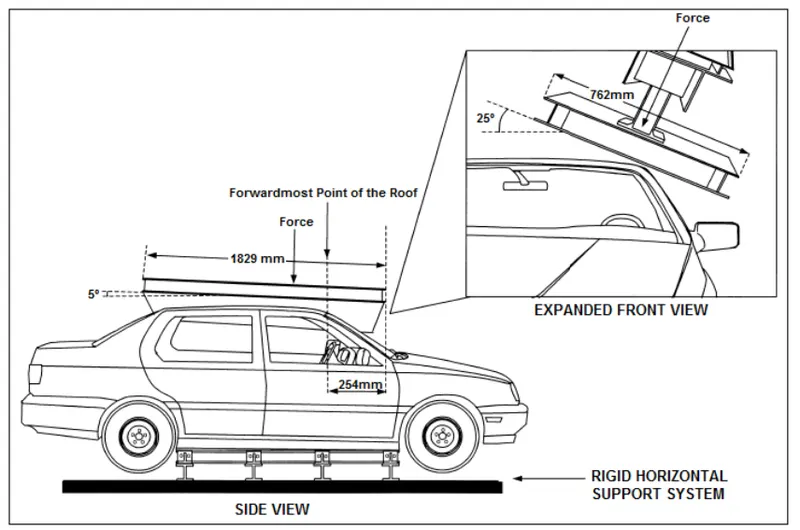
Roof crush test
It is done only after the part or prototype manufactured in a physical conditions. Roof crush is the failure and displacement of an automobile roof into the passenger compartment during a rollover accident.
Every year approximately 10,000 Americans are killed in rollover accidents, accounting for about 30% of all light vehicle occupant fatalities. The number of occupant injuries is significantly higher. The relationship between injury levels and intrusion or roof crush has been statistically established, but the mechanism has been thought sometimes to be somewhat obscure. Theories advocating the idea that rollover injuries are caused by the occupants "falling" or "diving" into the vehicles interior have been advanced, but the severity of these events, and thus their potential for causing injury, has been questioned.
Observations from bus and heavy truck rollovers also suggests that the fall and dive theories are incorrect and that another theory of the mechanism of injury in rollover accidents is required, one that relates injury to the intrusion of the roof structure into the occupant compartment or more simply to "roof crush". Today it is generally realized that the primary injury mechanism in light vehicle rollover accidents is not crushing. Rather, it is widely acknowledged that the principal injury process for contained, i.e., non-ejected, occupants involves the impact between the occupant and the vehicle interior. Since the severity of an impact depends to a large extent on the relative velocity between the impacting objects; the impact theory of injury causation in rollovers has sought to explain the increase in injuries associated with increased roof crush with an increase in the relative velocity between the occupant and the vehicle's interior which is generated by the roof crush. In the simplest terms, when the occupants hits a collapsing roof, they hit harder because the roof is moving in on them. If the roof was not collapsing, and thus moving towards the occupants, their velocity relative to the roof would be lower and the impact less severe.
Roof crush has also been identified as a cause of both full and partial ejection in rollover accidents because of ejection portals created by the collapsing roof structure. These chiefly involve broken windows but occasionally also involve the body structure. The current Federal regulation involving roof strength - 49 CFR 571.216 (FMVSS 216) - has been found to offer little benefit and is currently being reviewed. Many European manufacturers provide stronger roofs than do U.S. or Asian manufacturers despite the fact that there is no European roof strength regulation for light vehicles. The volvo xc90may be a good example of this.
HEAT DISTORTION CRITERIA
- Heat distortion temperature is the temperature at which the metal softens and deforms under a specific load .
- This study is done to check the ability of the roof to withstand high temperature with respect to the positioning of the reinforcements which contribute to increased strength
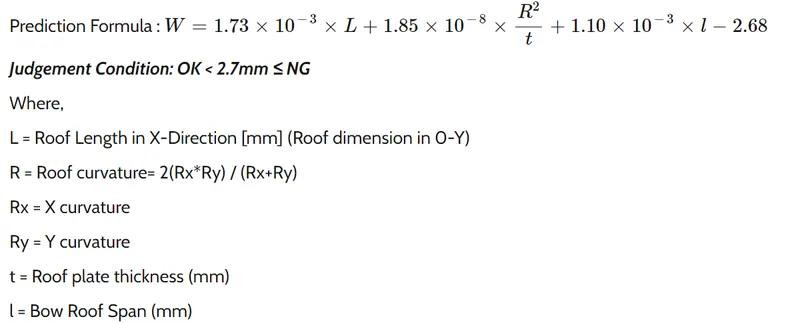
Prediction formula
When applying the corresponding measurements into the formula, the criterion is met for all the reinforcements.
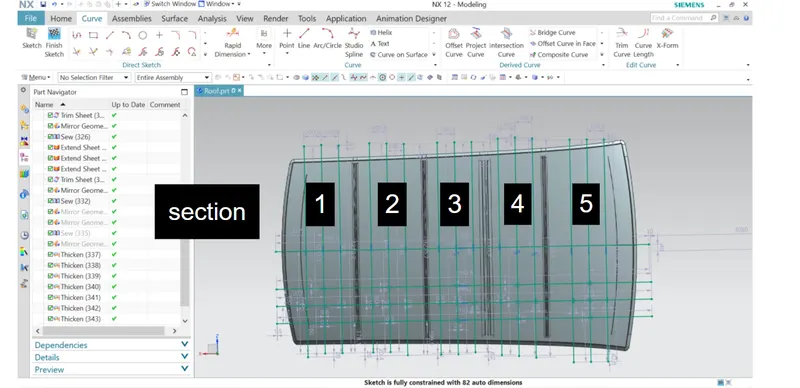
HEAT DISTORTION CRITERIA
|
s.no |
BOWS SECTION |
Rx |
Ry |
R |
I |
L |
t |
w |
Ok/NG |
|
1 |
Section1 |
5415.91 |
2361.72 |
3289.14 |
475.31 |
2035.3 |
0.75 |
1.1090 |
ok |
|
2 |
Section2 |
5134.76 |
4018.05 |
4508.28 |
293.25 |
2035.3 |
0.75 |
1.3435 |
ok |
|
3 |
Section3 |
1980.84 |
8774.72 |
3232.06 |
302.50 |
2035.3 |
0.75 |
1.0998 |
ok |
|
4 |
Section4 |
3676.37 |
4665.94 |
4112.46 |
368.82 |
2035.3 |
0.75 |
1.259339 |
ok |
|
5 |
Section5 |
2875.68 |
7040.43 |
4083.46 |
369.35 |
2035.3 |
0.75 |
1.25645 |
ok |
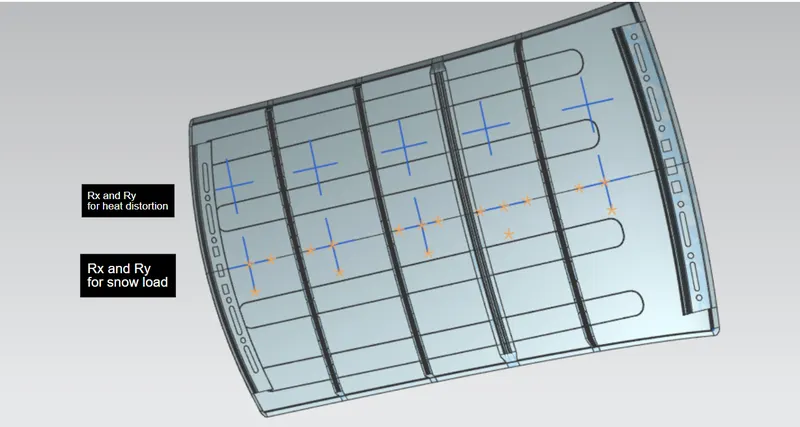
SNOW LOAD CRITERIA
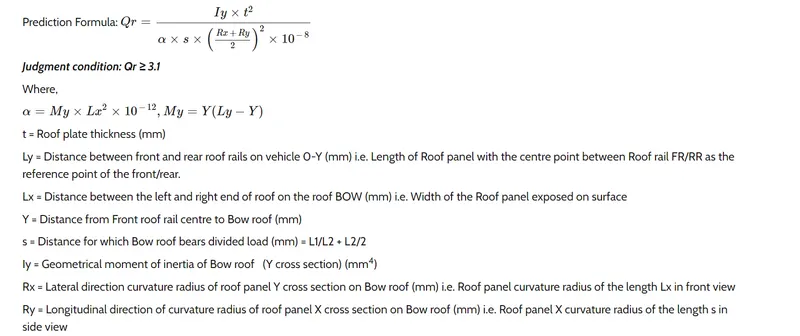
When applying the corresponding measurements into the formula, the criterion is met for all the reinforcements.
SNOW LOAD CRITERIA
|
s.no |
Bows |
Iy |
alpha |
Rx |
Ry |
t |
Qr |
determination |
|
1 |
FR AND B1 |
47.89 |
1.30 |
3335.8568 |
2179.7013 |
.75 |
72.17 |
ok |
|
2 |
B1 AND CR |
101.58 |
1.16 |
1409.7185 |
2632.4514 |
.75 |
183.14 |
ok |
|
3 |
CR AND B2 |
48.24 |
1.02 |
1481.3632 |
3085.2549 |
.75 |
73.57 |
ok |
|
4 |
B2 AND B3 |
48.32 |
0.96 |
2643.87 |
5921.8001 |
.75 |
73.89 |
ok |
Load criterion calculation
|
s.no |
Bows |
alpha |
My |
lx |
Y |
ly |
L1 |
L2 |
|
1 |
FR AND B1 |
1.30 |
681848 |
1384.54 |
422.8748 |
1904.7 |
422.8748 |
401.9831 |
|
2 |
B1 AND CR |
1.16 |
656560 |
1330.4192 |
401.9831 |
1904.7 |
401.9831 |
355.6398 |
|
3 |
CR AND B2 |
1.02 |
597341 |
1307.30 |
355.6398 |
1904.7 |
355.6398 |
350.1433 |
|
4 |
B2 AND B3 |
0.96 |
590041 |
1278.76 |
350.1433 |
1904.7 |
350.1433 |
479.3421 |
SECTION MODULUS STUDY
Section modulus is a geometric property for a given cross section used in the design of beams or flexural member. These are two types of section moduli, the elastic section modulus and the plastic section modulus .for general design , the elastic section modulus and the plastic section modulus is used, applying up to the yield point for most metals and common materials.
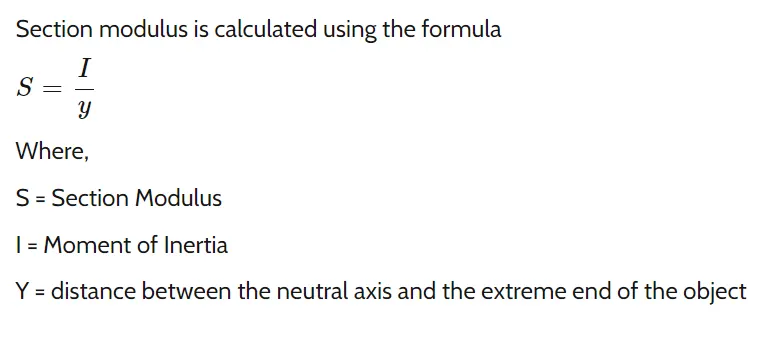
Bow roof1
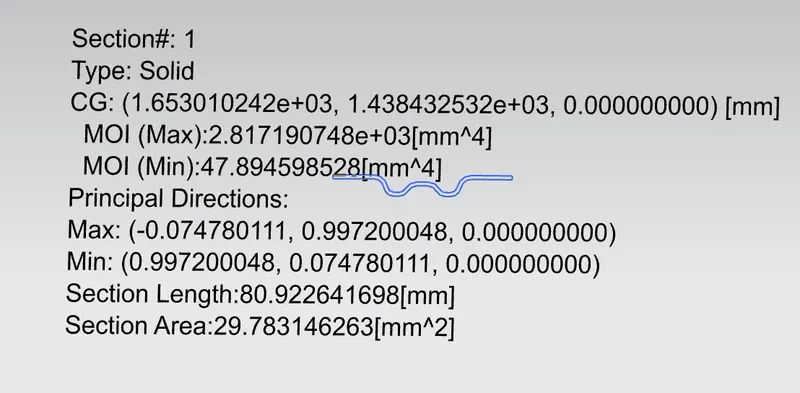
s=4789.mm^3
Center roof rail
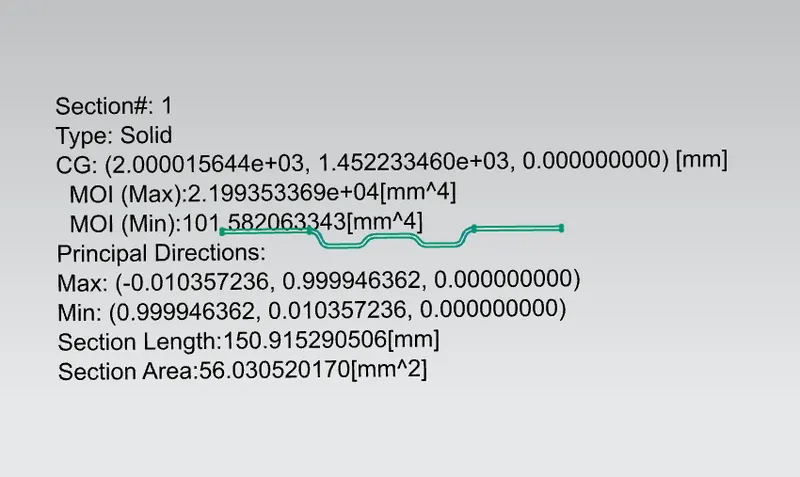
s=9234.54mm^3
Bow roof2
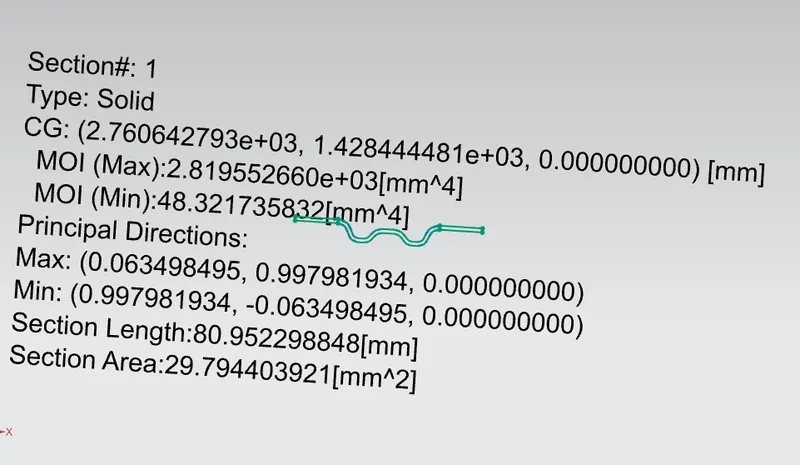
s=4131.62mm^3
Bow roof3
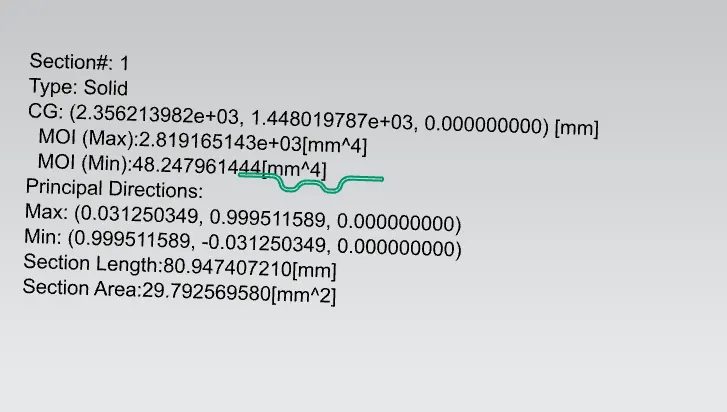
s=3954.09mm^3
Screenshot of model and draft analysis
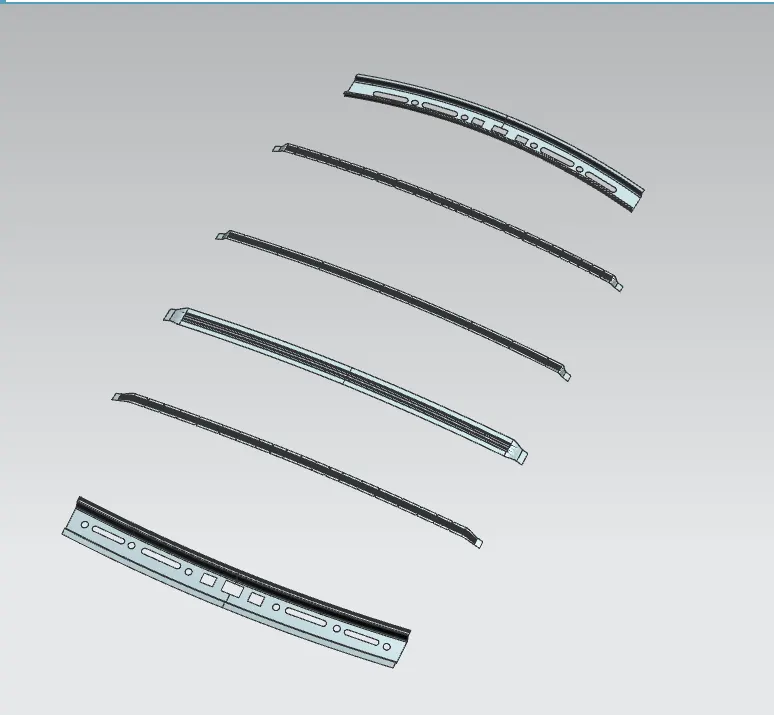
conclusion
- Initially Roof reinforcement and ditch area were designed.
- Curvature study was done by heat distortion and snow load calculation.
- Section modulus and analysis are also conducted at last.