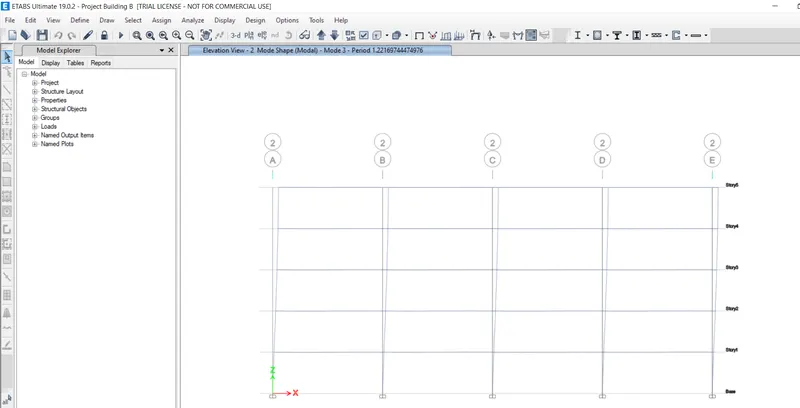
Projefct 1_Comparative study of different storey buildings for Seismic forces
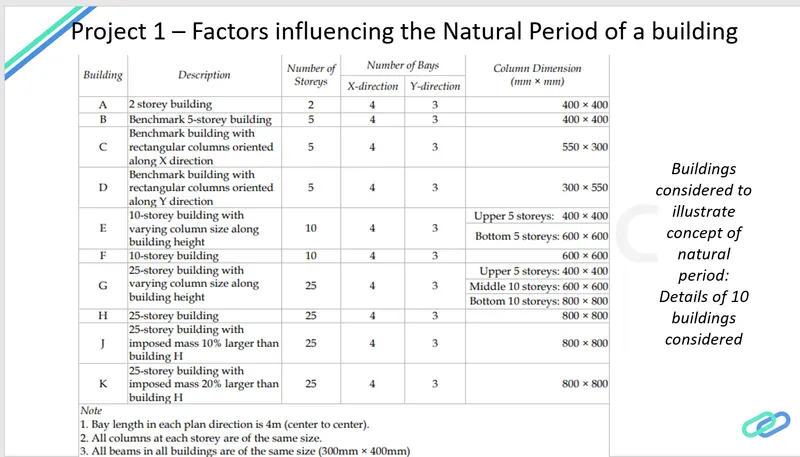
1.Effect of stiffness on Fundamental Natural period of Vibration:
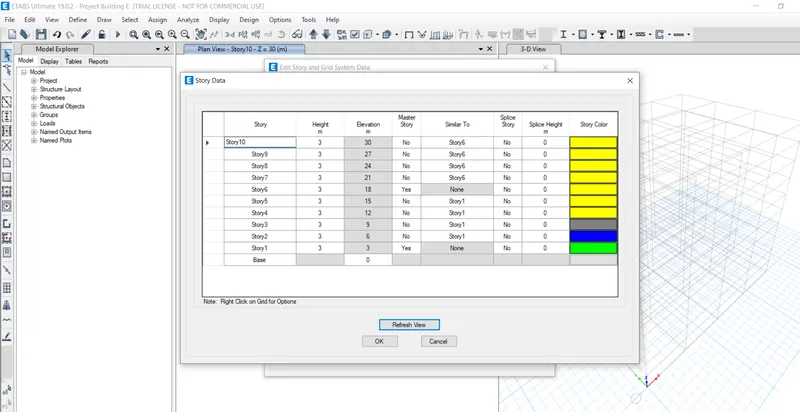
For Building E
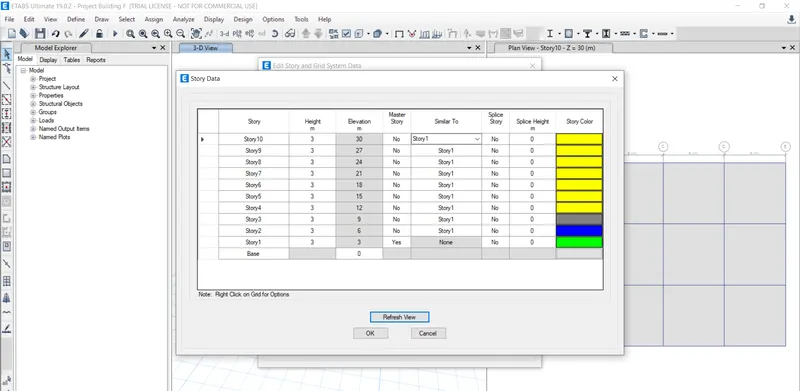
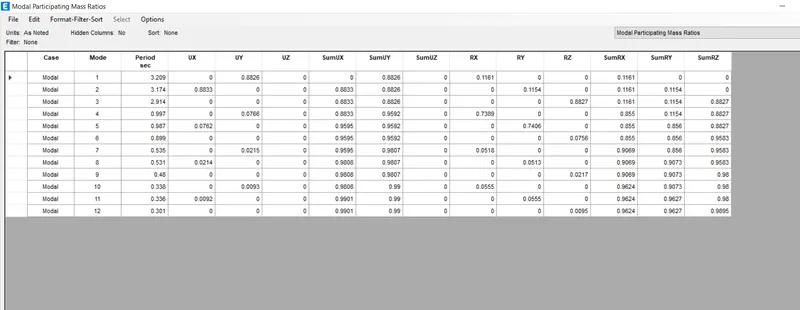
For Building F
Question 1.
Why is there a marginal or significant difference in the Fundamental Natural period of vibration?
Ans:
There a marginal or significant difference in the Fundamental Natural period of vibration after comparing Buildings E and F
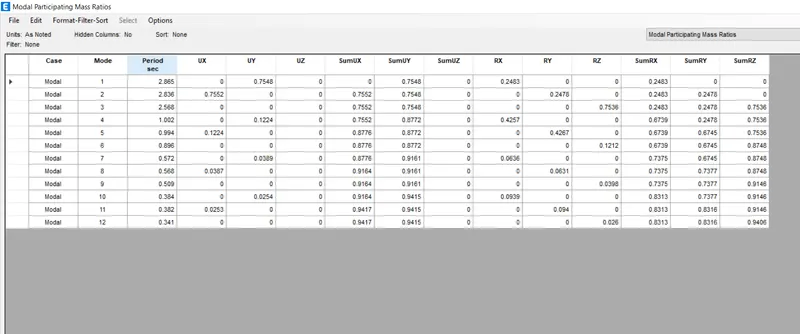
For E mode1 T= 2.865
For F mode1 T= 3.209
For E the columns dimensions vary for top 5 and bottom 5 storeys which causes reduction in the stiffness.
For F the columns dimensions are uniform for all the 10 storeys therefore the stiffness is more
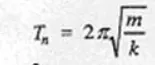
From undamped period of vibration it is observed that T (Fundamental Natural period of vibration) is INVERSELY proportional to (Stiffness) K
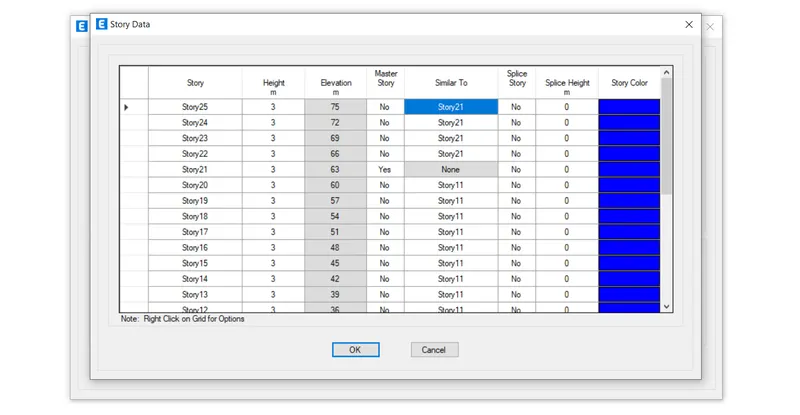
For Building G
For Building H
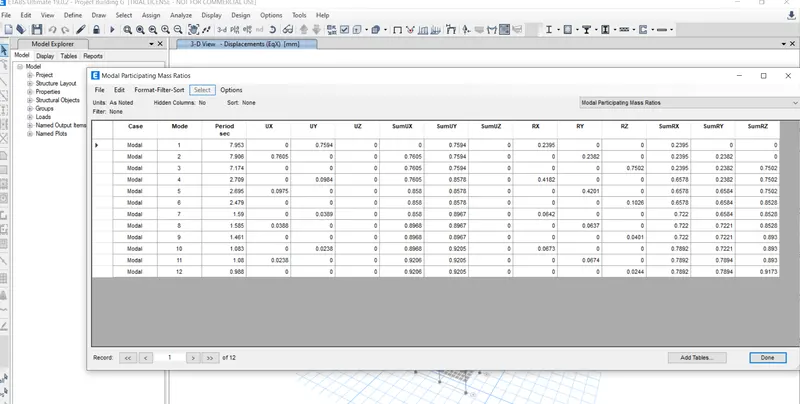
For G mode1 T= 7.953
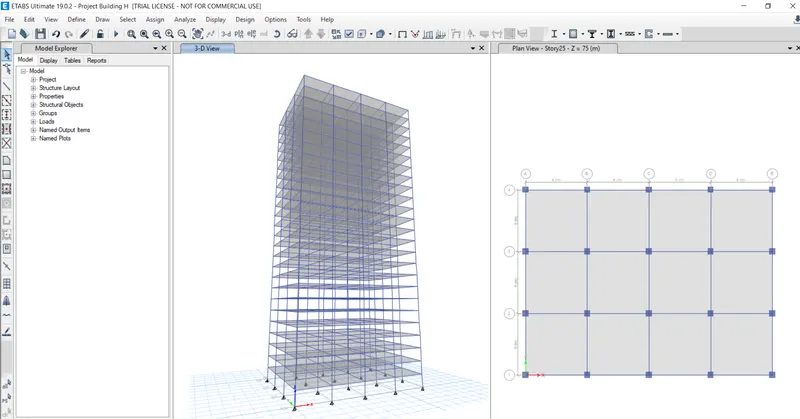
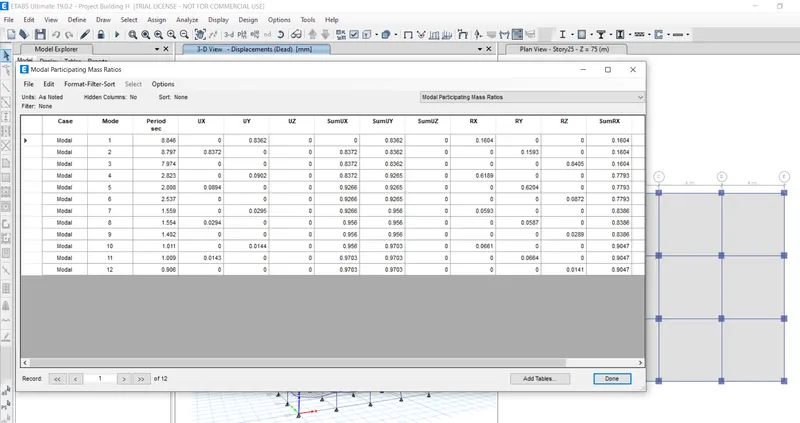
For H mode1 T= 8.846
For G the columns dimensions vary for top 5,middle 10,bottom 10 storeys which causes reduction in the stiffness.
For H the columns dimensions are uniform for all the 25 storeys therefore the stiffness is more
Question 2.
Due to effect of mass:
Building H
Building J
Building K
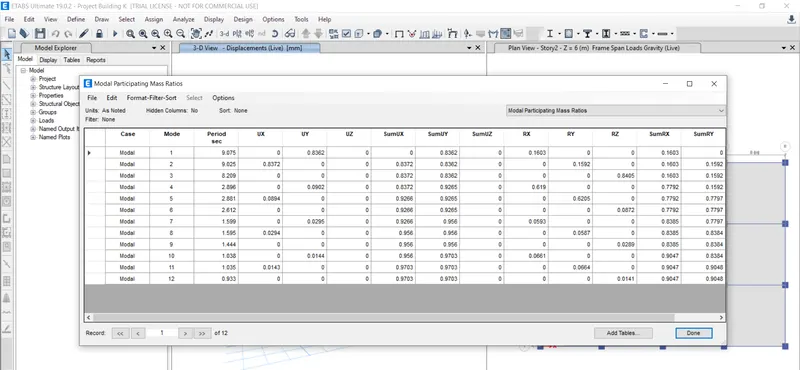
For H mode1 T= 8.846
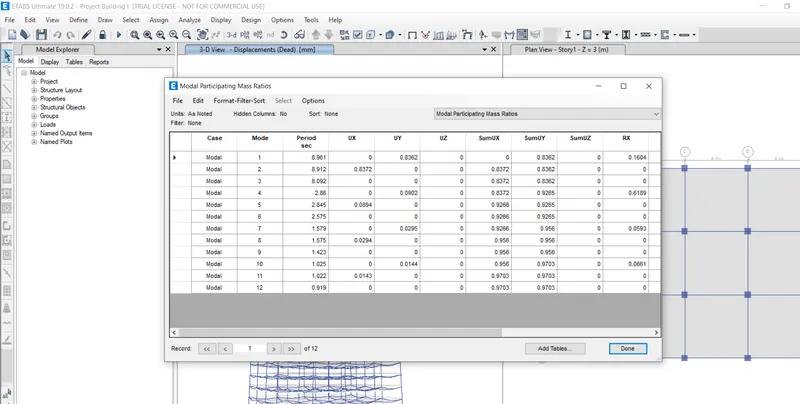
For J mode1 T= 8.961
For K mode1 T= 9.075
2.Have Buildings become more flexible or stiff due to change in mass?
The Buildings H,J,K have same dimensions for Beam,columns but
Building J has mass 10% higher than Building H and
Building K has mass 20% higher than Building H
This resulted in increase of the Fundamental Natural period of Vibration for the Buildings J and K
Due to this increase in mass the Building K is more flexible than J and Building J is more flexible than H
T (Fundamental Natural period of vibration) is INVERSELY proportional to (Stiffness) K.
Question 3.
Due to effect of Height:
Building A
Building B
Building F
Building H
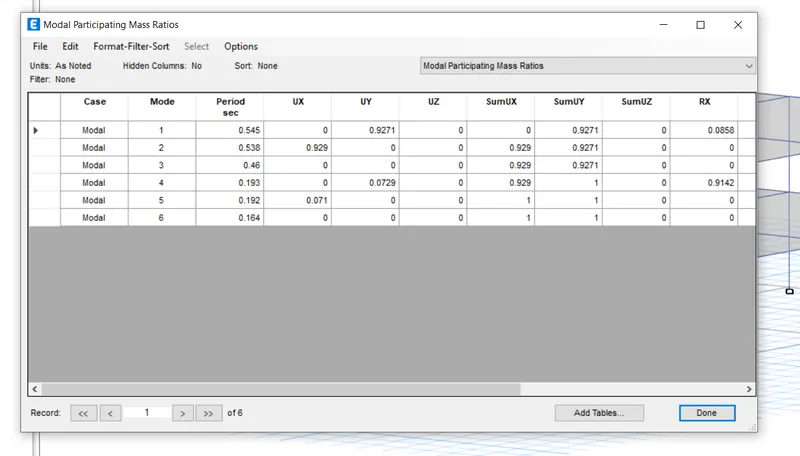
For A mode1 T= 0.545 No of storeys = 2
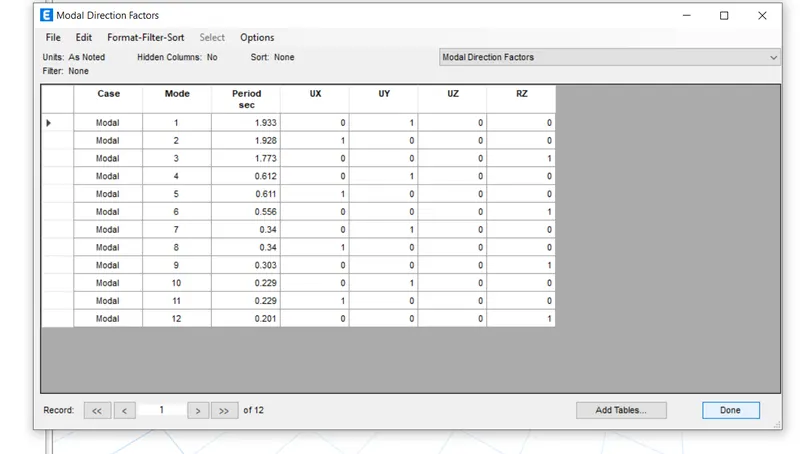
For B mode1 T= 1.933 No of storeys = 5
For F mode1 T= 3.209 No of storeys = 10
For H mode1 T= 8.846 No of storeys = 25
Therefore the increase in storey height increases the Fundamental Natural period of vibration.
Question 4.
Due to effect of Oreintation of columns:
Building B : Column size 400mm*400mm
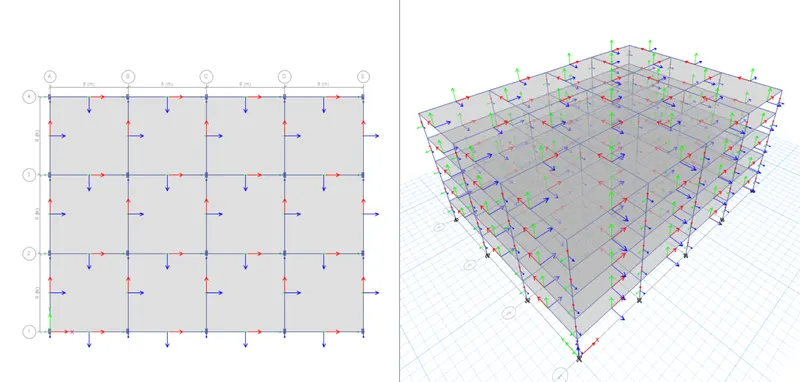
Building C : Column size 550mm*300mm Orientation towards X-axis
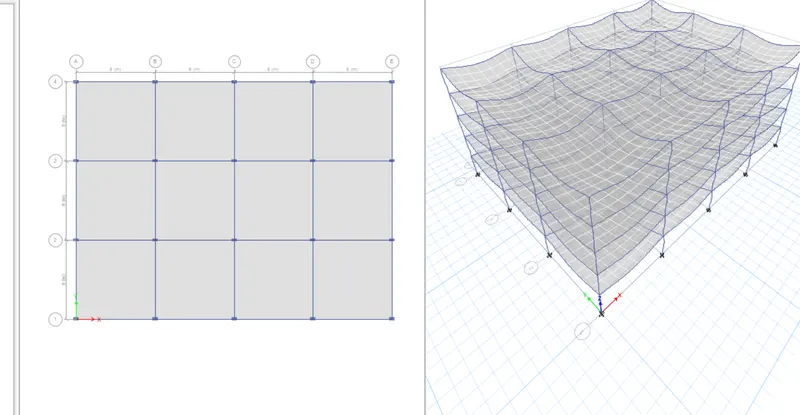
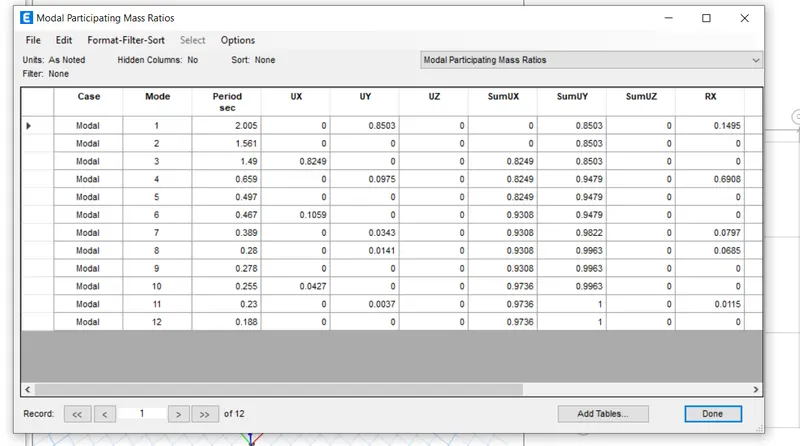
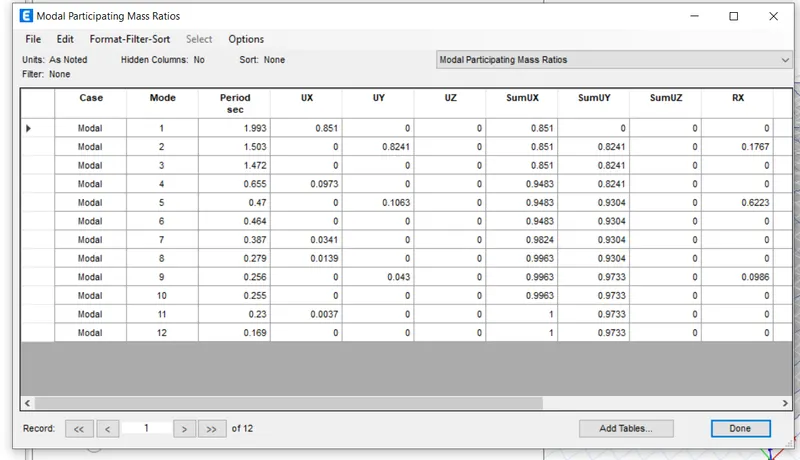
Building D : Column size 300mm*550mm Orientation towards Y-axis
For B mode1 T= 1.933 Column size 400mm*400mm
For C mode1 T= 2.005 Column size 550mm*300mm Orientation towards X-axis (Longer Direction)
For D mode1 T= 1.993 Column size 300mm*550mm Orientation towards Y-axis (Shorter Direction)
For Building B the Columns are square which has the Lesser Fundamental natural period of Vibration
For Building C the Columns are Orientened towards X-axis (Longer Direction) therefore it has almost same Fundamental Natural period of Vibration when compared to Building D for which Columns are Orientened towards Y-axis (Shorter Direction)
Question 5.
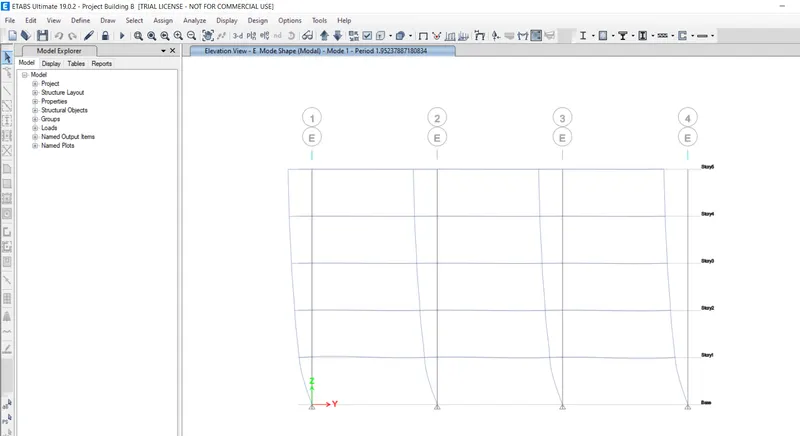
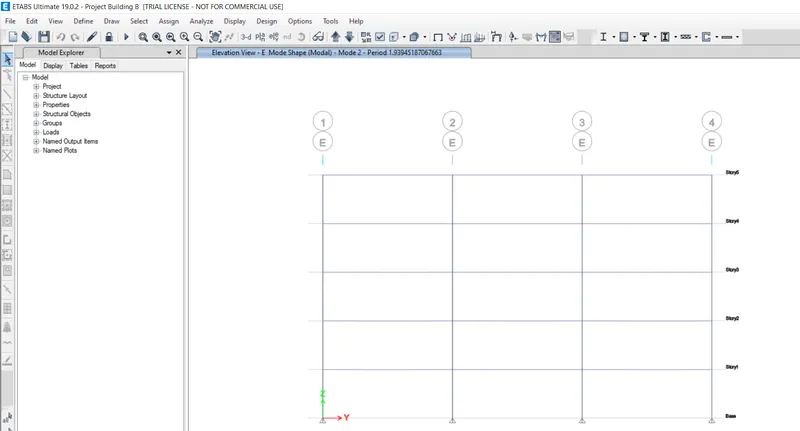
Effects of Flexural stiffness of structural elements on mode shapes:
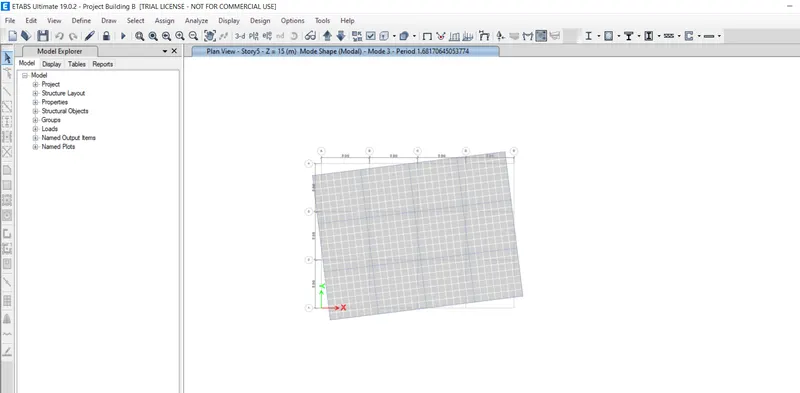
1.Compare Fundamental mode of shape of Building 'B' in two stiuations when flexural stiffness of beams relative to that of adjoining columns is very small versus when it is very large.
For Beams having size 300mm*400mm and column size constant
Mode 1
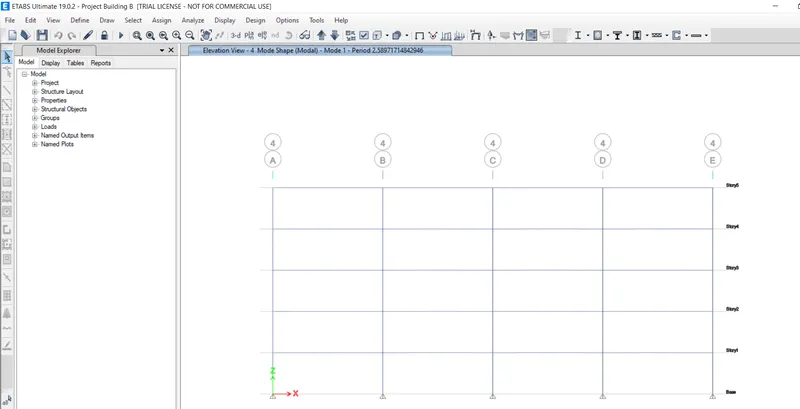
Mode 2
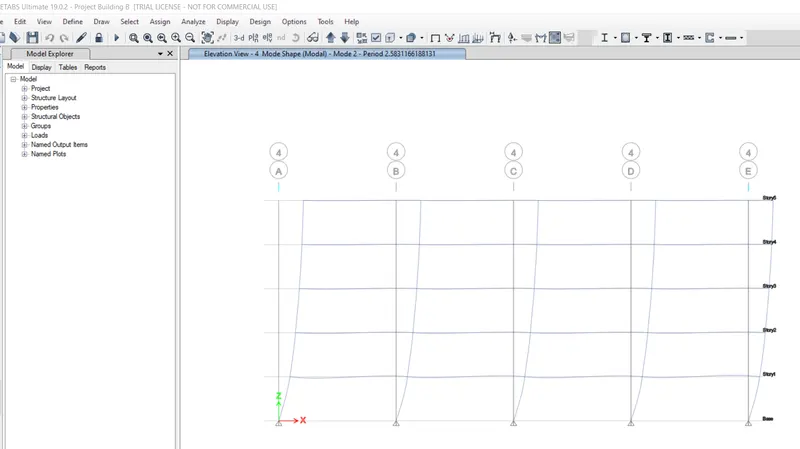
Mode 3
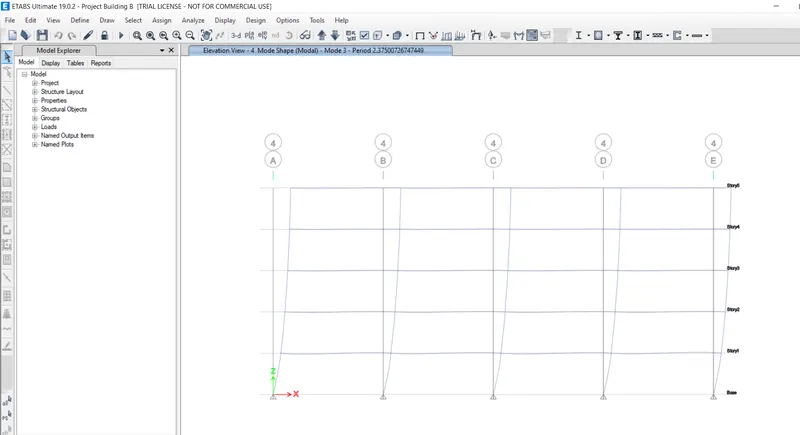
For Beam sizes 600mm*600mm and Column size is constant
Mode 1
Mode 2
Mode 3
Question 6.
Effects of Axial stiffness of Vertical members on mode shapes:
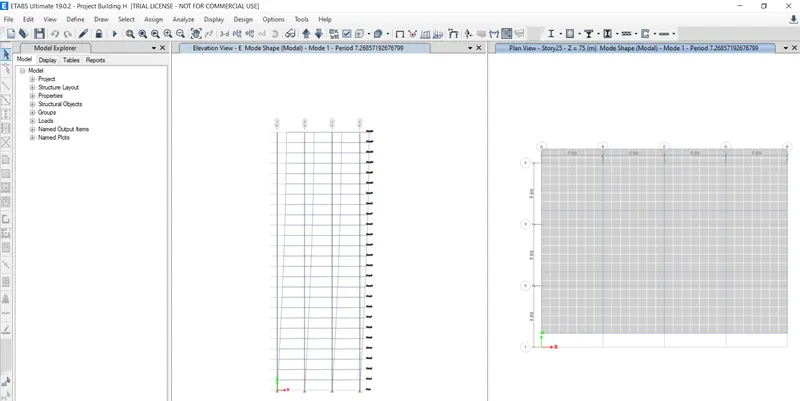
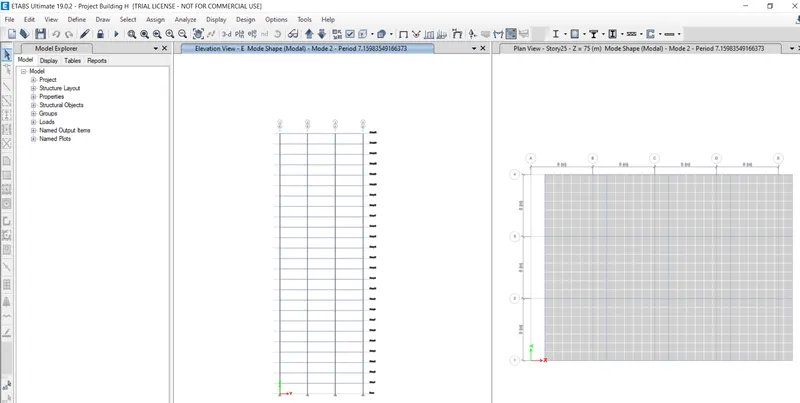
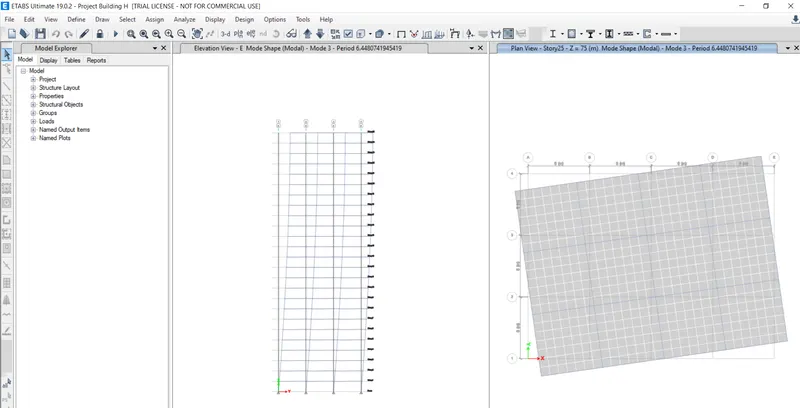
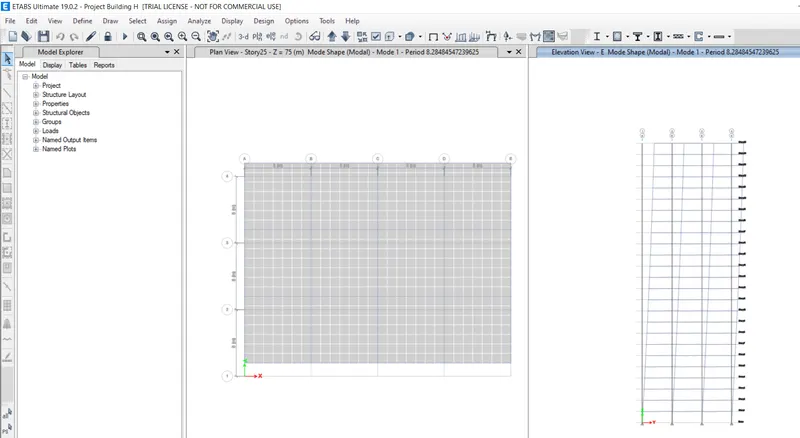
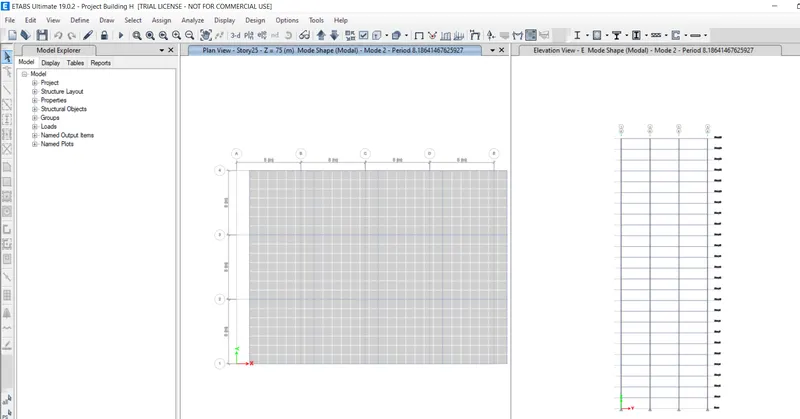
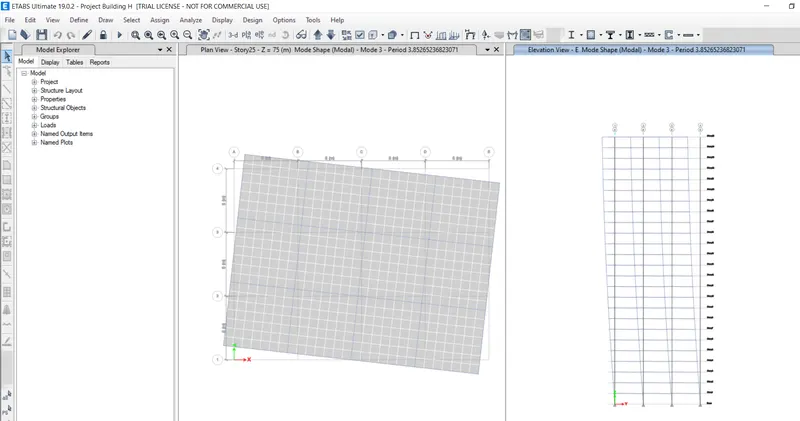
2.Compare fundamental mode of shape of building 'H' in two situations when axial cross-sectional area of columns is very small versus when it is large.
Building H Column size 800*800 Beam size constant
Mode 1
Mode 2
Mode 3
Building H Column size 2000*2000 Beam size constant
Mode 1
Mode 2
Mode 3
Question 7.
Effects of Degree of fixity at column bases on mode shapes:
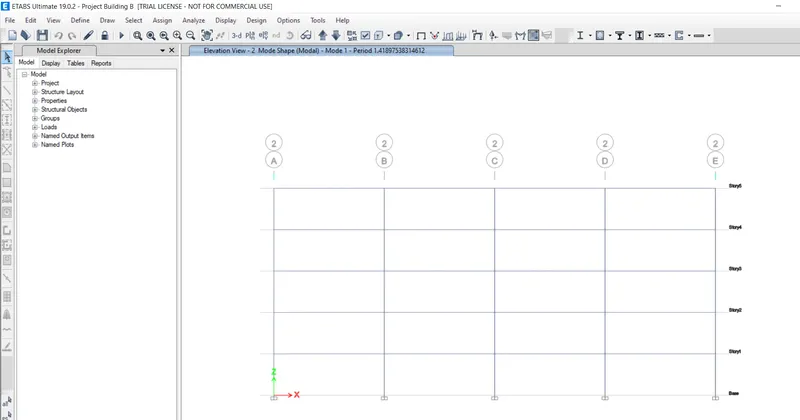
3.Compare Fundamental mode shape of Building B in two situations when Base of columns are Fixed vs Pinned?
Building B Pinned
Mode1
Mode 2
Mode 3
Building B Fixed
Mode 1
Mode 2
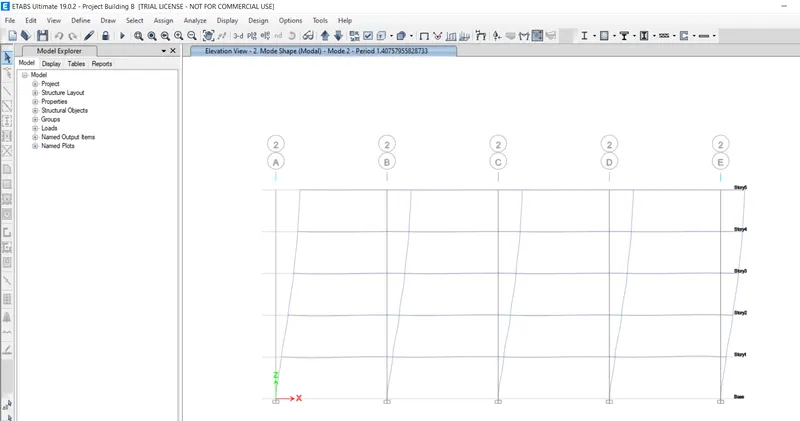
Mode 3