Project 3
Automotive Technologies in Industry
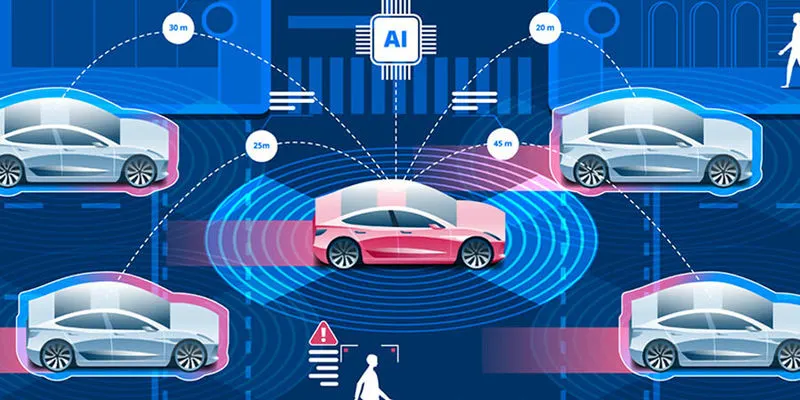
- Autonomous Vehicles: A self-driving car (sometimes called an autonomous car or driverless car) is a vehicle that uses a combination of sensors, cameras, radar and artificial intelligence (AI) to travel between destinations without a human operator.
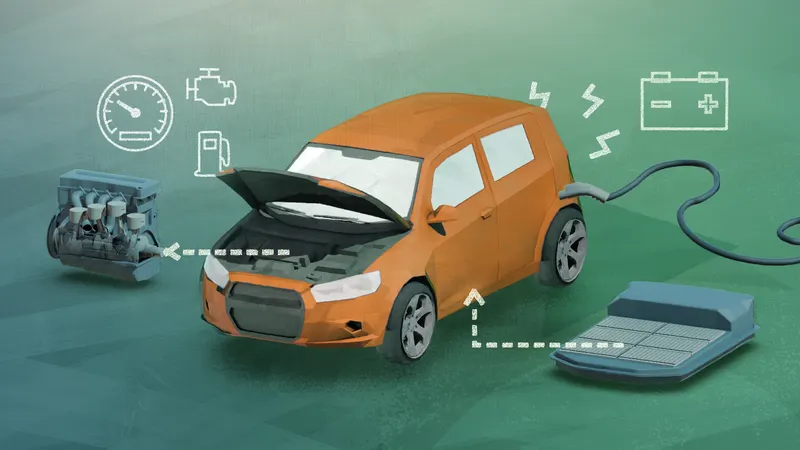
- Electric Vehicles: These vehicles use electricity, typically stored in a battery, to power an electric motor. EV technology is used in hybrid electric vehicles, or HEVs; plug-in hybrid electric vehicles, or PHEVs; and battery electric vehicles, or BEVs. The electric motor gets energy from a controller, which regulates the amount of power—based on the driver's use of an accelerator pedal. The electric car (also known as electric vehicle or EV) uses energy stored in its rechargeable batteries, which are recharged by common household electricity.
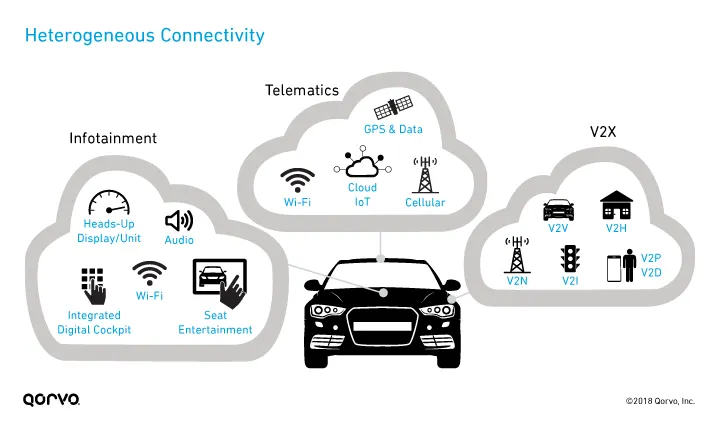
- Automotive Connectivity: Vehicle-to-Vehicle (V2V) and Vehicle-to-Infrastructure (V2I) technology allow the car to communicate with other cars and the infrastructure like traffic lights. Vehicle speed and the distance to other vehicles can be adjusted immediately in response to conditions on the road. Voice recognition allows drivers to communicate with a virtual personal assistant to schedule meetings and send text messages without taking their hands off the wheel while the vehicle’s navigation system guides the car through traffic. Everything a person needs is at their command.
*****************************************************************
Interior Components