Project 2 Adaptive Cruise Control
Main Project – Adaptive Cruise Control (ACC)
General Overview:
Adaptive Cruise Control Feature for passenger cars allows the host vehicle to adapt to the speed in line with the flow of traffic. Driving in heavy traffic or keeping a safe distance to the preceding vehicle calls for a high level of concentration. The Adaptive Cruise Control feature can reduce the stress on the driver by automatically controlling the vehicle speed & maintaining a predefined minimum distance to the preceding vehicle. As a consequence, the driver enjoys more comfort & can concentrate on the road little better.
Solution:
- Adaptive cruise control feature works with two sensor inputs. Camera and Radar inputs.
- Lead vehicle is the vehicle in front of the drive vehicle and lead vehicle position is identified using the camera and radar inputs.
- Acceleration of the vehicle is analysed based on the detection of lead vehicle through camera and radar inputs.
- Acceleration algorithm is developed based on the inputs given from camera and Radar sensors.
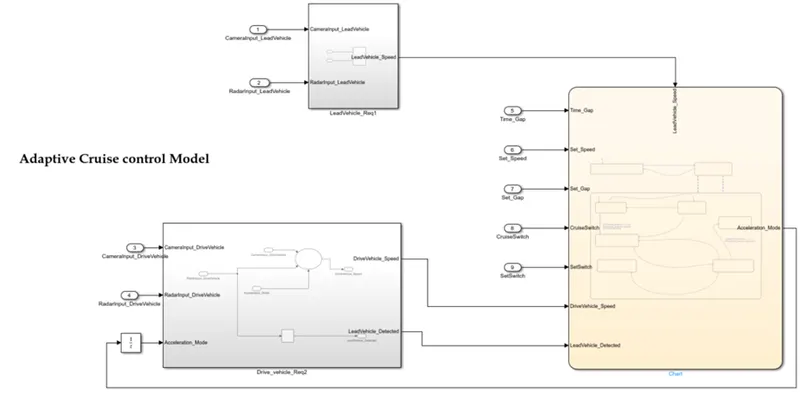
Requirement 1:
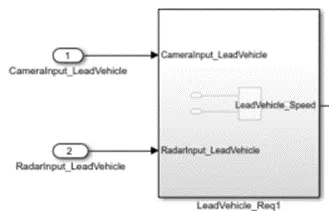
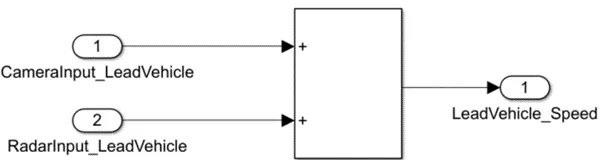
- Fig shows Lead vehicle requirement and subsystem of lead vehicle.
- Camera and Radar inputs of the lead vehicle is added up to estimate the lead vehicle speed.
Requirement 2:
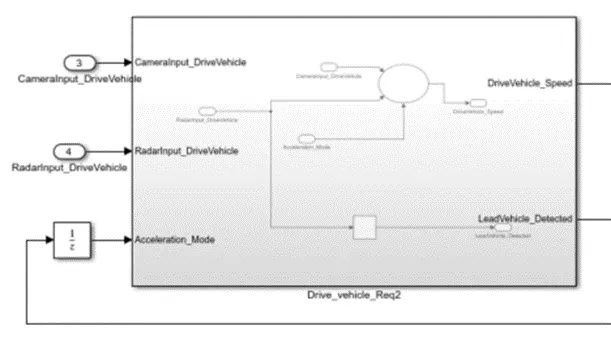
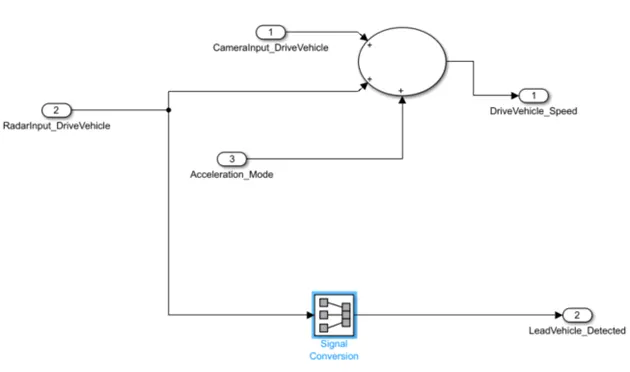
- Drive vehicle takes the input from Camera, Radar and acceleration of the Lead vehicle input.
- It gives the outputs of Drive vehicle speed and Lead vehicle detection signal.
- Lead vehicle is detected by analysing camera input and Radar input.
- Acceleration is the feedback signal from the ACC algorithm
Adaptive Cruise control (ACC) algorithm:
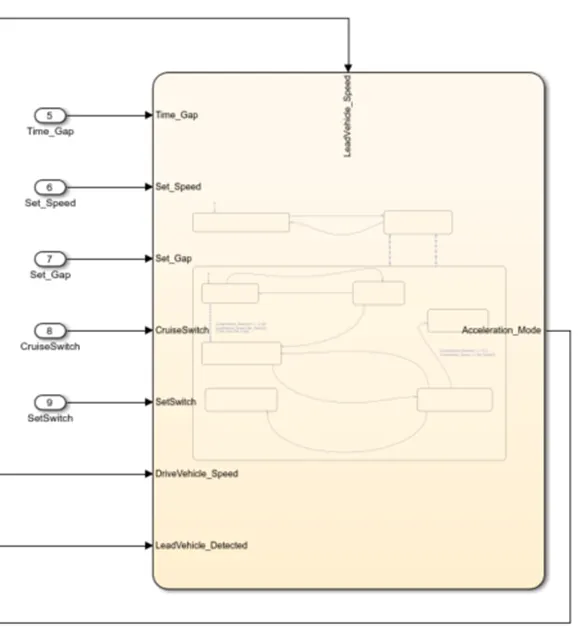
Adaptive Cruise control algorithm is working with three modes of operation. ON mode, OFF mode and Standby Mode.
State machine logic is implemented by taking the inputs of Cruise Switch and Set switch.
If Cruise switch is ‘1’ then transition is from ACC_Off mode to Standby mode.
Again if Cruise switch is ‘0’ transition is from ACC_standby mode to OFF mode.
Again with the input of Set switch input as 1 and 0 transition entering into Acceleration mode ON.
ACC_ON state has 6 states with in.
They are based on the Lead vehicle detected, Not detected, Less than set speed, equal to set speed, Lead vehicle detected _resume, Not detected resume
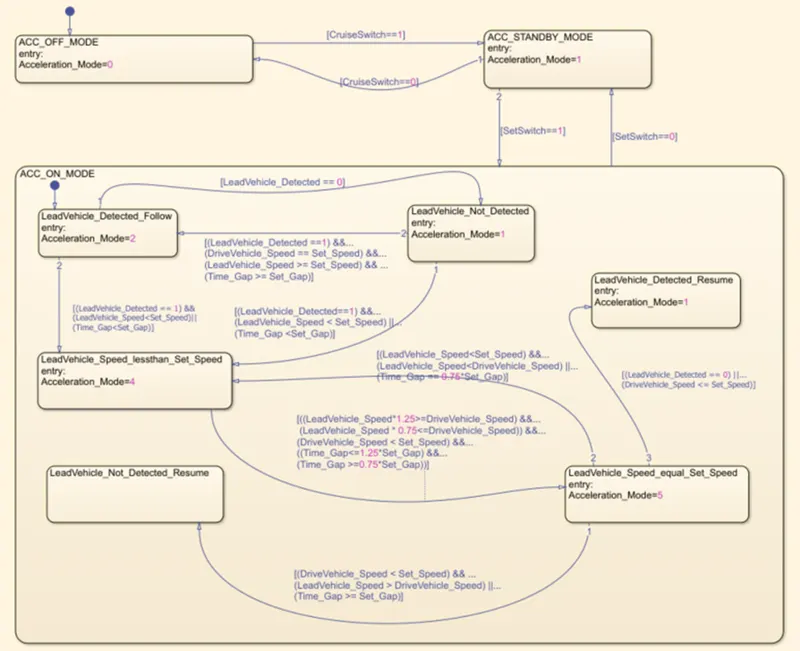
Above is the state flow with different conditions.
SLDD file entry:
SLDD entry of all signals are entered as per the requirements given.
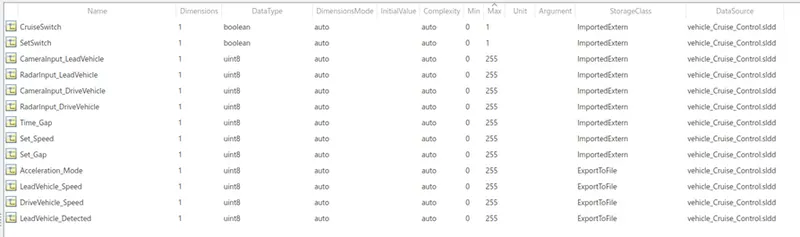
Execution:
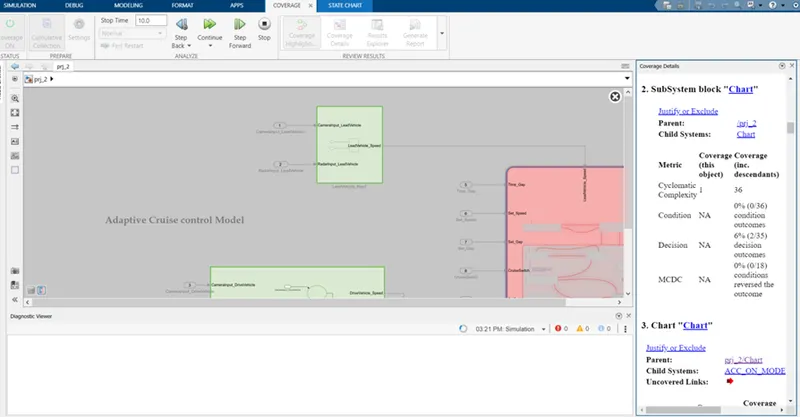
The developed file was executed without errors.
Solver settings, Configurations, coverage, traceability, and Code generation settings are considered suitable to the requirements.
Conclusion and Output:
After implementing the ACC algorithm, the model is running successfully without errors.
The adaptive Cruise control algorithm is developed as per the requirements.