Project 2
KIDNEY TRANSPLANT
A kidney transplant is a surgery to place a healthy kidney from a living or deceased donor into a person whose kidneys no longer function properly. People with end-stage renal disease need to have waste removed from their bloodstream via a machine (dialysis) or a kidney transplant to stay alive.
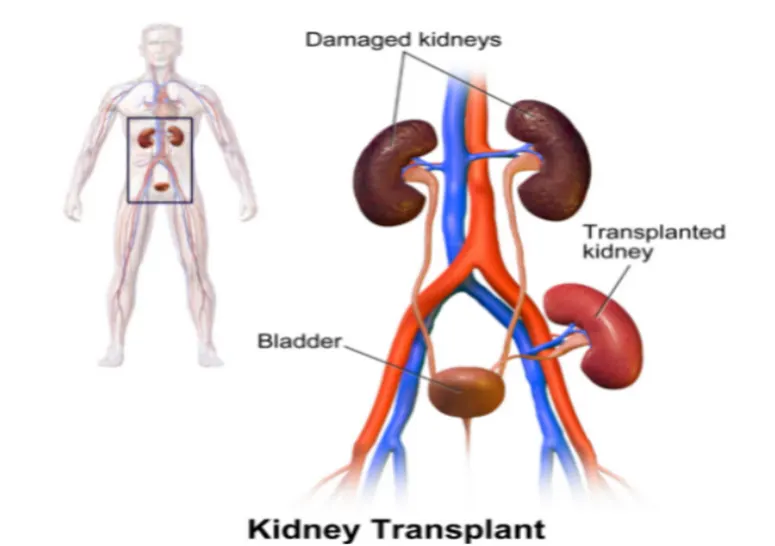
Deceased donor kidney transplant: An individual from whom at least one solid organ is recovered for the purpose of transplantation after suffering brain or cardiac death. The waiting time for a deceased donor kidney in the San Francisco Bay Area is five to ten years and sometimes longer, as the waiting list continues to grow every year.
Expanded criteria donor (ECD): A deceased donor over the age of 60. An ECD kidney may be recommended to candidates over age 60 or those with a history of diabetes over the age of 50. The waiting time for an ECD kidney may be shorter.
Living donor kidney transplant: A person who donates an organ for transplantation. Living donors may be blood relatives or individuals with emotional ties to the transplant candidate. Finding a living donor match dramatically shortens your waiting time, increases long-term transplant kidney and patient survival, and gives you the flexibility of scheduling your date of surgery.
Kidney transplant requirements:
Hospitals have their own criteria for accepting people as kidney transplant recipients. But in general, candidates should have these requirements for kidney transplantation.
- End-stage renal failure and be on dialysis.
- Late-stage chronic kidney disease, approaching the need for dialysis.
- A life expectancy of at least five years.
- A full understanding of postoperative instructions and care.
Robotic surgery for kidney transplant
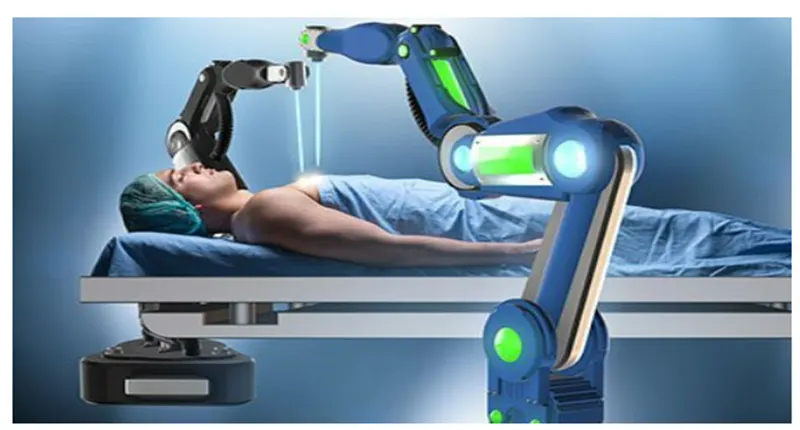
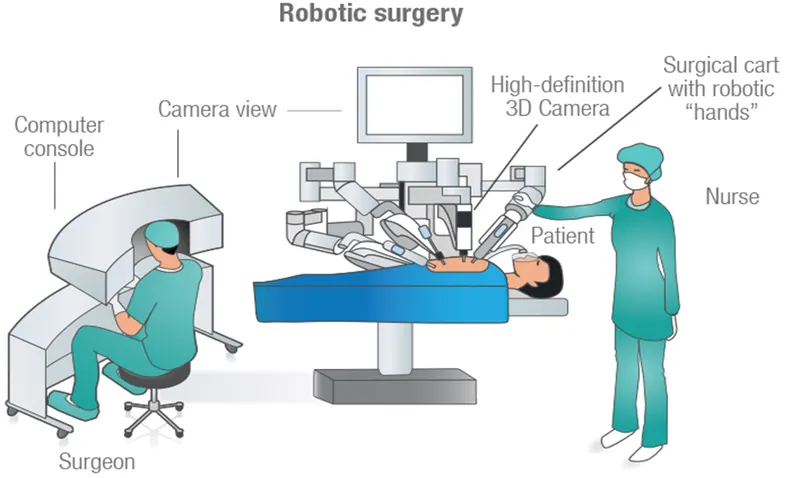
Robotic surgery, also called robot-assisted surgery that allows doctors to perform many types of complex procedures with more precision, flexibility and control than is possible with conventional techniques. This type of surgery is usually associated with minimally invasive surgery — procedures performed through tiny incisions. It is also sometimes used in certain traditional open surgical procedures. Specifically, the most widely used clinical robotic surgical system includes a camera arm and mechanical arms with surgical instruments attached to them. The surgeon controls the arms while seated at a computer console near the operating table. The console gives the surgeon a high-definition, magnified, 3D views of the surgical site. The surgeon leads other team members who assist during the operation.
How it works
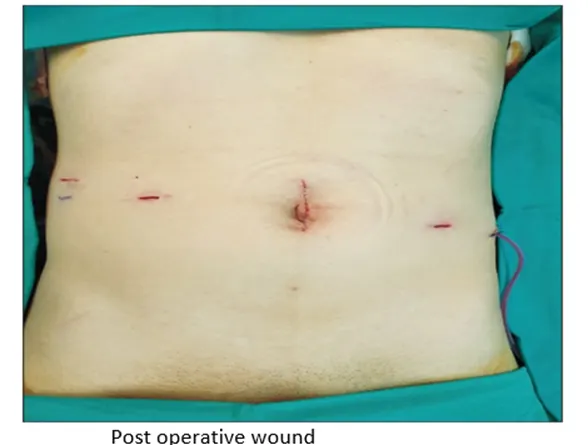
Compared to conventional open kidney transplant surgery, a much smaller incision (about 7cm) is made in robot assisted kidney transplantation to remove the diseased kidney and insert the donor kidney into the abdomen., and then to stitch the blood vessels and the ureter. Another four or five small (0.5 to 1cm) incisions are used to insert the instruments into the abdomen. One of the arms holds a high magnification 3D camera which is inserted into the abdomen through one of the key holes and provides a high-definition, magnified (12×), 3-D view of the surgical site. The other mechanical arms have surgical instruments attached to it that are designed to mimic the movement of the human hands and wrists. The surgeon uses the console of the computer to manipulate the small surgical instruments that are more flexible and maneuverable as compared to the human hand.
Benefits of robotic surgery in comparison to conventional open kidney transplant surgery:
- Decreased chances of complications as compared to open surgery, especially in immunocompromised and end-stage renal disease patients undergoing Kidney transplant.
- safer and more efficacious for obese patients who are otherwise not recommended for transplants.
- Minimal invasive surgery helps in reduced blood loss, pain, recovery time, surgical scars etc.
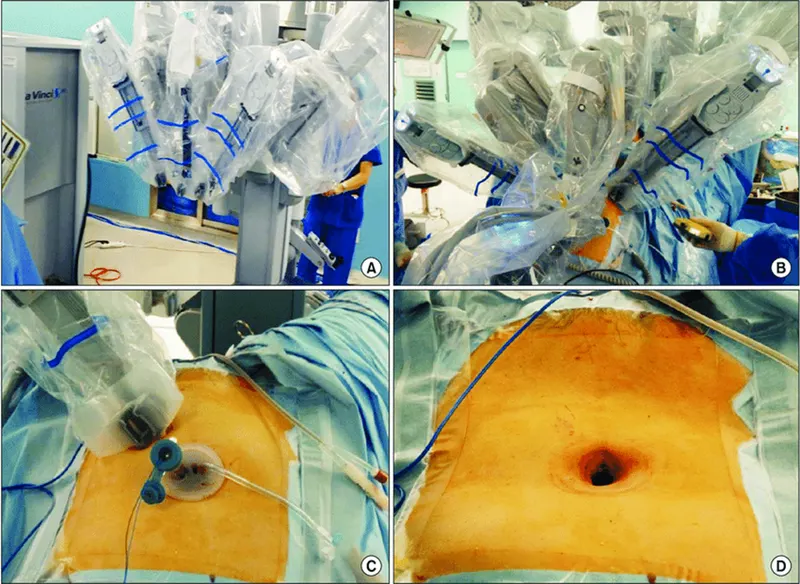
The Da VINCI robotic surgery is one of the greatest inventions of human race. It has been used to carry out major operations with precisions and higher success rate. The da Vinci surgical system (Intuitive Surgical, Sunnyvale, CA, USA) is the most widely used robotic system in many surgical specialties and has demonstrated significant clinical benefits to patients over the last two decades. The 3-D views restore hand–eye coordination, with wristed instruments and tracking of movements thousands of times per second providing tremor filtration and scaled motion. These features provide significant operative advantages over laparoscopic surgery, particularly when the operative field is narrow and deep and fine dissection and micro suturing are required, as with the intrapelvic anastomoses of kidney transplantation. Seeking the benefits provided by the robot, several groups have pioneered robot-assisted donor nephrectomy and renal transplantation with a significant reduction in surgical complications and graft outcomes compared with OKT.
The first robot-assisted kidney transplant was performed in France in 2001, when a cadaveric kidney was transplanted into a 26-year-old male using the da Vinci robot by a remote surgeon in another hospital, with an assistant in the OT. While this ground-breaking achievement demonstrated the feasibility of RAKT, the authors commented that the operative time was greater than standard OKT and the cost of the procedure was extremely high. The ERUS–RAKT group is currently the largest international collaborative on RAKT, with 10 centers across Europe maintaining a prospective dataset of >300 patients undergoing RAKT. Their recent update demonstrates good surgical and functional results, comparable with those of OKT.
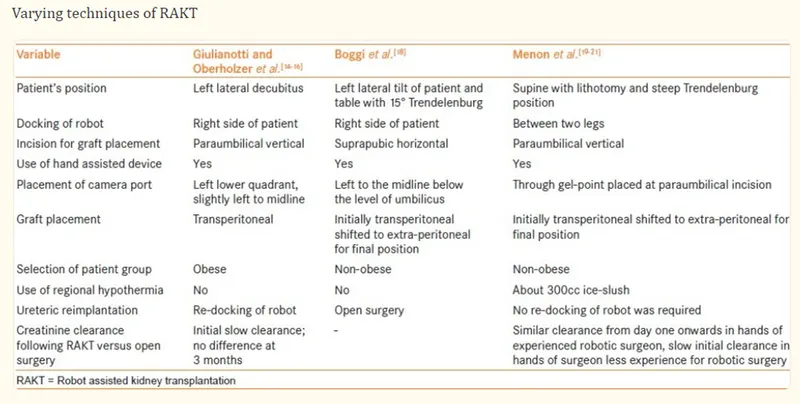
Specific requirements where kidney transplantation employs surgical robots:
- Surgeons who use the robotic system find that for many procedures it enhances precision, flexibility and control during the operation and allows them to better see the site, compared with traditional techniques
- Robots are used most frequently to perform key hole surgery procedures that are performed through tony incisions.
- In case of patient having multiple clinical history of surgeries, to avoid site infections robotic surgery needs to be done.
- The robot replicates the surgeon’s hand movements, while minimizing hand tremors. The surgeon thus can not only make use of his/her experience and skills, but also operate with precision, dexterity and control in complex procedures.
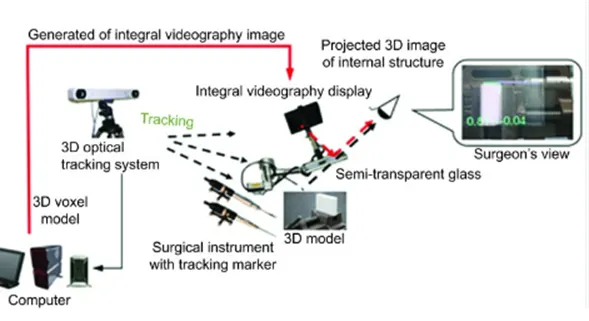
Block diagram
Features
- The da vinci surgical system consists of an ergonomically designed surgeon’s console, a patient cart with four interactive robotic arms, a high-performance vision system and patented endo wrist instruments.
- Robotic arm used to control the endoscopic instruments instead of direct manipulation by the surgeon and these robotic arms remain steady at all times and electronically dampen the shake of the human hand.
- Robotic arms have endo wrists, these are flexible.
- It allows the removal and reconstruction of the kidney to be performed through multiple keyhole-sized incisions, as opposed to a single open incision measuring several inches across the side of the abdomen.
- Due to the camera arm, mechanical arms with surgical instruments attached to the robot, it helps the surgeon to control the arms while seated at a computer console near the operating table and the console gives the surgeon a high-definition, magnified, 3D view of the surgical site.
- It provides 7 degrees of freedom in instruments.
- Surgeon directs motion robots hence it makes robot very expensive high tech set of tools.
Da Vinci robotic surgery Procedure
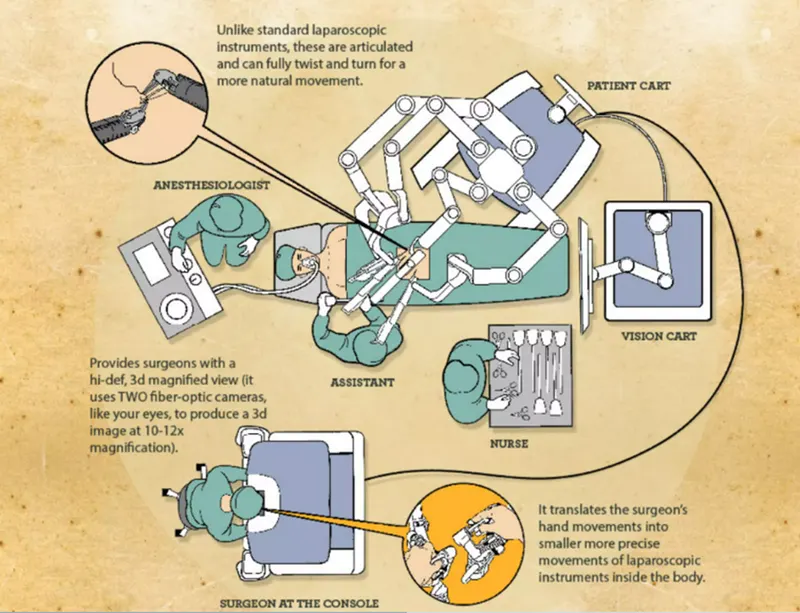
The RKT used regional hypothermia by transperitoneal approach, conducted in step-by-step manner of the Vattikuti Urology Institute-Medanta technique and using the da Vinci Robotic Surgical System (da Vinci Si; Intuitive Surgical Inc., Sunnyvale, CA, USA) .
General anesthesia was induced (patient supine) then incised periumbilical skin (up to 6 cm) to insert a surgery with camera access (12-mm) and assistance (10-mm) ports. Three 8-mm robotic ports and one 12-mm assistant port are then to be positioned. First right external iliac vessels (artery and vein) to be identified and fully dissected, securing hemostasis as needed by bipolar forceps or monopolar scissors. Create a peritoneal flap for retroperitonealization of the kidney, incising transversely on both sides of psoas muscle (2–3 cm caudal to cecum) and later adjoining the free edges. Need preparation for ureteroneocystostomy.
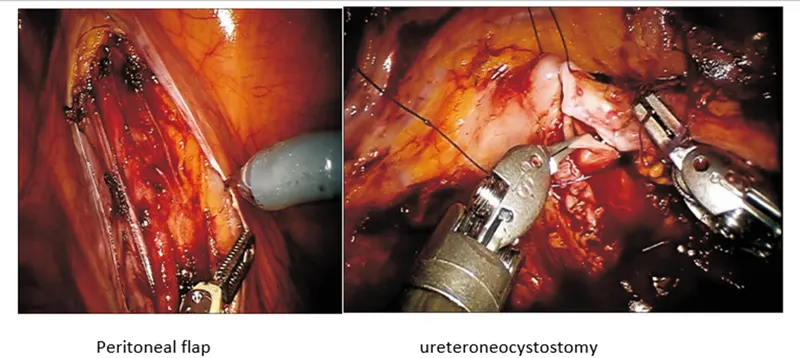
At the same time, laparoscopic donor nephrectomy had taken place, perfusing the extracted kidney with cold histidine-tryptophan-ketoglutarate solution on a back-table and prepping the vessels by conventional means. To facilitate intracorporeal anastomosis through regional hypothermia, the entire kidney (excluding hilar structures) was wrapped in icy slush-filled gauze, marking the anterior aspect for orientation.
After removing the GelSeal cap, the prepped/wrapped graft was delivered intra-abdominally by GelPOINT device, placing the kidney left of right external iliac vessels to rest naturally at bladder. Proper positioning and orientation (lower renal pole toward pelvis) are critical measures to achieve at this point. More icy slush was again added, and the robot was re-docked.
Once hemostasis was ensured at sites of vascular anastomosis, the renal vein and artery clamps were serially removed, and the gauze jacket was cut away. The grafted kidney presented pinkish color and normal turgor without significant bleeding after reperfusion. Positioning of the grafted kidney was ultimately reversed, situated lateral to right external iliac vessels. At this point, the kidney was retroperitonealized, using Hem-o-lok clips (Weck Closure Systems, Research Triangle Park, NC, USA) to approximate the earlier raised peritoneal flaps.
This surgery was for 260 minutes, distributed as follows: console, 249 minutes; cold ischemia, 34 minutes; and rewarming, 54 minutes. In reviewing the time required for each surgical maneuver, it took 7 minutes for vessel dissection, 16 minutes for venous anastomosis, 12 minutes for arterial anastomosis, and 16 minutes for ureteroneocystostomy. Blood loss was 50 mL. The patient successfully underwent RKT, without open conversion, demonstrating immediate graft function removed; and at the same time, the Foley catheter was also removed. At the time of discharge (postoperative day 8). The patient received regular follow-up at the outpatient clinic every month after surgery, and the patient's kidney function is currently well-maintained with Cr level of 1.27 mg/dL.
Task performed by the AI used in robotic kidney transplantation
- Kidney transplantation is a complex intervention requiring patients and clinicians to undergo multiple processes and critical decision making. AI is proving to be an important tool to support clinicians and patients to make the best decision for their needs. AI is being used for diagnoses, making predictions, and prescribing personalized care plans for KT patients. More research is required to promote AI adoption within the field.
- The interaction between humans and robots is an area that enables human surgeons to operate surgical robots through touchless manipulation. This manipulation is possible through head or hand movements, through speech and voice recognition, or via the surgeon's gaze. This happens due to AI used in robotic kidney transplantation.
- Artificial Intelligence is making an attempt to minimize the risk of human error that multiples the advantages of robotic surgery. It helps in many times to average skilled healthcare staffs.
- AI can determine patterns within surgical procedures to improve best practices.
- It controls accuracy to submillimeter precision, also helps to identify missing or unexpected.
Preoperative care
Preoperative care describes the patient care strategies used in preparing a patient for their surgery. The length of this care period depends on what is required to successfully prepare a patient, and often one of the most time-consuming elements of it is testing. Because of the treatment and strain involved in surgery, healthcare professionals need to have a clearer understanding of the health benchmarks a patient is hitting before they enter surgery. Also includes medical analysis such as blood tests, scans, medical history and cardiovascular monitoring. It will also require more hands-off assessments such as dietary habits, surveys where patients can self-report and the psychological preparation required before going into surgery. Doctors and nurses both have rolls to fill here, bringing their specialized skills to make sure all of a patient’s preoperative needs are met before they can be cleared for surgery.
Intraoperative care
Intraoperative care is focused on patient safety during the surgery. In most cases, this care period starts when a patient is transferred to the operating room and concludes once they are transferred to the Post Anesthesia Care Unit (PACU). While a patient undergoes surgery, care is provided by the nurses and anesthesiologists charged with regulatory monitoring and all the vital periphery tasks involved during surgery. Without these processes, a surgery cannot be successful. Nurses will often be required to monitor vital signs, ensure that equipment is properly prepared and sterilized, prevent infection and place their focus primarily on safety.
Postoperative care
Postoperative care begins once a patient I transferred to the PACU following their surgery. This care period usually lasts until the patient is discharged from the hospital. It’s rare to find cases where the postoperative care continues past this point, and care is usually provided by a different group of professionals than the surgical team, who predominantly focus on preoperative and intraoperative care.
Ethical concerns and regulations in kidney transplantations
- Time lag between surgeons’ commands and action of robot could harm the patient.
- Loss of power in an electrical failure.
- The ethics of transplantation considers the risk/benefit analysis for both the donor and the recipient. If the considered kidney removal would be known to result in kidney failure of the donor, physicians could not ethically participate in this action.
- Setting safety standards
- Gratuity of donations
- Transparency of rules for allocation of organs.
- Equality of access to patients in the transplant services
List of machine classifications
According to medical device reporting, medical devices come under 4 categories:
- Invasive
- Non-invasive
- Active
- Radiology
IEC 60601 standards
- IEC 60601 is a series of technical standards for the safety and essential performance of medical electrical equipment published by the International Electrochemical Commission in 1977.
- As of 2011, it consists of a general standard about 10 collateral standards and 80 particular standards.
- Compliance with IEC 60601-1 is required for most markets.
https://stanfordhealthcare.org/medical-treatments/k/kidney-transplant-surgery/types.html
Modi P, Pal B, Modi J, Kumar S, Sood A, Menon M. Robotic assisted kidney transplantation. Indian J Urol. 2014 Jul;30(3):287-92.
https://doi.org/10.1016/B978-0-12-801734-0.00010-2
https://doi.org/10.1016/B978-0-12-814245-5.00003-7
https://doi.org/10.4285/kjt.21.0023
slideshare.net/AmitSiwan1/artificial-intelligence-in-robotic-surgery