Project 2
Project 2
For risk assessment, a glucometer is choosen.
Glucometer is a medical device that is used to measure the concentration of blood glucose levels in the blood.
Risk Assessment
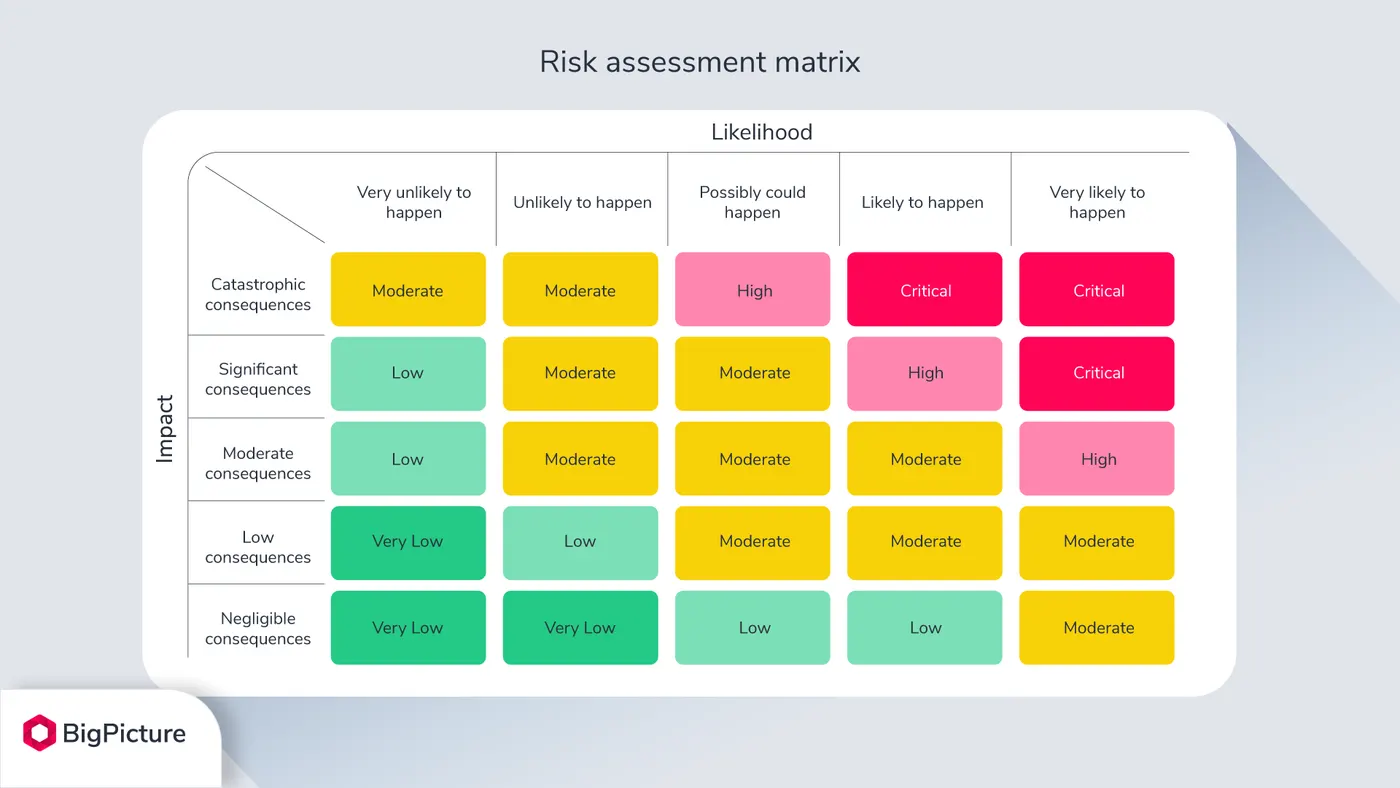
Here, the scale of severity and probability are assumed on the scale of 1 to 10. 1 being the least probable (less severe) while 10 being the fatal or catastrophi and most probable
| Rating | Residual Rating | ||||||||
| S.No | Activity | Risk Description | severity | probability | product | Proposed actions to reduce risk | Severity | Probability | Product |
| 1 | Portable battery operated device | There is a higher chance of dropping a portable device and lead to broken and malfunctioning device. There is also a higher chance of liquid intrusion when it falls in liquids. | 7 | 6 | 42 | Battery checks before every single use and water-proof protection layer for battery to avoid liquid intrusions | 4 | 4 | 16 |
| 2 | Battery power | As the batteries drain, device can become inaccurate sometimes and lead to loss of memory in some devices | 5 | 5 | 25 | Battery check and indicators | 4 | 3 | 12 |
| 3 | User interface | clarity of display, ease of navigation and availability of clear instructions | 4 | 4 | 16 | The device has to be designed such that it is user-friendly. This avoids the risk of user errors. | 3 | 3 | 9 |
| 4 | User interface | contaminants such as food, beverages other body fluids can interfere with the test results. | 4 | 4 | 16 | avoid squeezing the puncture site. Choose the puncture site that is adequately circulated. | 3 | 3 | 9 |
| 5 | User interface | Poorly written user manual without clear instructions regarding the usage of the device | 2 | 3 | 6 | Provision of cognitive aids like video tapes or audio visual aids | 2 | 2 | 4 |
| 6 | Accuracy | Methodolgy: All devices cannot use the same methodology for design as products such as those containing maltose, galactose interfere with specific glucose testing methods and result in inaccurate readings | 4 | 5 | 20 | Choose the methodology according to the end user needs and mention the specificity | 3 | 4 | 12 |
| 7 | Electronic malfunction | General wear of electronic items causes the device to become inoperable | 6 | 5 | 30 | calibrate the device regularly to identify the inaccuracy | 4 | 4 | 16 |
| 8 | strips | undesired exposure to environmental changes like temperature, altitude, humidity can cause abnormal readings. | 5 | 4 | 20 | Avoid deterioration to strips due to environmental changes by storing them in the original vial | 3 | 3 | 9 |
| 9 | Strips | Third-party strips may not be compatible and leads to incorrect results | 6 | 6 | 36 | manufacturing team has be responsible to make it specific to the device and avoid any compatibility with third-party manufacturers | 4 | 3 | 12 |
| 10 | Biohazard | Sharing lancets will spread communicable diseases | 5 | 3 | 15 | Make sure that the lancets are disposable after single use | 3 | 2 | 6 |
| 11 | Information system | Faulty downloads or updates cause inappropriate error messages and memory problems | 8 | 6 | 48 | Avoid auto installation of updates without consent | 6 | 5 | 30 |
| 12 | Manufacturing issues | Software to software interface; infection control | 7 | 5 | 35 | avoid infection control by implementing effective cleaning strategies after use ; software validations | 5 | 4 | 20 |
| 13 | data security and privacy | Connectivity features may potentially cause breach of privacy | 8 | 7 | 56 | Implement encryption protocols or privacy policies | 5 | 4 | 20 |
| 14 | Maintenance | Lack of maintenance leads to inaccurate results | 7 | 7 | 49 | calibration and maintainence would keep the device in a perfect state. | 3 | 4 | 12 |
| 15 | transportation | Packaging should ensure that the strips are not damaged and are not subjected to extreme weather conditions | 4 | 2 | 8 | Proper packaging with each component packaged | 2 | 2 | 4 |
| Reference: https://www.patientsafety.va.gov/professionals/hazards/glucometer.asp | |||||||||