Project 2
Project 2-: Tail-Gate Wiring Harness Routing & Packaging
1. Objective-: To route & package the wiring harness on the given Tailgate assembly following the packaging rules & to position in mind. The Wiring harness should be routed such that it does not affect any working of the Tailgate. All the constraints and positions are to be kept in mind the minimum and the maximum length of the wiring harness routed from connectors and branch points. Protection coverings are to be applied considering the start and end extremities.
2. Introduction-:
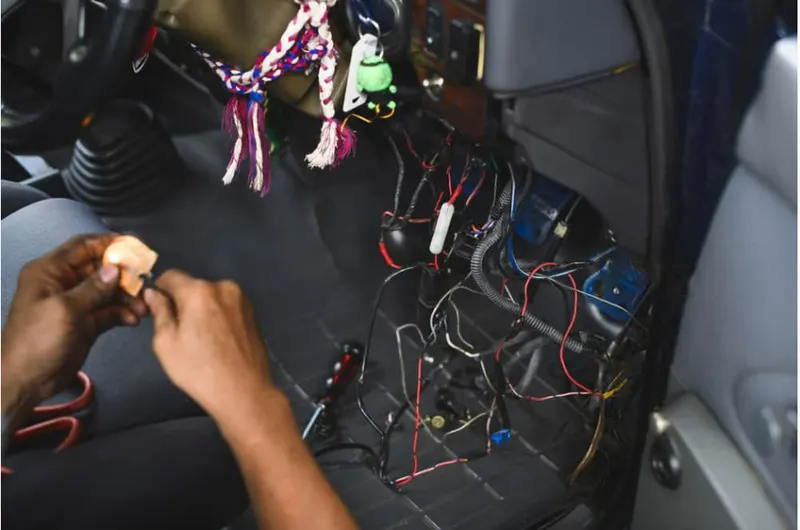
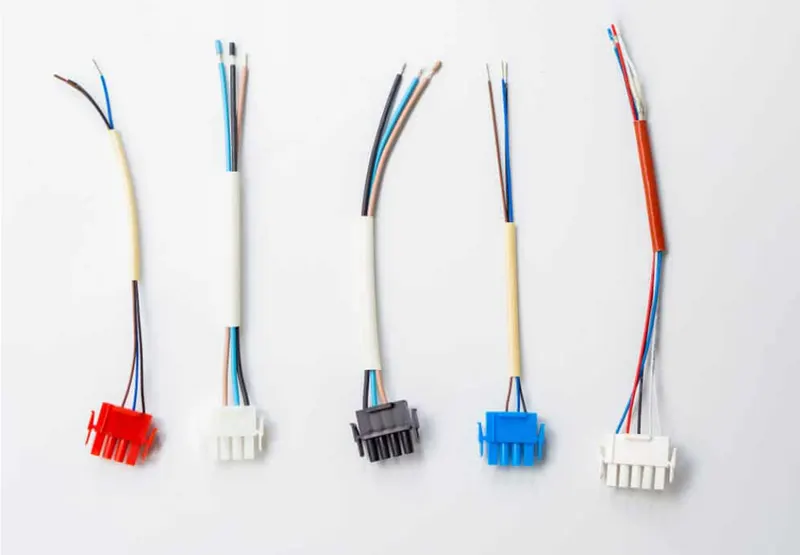
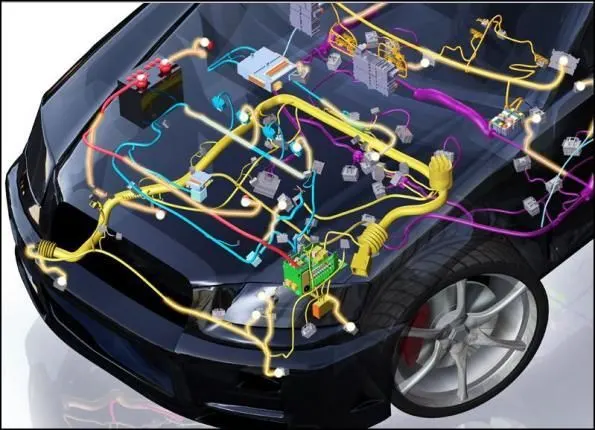
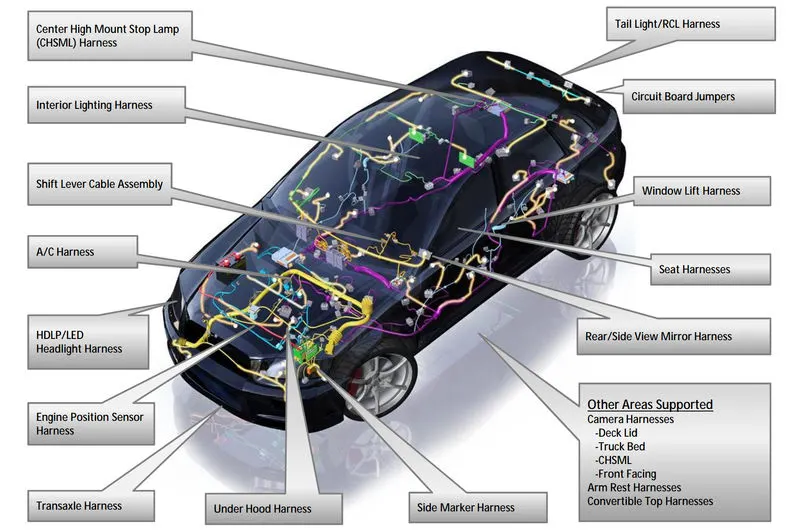
Today's automobiles come with electrical components that not only allow them to move, turn, and stop, but also carry out a number of additional tasks. In order to operate these electronic components and send power and messages to every section of the car, wiring harnesses are essential. These are crucial parts similar to the blood veins and nerves in the human body, consisting of connectors, terminals, clamps, sheaths, and other components surrounding a core of electrical wires.
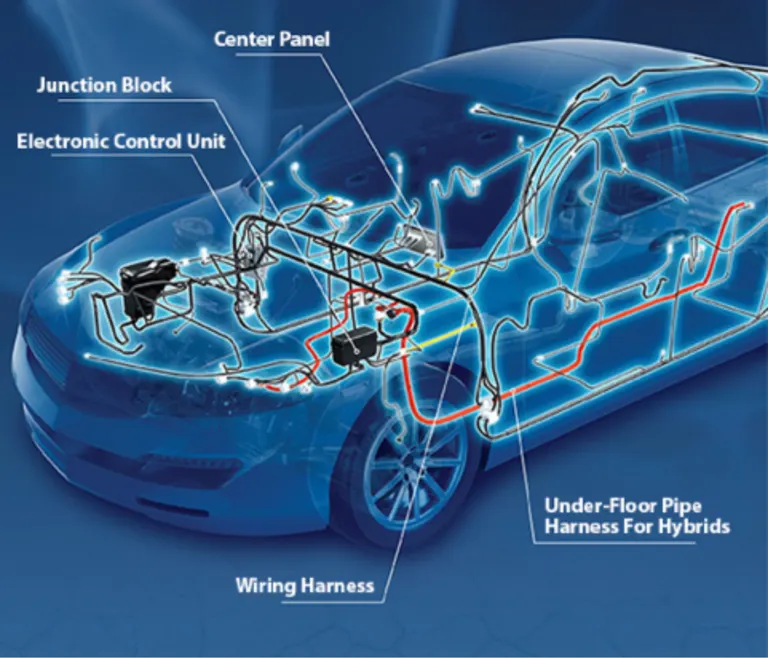
The wires used in various types of automotive vehicles are listed below-:
a. GPT, Major Wire, or Primary Wire-: This cable is most likely the one you'll encounter the most in a car's wiring system. The multi-strand core and flexible insulation of the primary wire (GPT) enable it to fit through small openings. They are primarily utilized for interior wiring. They are generally used for internal wiring needs. GPT wires shouldn't be left outside for an extended amount of time.
Main wires can withstand heat up to 176 degrees Fahrenheit. They are also trouble-free in the presence of chemicals, acids, and oils.
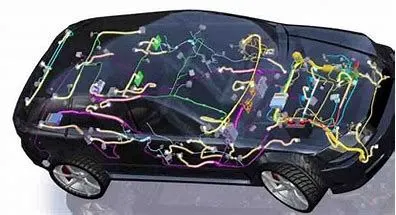
b. Motor Wire-: The insulation on the motor wire is made up of thinner copper strands than the insulation on the main wire. Typically, they can tolerate 600 volts and 2210 °F temperatures. Moreover, it can handle greater voltages without any issues.
c. GXL, SXL, and TXL Wire-: Copper single-stranded conductor-type wires are often TXL wires. Cross-linked polyethylene is used to insulate these wires. GXL wire is a primary wire with a single conductor with XLPE insulation. SXL wire, on the other hand, is covered in XLPE and has a bare copper conductor.
The cross-linked polyethylene jacket gives the wires improved heat, abrasion, and aging resistance.
Also, the thickness of the insulation varies depending on the application region. The thinner insulation of the TXL wire sets it apart from the other two varieties. In terms of thickness, GXL wires are a hybrid of SXL and TXL wires.
d. Battery Cable-: The battery is connected to the electrical system and the ground through the battery harness cable. It frequently has a larger diameter than typical wires.
e. Sound Wire-: To send audio signals from the stereo receiver to the speakers, you'll need speaker wires. Speaker wires often have low voltage uses. Connect the positive and negative terminals of the wire correctly to guarantee that the speaker sounds good.
f. Vehicle Wire-: The primary wire that has been modified and colored to use as a trailer wire is what it alludes to. Trailer cables frequently have a scheme of brown, green, white, and yellow.
3. Routing & Packaging rules for Wiring Harness-:
- The routing of the wiring harness must make it simple to manufacture, make the attached equipment and wiring tackle accessible, and make it simple to remove and maintain.
- Avoid routing through tiny structural holes and gaps, and when installing the wiring harness, handle it as little as possible.
- When assembling or using the harness, avoid routing and clipping in the operator's blind zone.
- Routing must provide defense against potential harm caused by common abuses such as serving as a handhold and temporary support for test equipment.
- According to the environment and the harness's bending requirements, add more length/slack to the saddle.
- Verify that the route allows for the necessary clearance with the adjacent parts.
- When routing close to bolted joints, avoid going over the bolts. The harness could be harmed or even pierced. Save the panel mounting screws from the harness.
- If at all feasible, protect the harness when routing it close to sharp edges.
- A straight branch can have two clips spaced no closer than 200mm apart.
- If the harness will bend in several places, provide clips and clamps.
- Avoid using an excessive number of sheet-metal brackets.
- More than 50 mm should be present on the branch.
- The minimum distance between the branching point and the clip is 25 mm.
- 50 mm should be the minimum spacing between two branch breakouts.
4. Electrical Components used in Tail-Gate Wiring Harness Assembly-:
Connectors-:
a. C-173092-2-a-3d.
Type - Male Connector.
No. of Terminals - 2.
b. C-1563689-1-3D.
Type - Male Connector.
No. of Terminals - 3.
c. C-776438-4.
Type - Male Connector.
No. of Terminals - 3.
d. C-1379674-3
Type - Male Connector.
No. of Terminals - 4.
Mounting Equipment-:
a. Firr-Tree Clip.
5. Project Work -: Routing, Packaging, Connectivity Check & Flattening.
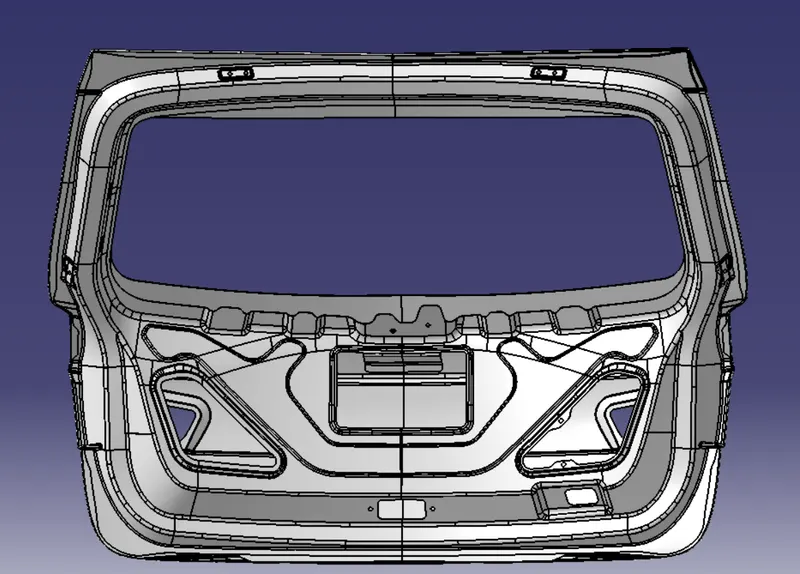
Input- Tail Gate Assembly
Harness Routing & Packaging Tail Gate
Routing & Packaging Harness Tail Gate
Bundle Connectivity Check -:
1. False Connectivity Check-:
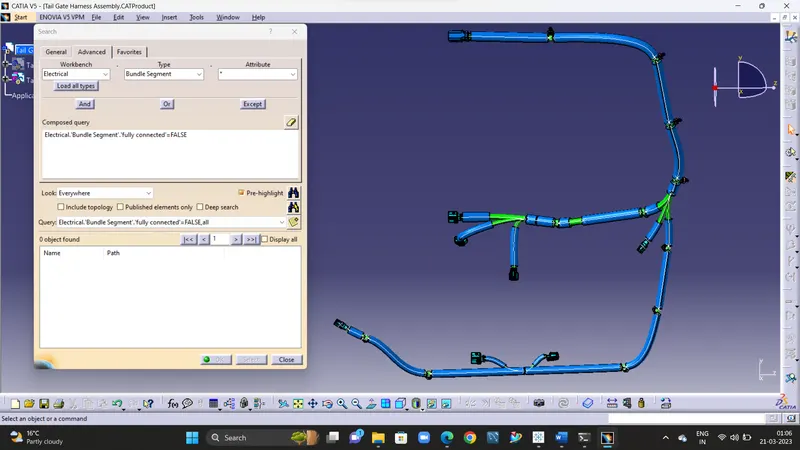
Bundle Connectivity - False
2. True Connectivity Check-:
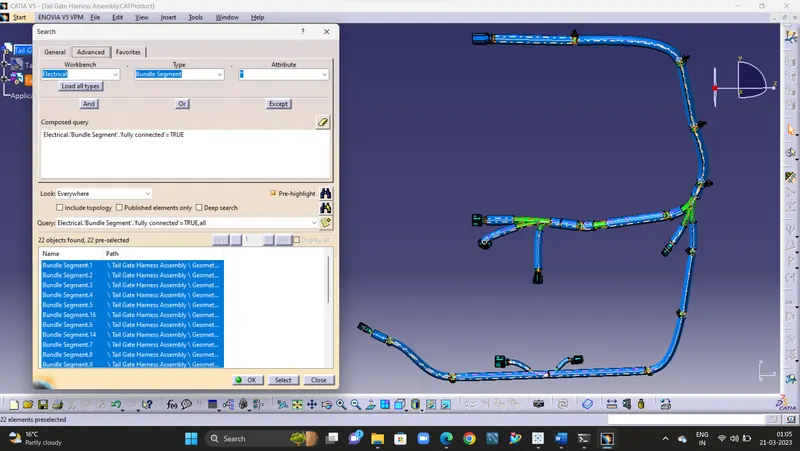
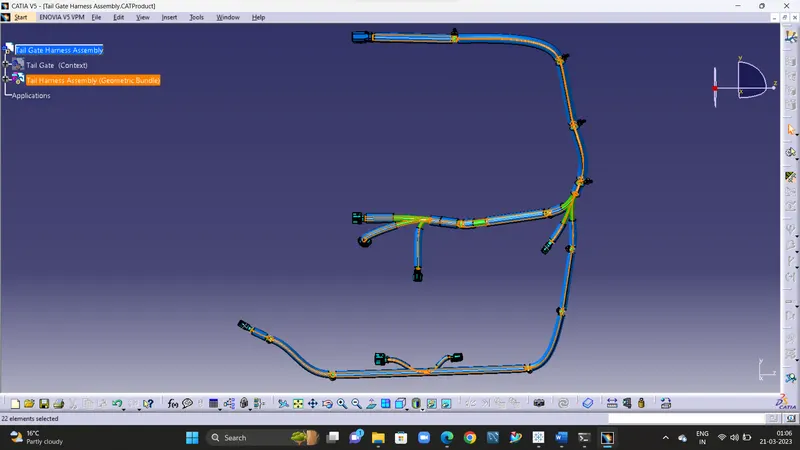
Bundle Connectivity - True
Wiring Harness Flattening-:
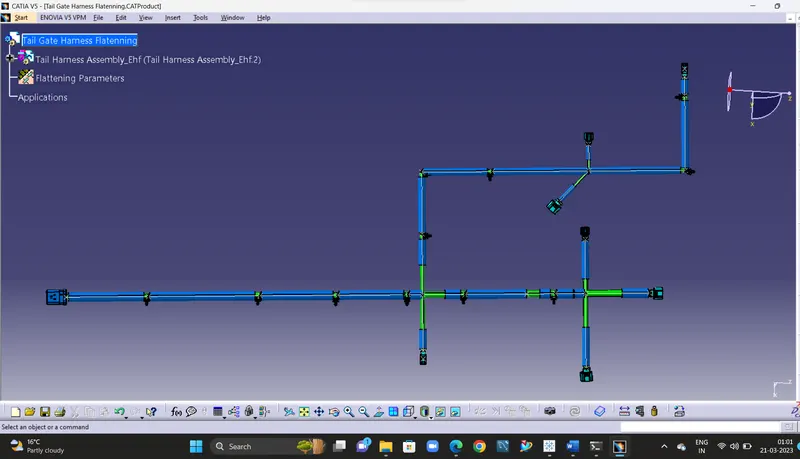
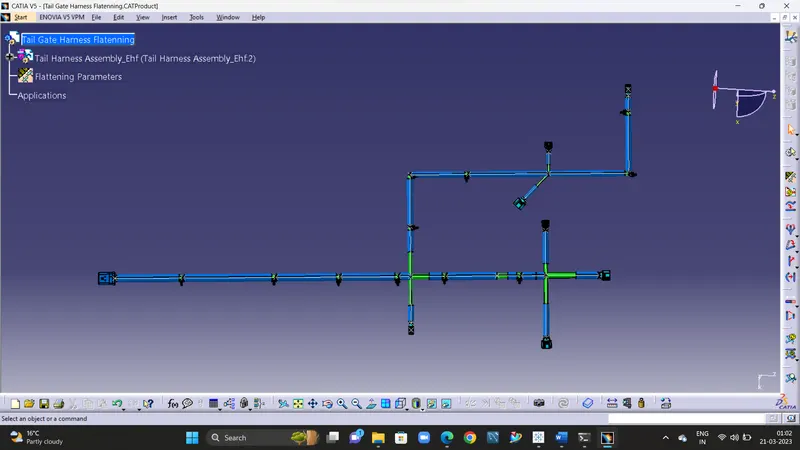
Tail-Gate Wiring Harness Assembly Flattening
Drawing-:
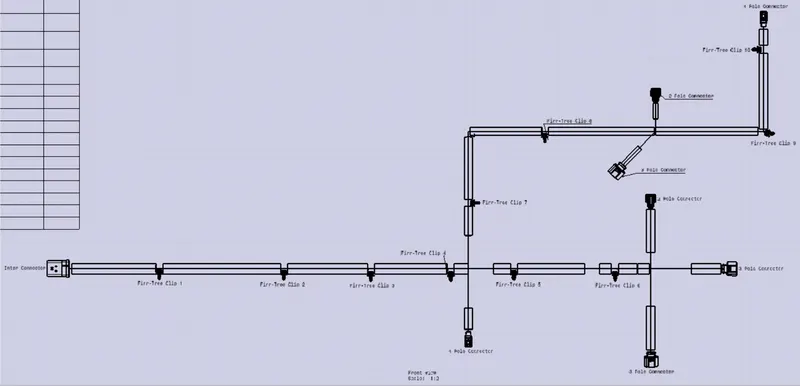
Tail-Gate Wiring Harness Assembly Flattening Drawing
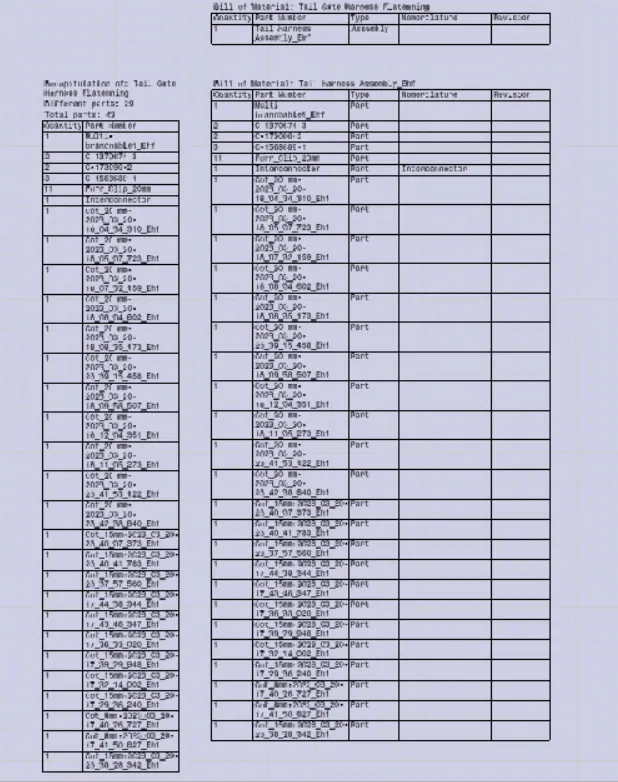
Bill Of Material
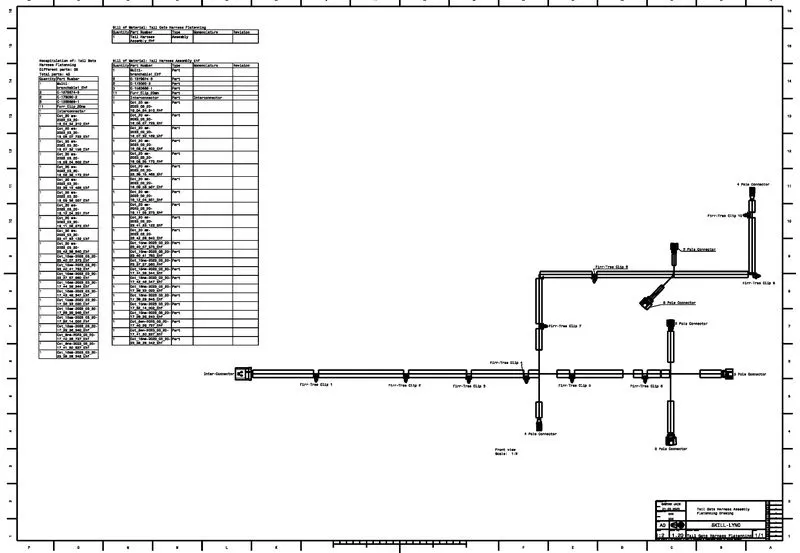
Tail-Gate Wiring Harness Assembly Flattening Drawing
Conclusion-:
For the specified Tail-Gate assembly, the wiring harness has been routed, packaged, and flattened. The flattened view is drafted along with the Bill of Materials.