Project 2
Wiring harness assembly for passenger car Back Door
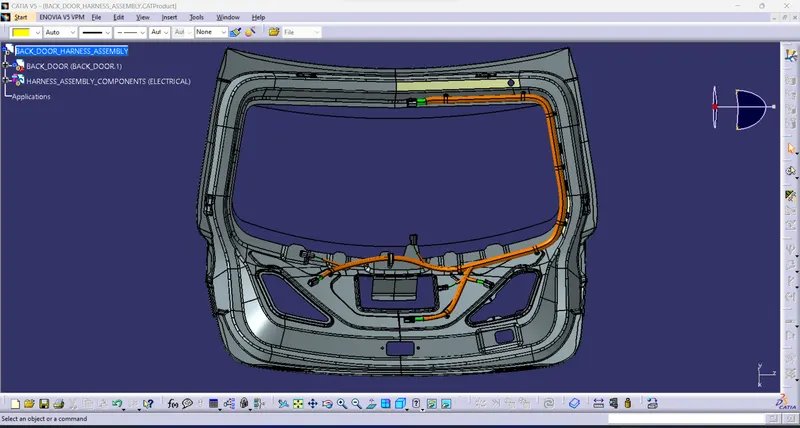
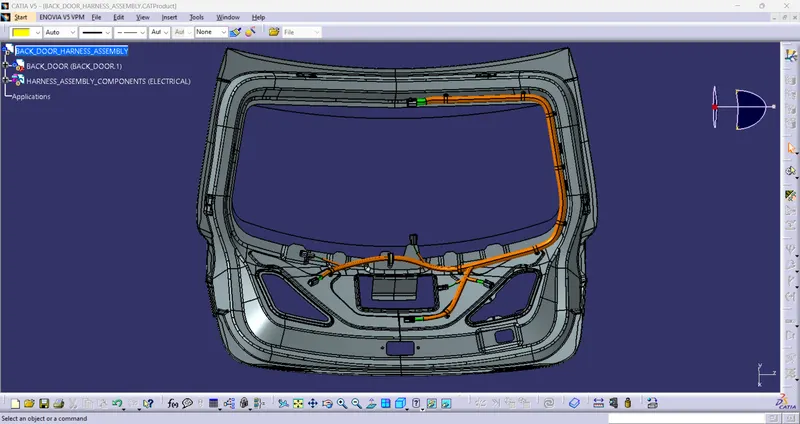
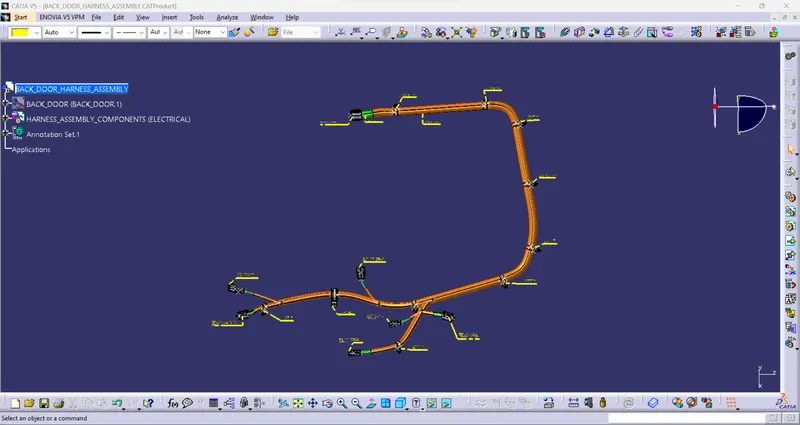
A wiring harness routing for the car's back door. The 3D repression of the routing for the vehicle body's newly developed components and electrical components placement and routing direction route the bundle for proper direction and completely routes the bundle using supporting clips to connect the correct connectors. Identify the purpose of connectors and know bundle length and analysis the safety measures of the bundles.
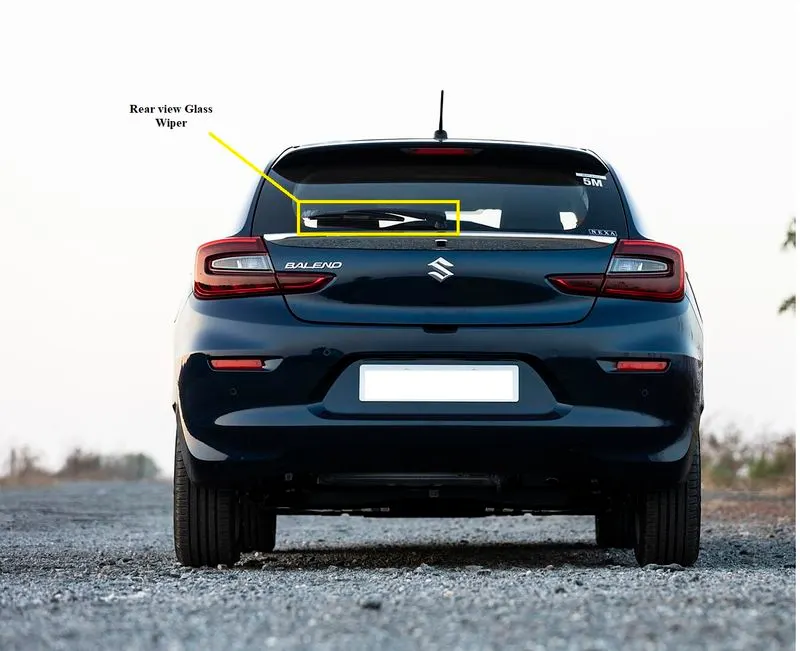
Back door Electrical components:
- Break (Warning) lights.
- Turning indicators.
- Rear Camera.
- Number Plate Lamp.
- Door open /close sensors.
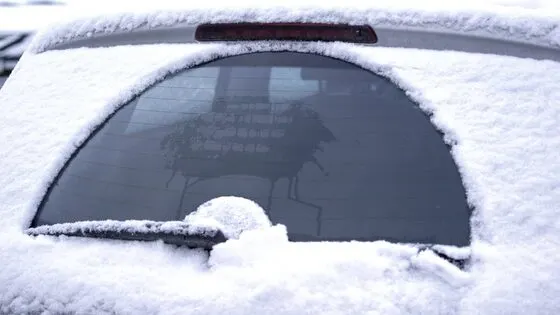
- Rear glass wiper washer.
- Rear glass-mounted warning lights.

Harness Routing in Back Door:
Harness Electrically defined components:
- 3 Pole connectors.
- 4 Pole connectors.
- 6 Pole connectors.
- 8 pole connectors.
- Protection tube (COT-TUBE).
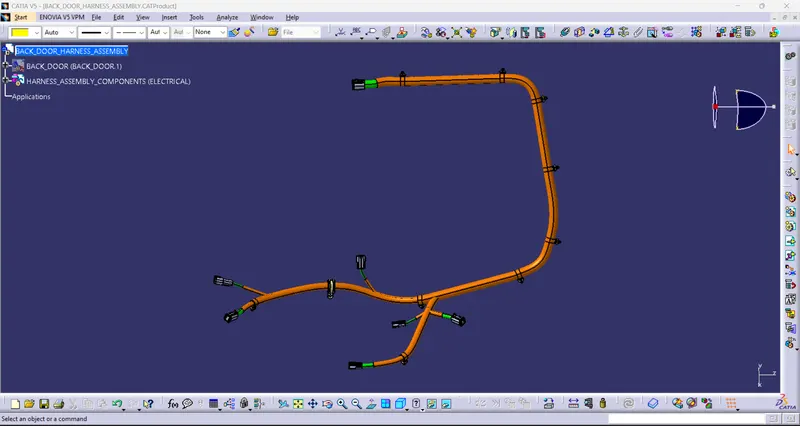
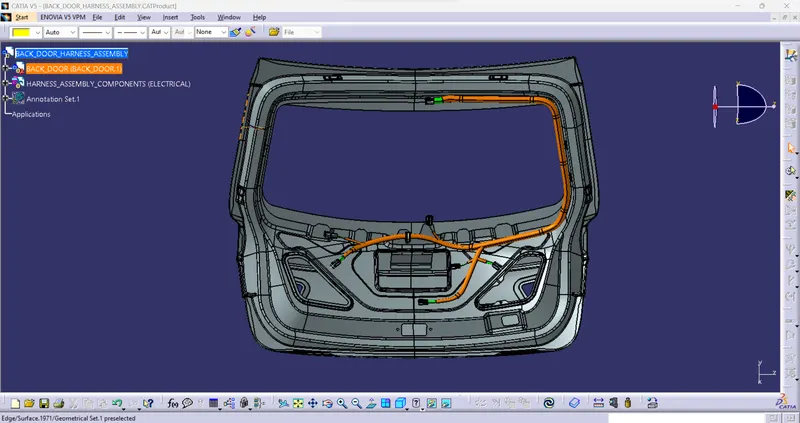
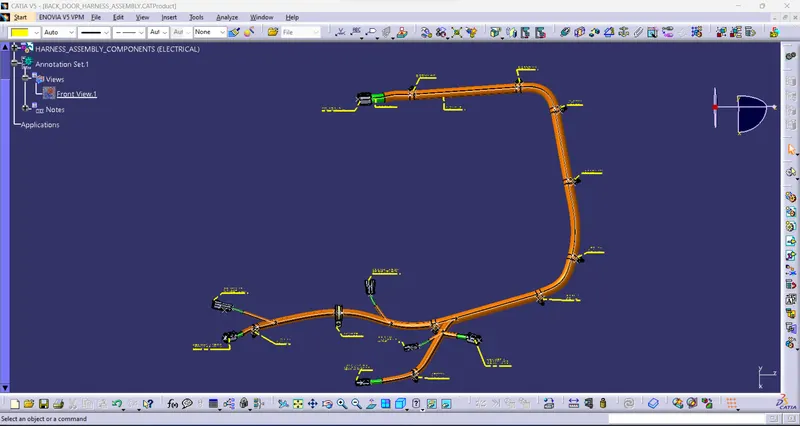
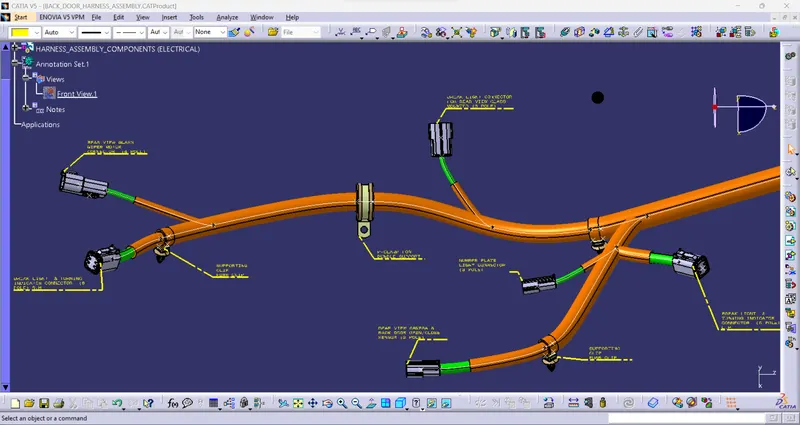
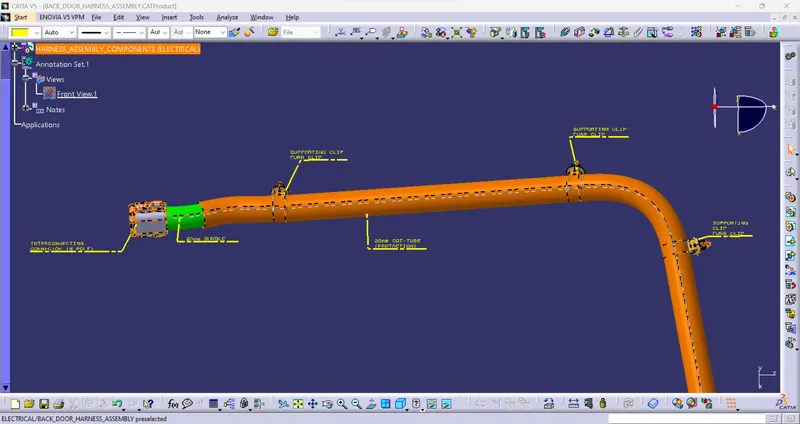
3D Annotation:
3D annotation is repression of the part for 3D drawing view. Easy-to-understand parts specification and usage.
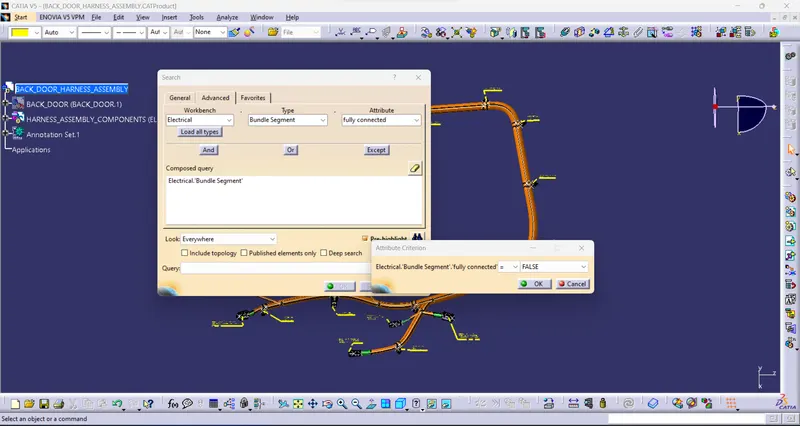
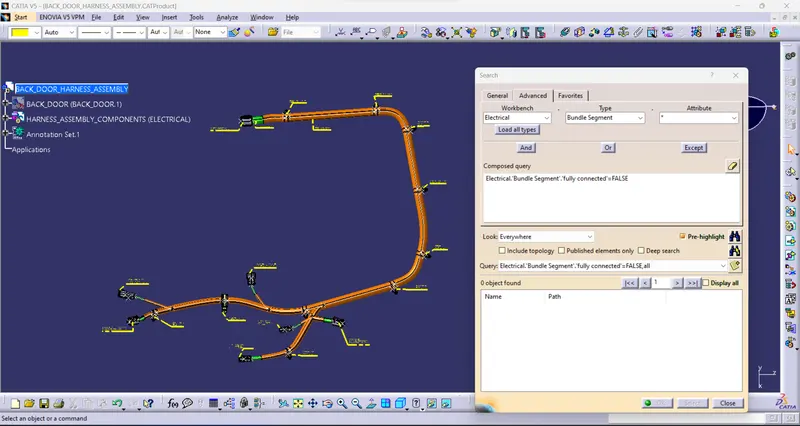
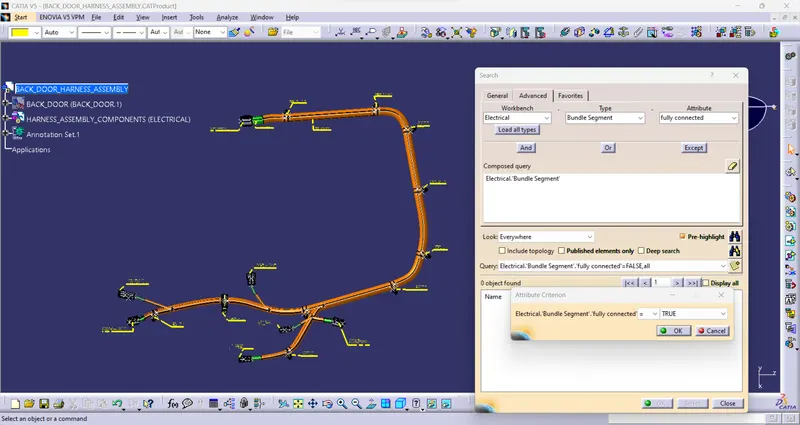
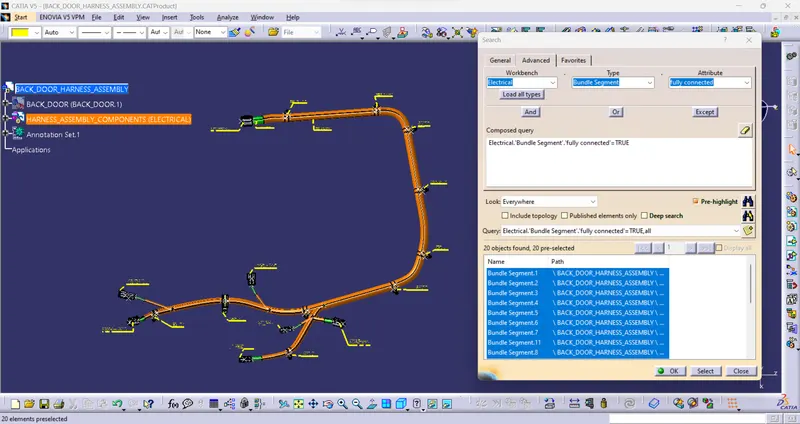
DEFINE FULLY CONNECTED OR NOT:
- Completely connected to all connectors and bundles.
- Check the connector and bundle are completely connected or not.
- Using the command "FULLY CONNECTED"
- TRUE= Fully connected bundles.
- FALSE=Not connected bundles.
- Show the result.
Design Criteria For Wiring harness:
- Easy to assemble.
- Easy to access for service and maintenance.
- Not get damage in surrounding parts.
- Heat Zone kept away from heat zone.
- Water Splashes kept away from the wet zone.
- Sharp environment kept away from the edge of the panel and sharp corner.
- Human or machine Interaction (HMI).
- Do not route driver and passenger in each zone.
- Kept away from the high-pressure fluid zone.
- Dynamic condition protection.
- Subject to moving parts.
- Not visible and Exposed the harness.
- Easy to access the service and diagnostic.
Clearance management:
- Clearance management basically focused on the wiring harness clearance with the surrounding parts.
- This is a primary requirement for routing and packaging.
- Clearance management should be conducted in CAD software or visualization software.
- It is also known as DMU (Digital Mock Up).
- This study is part of the geometrical interaction.
- Clearance requirements vary from industry to industry. however following requirements can be used to understand the basics of clearance management.
Harness Routing Components:
Connectors:
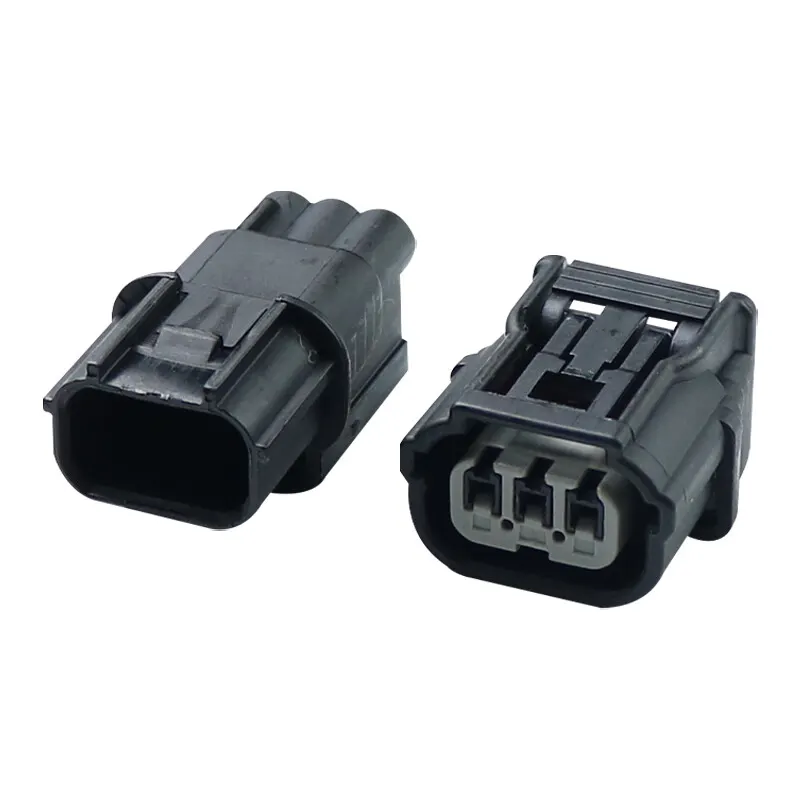
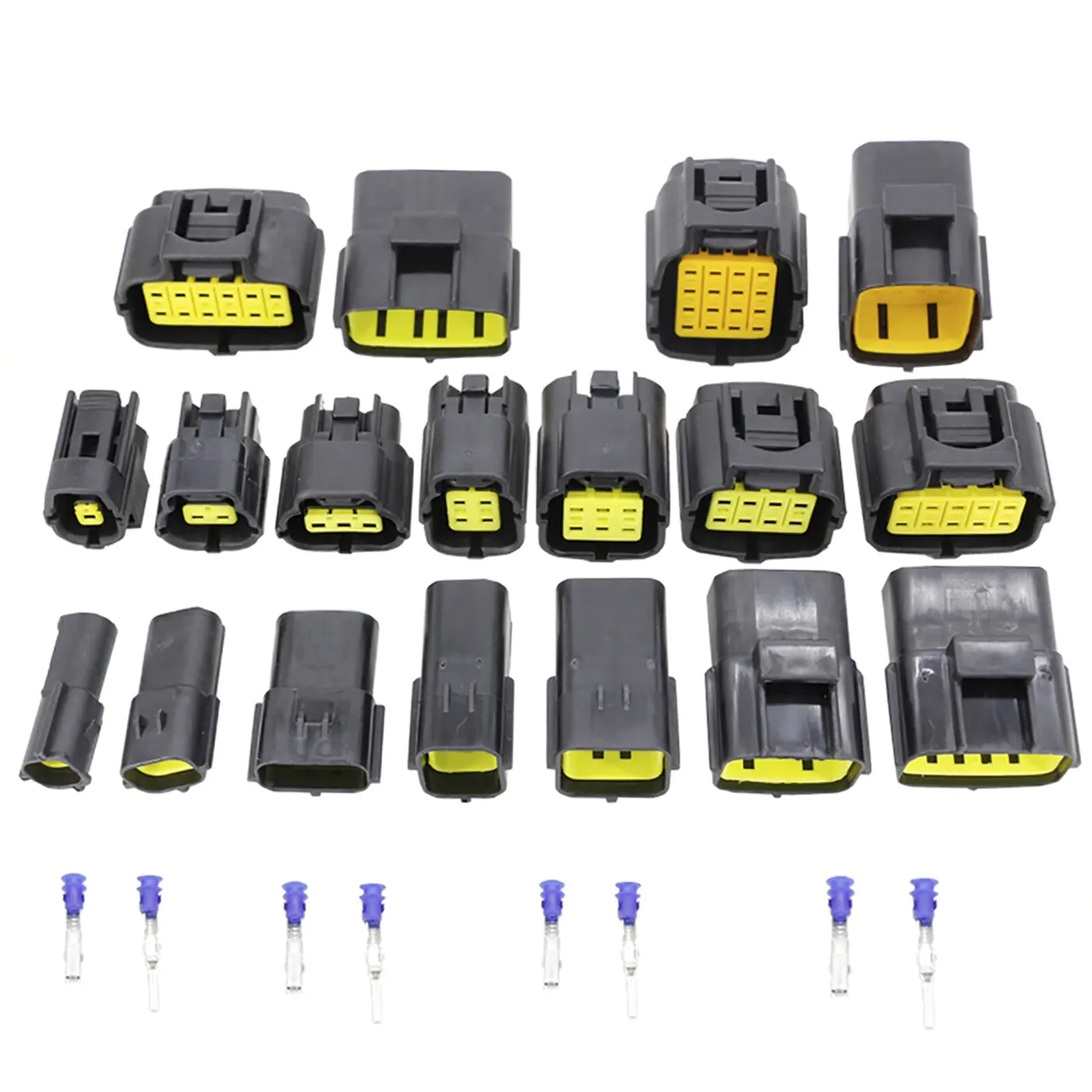
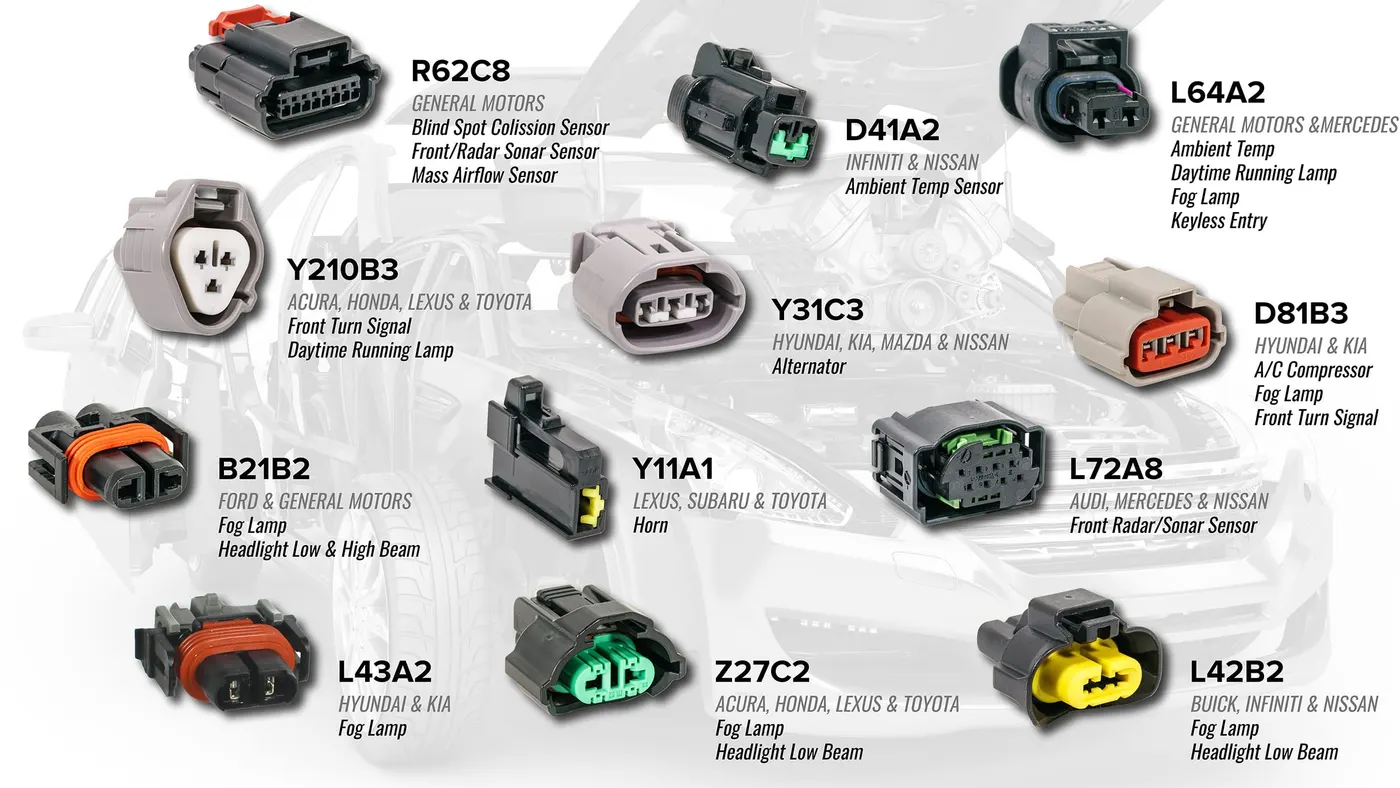
- An electrical connector is an electromechanical device used to join termination and create electric circuits electrical connectors consist of housing, terminals, wedge locks, seals, cavity, mounting cam, etc.,
- A connector basically houses a plastic molded assembly.
- Terminals are connected to the connector.
- A wage lock is a secondary lock, since cavity & mounting clamps
Connector Components:
- Housing.
- Seal.
- Dummy seal.
- Wedge lock.
- Terminals.
Connector selection parameters:
- Electrical connection (Number of Poles).
- Operating current of circuits/wire gauges used
- Packaging space constraints.
- Operating temperature.
- Selling requirements.
- secondary locking requirements
- Required interconnection.
- Application standards.
- Aesthetic/bundle dressing requirements.
Electrically defines the connector.
To open the Electrical part workbench and select one connector
- create geometrical parameters (point, axis & plane)
- connector connecting point.
- bundle entry point.
- cavity connection point
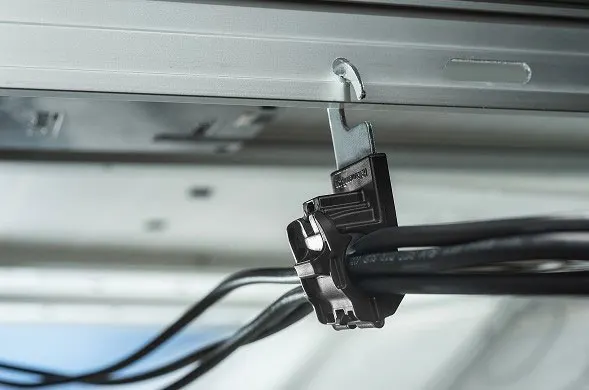
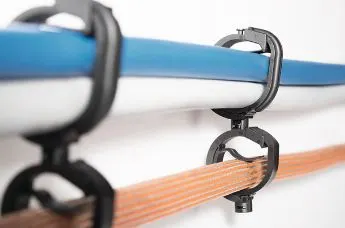
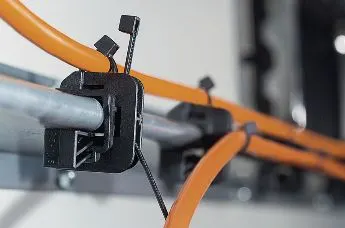
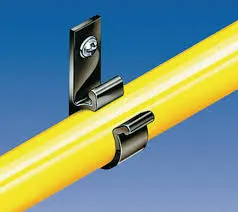
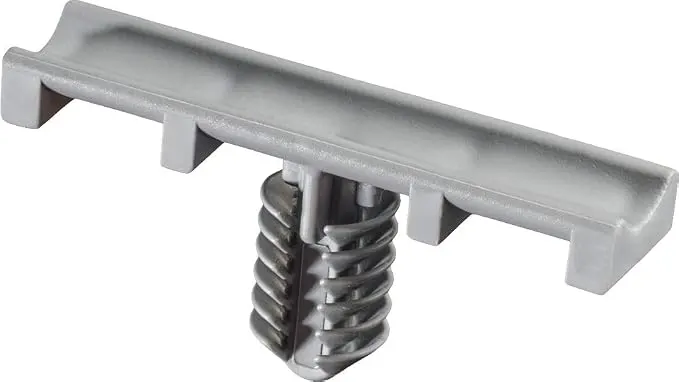
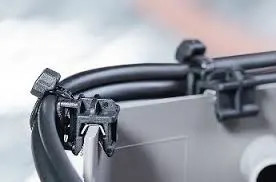
Clips and Clamps
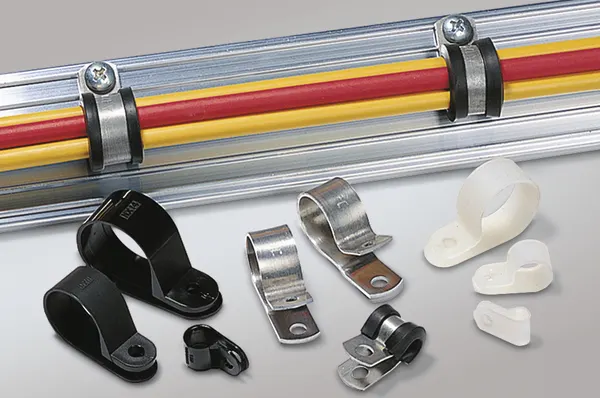
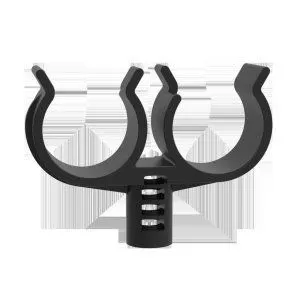
Clips and clamps are holds or external support of the harness bundle for routing from one end to another end without fouling.
Type of clips:
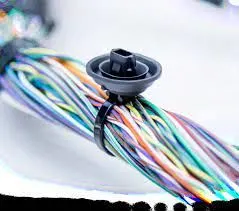
- Simple cable tie.
- Rotation (P-clamp & Furr-Tree clip)and anti-rotational clips.
- Stud-type clip.
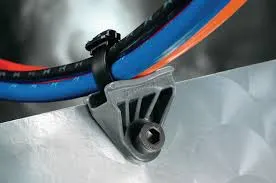
- Edge clips.
- Sticky clip.
- Wire-to-wire clips.
Separator Clamps:
Panel Mounted:
- Hole mounted.
- Stud mounted.
- Bolted
- Edge mounted.
- Wire to wire.
Clip selection criteria:
- The selected clip should provide a positive fix to the harness bundle.
- The clip should be easily available in the market.
- It should be cost-efficient.
- Should be easy to fitment and remove.
- Special tools or techniques should not be required for clip fitment.
- It should fit in the available packaging area.
- Recommended to use anti-rotational clips.
- Dressing and aesthetic considerations.
- Temperature limits and environmental specifications.
Protection Tube:
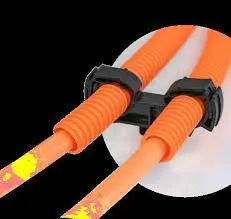
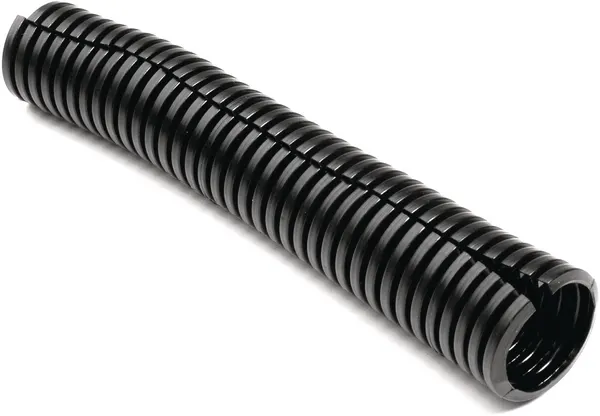
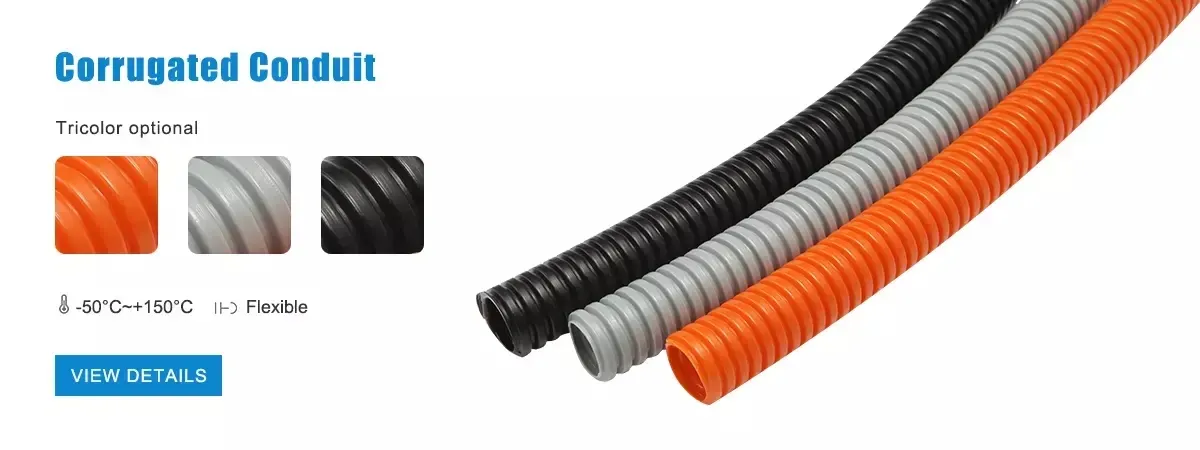
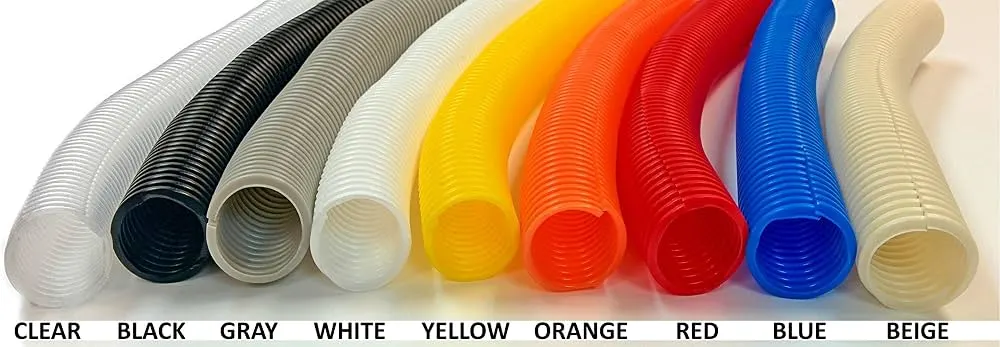
- Corrugated tube convolutes, sleeves, and many other types of coverings are used to protect the wiring harness.
- Graphical representations of coverings are applied to the bundle.
- Following are images of different Coverings.
Types
- Cotton tapping
- Plastic
- Rubber
Selection Parameters:
- Size/Diameters.
- Type of protection devices (Based on Requirement).
- Temperature Range.
- Abrasion Resistance requirements.
- Color Requirements.
- Cost Requirements.
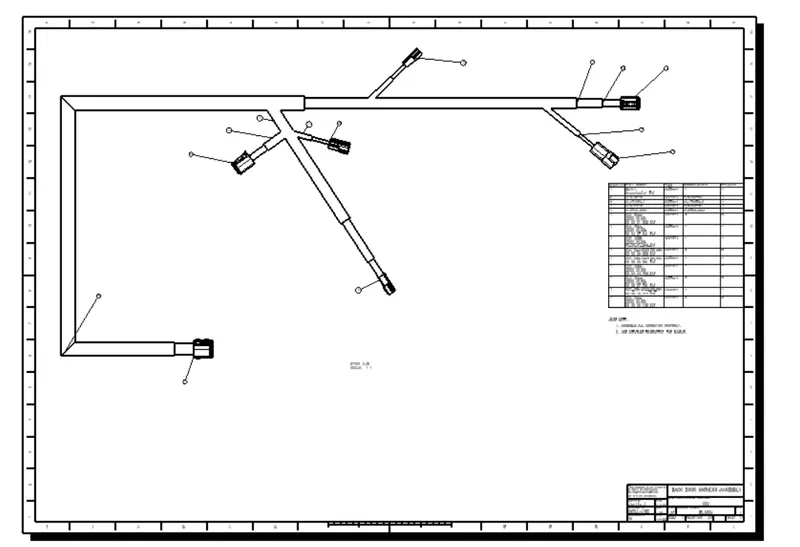
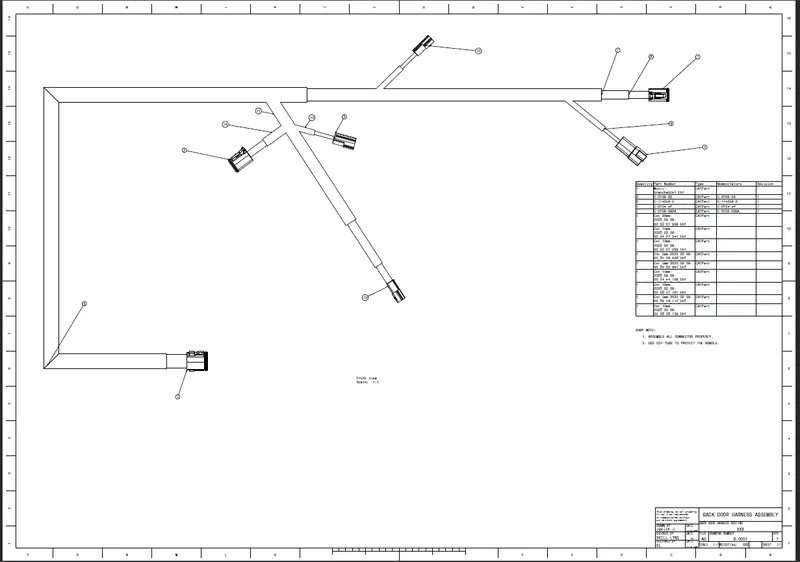
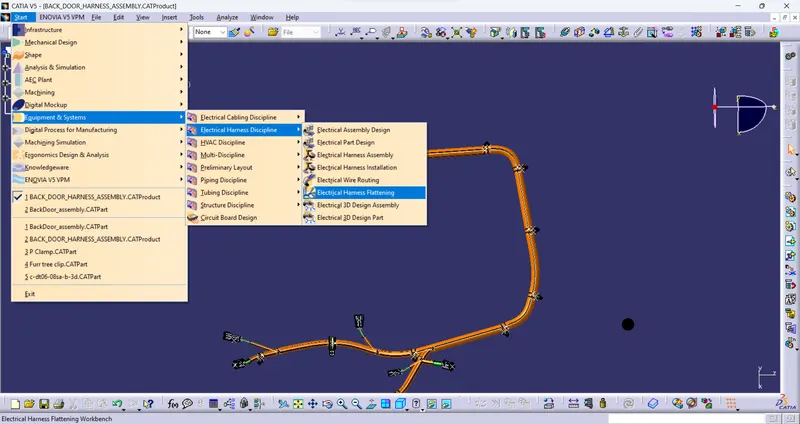
Electrical Harness Flattening:
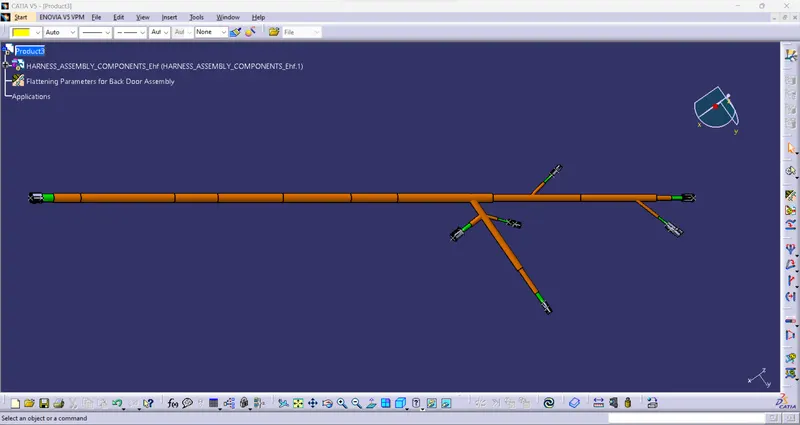
- Harness flattening is used to straighten the bundle.
- it is a 3d representation of the bundle routing front view.
- It shows bundle routing information from connector to connector distance and branch point and multiple bundle connection views.
Harness Flattening:
- first, generate the harness flattening parameters.
- Then "Extract" the harness assembly.
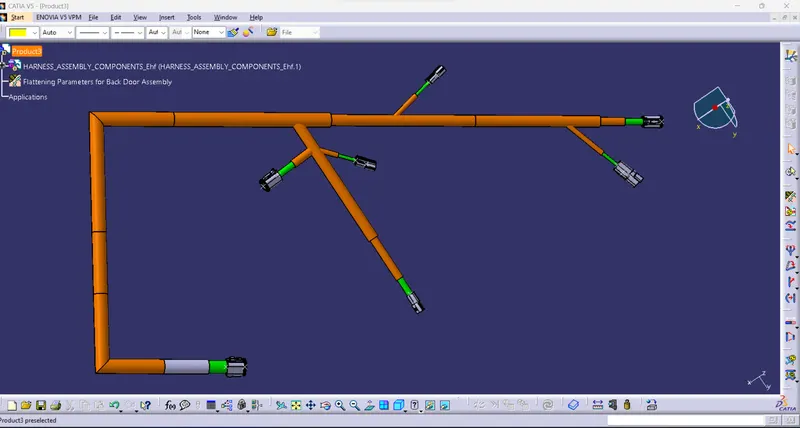
- Next, be using the "Flatten" command to select all bundles to flatten the harness.
- To arrange the bundle based on the 3d representation view arrangement.
- To adjust the bundle use the "Rotate" command.
DRAWING:
- To develop the drawing based on the flatted for the 2D representation.
- The drawing sheet is used to show bundle length, connectors, protection cover, and bundle size.
- This drawing is used for the production and assembly department.
- To check quality control team find an error and resolve it before production.
- Use to BOM table for separate components' quantity and identify the components using balloons.