Project 2
ABSTARCT : Design a robotic surgery procedure to remove a healthy kidney from the donor using an AI guided robot.The idea of robotic kidney transplantation surgery is that a healthy kidney is removed from a donor using a surgical robot.
KIDNEY AND FUNCTION OF KIDNEY IN HUMAN BODY :
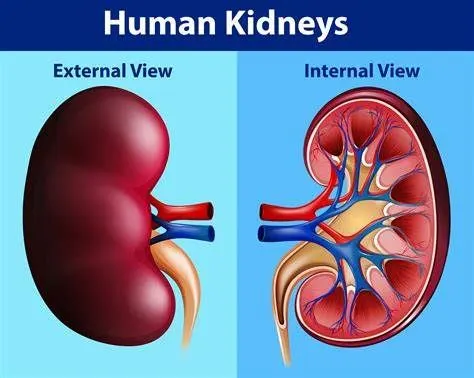
- KIDNEY :
- The kidneys are two bean-shaped organs, each about the size of a fist.
- They are located just below the rib cage, one on each side of your spine.
- FUNCTION OF KIDNEY :
- kidneys remove wastes and extra fluid from your body.
- kidneys also remove acid that is produced by the cells of body and maintain a healthy balance of water, salts, and minerals in blood.
- kidneys also make hormones that help in control your blood pressure ,make red blood cell, keep your bones strong and Healthy.
KIDNEY TRANSPLANTATION :
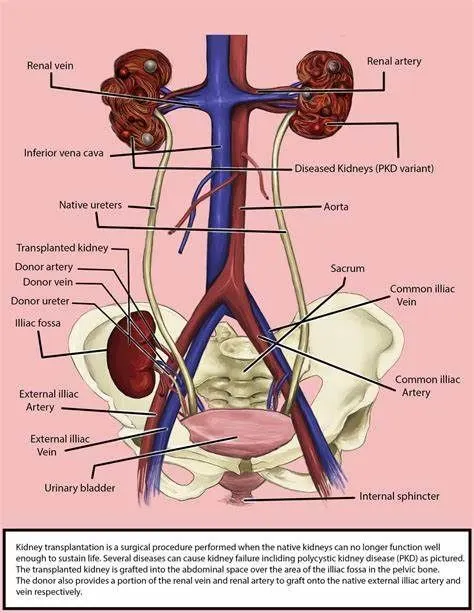
- A kidney transplant is a surgery that involves taking a healthy kidney from a donor and placing it into a person whose kidneys are no longer working properly.
- A kidney transplant is a procedure where a new donor kidney is placed in your body.
- This is typically done to treat kidney failure.
- Once attached, your new kidney will start to do the job of the failing organ.
- Kidney transplants are done to help people with chronic kidny disease or end-stage kidney failure.
- When your kidneys can no longer filter waste properly, you’ll need either dialysis (which uses a machine to remove waste from your bloodstream) or a kidney transplant.
- Your new kidney is placed on the lower right or left side of your abdomen where it’s surgically connected to nearby blood vessels.
- Placing the kidney in this position allows it to be easily connected to blood vessels and your bladder.
- The vein and artery of your new kidney are attached to your vein and artery.
- The new kidney's ureter is attached to your bladder to allow urine to pass out of your body.
PROCEDURE OF KIDNEY TRANSPLANTATION :
- Kidney transplantation involves placing a healthy kidney into your body, where it can perform all of the functions that a failing kidney cannot.
- new kidney is placed on the lower right or left side of your abdomen where it’s surgically connected to nearby blood vessels.
- Placing the kidney in this position allows it to be easily connected to blood vessels and your bladder.
- The vein and artery of your new kidney are attached to your vein and artery.
- The new kidney's ureter is attached to your bladder to allow urine to pass out of your body.
ROBOTIC SURGERY PROCEDURE :
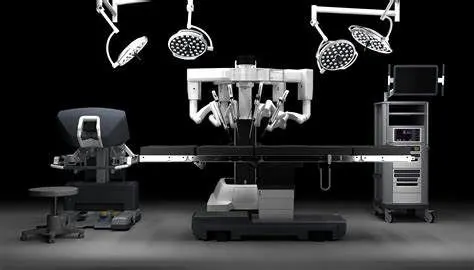
- Robotic surgery, also called robot-assisted surgery, allows doctors to perform many types of complex procedures with more precision, flexibility and control than is possible with conventional techniques.
- Robotic surgery is usually associated with minimally invasive surgery — procedures performed through tiny incisions. It is also sometimes used in certain traditional open surgical procedures.
- The most widely used clinical robotic surgical system includes a camera arm and mechanical arms with surgical instruments attached to them.
- The surgeon controls the arms while seated at a computer console near the operating table.
- The console gives the surgeon a high-definition, magnified, 3D view of the surgical site.
- The surgeon leads other team members who assist during the operation.
ROBOTIC KIDNEY TRANSPLANTATION SURGERY :
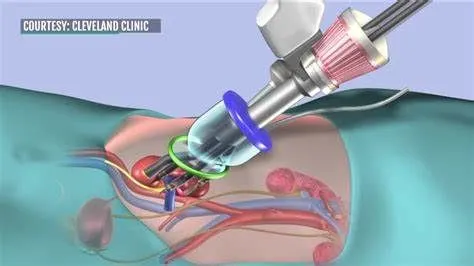
- Compared to conventional open kidney transplant surgery, a much smaller incision (about 7cm) is made in robotic assisted kidney transplantation to remove the diseased kidney and insert the donor kidney into the abdomen.
- and then to stitch the blood vessels and the ureter. Another four or five small (0.5 to 1cm) incisions are used to insert the instruments into the abdomen.
- One of the arms holds a high magnification 3D camera which is inserted into the abdomen through one of the key holes and provides a high-definition, magnified (12×), 3-D view of the surgical site.
- The other mechanical arms have surgical instruments attached to it that are designed to mimic the movement of the human hands and wrists.
- The surgeon uses the console of the computer to manipulate the small surgical instruments that are more flexible and manoeuvrable as compared to the human hand.
BLOCK DIAGRAM :
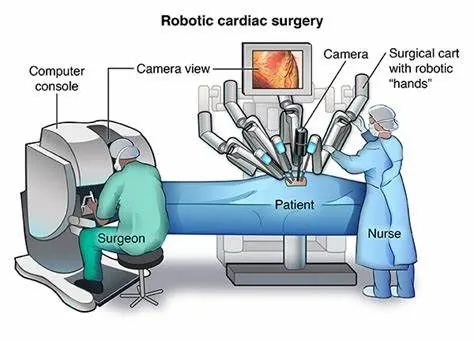
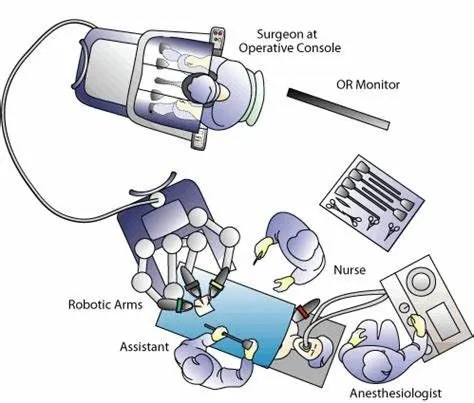
- Surgeon console : surgeon sits at the console, controlling the instruments while viewing your anatomy in high-definition 3D.
- Patient Cart : Positioned alongside the bed, the patient cart holds the camera and instruments that the surgeon controls from the console.
- Vision Cart : The vision cart makes communication between components possible and supports the 3D high-definition vision system.
BENIFIT :
- Fewer complications, such as surgical site infection
- Less pain and blood loss
- Shorter hospital stay and quicker recovery
- Smaller, less noticeable scars
RISK :
- Robotic surgery involves risk, some of which may be similar to risks of conventional open surgery,
- such as a small risk of infection and other complications.
the preoperative, perioperative, and postoperative steps taken to ensure a successful surgery :
- preoperative :
- Finding a match Of kidney
- various type of blood taste
- perioperative :
- Kidney transplants are performed with general anesthesia, so you're not awake during the procedure.
- surgical team monitors your heart rate, blood pressure and blood oxygen level throughout the procedure.
- postoperative :
- Spend several days to a week in the hospital.
- Have frequent checkups as you continue recovering
- ake medications the rest of your life
the advantages of robotic kidney transplant surgery over open kidney transplant surgery :
- The robot replicates the surgeon’s hand movements, while minimizing hand tremors. The surgeon thus can not only make use of his/her experience and skills, but also operate with precision, dexterity and control in complex procedures.
- Especially useful when the operative field is deep and narrow, and requires fine dissection and micro suturing.