Project
AIM:-
To carry out a sysytem level simulation of an BAJA All terrain vehicle (ATV).
OBJECTIVES:-
To prepare a technical report explaining the model properties and comments on the result.
ALL TERRAIN VEHICLE (ATV)
All terrain vehicle ,ATV, also known as
- LIGHT UTILITY VEHICLE (LUV).
- QUAD BIKE.
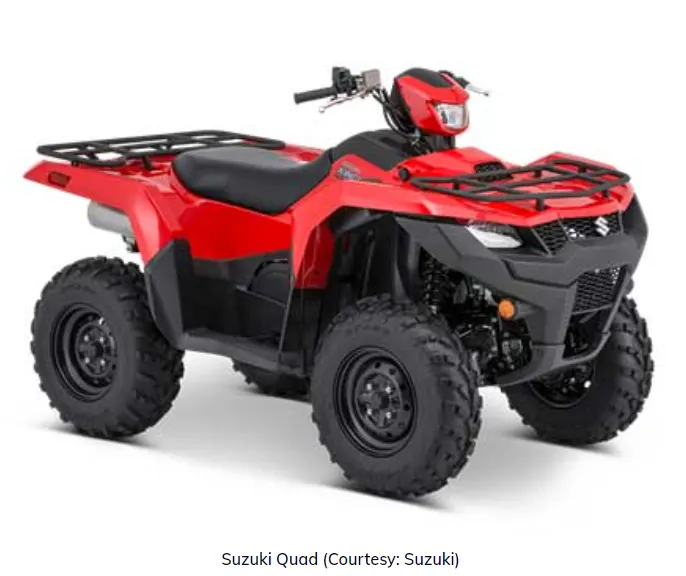
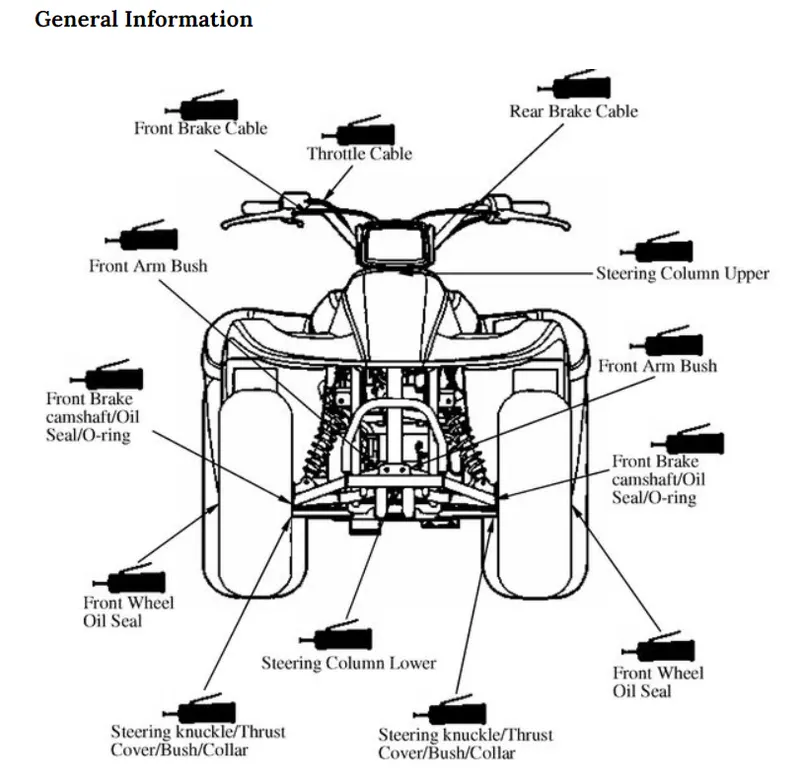
ATV travels on low pressure tires, with a seat that is straddled by operator, along with handle bars with sterring control.It is designed to handle wide variety of terrain.
- suzuki was a leader in the mass development of ATVs.
- suzuki sold the first four wheeled mini ATV from 1984 to 1987.
CASE STUDY 1
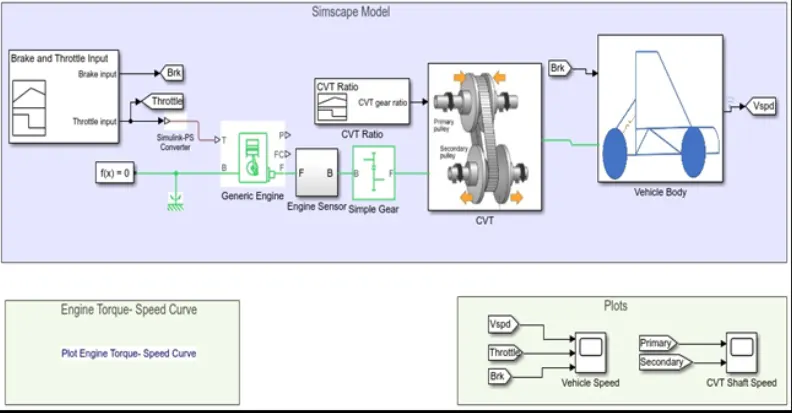
SIMULINK MODEL FOR BAJA ATV WITH CVT
MAJOR COMPONENTS IN MODEL
Continuous variable transmission drive CVT.
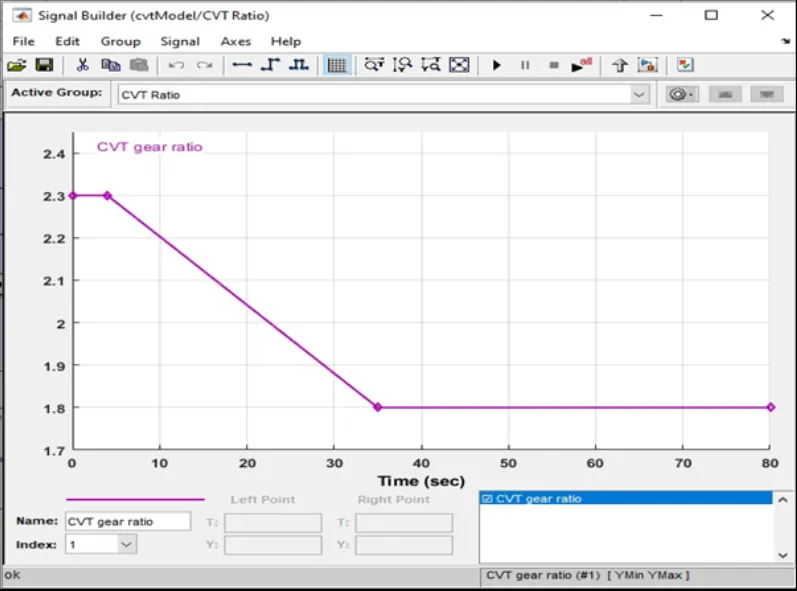
CVT is an automatic transmission, that can change seamlessly through a continous range of gear ratios.the flexiblity of CVT with suitable control may allow engine to operate at constant RPM while vehicle moves at varying speed. The most common type of CVT uses two pulley connected by belt.
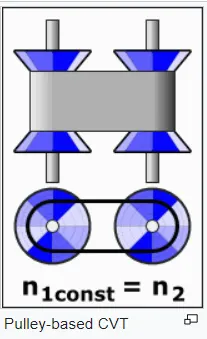
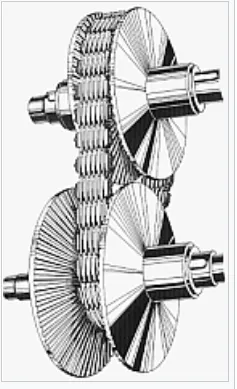
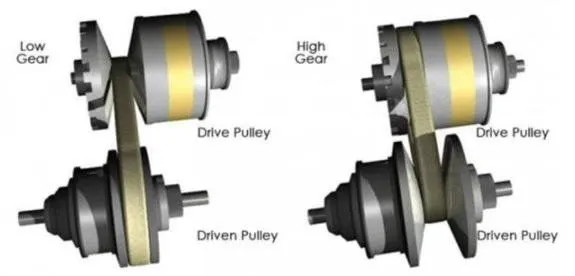
- the most common type of CVT uses V-belt which runs between two variable-daimeter pulley.the pulley consist of two cone shaped halves that moves together and apart.the V-belt runs between these two halves, so the effective daimeter of the pulley is dependent on the distance of between the two halves of the pulley.V shaped groove in which belt rides, one side of the pulley is fixed, and other side is movable, acutated by hydraulic cylinder. the cylinder can increase or decrease the amount of space between the two side of pulley. this allows the belt to ride lower or higher along the wall of the pulley, depending on the driving conditions, therby, changing the "gear ratio".
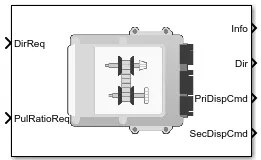
CVT CONTROLLER
VARIABLE TRANSMISSION

The variable ratio transmission block represents a gear box that dynamically transfer motion and the torque between the two connected driveshaft axes, the base and follower.
ENGINE
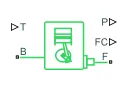
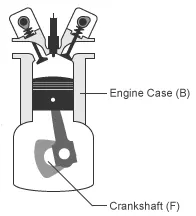
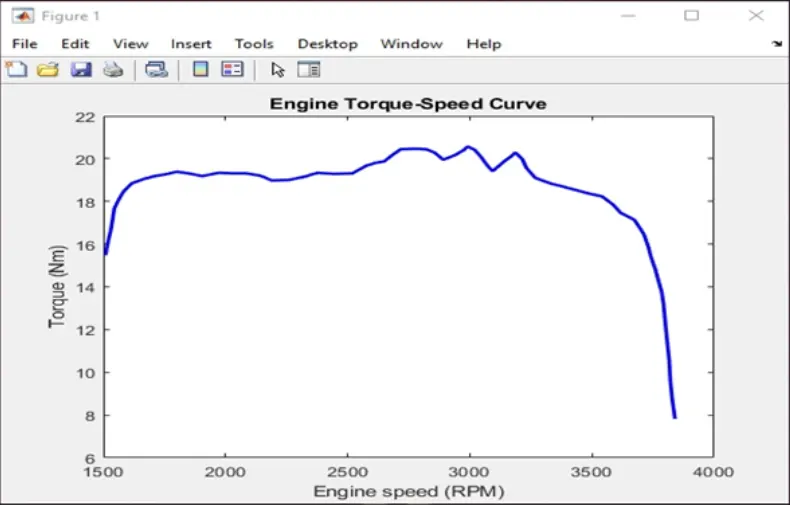
The generic engine represents the general internal combustion engine, the block is suitable for both spark ignition and deisel engine.the speed power and speed torque parametirezations are provided. A throttle physical signal input specifies the normal engine torque.
By default, the Generic Engine block uses a programmed relationship between torque and speed that is modulated by the throttle signal.
The block evaluates engine power demand as a function of engine speed, g(Ω). The function provides the maximum power available for a given engine speed, Ω. The block parameters—Maximum power,Speed at maximum power,and Maximum speed— normalize this function to physical maximum torque and speed values.
The normalized throttle input signal T specifies the actual engine power. The power is delivered as a fraction of the maximum power possible in a steady state at a fixed engine speed. It modulates the actual power delivered, P, from the engine: P(Ω,T) = T·g(Ω). The engine torque is τ = P/Ω.
INPUT SIGNAL.
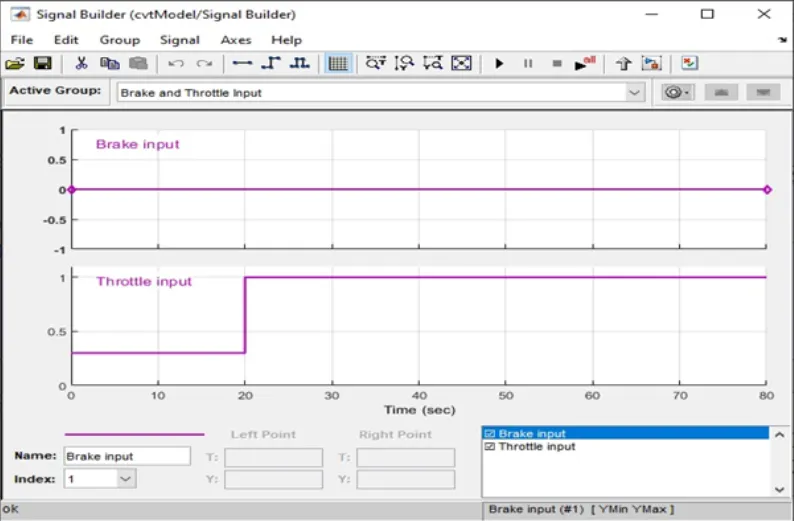
The signal builder is used to create signals for brake and throttle.
CVT GEAR RATIO
TORQUE V/S ENGINE OUTPUT
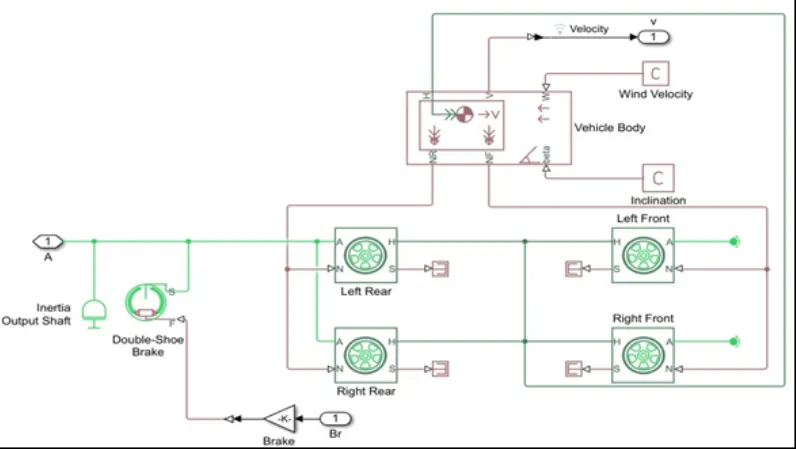
VEHICLE BODY
OUTPUT OF CASE 1
VEHICLE SPEED
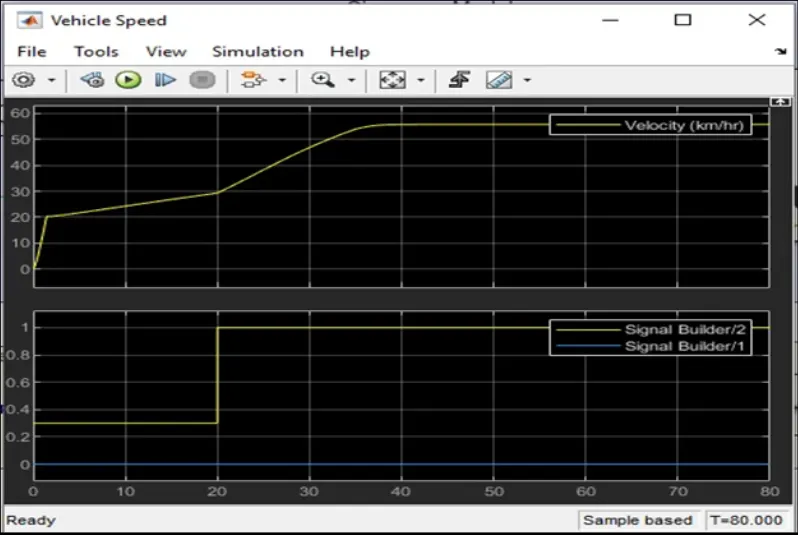
RESULT - vehicle attains max speed 55km/hr @ full throttle =1 after 30 sec and then remains constant.
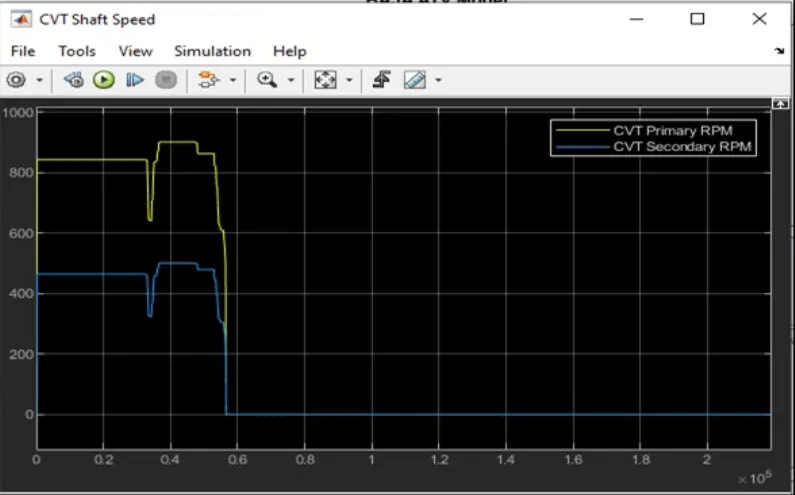
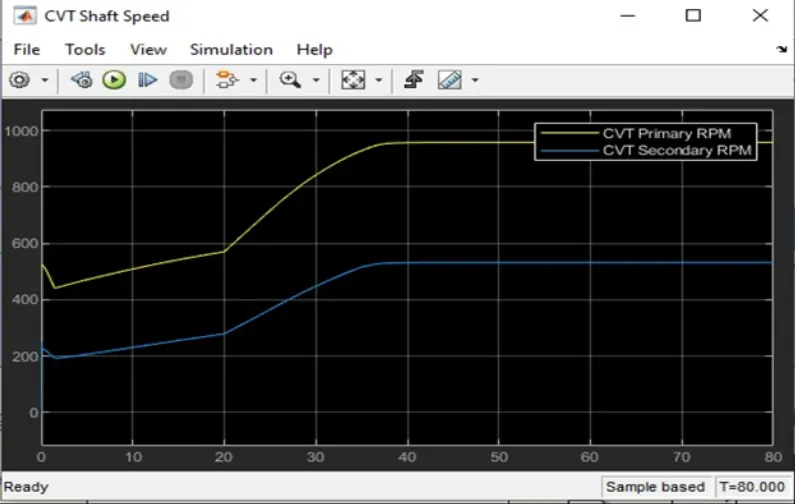
CVT SHAFT RPM.
#CASE STUDY 2
SIMULINK MODEL FOR BAJA ATV WITH CVT USING DASHBOARD
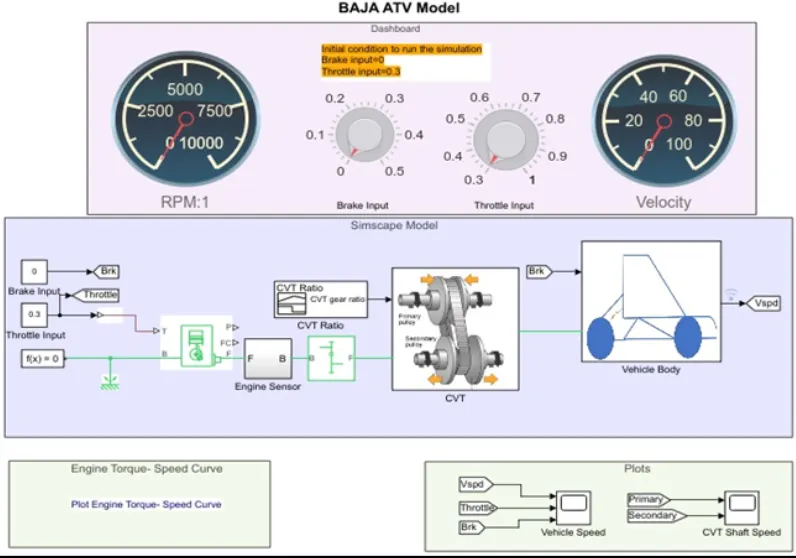
In the above model , dashboard has knobs to control the inputs.In this case, the inputs "throttle" & "brake" are not provided using signal builder.A knob is provided to control the parameters in the real time for the users.
OUTPUT:-
VEHICLE SPEED
It is observed from the graph that the velocity of the vehicle increases from 0 to 50 kmph when throttle value is 0.5 and brake input is 0. once the braking value increases from 0.1 to 0.5, the velocity of the vehicle decreases to 0 at constant throttle value. this explains the relationship between vehicle velocity with respect to throttle and brake input.
CVT SHAFT RPM:-