Project
BAJA All Terrain Vehicle(ATVs) :
AIM:
To study and analyse the BAJA All- Terrain vehicle(ATV) model using simulink and prepare a technical report of simulation of ATV under different conditions.
OBJECTIVES:
Carry out a system-level simulation of an all-terrain vehicle and prepare a technical report explaining the model properties and its results.
ALL-TERRAIN VEHICLE(ATV):
An All-Terrain Vehicle(ATV), also known as a Quad(cycle), Light Utility Vehicle(LUV), as defined by the American National Standards Institute(ANSI), is a vehicle that travels on low-pressure tyres, with a seat that is straddled by the operator, along with handlebars for steering control. It is designed to handle a wider variety of terrain than most other vehicles.
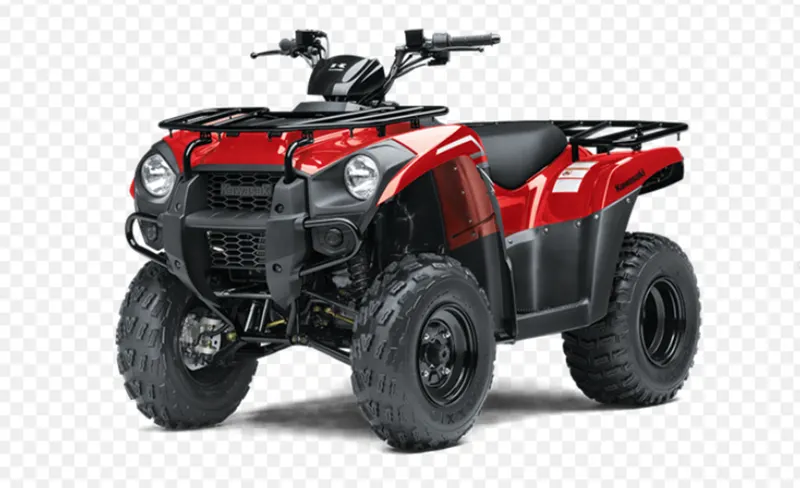
Components of ATV:
Here is the list of components used in the ATV,
- Vehicle Body
- Suspension
- Tire
- Engine
- Continuously Variable Transmission (CVT)
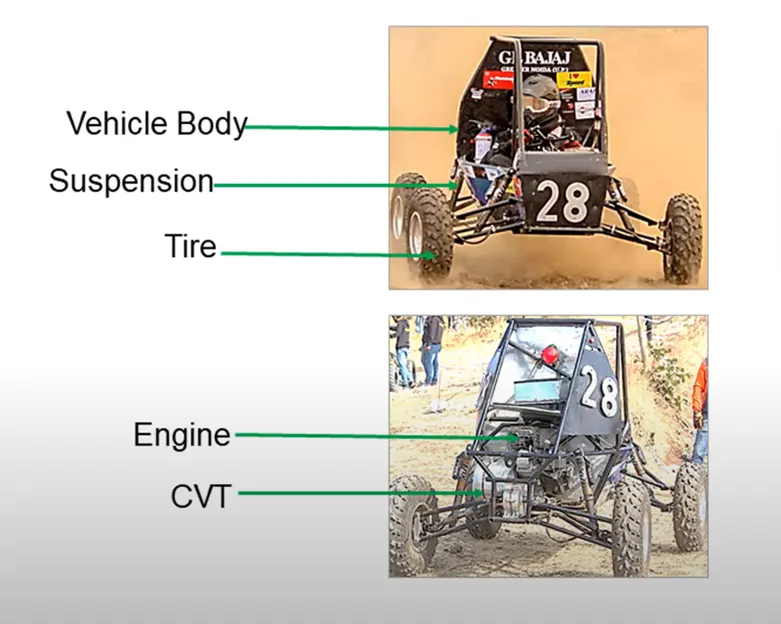
CONTINUOUSLY VARIABLE TRANSMISSION(CVT):
A CVT is an automatic transmission that can change seamlessly through a continuous range of gear ratios. This contrasts with other transmissions that provide a limited number of gear ratios in fixed steps. The flexibility of a CVT with suitable control may allow the engine to operate at a constant RPM while the vehicle moves at varying speeds. CVTs are used automobiles, tractors, motor scooters, snowmobiles, and earthmoving equipment. The most common type of CVT uses two pulleys connected by a belt or chain, however several other designs have also been used at times.
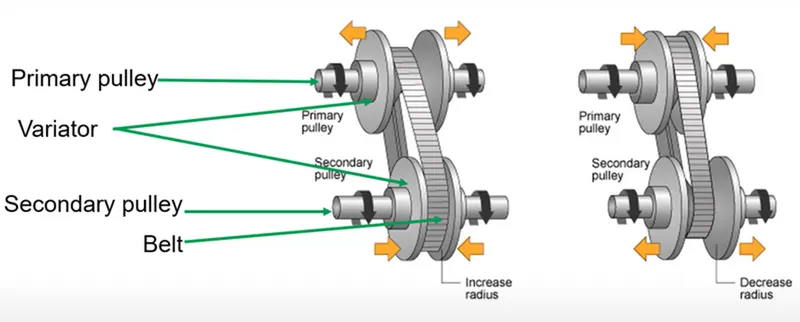
The above figure consists of primary pulley, variator, secondary pulley and belt, when variator which is connected to the primary pulley move outwards then variator of secondary pulley will move inwards such that radius of primary pulley is less than the radius of secondary pulley which leads to speed reduction and when variator which is connected to the primary pulley move inwards then variator of secondary pulley will move outwards such that radius of primary pulley is more than the radius of secondary pulley which leads to overdrive
1. BAJA ATV MODEL :-
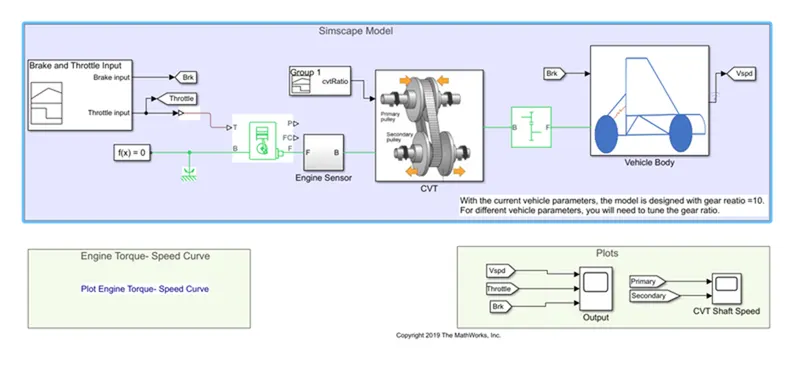
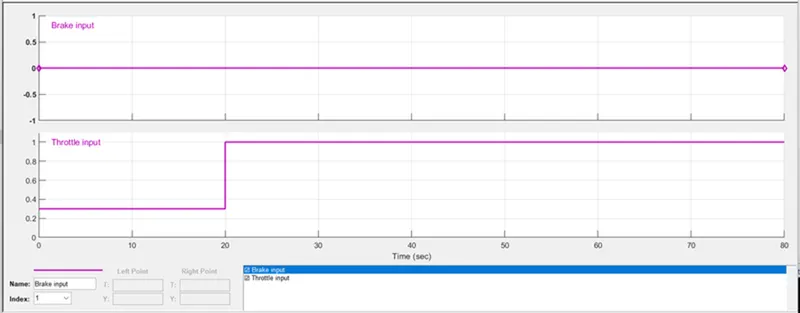
The input signal is provided using signal builder in which brake input is provided as 0 and throttle input is provided as 0.3 upto 20sec and varied to 1 for remaining seconds.
- GENERIC ENGINE:
Represent a system-level model of spark-ignition and diesel engines suitable for use at initial stages of modeling when only the basic parameters are available. Optional idle speed and red line controllers are included. The throttle input signal T lies between 0 and 1 and specifies the torque demanded from the engine as a fraction of the maximum possible torque.
connections F and B are mechanical rotational conserving ports associated with the engine crankshaft and engine block, respectively. Connections P and FC are physical signal output ports through which engine power and fuel consumption rate are reported.
- CVT BLOCKSET:
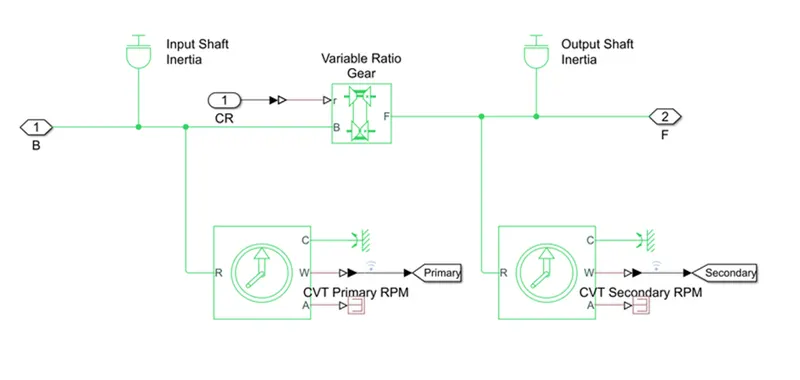
Input shaft represents the primary pulley and output shaft represents the secondary pulley and mechanical rotational sensor is connected to input and output shafts and variable ratio gear represents a variable ratio gearbox such as implemented by mechanical belt CVT, electric, or hydraulic transmissions. The physical signal input r defines the ratio of input to output angular shaft velocities. Connections B (base) and F(follower) are mechanical rotational conserving ports.
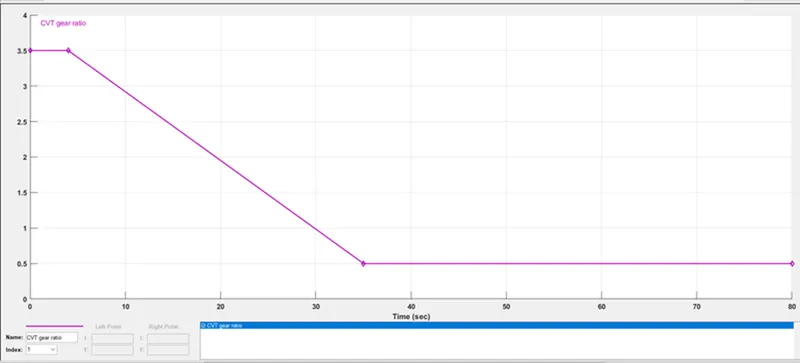
- CVT GEAR RATIO INPUT:
- VEHICLE BODY:
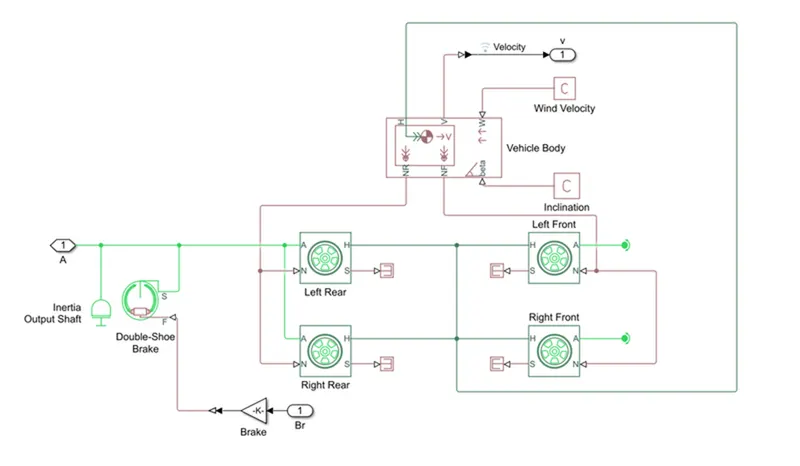
Represents a two-axle vehicle body in longitudinal motion. The block accounts for body mass, aerodynamic, drag, road incline, and weight distribution between axles due to acceleration and road profiles. The vehicle can have the same or a different number of wheels on wach axle. Optionally include pitch and suspension dynamics or additional variable mass and inertia. atahe vehicle does not move vertically relative to the ground.
It consists of four wheels, two wheels at the rear and the other at the front. The Rear wheel is connected with a double Shoe Brake which represents a brake arranged as two pivoted rigid shoes symmetrically installed inside or outside a drum and operated by one actuator. The actuator force causes the shoes to exert friction torque on a shft connected to the drum.
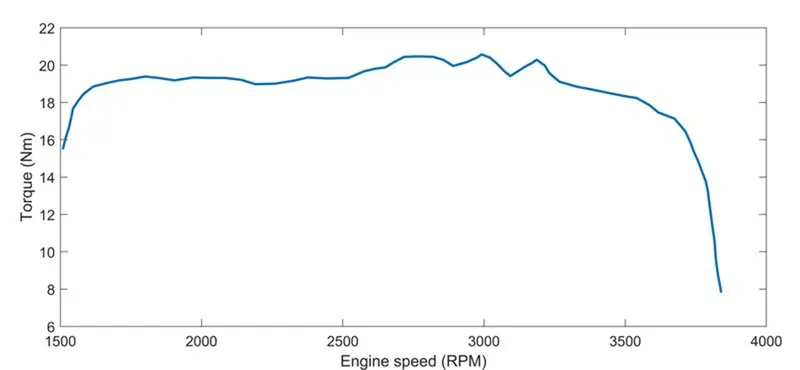
TORQUE VS ENGINE SPEED INPUT:
RESULTS:
VEHICLE SPEED:
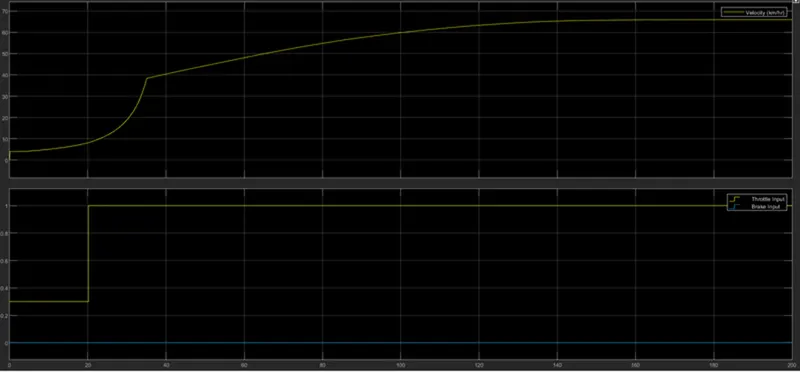
The above plot shows that when throttle is at 0.3 for 20sec speed of vehicle is increases correspondingly and at full throttle that is at 1 and the vehicle speed is jumped nearly to 40kmph and then increases proportionally.
CVT SHAFT SPEED:
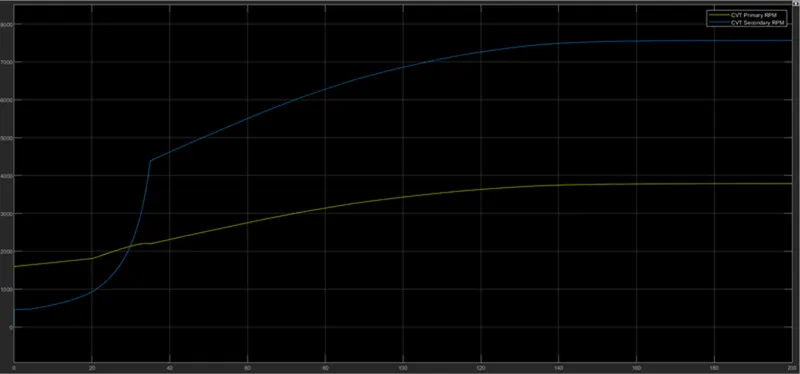
In the above plot, it can be observed that the CVT secondary RPM plot and velocity of the vehicle from the previous plot behaves same because the secondary pulley is connected to the vehicle output.
- BAJA ATV MODEL WITH LOOKUP TABLE:-
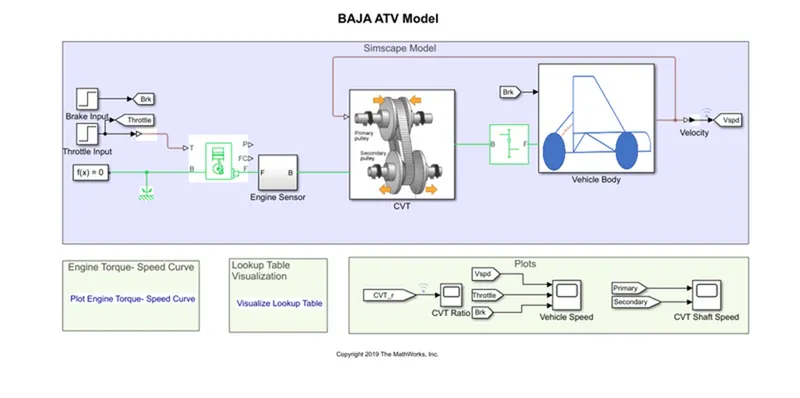
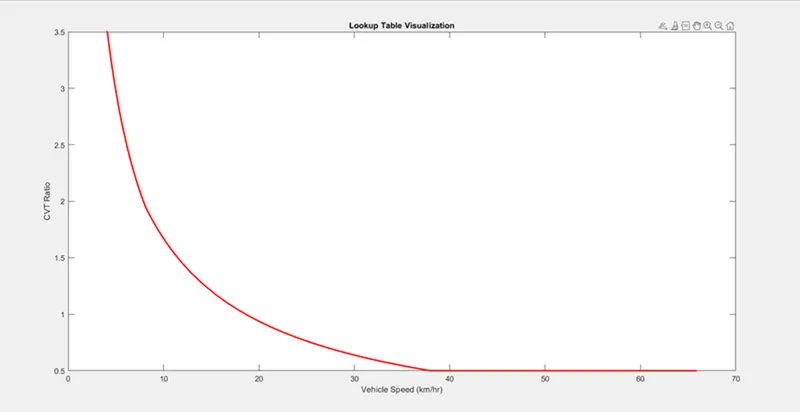
The above model of BAJA ATV with CVT along with the lookup table is similar to the previous model, only the difference is that the CVT ratio is provided in lookup table.
- LOOKUP TABLE:
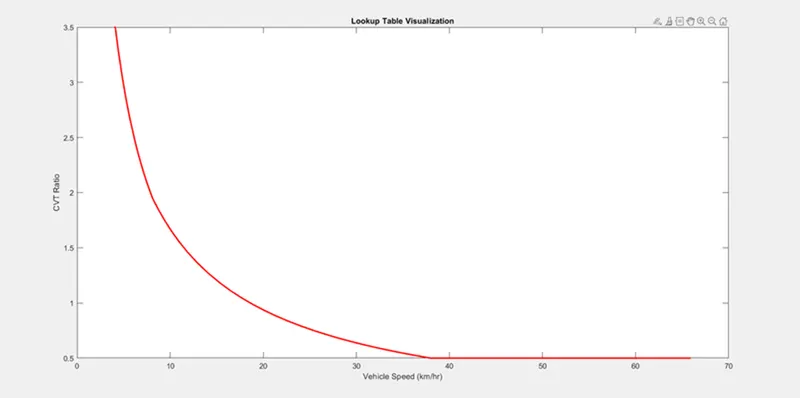
A lookup table is an array of data that maps input values to output values, thereby approximating a mathematical function. Given a set of input values, a lookup operation retrieves the corresponding output values from the table. If the lookup table does not explicitly define the input values, simulink can estimate an output value using interpolation, extrapolation or rounding.
- CVT BLOCK:
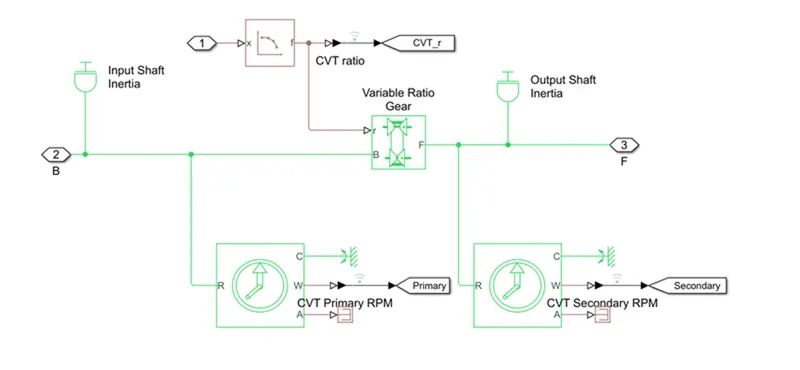
Input shaft represents the primary pulley and output shaft represents the secondary pulley and mechanical rotational sensor is connected to input and output shafts and variable ratio gear represents a variable ratio gearbox such as implemented by mechanical belt CVT, electric, or hydraulic transmissions. The physical signal input r defines the ratio of input to output angular shaft velocities. Connections B (base) and F(follower) are mechanical rotational conserving ports.
RESULTS:
VEHICLE SPEED:
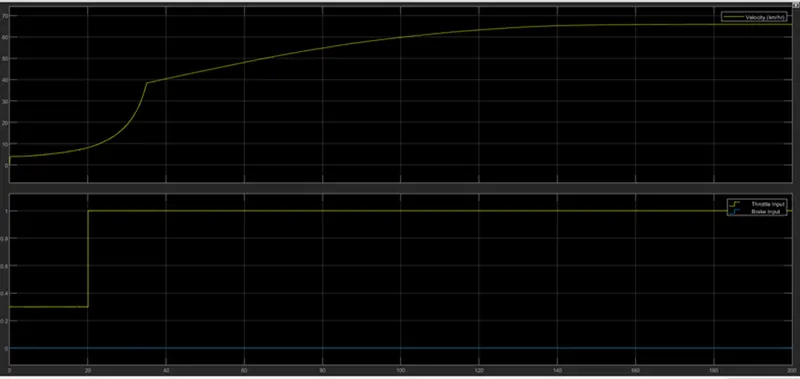
The above plot shows that when throttle is at 0.3 for 20sec speed of vehicle is increases correspondingly and at full throttle that is at 1 and the vehicle speed is jumped nearly to 40kmph and then increases propotionally and the result remain same as the input parameter remains same.
CVT SHAFT SPEED:
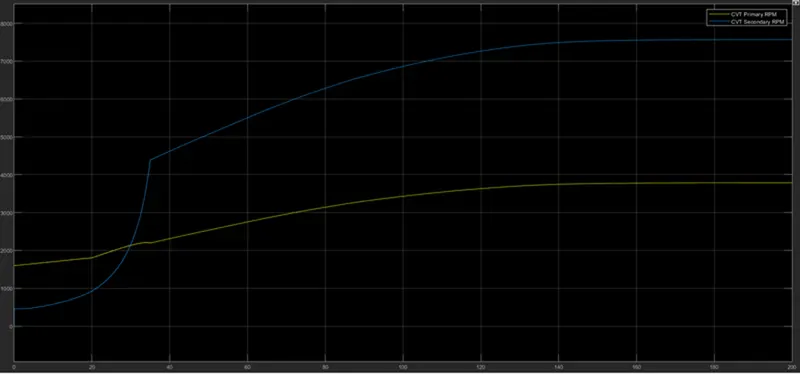
In the above plot, it can be observed that the CVT secondary RPM plot and velocity of the vehicle from the previous plot behaves same because the secondary pulley is connected to the vehicle output.
CVT RATIO:
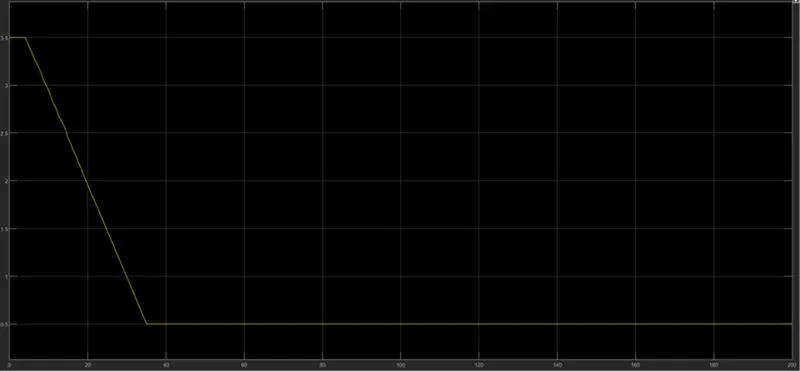
The above data is obtained from lookup table.
- BAJA ATV MODEL WITH DASHBOARD:-
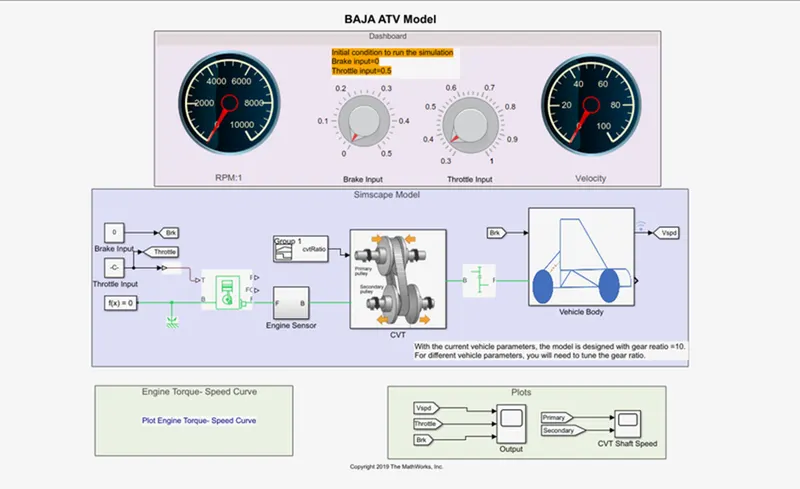
The study is based on BAJA ATV with dashboard as shown in the figure above here input data like throttle and brake, input is given from the dashboard instead of providing the signals through signal builder and all the remaining blocks are same. The main purpose of using dashboard is to study the output value with the variation of input data of throttle and brake in the digital reading.
RESULT:
VEHICLE SPEED:
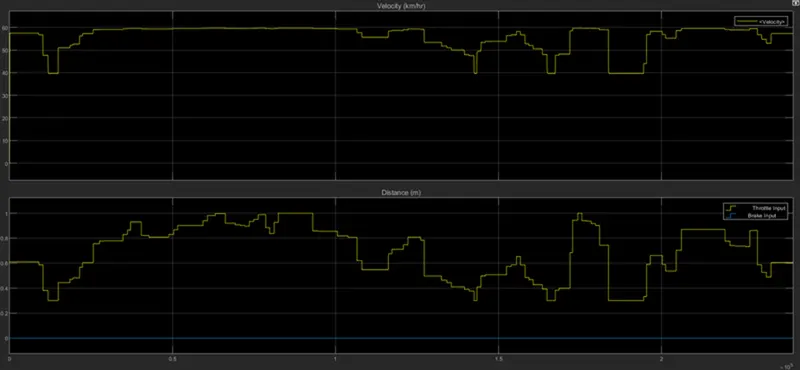
The above plot shows the variation of throttle as provided in the dashboard and corresponding velocity of the vehicle.
CVT SHAFT SPEED:
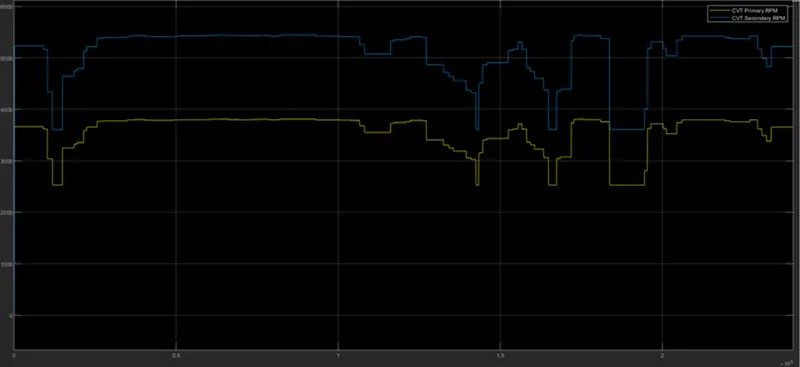
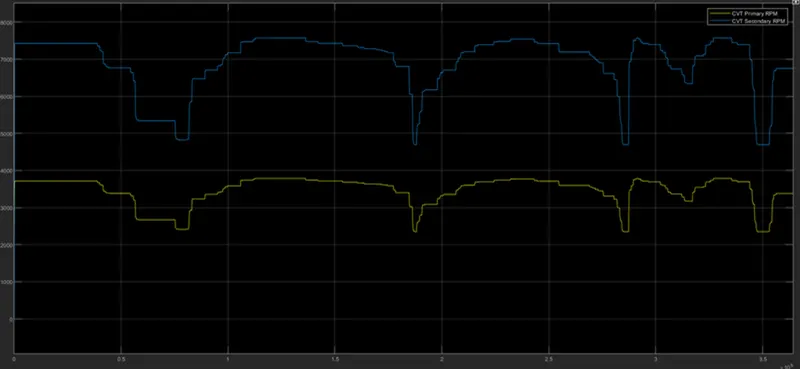
In the above plot, it can be observed that the CVT secondary RPM plot and velocity of the vehicle from the previous plot behaves same because the secondary pulley is connected to the vehicle output.
- BAJA ATV MODEL WITH DASHBOARD AND LOOKUP TABLE:-
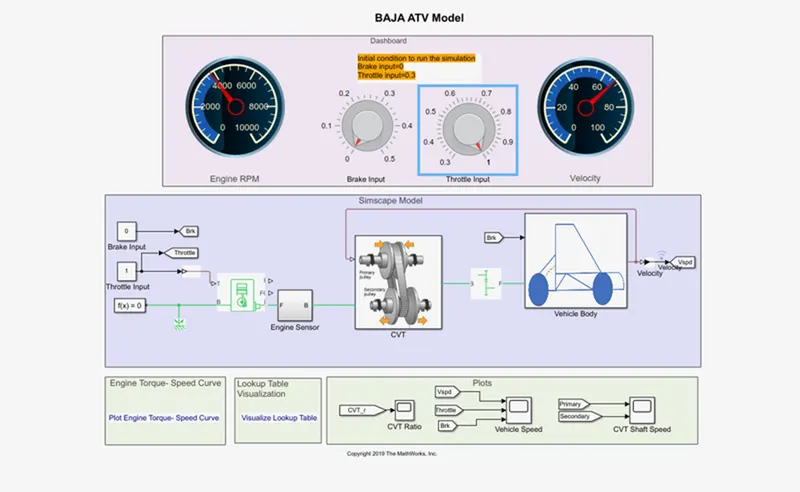
The above model is similar to the previous one with lookup table and the only difference is that the input signal is provided through knob in the dashboard and corresponding velocity of the vehicle is observed.
- LOOKUP TABLE:
RESULTS:
VEHICLE SPEED:
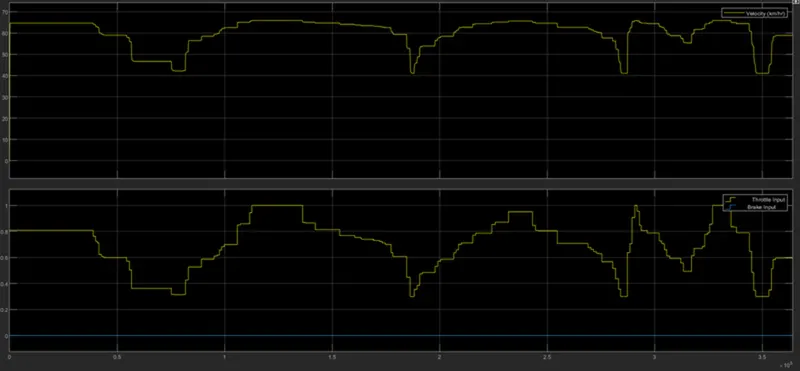
The above plot resembles the input provided to the model and the velocity of the vehicle is changes correspondingly reaching maximum velocity around 65kmph.
CVT SHAFT SPEED:
CONCLUTION:-
Thus we have successfully analysed 4 different model of BAJA ATV with CVT and output is plotted for corresponding model by varying the input data.