Project-1: Powertrain for aircraft in runways
Part A.
Answer 1.
Aircroft is a vehicle which is design to fly in the air like, air ballons, airplane, helicopters, fighterjets. some of aircraft (aerostats) are designed to use gas or hot air lighter than air to fly like air ballons and some aircraft (aerodynes) have engines to generate required air thrust to fly like airplane, helicopter. missile is also a type of aircraft which flies with or more than mac speed (speed of sound).
The aircraft gross weight (also known as the all-up weight and abbreviated AUW) is the total aircraft weight at any moment during the flight or ground operation and aircraft's gross weight will decrease during a flight due to fuel and oil consumption. An aircraft's gross weight may also vary during a flight due to payload dropping .
At the moment of releasing its brakes, the gross weight of an aircraft is equal to its takeoff weight. During flight, an aircraft's gross weight is referred to as the en-route weight or in-flight weight.
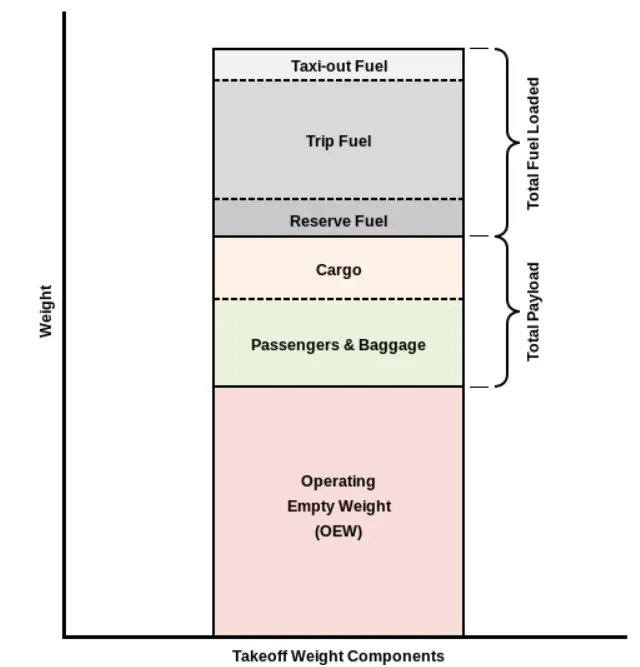
as from the above figure we can understand about the TakeOFF Weight of aircraft.
Types of aircraft-
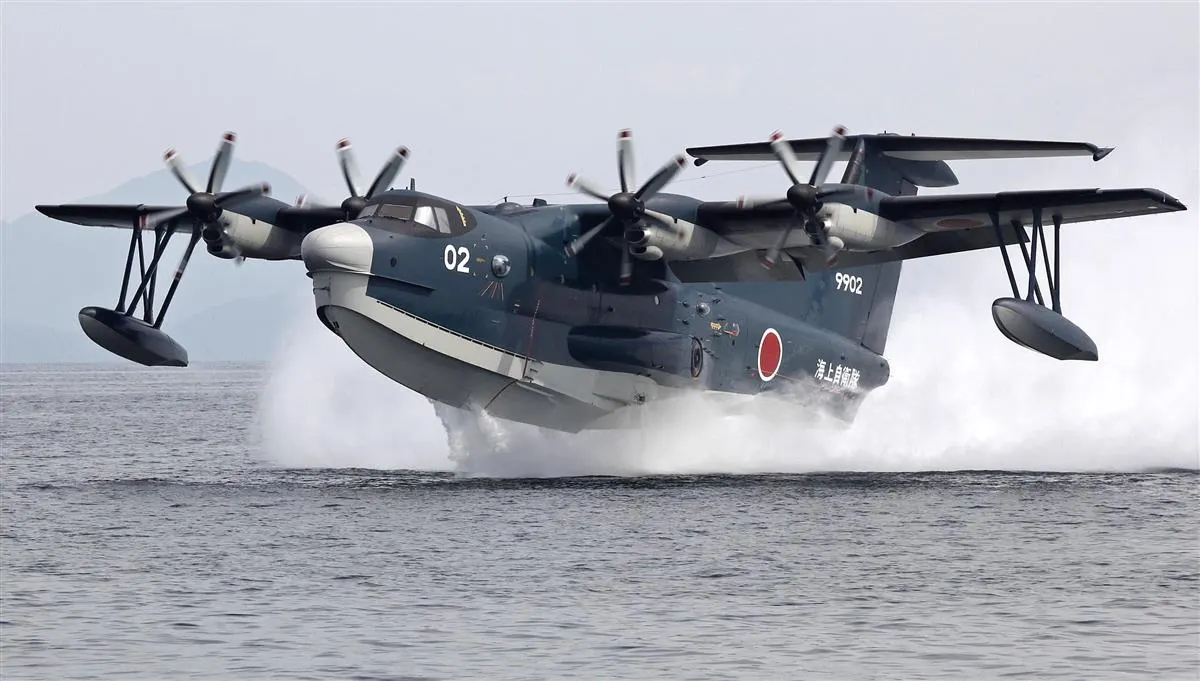
1. Amphibious Aircraft (amphibian):- Landing Capacity both on Ground and Water. Maximum Take-off Weight (MTOW) is weight by which a aircraft can safely take off and fly. so MTOW of Shinmaywa US- Amphibious is 47.7 ton for Land and 43 ton for water.
2. Helicopter :- Horizontally rotating rotor helps to generates airleft for take off and by turning its horizontal rotating plane by an angle we can move and turn. MOTW of MI-26 is 56000 Kg.
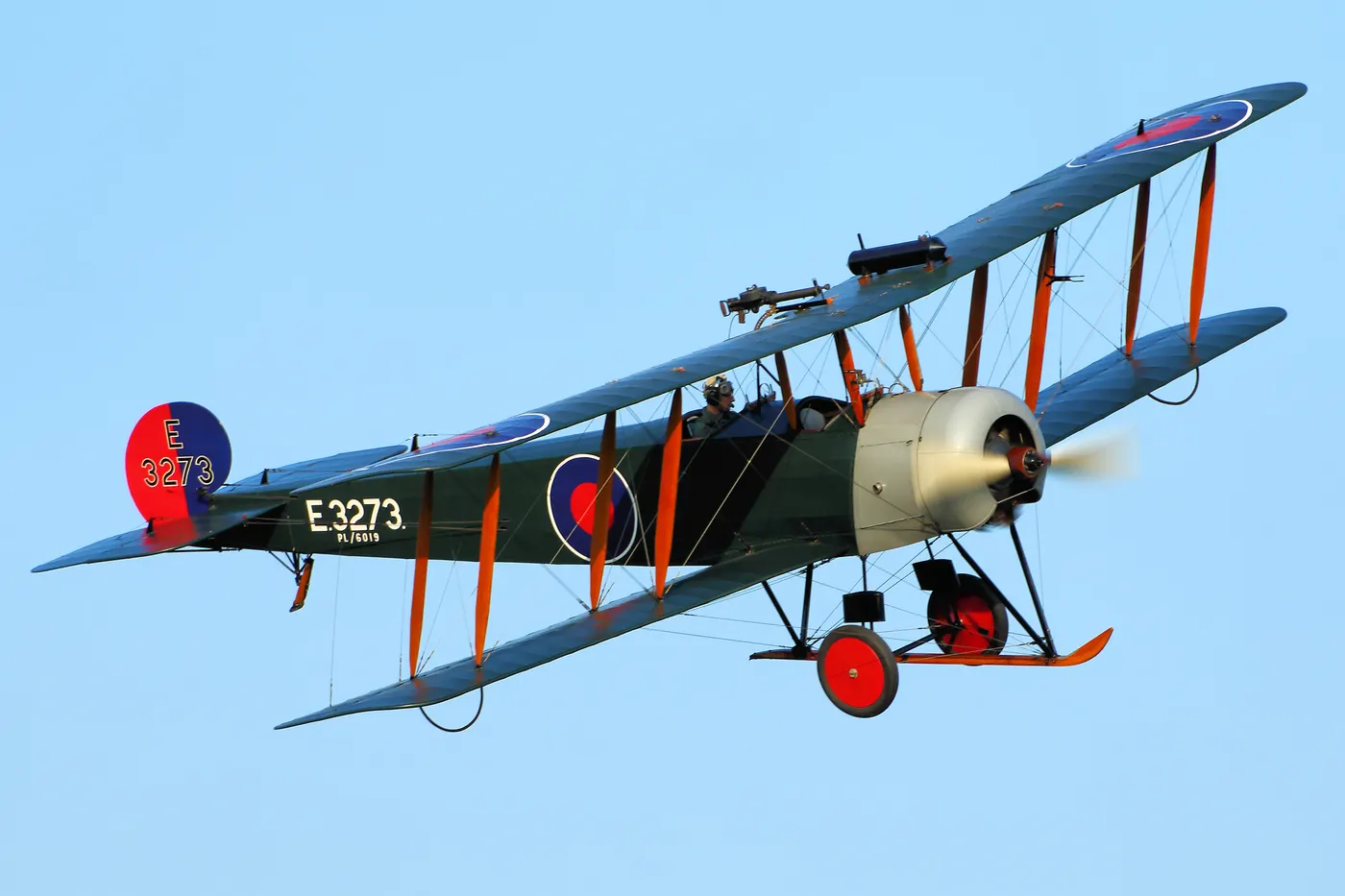
3. Biplane :- It is a fixed wing aircraft containing two planes. MOTW of Biplane AVRO 504 is 830 Kg.
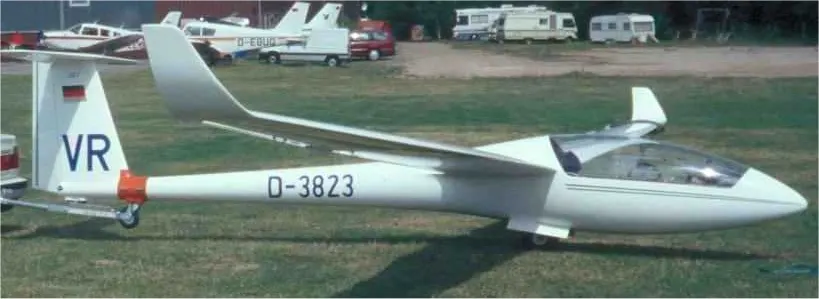
4. Glider :- It is a fixed wing aircraft. MOTW of glider Rolladen- Schneider LS8 is 525 Kg.
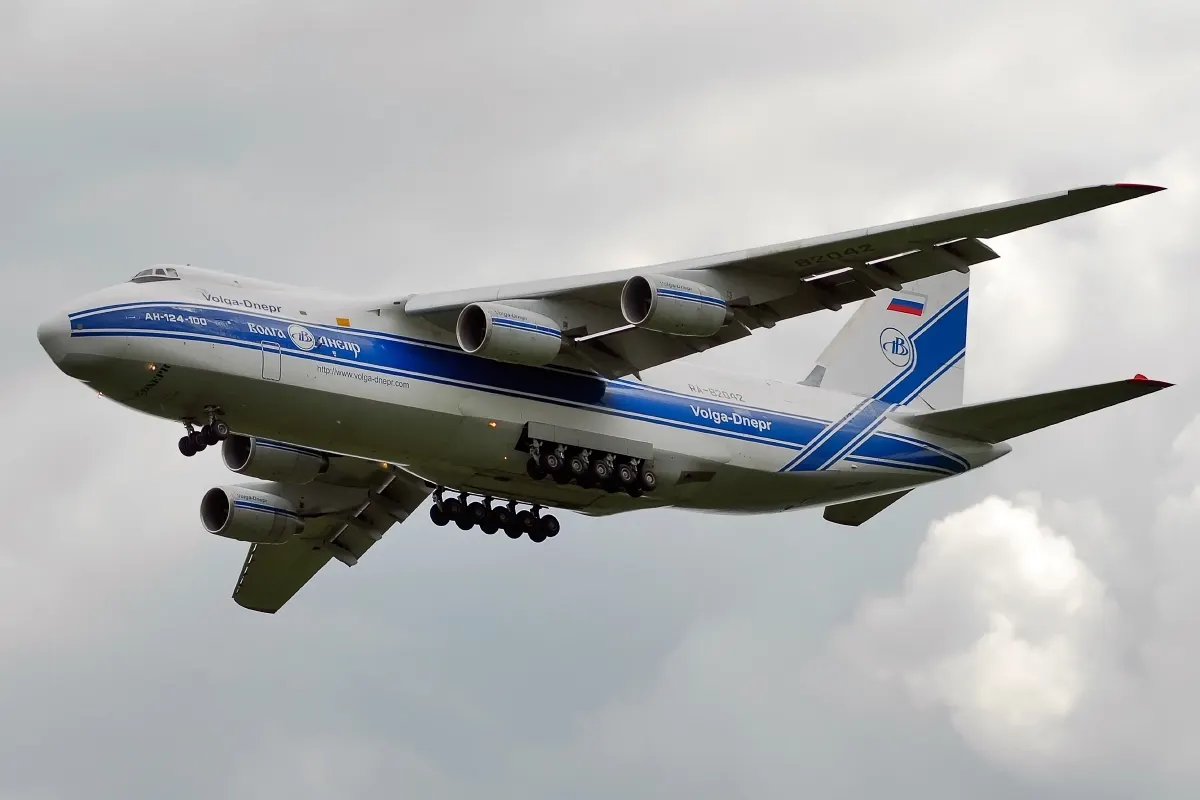
5. Cargo aircraft (Freight aircraft):- It is fixed wing aircraft, designed to carry cargo load rather than passenger. MOTW of cargo aircraft Antonov an-124 rusian is 420 ton.
6. Tricycle Landing gear :- It has tricycle type fixed landing gear. MOTW of Mooney M20 Acclaim Ultra tricycle Gear Aircraft is 1528 Kg.
Answer 2.
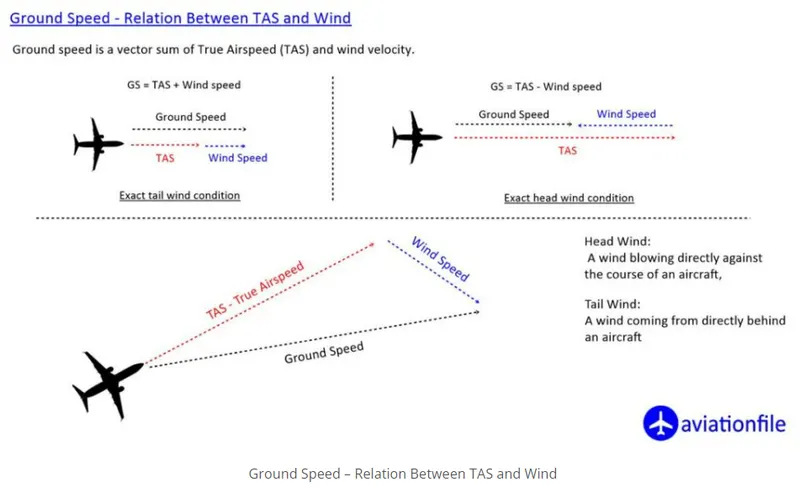
2.Difference between ground speed and air speed:
| Ground Speed | Air speed |
| Ground speed is the airplane’s speed relative to the surface of the Earth | Airspeed is the airplane's speed relative to the air when it is flying in the air. |
| Ground speed is what determines how fast an aircraft will get to its destination. | Airspeed is what determines whether there is enough airflow around an aircraft to make it fly. |
| Ground speed is simply the vector sum of true airspeed and wind speed. | It is independent of ground speed. |
Answer 3.
1. If we use aircraft engine power on ground than as it will burn aircraft fuel (very costly) so It will increase operating cost of aircraft.
2. If we use aircraft engine power on ground than due to very high air thrust/flow , it will damage airport property and manpower.
3. If we use aircraft engine power on ground than due to very heavy noise, the surrounding personnel's ear may got damage.
4. If we use aircraft engine power on ground than any surrounding particle/things may come in air flow of engine and aircraft engine may got damage.
5. If we use aircraft engine power on ground than on turning points of the runways our aircraft may loose control and got damage.
Answer 4.
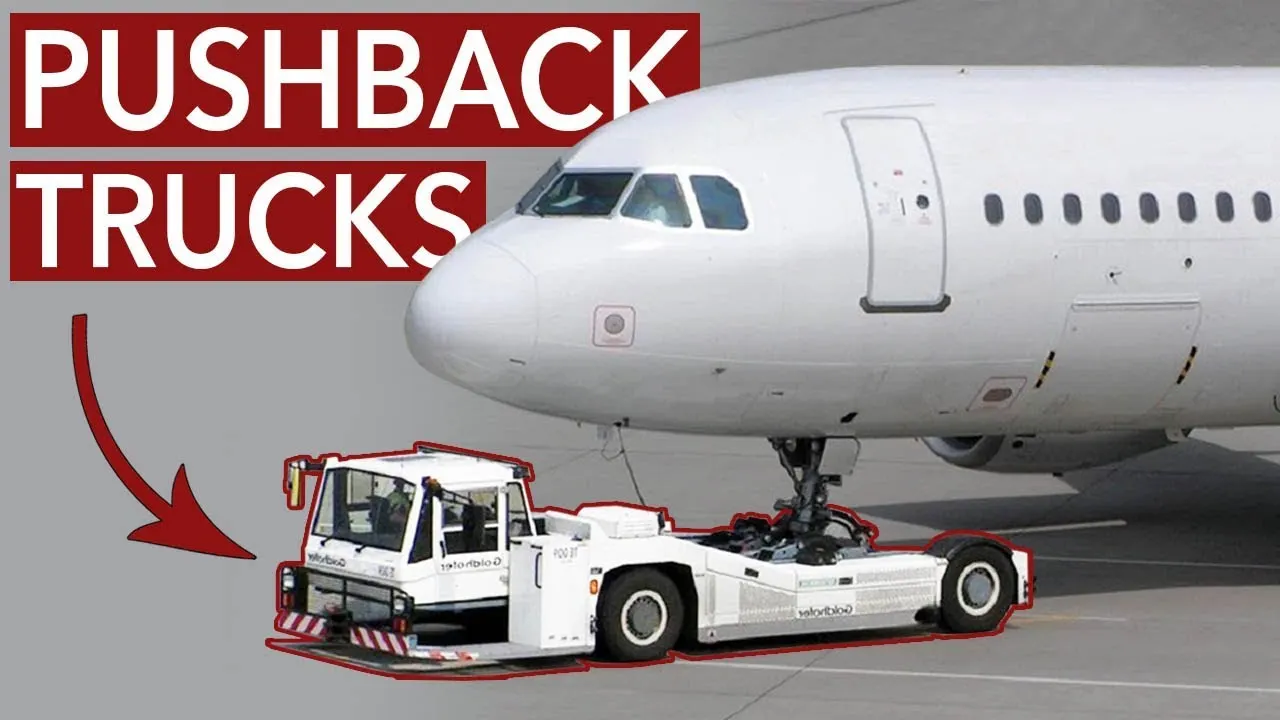
An aircraft is pushed on runways by pushback tractors or tugs when it is ready to take off.
Answer 5.
Take-off Power- Take-off power refers to the amount of power generated by the aircraft's engines during the take-off phase. The power required for take-off depends on various factors, including the aircraft's weight, aerodynamic characteristics, runway length, and environmental conditions such as temperature and altitude.
Tyre Design -
The design of aircraft tires is crucial for ensuring safe and efficient operations. Aircraft tires are engineered to withstand high loads, provide adequate traction, and to offer good braking performance. They are typically designed with a strong and durable structure to handle the stresses encountered during landing, take-off, and taxiing. The tread pattern on the tire surface helps to channel water away, improve grip on runways.
Rolling Resistance -
It is a force, experienced by wheels when they are rolling on the surface. if mass of body is M Kg then
Rolling Resistance force = Ur* M * g Newton
Ur=coefficient of rolling resistance , g is the gravity acceleration in m/sec^2.
Tyre Pressure- Tyre must be filled with inert and dry gas like nitrogen which reduces chance of explosions, fire caused due to heavy pressure and speed of aircraft during landing operations and take-off. tyre pressure is upto 200 psi.
Brake force- It is the required ammount of force to stop the aircraft.
Brake force = Braking Energy in joule / distance covered during stop in m.
Part B-
Answer 6.
The Traction force required to Pull or Push
Ft= Rolling resistance Force + Air Drag Force + Hill climb Force
Ft = Frr + Fad + Fh
where Frr=Urr*M*gNewton, Fad=0.5* P *Cd* A * V^2 Newton, Fh=M*g*sin(phi)
where M= Total Mass in Kg, P= Air Density Kg/m^3, Urr=coefficient of rolling resistance, Cd= Air Drag coefficient, A= frontal area in m^2, V=speed of the body, phi=grading angle, g is the gravity acceleration in m/sec^2.
Assumptions-
1. Speed is constant so acceleration force is zero.
2. Surface is flat so grading angle is zero.
3. The coefficient of rolling resistance = 0.01 for tarmac surface and Air density p=1.25 kg/m^3.
4. Payload Maximum take off weight M= 150000 Kg
5. Tow Vehicle weight = 40000 Kg
6. The front area of the tow vehicle =12 m^2 and speed= 5.556 m/s.
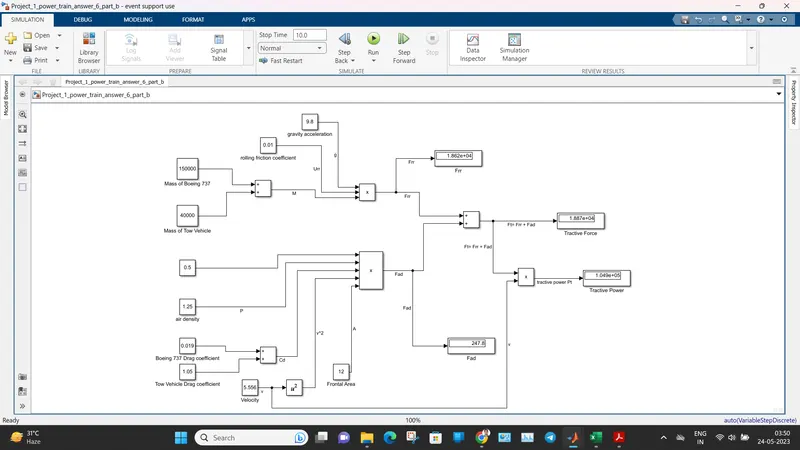
Rolling resistance Force (Frr)= Urr * M* g
= 0.01 * (150000 + 40000)* 9.8 = 18620 Newton
Air Drag Force Fad= 0.5* P *Cd* A * V^2 , (Cd for boeing 737 is 0.019 and tow vehicle is 1.05)
= 0.5 * 1.25 * (0.019 + 1.05) * 12 * 5.556^2 , (5.556 m/s is the tow vehicle velocity when loaded)
= 247.493 Newton.
Total Traction force Ft= 18620 + 247.493 = 8707.783 Newton = 18.868 kN
total Traction Power Pt= Ft*v= 18.868 *5.556 = 24207.63 Watt = 104.83 kW
Part B.
Model is shown below-
Answer 7.
Part A.
The required data for the tow vehicle is given below -
The coefficient of rolling resistance = 0.01 for tarmac surface and Air density p=1.25 kg/m^3.
1. Total Tractive force = 18.868 kN
2. Total Tractive Power = 104.83 kW
Assumptions-
1. Speed is constant so acceleration force is zero.
2. Surface is flat so grading angle is zero.
3. The coefficient of rolling resistance = 0.01 for tarmac surface and Air density p=1.25 kg/m^3.
4. Payload Maximum take off weight M= 150000 Kg
5. Tow Vehicle weight = 40000 Kg
6. The front area of the tow vehicle =12 m^2
7. Drag coefficient is = 1.069
8. Tyre Pressure = 196 PSI
9. Radius of Towing wheel= 0.4m
10. Towing time = 2 minutes
11. Gear Ratio = 10
12. Transmission Efficiency = 90%
13 Battery Voltage = 48 V
Now the Wheel torque = Tractive force * tire radius = 18.868 * 10^3 * 0.4 = 7.547 kN-m
Motor Torque = Wheel Torque/ Gear Ratio = 7.547/10 kN-m = 754.7 N-m
For this applications the below specifications motor is perfect-
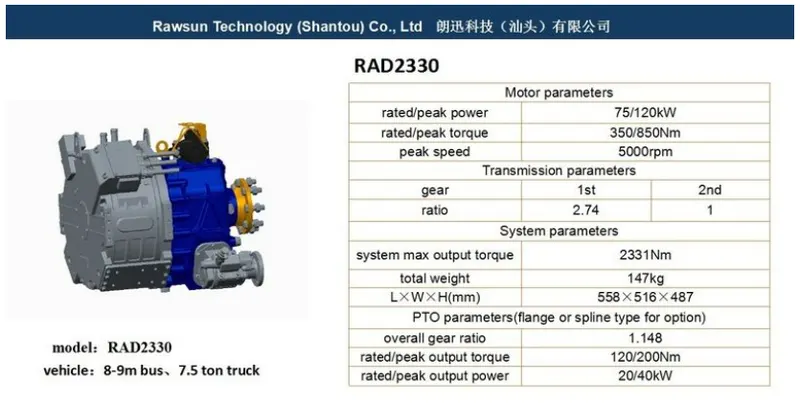
Here in the above figure, the Peak Motor Output Power given in the Motor Parameters in the input to the Towing Vehicle:
So therefore, Input Power to the Towing Vehicle = 120 kW
so duty cycle = output power/ input power = 104.83 kW/120 kW = 0.8735=87.35 %
so required duty cycle = 87.35 %
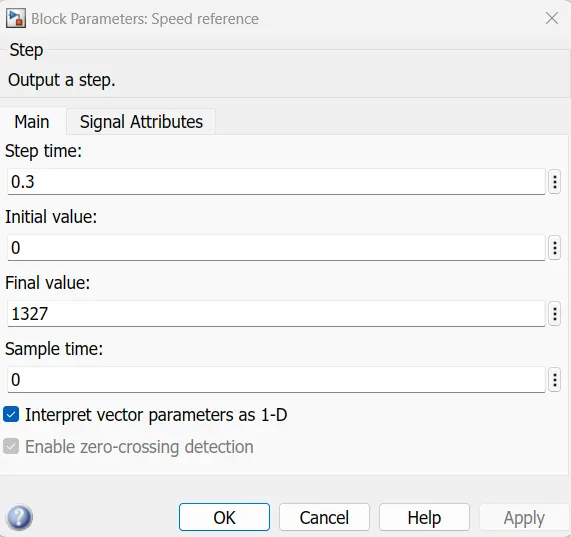
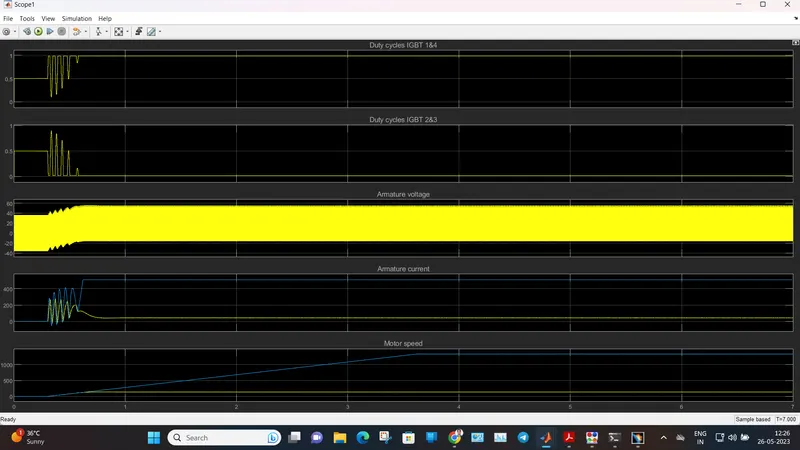
angular speed of motor = G * v/r= 10 *5.556/ 0.4 = 138.9 rad/sec = 1326.39 rpm
so reference speed is taken as below-
Motor output power will be input power for transmission system so
Motor Output power = total tractive power / transmission efficiency = 104.83 kW/0.90 = 116.478 kW
Required Motor Energy = 116.478 * 2/60 = 3.8826 kWh = 3882.6 Wh
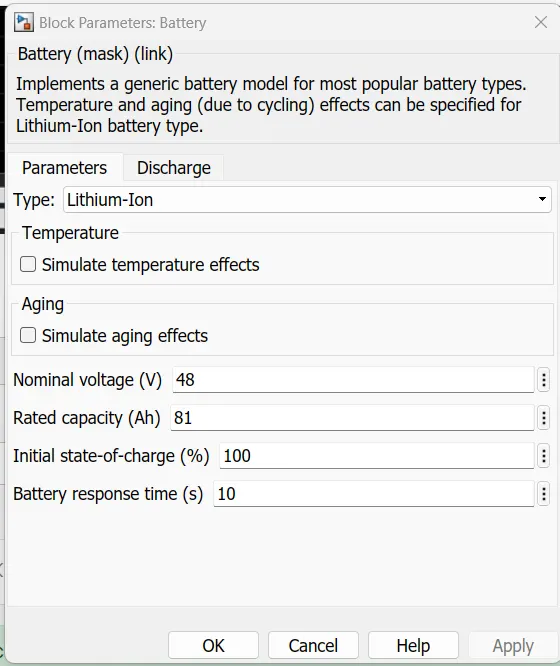
as Battery Voltage = 48 V, then required Ah = 3882.6 / 48 = 80.887 Ah
The required Battery specifications are taken as -
The Required Model Diagram is given below-
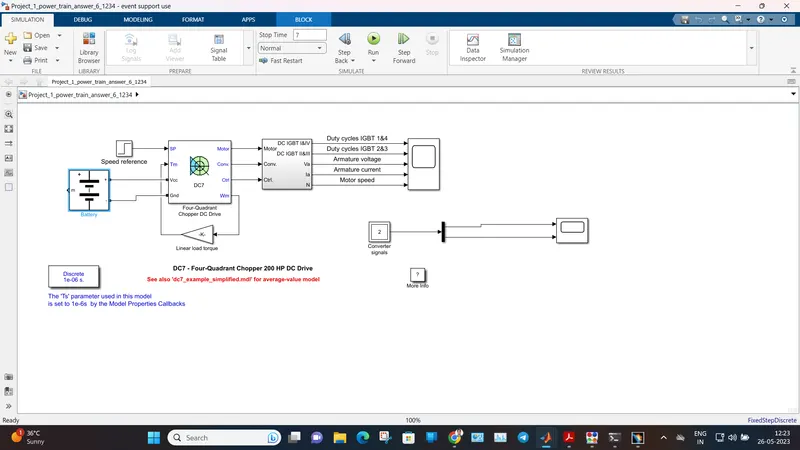
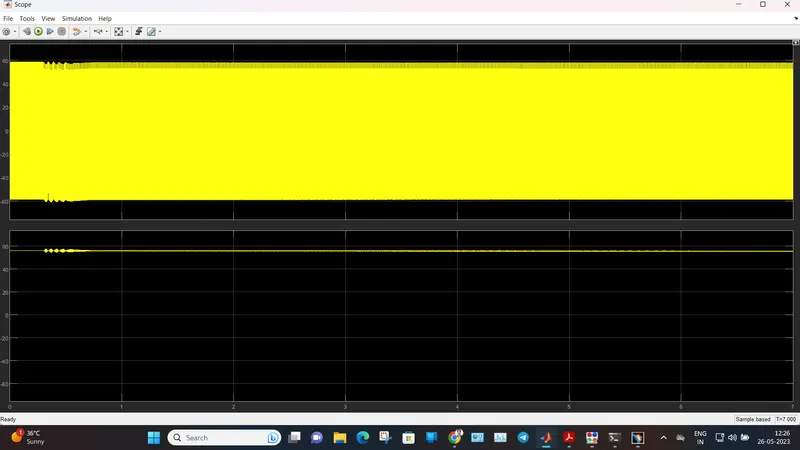
and the scope results are shown below-
Excel Sheet is Given below-
| VEHICLE POWER REQUIREMENT CALCULATIONS | |
| TOW VEHICLE | |
| ROLLING RESISTANCE CALCULATIONS | |
| KERB WEIGHT (IN KG) | 40000.000 |
| PAYLOAD (IN KG) | 150000.000 |
| COEFFICIENT OF ROLLING RESISTANCE (urr) | 0.010 |
| ROLLING RESISTANCE FORCE | 18620.000 |
| AIR DRAG CALCULATIONS | |
| AIR DENSITY (KG/M3) | 1.250 |
| FRONTAL AREA (M2) | 12.000 |
| DRAG COEFFICIENT (Cd) | 1.069 |
| SPEED (KMPH) | 10.000 |
| SPEED (MPS) | 5.556 |
| AIR DRAG FORCE (N) | 247.493 |
| TOTAL POWER AT GIVEN SPEED AIR DRAG + ROLLING RESISTANCE FORCE In kNewton | 18.867 |
| TOTAL TRACTIC POWER CALCULATIONS (kW) | 104.828 |
| Assumptions | |
| Constant Speed and flat surface | |
| Urr | 0.010 |
| AIR DENSITY (KG/M3) | 1.250 |
| DRAG COEFFICIENT (Cd) | 1.069 |
| GRAVITY IN M/S^2 | 9.800 |
| FRONTAL AREA (M2) | 12.000 |
| SPEED (KMPH) | 20.000 |
| SPEED (MPS) | 5.556 |
| TYRE RADIUS IN M | 0.400 |
| TOWING TIME IN MINUTES | 2.000 |
| GEAR RATIO | 10.000 |
| OUTPUT POWER IN Kwatts | 104.828 |
| MOTOR EFFICIENCY | 91% |
| TRANSMISSION EFFICIENCY | 90% |
| INPUT POWER IN kWATTS | 116.475 |
| REQUIRED MOTOR ENERGY | 3882.511 |
| BATTERY VOLTAGE | 48 |
| REQUIRED BATTERY Ah | 80.89 |
| REFERENCE SPEED OF MOTOR | 1326.96 |
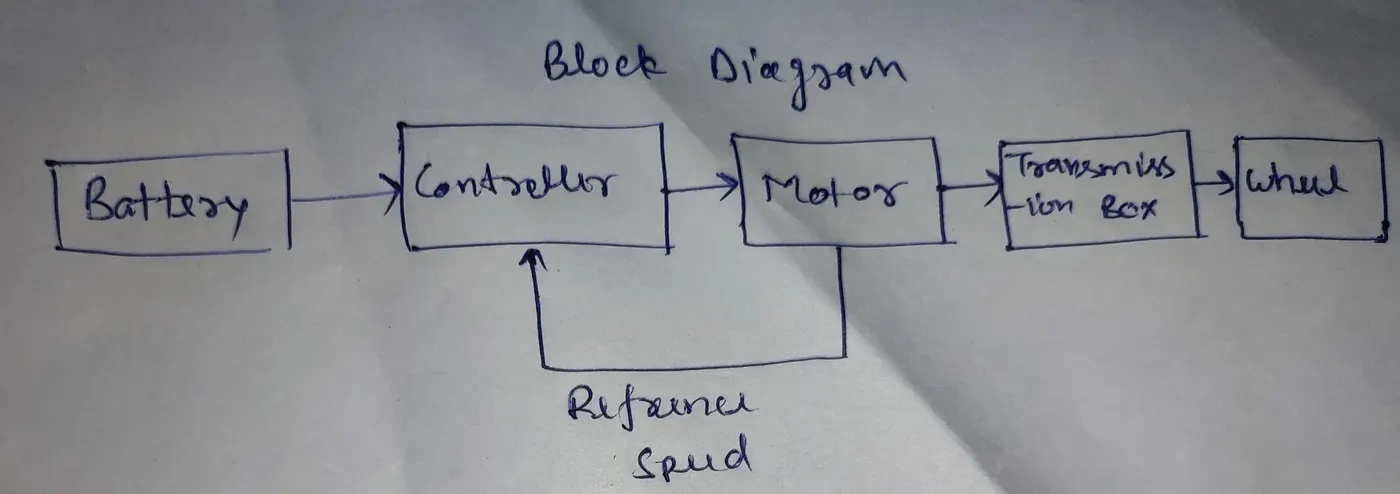
Block Diagram is Shown Below-