Project-1: Powertrain for aircraft in runways
Aim:
Powertrain for aircraft in runways.
Objective:
Part A:
1. Search and list out the total weight of various types of aircrafts.
2. Is there any difference between ground speed and air speed?
3. Why is it not recommended to use aircraft engine power to move it on the ground at Airport?
4. How an aircraft is pushed to runway when its ready to take off?
5. Learn about take off power, tyre design, rolling resistance, tyre pressure, brake forces when landing.
Part B:
6. A. With necessary assumptions, calculate the force and power required to push / pull an aircraft by a towing vehicle.
B. Develop the model for the calculated force and power using Simulink.
7. A. Design an electric powertrain with type of motor, it’s power rating, and energy requirement to fulfill aircraft towing application in Simulink. Estimate the duty cycle range to control the aircraft speed from zero to highest. Make all required assumptions. Prepare a table of assumed parameters. Draw a block diagram of powertrain.
(Hint :DC7 Block)
B. Also, Design the parameters in excel sheet.
Theory:
Discusion of answer:
Study 1: Search and list out the full weight of assorted kinds of aircrafts.
The craft gross weight (also referred to as the all-up weight and abbreviated AUW) is that the total craft weight at any moment throughout the flight or ground operation.
An aircraft's gross weight can decrease throughout a flight because of fuel and oil consumption. associate degree aircraft's gross weight may vary throughout a flight because of payload dropping or in-flight supplying.
At the instant of emotional its brakes, the gross weight of associate degree craft is adequate to its takeoff weight. throughout the flight, associate degree aircraft's gross weight is mentioned because the en-route weight or in-flight weight.
An aircraft's gross weight is restricted by many weight restrictions to avoid overloading its structure or to avoid unacceptable performance or handling qualities whereas operative.
Aircraft gross weight limits area unit established throughout associate degree aircraft's style and certification amount and area unit set down within the aircraft's kind certificate and manufacturer specification documents.
The absolute most weight capabilities of a given craft area unit mentioned because the structural weight limits. The structural weight limits area unit supported the craft most structural capability and outline the envelope for the CG charts (both most weight and CG limits).
An craft's structural weight capability is usually a perform of once the aircraft was factory-made, and in some cases, recent craft will have their structural weight capability magnified by structural modifications.
Maximum style Taxi Weight(MDTW)
The most style taxi weight (also referred to as the most style ramp weight (MDRW)) is that the maximum weight credentialed for craft manoeuvring on the bottom (taxiing or towing) as restricted by craft strength and soundness needs.
Maximum style Takeoff Weight(MDTOW)
Is the most credentialed style weight once the brakes area unit discharged for takeoff and is that the greatest weight that compliance with the relevant structural and engineering needs has been incontestable by the manufacturer.
Maximum style Landing Weight(MDLW)
The maximum credentialed style weight at that the craft meets the suitable landing certification needs. It typically depends on the undercarriage strength or the landing impact hundreds on bound elements of the wing structure.
The MDLW should not exceed the MDTOW.
The maximum landing weight is usually designed for ten feet per second (600 feet per minute) sink rate at set down with no structural injury.
Maximum style Zero-fuel Weight(MDZFW)
The maximum credentialed style weight of the craft less all usable fuel and alternative nominative usable agents (engine injection fluid, and alternative expendable propulsion agents). it's the most weight permissible before usable fuel and alternative nominative usable fluids area unit loaded in nominative sections of the heavier-than-air craft. The MDZFW is restricted by strength and soundness needs. At this weight, the following addition of fuel won't lead to the craft style strength being exceeded. the burden distinction between the MDTOW and also the MDZFW is also used just for the addition of fuel.
Minimum Flight Weight(MFW)
Minimum credentialed weight for flight as restricted by craft strength and soundness needs.
Types of craft and their weights:
There area unit variety of how to spot craft by kind. the first distinction is between those who area unit lighter than air and people that area unit heavier than air.
1.Lighter-than-air:
Aircraft like balloons, nonrigid airships (blimps), and dirigibles area unit designed to contain among their structure a ample volume that, once full of a gas lighter than air (heated air, hydrogen, or helium), displaces the encircling close air and floats, even as a cork will on the water. Balloons aren't manageable and drift with the wind. nonrigid airships, that have enjoyed a rebirth of use and interest, don't have a rigid structure however have an outlined mechanics form, that contains cells full of the lifting agent. they need a supply of propulsion and may be controlled all told 3 axes of flight. Dirigibles are not any longer in use, however they were aircraft with a rigid internal structure, that was sometimes terribly massive, and that they were capable of comparatively high speeds. It proven not possible to construct dirigibles of ample strength to resist routine operation underneath all weather, and most suffered disaster, either breaking apart in a very storm, like the U.S. craft Shenandoah, Akron, and Macon or through ignition of the atomic number 1, like the German national leader in 1937.
2.Heavier-than-air:
This type of craft should have an influence supply to supply the thrust necessary to get carry. easy aircraft includes kites. These area unit sometimes a flat-surfaced structure, typically with a helpful “tail,” connected by a bridle to a string that's control in situ on the bottom. carry is provided by the reaction of the string-restrained surface to the wind.
Another form of pilotless craft is that the pilotless aerial vehicle (UAV), usually known as drones or typically remotely piloted vehicles (RPVs). These craft area unit guided from the air or the bottom and area unit used for scientific and military functions. unpowered manned heavy vehicles should be launched to get carry. These embody droop gliders, gliders, and sailplanes.
Hang gliders area unit craft of assorted configurations within which the pilot is suspended below the (usually fabric) wing to supply stability and management. they're usually launched from a section. within the hands of associate degree practiced pilot, droop gliders area unit capable of soaring (using rising air columns to get upward glide movement). Gliders area unit sometimes used for flight coaching and have the aptitude to fly cheap distances after they area unit catapulted or towed into the air, however they lack the dynamic sophistication of sailplanes. These subtle unpowered crafts have wings of unco high ratio (that is, on wingspread in proportion to wing width). Most sailplanes area unit towed to launch altitude, though some use little, retractile auxiliary engines. they're ready to use thermals (currents a lot of buoyant than the encircling air, sometimes caused by higher temperature) and orographic carry to climb to the next altitude and to glide for excellent distances.
Drones and quadcopter:
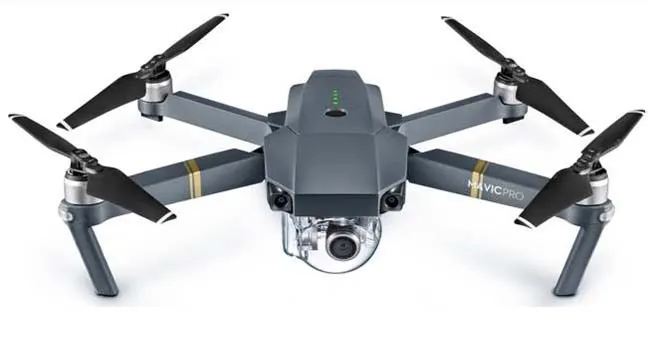
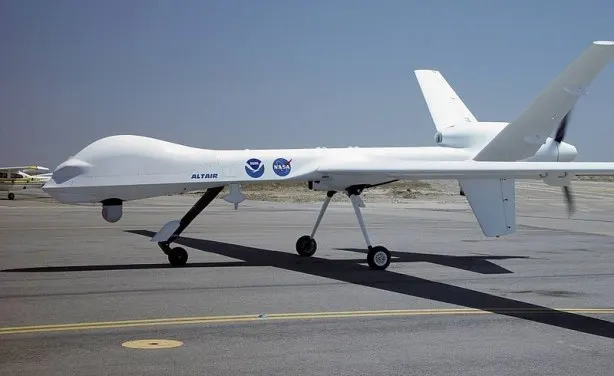
All unmilitary planes area unit civil craft. These embody non-public and business planes and industrial airliners.
Private craft area unit personal planes used for pleasure flying, typically single-engine monoplanes with the nonretractile undercarriage. they will be terribly subtle, however, and will embody such variants as: “warbirds,” ex-military planes flown for reasons of yearning, starting from primary trainers to giant bombers; “homebuilt,” craft engineered from scratch or from kits by the owner and starting from straightforward variations of Piper Cubs to high-speed, efficient four-passenger transports; antiques and classics, repaired older craft flown, just like the warbirds, for reasons of heart and nostalgia; and aerobatic planes, designed to be extremely manoeuvrable and to perform in air shows.
Business craft area unit accustomed generate revenues for his or her house owners and embody everything from little single-engine craft used for pilot coaching or to move little packages over short distances to four-engine govt jets which will span continents and oceans. Business planes area unit employed by salespeople, prospectors, farmers, doctors, missionaries, and lots of others. Their primary purpose is to create the most effective use of high executives’ time by liberating them from airline schedules and field operations.
They conjointly function AN govt necessity and as a classy inducement for potential customers. alternative business craft embody those used for agricultural operations, traffic reportage, forest-fire fighting, medevac, pipeline police investigation, freight transport, and lots of alternative applications. One unfortunate however speedily increasing phase of the business craft population is that that employs craft lawlessly for transporting narcotics and alternative illicit medicine. a good form of similar craft area unit used for specialised functions, because the investigation of thunderstorms, cyclone pursuit, mechanics analysis and development, engine testing, high-altitude police investigation, advertising, and police investigation.
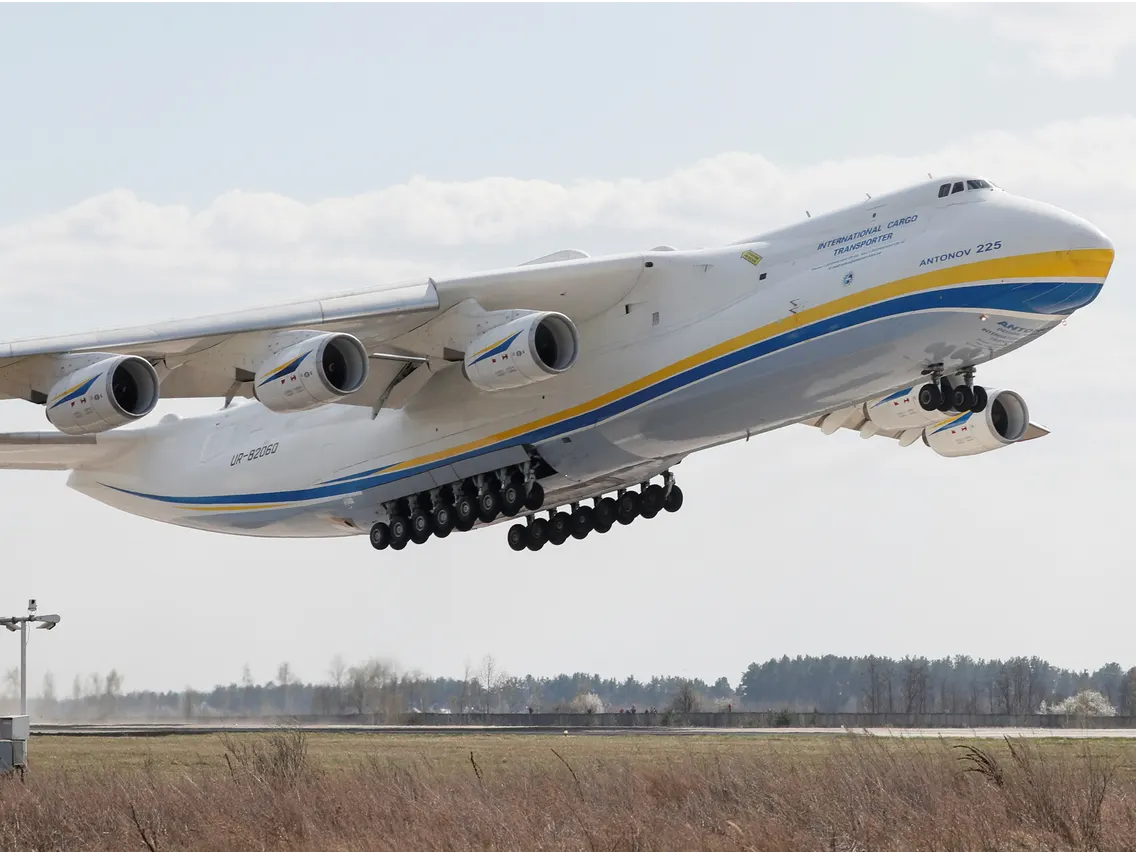
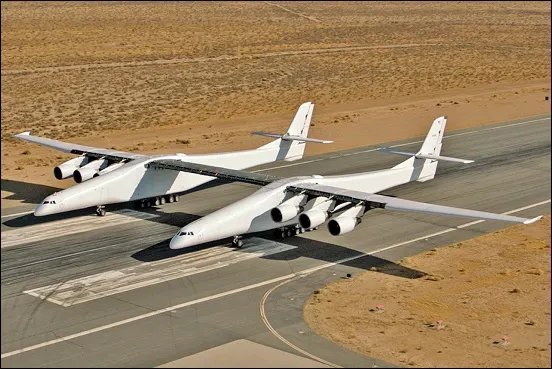
Antonov An-225 Mriya - 640,000 kg
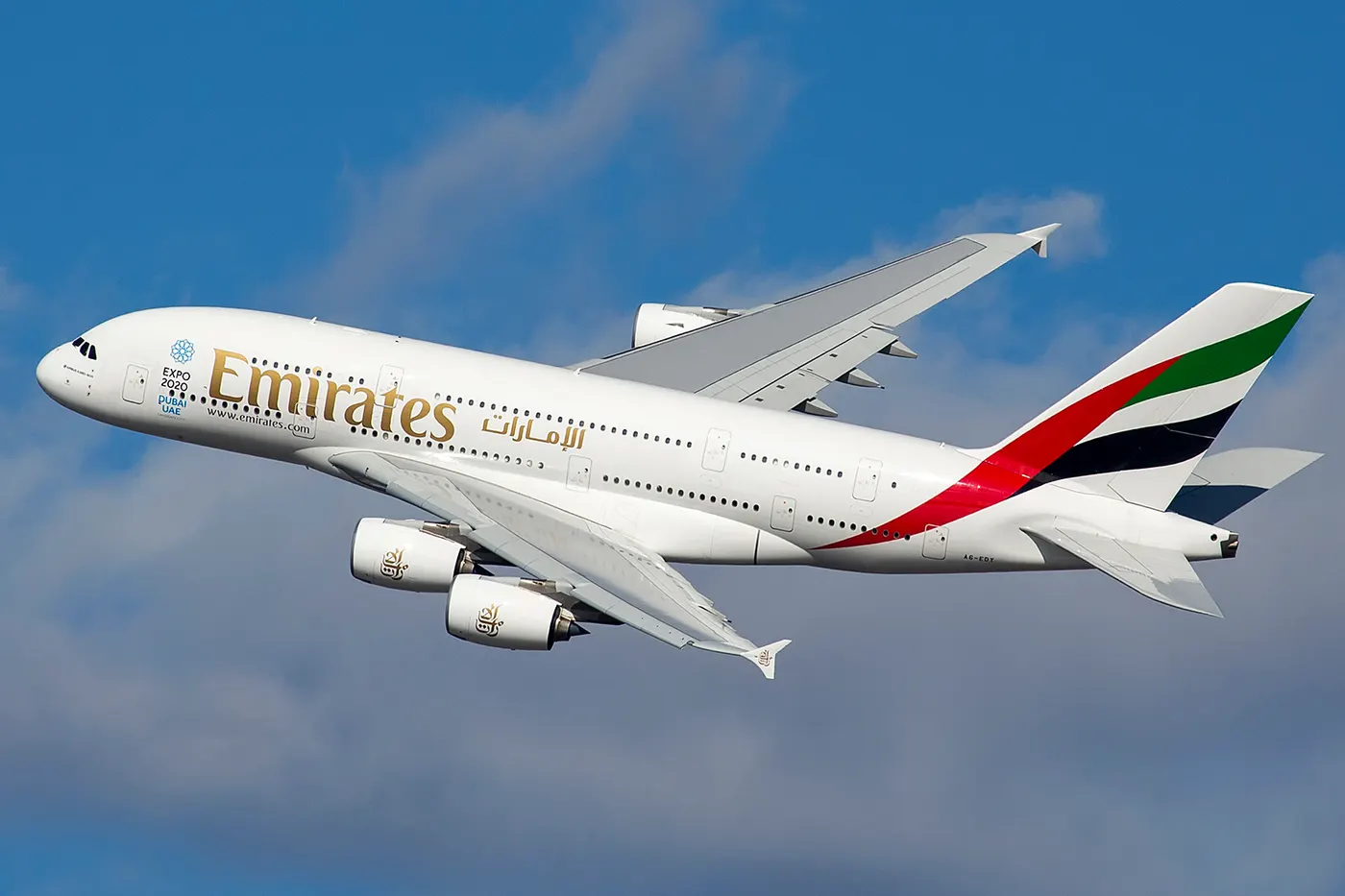
A380 returns to the skies as Emirates calls superjumbo into service - , Emirates A380, airliner A380 - Aviation Business geographic region
airliner A380 - 575,000 kg
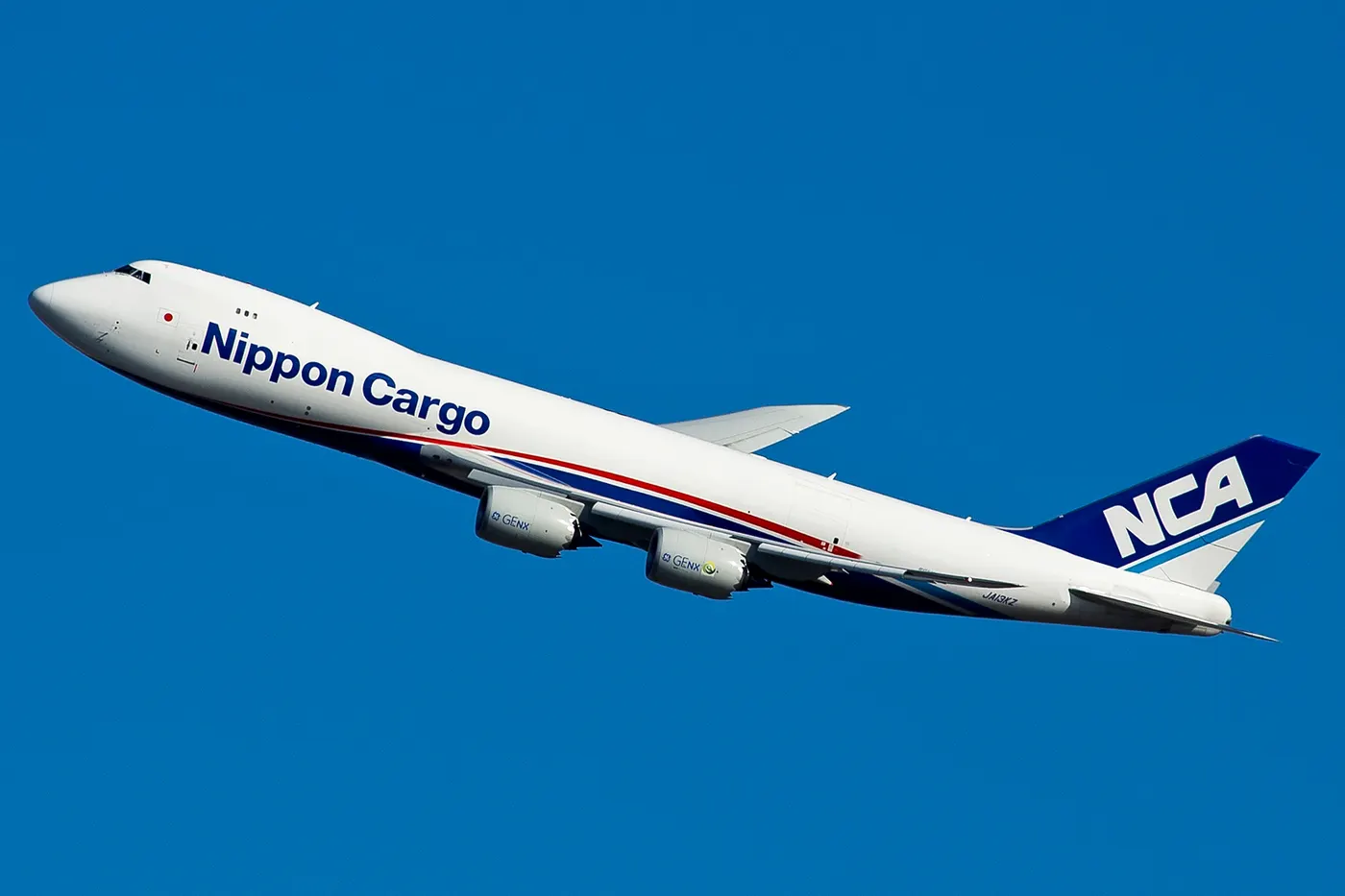
Boeing 747-8 - 447,700 kg
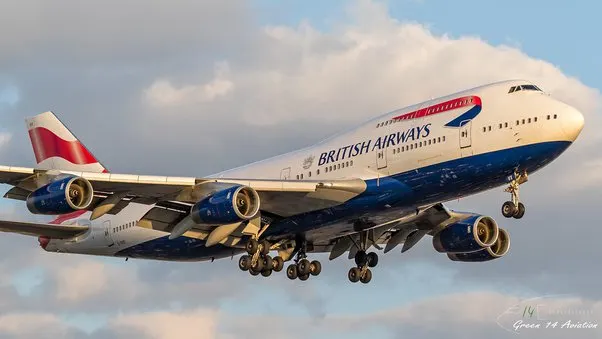
McDonnell Stephen A. Douglas DC-10 - 256,280 kg
Saab 340 - thirteen,150 kg
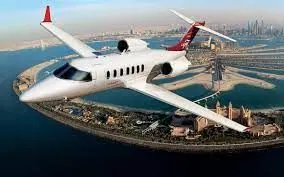
Learjet 70/75 - nine,752 kg
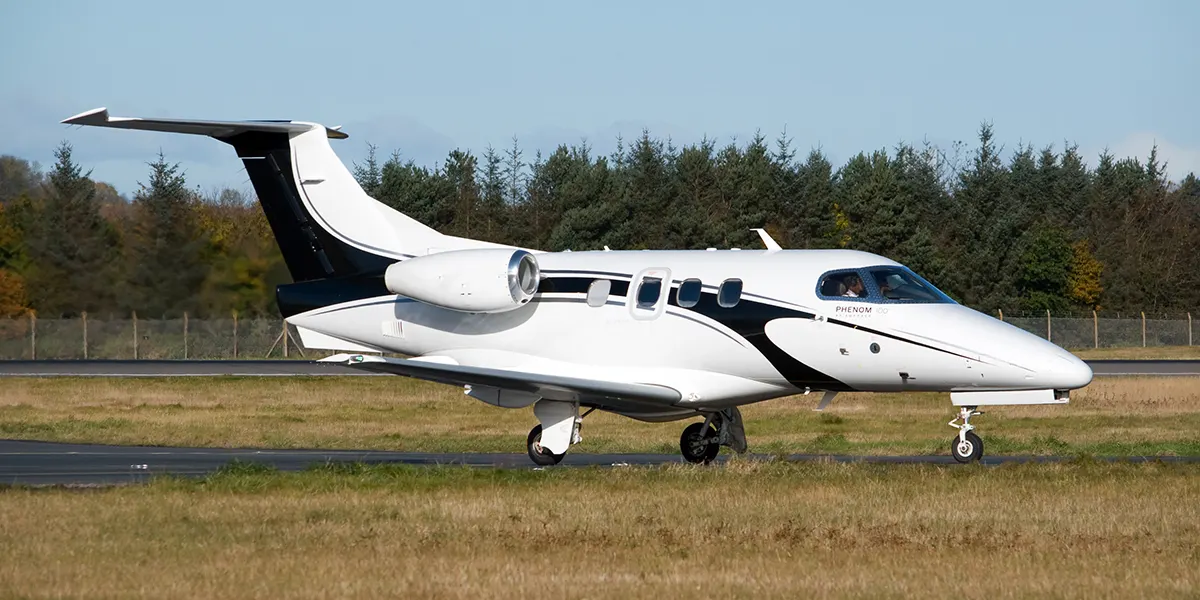
Embraer Phenom one hundred - 4800 kilogram
Study 2: Is there any distinction between ground speed and air speed?
One of the foremost confusing ideas for young scientists is that the relative rate between objects. mechanics forces area unit generated by AN object moving through a fluid (liquid or gas). a set object in a very static fluid doesn't generate mechanics forces. Hot air balloons "lift" attributable to buoyancy forces and a few craft just like the Harrier use thrust to "lift" the vehicle, however these don't seem to be samples of lift. to get carry, AN object should move through the air, or air should move past the item. lift depends on the sq. of the speed between the item and therefore the air. currently things get confusing as a result of not solely will the item be affected through the air, however the air itself will move. To properly outline the relative rate, it's necessary to choose mounted|a hard and fast|a set} purpose|point of reference|reference|indicator} and live velocities relative to the fixed point. during this slide, the point of reference is mounted to the bottom, however it might even as simply be mounted to the craft itself. it's necessary to grasp the relationships of wind speed to ground speed and speed.
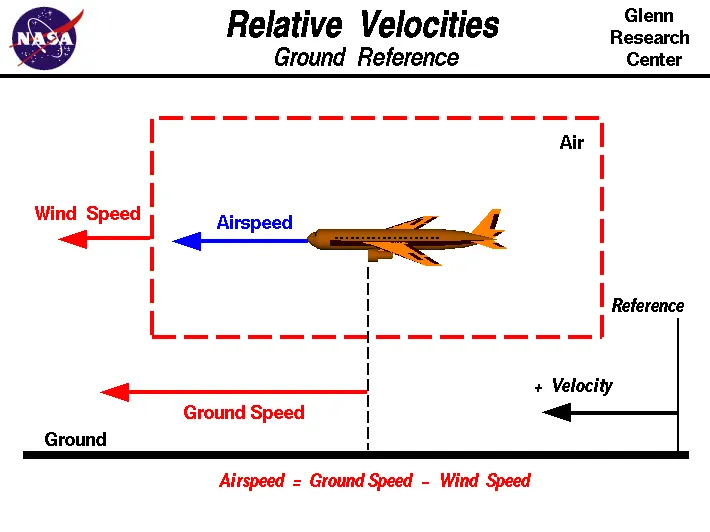
Computer drawing of AN aeroplane showing the speed , wind speed,
and ground speed. speed = ground speed - wind speed.
Wind Speed
For a point of reference picked on the bottom, the air moves relative to the point of reference at the wind speed. Notice that the wind speed may be a vector amount and has each a magnitude and a direction. The direction is vital. A twenty mph wind from the west is totally different from a twenty mph wind from the east. The wind has elements altogether 3 primary directions (north-south, east-west, and up-down). during this figure, we have a tendency to area unit considering solely velocities on the aircraft's flight path. A positive rate is outlined to be within the direction of the aircraft's motion. we have a tendency to area unit neglecting crosswinds, that occur perpendicular to the flight path however parallel to the bottom, and updrafts and downdrafts, that occur perpendicular to the bottom.
Ground Speed
For a point of reference picked on the bottom, the craft moves relative to the point of reference at the bottom speed. Ground speed is additionally a vector amount therefore a comparison of the bottom speed to the wind speed should be done consistent with rules for vector comparisons.
Airspeed
The necessary amount within the generation of carry is that the relative rate between the item and therefore the air, that is termed the speed. speed can not be directly measured from a ground position however should be computed from the bottom speed and therefore the wind speed. speed is that the vector distinction between ground speed and wind speed.
Airspeed = Ground Speed - Wind Speed
On a wonderfully still day, the speed is up to the bottom speed. however if the wind is processing within the same direction that the craft is moving, the speed are going to be but the bottom speed.
Examples
Suppose we have a tendency to had AN plane that might set out on a calm day at one hundred mph (liftoff speed is one hundred mph). we have a tendency to area unit at AN field with AN east-west runway that's one mile long. The wind is processing twenty mph towards the west and therefore the plane flies going east. The wind is processing towards the craft that we have a tendency to decision a current of air. Since we've outlined a positive rate to be within the direction of the aircraft's motion, a current of air may be a negative rate. whereas the plane is sitting still on the runway, it's a ground speed of zero ANd an speed of twenty mph:
Airspeed = Ground Speed (0) - Wind Speed (-20) = twenty mph
The plane starts its set out roll and encompasses a constant acceleration a. From Newton's second law of motion, the bottom speed V at any time t is:
V = a * t
and the distance d down the runway at any time is:
d = 1/2 * a * t^2
For a set length runway, this specifies the time to be employed in the speed equation. Let's assume that at 5000 feet down the runway, the speed is eighty mph. Then the speed is given by
Airspeed = Ground Speed (80) - Wind Speed (-20) = one hundred mph
and the plane begins to fly. currently another pilot, with precisely the same plane decides to require off to the west. The wind is currently within the same direction because the motion and this is often known as a air current. The register the wind speed is currently positive, not negative like the current of air. The acceleration on the bottom is that the same, therefore at 5000 feet down the runway, the bottom speed is once more eighty mph. The speed is then given by:
Airspeed = Ground Speed (80) - Wind Speed (20) = sixty mph
This plane does not have enough speed to fly. It runs off the top of the runway.
Study 3: Why is it not counseled to use engine power to maneuver it on the bottom at Airport?
For movement on the bottom the craft uses it own engine power, that is termed onerous.
Although several aircrafts area unit capable of getting backward mistreatment reverse thrust, as result the jet blast or prop wash may cause harm to the terminal building or instrumentality. Engine on the brink of ground might also blow sand and detritus forward and so suck them into the engine, inflicting harm to the engine.Therefore there area unit pushback trucks within the field. A pushback truck lifts the front weel of the craft, their role in most airports is to maneuver the craft awayfrom the parking spot on to the taxiways, that is termed towing.
Unwanted consequences chiefly arising from the inadvertent movement of the craft throughout engine running.
i) Effectively a loss of management will happen, particularly throughout high power engine running. harm will occur to the craft itself, alternative craft close or to airsidestructures.
ii) there's a risk of injury to ground support personnel World Health Organization is also in comparatively shut proximity to the craft.
iii) it's easier for driver to visualize the environment higher than the pilot sitting within the cockpit with restricted window. The pushback driver is aware of the field higher than the pilot.
iv) It conjointly saves fuel. virgin Atlantic hadproposed a replacement system during which pushback truck can move the craft all the thanks to runway to avoid wasting fuel and scale back impact of surroundings.
v) The plane engines area unit terribly loud. once over one plane can add up their sound, than it'll not be pleasent for passangers et al close to field.
Taxiing:
Taxiing (rarely spelled taxying) is that the movement of associate degree craft on the bottom, below its own power, in distinction to towing or push-back wherever the craft is affected by a tug. The craft typically moves on wheels, however the term additionally includes craft with skis or floats (for water-based travel).
An plane uses taxiways to taxi from one place on associate degree landing field to another; as an example, once moving from a structure to the runway. The term "taxiing" isn't used for the fast line a runway before takeoff, or the decelerating run now once landing, that is named the takeoff roll and landing rollout, severally.
Towing:
Movement of enormous craft concerning the landing field, line, and structure is typically accomplished by towing with a tow tractor (sometimes referred to as a “tug”). within the case of little craft, some moving is accomplished by hand pushing on the right areas of the craft. craft can also be taxied concerning the line however typically solely by bound qualified personnel.
Towing craft is a venturous operation, inflicting harm to the craft and injury to personnel, if done recklessly or carelessly. this text define the final procedure for towing craft. However, specific directions for every model of craft ar elaborate within the manufacturer’s maintenance directions and ar to be followed altogether instances.
Before the craft to be towed is affected, a certified person should be within the landing deck to control the brakes just in case the tow bar fails or becomes unhooked. The craft will then be stopped, preventing doable harm.
Some kinds of tow bars out there for general use is used for several kinds of towing operations. [Figure 2] These bars ar designed with spare lastingness to tug most craft, however don't seem to be supposed to be subjected to torsional or twisting hundreds. several have little wheels that allow them to be drawn behind the towing vehicle progressing to or from associate degree craft. once the bar is hooked up to the craft, examine all the partaking devices for harm or malfunction before moving the craft.
aircraft towing
Example of a tow bar
Some tow bars ar designed for towing numerous kinds of craft. However, different special varieties is used on a specific craft solely. Such bars ar typically designed and engineered by the craft manufacturer.
When towing the craft, the towing vehicle speed should be cheap, and every one persons concerned within the operation should be alert. once the craft is stopped, don't rely on the brakes of the towing vehicle alone to prevent the craft. The person within the landing deck should coordinate the utilization of the craft brakes with those of the towing vehicle. A typical smaller craft tow tractor (or tug) is shown in Figure three.
aircraft towing
Typical smaller craft tow tractor
The attachment of the tow bar varies on differing types of craft. craft equipped with tail wheels ar usually towed forward by attaching the tow bar to the most undercarriage. In most cases, it's permissible to tow the craft in reverse by attaching the tow bar to the tail wheel shaft. Any time associate degree craft equipped with a tail wheel is towed, the tail wheel should be unbarred or the tail wheel lockup mechanism could harm or break. craft equipped with wheeled vehicle undercarriage ar usually towed forward by attaching a tow bar to the shaft of the wheel. they will even be towed forward or backward by attaching a towing bridle or specially designed towing bar to the towing lugs on the most undercarriage. once associate degree craft is towed during this manner, a steering bar is hooked up to the wheel to steer the craft.
Study 5: study begin power, tyre style, rolling resistance, tyre pressure, brake forces once landing.
Takeoff:
Takeoff is that the section of flight during which associate degree part vehicle leaves the bottom and becomes mobile.
For craft that begin horizontally, this typically involves beginning with a transition from moving on the bottom on a runway. For balloons, helicopters, and a few specialised fixed-wing craft (VTOL craft like the Harrier), no runway is required. Takeoff is that the opposite of landing.
Take off performance is expected employing a easy live of the acceleration of the craft on the runway supported force equilibrium.
The forces concerned are,
T – Thrust of system pushing craft on runway.
D – mechanics Drag of car resisting the craft motion.
F – Rolling resistance friction thanks to the contact of wheels or skids on the bottom.
During take-off run the imbalance in these forces can manufacture associate degree acceleration on the runway.
where dV/dt is that the acceleration on the runway and m is that the mass of the vehicle.
The procedure for take-off are that the vehicle can accelerate till it reaches a secure initial flying speed. The pilot will then rotate the vehicle to associate degree perspective to provide climb raise and it'll ascend from the bottom. The determination of this safe flying speed or rotation speed, VR, could be a essential consider deciding take-off performance.
Take-off rules vary slightly reckoning on the craft class. little commuter craft ought to be thought of as meeting way twenty three rules, transport class craft ought to adjust to way twenty five rules.
Small commuter craft :
For safety reasons VR is typically determined as being one.1 × VSTALL or one.05 × VMIN management
which ever is bigger. Stall speed, VSTALL, is that the lowest speed that the craft is flown before the air flow starts to cut loose wings because the angle of attack becomes too nice. The wing is assumed during this case to be in take-off configuration or "clean".
It is calculated supported data of the craft take-off configuration and thence the most possible raise constant CL(max). As shown within the previous section , to keep up level flight the raise made should equal the burden, thence the stall speed is calculated as,
Minimum management speed, VMC could be a additional advanced calculation and needs data of the stall characteristics of the surface and elevator. For typical craft there's solely atiny low distinction between VR calculations supported stall speed or minimum management speed.
As well as rotation speed there ar different safety issues as shown within the following Figure.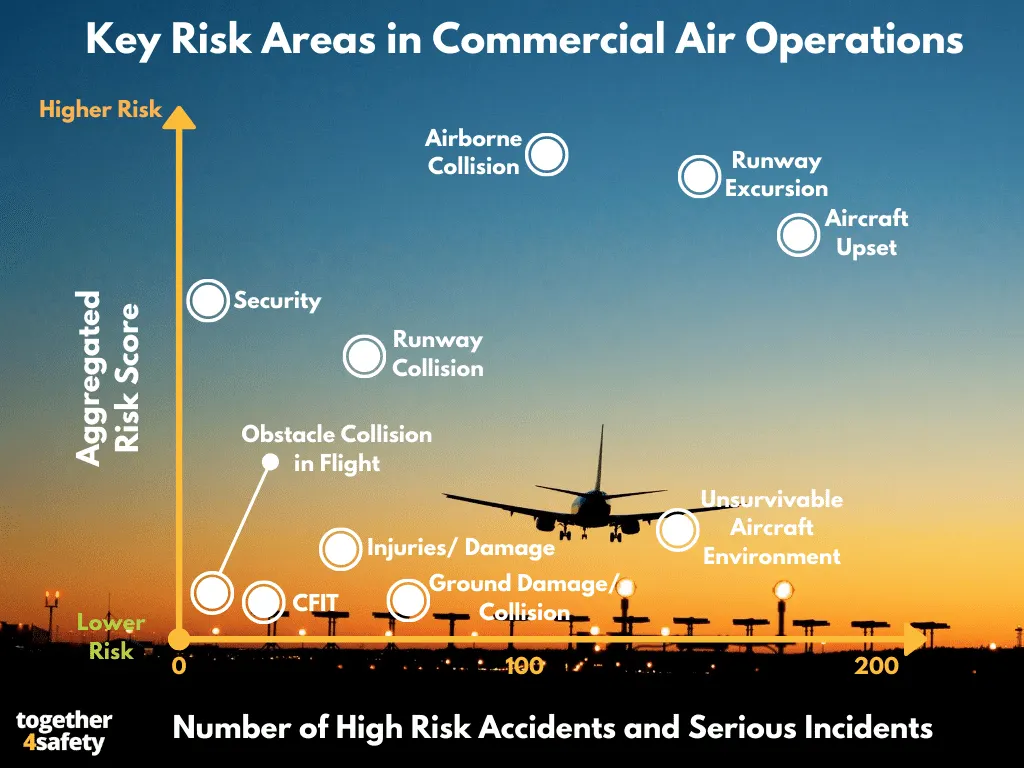
V1- Abort call speed. Below this speed the take-off is safely aborted. once this there'll not be spare runway length to permit the craft to decelerate to a stop.
V2 – Safe climb speed. V2 should be no but one.2 * Vstall. Below this speed craft cannot attain spare climb rate.
Transport craft :
VR should not be but V1
VR should be bigger than one.05 * VMC
VR should be set in order that craft achieves V2 before reaching a height of 35ft higher than the runway surface.
Aircraft should climb at a minimum gradient to avoid obstacles at the tip of the runway. With equipment failure on multi-engined craft, this speed ought to still be possible.
Thrust:
The thrust of turbine or turbojet engines are comparatively constant throughout take-off. a decent assumption is to use the manufacturer's values for max static thrust for take-off calculations.
It is essential to properly estimate the propellor potency for the actual craft speed on the runway. At V=0 the potency is zero therefore the higher than equation makes no sense. At V=VR the potency are within the vary five hundredth to eightieth reckoning on the kind of propellor system used and therefore the thrust price at now are simple to get. In follow, the thrust obtained throughout the take-off roll is roughly constant therefore this finish purpose price could be a sensible approximation from V=0 to V=VR.
Drag:
The resistance to motion thanks to the air body can provides a drag of
where CD will be thought of constant,
Although coefficient of drag is constant, Drag can increase in proportion to the sq. of rate.
Rolling Resistance:
The friction between craft and runway are going to be proportional to the traditional force exerted by the craft on the runway.
The normal force are going to be the distinction between Weight of craft and elevate, the friction constant are going to be generally of a magnitude of zero.02 for a typical tarmac runway.
The rate of modification of rate will be foreseen at any purpose on the take-off roll by subbing results for T, D and F into the initial equation for dV/dt. the next rate at any purpose will be found by desegregation this ensuing equation and also the distance traveled found by then desegregation the speed.
Typically acceleration are going to be dominated by the drag part as thrust, weight and friction area unit comparatively constant throughout this era. This ends up in the result shown wherever acceleration is reciprocally proportional to rate square.
Due to the quadratic nature of acceleration modification, a median worth,
will be used for the take-off run. This average acceleration will be found at the purpose wherever,
This average acceleration will be accustomed change calculations and also the take-off run will be calculated as constant constant acceleration over the entire amount of your time (tR) taken to induce from zero to VR. For a continuing acceleration take-off calculation.
From the rotation purpose, the tip of the runway will be outlined by the need to clear a 35ft obstacle at the tip. throughout rotation it will be assumed that any residual excess thrust is absorbed in overcoming the elevate elicited drag because the craft begins to climb. Acceleration reduces and a continuing flight speed throughout this climb section will be assumed. the space on the bottom from rotation purpose to obstacle clearance purpose with therefore be,
Take-off (Balanced) Field Length:
The needed length of runway are going to be the add of the space needed to induce to rotation speed and also the additional length needed to clear a 50ft obstacle or the additional length required to permit for speedy braking if the pilot decides to abort take-off at the choice speed V1.
This length can generally be significantly longer than the space needed to realize rotation (flying) speed. A rough approximation is that runway total length is around a pair of x s1
Distance to V1 will be calculated in a very manner kind of like that shown for VR. The calculation of braking distance would force information of the most braking friction constant which will be generated by the craft. This info ought to be offered from manufacturer's information. Braking distance calculations ought to even be evaded any assumption of reverse thrust from engines as throughout a take-off abort, engine power might not be offered.
Landing:
The landing run will be calculated in a very similar fashion to the start off distance. The aim is once more to minimise the space.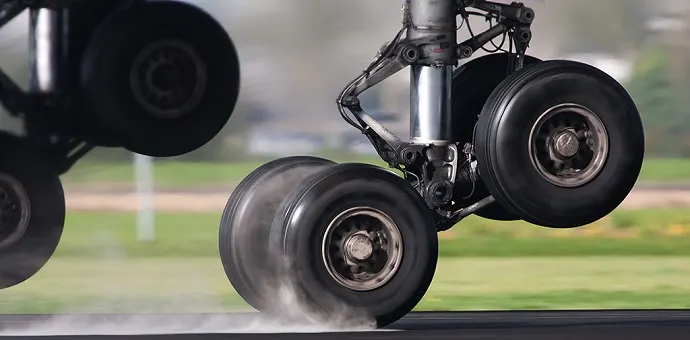
The set down rate ought to be more or less the stall speed of the craft in landing configuration. this can be achieved by a pitch manoeuvre throughout the flare portion of the approach that that increase drag associate degree decelerate the craft to minimum flying speed.
The retardation on the landing roll from VTD to V0 are going to be accomplished by braking and reverse thrust. this will be solved by the typical acceleration approach that was accustomed estimate the take-off roll.
The negative acceleration or retardation worth are going to be supported friction constant for optimum braking and also the worth of reverse thrust (if available).
Braking force:
Stopping associate degree landing at 180-200 mph needs plenty of braking force. To do this, the craft has brake unit on every of the wheels on the maingear assembly. On landing, pilots ought to use mechanics braking by applying additional back-pressure on the stick or yoke. Extreme caution ought to be used whenapplying brakes at any signicant speed, and only if the tip of the runway is quickly approaching. ne'er tread the brakes to form a runway exit. Applyingthe brakes at too high a speed might burn the tires, wear out the brakes, or lead to a mischance or swerve.
Aircraft Disc Brake:
In the undercarriage it's accustomed brake the wheels whereas touching the bottom. These brakes area unit operated hydraulicly. In most modernaircraft they're activated by the highest section of the rudder pedals ("toe brakes"). In some older craft very cheap section is employed instead ("heel brakes"). Leversare utilized in a number of craft. Most craft area unit capable of differential braking.
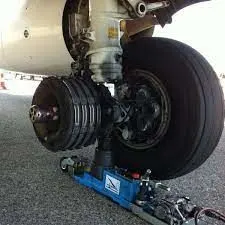
How do craft brakes work? | Engineering360
In addition to the brakes, there area unit 2 different systems that facilitate slow the craft down on landing. The spoilers and also the reverse thrust.
Spoilers
Have you detected the big panels on the highest of the wings vex on bit down? These area unit the known as the spoilers as they virtually spoil the flow of air over the wing. This dumps any remaining elevate the wings area unit generating, permitting the wheels to require all the load and deliver the goods most potency from the brakes.
Reverse thrust
The final a part of the braking method comes from reverse thrust. simply once we've got touched down, we have a tendency to pull 2 levers on prime of the thrust levers to have interaction the reverse thrust, a form of “reverse gear” for jet engines.
There area unit 2 stages of reverse thrust — idle reverse and scoop reverse. Idle reverse is employed on most landings and scoop reverse is employed once the landing performance needs it, usually once the craft is landing at hot or high elevation airfields.
This forward directed flow of air helps slow the craft down however is most effective at high speeds. If victimization scoop reverse, we have a tendency to drop this all the way down to idle reverse at sixty knots (70 mph) so back to traditional thrust as we have a tendency to vacate the runway at around twenty knots (25 mph).
Design and construction of the craft tyre:
When it involves safety, tyres area unit one among the foremost necessary elements of craft. they assist to soak up the shock of landing and supply artifact. It conjointly provides the required traction for braking associate degreed stopping of an craft.
An craft tyre is intended to resist very serious masses whereas landing, take off, taxing, and parking. the quantity of wheels needed for craft will increase with the load of the craft, because the weight of the plane must be distributed a lot of equally.
A Boeing 737NG & 737MAX uses vi wheels, Boeing 787 uses ten wheels, Boeing 777 uses fourteen wheels and airliner A380 uses twenty two wheels. craft tyres work below extreme conditions, carrying up to 340 tons and fast at over 250 km/hour at takeoff, additionally to enduring varied environmental stress once on the wing and taxiing.
Carcass plies area unit accustomed kind the tire. they're generally known as casing plies. associate degree craft tyre is built for the aim it serves.
They support the load of associate degree craft whereas it's on the bottom.
It conjointly provides the required traction for braking associate degreed stopping of an plane.
Tyre conjointly helps to soak up the shock of landing and supply artifact the roughness of takeoff, roll-out, and taxi operations.
Unlike associate degree automobile or truck tyre, it doesn't got to carry a load for a protracted amount of continuous operation. However, associate degree craft tyre absorbs the high impact various landing, and conjointly it’s in operation at high speeds for a brief time once needed.
Aircraft Tyre Construction
Retreading – Retreading is ways of restoring a worn tyre by revitalizing the tread space or by revitalizing the tread space and one or each sidewalls. Repairs area unit enclosed within the tyre retreading method.
Load Rating – Load rating is that the most permissible load at a nominative inflation pressure.
Ply Rating – Ply Rating is employed to spot the most counseled load rating and inflation pressure for a nominative tyre. it's associate degree index of tyre strength.
Speed Rating – The speed rating is that the most takeoff speed to that the tyre has been tested.
Skid Depth – Skid depth is that the distance between the tread surface and also the deepest groove as measured within the mould.
Aircraft tyres should have associate degree approved speed and cargo rating and have decent clearance once backward through undercarriage to permit for tyre growth. Tyre growth is that the increase within the size of the tyre because of centrifugal forces at high speed.
Aircraft tyres is also Tube-type or Tubeless
Tubeless tyres area unit a lot of advantageous over tube-type. there's now not the employment of tube-type tyre in recent aviation. today all airliners area unit victimization tubeless tyres. Tubeless that area unit meant to be used while not a tube has the word TUBELESS on the sidewall of the tyre.
Aircraft tyres is also Radial or Bias
Almost all airliners area unit victimization Radial tyre. Bias is associate degree older style, and it’s primarily used for road vehicles. Radial tyres have the word RADIAL on the sidewall. Radial tires area unit dearer than bias-ply tyres. Radial tires area unit in demand owing to their lower life cycle value and future worth.
Chines also are known as deflectors. Chine tyre used on the nose wheel of craft, specially fuselage-mounted jet engines. It diverts runway water aloof from the engine inlets.
Chines area unit circumferential protrusions that area unit moulded into the sidewall of nose tyres that deflect water sideways to assist cut back excess water body process into the engines. Tyres might have chines on one or each side, reckoning on the quantity of nose tyres on the craft.
Chine Tyre
Aircraft tires typically operate at high pressures, up to two hundred psi (14 bar; one,400 kPa) for airliners, and even higher for business jets. the most undercarriage on the Concorde was generally inflated to 232 psi (16.0 bar), while its tail bumper gear tires were as high as 294 psi (20.3 bar).
Aircraft Tires
Study 6: With necessary assumptions, calculate the force associate degreed power needed to push / pull an craft by a towing vehicle.
To push or pull associate degree craft by a towing vehicle, three sort of forces can act thereon vehicle. Those area unit -(i) Rolling resistance force (ii) mechanics dragforce and (iii)Hill rising force.
(i) Rolling resistance force(Frr) :
Rolling resistance is that the force resisting the motion once a body rolls on a surface. it's the friction force that's required to beovercome to maneuver a vehicle. The mechanical energy of the wheels is part born-again into heat. The rolling resistance is proportional to the normalforce perpendicular to the rolling wheel and is approximated by the rolling resistance constant urr. Therefore, Equation which will be used for the rollingresistance force of the whole system is-
Frr = urr * m * g wherever, urr= Rolling resistance co-efficient (It depends on the tire material, tire structure, tire temperature, road roughness, road material etc.) m= Total mass of the vehicle (vehicle mass + payload) in kilo g = constant of gravitation , that is 9.8 m/s^2.
Here during this case for towing vehicle for craft urr= zero.013.
(ii) mechanics drag force(Fad) :
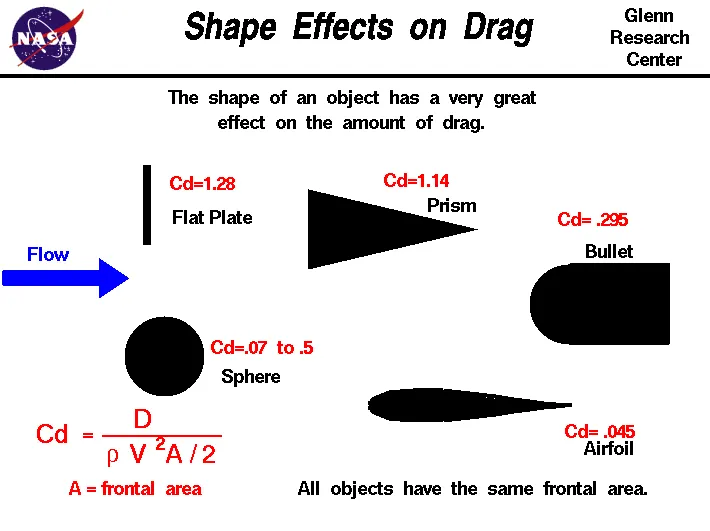
Aerodynamic drag force is that the force that is needed to stay a vehicle moving. There area unit 2 part of this force , one isshape drag (due to the form of the vehicle) and another is skin friction (due to friction between air and skin of the vehicle). once the vehicle moves the velocityof air close to boundary is over the air encompassing. each the tug and also the craft can expertise some mechanics drag. For completeness, the aerodynamicdrag force caused by the craft and towing vehicle will be given by Equation below-
Fad = (1/2) * ρ * V^2 * A * (Cd_t + Cd_a)
where, ρ = Air density, that's usually one.25 kg/m^3
A = cortical area of the vehicle in m^2
Cd_t = Air drag co-efficient of towing vehicle (It depends on cortical area,shape, protrusions, ducts, airway etc.)
Cd_a = Air drag co-efficient of craft (Itdepends on cortical area, shape, protrusions, ducts, airway etc.)
v =Velocity of the vehicle in m/s
In this case air drag co-efficient for towing vehicle(Cd_t)= zero.5 and for craft or payload(Cd_a)= zero.045.
(iii) Hill rising force(Fhc) :
Hill rising force is that the force required to maneuver the vehicle in up gradient. To Hill rising force the expression of the equation isgiven below-
Fhc = m * g * sinφ
where, m = Total mass of the vehicle(vehicle mass + payload) in metric weight unit
g = universal gravitational constant that's nine.8 m/s^2
φ = up gradient angle or inclination angle in rad
In this case up gradient angle(φ) = zero, as there's no inclination.
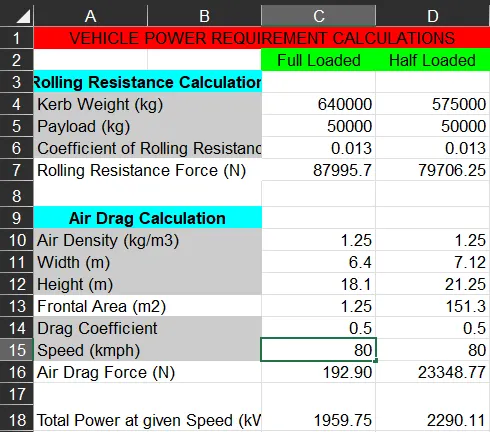
Push/Pull Power Calculation of Towing Vehicle-
Hill climb force is zero during this case.
Study 7: style an electrical powertrain with style of motor, it’s power rating, and energy demand to meet craft towing application. Estimate the duty cycle vary to regulate the craft speed from zero to highest. create all needed assumptions. Prepare a table of assumed parameters. Draw a diagram of powertrain.
Douglas craft Towing Tractors From: Textron GSE - Stephen A. Douglas|Stephen Arnold Douglas|The Little Giant|politician|politico|pol|political leader} instrumentality Ltd. | Aviation execs
Table for the mandatory assumed parameters-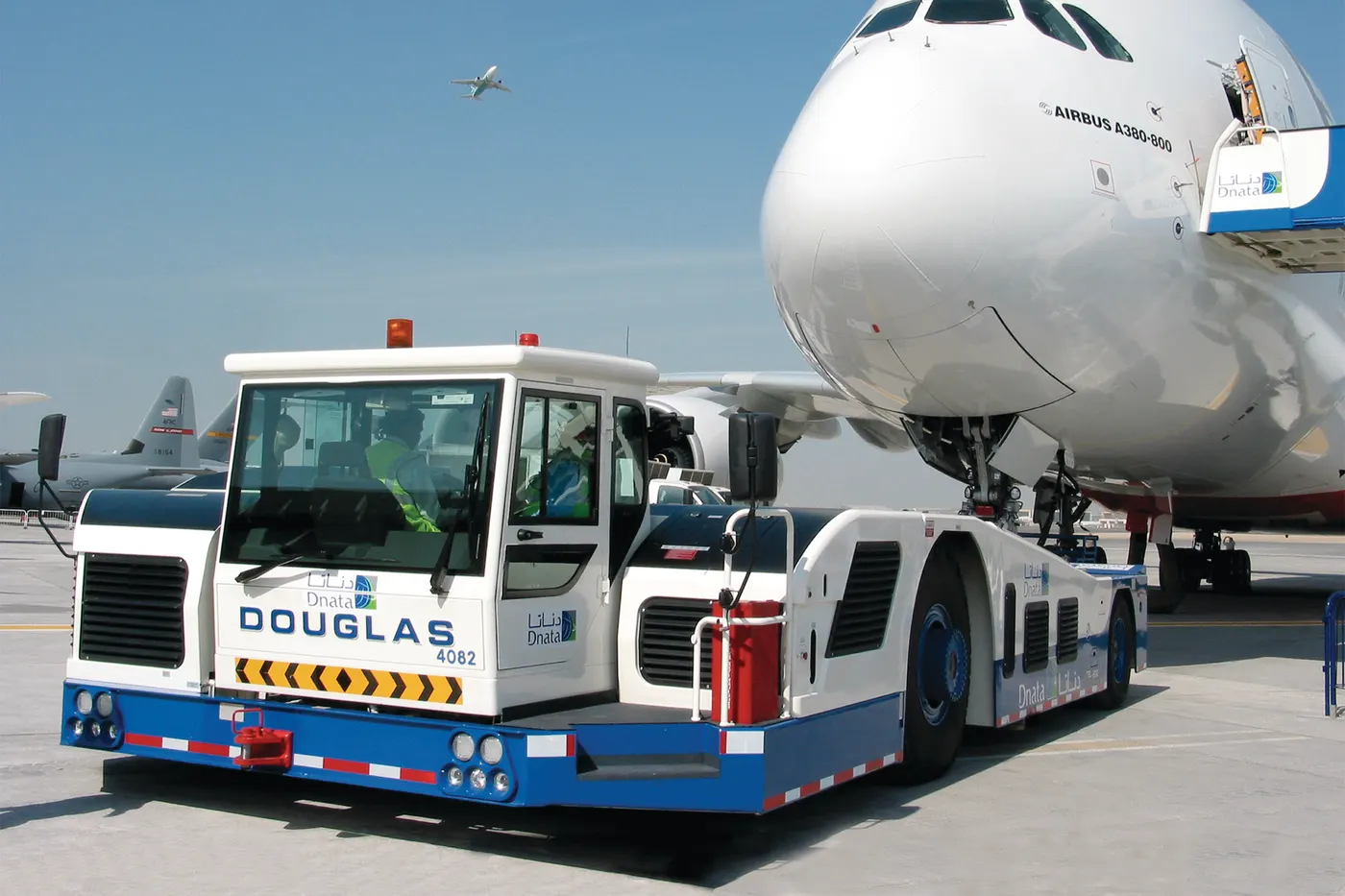
Assumption For Powertrain style
Aircraft Mass (kg) 575,000 kg
Towing Vehicle mass (kg) 50,000 kg
Rolling Resistance Co-efficient 0.013
Air Density 1.225 kg/m3
Towing Vehicle Drag Co-efficient 0.5
Aircraft Drag Co-efficient 0.09
Frontal area 20 money supply
Inclination angle 0 rad
Tyre Pressure 203 PSI/14 bar
Towing Velocity(V) 10 km/h = a pair of.778 m/s
Towing Time(t) 2 min
Radius of the towing vehicle wheel 0.38 m
Therefore from the stand out power calculator we've got got the mandatory Traction force(F) amount that's = 79770.70804 N
Required Power = 221.7625684 kW
Required torsion = F x r.
T = 79770.7 x 0.38 = 30,312.87 N-m
Energy, E = P x t.
E = 221.76 x a pair of x 60/3600 = seven.4 kWh
For this application associate Induction motor or a BLDC is used with a correct gear system.