Project-1: Powertrain for aircraft in runways
PART-A
1) Search and list out the total weight of various types of aircraft.
Ans:
To understand the different types of aircraft and the total or Gross weight of the aircraft, we need to understand the meaning and how the weight is measured or considered for an aircraft.
The term used for the total weight of the aircraft is known as "Aircraft Gross weight" aka "All-Up Weight (AUW)".
Aircraft Gross weight:
- The overall weight of an aircraft at any point during flight or ground operations is known as the gross weight, according to the federal aviation agency.
- Due to oil consumption, the aircraft's gross weight decreases while in flight. In rare circumstances, an aircraft's gross weight (or takeoff weight) may change as a result of a payload reduction or in-flight refueling; nonetheless, when the brakes are released, the gross weight will be the same as the takeoff weight.
- The gross weight of an aircraft is equal to its takeoff weight at the instant the brakes are released. The gross weight of an aircraft is also referred to as the "en-route weight" or "in-flight weight" while it is in flight.
Types of aircraft:
i) Fighter Aircraft:
A fighter aircraft, also known simply as a fighter jet, is a fixed-wing military aircraft primarily intended for air-to-air combat with other aircraft. Along with its weaponry, a fighter jet's important performance characteristics include its high speed and maneuverability in relation to the target aircraft.
The fighter aircraft's Gross weight is around 13500 kg.
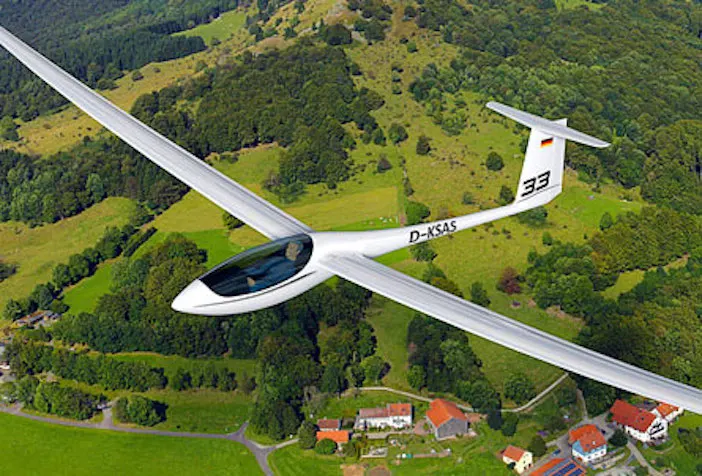
ii) Glider:
A glider is a fixed-wing aircraft whose free weight is independent of an engine and which is propelled in flight by the dynamic reaction of the air against its lifting surfaces. Most gliders lack an engine, but some motor gliders have small ones that they can use to maintain altitude and, in certain cases, extend their flight (sailplanes typically fly on a slope that is constantly lowering).
The glider aircraft's Gross weight is around 300 kg.
iii) Transport Planes:
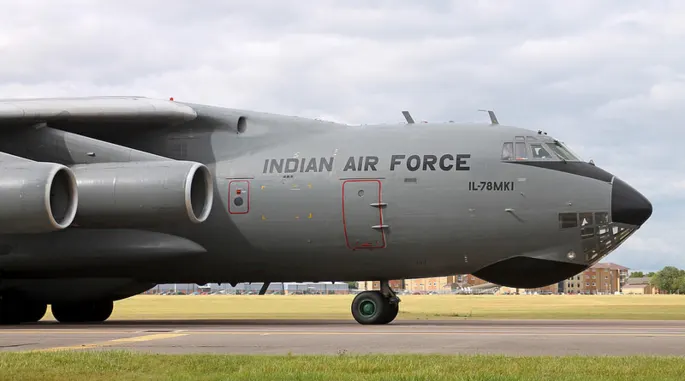
To assist military operations, people, guns, and other military equipment are airlifted by military transport or cargo planes. Transport aircraft are frequently diverted to perform civil emergency relief missions and can be employed for both strategic and tactical operations.
The Transport aircraft's Gross weight is around 2,50,000 kg.
iv) Airliners/ Passenger airplanes:
A type of aircraft used to carry both passengers and freight is an airliner. Airlines are more frequently the ones using such planes. An airliner is commonly defined as an aircraft meant for carrying several passengers or cargo in commercial operation, though definitions might differ from country to country. Wide-body jets, commonly known as twin-aisle aircraft because they typically have two independent aisles spanning from the front to the back of the passenger compartment, are the largest of them. These are typically utilised for lengthy flights between big cities and airline hubs. The narrow-body or single-aisle class of aircraft is a smaller, more prevalent kind. Compared to their wide-body cousins, these are often utilised for short- to medium-distance flights with fewer passengers.
These have a variety of aircraft by different manufacturer and models which are,
| Type/ Model | AUW (kg) |
| Boeing 777-300 | 299,370 |
| Boeing 747-8F | 447,700 |
| Airbus A380-800 | 575,000 |
| Antonov An225 | 640,000 |
__________________________________________________________________________________
2)
Difference between ground speed and air speed
| Ground speed | Air speed |
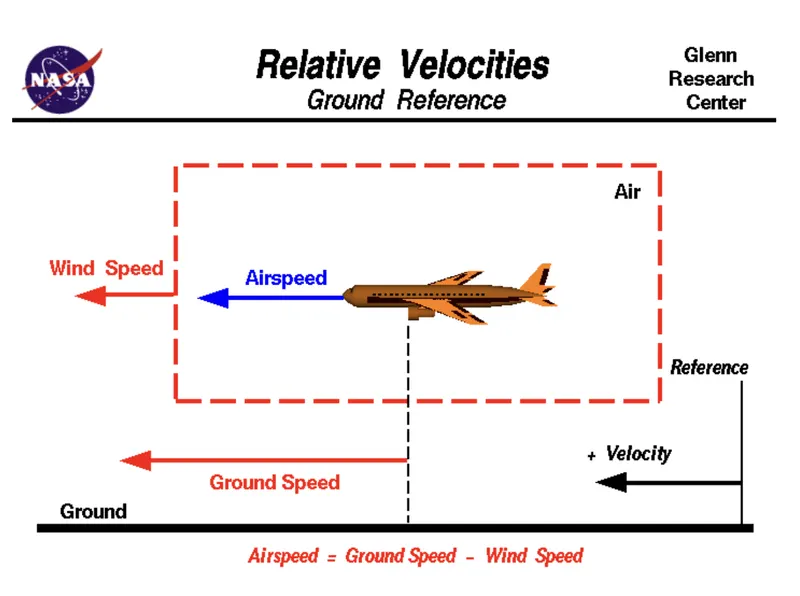
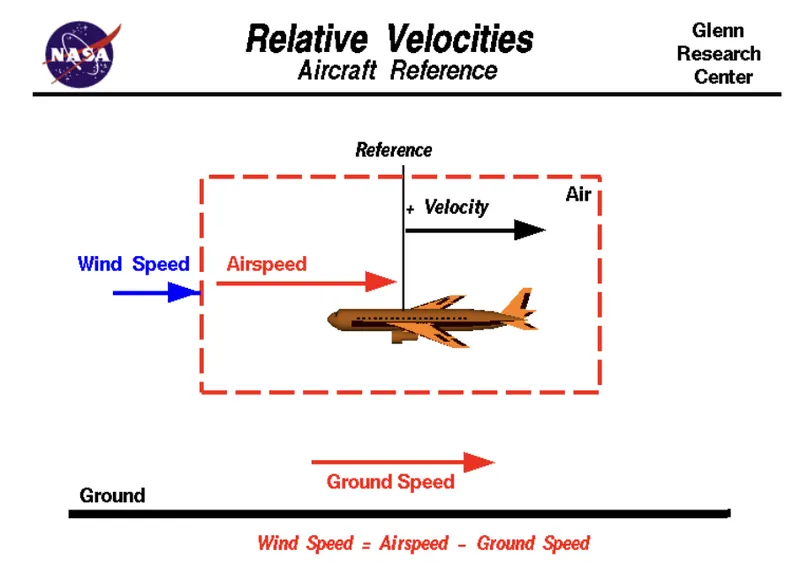
| Ground speed is the aircraft's speed relative to the Earth's surface. | In relative to the air it is flying in, airspeed is the speed. |
| The Sum of air and wind speed is Ground speed. | No relation with ground speed or independent of it. |
| The speed at which an airplane reaches its destination depends on its ground speed. | Whether an airplane has enough airflow around it to take off depends on its airspeed. |
__________________________________________________________________________________
3) Why is it not recommended to use aircraft engine power to move it on the ground at the Airport?
Ans: The movement of aircraft on the land (Airport) is forward or backward with turns in both directions. In this process of moving the aircraft, the reverse movent can be done by employing the reverse thrust as shown in the figure below.
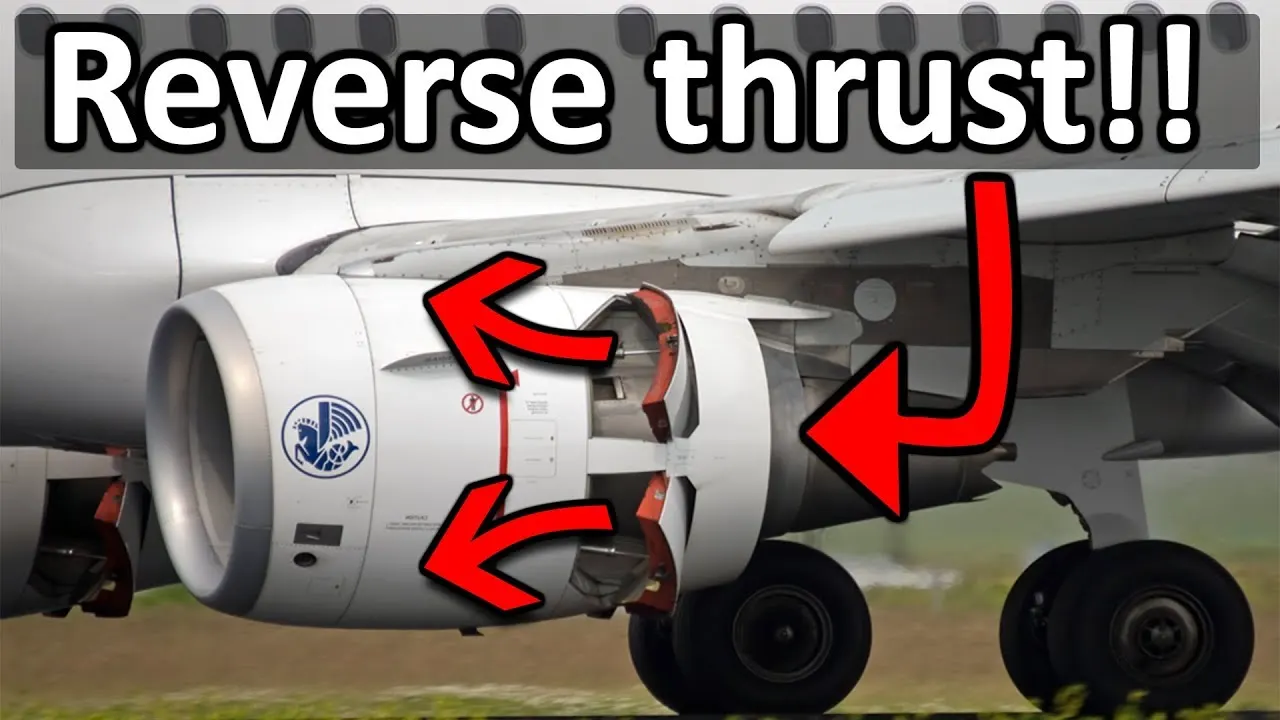
But this is generally not used as it consumes a huge amount of fuel which is not feasible. Also, it can result in damaging the infrastructure of the airport such as terminal buildings, hangers, etc.
So for the aircraft movement, the aircraft engines are not used, in place of that towing is done by another vehicle, animal, or humans.
As seen above a towing vehicle is used to move the aircraft around and park it in a safe place or the hanger assigned.
__________________________________________________________________________________
4) How an aircraft is pushed to the runway when it's ready to take off?
In contrast to towing or pushback, where the aircraft is pushed by a tug, taxing is the movement of an aircraft on the ground that occurs under its own power. Despite having wheels most of the time, the word also applies to aircraft with skis or floats (for water-based travel).
When going from one location in an airport to another, such as from a hangar to the runway, an airplane uses taxiways. The accelerating run down a runway before takeoff and the braking run right after landing are not referred to as "taxiing," but rather as the takeoff roll and landing rollout, respectively.
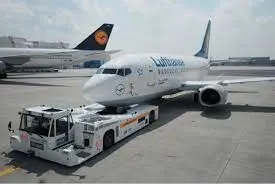
As seen above a towing vehicle is used to move the aircraft on the runway as known as Taxiing.
___________________________________________________________________________________
5) To learn about take-off power, tyre design, rolling resistance, tyre pressure, and brake force when landing?
Ans:
When an airplane takes off, it first leaves the ground and ascends into the air. Large freight carriers use less power during takeoff than lighter aircraft in order to extend engine life, lower maintenance costs, lower engine heat, and also to ensure a smooth takeoff flight. Lighter aircraft use maximum power during takeoff.
Thrust (T), Drag (D), and Rolling resistance(F) forces are related to the take-off and landing of the aircraft.
Thrust is the force that pushes the aircraft in a forwarding direction on the runway.
Drag is the force that resists the forward motion of the aircraft.
Rolling Resistance Force is the force that a vehicle or tire encounters when moving on the road or runway in the case of Aircraft.
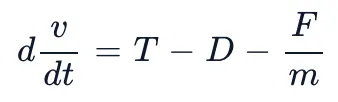
The aircraft will now accelerate to a speed that will be determined by the aircraft controlling department when the pilot is prepared to take off. The flight will then be raised to a specific height and angle after takeoff before being made to stabilize in an equilibrium fashion.
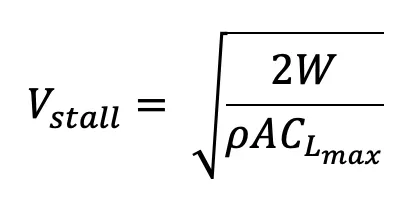
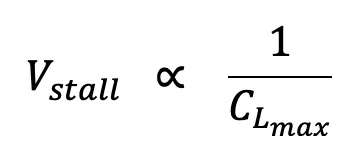
Here, safe speed, also known as rotational speed, is defined as Vr, and it plays a crucial role in predicting how well a takeoff will go. Vr is typically calculated as 1.1*Vstall (the lowest speed at which an aircraft can be flown before the air begins to separate from the wings when the angle of attraction is too great) for safety reasons.
Vstall can be calculated by using a formula given:
where
W is weight in N
ρ is Density
A is Wing area
CLmax is the Maximum Lift coefficient
In the above equation, we can conclude that
Tire Design:
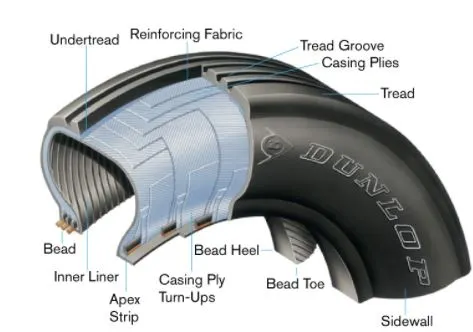
The tire is made out of carcass piles. They are also referred to as casing piles. The aircraft tires play an important role when it comes to the aspect of safety of the aircraft, at both the moments of take-off and landing, so they have to serve some purpose and should possess some properties for it. They have to carry a huge amount of load/weight while landing. Post landing the tire should be strong enough to bear the braking and resistance offered by the runway. The stress of landing and the roughness of takeoff, roll-out, and taxi operations are also cushioned by tires.
The entire weight of the aircraft determines how many tires are needed because the weight must be distributed uniformly.
In order to prevent expansion and contraction caused by extreme fluctuations in ambient pressure and temperature, aircraft tires are typically inflated with nitrogen air. Tire explosions won't be a possibility with these inert gases.
Depending on their intended use, aviation tires are built with sufficient ground clearance to permit tire growth, which occurs when centrifugal force is operating at high speeds.
The aircraft tire construction as shown in the figure above consists of the following components:
i) Tread:
The tread is made of a unique rubber mix that resists heat, cutting, and abrasive wear. Molded grooves are present all the way around the tread, which aid in removing water from between the tread and the runway in wet circumstances and improve traction and grip.
ii) Inter-Tread Fabric:
Inter-Tread fabric commonly referred to as tread reinforcement layers can be used in aviation tires. This is the layer or layers of nylon fabric that sit between the tread's base and the casing piles. When traveling at high speeds and experiencing increasing centrifugal force, the ITF maintains the tread's stability and prevents distortion. If debris cuts the tread, the ITF also protects the casing piles. It is possible to mold the ITF into the tread rubber for specific high-speed applications. The ITF can be observed in the tread pattern as the tire ages.
iii) Casing:
The casing piles are the tires' main point of strength. A layer of high modulus cord that has been covered in the rubber compound to create fabric is known as a casing pile. Layers are used to assemble this cloth. In order to create the sidewalls of the bias(cross-ply) aviation tires, casing piles are inserted all the way around the bead coils. The bias tire's strength comes from this. The bias angles of adjacent layers of casing ply are different. The number of piles and bias angles affect the tire's strength and load capacity. The casing cord of a tire designed for military use could be red to improve visibility and serve as a wear indicator.
iv) Breakers:
An additional layer of fabric that adds strength is called a breaker. Across the breadth of the tread, the breaker layers are put directly on top of the top ply. They are a component of the tire casing and are not taken out during retreading.
v) Beads:
The tire is secured to its wheel by the tire beads. High-tension wire strands are used to create the beads. Each wire strand is given a rubber compound coating and coiled into a coil with a diameter that is appropriate for the tire. To create the bead assembly, the top of the beaded coil is covered by a rubber element known as the apex. A fabric element called the bead filler aids in holding the bead coil assembly together. The bead filler also increases the bead assembly's strength and stiffness in the area of the tire that is squeezed against the wheel rim under heavy loads.
vi) Chafers:
When the tire is up against the rim, chafing damage is avoided by chafer components. Additionally, it lessens the transfer of brake heat from the rim to the tire. The chafer component is made of a sturdy nylon fiber that has a rubber coating. The first ply receives the chafer assembly, which is then pulled around the bead face and into the clinch area.
vii) Sidewall:
An anti-oxidant-infused layer of special rubber makes up the sidewall. The casing piles are shielded from weathering by this rubber coating, which also protects against contamination, cuts, and flexing.
viii) Inner Liner:
A layer of unique rubber composition known as the inner liner surrounds the inner face of the tubeless tire. The inner liner serves as a seal to stop the leakage of moisture and inflation gas into the tire casing and is fastened to the first casing ply.
ix) Chined Tyres:
One or more chines may be molded into the rubber at one of the shoulder buttresses of some types of nose wheel tires. When an aircraft is moving on a wet runway, a rubber extension around the circle of the tire deflects water away from the rear fuselage-mounted engines.
x) Breaker Package(Belt Piles):
The belt piles are a collection of nylon or aramid piles that are attached beneath the tread of a radial-ply tire. The breaker package stiffens the tread region and aids in maintaining a constant circumference when the inflated tires expand.
Rolling Resistance:
The energy that your vehicle must transfer to your tires in order to keep moving over the surface at a constant speed is known as tire rolling resistance. To put it another way, it is the work necessary to keep a tire moving. It is mostly brought about by non-elastic effects, meaning that not all of the energy required to create deformation (or movement) of the wheel, roadbed, etc., is recovered when the pressure is released. The Hysteresis process is the primary cause of Rolling Resistance. The energy lost as a tire roll across its footprint is referred to as hysteresis. The vehicle's engine must overcome the energy loss, wasting fuel in the process. The Rolling Resistance can be expressed by the generic equation:
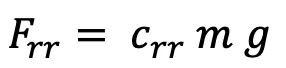
where crr is the rolling resistance coefficient,
m is the total mass of the vehicle (mass on tires),
and g is the gravitational force experienced.
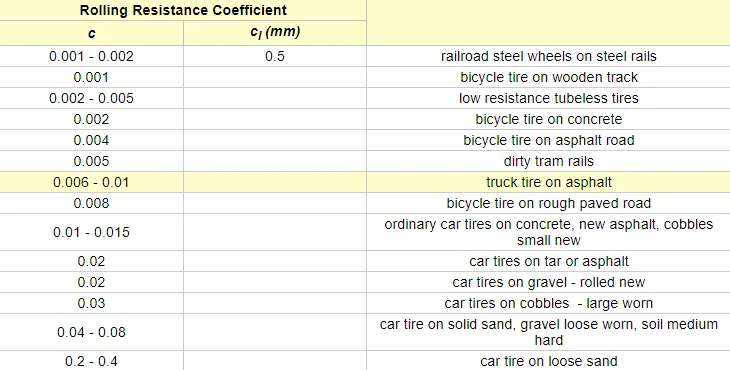
The wheel design, rolling surface, wheel diameters, etc., all have a significant impact on the rolling resistance coefficient.
List of some of the general or universal rolling resistance coefficient is shown in table below
Tyre Pressure:
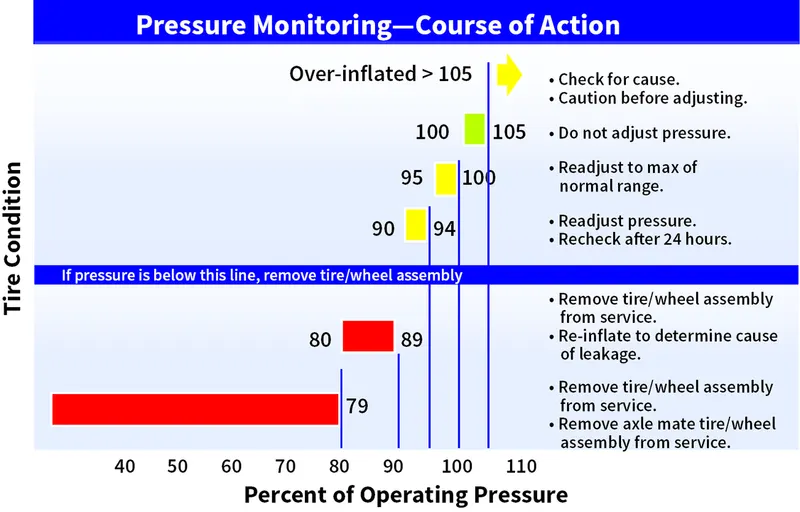
In order to maximize tire utilization and reduce threats to safe operations, it is essential for pre-flight and routine maintenance inspections that the aircraft tires are correctly inflated. Regarding recommended inflation pressure, load, and speed, aircraft tires, and passenger car/truck tires differ significantly. While aviation tires can not reach thermal equilibrium, passenger vehicle and truck tires can function constantly. An airplane tire will continue to heat up until it fails if it repeatedly taxis at rated load and 40 mph. The high deflections (the difference between the unloaded and loaded tire section height) that aviation tires operate at are the cause of the failure to establish thermal equilibrium. extreme inflation Relatively small tires can support the heavy load of an airplane thanks to high inflation pressure and high deflection rates that are 2.5 times larger than those of a vehicle tire.
The operating conditions of the tire w.r.to the tire pressure is shown in the figure below:
Brake Forces while Landing:
The brakes used in the aircraft while landing is as follows:
- Aircraft Disc Brakes: When the wheels are on the ground, it is utilized to brake the wheels. Both hydraulic and pneumatic systems are used to operate these brakes. They are often turned on by the upper portion of the rudder pedals in modern airplanes (toe brakes). Some vintage airplanes employ the bottom section instead of (heel brakes). Several airplanes employ levers. Differential braking is a capability that most airplanes have.
- Air Brakes: When they are engaged, air brakes or speed brakes cause the aircraft to slow down more quickly. These settings are much more responsive and quick, making power and glide slope modifications on approach more quickly with speed brakes applied. They produce a drag that requires a high-power setting.
- Thrust Reversers: The rate of deacceleration during the initial stages of a landing roll or a rejected takeoff from a high speed can be significantly increased using this technique on a jet aircraft. On low-wing aircraft with mounted engines, reverse thrust should only be used when the aircraft is on an active runway.
- Large Drogue Parachutes: Is a parachute made to be released from a moving object quickly. It can be used as a pilot parachute to launch a bigger parachute, slow down the speed, or offer control and stability.
___________________________________________________________________________________
PART-B
6) A) With necessary assumptions, calculate the force and power required to push/pull an aircraft by a towing vehicle.
Ans: The forces that are involved in the Push and pull of an aircraft by a towing vehicle are also discussed above such as
- Aerodynamic Drag: The aerodynamic force that resists a moving body is called drag. Actually, it is the obstruction to body movement that the air presents. Therefore, as an automobile moves, it actually moves the air, which has an impact on the car's performance and speed. Aerodynamic Drag is always kept as low as it can be by manufacturers. This is because the performance and efficiency of the vehicle are negatively impacted by this force. While a raindrop shape has the least amount of drag, some cars' upright position gives it a drag coefficient of 1.30. The equation of this force is given as follows:
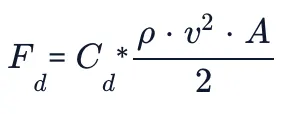
where Cd is drag coefficient which is unitless,
ρ is the air density, v is airflow velocity,
and A is the cross-section area/frontal area of the vehicle.
- Rolling Resistance: As discussed earlier the rolling resistance force acts as a resistive force against the movement of the vehicle and the surface on which it is moving.
where Crr is the rolling resistance coefficient,
m is the total mass of the vehicle (mass on tires),
and g is the gravitational force experienced.
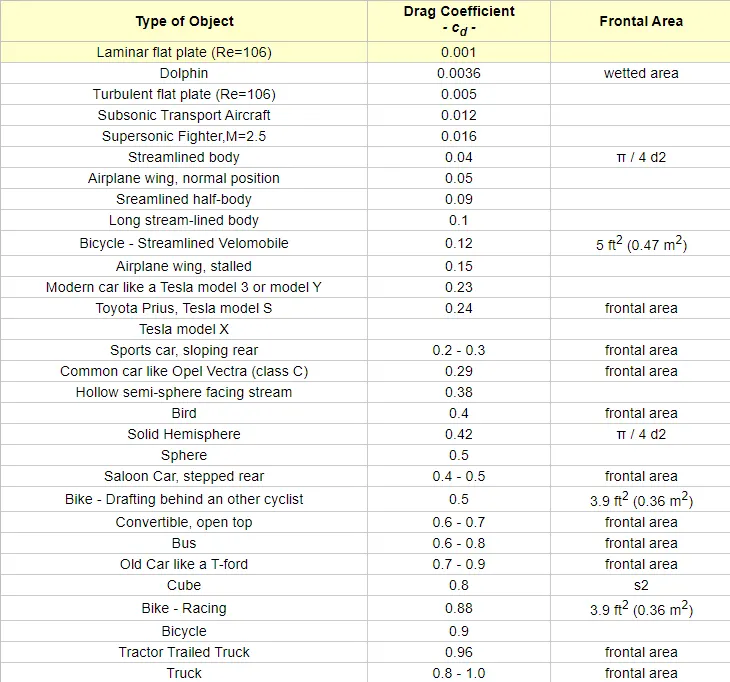
The Drag coefficient of various types of vehicle or surface contact is given in the table below
Calculation:
Assumption:
Towing Vehicle Mass(kg) - 50000 kg
Mass of the aircraft which act as a payload to the Towing Vehicle(kg) - 150000 kg
Therefore, Total Mass of the towing vehicle(m)=150000+50000 = 200000 kg.
Frontal Area of the vehicle(A) = 20m^2
Speed of the vehicle(v) = 20kmph.
In m/sec;
Speed of the vehicle(v) = 20*5/18 = 5.556m/sec
Rolling Resistance Co-efficient (Crr) = 0.01
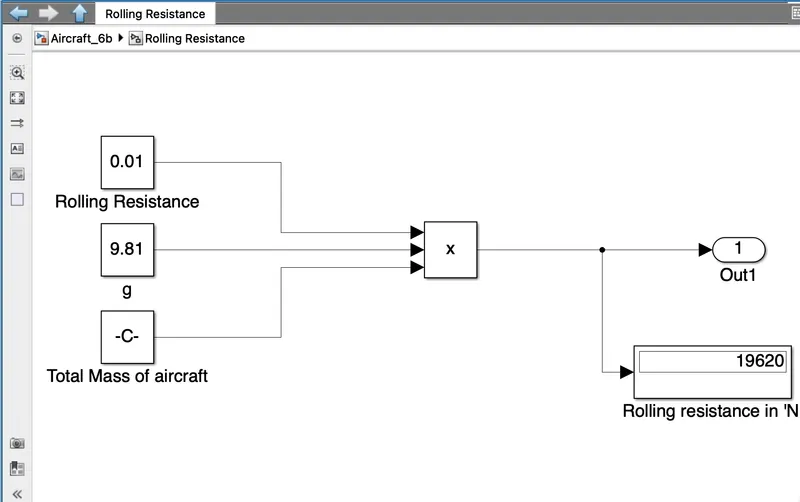
Now, Rolling Resistance Force (Frr) = Crr*m*g
=0.01*200000*9.81
= 19,620N.
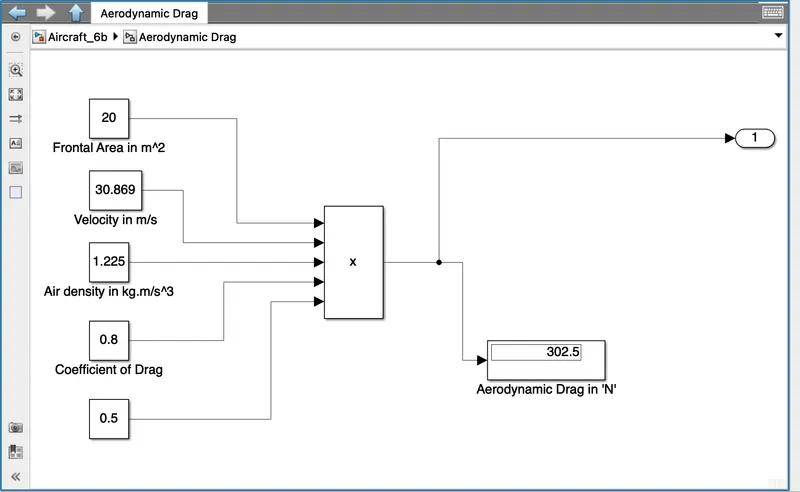
Similarly, for Aerodynamic Drag:
Coefficient of Drag for the towing vehicle (Cd_v) = 0.65
Coefficient of Drag for the aircraft (Cd_a) = 0.15
Total Cd = Cd_v + Cd_a = 0.8
Air Density (ρ) = 1.225kg/m3
Now, Aerodynamic Drag (Fad) = 0.5*Cd*v2*ρ">ρ*A
= 0.5*0.8*(5.556^2)*1.225*18
= 272.27N
Therefore, Total Force Required to Push/Pull the aircraft by the Towing Vehicle is:
= Frr + Fad
= 19,620+272.27
= 19,892.27N
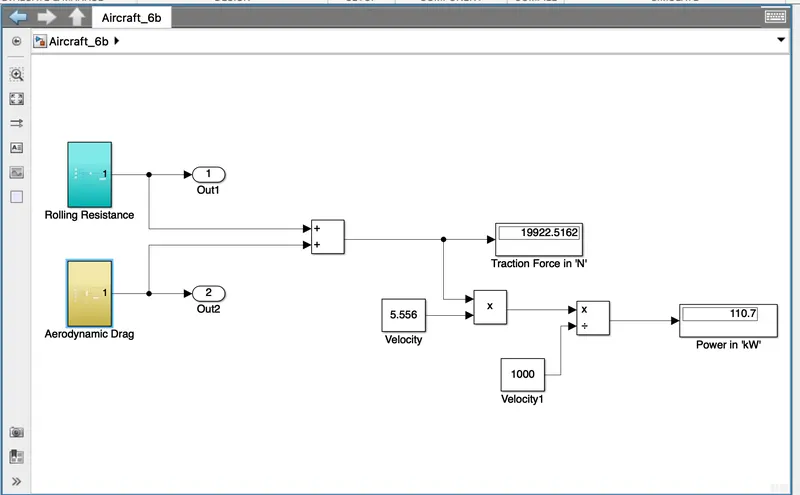
Power calculation:
= Frr * v
= 19,892.27 * 5.556
= 110521.48 W
= 110.5 KW.
B) Develop the model for the calculated force and power using Simulink.
- Rolling Resistence Force Calculation sub-system
- Aerodynamic Drag Calculation sub-system
- Power Calculation
__________________________________________________________________________________
7)
A) Design an electric powertrain with type of motor, it’s power rating, and energy requirement to fulfill aircraft towing application in Simulink. Estimate the duty cycle range to control the aircraft speed from zero to highest. Make all required assumptions. Prepare a table of assumed parameters. Draw a block diagram of powertrain.
| Assumption for Powertrain Design | |
| Parameter | Value |
| Aircraft Mass | 150000 Kg |
| Towing Vehicle Mass | 50000 Kg |
| Rolling Resistance Co-efficient | 0.01 |
| Air Density | 1.225 Kg/m^3 |
| Towing Vehicle Drag Co-efficient | 0.65 |
| Aircraft Drag Co-efficient | 0.15 |
| Frontal Area | 20 m^2 |
| Inclination Angle | 0 rad |
| Tyre Pressure | 196 PSI/13.51 bar |
| Towing Velocity(V) | 10 Km/hr = 2.778 m/s |
| Towing Time(t) | 2 min |
| Radius of the Towing Vehicle Wheel | 0.4 m |
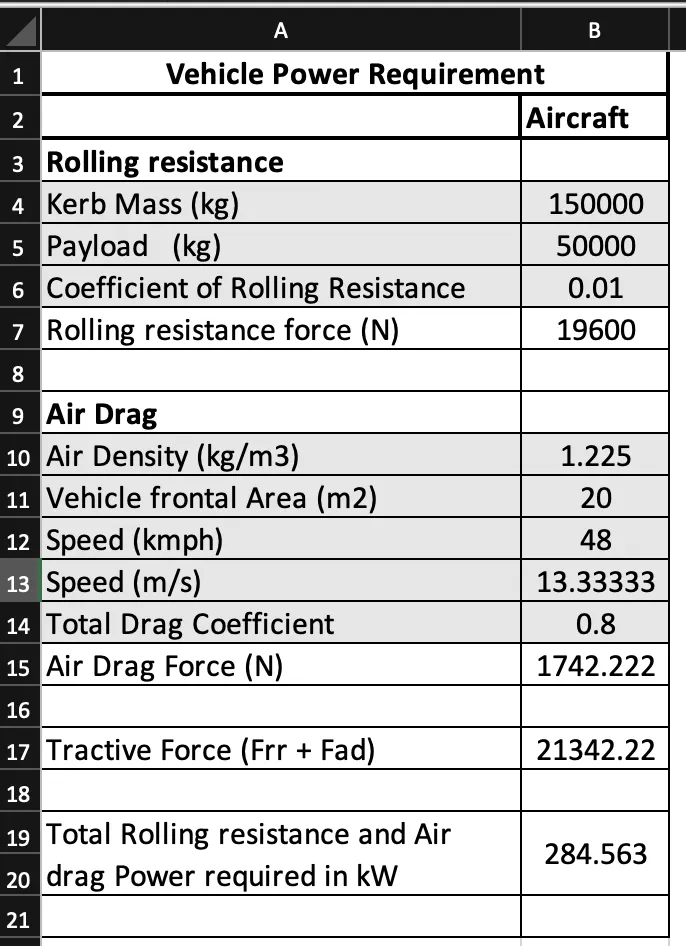
Now from the above calculation we get the Total Force acting on the Vehicle as:
Total Traction Force(F) - 21342.2N
Power Required (P) - 284.56 kW
Now, The Torque required by the vehicle to move is given by:
Torque(T) - Force(F)*Radius of the Wheel(R)
Therefore, T =21342.2*0.4
= 8536.889 Nm
The Energy required by the vehicle for Towing application is given by:
Energy(E) = Power(P)*Towing Time
= 284.56*2/60
= 9.48 kWh
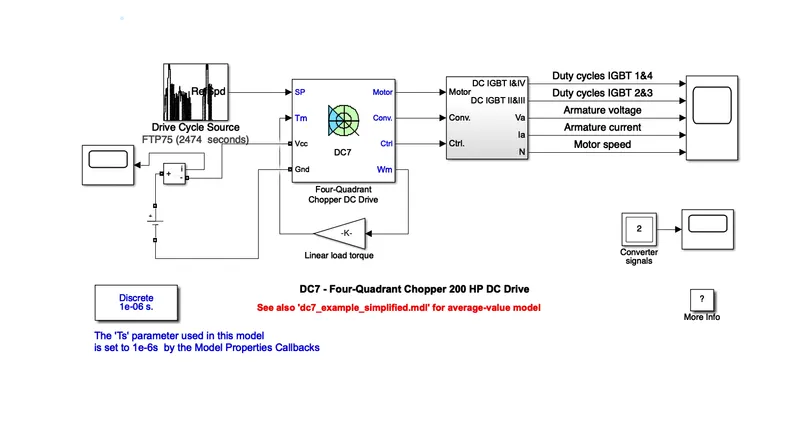
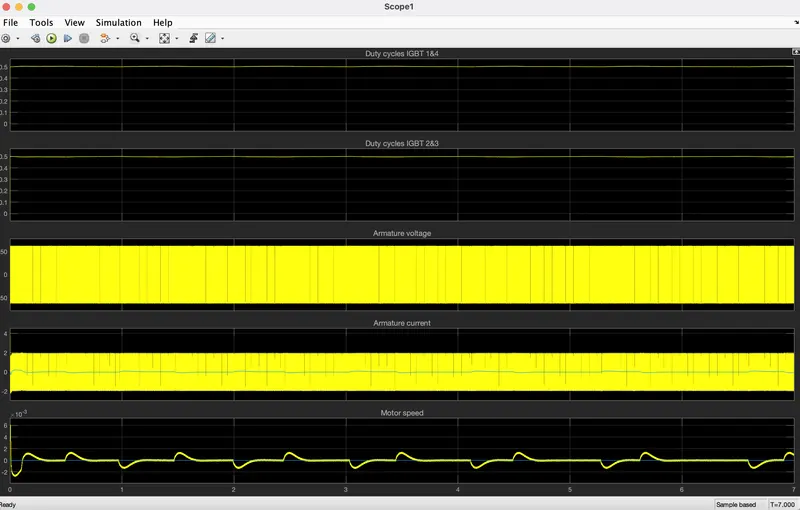
__________________________________________________________________________________
7)
B) Also, Design the parameters in excel sheet.
___________________________________________________________________________________