Project-1: Powertrain for aircraft in runways
PART-A
1.List out the total weight of various types of aircrafts :
There are many factors that lead to efficient and safe operation of aircraft. Among these vital factors are proper weights and balance control.
The difference between the maximum taxi/ramp weight and the maximum take-off weight (maximum taxi fuel allowance) depends on the size of the aircraft, the number of engines, APU operation, and engines/APU fuel consumption, and is typically assumed for 10 to 15 minutes allowance of taxi and run-up operations.
Maximum design take off weight (MDTOW OR MTOW) :
The maximum design takeoff weight is the maximum certificated design weight for takeoff run as limited by aircraft strength and airworthiness requirements.
Maximum design landing weight (MDLW OR MLW) :
The Maximum design landing weight is the maximum certificated design weight for landing limited by aircraft strength and airworthiness requirements. It generally depends on the landing gear strength or the landing impact loads on certain parts of the wing structure.
MDTW>MDTOW>MDLW
Air-Craft gross weight :
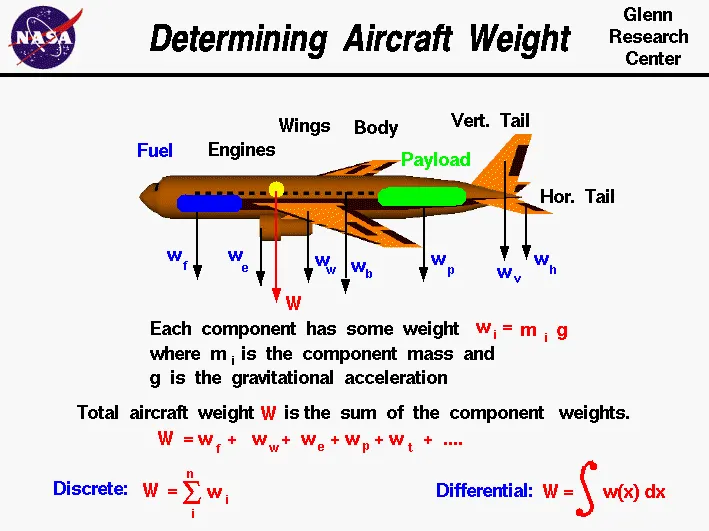
It is the total aircraft weight at any moment during the flight or ground operation. This decreases during flight due to fuel and oil consumption.The gross weight of the wehicle is gives in the maximum take off weight of the vehicle.The total weight W of the aircraft is simply the sum of the weight of all of the individual components.
W = w(fuselage) + w(wing) + w(engines) + w(payload) + w(fuel)
There are a number of ways to identify aircraft by type. The primary distinction is between those that are lighter than air and those that are heavier than air.
lighter than air :
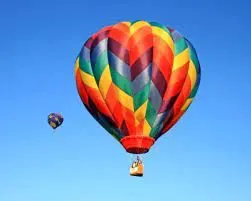
Aircraft such as ballons, nonrigid and dirigibles are designed to contain within their structure a sufficient volume that, when filled with a gas lighter than air (heated air, hydrogen, or helium), displaces the surrounding ambient air and floats, just as a cork does on the water. Balloons are not steerable and drift with the wind.
hot ballons are mostly around 70kg of weight without passengers.
Heavier than air :
This type of aircraft must have a power source to provide the thrust necessary to obtain lift. These are usually a flat-surfaced structure, often with a stabilizing “tail,” attached by a bridle to a string that is held in place on the ground. Lift is provided by the reaction of the string-restrained surface to the wind.
Heavier than air aircraft, or aerodynes, include autogyros, helicopters and gyrocopters, and conventional fixed-wing aircraft (aeroplanes).
Helicopters can weigh from 600 lb/275 kg all the way up to 123,400 lb/56,000 kg .
Another type of unmanned aircraft is the unmaned aerial vehicle (UAV), commonly called drones or sometimes remotely piloted vehicles (RPVs). These aircraft are radio-controlled from the air or the ground and are used for scientific and military purposes.
Typically helicopters weights vary from 270kg to 50000 kgs.
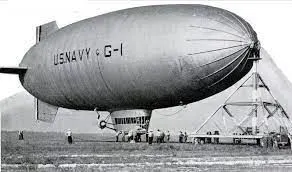
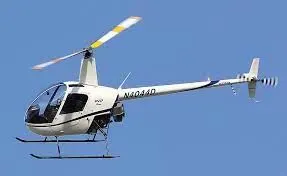
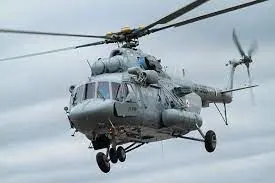
| Aircraft | Empty Weight | Max Fuel Weight | Max Cargo Weight | Max Gross Takeoff Weight |
|---|---|---|---|---|
| Antanov AN-225 | 628,000 lbs 285,000 kg |
661,400 lbs 300,000 kg |
417,000 lbs 190,000 kg |
1,411,000 lbs 640,000 kg |
| Airbus A380-800 | 611,000 lbs 277,000 kg |
560,000 lbs 254,000 kg |
185,000 lbs 84,000 kg |
1,268,000 lbs 575,000 kg |
| Boeing 747-800 | 485,300 lbs 220,100 kg |
427,400 lbs 194,000 kg |
295,000 lbs 134,000 kg |
987,000 lbs 447,700 kg |
| Airbus A340-500 | 370,000 lbs 168,000 kg |
386,300 lbs 175,000 kg |
119,000 lbs 54,000 kg |
820,000 lbs 372,000 kg |
| Boeing 777-300ER | 370,000 lbs 168,000 kg | 320,800 lbs 145,500 kg | 148,000 lbs 67,100 kg |
776,000 lbs 352,000 kg |
| Boeing 787-10 | 299,000 lbs 135,500 kg | 223,500 lbs 101,500 kg |
126,300 lbs 57,300 kg | 560,000 lbs 254,000 kg |
| Boeing 737-900 | 98,500 lbs 44,700 kg |
53,100 lbs 24,000 kg |
44,600 lbs 20,200 kg |
187,000 lbs 85,000 kg |
| Airbus A320-100 | 93,900 lbs 42,600 kg |
48,700 lbs 22,100 kg |
44,000 lbs 20,000 kg |
150,000 lbs 68,000 kg |
| Embraer 190 | 63,500 lbs 28,800 kg |
28,600 lbs 13,000 kg |
28,800 lbs 13,100 kg |
106,000 lbs 48,000 kg |
| Gulfstream G650 | 54,000 lbs 24,500 kg | 48,200 lbs 21,900 kg | 6,500 lbs 3,000 kg |
100,000 lbs 45,200 kg |
| Bombardier CRJ900 | 48,160 lbs 21,850 kg | 19,600 lbs 8,900 kg | 6,075 lbs 2,760 kg | 80,500 lbs 36,500 kg |
| Bombardier Q400 | 39,300 lbs 17,800 kg |
11,700 lbs 5,300 kg |
18,700 lbs 8,500 kg |
62,000 lbs 28,000 kg |
| Learjet 75 | 13,900 lbs 6,300 kg | 6,060 lbs 2,750 kg |
2,900 lbs 1,300 kg |
21,500 lbs 9,700 kg |
| Cessna Citation CJ4 | 10,300 lbs 4,700 kg | 5,800 lbs 2,650 kg |
2,200 lbs 1,000 kg | 17,200 lbs 7,800 kg |
| Beechcraft King Air B100 | 7,100 lbs 3,200 kg | 3,200 lbs 1,450 kg |
4,150 lbs 1,900 kg |
12,000 lbs 5,400 kg |
| Diamond DA50 RG | 3,200 lbs 1,450 kg |
340 lbs 155 lbs |
1,250 lbs 560 kg |
4,400 lbs 2,000 kg |
| Beechcraft Bonanza G36 | 2,500 lbs 1,150 kg | 450 lbs 200 kg |
850 lbs 385 kg |
3,660 lbs 1,660 kg |
| Cessna 206H | 2,200 lbs 990 kg |
520 lbs 235 kg |
1,150 lbs 520 kg |
3,600 lbs 1,630 kg |
| Sirrus SR22 | 2,250 lbs 1,000 kg | 485 lbs 220 kg |
950 lbs 430 kg |
3,600 lbs 1,630 kg |
| Cessna 172R | 1,700 lbs 770 kg |
380 lbs 170 kg |
560 lbs 255 kg |
2,425 lbs 1,100 kg |
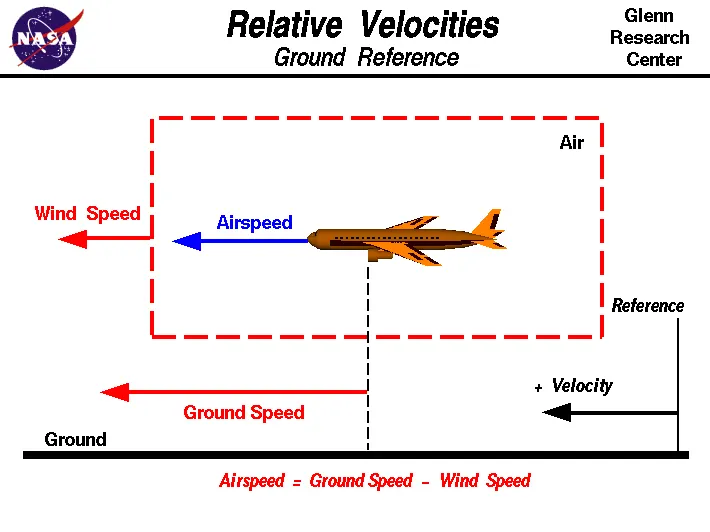
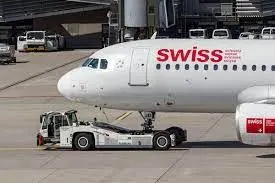
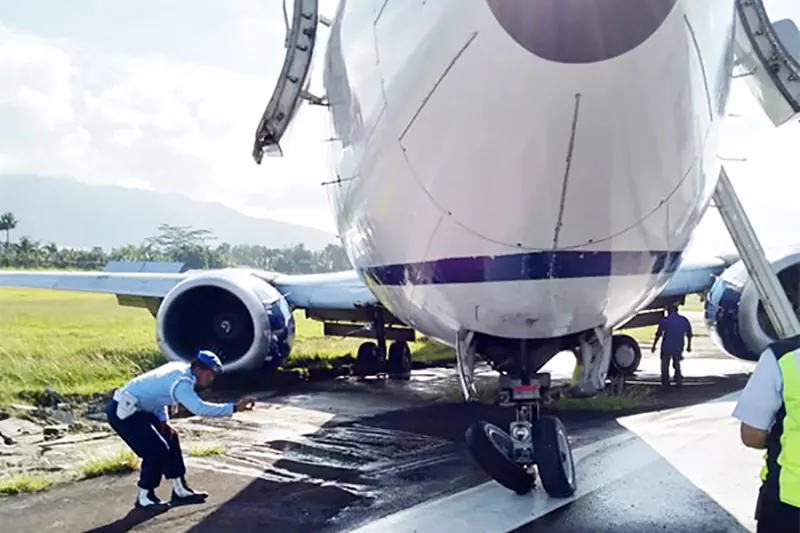
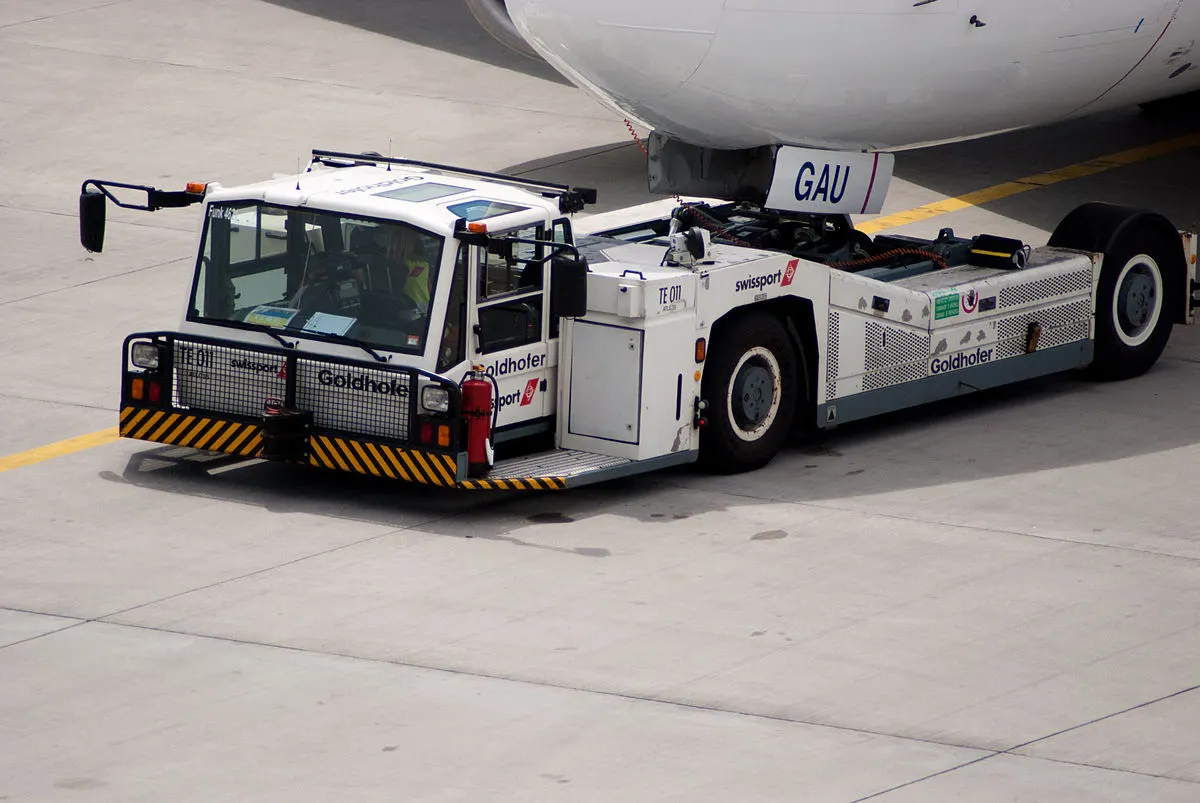
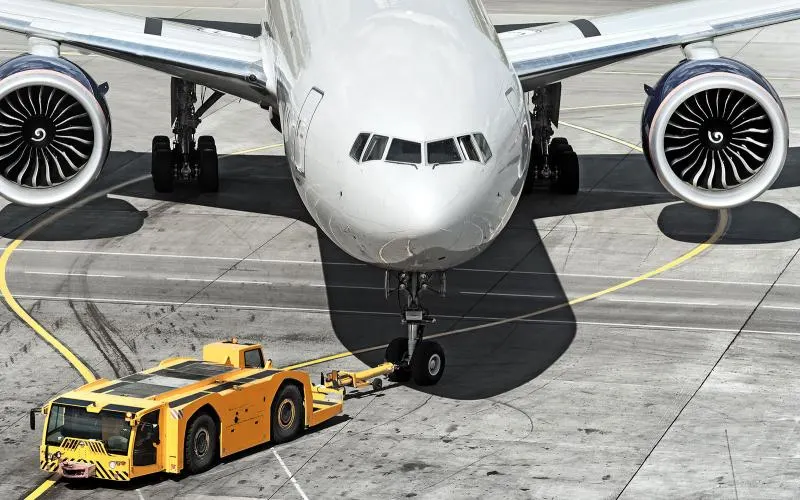
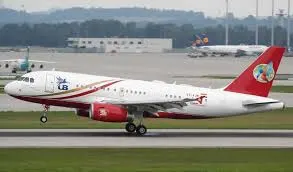
- When it comes to saftey tyres are one of the most important components of aircraft.They help to absorb the shock of landing and provide cushioning. It also provides the necessary traction for braking and stopping of an aircraft.An aircraft tyre is designed to withstand extremely heavy loads while landing, take off, taxing, and parking.The number of wheels required for aircraft increases with the weight of theaircraft, as the weight of the aeroplane needs to be distributed more evenly.
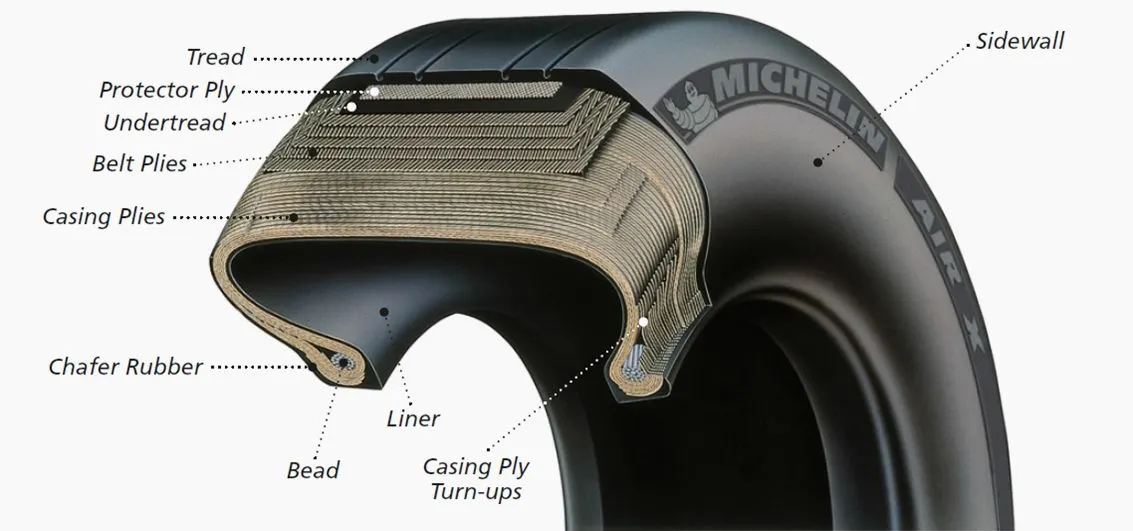
Carcass plies are used to form the tire. They are sometimes called casing plies. An aircraft tyre is constructed for the purpose it serves.
The carcass ply is comprised of thin textile fiber cables that are bonded into the rubber. These fiber cables are largely responsible for determining the strength of the tire.
- They support the weight of an aircraft while it is on the ground.
- It also provides the necessary traction for braking and stopping of an aeroplane.
- Tyre also helps to absorb the shock of landing and provide cushioning the roughness of takeoff, roll-out, and taxi operations.
some of the techincal asspects of the air craft tyre :
Retreading – Retreading is methods of restoring a worn tyre by renewing the tread area or by renewing the tread area plus one or both sidewalls. Repairs are included in the tyre retreading process.
Load Rating – Load rating is the maximum permissible load at a specified inflation pressure.
Ply Rating – Ply Rating is used to identify the maximum recommended load rating and inflation pressure for a specified tyre. It is an index of tyre strength.
Speed Rating – The speed rating is the maximum takeoff speed to which the tyre has been tested.
Skid Depth – Skid depth is the distance between the tread surface and the deepest groove as measured in the mould.
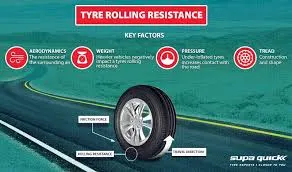

The large frictional forces generated during braking cause the pads to wear and so careful inspection and maintenance of the system is required to ensure the brakes continue to operate as designed.Brakes are usually hydraulically actuated, but in some cases may be operated through a mechanical actuation system.
Traditionally, brakes are fitted to the upper half of the rudder pedals and are actuated through the pilot applying pressure to the top of each pedal. This toe-brake configuration is widely used and allows the pilot to apply differential braking by varying the pressure applied on each toe brake.
Many smaller light sport aircraft do not make use of toe brakes, preferring to use a simpler single lever mechanism.
There are several types of brakes for aircraft, some are mentioned below...,
1.Disc brakes :
Disc brakes are the most common braking system in use today and consist of a disc which rotates with the wheel and a stationary brake calliper which actuates onto the disc to affect a braking force. The calliper is the name given to the assembly that contains the brake pads and piston(s). The pads are connected to the piston which actuates under hydraulic pressure applied either through a toe brake or a brake lever in the cockpit.
2.Expander tube brakes :
An older technology used predominantly on aircraft manufactured between 1930 and 1950, expander tube brakes are a low-pressure braking system that has now largely been replaced by disc brakes. The basic design consists of a lightweight frame attached to the outer section of a rubber tube. The frame and tube sit inside a wheel drum and a number of brake blocks are attached to the frame which provides the braking surface. The rubber tube is inflated during braking which pushes the brake pads onto the inside of a wheel drum, generating the friction necessary to slow the aircraft.
PART-B
6A.Calculate the force and power required to push / pull an aircraft by a towing vehicle :
To propell any vehicle we need to overcome several opposite forces acting on the same vehicle .
The actual forces acting on the vehicle varies from place to place.
Let us consider the regular runway the oposite forces are acting to propel the vehicle are
Rolling resistance force (Frr)
and aerodynamic drag force.(Fad)
there is no grade so hill climbing force (Fhc)is neglected.
The sum these forces is actual or total force (Fte) to overcome to propel the vehicle.
Frr=m.g.μrr;
Fad=1/2*ρACdv^2;
where,
m-mass of the vehicle(kg)
g-gravitational constant.(kg/m^2)
μrr-rolling resistance
ρ-air density(kg/m^3)
A-frontal area(m^2)
Cd-aero drag coefficient
v-velocity of the vehicle(m/s)
Fte=Rolling resistance force (Frr)+aerodynamic drag force.(Fad)
Fte=mgμrr+1/2*ρACdv^2
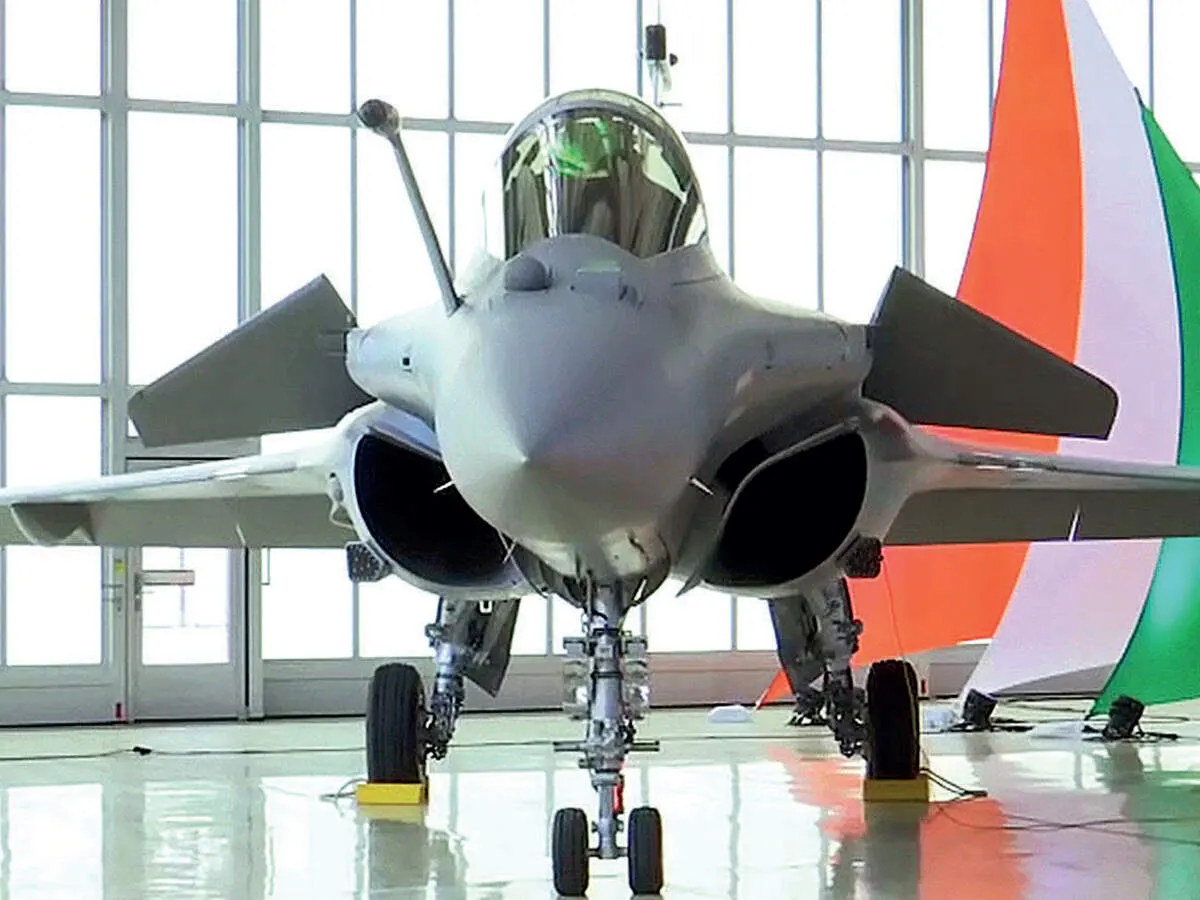
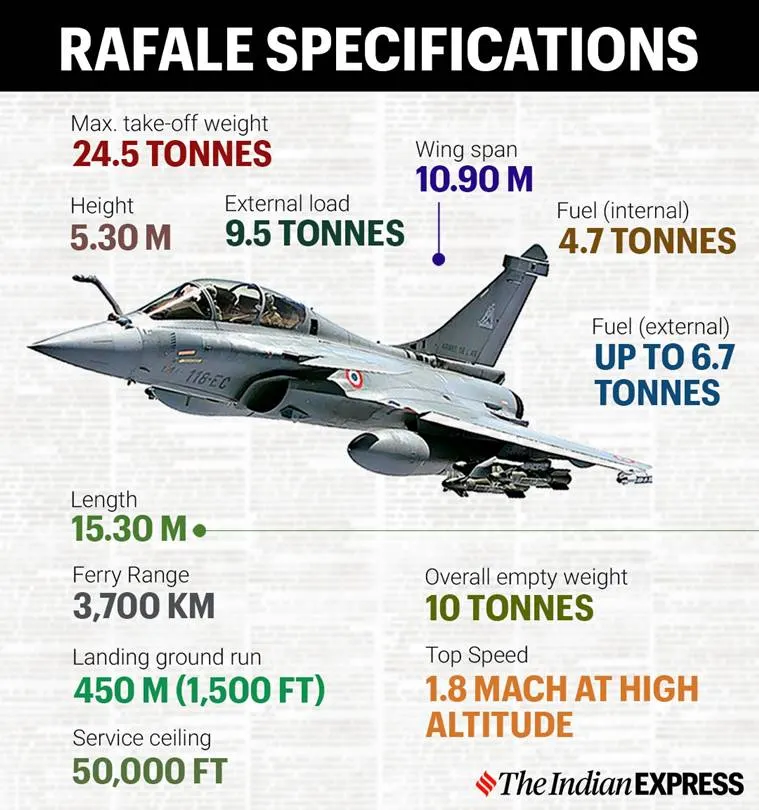
assume any vehicle(aircraft ):
some of the asumptions are :
mass of the aircraft (ma)=24500kg;
mass of the towing vehicle=10000kg;
gravitational constant(g)=9.81m/s^2;
rolling resistance(μrr)=0.05;
air density(ρ)=1.5kg/m^3;
frontal area (A)=10m^2;
aero drag coefficient(Cd)=0.4+0.2=0.6;
velocity(v)=21.6km/hr=6m/sec
Frr=mgμrr
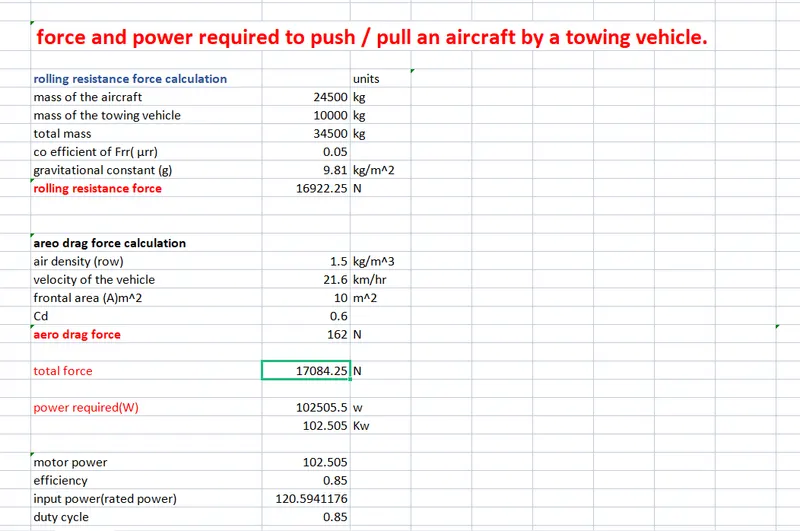
=(24500+10000)*9.81*0.05
=16922.25N
Fad=1/2*ρACdv^2
=0.5*1.5*10*0.6*6^2
=162N
Fte=mgμrr+1/2*ρACdv^2
=16922.25N+162N
=17084.25N
force required to pull or push the vehicle Fte=7909.9488N
torque at the wheels =force *radius
=17084.25*0.2(tire radius=0.2m)
=3416.85Nm
power required to pull the vehicle;
we know;
power(p) =force *velocity
=Fte*v
=17084.25*6
=102505.5watts
=102.505kw
The power required to propell the vehicle is 102.505kw.
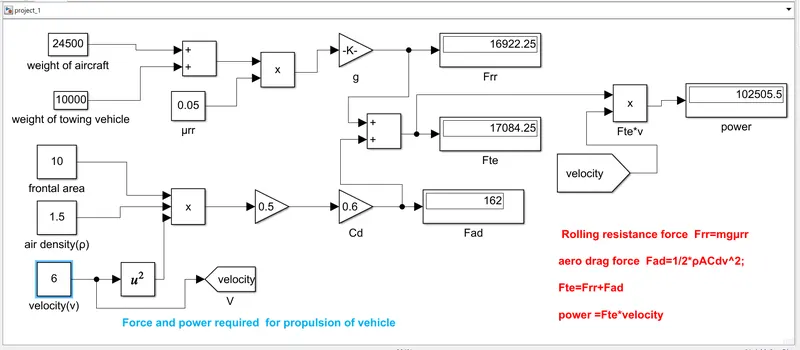
Frr=mgμrr;
Fad=1/2*ρACdv^2;
m-mass of the vehicle(kg)
μrr-rolling resistance
ρ-air density(kg/m^3)
A-frontal area(m^2)
v-velocity of the vehicle(m/s)
Gain block : This block is multiply the input with the gain value.
This block is used for
g-gravitational constant.(kg/m^2)
Cd-aero drag coefficient
Display : which results the output of the equations ie, forces and power.
Tags : Used to tag the data between the blocks.(goto &from)
| parameter | assumption |
| mass of the aircraft (ma) | 24500kg |
| mass of the towing vehicle | 10000kg |
| rolling resistance(μrr) | 0.05 |
| air density(ρ) | 1.5kg/m^3 |
| frontal area (A) | 10m^2 |
| aero drag coefficient(Cd) | 0.6 |
| velocity(v) | 21.6km/hr=6m/sec |
| gravitational constant(g) | 9.81m/s^2 |
Power train model designed in simulink :
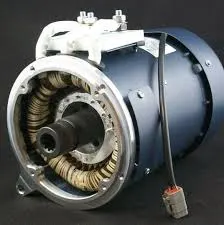
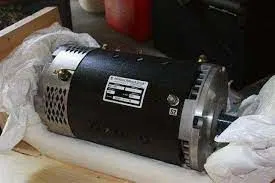
The below model represents the simple powertrain model for aircraft on the run way.In general the power train consists of the battery (source), motor ,motor controller ,
This model consists of battery,four quadrant chopper dc drive (DC) The main purpose of the dc drive is it consists the controller also.
The dc 7 model is reference for the powertrain for the for aircraft on runway.
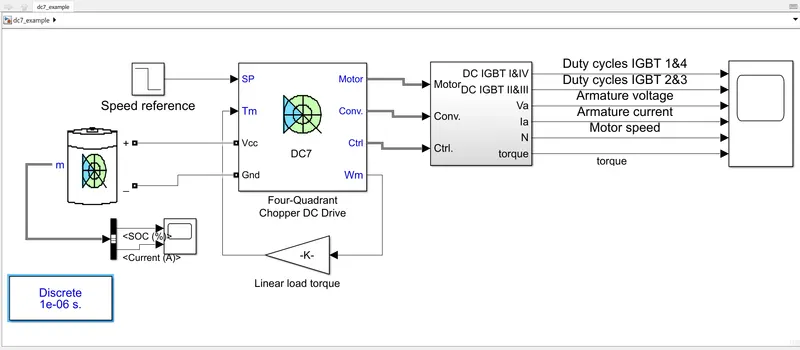
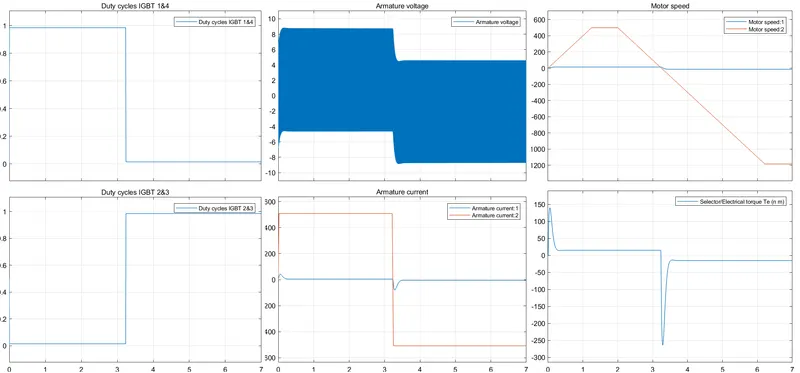
These are the plots for above powertrain :
The plot consists of the duty cycles of the contoller igbt swithes,
Armature voltage of the motor
armature current of motor
motor speed .and torque.