Project-1: Powertrain for aircraft in runways
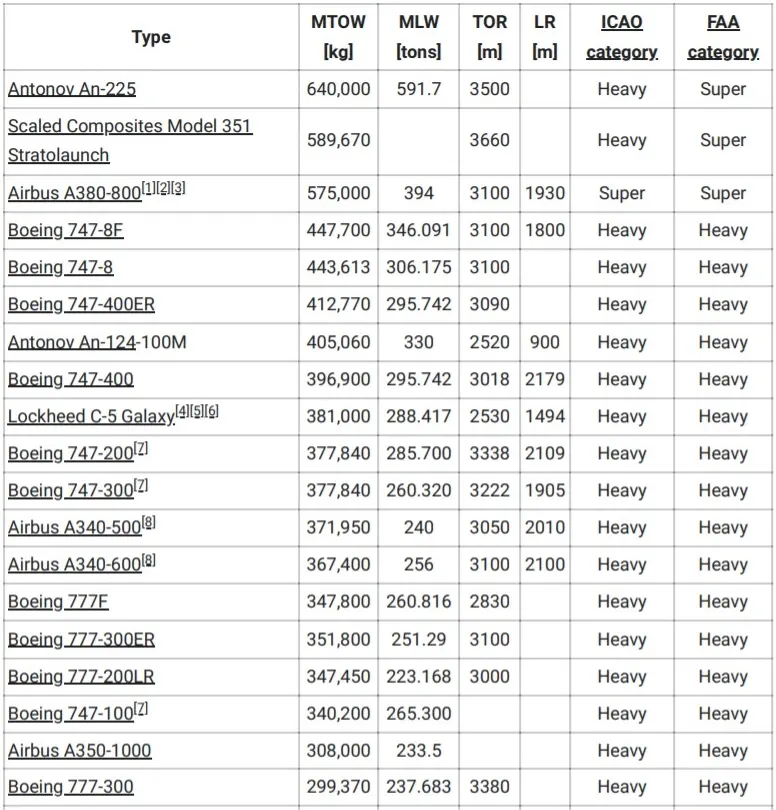
1.List of total weight of various types of aircrafts.
a) Aerostat:
The aircraft lighter than the air. Which means it uses Helium, hydrogen and hot air as fuel. These gases density is lesser than the surrounding air density. they just float in air like ships in water.
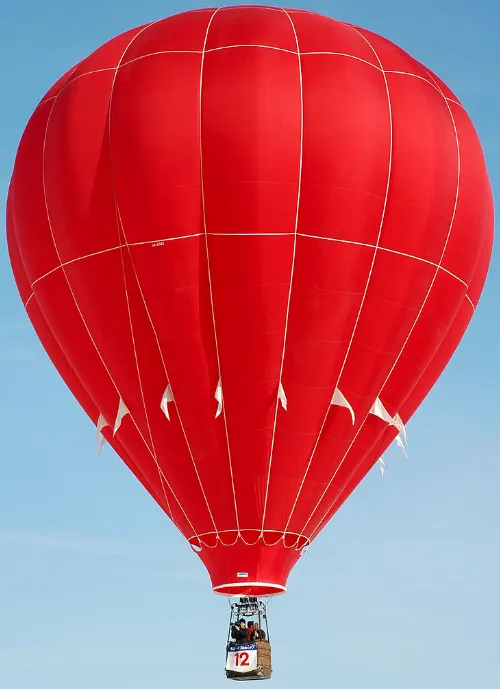
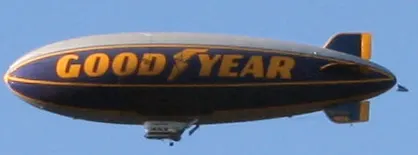
example: Hot air Balloons Air ships and hybrid aerostats.
- Maximum Weight of Aerostats=1600 Kgs.
Powered Aircraft:Powered aircraft have one or more onboard sources of mechanical power.Most aircraft engines are either lightweight reciprocating engines or gas turbines. Engine fuel is stored in tanks, usually in the wings but larger aircraft also have additional fueltanks.
B). Aerodyne: The Aircrafts which are Heavier than the Air. By Pushing Air downwards so that by Newton's third law aircraft move upwards. It uses Diesel for Propulsion) to fly.
Example:
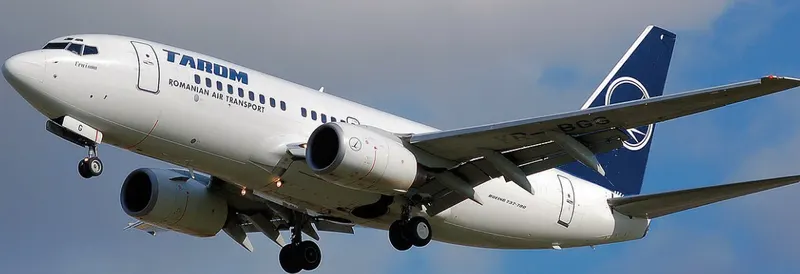
Aeroplane: This is a engine driven aerodyne that achieves lift from the dynamic action of air against fixed wings. used for carrying passengers and goods
Weight: 6,40,000 Kgs
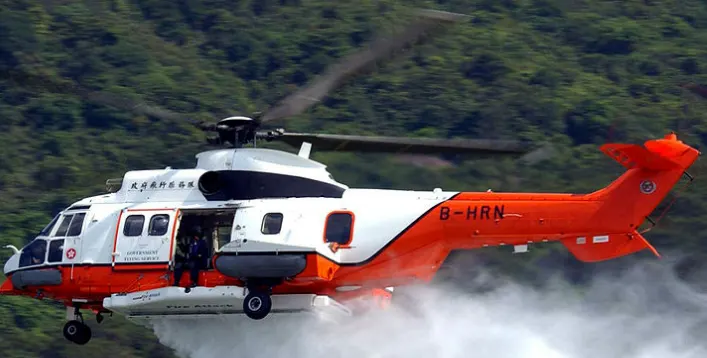
Rotary wing aircraft: I is also engine driven aerodyne with rotary wings. Used for military and rescue operations as it fly nearer ground level.
Take off Weight: 700Kgs for VSR700 Rotary wing.
Empty Weight: 400kgs
Unpowered Air craft: Does not use any fuel for propulsion.
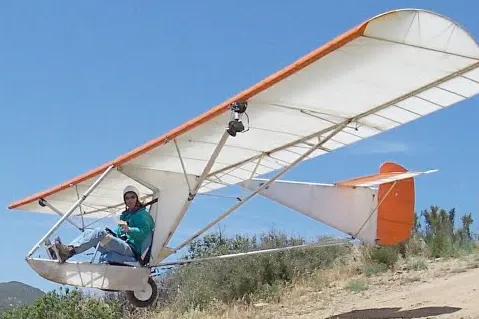
Gliders/sailplane: A glider is a fixed wing aircraft that is supported in flight by the dynamic reaction of the air against its lifting surfaces, and does not depend on an engine. It contains a small engine for starting purpose and fly in air by manpower.used for safe landing from hill mountains to land.
Weight: Maximum weight is around 200Kgs
Propeller aircraft:
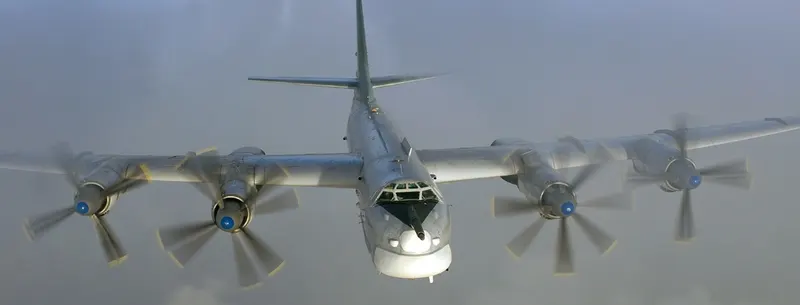
A propellor or comprises a set of small, wing-like aerofoil blades set around a central hub which spins on an axis aligned in the direction of travel. The blades are set at a pitch angle to the airflow, which may be fixed or variable, such that spinning the propeller creates aerodynamic lift, or thrust, in a forward direction.
Weight: empty weight:124000Kgs
Take off weight: 182000 Kgs
Jet Aircraft:
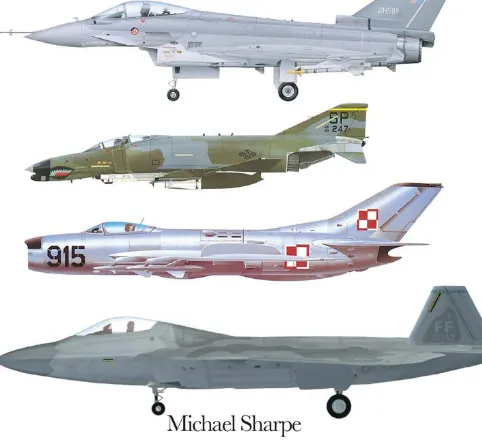
uses airbreathing jet engines which take in air, burn fuel with it in a combustion chamber, and accelerate the exhaust to provide thrust.
Compared to engines using propellers, jet engines can provide much higher thrust, higher speeds and, above about 40,000 ft (12,000 m), greater efficiency.
They are also much more fuel-efficient than rockets. As a consequence nearly all large, high-speed or high-altitude aircraft use jet engines.
Weight : 24.5 Tonnes
Different weights for AirCrafts:
MTOW: Maximum Take off weight.
MLW: Maximum Landing weight
TOR: Take off run
LR: Landing run
2.difference between ground speed and air speed.
| Ground Speed | Air Speed | |
|
|
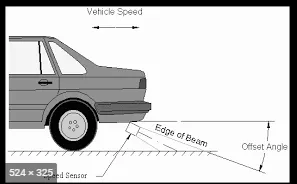
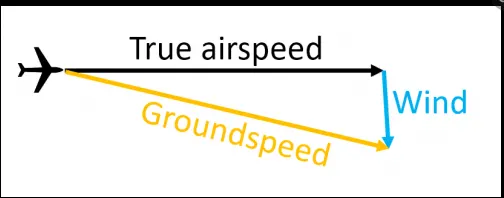
- Thus ground Speed is Speed of vehicle at wind velocity=0. It decribes the Power of Engine/Motor to Accelerate the vehicle.
- Air Speed is Speed of vehicle against the wind speed. It gives the speed of vehicle at different wind speeds.
In most of the vehicles speed determination air speed is considered as ground speed. As at ground level mostly wind speed is Zero.
But in Aircrafts Wind speed is considered as it always fly above the ground level.
Why is it not recommended to use aircraft engine power to move it on the ground at Airport?
3.Why is it not recommended to use aircraft engine power to move it on the ground at Airport?
In Most of the cases Aircraft uses its own engine Power at airport but due to below following reasons Aircraft needs of external source.
- The only time they use external assistance is to pushback from the gate. Large turbofan aircraft need help to reverse via a pushback tractor. The engines are turned on after the pushback is complete and the aircraft can move forward under It’s own power.
- Blasting jet reversers blows debris In the crowded gate area creating foreign object damage hazard for adjacent aircraft, gate equipment or terminal waiting area glass windows.
- It’s more expensive, not every ground crew is certified to start or taxi the aircraft. A tow vehicle is safer, easy to certify ground crews to hook up and tow and the unstarted engine is safer.
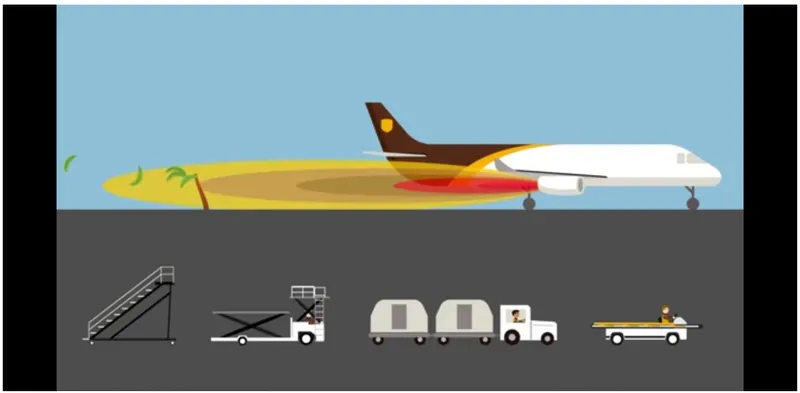
- Due to the noise and fumes plus they burn a lot of fuel. Sometimes they are towed into a spot due to it being a small parking space for safety.
4.How an aircraft is pushed to runway when its ready to take off?
- Mostly Aircraft uses its own engine power thrust to take off from the runway. sometimes aircraft uses pushback Tractor to set the exact position to aircraft for perfect takeoff.
- Rotation of Aircraft, When Aircraft is deviated from runway by a certain angle then it is corrected by a pushback tractor.
- To bring the aircraft From a parking lot to runway point when place is conjested and pilot cannot ssen nearby objects then external source is used.
Pushback Procedure:
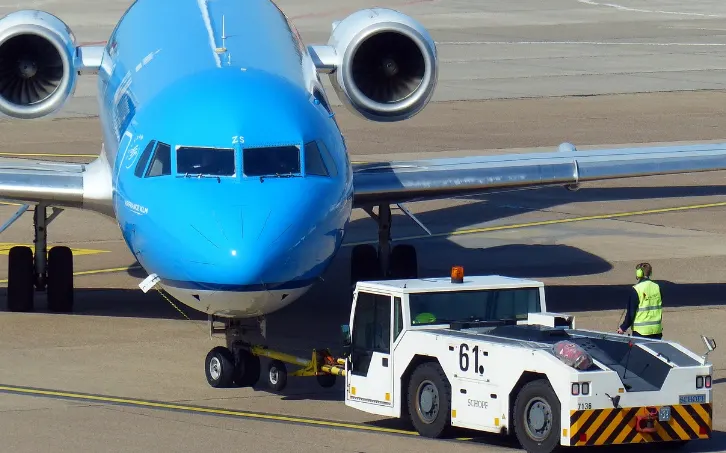
The pushback is an airport procedure during which an aircraft is pushed backwards away from an airport gate by external power.
Although many aircraft can also move backwards on the ground using reverse thrust , the resulting jet blast or prop wash may cause damage to the terminal building or equipment. Engines close to the ground may also blow sand and debris forward and then suck it in to the engine, causing damage to the engine.
A pushback using a tractor or tug is therefore the preferred method to move the aircraft away from the gate. All of the operations must be equipped with pushback tractors tugs which are completely reliable.
5. Take off power, tyre design, rolling resistance, tyre pressure, brake forces when landing.
Take-Off Power:
Take off is a phase of the aircraft which starts from leaving the ground and sustained in the air.
For light aircraft, usually full power is used during takeoff. Large aircraft may use a reduced power for takeoff, where less than full power is applied in order to prolong engine life, reduce maintenance costs and reduce noise emissions.
In some emergency cases, the power used can then be increased to increase the aircraft's performance.
Before takeoff, the engines, particularly piston engines, are routinely run up at high power to check for engine-related problems. The aircraft is permitted to accelerate to rotation speed (often referred to as Vr).
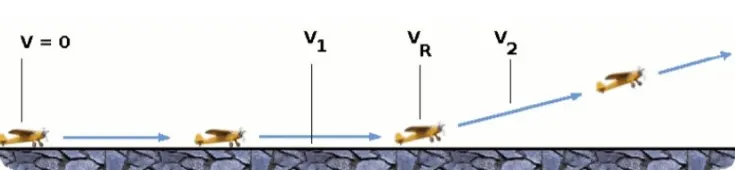
The nose is raised to a nominal 5°–15° nose up pitch attitude to increase lift from the wings and effect liftoff. For most aircraft, attempting a takeoff without a pitch-up would require cruise speeds while still on the runway.
The speeds needed for takeoff are relative to the motion of the air (air speed). A headwind will reduce the ground speed needed for takeoff, as there is a greater flow of air over the wings.
For a given aircraft, the takeoff speed is usually dependent on the aircraft weight; the heavier the weight, the greater the speed needed.[1] Some aircraft are specifically designed for short takeoff and landing (STOL), which they achieve by becoming airborne at very low speeds.
Power for aircraft:
T - Thrust Of Propulsion system pushing aircraft along the runway.
D - Aerodynamic drag of vehicle resisting the aircraft motion.
F - Rolling resistance friction due to the contact wheels or skids on the ground.
`(dV)/dt=(T-D-F)/m`
where `(dV)/(dt)` is the acceleration of aircraft along the Run Way and m is mass of the vehicle.
Tyre Design:
Tyre design is a important safety factor while take off and landing.They help to absorb the shock of landing and provide cushioning. It also provides the necessary traction for braking and stopping of an aircraft.
Carcass plies are used to form the tire. They are sometimes called casing plies. An aircraft tyre is constructed for the purpose it serves.
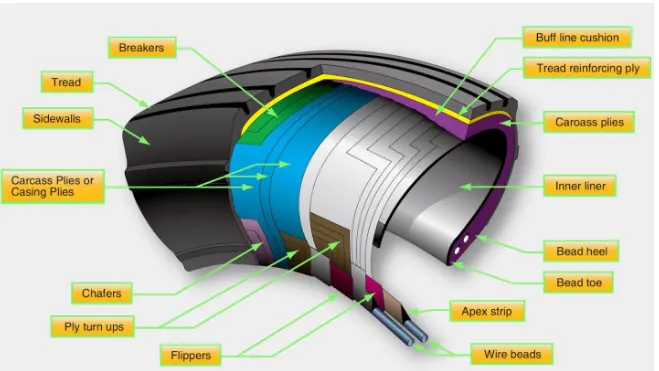
- They support the weight of an aircraft while it is on the ground.
- It also provides the necessary traction for braking and stopping of an aeroplane.
- Tyre also helps to absorb the shock of landing and provide cushioning the roughness of takeoff, roll-out, and taxi operations.
Unlike an automobile or truck tyre, it does not have to carry a load for a long period of continuous operation. However, an aircraft tyre absorbs the high impact loads of landing, and also it’s operating at high speeds for a short time when required.
Retreading – Retreading is methods of restoring a worn tyre by renewing the tread area or by renewing the tread area plus one or both sidewalls.
Load Rating – Load rating is the maximum permissible load at a specified inflation pressure.
Ply Rating – Ply Rating is used to identify the maximum recommended load rating and inflation pressure for a specified tyre. It is an index of tyre strength.
Speed Rating – The speed rating is the maximum takeoff speed to which the tyre has been tested.
Skid Depth – Skid depth is the distance between the tread surface and the deepest groove as measured in the mould.
- Aircraft tyres are manufactured with tread rubber with conducting compounds to permit earthing of static charges.
Each tyre manufacturer produces their own designs of the tyre with different tread patterns, wear patterns, wear limits etc, and in some cases, different names for the same part of the tyre. But all tyres must meet the approved standards before being accepted by the FAA or CAA.
All commercial aircraft tyres approved under FAA Requirement Technical Standard Order (TSO) C62. A TSO is a minimum performance standard for specified materials, parts, and appliances used on civil aircraft.
Rolling Resistance of Tyre:
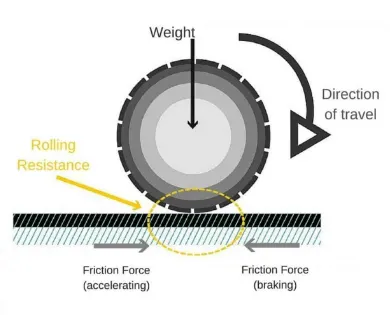
Tire rolling resistance is the force resisting the motion when a body rolls on a surface. Due to this force two loses are produced.
1.Energy loss due to heat (hystersis):
Hystersis loss depends on the type of material used for tyre manufacturing and the surface it rolls.
2. Permanent deformation of the object or surface: As heat produces which deforms the tyre or surface.
- As pressure decreases rolling resistance increases.
Force due to rolling resistance.
The "rolling resistance coefficient" is defined by the following equation:

- where
 is the rolling resistance force,
 is the dimensionless rolling resistance coefficient or coefficient of rolling friction (CRF), and
 is the normal force, the force perpendicular to the surface on which the wheel is rolling.
Tyre Pressure:
The only part which maintains contact with ground is Tyres. So, It is important to maintain tyre pressure which effects the overall vehicle efficiency.
Tyres should be neither underinflated nor overinflated but inflated to manufacturers recommended pressure.
If a tyre doesn’t have enough air for optimal use, we say the tyre is underinflated. Severely underinflated tyre is a tyre under inflated by 50 kPa (0.5 Bar or 7.25 psi ) or more below the recommended pressure.
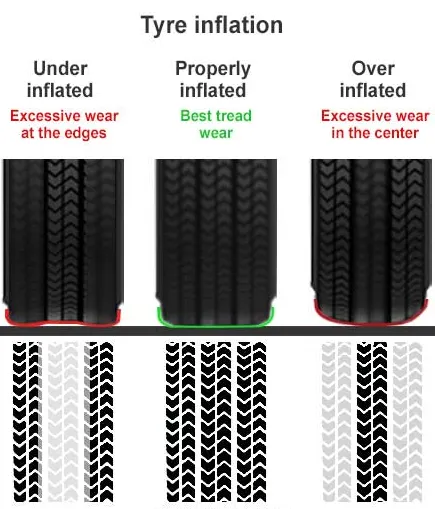
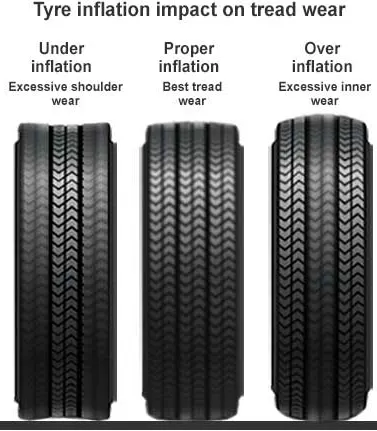
Substantial deviations from the recommended tyre pressure negatively affects tyre's physical properties. These weaknesses are manifested by:
- Excessive tyre wear
- Tyre damages
based on Tyre pressure, rolling resistance of tyre depends.
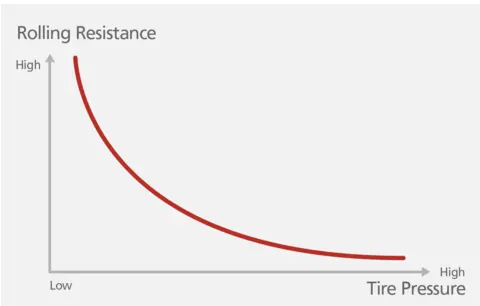
Tyre Pressure Impacts on Vehicle:
Maintaining the proper tire inflation pressure is crucial because it affects numerous vehicle and tyre performances, safety and environment:
- Handling
- Braking
- Tyre wear
- Tyre durability
- Tyre rolling resistance
- Fuel consumption
- Greenhouse gas emission
- Ride comfort
- Possible tyre blowouts
- Potential hydroplaning
Braking forces while landing Aircraft:
Aircraft Disc Brake in the landing gear used to brake the wheels while touching the ground. These brakes are operated hydraulically orpneumatically. In most modern aircraft they are activated by the top section of the rudder pedals (toe brakes).Levers are used in a few aircraft. Most aircraft are capable of differential braking.
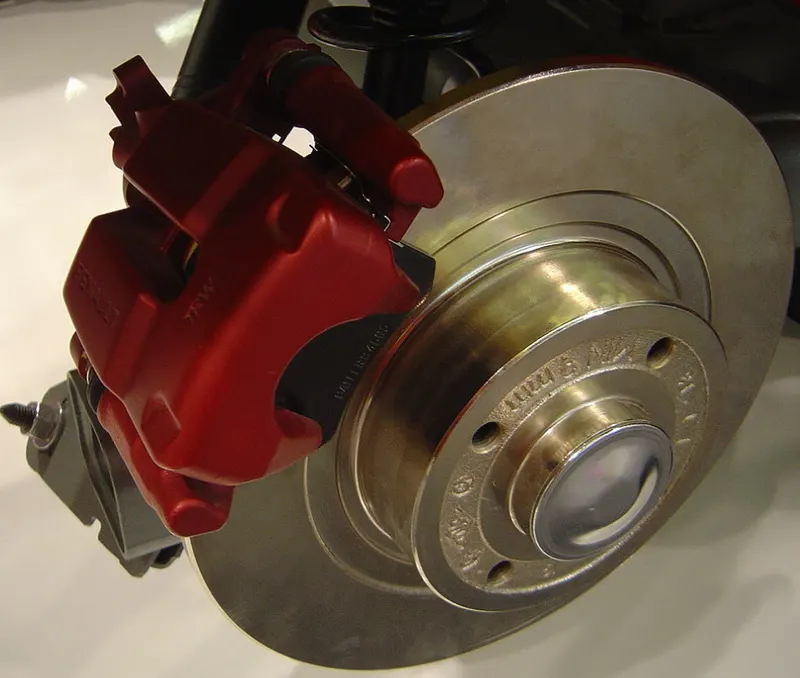
- A disc brake is a type of brake that uses the calipers to squeeze pairs of pads against a disc to create frictin This action slows the rotation of a shaft, such as a vehicle axle either to reduce its rotational speed or to hold it stationary. The energy of motion is converted into waste heat which must be dispersed.
- A hydraulic brake is an arrangement of braking mechanism which uses brake fluid, typically containing glycol ethers or diethylene glycol, to transfer pressure from the controlling mechanism to the braking mechanism.
Thrust reversal that allow thrust from the engines to be used to slow the aircraft.
- Thrust reversal, also called reverse thrust, is the temporary diversion of an aircraft engine's thrust for it to act against the forward travel of the aircraft, providing decelaration. Thrust reverser systems are featured to help slow down just after touch-down, reducing wear on the brakes and enabling shorter landing distances.
- Air Brakes, dedicated, that work by increasing drag.
- Large drogue parachutes used by several former and current military and civilian aircraft
787 Braking System: Stopping a 200-tonne aircraft landing at 180 mph requires a lot of braking force. To do this, the 787 has one brake unit on each of the eight wheels on the main gear assembly.
On other aircraft types, the brake units are powered by the hydraulics system. An electrical signal is sent from the flight deck to hydraulic actuators near the main landing gear. Here, hydraulic fluid at 3,000 pound per square inch is used to force the brake unit against the wheel, thus slowing it down.
Part B:
6. A. With necessary assumptions, calculate the force and power required to push / pull an aircraft by a towing vehicle.
Let Assume,
Aircraft Details:
weight(w1) = 4,00,000 Kgs
Tyre Rolling resistance coefficient (`mu_(rr1)`)= 0.004
Force Due to rolling resistance (`F_(rr1)`)= `mu_(rr1)`*w1*g
= 0.004*4,00,000*9.81
= 15,696 Newtons
Frontal Area Of Air Craft (A1) = 20sq.m
Drag Coefficient (`C_(d1)`) = 0.025
Air Density (`rho`) = 1.25 kg/ cubic meter
Velocity of Truck = Velocity of Aircraft ( V )= 25km/hr = 6.94 m/s
Aerodyanamic Drag Force (`F_(ad1)`) = `1/2rhoAC_d1V^2`
= 0.5*1.25*20*0.025*6.94*6.94
= 15.05 Newtons
Tug/Tractor details:
weight (w2) = 50,000 kgs
Tyre Rolling resistance coefficient (`mu_(rr2)`)= 0.0035
force Due to rolling resistance (`F_(rr2)`)= `mu_(rr2)`*w2*g
= 0.0035*50,000*9.81
= 1716.75 Newtons
Total Rolling resistance force (`F_(rr)`)= 17,412.75 Newtons -----------------1
Frontal Area Of Tractor (A2) = 1.8sq.m
Drag Coefficient (`C_(d2)`) = 1.15
Aerodyanamic Drag Force (`F_(ad2)`) = `1/2rhoAC_d2V^2`
= 0.5*1.25*1.8*1.15*6.94*6.94
= 62.31 Newtons
Total Aero dynamic Force (`F_(ad)`) = 77.36 Newtons-----------------2
Total Force Required to Pull/push the aircraft = Eqn-1 + eqn-2
= 17,412.75 + 77.36
= 17490.1 Newtons
Power Required to pull/push the aircraft = Force * Velocity
= 17490.1 * 6.94
=121.38 KW
B. Simulink Model for Force, Power and Energy Calculation
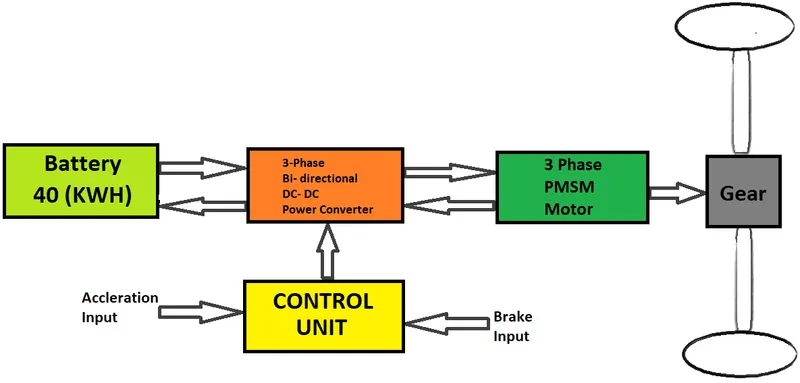
7. A. Design an electric powertrain with type of motor, it’s power rating, and energy requirement to fulfill aircraft towing application in Simulink. Estimate the duty cycle range to control the aircraft speed from zero to highest. Make all required assumptions. Prepare a table of assumed parameters. Draw a block diagram of powertrain.
(Hint :DC7 Block)
Design of Electric Powertrain:
Assumptions:
Aircraft Details:
weight(w1) = 4,00,000 Kgs
Tyre Rolling resistance coefficient (`mu_(rr1)`)= 0.004
Frontal Area Of Air Craft (A1) = 20sq.m
Drag Coefficient (`C_(d1)`) = 0.025
Air Density (`rho`) = 1.25 kg/ cubic meter
Velocity of Truck = Velocity of Aircraft ( V )= 25km/hr = 6.94 m/s
Tug/Tractor details:
weight (w2) = 50,000 kgs
Tyre Rolling resistance coefficient (`mu_(rr2)`)= 0.0035
Frontal Area Of Tractor (A2) = 1.8sq.m
Drag Coefficient (`C_(d2)`) = 1.15
Aerodyanamic Drag Force (`F_(ad2)`) = `1/2rhoAC_d2V^2`
Gear Ratio-G (for high torque output) =11
Tyre radius (r) = 0.5m
Operational time of the towing for one cycle = 0.25 Hr = 15min
Bi- Directional DC-Dc Boost converter used.
As we Calculated previously
Total Force Required to Pull/push the aircraft = 17490.1 Newtons-------------------------1
Power Required to pull/push the aircraft =121.38 KW--------------------------------------2
Energy Required to pull/push the aircraft =Power(kw) * Time(Hr)
= 121.38*0.25
=30.3 KWH-------------------------------------3
We have Force (F) = Torque (T) *(Gear(G)/tyre Readius(r))
T = F*(r/G)
= 17490.1*(0.5/11)
Torque (T) = 795 N-m---------------------------------------------------------4
- Thus, Battery which stores energy of 30.3 KWH is required to Produce 795 N-m Torque in a motor for a towing of Aircraft by a tractor in 15mins.
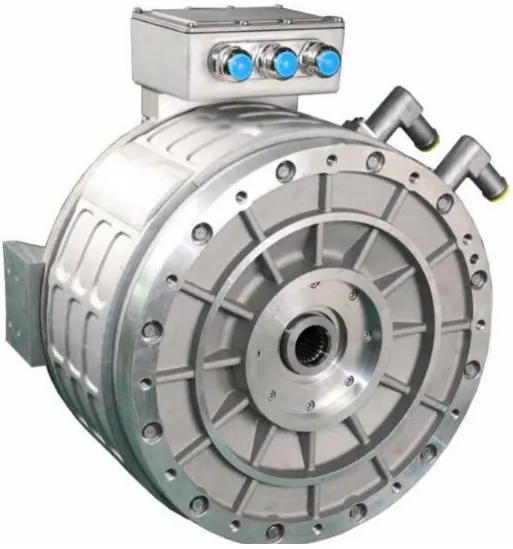
Motor Selection:
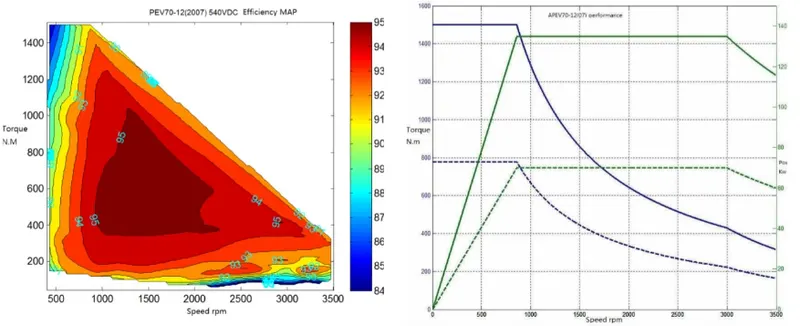
Let us consider Permanent Magnet Synchronous motor (PMSM) whose power rating is Greater than 122KW With the gear ratio and transmission output it should deliver of minimum of 800 Nm torque.
Motor Parameters :
Type = PMSM
Phase (`phi`) =3
AC voltage(V)= 200v - 750v VDC
Pole(p) = 12
Direct Current Voltage(V) = 540v DC
Rated current (I_r) = 255 A
Peak current(I_p) = 650 A
Rated Power(P) = 150 KW
Peak Power(P) = 220 KW
Rated Speed(w_r) = 1650 RPM
Peak Speed(w_p) = 3300 RPM
Rated Torque (T_r) =868 Nm
Peak Torque(T_p) = 3000 Nm
Insulation Grade = H
Protection Class = IP67
Cooling = water
Weight(W) = 260 Kgs
Efficiency(`eta`) = 88% (assumed)
Duty Cycle Calculation:
Motor Input power(P) = Rated Motor Power(P_r)/Efficiency(`eta`)
= 150*0.88
=132 KW (Required Power =121.38 KW)
Duty Cycle = Output Power/Input Power
= 122/132
Duty Cycle=92.43%
- Duty cycle range to control speed from zero to highest speed (25KMPH) is 92.43%
Block Diagram Of Power Train Model: