Project-1: Powertrain for aircraft in runways
part1).
1). diffrent type of load on an aircraft are as follows :
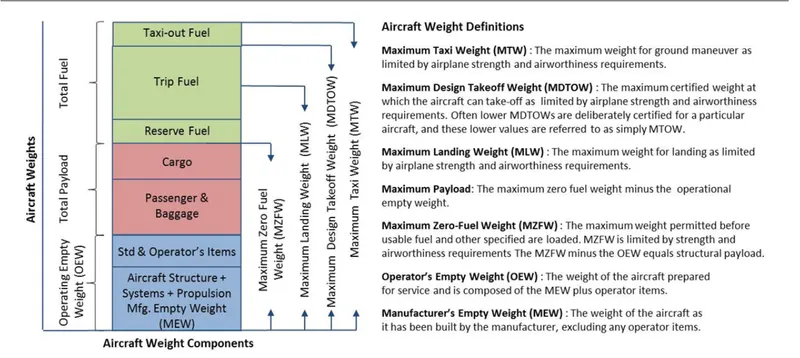
load are distributed among the aircraft in two main parameters
"air load" & "ground load "
this load are further divided into surface load and body forces
rather than that load are depended on diffrent parameter starting from the weight of vehicle to the atmospheric pressure in the sky.
types of aircraft available are :
helicopter ,fighter jet , bomber airplane ,ground attack aircraft, rescue plane ,reconassissance plane ,drop off supply plane (cargo plane ), dropping troop plane, private jet ,high altitude aircraft, passanger plane etc etc.
Category MTOW(kg) MLW(tons)
Boeing 747-8F 447,700 346.091
Airbus A380-800 575,000 394
Concorde 185,000 111.1
Antonov An225 640,000 91.7
Vickers VC10 152,000 151.9
Fokker 100 46,000 39.95
Embraer 175(19) 37,500 32.8
Avro RJ-85 42,000 36.47
Tupolev Tu-154M 104,000 80
Boeing 777-300 299,370 237.683
taking an example of passenger plane or cargo plane we can consider three types of weight that are affecting on a plane
maximum towing weight :the weight of passenger + luggage and other carho that is been loaded on plane +the weight of plane itself .
maximum takeoff weight :the weight or the load that is been acting on the plane during takeoff of vehicle due to the air drag and other forces such as gravitation or other forces acting on it is known as maximum takeoff weight .
maximum landing weight :the force acting on a plane during the landing of plane
maximum zero fuel weight :The maximum permissible weight of the aircraft less all usable fuel and other specified usable agents engine injection fluid, and other consumable propulsion agents. It is the maximum weight permitted before usable fuel and other specified usable fluids are loaded in specified sections of the airplane.
2). diffrence between air speed and ground speed
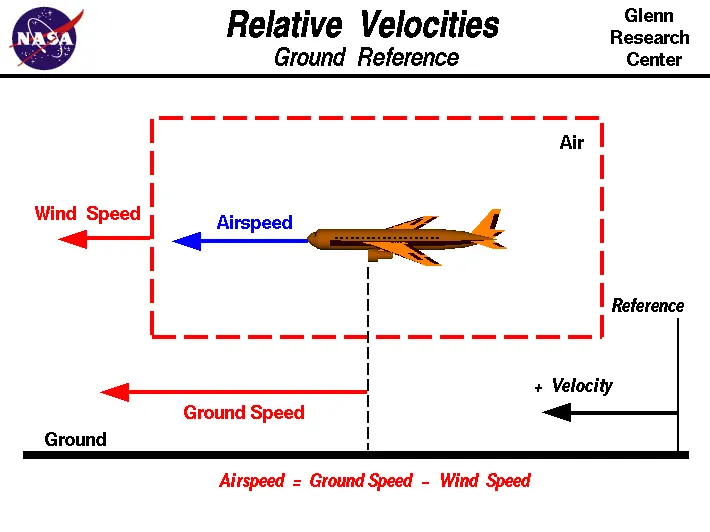
as we can see from the above illustration the direction of air against the plane acts more in air than ground .
the speed of the plane at ground includes the loss such as rolling resistance, air drag , kerb weight ,payload etc
while in case of air the forces that act on a plane are air drag ,aero dynamic forces, On a perfectly still day, the airspeed is equal to the ground speed. But if the wind is blowing in the same direction that the aircraft is moving, the airspeed will be less than the
3).Why is it not recommended to use aircraft engine power to move it on the ground at Airport? ground speed.
as the plane engine are specifically designed to produce a huge amount of thrust to lift that heavy piece of flying metal it can not be used for small distance movement it could lead to serious damage and disaster at the runway and near by object for this reason tow tractor and pushbacks are used in order to avoid accidents
the another reason for this are engines are designed to move an airplane at high speed for continious operation it can not be used discretely leading it to fuel consumption and additionally the engines create a negative pressure in the front region of the engine that can suck up what evercomes in its way
so it is no advisable to use engines turbine to move airplane except on airtrack.
ans 4). How an aircraft is pushed to runway when its ready to take off?
The aircraft moves on wheels. An airplane uses taxiways to taxi from one place on an airport to another; for example, when moving from a terminal to the runway.
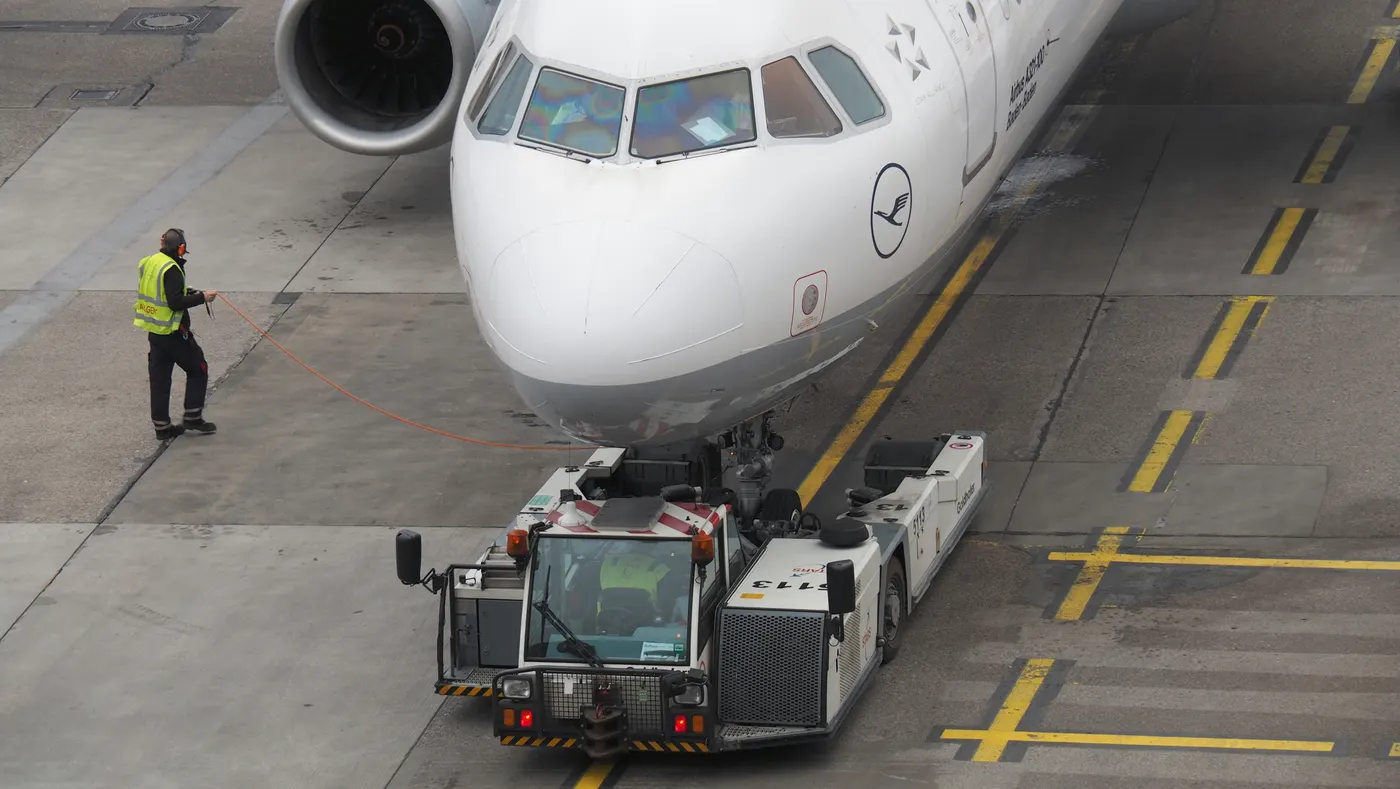
The aircrafts always moves on the ground following the yellow lines, to avoid any collision with the surrounding buildings, vehicles or other aircrafts. The taxiing motion has a speed limit. Before making a turn, the pilot reduces the speed further to prevent tire skids. Just like cars, there is a certain list of priorities during taxiing. The aircrafts that are landing or taking off have higher priority. The other aircrafts have to wait for these aircrafts before they start or continue taxiing.
The thrust to propel the aircraft forward comes from its propellers or jet engines. Steering is achieved by turning a nose wheel or tail wheel/rudder; the pilot controlling the direction travelled with their feet. The use of engine thrust near terminals is restricted due to the possibility of jet blast damage. This is why the aircrafts are pushed back from the buildings by a vehicle before they can start their own engines for taxiing.
this process of moving an airplane to its track is commonly knows as taxing or towing .
ans5).take off power, tyre design, rolling resistance, tyre pressure, brake forces when landing.
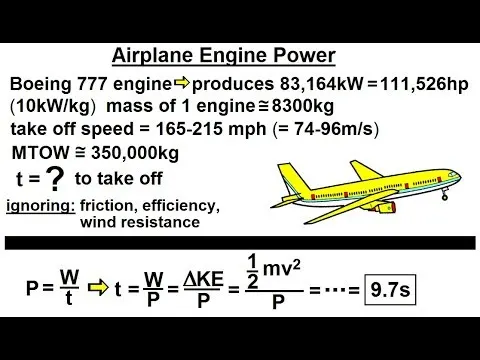
take off power : the power that is produced by the engine turbine during take off in order to lift the airplane above the ground level against all the diffrent forces acting on the surface of the airplane or inside the airplane due to its own weight this force is known as take off power
Tyre Design:
Based on the type of plies used the tyres can be:
Radial ply tires - these tyres feature a flexible casing which is constructed of rubber-coated ply cords which extend around the beads and are substantially at 90° to the centerline of the tread. The casing is stabilized by an essentially inextensible circumferential belt.
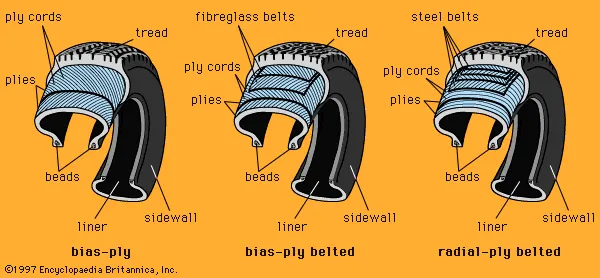
Bias ply tires - these tyres feature a casing which is constructed of alternate layers of rubber-coated ply cords which extend around the beads and are at alternate angles substantially less than 90° to the center line of the tread.
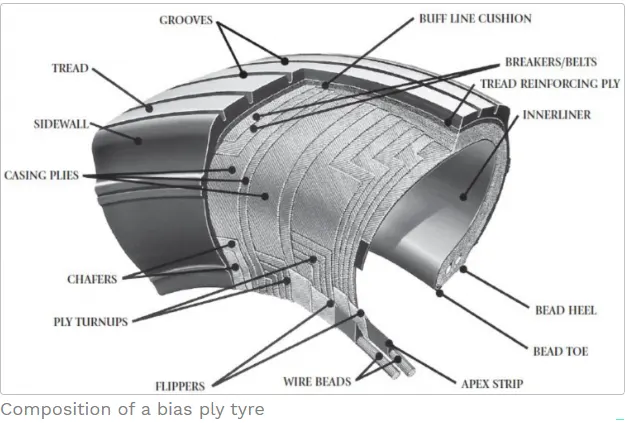
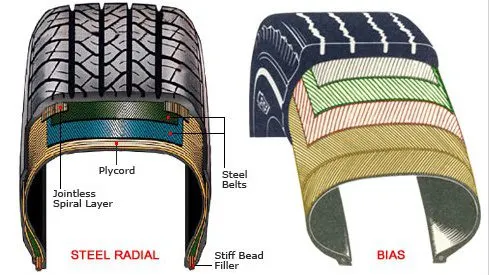
Based on the method for containing the inflation gas the tyres can be:
Tube-type tyres - these require tubes for inflation retention.
Tubeless tyres - these do not require tubes. They are constructed with an innerliner (integral rubber lining that is engineered to prevent the diffusion of the inflation gas into the casing.).
rolling resistance :the resistance observed by the tyre during the initial condition of a plane take of and landing is called rolling resistance .
incase of airplane rolling resistance it is way lower thn that of a truck or any other vehicle running on ground becuase the tyre of plane stays in contact of ground during landing and take off than that of any other conventinal ground vehicle which has a constant contact with ground which lead to friction and inefficieny of a vehicle .
Brakes Forces When Landing:
In general, when the wheels touch the ground, a set of spoilers raise up quickly, which kills the lift provided by the wings. (There are two sets seen in the image below: ground spoilers that only deploy on landing, and spoilers that are used in flight as speed brakes as well as on landing.) While the spoilers provide some drag, their primary purpose is to stop the plane from actually flying, putting all of the weight on the landing gear and in turn making the brakes that much more effective.
an illustration of mechanical friction brakes are mentioned :
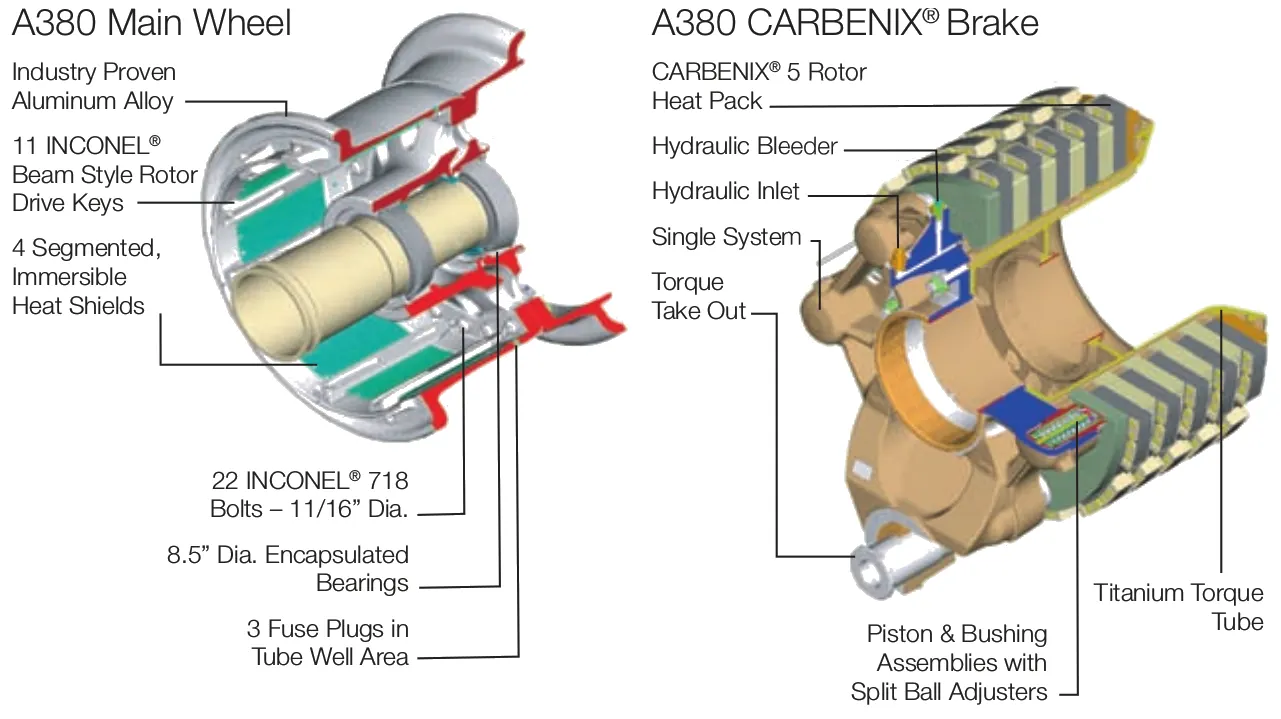
Aircraft have highly-engineered, multi-disc brakes made of a carbon-steel material. Manufacturers include Honeywell and Goodrich, part of Collins Aerospace. In general, the brakes are composed of discs that rotate with the wheel and separate discs that are fixed. When pressure is applied—and below you see pressure applied from the right fixed disc on all of the discs—the entire assembly compresses to create the braking action. Carbon brakes are standard today; they cool faster than steel brakes (their predecessor) and can weigh up to 700 pounds less. That represents a significant weight saving for airlines.
Auto Brakes:
Wheel brakes are usually selected to engage automatically after landing. These are called “autobrakes”.that all airliners have several levels of autobrake “severity”. The crew will decide which is the most appropriate to use for every landing depending upon factors like the length of runway, if it is wet or dry, or if the pilots want to exit the runway at a particular point. “For a short wet runway you might select autobrake 3, or MED on the Airbus. For a long dry runway you might select autobrake 1 or LOW on the Airbus".
the non contact and slow method of braking is using the air drag against the airplane using the gliders in the wings which are raised during landing to slow down the speed during landing or after laning with addition to frictional mechanical brakes .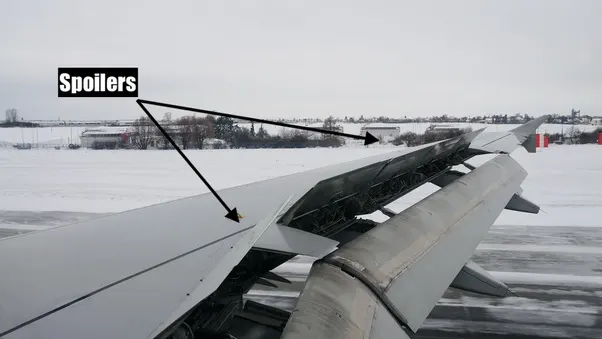
the above image gives a clear idea of how it works :
part B).
ans 6).with necessary assumpton made calculate the force & power required ro pull or push an aircraft by towing vehicle.
assuming the total load of airplane =580000kg(on the basis of assumption made ) including payload).
rolling resistance=Frr=0.002 on asphalt road
rolling resistance force is calculated by = mass *gravity constant
for towing vehicle
=0.002*1000(weight of towing vehicle )*9.81(gravity constant ).
=19.62nm
now rolling resistance for plane
Frrp=0.002*580000*9.81
=11379.6nm
converting this force into kilo newton we get "11.2815" kn
now calculating aerodynamic resistance
drag coefficient =0.025
air density =1.125kg m^3
frontal area = 150m^3
velocity=14.5kmphor 4m/s
therefore aerodynamic resistance =0.5*0.025*1.1125*150*4
which gives =33.75newtons of force
here we will neglect the gradient of hill climbing force as there is no incline angle present on the airport track .
therefore total resistance =11.2815kn
power required =Fr*v
=11.2815*4
=45.26 kw of energy is required to overcome or push or pull a airplane on the track
excel file attached below
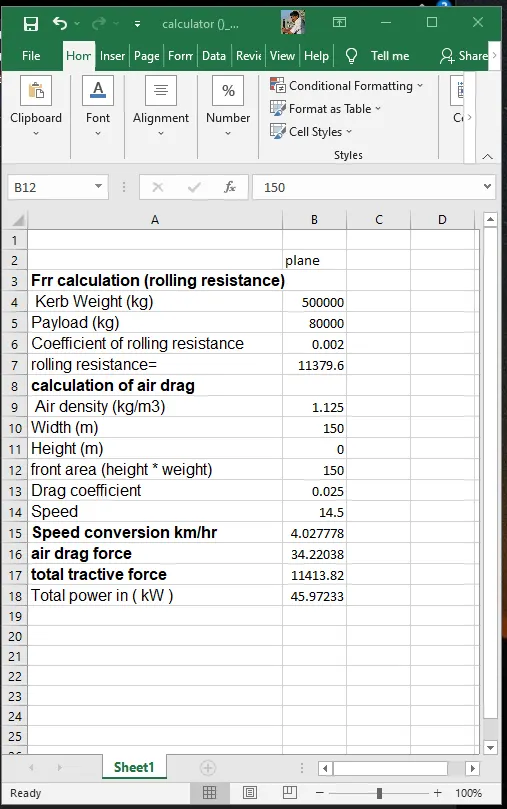
B). Develop the model for the calculated force and power using Simulink.
Simulink Model:
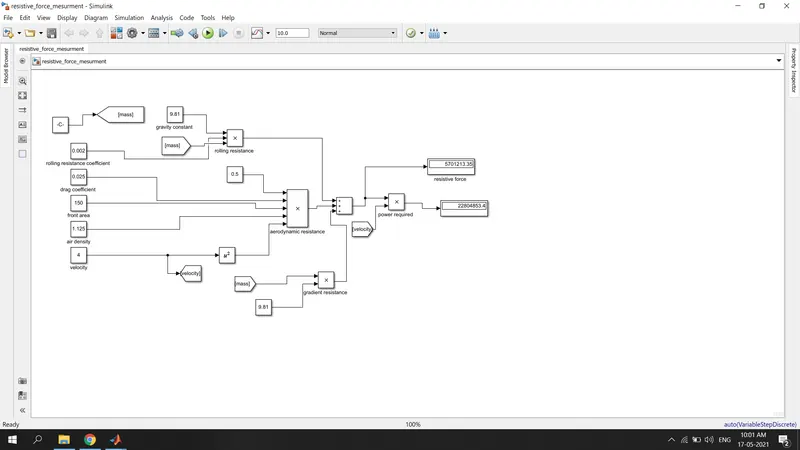
in the above model the calculation was designed using constant , sum ,product,display and square block
as there is no hill climbing force acting on a plane or towing vehicle gradient or hill climbing force were neglected and calculation was proceed further .
Ans 7). Design an electric powertrain with type of motor, it’s power rating, and energy requirement to fulfill aircraft towing application in Simulink. Estimate the duty cycle range to control the aircraft speed from zero to highest. Make all required assumptions. Prepare a table of assumed parameters. Draw a block diagram of powertrain.
the motor which can full fill our requirment is as follows :
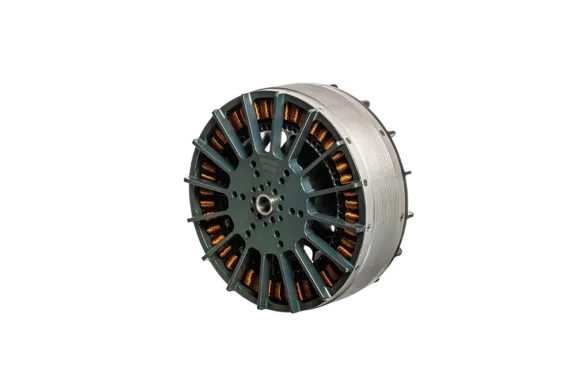

Considering 35kW as continuous power, so the voltage will be 400V
Battery power is considred to be 450v
Duty cycle is given by vo/vb
where Vo is motor required voltage
Vb is battery voltage.
duty cycle =400/450
=0.8888+10%
=0.97768
conclusion :therefore the voltage demand should be around 440V from the battery.
| Assumed Parameters | ||
| Mass of aircraft | 580000 | kg |
| Mass of the push back truck | 1000 | kg |
| Coefficient of Rolling Resistance | 0.002 | |
| Drag Coefficient | 0.025 | |
| Air density | 1.125 | kg/m^3 |
| Frontal Area | 150 | m^2 |
| Velocity | 4 | m/s |
| Uphill gradient | 0 | deg |
| Battery Voltage | 450 | V |
| Correction Factor | 0.8 | |